Millions of travelers pass through this corner of Asheville every year, and most of them are in a hurry. They have tickets for a famous mansion up the road, a parking pass in hand, and a schedule to keep.
So they drive right past a tidy little neighborhood with brick sidewalks, pebbledash cottages, and a church built in the 1890s. That is a real shame, because this small district holds over a century of stories.
It was planned by one of the richest families in American history, and it still feels like a village with its own personality. Galleries, jewelers, bookshops, and cafes now fill homes once built for estate workers.
The sections below explain where it is, how it began, what to explore, and how to plan a visit that lasts longer than a quick drive-by.
Where the Village Sits
Finding it is easier than most people expect. Biltmore Village is in Asheville, NC 28803, USA, in the western mountains of North Carolina.
The neighborhood sits just south of downtown Asheville, a short drive along Biltmore Avenue. It lies right beside the main entrance to the Biltmore Estate, which is why so much traffic rolls through.
Here is the funny part. The same location that brings huge crowds also makes the village easy to skip.
Many travelers see it only through a car window on the way to the estate gates.
The streets form a compact grid that is simple to explore on foot. Most shops and landmarks sit within a few blocks of each other, so a short loop covers a lot of ground.
Public parking lots and street spots are scattered around the district. Arriving early in the day usually makes finding a space less stressful.
Once the car is parked, the whole village opens up. A good pair of walking shoes is really the only extra tool needed.
A Town Built by a Tycoon
George Vanderbilt did not stop at building the largest privately owned house in America. He also wanted a proper village at the foot of his estate.
In the 1890s, he purchased an older community near the estate entrance and redesigned it. The goal was a planned town that could house workers and serve the needs of the growing estate.
Famous names helped shape it. Richard Morris Hunt, the architect of Biltmore House, designed key buildings.
Frederick Law Olmsted, the landscape designer known for Central Park, helped plan the street layout.
The result was a neat village with a church, a train depot, an estate office, and rows of cottages. It was a rare example of a planned community in the South at that time.
After Vanderbilt passed in 1914, his widow Edith sold much of the village. Over time, homes became private property and later turned into shops.
Every storefront today carries that history. A quick glance at the rooflines reveals a story more than a century in the making.
The Cathedral at the Center
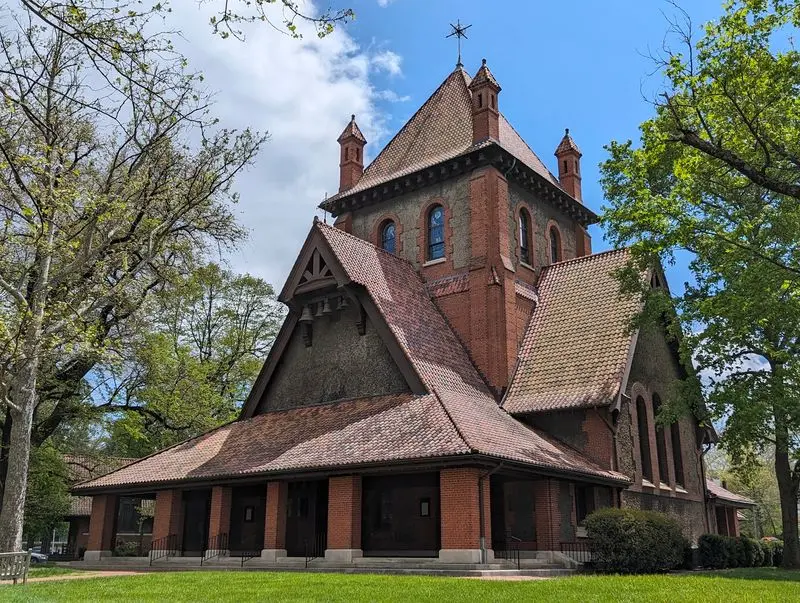
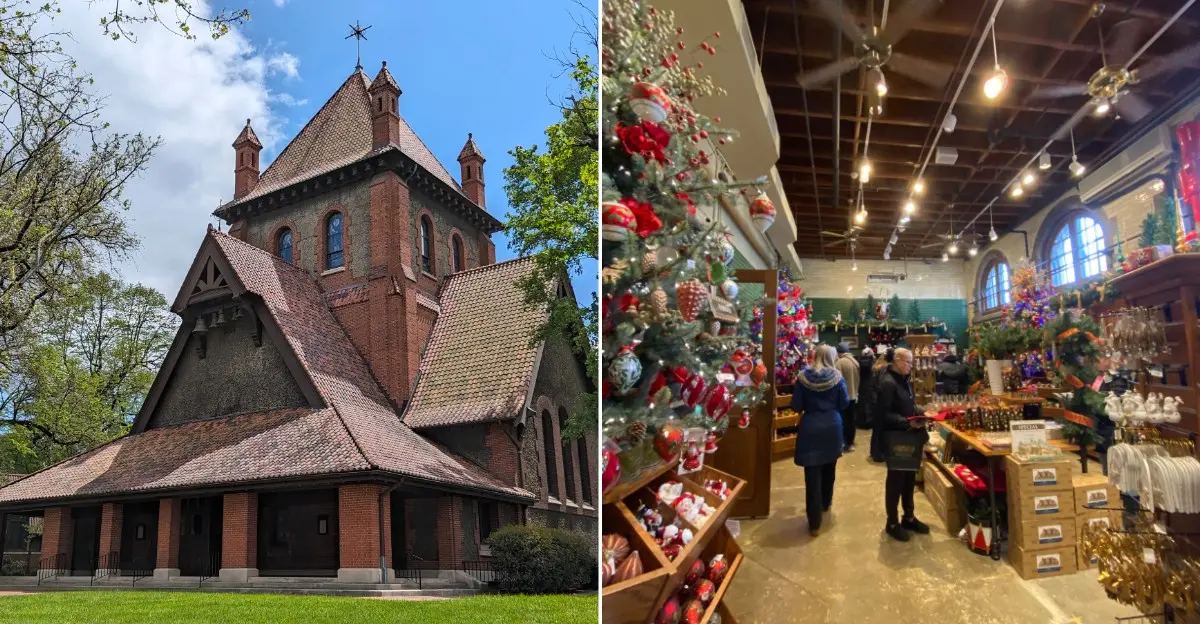
Few churches in North Carolina have a pedigree quite like this one. The Cathedral of All Souls opened in 1896 and was designed by Richard Morris Hunt.
It is built in the Romanesque Revival style, with rounded arches and a sturdy central tower. The look ties in neatly with the rest of the village, which shares similar design details.
George Vanderbilt was a major supporter of the church. It served as the spiritual heart of his planned community and still serves an active Episcopal congregation today.
Many people admire it from the sidewalk and keep moving. That is a missed chance, since the building is one of the most important landmarks in the area.
The church grounds sit right in the village, so a stop takes only a few minutes. Checking the church website ahead of time can help with tour availability or service times.
Respectful behavior goes a long way here, since it is a working place of worship. Quiet curiosity is always welcome.
Cottages With Second Careers
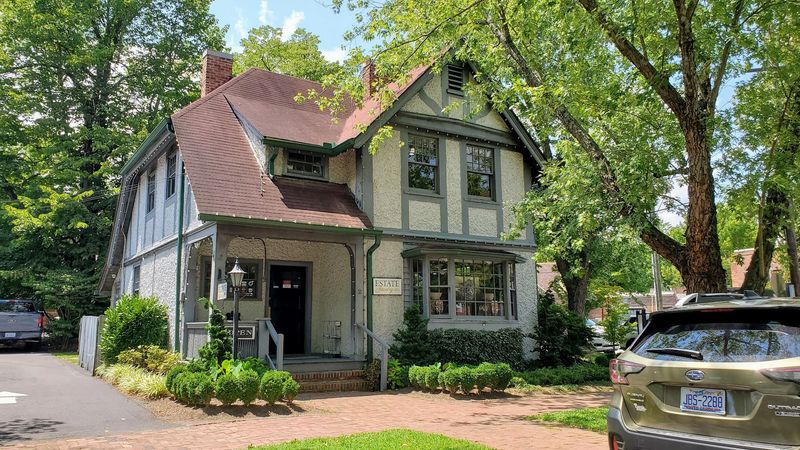
Plenty of old houses get torn down. These ones found new jobs instead.
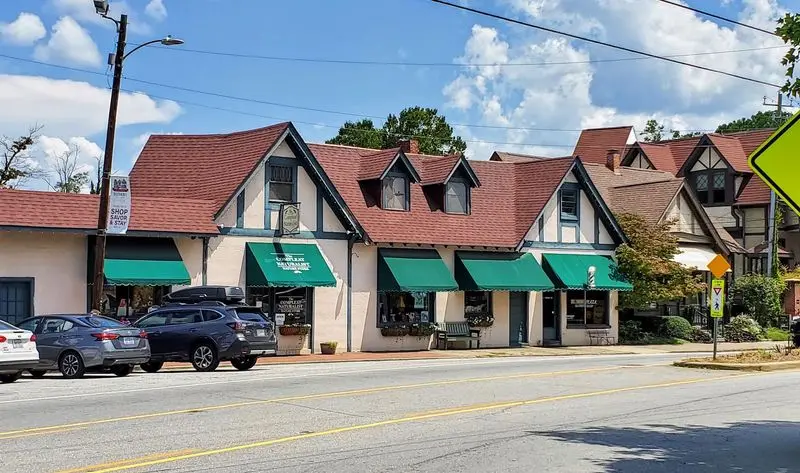
The village cottages were first built as homes for estate workers and their families. Today, many of them hold boutiques, galleries, and specialty stores.
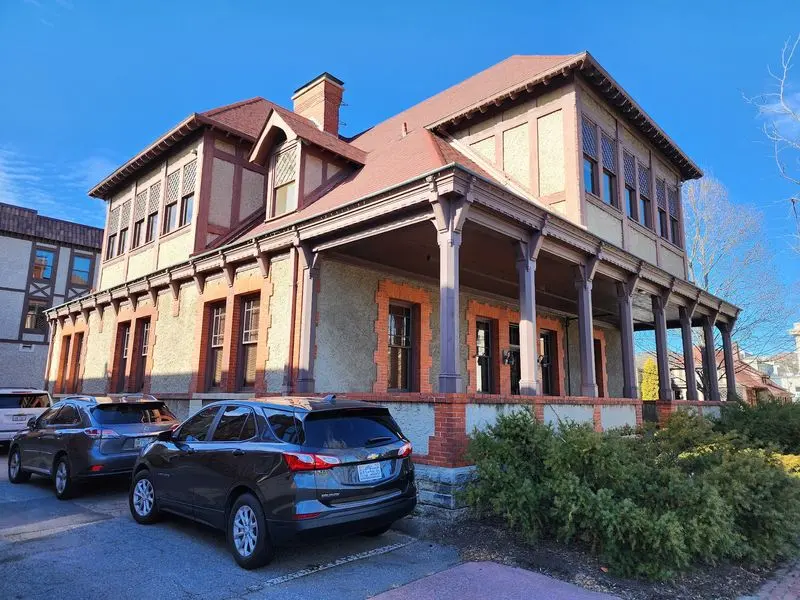
Look closely at the walls. Many buildings use pebbledash, a rough stucco finish with small stones mixed in, along with half-timbered details.
These features give the district its unmistakable style.
The buildings are part of a historic district, which helps protect their original look. That is why the village still feels like a cohesive neighborhood instead of a strip of random stores.
Shopping here comes with a bonus history lesson. Each doorway once opened into a family home, and the floor plans often still show it.
A slow stroll is the best approach. Rushing past means missing the porches, chimneys, and little design quirks that make each cottage a little different from its neighbors.
Sparkle on Every Block

Jewelry stores are one of the village’s signature features. Several of them operate inside the historic cottages, which makes window shopping feel a bit more special.
Shoppers can find fine jewelry, estate pieces, and designs from local and regional makers. Some stores focus on classic styles, while others carry more modern work.
Not ready to buy a diamond today? That is perfectly fine.
Browsing costs nothing, and staff in these shops are usually happy to explain different stones and styles.
Couples planning engagements often put the village on their list. The mix of history and quality craftsmanship makes it a memorable place to shop for something meaningful.
A helpful tip is to set a budget before going inside. With so many beautiful options, it is easy for wish lists to grow quickly.
Even for casual browsers, these stores add a lot of charm to a walk. A little window gazing never hurt anyone’s wallet.
Art Hiding in Plain Sight
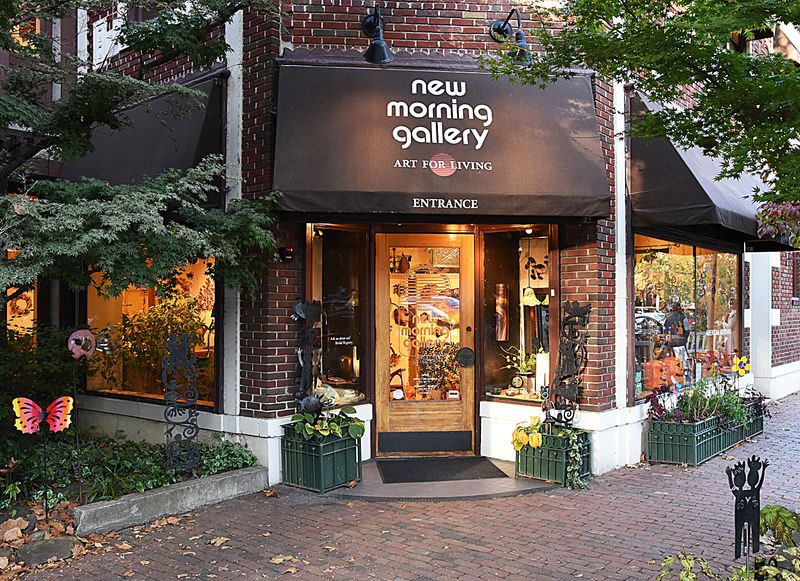
Asheville has a strong reputation as an arts town, and the village holds its share of that talent. Galleries are tucked into the old cottages along the main streets.
Inside, shoppers may find paintings, pottery, glass, woodwork, and other handmade items. Many pieces come from artists in the Southern Appalachian region.
The mountains around Asheville have a long craft tradition. Buying a piece here is a way to support artists who keep that tradition alive.
Gallery staff often know the stories behind the work. Asking a simple question about an artist can turn a quick browse into a fun conversation.
Prices cover a wide range. Small prints or ceramic pieces can fit a modest budget, while larger works are more of an investment.
Even without a purchase, galleries make a great break from a busy sightseeing day. A slow lap around one room might be the most relaxing fifteen minutes of the whole trip.
Boutiques Worth the Detour
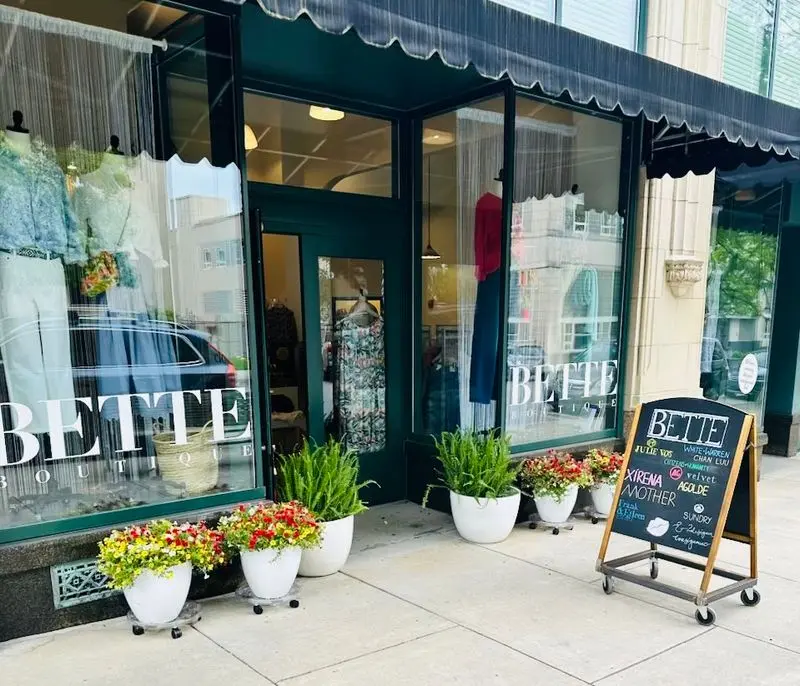
Chain stores exist here, but the real fun is in the independent shops. Upscale boutiques sell clothing, home goods, gifts, and accessories.
Many of these businesses are locally owned. That means the selection often feels more personal than what turns up at a typical mall.
Gift hunters can do well in the village. It is a smart spot to find something for a friend back home that does not look like a generic souvenir.
Stores tend to have their own personalities. One might focus on home decor, while the next carries stylish outfits or kitchen goods.
Holiday seasons bring extra energy to the shops. Asheville stays busy in late fall and December, and the village fills with people buying gifts.
A smart plan is to visit the boutiques before or after an estate tour rather than skipping them entirely. Shop hours can vary, so a quick check online saves time.
Retail therapy, with a side of history, is hard to beat.
The Depot and the Estate Office
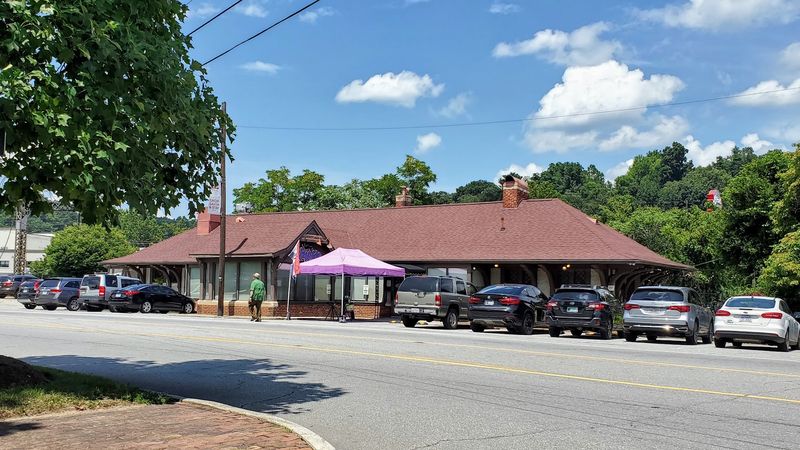
Long before highways carried crowds here, trains did the heavy lifting. The village once relied on a railroad depot that served the estate and the community.
The Biltmore depot was designed by Richard Morris Hunt and fits the same architectural style as the rest of the village. It stands as a reminder of how guests and supplies once arrived.
Nearby, the Biltmore Estate Office building served as the business hub for the estate. It was another part of the original plan for the village.
These buildings help explain why the area looks so unified. Hunt and his team designed several structures to match, creating a clear and orderly town.
History fans will enjoy spotting these landmarks during a walk. A little background reading before a visit makes the details easier to notice.
Not every old building has a sign explaining its past. That is part of the appeal, since a curious eye can uncover plenty without a tour guide.
Fuel for the Wanderers
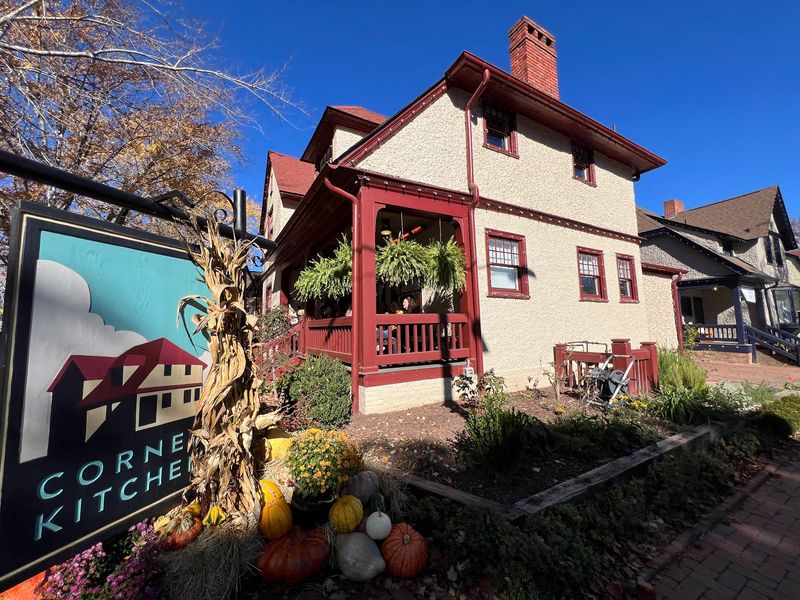
Shopping and sightseeing tend to build an appetite. Luckily, the village has plenty of places to sit down and recharge.
Cafes, coffee shops, and farm-to-table restaurants dot the area. The farm-to-table style connects with the wider Asheville focus on local farms and regional ingredients.
A meal break is also a great way to slow down. Instead of rushing off after the estate, a lunch stop gives time to explore a few more shops afterward.
Popular spots can fill up, especially on weekends and during holiday season. Making a reservation where possible is a helpful move.
Families will find options that work for different budgets. Casual cafes sit alongside more polished dining rooms.
Outdoor seating is common in the warmer months. People watching from a sidewalk table offers a front row view of village life.
A full belly also makes for a better shopper. Fewer snack emergencies means more time to browse.
Why the Crowds Rush Past
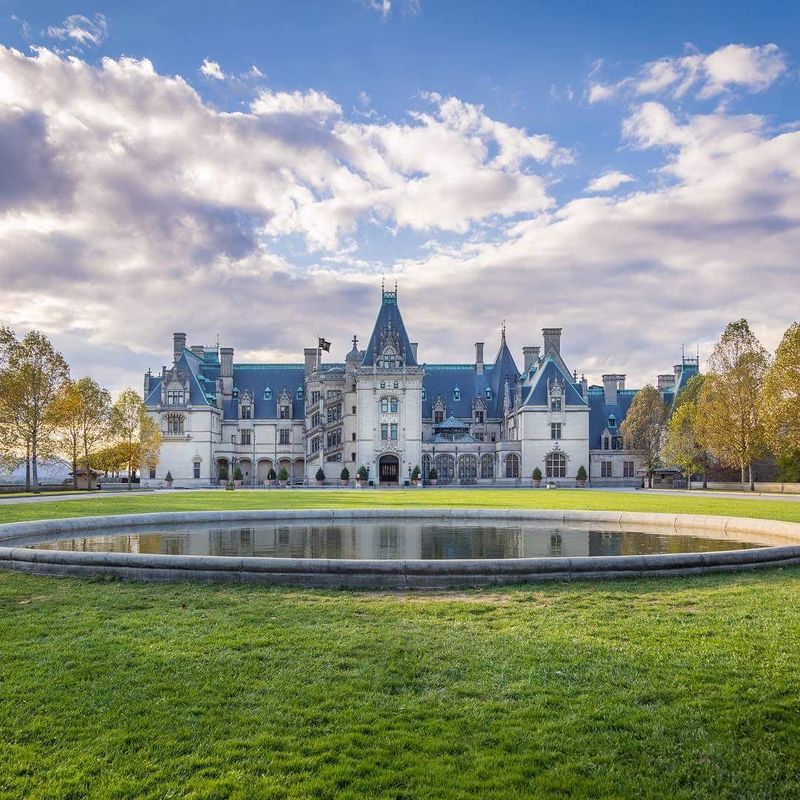
So why do so many people skip the shops? The answer comes down to timing.
Biltmore Estate tickets often come with timed entry for the house. Travelers focus on arriving on schedule, then feel tired after hours of touring the mansion and gardens.
By the time they leave, many simply head back to their hotels. The village gets a quick glance and nothing more.
Another reason is that some people do not realize the village is its own destination. They assume it is just part of the road leading to the estate.
A few small changes can help. Planning an extra hour or two before or after the estate visit makes room for a relaxed stroll.
Another idea is to visit on a separate day entirely. That way, the village gets full attention instead of leftover energy.
Giving the neighborhood its own time slot turns a drive-by into a real outing worth remembering.
Holiday Season Magic
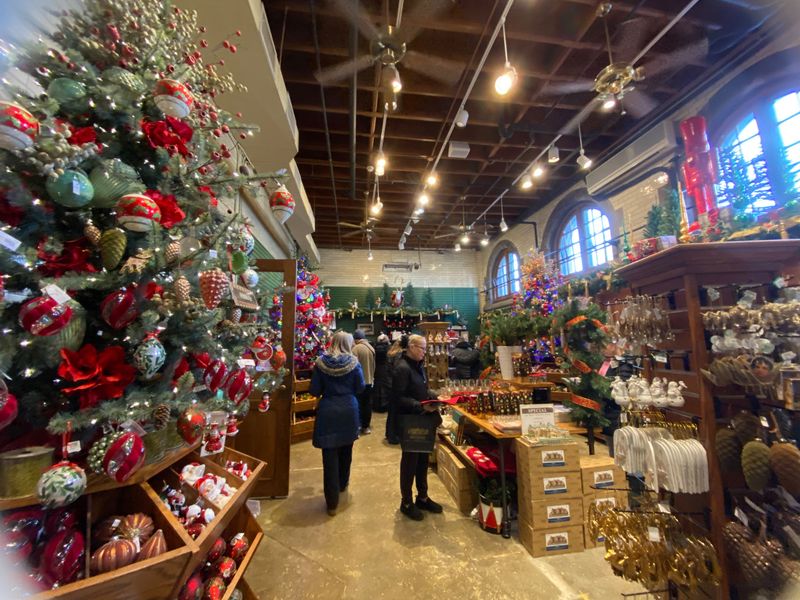
December is when the village really shows off. The Biltmore Estate is famous for its Christmas celebrations, and that holiday spirit spills into the streets nearby.
Shops often decorate their storefronts with wreaths, garlands, and lights. The historic cottages make a lovely backdrop for festive displays.
Holiday shopping here can feel very different from a crowded mall. Small stores and unique gifts make the experience more personal.
Expect larger crowds during this time. Parking can be harder to find, so arriving early in the day is a wise choice.
Fall is another popular season. Leaf season in the Blue Ridge Mountains brings many travelers to Asheville, which means busy weekends.
Quieter times include weekday mornings and the months after the holidays. Those periods often allow a slower, calmer visit.
Whatever the season, checking local event listings is helpful. Special happenings can add an extra reason to stick around a little longer.
Smart Moves for a Longer Stay
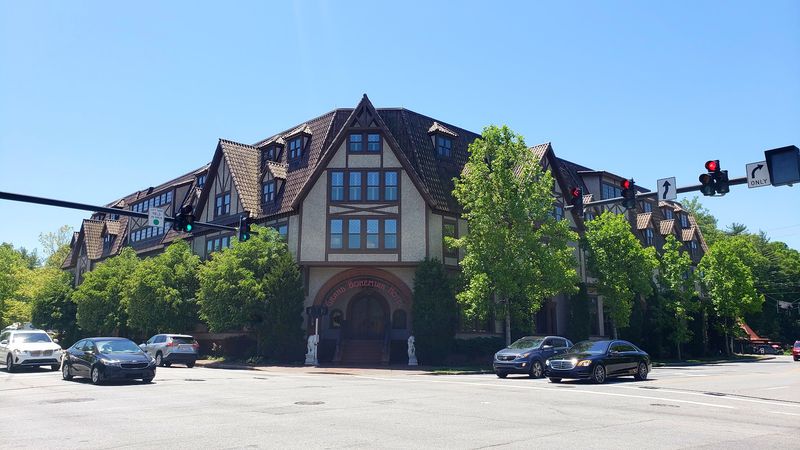
A little planning turns a short stop into a great afternoon. The first step is wearing comfortable shoes, since the village is best explored on foot.
Parking in one spot and walking the whole district saves time and frustration. Most highlights sit close together.
Shop hours vary from store to store. Checking ahead keeps anyone from arriving at a locked door.
Try mapping out a simple loop. Start at the Cathedral of All Souls, wander past the cottages, then end with a cafe break.
Bring a reusable bag for purchases. It makes carrying several small finds much easier.
Families with kids should plan regular breaks. Short stops keep everyone happy and interested.
The village rewards people who slow down. Millions of travelers pass through each year, yet the ones who linger tend to leave with the best stories.
After all, a historic town built by the Vanderbilts deserves more than a glance through the windshield.