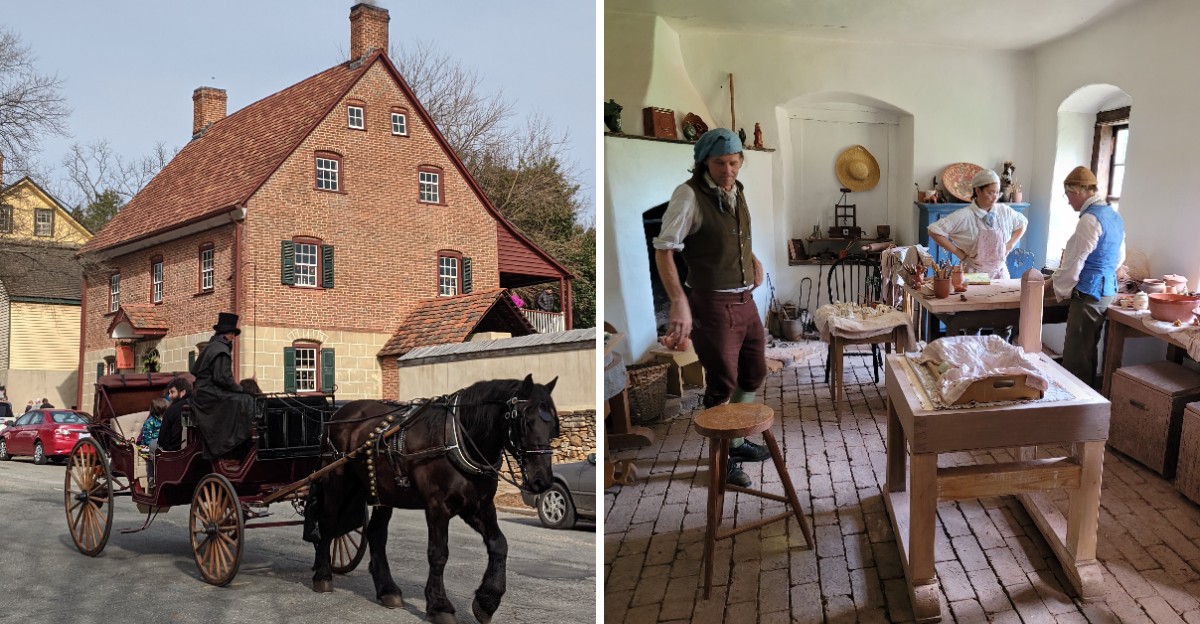
A few blocks from downtown Winston-Salem, the modern city quietly steps aside. Brick sidewalks replace busy crosswalks, and workers in long skirts and linen shirts explain how a gun barrel or a clay pot was made more than two hundred years ago.
Floors in some houses here are older than the Declaration of Independence. The streets are free to wander, the shops are open to everyone, and a single ticket unlocks trade workshops, historic homes, and a boys’ school with stories to tell.
It is the kind of place where a quick stroll often turns into a full afternoon. Keep reading to learn where to start, what to see first, which buildings need a ticket, and a few smart tips that make a visit here easier, calmer, and much more fun for the whole family.
A Moravian Town Hiding in Plain Sight
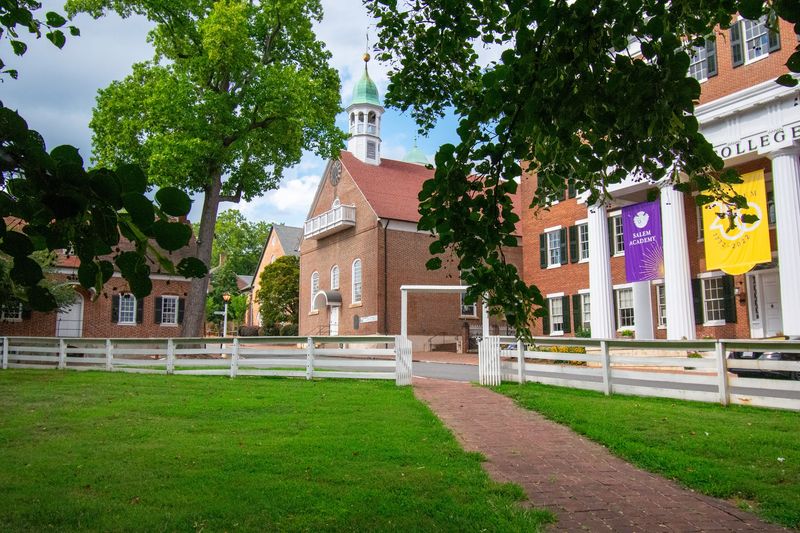
Some history lessons live in textbooks, but this one lives on a real street. Old Salem Museums and Gardens is based at 600 S Main St, Winston-Salem, NC 27101, in the state of North Carolina.
The site is a restored 18th-century town that was first built by Moravians, a Protestant church group that came from Europe. They planned their town with care, and many of their buildings still stand today.
The historic area covers several walkable blocks near downtown. Homes, workshops, gardens, and churches line the streets, and many buildings have small signs that share what they were used for and when they were built.
What makes the place special is how complete it feels. Instead of one museum building, there is a whole neighborhood to explore.
Costumed staff work inside many of the buildings, showing old crafts and answering questions. Kids and adults both tend to learn without even noticing they are learning.
Start here, and the rest of the town slowly opens up like the pages of an old family diary.
Start at the Visitor Center
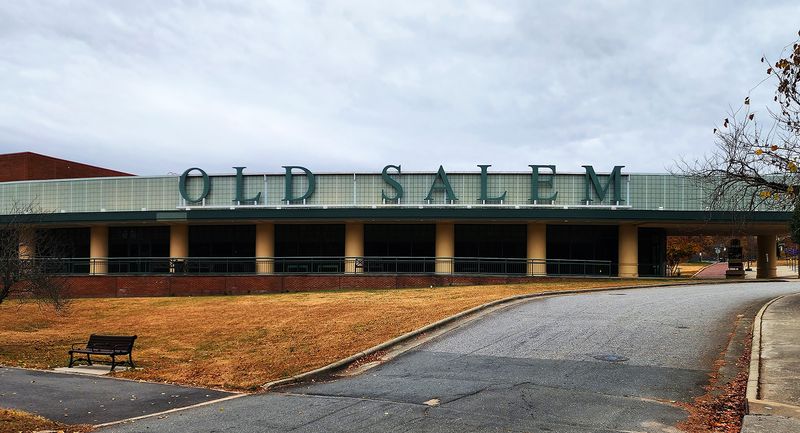
Smart explorers grab a map before they wander, and the Visitor Center is the best place to do that. It works as the front door to the whole historic district.
Inside, there are tickets, exhibits, a bookstore, a gift shop, maps, and clean restrooms. Staff members can explain which buildings are free and which ones need a ticket.
That quick chat saves a lot of guessing later. Some historic buildings only open to ticket holders, while the streets and many shops are open to everyone.
The center also offers a general overview of Moravian history. Learning a little background first makes every house and workshop feel more meaningful once you arrive.
Families with kids will appreciate one small bonus. A penny squishing machine sits here, making a tiny souvenir that fits easily in a pocket.
Plan to spend fifteen or twenty minutes getting your bearings. A few minutes of planning here can turn a random walk into a well-paced day that hits all the highlights.
Free Strolls Versus Ticketed Treasures
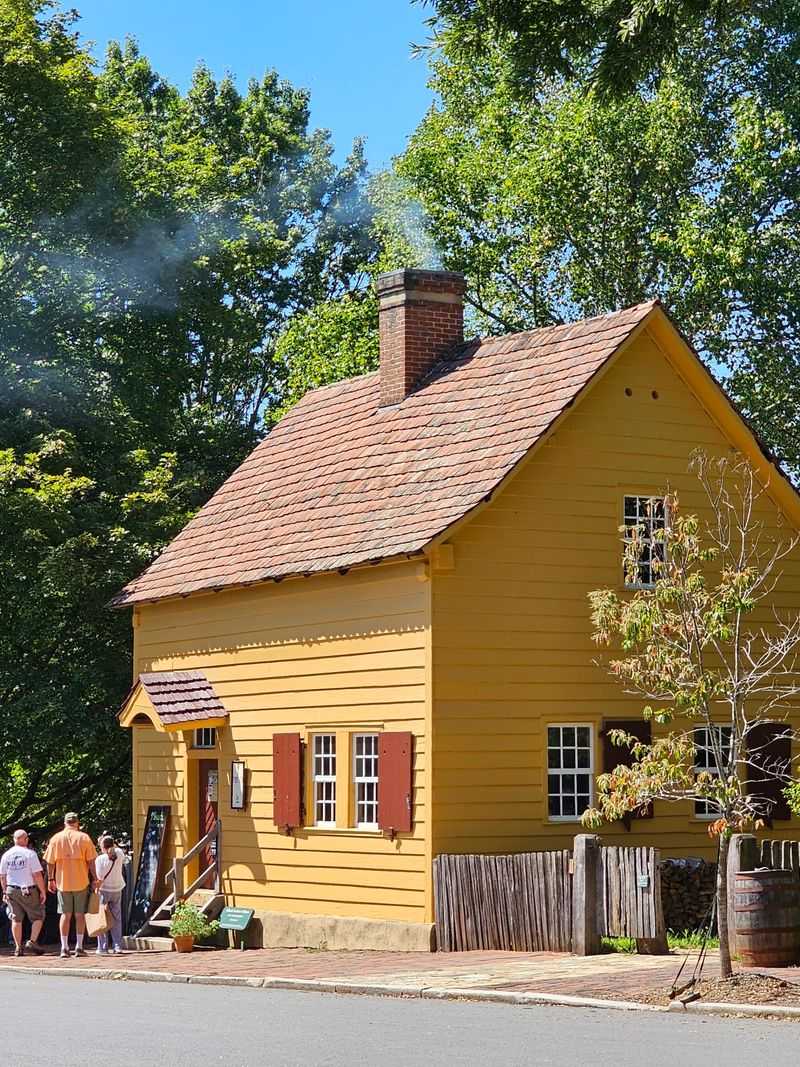
Good news for budget planners: nobody needs a ticket just to walk the streets. The historic district is open for strolling, and many families start this way.
Shops and the bakery are free to enter as well. That means a relaxed afternoon of browsing and people watching costs nothing more than parking and maybe a snack.
A paid ticket, however, unlocks much more. It gives access to trade workshops such as the gunsmith and cabinetmaker, plus the Boys’ School and other historic interiors.
Inside those buildings, costumed interpreters explain daily life and old crafts in detail. That is where most of the deeper stories come alive.
Some people choose a free walk first to test the waters. Many of them end up returning later with tickets so they can see inside the houses they spotted.
Either choice works well. Just remember that ticket hours and offerings can change by season, so checking the official website before visiting is a simple and helpful step.
Hands That Still Practice Old Trades
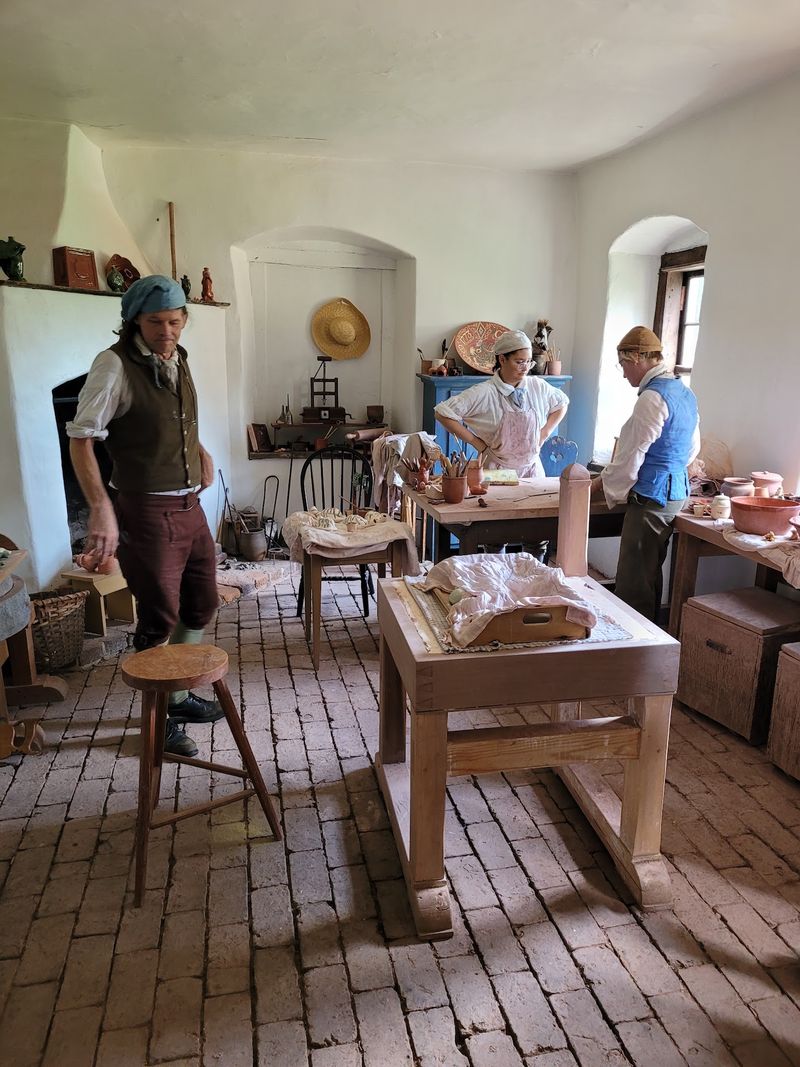
Long before factories, almost everything was made by hand. In the trade shops here, that skill is still on display every open day.
Ticket holders can visit workshops like the gunsmith and the cabinetmaker. Staff in period clothing show the tools and steps that craftspeople used centuries ago.
The interpreters are known for their deep knowledge. They talk about the work itself and also about the people who once lived and worked in these buildings.
Woodworking, gardening, and fabric making are all part of the learning. Each shop focuses on a different skill, so no two stops feel the same.
Kids especially enjoy seeing how a simple tool turns raw material into something useful. Questions are welcome, and staff seem happy to answer even the silliest ones.
Here is a helpful tip for the day. Give yourself extra time in these shops, because the conversations often run longer than expected, and that is usually the best part of the whole visit.
Clay, Wheels, and a Famous Pottery Story
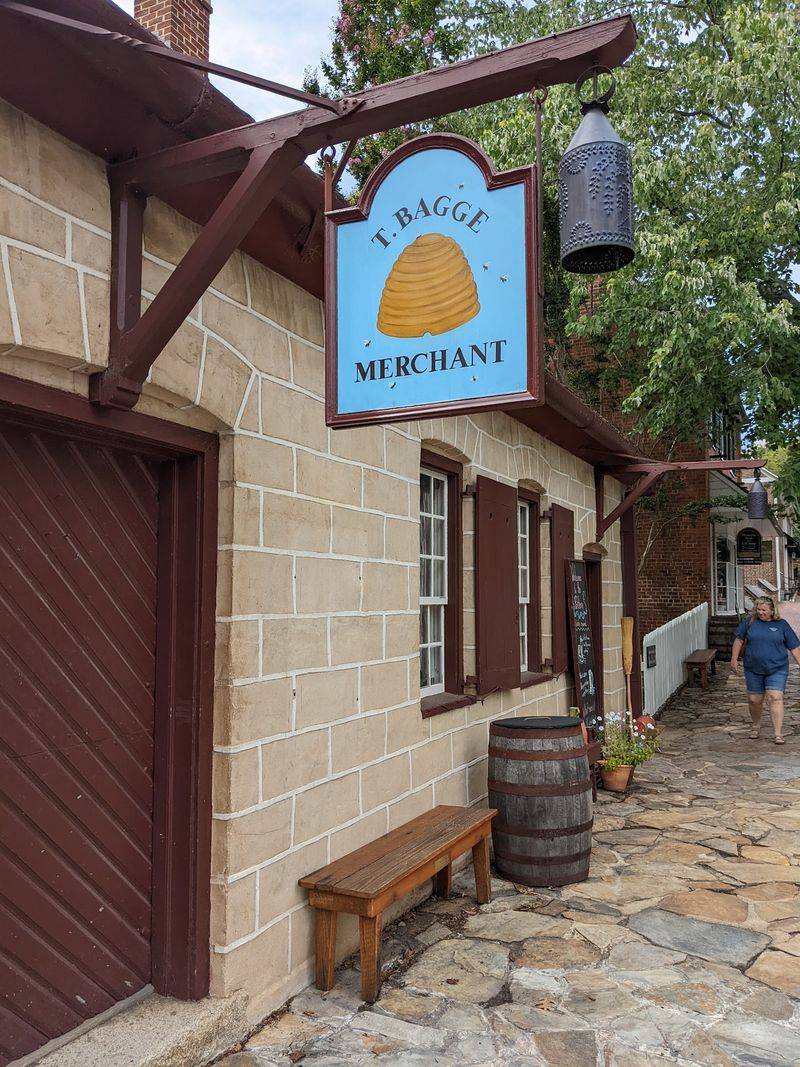
Pottery comes up again and again when people talk about this town. The potter’s workshop is one of the stops many guests remember most.
Moravian potters made practical items for daily life, like plates, jars, and bowls. Their work became well known in the region, and pieces are still admired by collectors today.
At the workshop, guests can learn how clay was shaped and fired. It is a great chance to see that even simple household items once took real skill and patience.
Shops in the district also sell pottery and handmade goods. Picking up a small piece makes a lasting souvenir that ties back to the town’s history.
Families often find this stop easy to enjoy together. Watching a craft happen in real life holds attention better than any video can.
Plan to pair the pottery shop with nearby trade buildings. Seeing several crafts back to back shows how the whole community depended on many skilled hands working side by side.
The Bakery Everyone Talks About
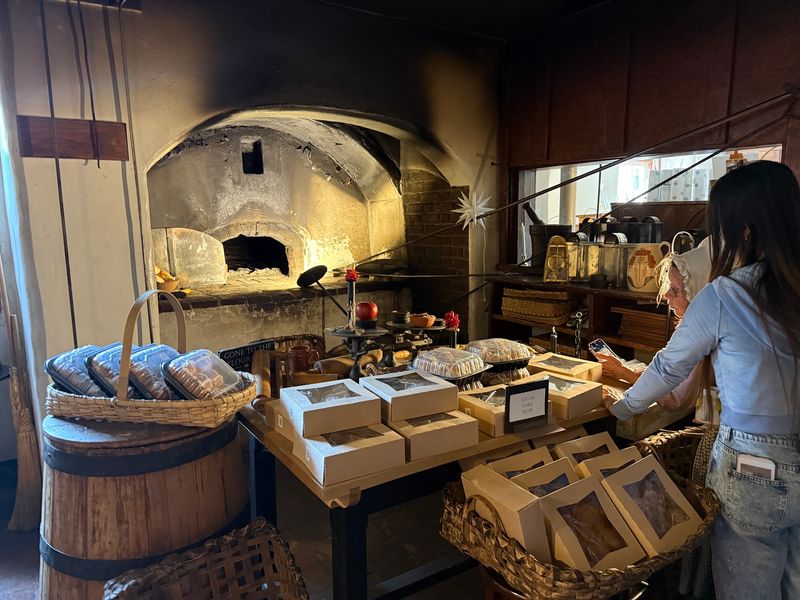
Few stops draw a crowd quite like the Winkler Bakery. It is one of the most popular buildings in the entire district.
The bakery is free to enter, and it is both fun and educational. Staff often explain how baking worked in the old days, using methods that go back many generations.
Baked goods and snacks are available to buy. The shop also works as a small gift store, so it is easy to grab something for friends back home.
Many guests say they wish they had bought more. That is a common regret, so a little extra planning helps.
Arriving earlier in the day is a smart idea. Popular items can sell out on busy weekends, especially during fall when crowds grow.
The bakery also fits nicely into a free walking tour. Even without a ticket, a stop here gives a real taste of everyday Moravian life, making it a natural midpoint for any stroll along Main Street.
Gardens With Seeds From the Past
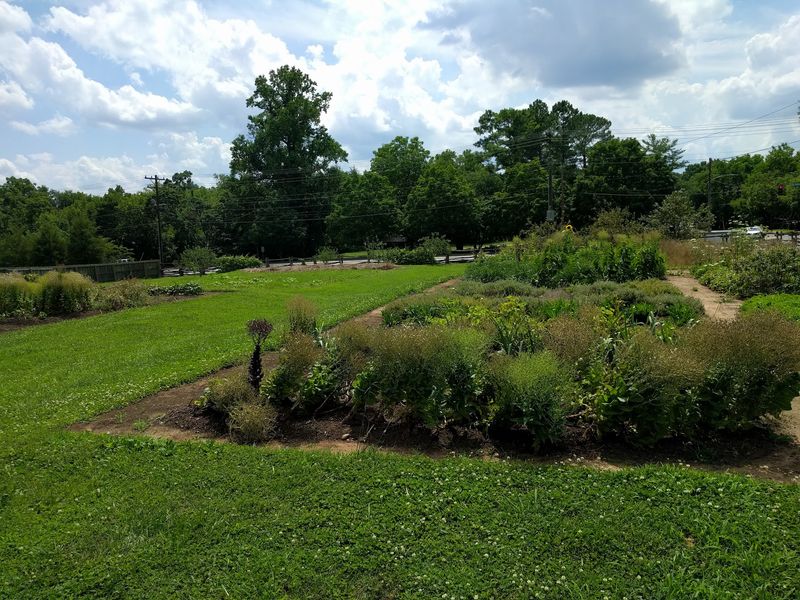
Gardening here is about more than pretty rows. Old Salem works hard to save heirloom seed varieties that were grown in the 1800s.
That seed saving project keeps old plants alive and growing. It shows how families once raised their own food in backyard plots behind their homes.
Moravian town plans gave space for gardens on each lot. Walking past them today offers a clear look at how people fed themselves before grocery stores existed.
The gardens also add calm green space between the buildings. Old trees and neat paths make the area a pleasant place to slow down for a moment.
For curious gardeners, this is a fun chance to learn about plant history. Some guests leave with new ideas for their own yards at home.
Spring and summer tend to show the gardens at their fullest. Still, even in cooler months, the layout and fences tell a story about careful planning and hard work in a busy farming community.
School Days and Single Brothers
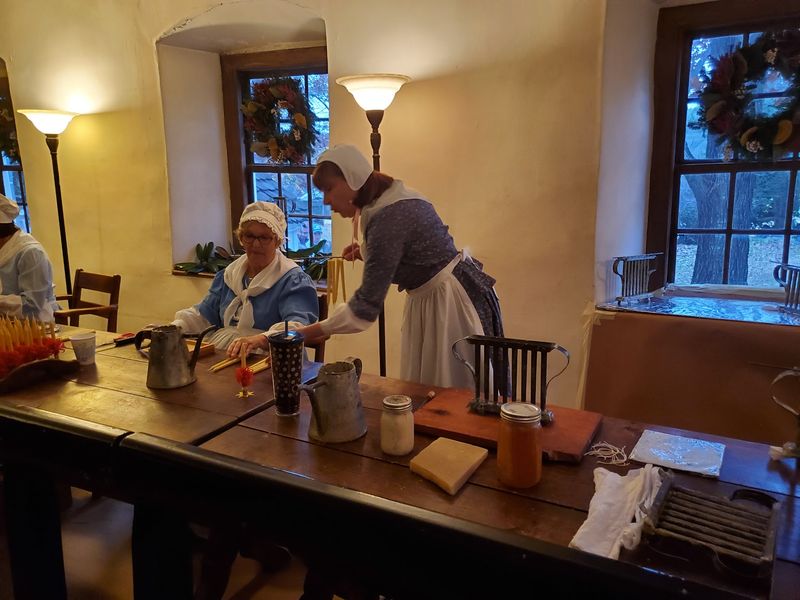
Moravian life was organized in a very particular way. Unmarried men lived and worked together in the Single Brothers House, which still stands today.
Single women had their own home too, called the Single Sisters House. These buildings show how the community grouped people by age and stage of life.
The Boys’ School is another stop for ticket holders. It offers a glimpse into how young people were taught in a busy church town.
Other notable buildings include the Doctor’s House, the Silversmith Workshop, and the John Vogler House. Each one adds a new layer to the story.
An apothecary also draws a lot of interest. Its old medicines and tools show how health care worked long before modern pharmacies.
Some buildings may be closed on certain days or seasons. Checking opening schedules ahead of time helps avoid missing favorites, and it makes it easier to build a route that covers the most important houses without rushing between them.
A Quiet Burial Ground With Matching Stones
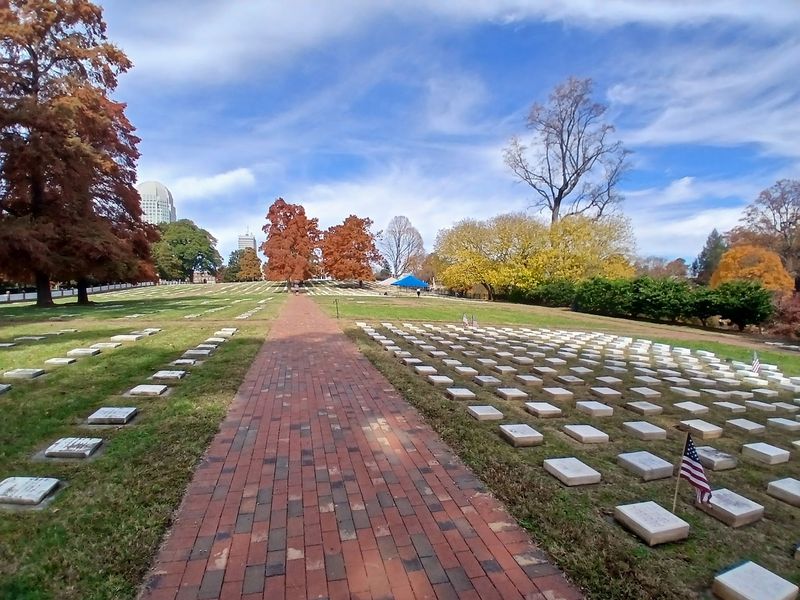
Equality was a big idea for the Moravians, and their burial ground shows it clearly. Called God’s Acre, it features rows of simple, flat stones that look very similar.
That design reflects their belief that all people are equal before God. Rich or poor, each person received the same kind of marker.
The grounds are carefully kept and very peaceful. Many stones include a Bible verse, which adds a personal touch to each one.
It is a calm place for a respectful walk. Many guests find it one of the most moving parts of the visit.
Please keep voices low and stay on paths. It is still a sacred place for the community.
The burial ground also connects to a famous Easter sunrise tradition held by the Moravian church. Learning about that custom adds meaning to the setting, and it helps explain how faith shaped nearly every part of life in this small, carefully planned town.
Facing the Harder Chapters
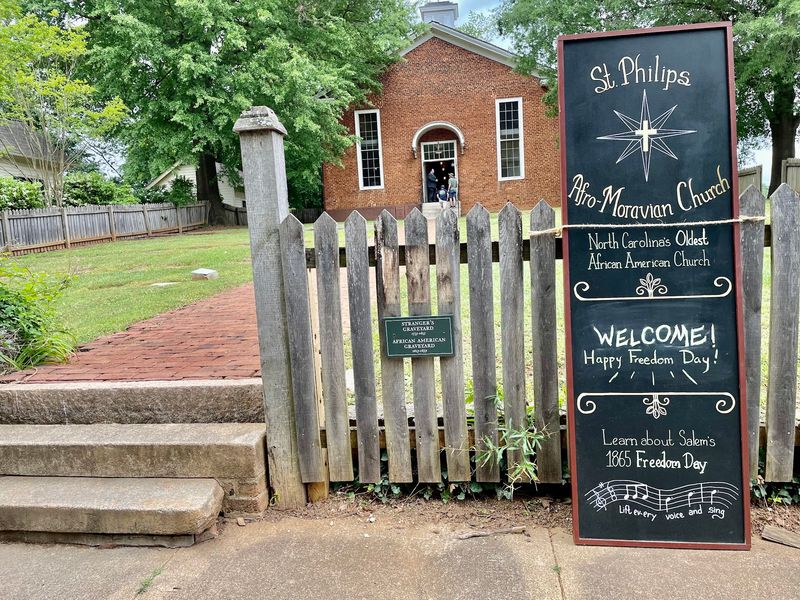
Honest history includes painful parts, and this town does not hide them. Old Salem shares the story of enslaved people who lived and worked in the community.
The Moravians, like many groups in that era, took part in slavery. Exhibits and interpretation help guests understand that truth alongside the crafts and architecture.
This part of the visit can bring mixed feelings. Seeing beautiful buildings while learning about injustice is a serious and important experience.
Many families use it as a chance to talk with kids about fairness and history. These conversations can be some of the most lasting lessons of the day.
Guided tours and staff are good resources for questions. They can share details about the people whose stories were not always told in older history books.
Leave a little quiet time for reflection. Understanding the full picture makes the whole town feel more real, and it gives deeper meaning to every house, shop, and street you explore afterward.
Shops, Coffee, and Live Tunes
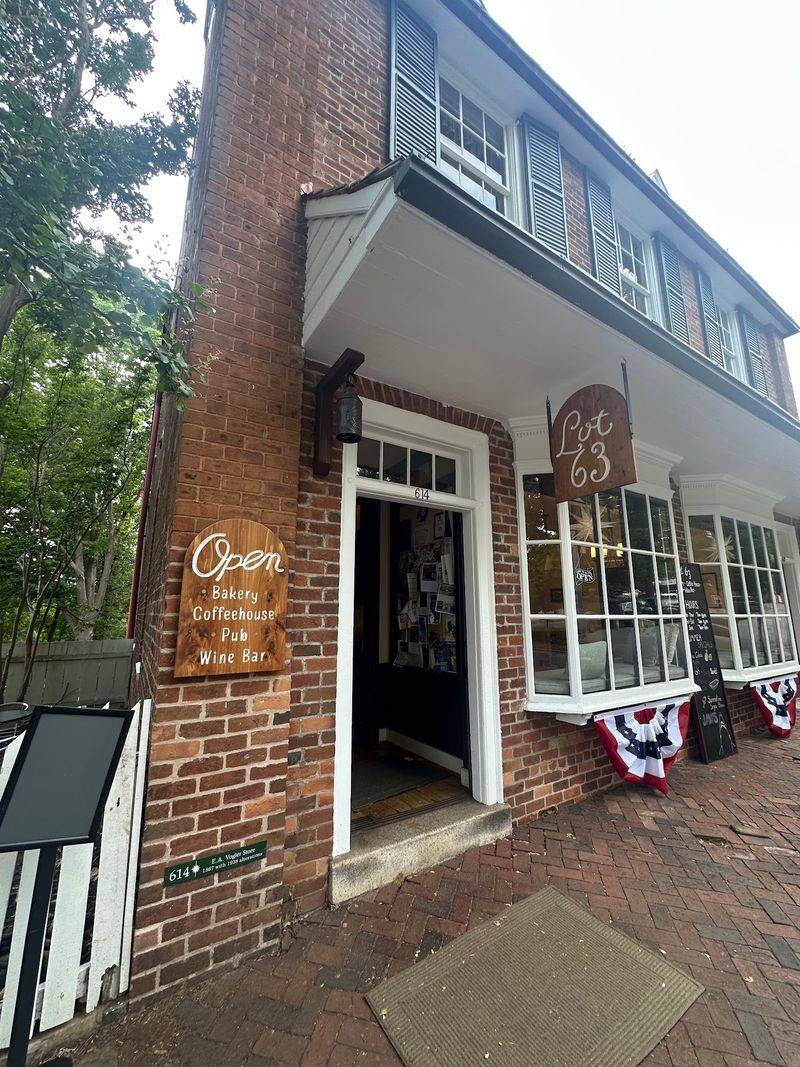
Not every stop has to be a history lesson. The town also has fun little shops, a coffee shop, and spots where local musicians sometimes gather.
A spot called Lot 63 has surprised people with folks playing instruments together. Small bands have also been seen performing in the park area near the church.
The coffee shop feels very modern compared to everything else. It is a handy break for tired legs halfway through the day.
Gift shops sell books, crafts, and keepsakes. One quirky find is an old cigarette vending machine now filled with tiny pieces of art by different artists.
Each pull gives a surprise artwork, which makes a clever gift for kids. It is a small detail many people remember long after leaving.
Take time to browse instead of rushing. These stops add a lively, present-day layer to the old town, and they show that the neighborhood is still a living, creative place today.
Smart Tips for a Smooth Day
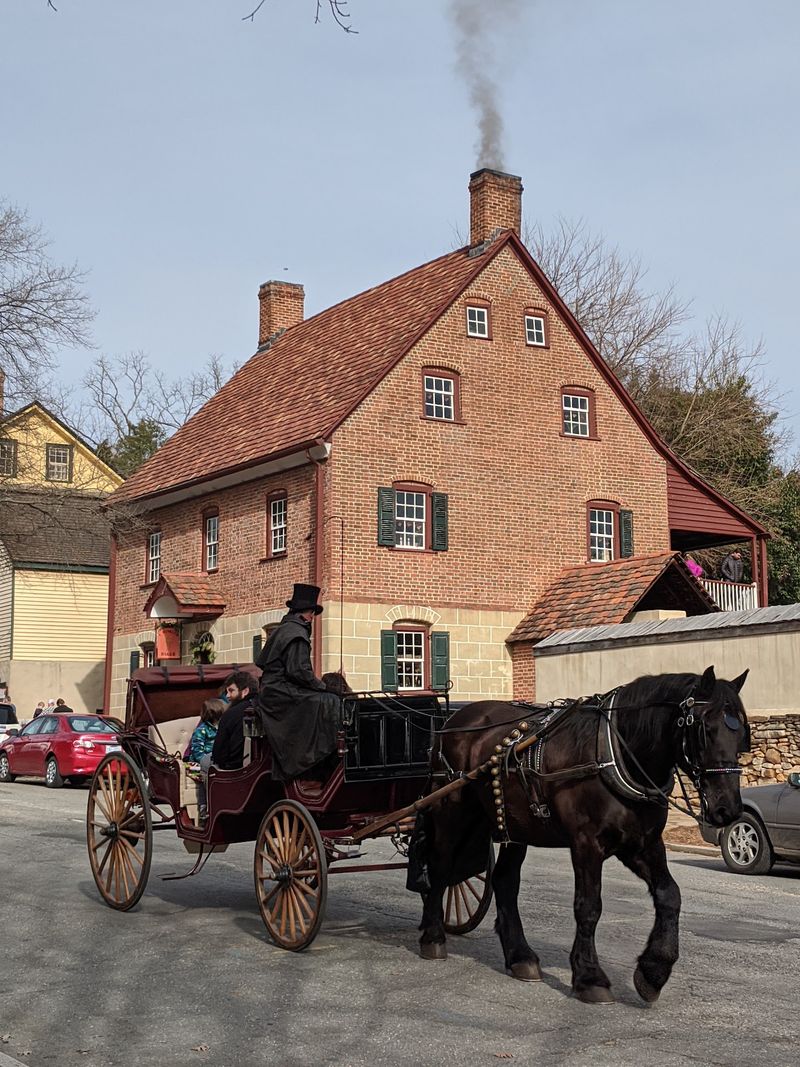
Comfortable shoes might be the most useful item to bring. Some sidewalks are uneven, and certain stairs inside the buildings are quite steep.
Much of the visit happens outdoors. Checking the weather ahead of time helps, since walking between buildings means time outside in any season.
Arriving early is wise, because there is a lot to see. A couple of hours covers the basics, but a full day lets you explore without rushing.
Fall is a popular time, with colorful leaves and more open shops. It can also get crowded, so weekday visits tend to be calmer.
Sundays and off-season days may have fewer buildings open. Planning around the official schedule avoids disappointment.
Nearby Salem College and Home Moravian Church are also worth a look. Wrap up the day with a slow walk down Main Street, and the old town quietly leaves behind a clear picture of how a careful, hardworking community built something meant to last for centuries.