One garden on this list has a live oak with a trunk so thick it has its own name and its own fan club of visitors.
Another stands on land once occupied by four rice plantations, where a couple created a sculpture garden that grew into a collection of more than 2,000 works of art.
I love that South Carolina gardens are not just flowers in neat rows. Some hold centuries of history.
Others mix art, swamps, and old trees into one long, easy walk.
Fall is a sweet spot for a visit. The heat backs off, the paths feel friendlier, and the mosquitoes start losing interest in you.
Winter will bring its own charm, sure. But why wait for bare branches when you can still catch these grounds while they are green, golden, and full of color?
Brookgreen Gardens
Art lovers and plant lovers can finally share one map here. Archer and Anna Hyatt Huntington founded Brookgreen in 1931, and it now holds one of the largest collections of American figurative sculpture outdoors.
You’ll spot statues peeking out from flower beds, fountains, and tree-lined walkways. Anna was a sculptor herself, so her work shows up across the grounds too.
The property covers four old rice plantations. That history gives the land its marshes, creeks, and tidal views that feel very Lowcountry.
Animals live here as well. The Lowcountry Zoo features native creatures like river otters, alligators, and foxes that call this region home.
Want a different angle? Seasonal creek boat excursions offer views of historic rice fields and waterways, although visitors should check availability since these tours usually end in November.
Fall is a smart time to wander, since cooler air makes longer walks easier. Wear comfy shoes, because the grounds are huge and you’ll keep saying just one more path.
Address: 1931 Brookgreen Drive, Murrells Inlet, SC 29576
Magnolia Plantation and Gardens
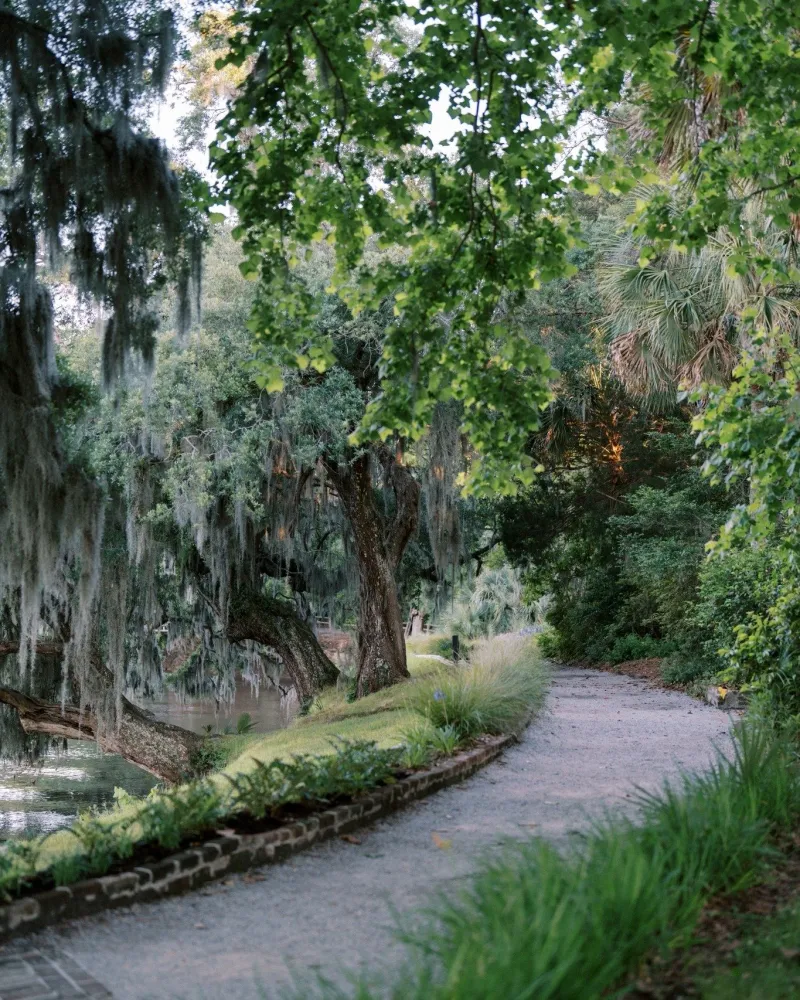
Few gardens in the country can claim this kind of age. The plantation’s history reaches back to the 1600s, while its famous romantic-style gardens took shape in the 1840s and opened to the public in 1871.
The Drayton family shaped this land along the Ashley River for generations. It first opened to visitors in the 1870s, so people have been strolling here for a long time.
You’ve probably seen photos of its white bridge reflected in dark water. That spot alone draws plenty of camera clicks, and honestly, who could blame anyone?
Beyond the main garden, there’s the Audubon Swamp Garden. Boardwalks carry you over black water where you might spot turtles, wading birds, and the occasional gator.
History matters here too. The From Slavery to Freedom tour shares stories of the enslaved people who lived and worked on this land.
Camellias are a big deal at Magnolia, and many bloom in the cooler months. Plan to spend a good half day so you don’t rush the best parts.
Address: 3550 Ashley River Road, Charleston, SC 29414
Middleton Place
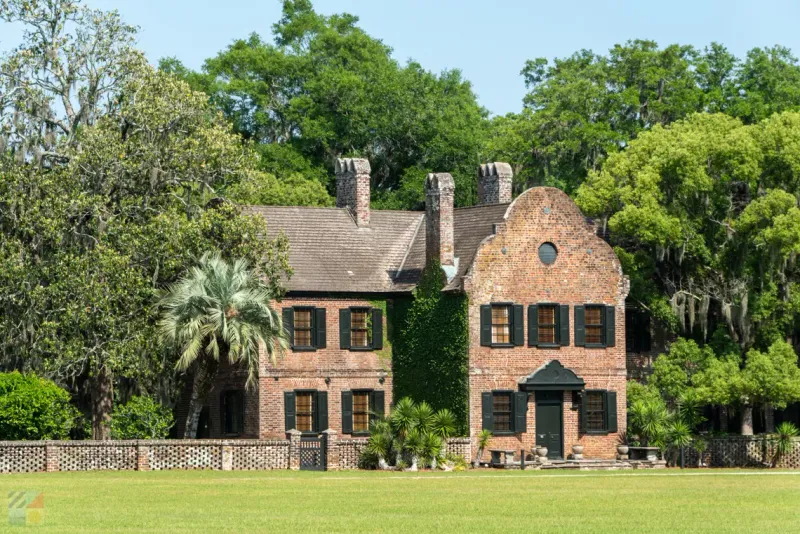
Grass steps that look carved by giants? That’s the famous terraced lawn at Middleton Place, sloping down to the twin Butterfly Lakes.
Work on these gardens began in 1741. Middleton Place is a National Historic Landmark and is known for having America’s oldest landscaped gardens.
The design follows a formal European style with long views and sharp angles. Walking the paths feels a bit like moving through a giant green puzzle.
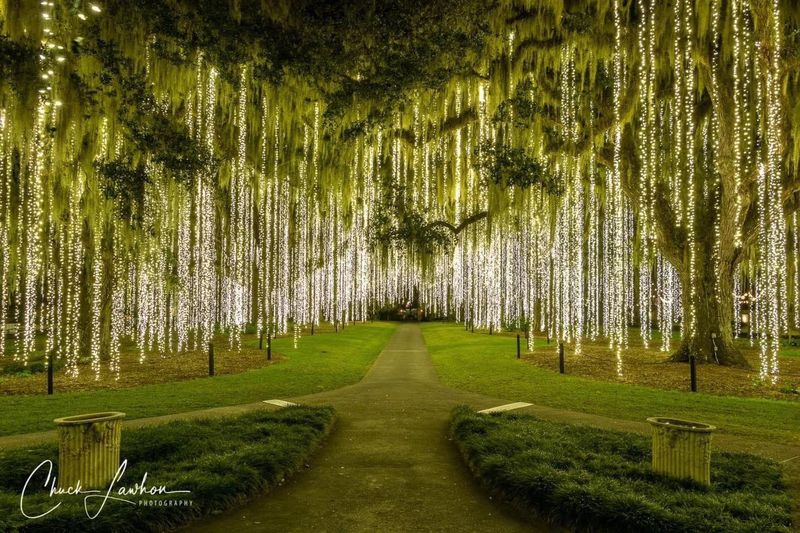
Look for the Middleton Oak, a huge live oak that has stood here for centuries. Its wide limbs make your phone camera feel tiny.
The property also includes the Eliza’s House exhibit. It tells the stories of the enslaved people and freedmen connected to this land, and it adds needed depth to your visit.
Farm animals live in the Stableyards, where you can see heritage breeds and demonstrations of old crafts. Kids and adults both seem to like that stop.
Camellias also shine here as the season cools. Give yourself time to slow down by the river.
Address: 4300 Ashley River Road, Charleston, SC 29414
Swan Lake Iris Gardens
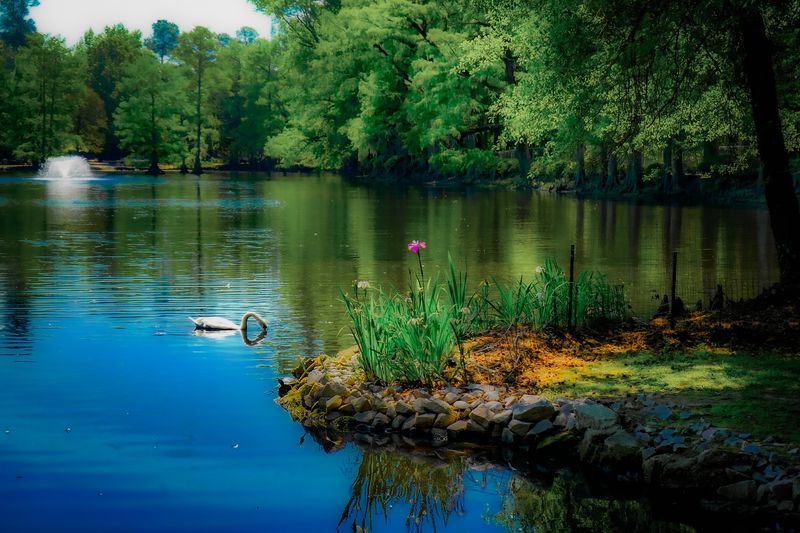
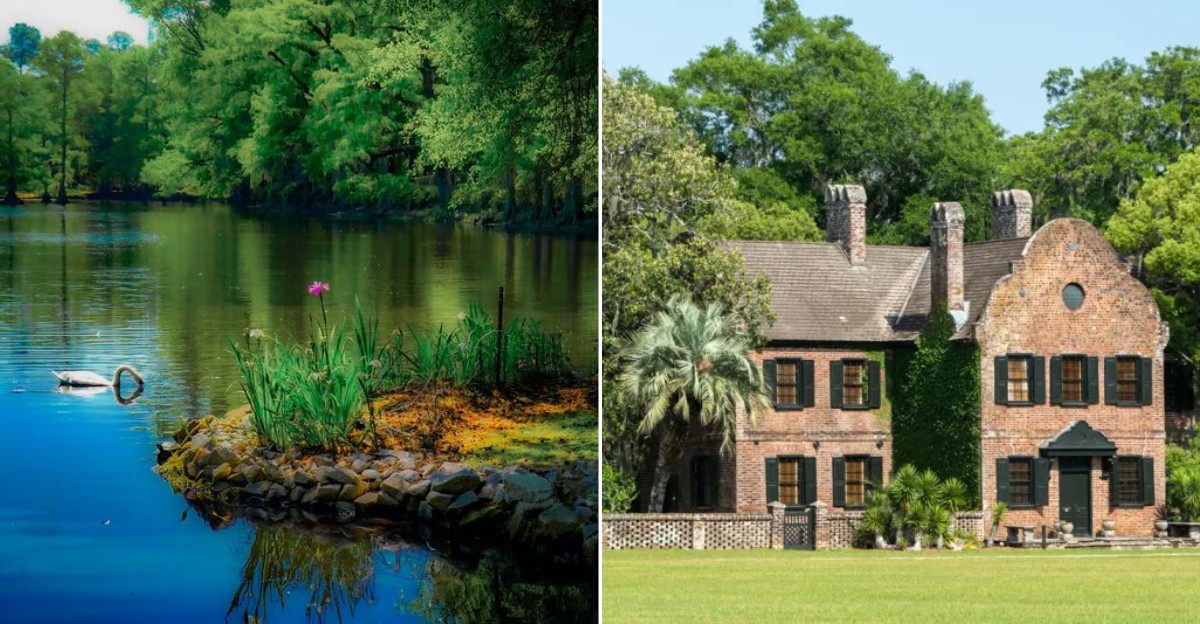
Swans everywhere, and not just one kind. Swan Lake Iris Gardens is home to all eight swan species, which makes it a rare spot in the country.
You’ll see mute swans, black swans, trumpeters, and more gliding across the dark water. Bring your patience, since they move on swan time, not yours.
The story behind the park is fun too. Hamilton Carr Bland started it as a private fish pond in the early 1900s.
He tried growing Japanese irises at his home and had trouble. So his gardener moved the bulbs to this spot, and they thrived.
Today the city of Sumter runs the park, and entry is free. That’s a pretty great deal for a stroll among cypress trees and boardwalks.
The iris blooms peak in spring, so fall offers a quieter feel. You still get the swans, the water, and a peaceful loop that won’t wear you out.
Address: 822 West Liberty Street, Sumter, SC 29150
Edisto Memorial Gardens
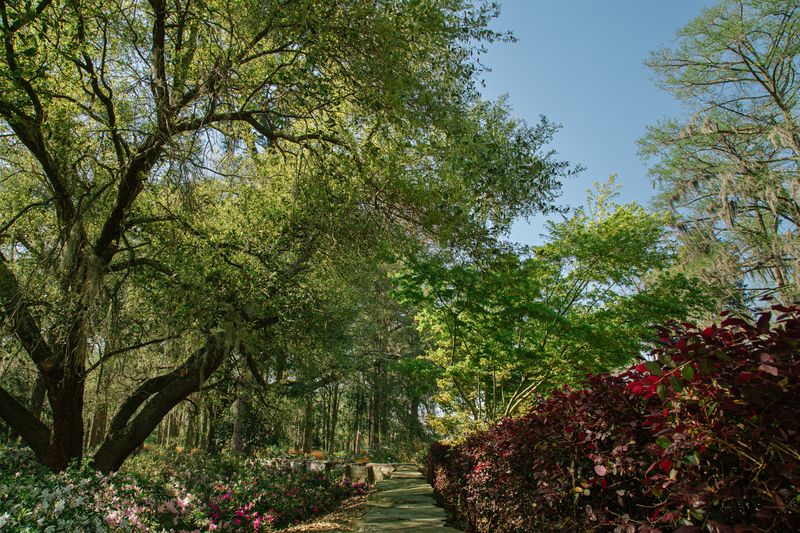
Roses steal the show in Orangeburg. Edisto Memorial Gardens holds thousands of rose plants and is an All-America Rose Selections display garden.
The gardens sit along the Edisto River, where wooden boardwalks lead through cypress and tupelo wetlands, offering peaceful views beyond the rose beds.
Roses may continue blooming until the first frost in November, but even after the flowers fade, the riverside paths and cypress wetlands make this garden worth exploring.
The park started back in the 1920s and has grown over the decades. It also serves as a memorial honoring local veterans.
Orangeburg’s Festival of Roses happens here each spring, and it’s a big local event. Fall gives you a calmer stroll with far fewer people around.
Bring a light jacket for the river breeze. Then slow down and actually stop to smell those roses, since the cliche fits perfectly here.
Address: 218 Riverside Drive SW, Orangeburg, SC 29115
Angel Oak Park
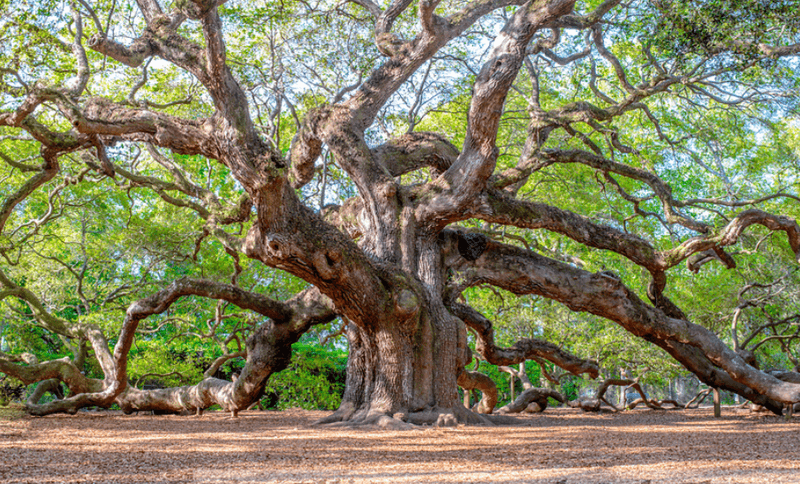
One tree, one whole destination. The Angel Oak on Johns Island is a Southern live oak estimated to be hundreds of years old.
It stands about 65 feet tall and its canopy shades roughly 17,000 square feet. Some of its huge limbs stretch so far they dip down and rest on the ground.
The tree takes its name from the Angel family, who once owned the land. Local folklore also tells of ghostly angels appearing near the oak.
The City of Charleston owns the park now, and admission is free. That’s a small miracle for something this impressive.
Be kind to the tree while you’re there. Climbing and carving are not allowed, and the fences help protect the roots from damage.
A visit here won’t take all day, so pair it with a drive around the island. Still, you might stand under those branches longer than you planned.
Address: 3688 Angel Oak Road, Johns Island, SC 29455