In 1862, while the Civil War was still raging, a small group of teachers arrived on a quiet Sea Island in South Carolina with a bold plan.
They wanted to teach people who had just been freed from slavery how to read and write. Many of their students had never been allowed to hold a book before.
That brave little school grew into something much bigger than anyone expected.
It became a place where families learned, where Gullah Geechee culture was protected, and where civil rights leaders later gathered to plan for change.
Today, the campus still stands on St. Helena Island, near Beaufort, and anyone can visit.
From its early classrooms to its role in the Civil Rights Movement, Penn Center offers a powerful look at the people, stories, and traditions that helped shape American history.
Finding the Campus on St. Helena Island
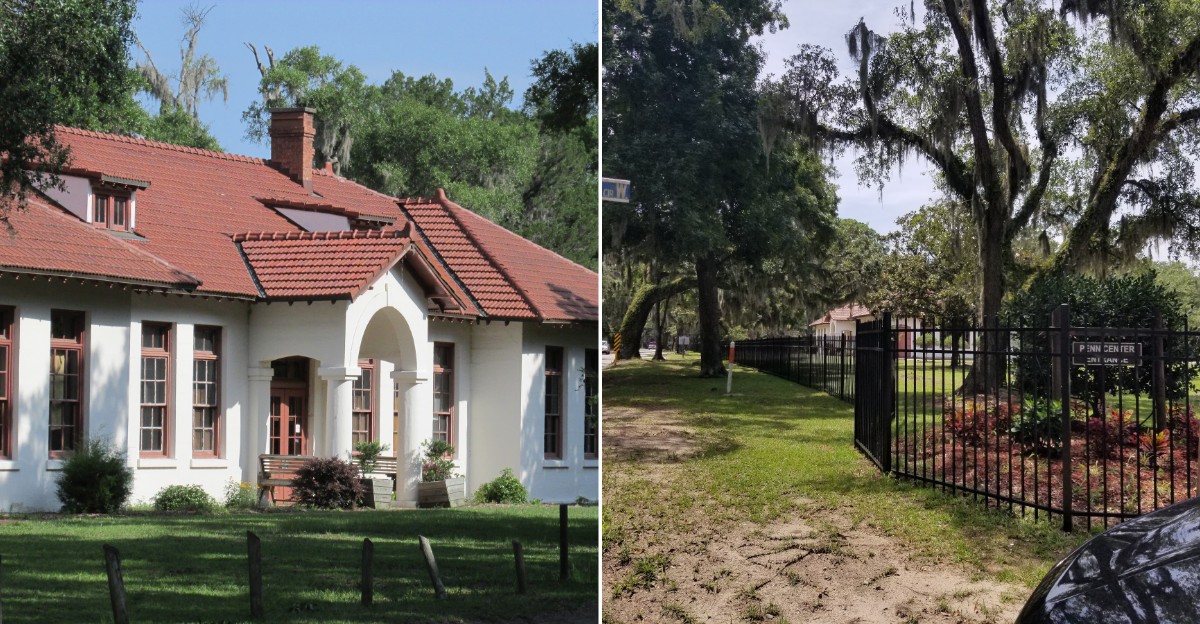
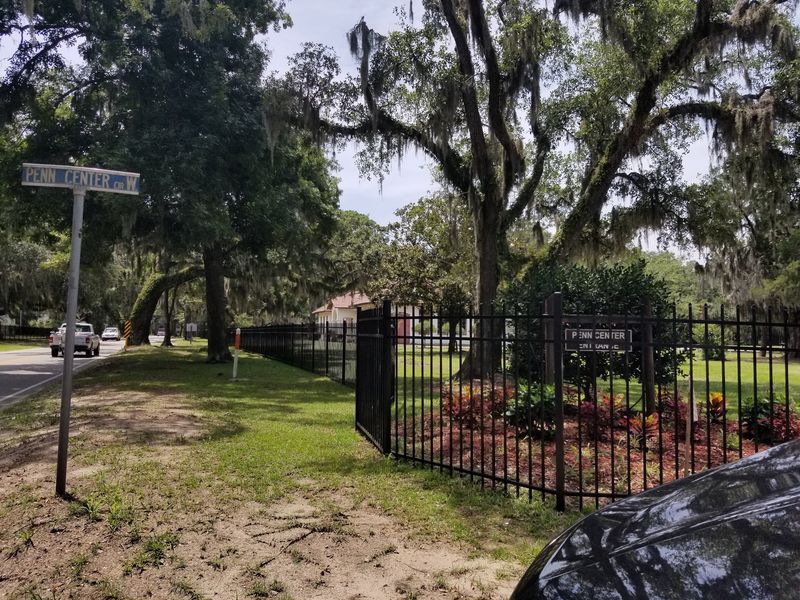
Some of the biggest stories in American history are tucked away down quiet country roads. Penn Center sits at 16 Penn Center Circle West, St. Helena Island, SC 29920, a short drive east of Beaufort in the South Carolina Lowcountry.
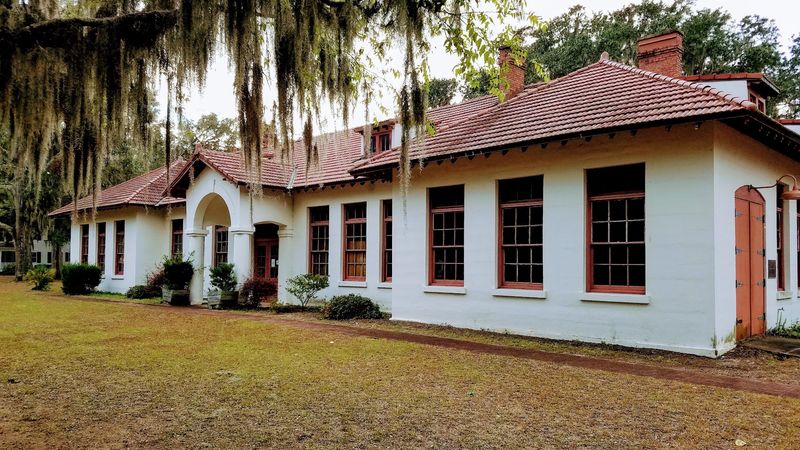
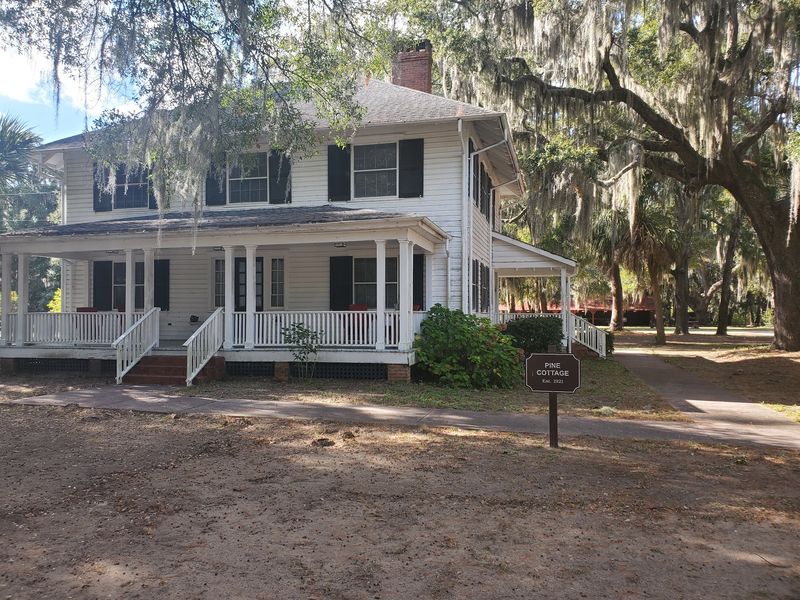
The campus spreads across about 50 acres. Large live oak trees shade the grounds, and historic buildings stand along the paths.
It feels more like a peaceful village than a busy tourist stop.
Today, the site works as a museum and cultural center focused on African American history and Gullah Geechee heritage. It is also part of a National Historic Landmark District, which means the whole area is officially recognized for its importance to the nation.
Plan ahead before you go. The Welcome Center is open Tuesday through Saturday from 9 a.m. to 4 p.m., while the York W.
Bailey Museum welcomes visitors from 10 a.m. to 4 p.m. Both are closed on Sundays and Mondays.
Arriving early gives you time to explore the museum, stroll the grounds, and ask questions without feeling rushed. Trust us, you will want that extra time once the history starts pulling you in.
A School Born During the Civil War
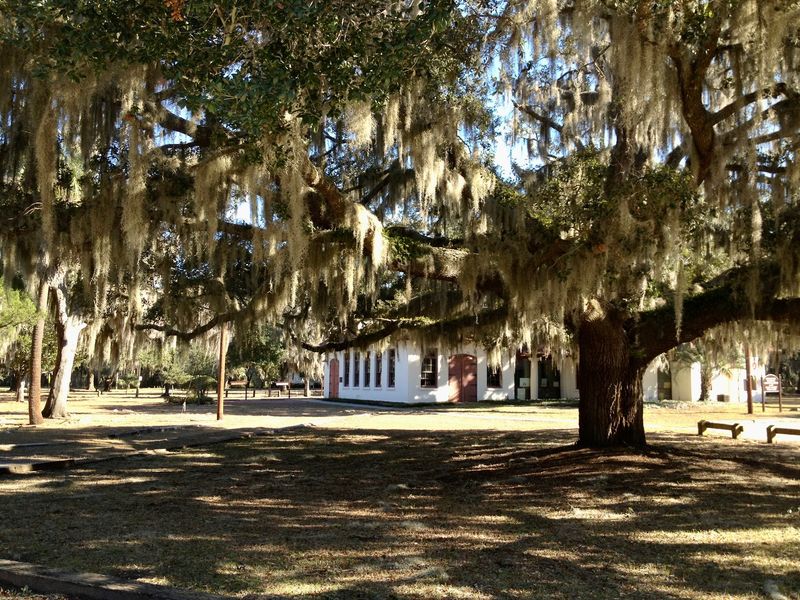
Long before the war ended, a classroom opened its doors on this island. In 1862, Union forces had taken control of the Sea Islands, and plantation owners had left the area.
Thousands of formerly enslaved people stayed behind.
Northern teachers came to help as part of an effort often called the Port Royal Experiment. The goal was to show that freed people could learn, work, and build their own futures.
The Penn School started in this setting and became one of the very first schools in the South for formerly enslaved people. Children and adults alike came eager to learn reading, writing, and math.
Think about how big that moment was. For many students, learning to read had been against the law just a short time earlier.
The school was named in honor of William Penn, the Quaker founder of Pennsylvania. Supporters from Philadelphia helped fund the work.
That small beginning during wartime set the stage for more than 150 years of learning and community service on the island.
Two Teachers Who Changed Everything
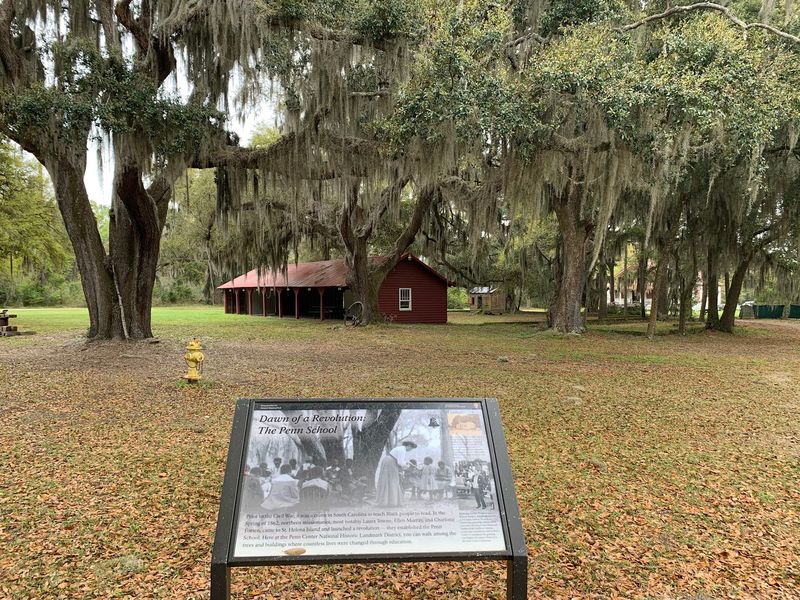
Laura Towne and Ellen Murray did not come to the island looking for fame. They came to teach, and they stayed for decades.
Laura Towne was from Pennsylvania and had studied medicine. Ellen Murray was her close friend and partner in the work.
Together, they led the Penn School and made education their life mission. One was connected to the Unitarian faith, and Quaker ideas also shaped the school.
Their first classes reportedly met in a plantation house before the school found more permanent homes. Over time, the school grew and the number of students kept rising.
Here is a fun fact worth remembering. These two women ran the school for around 40 years, which shows just how committed they were.
A teacher named Charlotte Forten also worked on the island in its early years. She was one of the first Black teachers from the North to teach there.
Her journals later helped people understand what daily life looked like during those hopeful and challenging times.
The Brick Church Next Door
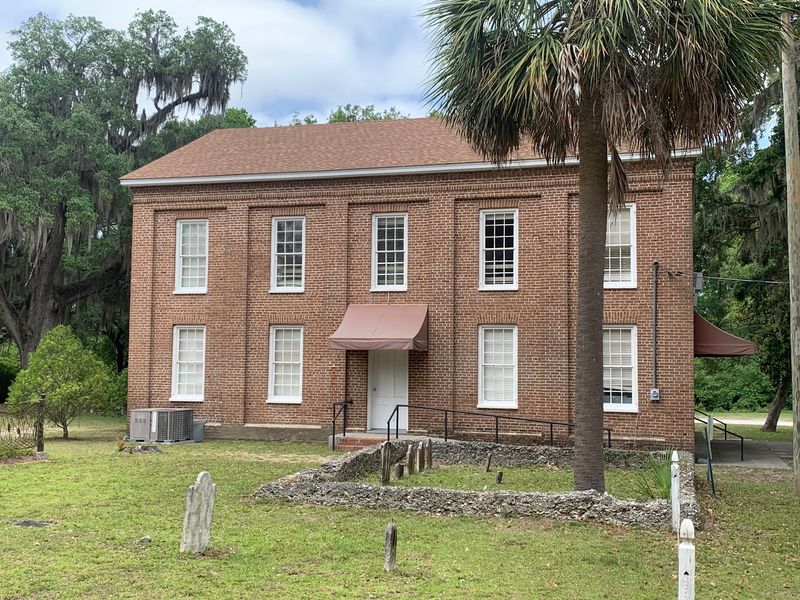
Right across from the campus stands a building older than the school itself. Brick Baptist Church was built in 1855 by enslaved people for the plantation owners of the area.
Look closely at some of the bricks. Handprints left by the workers who made them can still be seen, a quiet reminder of the people whose labor built the walls.
When plantation owners fled ahead of the Union Army, the church became home to the Gullah community. It also served as one of the early meeting spots for Penn School classes.
The church is still an active place of worship today. That makes it a living part of the island, not just a stop on a history tour.
Please be respectful when visiting. Services and community events may be happening, so it is smart to admire the outside and follow any posted guidance.
Standing near this church helps connect the dots between slavery, freedom, faith, and education on St. Helena Island.
Inside the York W. Bailey Museum
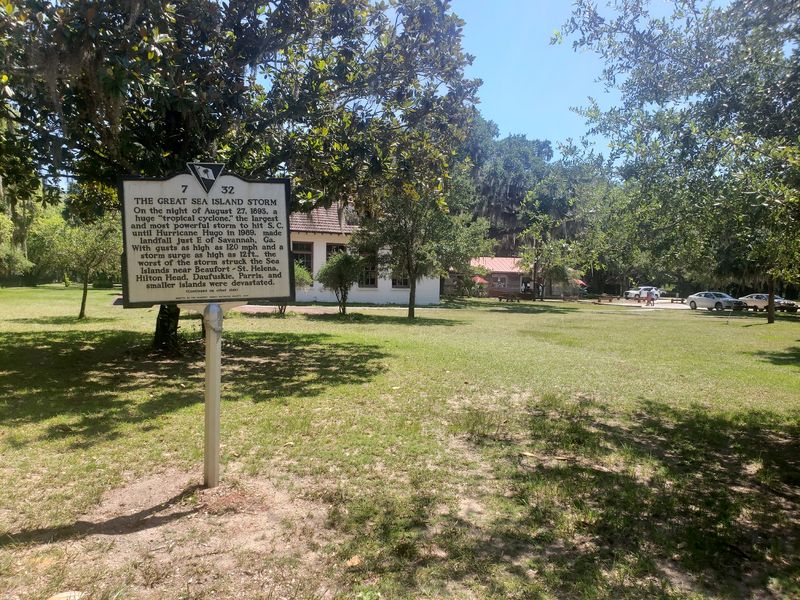
History buffs, bring your patience and your curiosity. The museum on campus, known as the York W.
Bailey Museum, tells the story of Penn Center from its earliest days.
Exhibits walk you through how the school changed over time. It began with reading, writing, and arithmetic.
Later, it added trade and farming programs, and today it focuses on community service and cultural preservation.
Expect plenty of reading. Old photographs, documents, and displays fill the space, so give yourself enough time to take it all in.
A short film adds more background about the center and the island. Some guests find it a helpful way to understand the bigger picture before exploring the grounds.
Quick tip for your camera. Photos are generally not allowed inside the museum, but you can take pictures of the grounds and historic buildings outside.
The museum is named for Dr. York W. Bailey, a Penn School graduate who returned to serve the island as a doctor for many years.
Gullah Geechee Culture at the Heart
Language, crafts, faith, and family traditions all come together in Gullah Geechee culture. These are descendants of West Africans who were enslaved on the coastal plantations of the Southeast.
Because the Sea Islands were fairly isolated for many years, the Gullah people kept many African traditions alive. Their language, storytelling, and art have deep roots.
Penn Center has worked hard to protect this heritage. It hosts programs, gatherings, and events that celebrate the culture and teach it to new generations.
One standout is the yearly Heritage Days celebration, usually held in November. It brings people together for music, history, crafts, and community time.
Many guests say special events feel like a family reunion, even when they arrive knowing nobody. That welcoming spirit is part of what makes the place memorable.
Before you visit, check the official website for upcoming events. Timing your trip around a celebration can turn a simple museum stop into a full cultural experience that sticks with you long after you head home.
Where Dr. King Planned for Change
Few small campuses can say Dr. Martin Luther King Jr. once stayed there. During the 1960s, Penn Center was one of the few places in the South where Black and white groups could meet together safely.
Dr. King and members of the Southern Christian Leadership Conference used the campus for retreats and planning meetings. Civil rights workers came here to train, talk, and prepare for the work ahead.
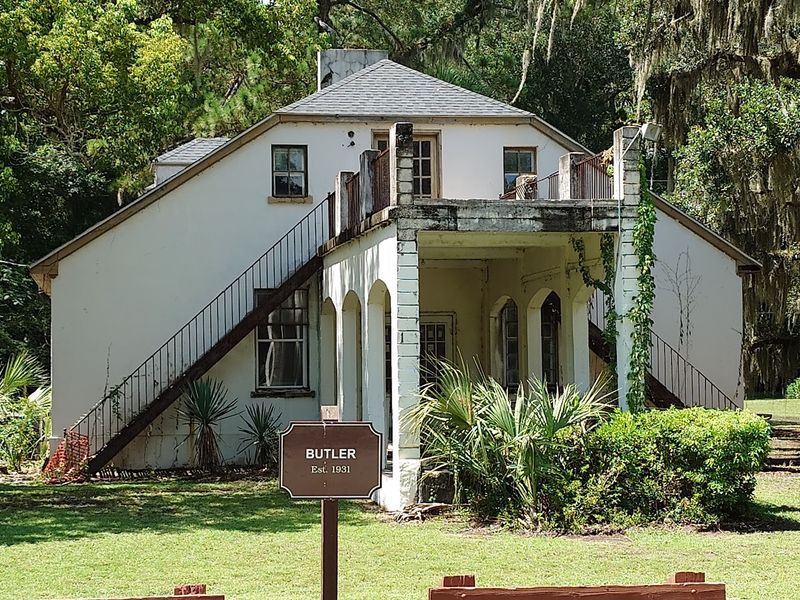
A cottage on the grounds, often called the Gantt Cottage, is linked to Dr. King’s visits. Staff can point you toward it and share more about its story.
Other groups, including Peace Corps volunteers, also trained at Penn Center during that era. The campus became a quiet support system for big national changes.
This chapter shows how the school’s mission grew. It started with teaching freed people to read and later helped support the fight for equal rights.
Ask the staff about this period. Their stories add depth that you simply cannot find on a sign.
A Place in the National Park System
Here is something many travelers do not realize until they arrive. Part of the Penn Center campus belongs to Reconstruction Era National Historical Park, which was first established as a national monument in 2017 and redesignated as a national historical park in 2019.
Reconstruction was the period after the Civil War when the country tried to rebuild and bring formerly enslaved people into full citizenship. St. Helena Island played an early role in that story.
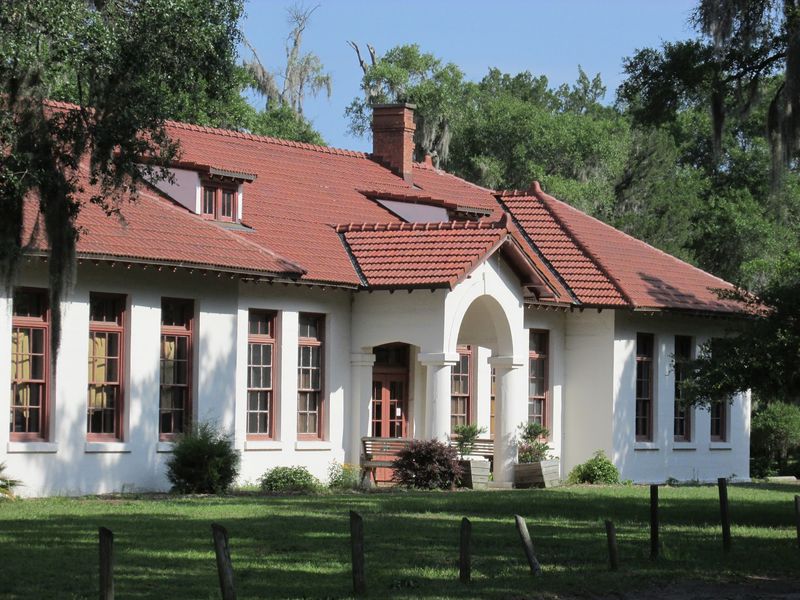
Darrah Hall, the oldest surviving building on the campus, serves as a National Park Service visitor contact station, although visitors should check current access notices before planning their stop.
The park also includes other sites in the Beaufort area. That means Penn Center can be one stop on a larger history road trip.
Families with students will find this especially useful. The ranger programs and displays help explain a part of American history that school textbooks often cover only briefly.
Stop by Darrah Hall early in your visit to get your bearings before heading off to see the rest.
Tours, Talks, and Smart Planning
Good planning can make or break a history trip. Penn Center offers both self-guided visits and guided options, so it helps to know what to expect.
The self-guided route lets you explore the museum and grounds at your own pace. It works well for families with young kids who need to move around.
Guided options may include a talk from a staff member and a film, rather than a long walking tour. Ask at the welcome center exactly what is included before paying.
The staff are a big highlight. Local guides and longtime team members often share personal family ties to the island and Gullah heritage, which makes the history feel real and close.
Some buildings on the grounds are not open for touring inside. You can still view them from outside and learn about them through the museum.
Wear comfortable shoes, bring water, and leave room in your schedule. A visit of two to three hours gives a solid start without rushing.
Staying Overnight and Taking History Home
Most museums close their doors at night and send everyone home. Penn Center offers something different, with guest lodging available in historic campus accommodations such as Arnett House and the Retreat House, subject to availability.
Staying on campus lets you slow down and enjoy the grounds after the day crowd leaves. Rooms mix modern comforts with historic charm, and rocking chairs on a porch make for easy reading time.
Speaking of reading, the gift shop and welcome center are worth a stop. You will find books on Gullah culture, the island, and the history of the center.
Buying a book or local craft is also a simple way to support the center’s ongoing work. Staff may even share tips on local artists and island happenings.
Lodging and events can fill up quickly, especially around Heritage Days. Contact the center through its website to check availability before you travel.
Whether you stay one hour or one weekend, Penn Center leaves you with a deeper understanding of how education opened doors to freedom, and that lesson travels home with you.