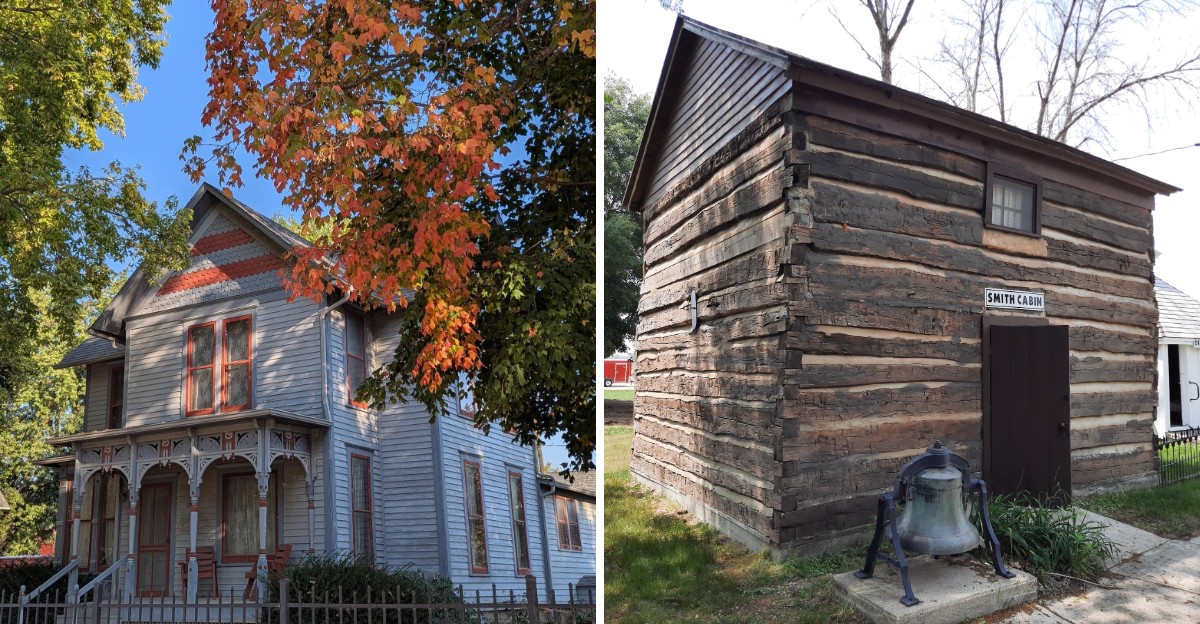
Wyatt Earp, the famous Old West lawman, spent part of his boyhood in a small Iowa town. His childhood home still stands, and you can walk right up to it.
That detail hooked me fast. Then I learned about a 500-acre spot with an 1875 town, and a village that has stages Civil War reenactments.
Iowa hides a lot of history in plain sight.
Fall makes these places even better. The air cools off, the trees change color, and dirt paths between old buildings feel made for slow walks.
I love the idea of a one-room schoolhouse with crunchy leaves outside the door.
So I rounded up seven historic villages that make a great autumn day trip. Each one has its own story and its own flavor.
Which one will you visit first?
1. Kalona Historical Village
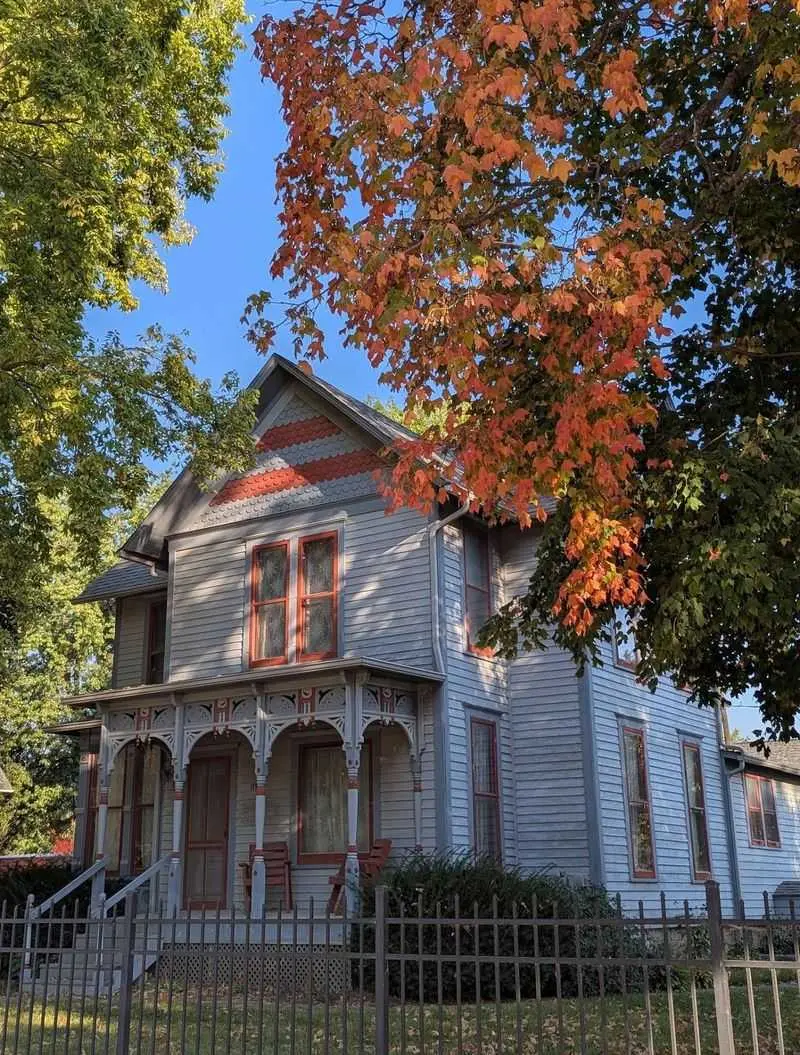
Quilts, a train depot, and a one-room schoolhouse share the same grounds here. Kalona’s Amish and Mennonite roots shape the whole collection.
The museum gathers historic buildings into one walkable village. You can wander from a small church to the old depot without ever getting back in the car.
Quilt exhibits are a big part of the draw. Kalona is known for its Amish and Mennonite heritage, so the stitching tells a local story.
Knowledgeable guides lead tours and share the history of the Kalona area. The displays cover a wide range of artifacts with clear descriptions.
Autumn brings the best reason to plan ahead. The annual Fall Festival fills a weekend with food booths and community fun.
Hours run Monday through Wednesday, plus Friday and Saturday, from 11 a.m. to 3 p.m. The village closes Thursday and Sunday, so check your calendar first.
A gift shop sits on site, and parking is free in the lot and on the street. There’s no restaurant, so plan lunch in town.
Kids tend to enjoy the hands-on displays. It’s a gentle, easy outing for the whole family in Iowa farm country.
2. Dan Nagle Walnut Grove Pioneer Village and Olde St. Ann’s Church
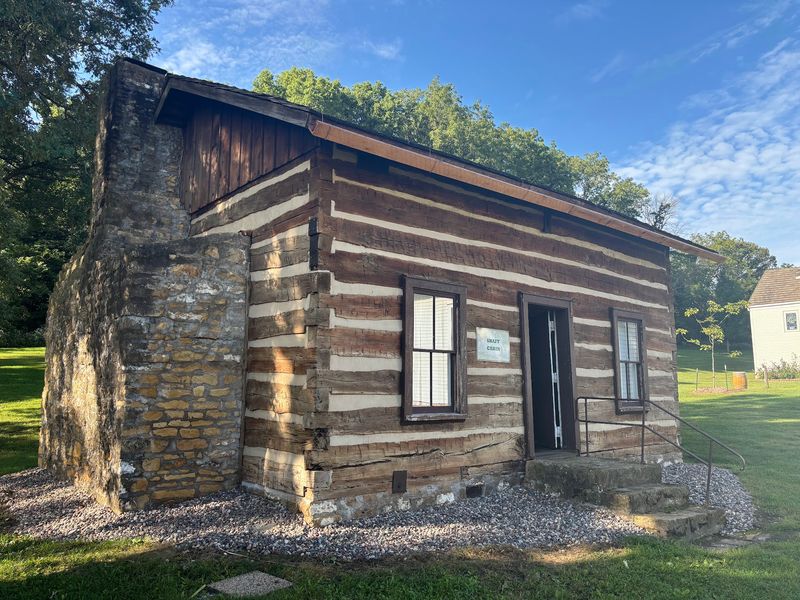
An old bank, a general store, and a church walked into a county park. Okay, they were moved there, but the result feels like a frontier town frozen in time.
This open-air museum shows 19th-century pioneer life through relocated historic buildings. Olde St. Ann’s Church is a highlight, and its name sits right in the title.
The village rests inside Scott County Park grounds near Long Grove. Wide rural views surround the buildings, which makes fall color a big bonus.
Here’s a nice surprise for flexible planners. The grounds open daily from 9 a.m. to 6 p.m., including weekends.
Want quiet paths? Weekday mornings and Thursdays tend to be calmer, while weekend afternoons draw bigger groups.
Restrooms are available on site. Bring comfortable shoes, since the joy here comes from strolling between buildings at your own pace.
Since it’s in a park, you can stretch the day with a longer walk among the trees. The changing leaves add color to the weathered wood.
For a low-key autumn afternoon, this spot is hard to beat. Pack a jacket and let the countryside do the rest.
3. Pella Historical Village & Vermeer Windmill
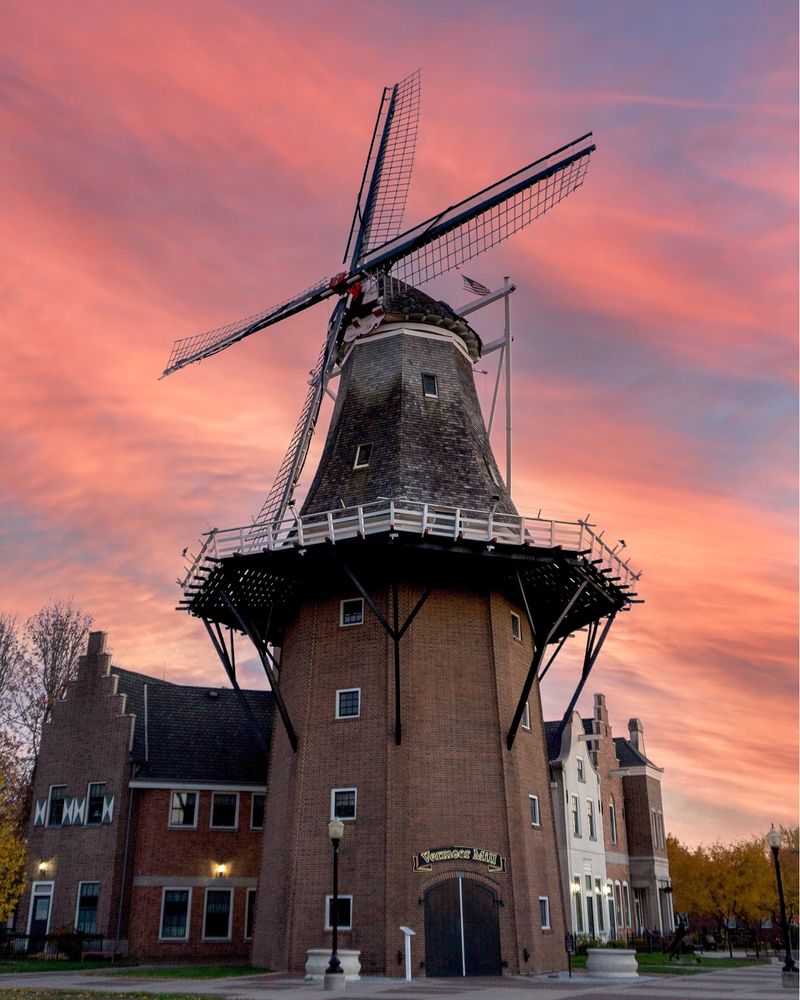
Before he was a legend of the Old West, Wyatt Earp was a kid in Pella. His boyhood home is one of 22 period buildings here.
The village shows 19th-century life in this Dutch-rooted town. Then there’s the Vermeer Windmill, an authentic Dutch windmill that steals the skyline.
You can choose how to explore. Guided tours are offered, and staff also hand out a map for self-guided walks.
Informative plaques help you along the way. Friendly, knowledgeable staff can fill in the stories behind the buildings.
Pella is famous for its tulip festival in spring. Fall still shines, though, with fewer flowers but plenty of history and color.
Hours are 10 a.m. to 5 p.m. Monday through Friday.
Saturdays close at 4 p.m., and Sundays are closed.
Families will find it easy to manage, with restrooms and free parking. Active military members can get a discount too.
Leave time for a gift shop stop before heading out. Then stroll the compact, walkable downtown nearby for a classic Iowa small-town finish.
4. The Fort Museum and Frontier Village
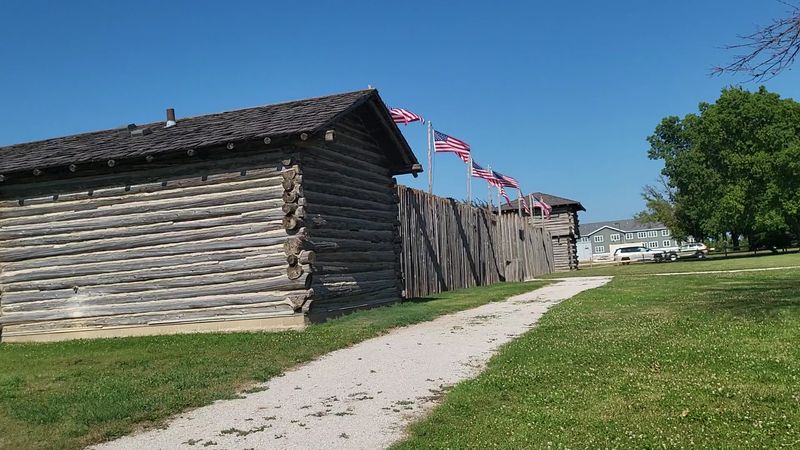
A jail, a drugstore, and a whole fort all stand ready for curious visitors. Fort Dodge took its frontier past and rebuilt it.
The site centers on a replica 19th-century fort with period-furnished structures. Outside, a reconstructed street shows how early settlers lived and worked.
Inside the buildings, artifacts fill the rooms. Many were donated by locals, which gives the collection a hometown feel.
The fort itself holds military memorabilia and period house furniture. Exhibits stretch from the city’s founding to Native American artifacts and World War II.
Got kids in tow? Self-guided tours, kid-friendly activities, and changing tables make the visit easier.
There’s free Wi-Fi and a gender-neutral restroom too. The museum sometimes hosts live performances, so check the schedule.
Weekday hours run 10 a.m. to 5 p.m. Saturday and Sunday hours are noon to 4 p.m.
The Des Moines River valley frames the city with fall color. Add a gift shop stop, and you have a full autumn afternoon.
5. Old Bradford Pioneer Village
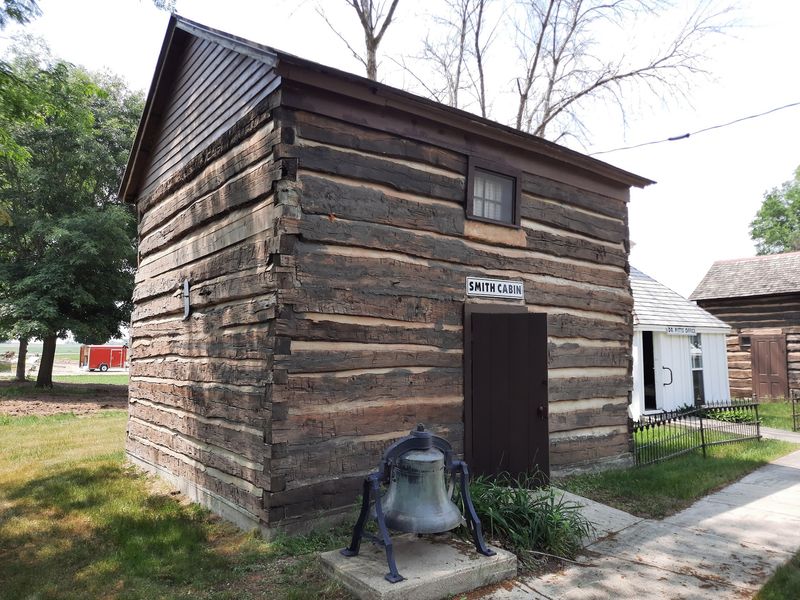
Since 1948, this little village has been guarding Chickasaw County stories. That’s over 75 years of saving buildings, tools, and memories.
Fourteen original historic buildings make up the grounds. Each one holds artifacts that show daily life in old Bradford.
Bradford holds a special spot in local lore. The village celebrates its heritage and keeps those stories alive for new generations.
Civil War reenactments are what the village is best known for. Community events bring the past to life in a way books can’t.
Autumn visitors get a bonus. A seasonal farmers market gathers on site during harvest time.
Regular hours are Tuesday through Saturday, 10 a.m. to 4 p.m. Tours on Sundays or Mondays are available by appointment.
Restrooms are available, but there’s no restaurant. Pack snacks or grab a bite in Nashua.
The setting is peaceful farm country with quiet roads. It’s a sweet Iowa drive when the fields turn gold.
Bring the kids along. Old buildings and real artifacts spark plenty of questions.
6. Guthrie County Historical Village & Museum
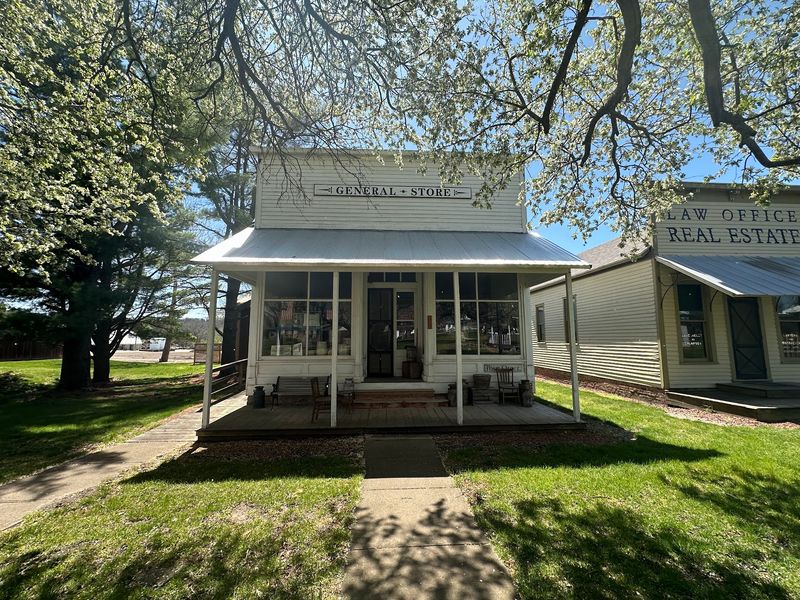
Small town, big collection. Panora has fewer than 1,500 residents, yet its historical village packs in plenty of buildings.
A railroad depot anchors the grounds. A country church and a historic schoolhouse round out the scene.
Together they form a recreated village that shows rural Midwestern life. It’s a great spot for anyone curious about small-town history.
Guided tours are offered if you want the backstory. On-site parking and restrooms keep things simple.
Timing matters here. The village opens Tuesday through Friday, 10 a.m. to 4:30 p.m.
Saturdays run from 1 to 4:30 p.m. Sundays and Mondays are closed, so plan around that.
The drive is half the fun. West-central Iowa rolls with hills that light up in fall color.
Kids usually enjoy peeking into the old schoolhouse. Comparing it to their own classroom makes for fun car talk later.
There’s no restaurant on site. Panora’s downtown sits close by for a lunch break.
7. Living History Farms
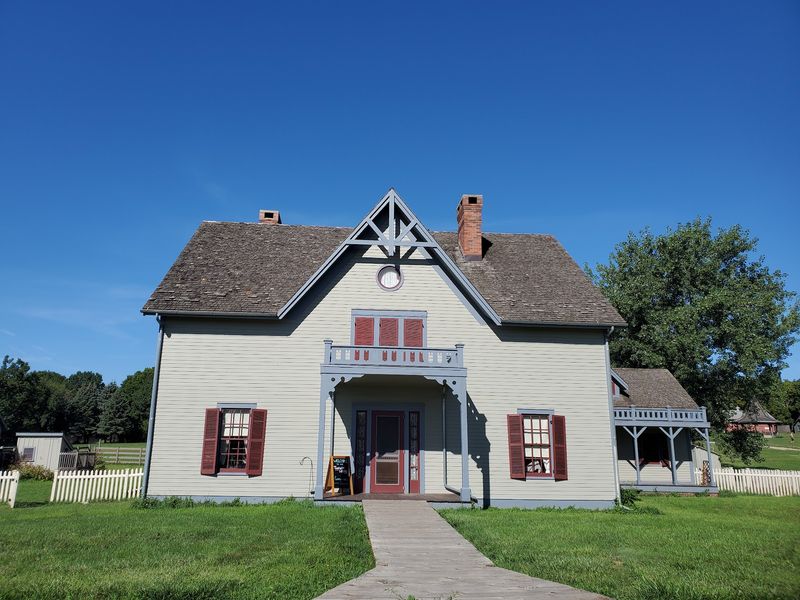
Five hundred acres of history sit just outside Des Moines. That’s room for an entire 1875 town and several farms from different eras.
The town has dirt streets, a general store, and vintage workshops. A blacksmith shop and a broom shop show old crafts up close.
Beyond town, a ride carries you out to the farms. Stops include an Ioway Indian farm, an 1850s pioneer farm, and a 1900s farm.
Animals live along the route. Calves, cows, horses, and even a farm cat make appearances.
Fall brings seasonal harvest programs. It’s a fun time to see farm life during its busiest season.
Hands-on exhibits keep kids busy. The visitor center adds helpful background before you head out.
Plan for a full day here. Comfortable shoes matter, since the grounds cover a lot of open land.
Free parking, Wi-Fi, and a gift shop add convenience. Active military discounts are available too.
For a big finish to your Iowa history tour, this place delivers. Just don’t let the farm cat steal the show.