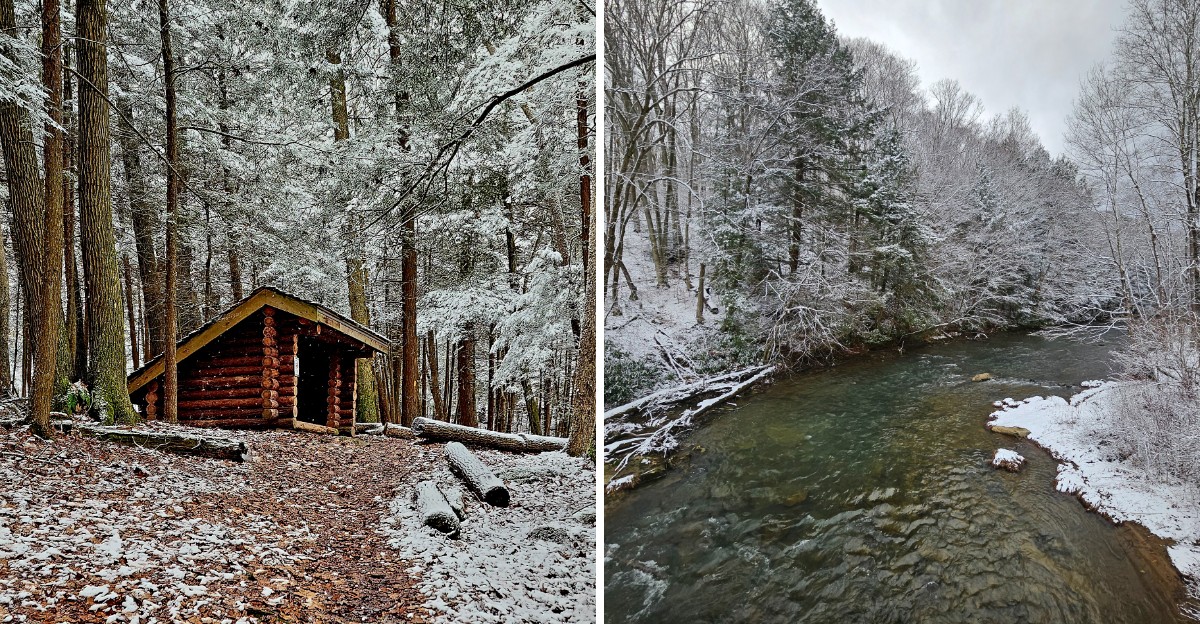
Summer crowds leave, the beach goes quiet, and a mountain park in Somerset County gets a whole new personality.
Snow settles over the trails, the lake freezes over, and the campground shrinks down to a handful of hardy souls.
Most people only know this place for kayaks and picnic tables, which means winter fans get the woods mostly to themselves.
Over 4,000 acres of forest, streams, and history are waiting in the Laurel Highlands of Pennsylvania.
Ahead you will find the trails worth a snowy hike, the frozen waterfall worth the trip, the history hiding in the hills, and the smart planning tips that make a cold day out feel easy.
Grab a warm hat and keep reading.
Where the Snowy Story Begins
Tucked into the rolling ridges of southwestern Pennsylvania, this park waits for the first real snowfall like it has been saving its best act for last.
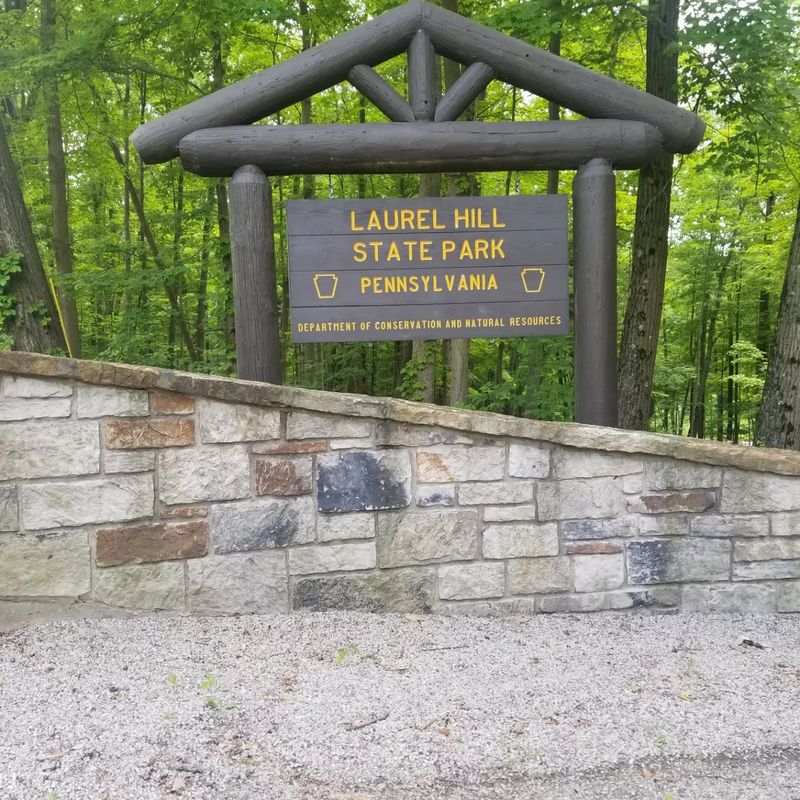
Laurel Hill State Park sits at 1454 Laurel Hill Park Rd, Somerset, PA 15501, in Somerset County. The park covers about 4,072 acres of forest, streams, and open space in the heart of the Laurel Highlands.
Most people know it as a summer hangout with a sandy beach and boat rentals. Once winter arrives, the same land turns into a quieter place for hiking, wildlife watching, and simple time outdoors.
Day use is free, which makes a snowy visit easy on the wallet. The park also makes a handy stop for road trippers who prefer smaller highways over busy interstates.
It sits close to other regional attractions, including Frank Lloyd Wright’s Fallingwater. That makes it a smart base for a winter weekend spent exploring the wider area.
Consider this the opening scene, because the trails, waterfalls, and history ahead are where the real winter plot unfolds.
Frozen Falls at Jones Mill Run
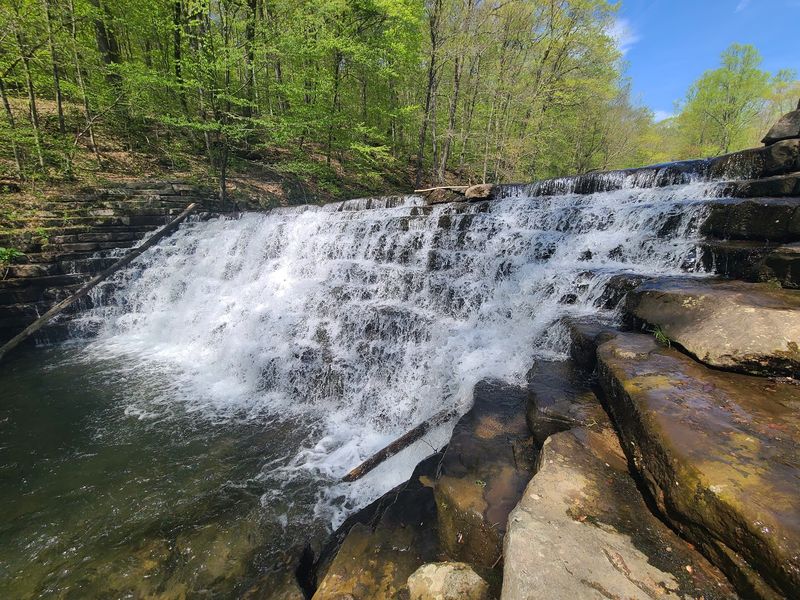
Few winter sights in the Laurel Highlands beat a waterfall caught halfway between flowing and frozen.
The Jones Mill Run Dam is one of the most popular spots in the entire park. Water spills over the stone dam, creating the waterfall that shows up on so many park photos.
A short hike leads to the dam, so it works well for families or anyone stretching their legs on a long drive. In warmer months, kids splash in the stream below.
Cold weather changes the scene. Ice can build up along the edges, and snow settles on the rocks and banks nearby.
Footing deserves extra care in winter. Wet stones near the water can turn slick, so boots with good grip are a wise choice.
Bring a camera and some patience. Light shifts quickly on short winter days, and an early afternoon visit gives the best chance at clear photos.
After the dam, plenty more trails are ready to keep those boots moving through the snow.
Tram Road and Pumphouse Trail Adventures
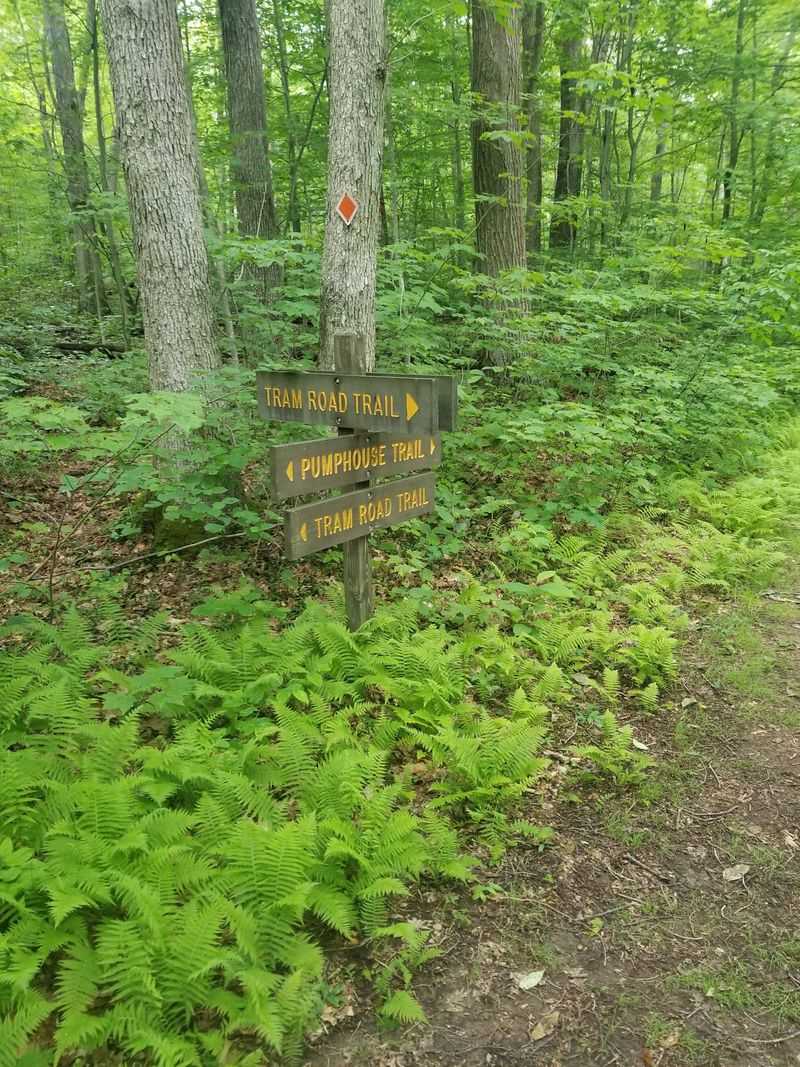
Some trails ask a lot of hikers, while others simply hand over a great view with very little fuss.
The Tram Road Trail falls into that second group. It is easy enough for small children, yet it still offers several stream crossings and a route to the famous waterfall.
Nearby, the Pumphouse Trail follows a well kept gravel path. It also leads toward the falls, making it a favorite with families and dog owners alike.
Both trails are well maintained, which helps a lot after a fresh snowfall. Wide paths are easier to follow when white powder hides smaller details on the ground.
One heads up for planning: there are no restrooms at the Pumphouse trailhead or along that trail. Make a stop elsewhere in the park before starting out.
Winter hiking takes more time, so allow extra minutes for each mile. Layers, water, and a snack in the pack can keep the outing pleasant from start to finish.
Ready for something a bit wilder next?
Ancient Hemlocks Hiding in the Hills
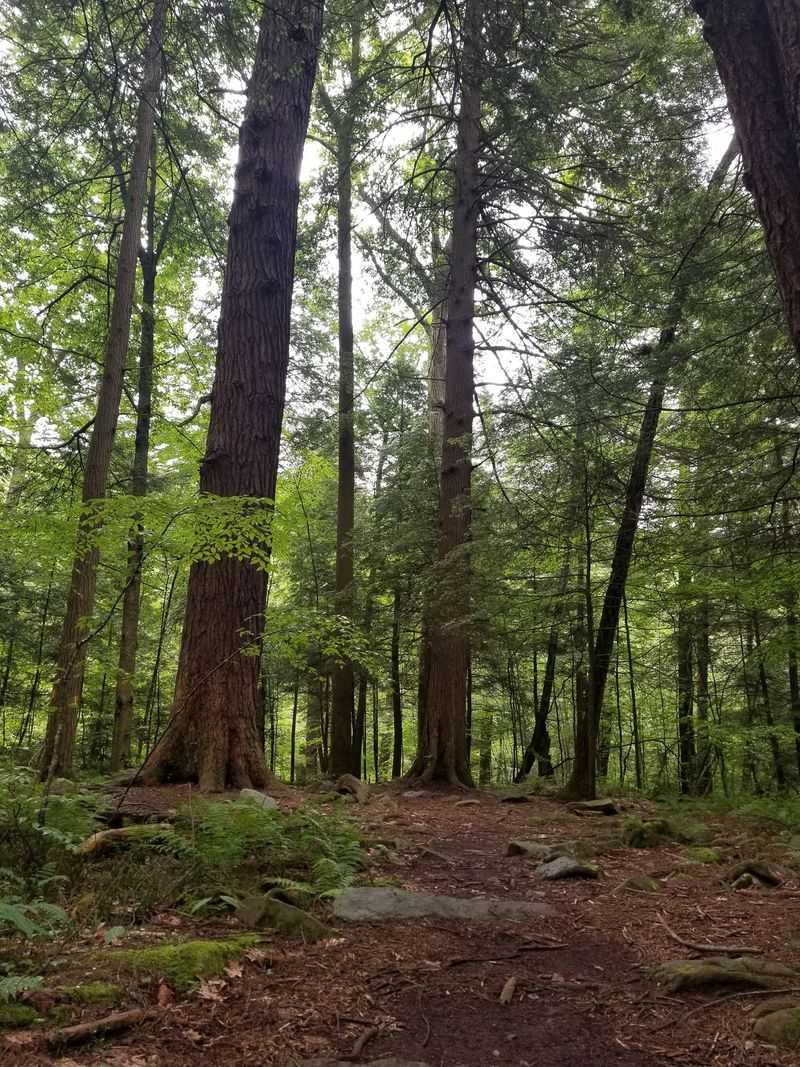
Tall, old, and patient, the hemlocks here have watched many winters come and go.
The Hemlock Trail leads toward the Hemlock Natural Area, a protected stand of old trees in the park. Reaching it often involves a short drive on dirt roads.
The walk follows Laurel Hill Creek for part of the way. Families like it for creek play and mushroom spotting in warmer months, though the route can feel a bit challenging for little ones.
A fair warning is useful here. Markings on the stretch toward the natural area are not always clear, and some hikers lose track of where the trail goes.
Snow can make that problem worse by covering faint paths. Grab a park map at the office beforehand and stick to sections that are easy to follow.
Snow resting on dark evergreen branches creates a striking winter contrast for photos.
Turn back if the path becomes unclear, because the hemlocks have stood for ages and will happily wait for another try.
Laurel Hill Lake Takes a Winter Nap
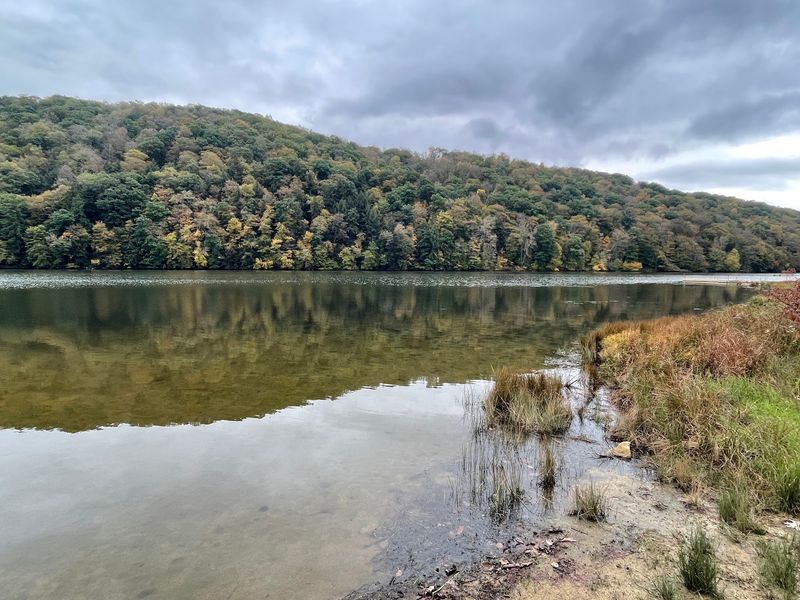
All summer long, the lake works hard. Kayaks, canoes, paddleboards, and swimmers keep it busy from morning to evening.
Laurel Hill Lake covers 63 acres and allows only electric motors. That rule keeps things calm even during the busiest months.
The sandy beach is long, clean, and wrapped by wooded hills. A boat launch, picnic areas, and a volleyball spot sit close by.
Winter gives the lake a well deserved rest. The rentals pack up, and the shoreline becomes a quiet place for a slow walk.
The Copper Kettle Trail runs along the long, narrow lake on a wide, flat path. It suits easy winter strolls, and deer, chipmunks, squirrels, and birds often appear along the way.
Always check current conditions with the park before stepping onto any frozen surface. Ice safety can change from day to day, and staff can share the latest guidance.
Even resting, this lake has a way of stealing the show.
History Left by the CCC
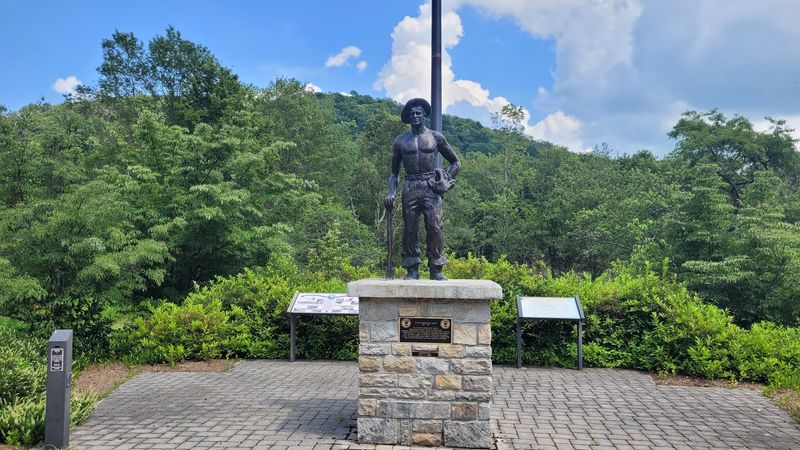
Long before snowshoes and trail apps, young workers shaped much of this park with their own hands.
The Civilian Conservation Corps, a Depression era program, played a big role in building Laurel Hill. Many historic structures and features trace back to that effort in the 1930s.
A Civilian Conservation Corps Monument stands in the park to honor that work. It makes a fitting stop after a hike or picnic.
Old cabins and former camp buildings also remain scattered around the grounds. Some look weathered with age, which adds a curious, old timey mood on a gray winter day.
A historic cemetery can be found along the dirt roads near the Hemlock Trail as well. Visit respectfully and leave everything as it is.
Winter is a great season for history hunting. With leaves off the trees, older stonework and structures are often easier to spot from the trail.
A little background turns a simple snowy walk into a trip back in time.
Wildlife That Stays Through the Snow
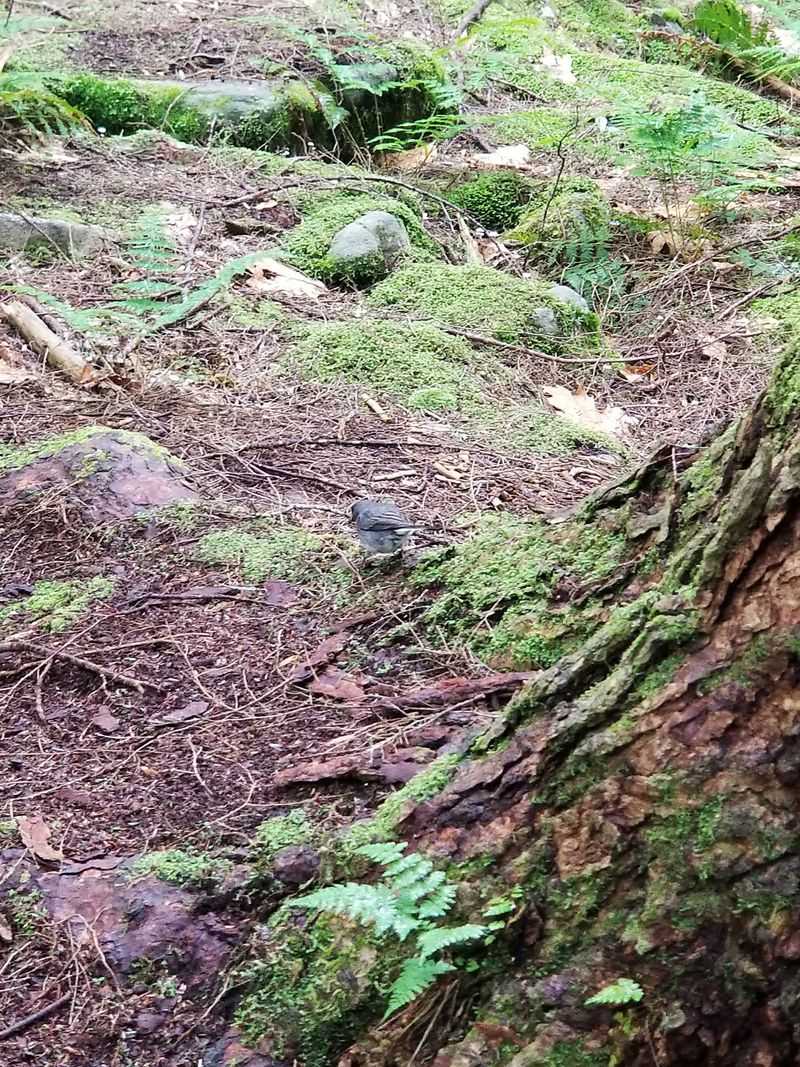
Snow is basically a guest book for animals, and the forest floor here fills up fast with signatures.
White-tailed deer, chipmunks, squirrels, and many bird species call the park home. Warblers, vireos, and towhees show up in warmer months, while hardier birds stick around once the weather turns.
Fresh snow makes tracking much easier. Kids can try matching prints to the animals that made them, which turns a walk into a game.
The forest itself is varied. Tulip trees, sassafras, oaks, maples, and plenty of mountain laurel grow across the hillsides.
Bare branches in winter open up the view. Birds become easier to see without a curtain of summer leaves blocking the way.
Bring binoculars and keep voices low for the best results. Early morning tends to be a busy time for animal activity.
Give every creature plenty of room, since winter is a tough season for them. A respectful distance keeps both wildlife and hikers happy.
Cozy Cabins and Campsites
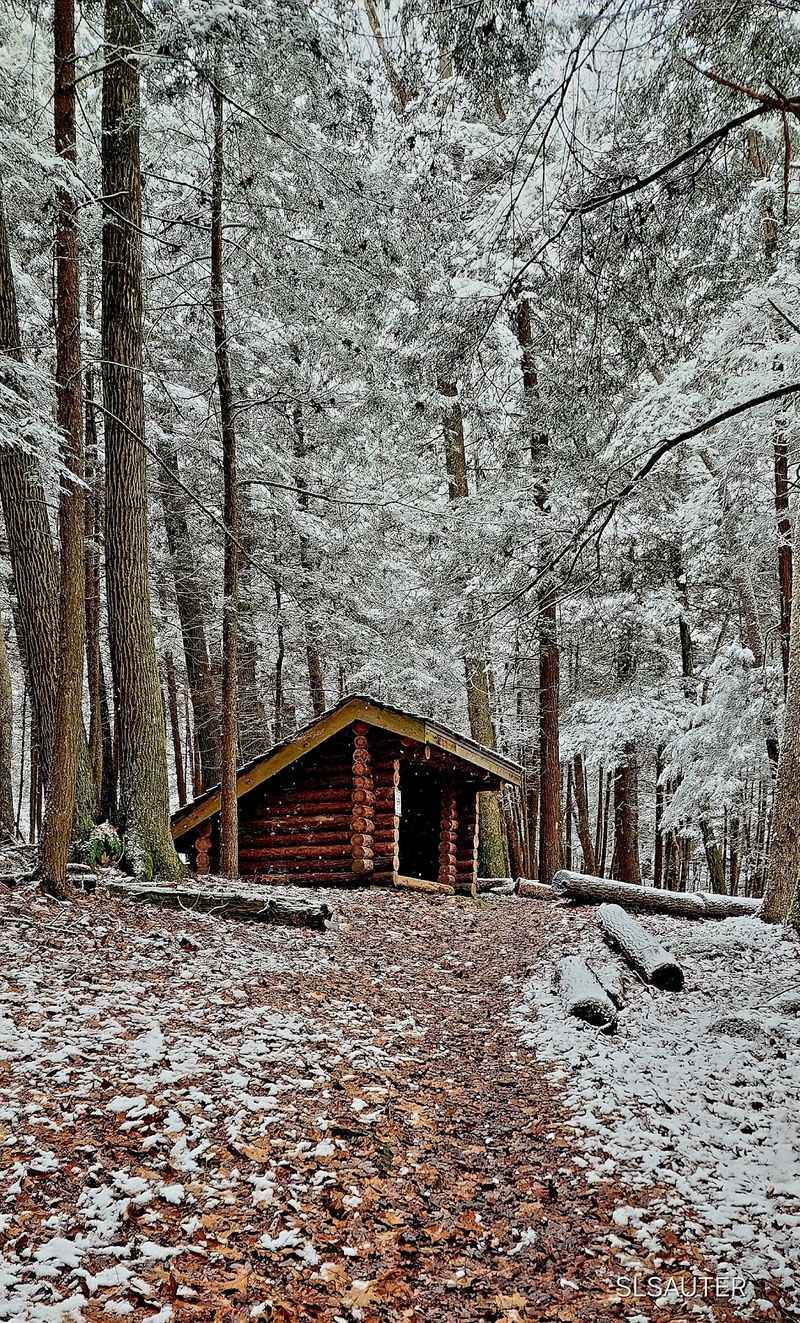
Sleeping in a snowy forest sounds bold, yet the park makes it more doable than many expect.
The campground is well laid out, with clear site markers posted at each spot. Some sites up on the hill offer wide views, while others sit near the creek.
Cabins add a cozier option. Some guests have caught a memorable sunrise from their cabin porch, and certain cabins sit close to washrooms while keeping good privacy.
Facilities include showers and even a washer and dryer in one loop. Firewood and fire starters are sold at the park, with a cash box near the entrance for after hours arrivals.
Sites can be close together, and some tent spots have little room beyond the table and fire ring. A level pad can take time to find in the pet loop.
Seasonal schedules vary, so check winter availability with the park office before booking. Calling ahead can also help pick the best site.
A warm cabin after a cold hike is hard to top.
Plan Ahead Before Signal Vanishes
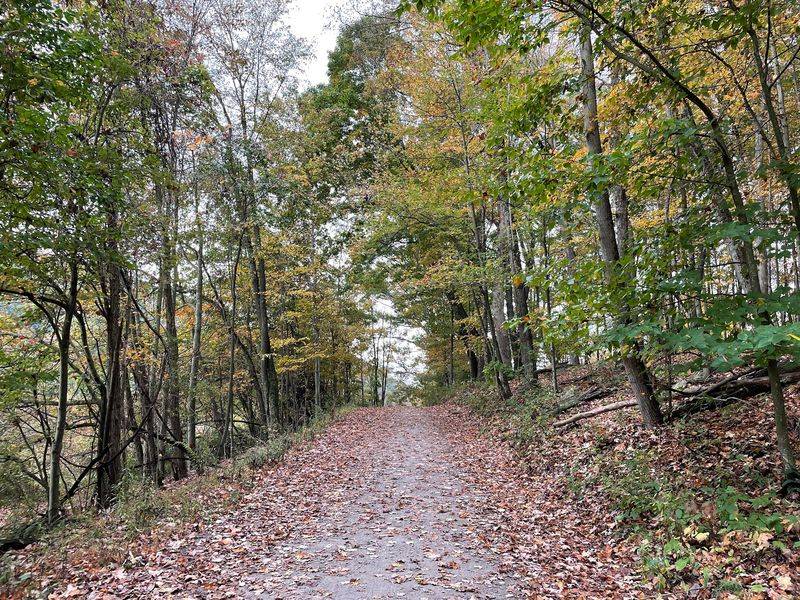
Here is a tip that can save a winter trip: the phone may stop being helpful well before the park gate.
Cell service is nearly absent across the park, even right outside the entrance. Maps, reservations, and directions may not load once the signal drops.
Download a park map in advance or grab a paper copy at the office. Know your campsite number and loop location before arriving, especially after dark.
The park is large, with roads that wind between areas. Signs are good, but some spots like the Hemlock Trail require driving on dirt roads.
Winter adds more to the checklist. Restrooms can be closed during certain hours or seasons, so plan stops accordingly.
Pack extra layers, gloves, water, and snacks in the car. Daylight runs short, so starting early leaves more time to explore.
Tell someone your plans before heading into the woods. A little preparation keeps the focus on snowy trails instead of hunting for a signal that never shows up.
Why Winter Might Be the Best Season
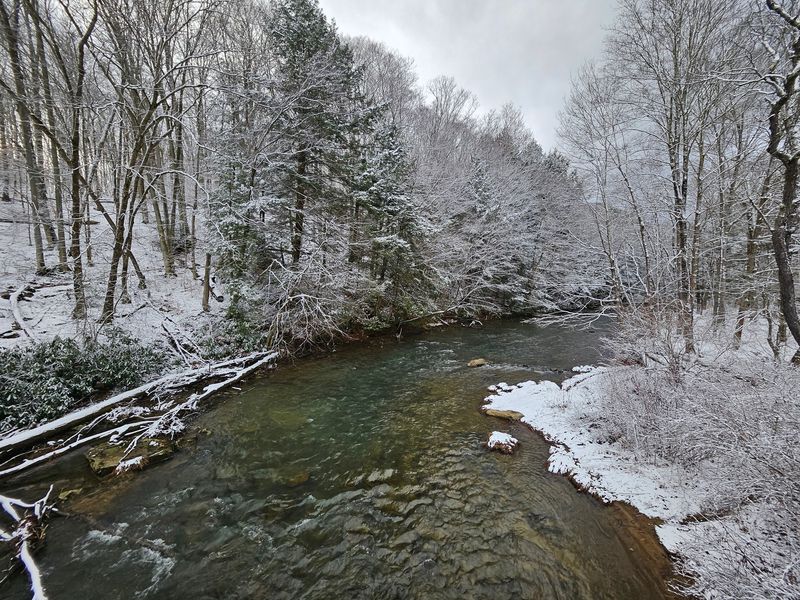
Crowds are optional here, and in winter they practically take the season off.
Even in summer, the park feels less busy than many nearby hot spots. It stays clean and free of graffiti, which helps it feel cared for all year.
Winter turns that calm up another notch. Trails, picnic areas like the Old Mill Picnic Area, and the scenic viewpoint often sit quiet for long stretches.
That viewpoint is a highlight in any season. Snow on the ridges of the Laurel Highlands gives it a fresh, wintry look that summer guests never get to see.
A pollinator garden, beach, and bluegrass festival draw people in warmer months. Winter fans can scout those spots now and return later for the full lineup.
The park office can share current hours, conditions, and seasonal tips. Friendly staff are known for steering guests in the right direction.
Snow fades by spring, but a quiet winter day here tends to stick around in memory much longer.