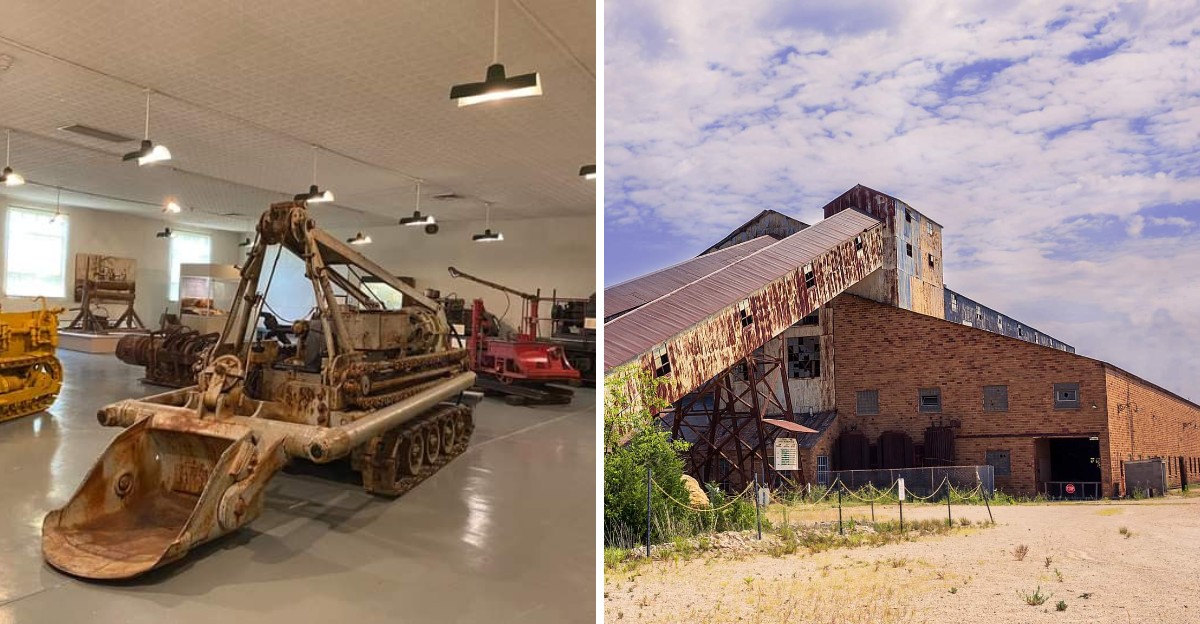
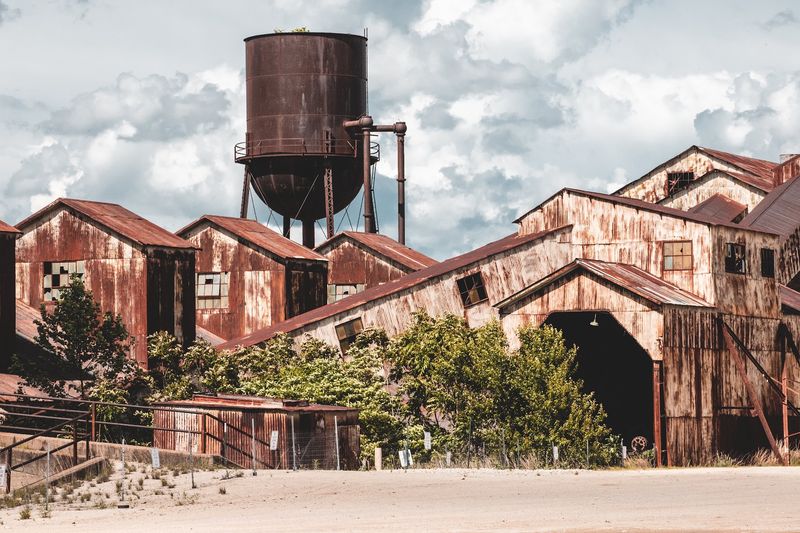
A 15-ton locomotive reportedly still rests deep underground, left behind in tunnels that once fed one of the busiest lead operations on Earth. Up top, giant old mill buildings stand quiet along a Missouri highway, rusting and weathered.
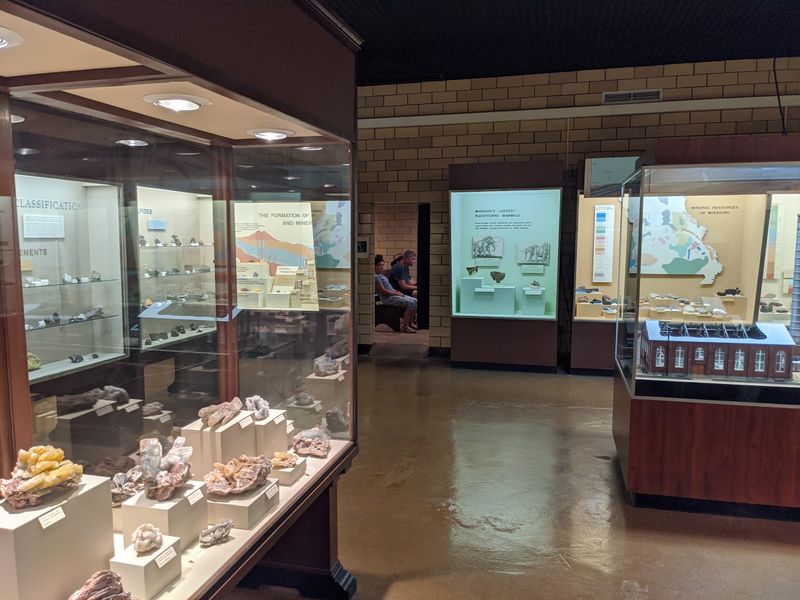
The museum sits inside the former powerhouse. It holds heavy mining machines and a mineral collection with glittering specimens from all over the world.
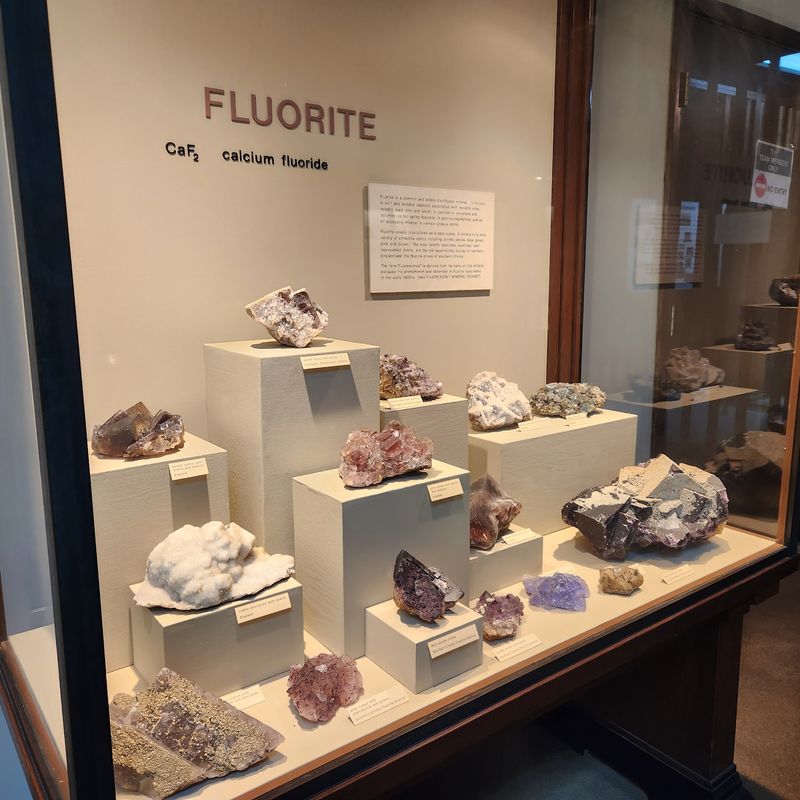
One display case might pull you in longer than you planned.
I like how this place makes a big industry feel personal. These buildings shaped whole towns, and the families who lived in them.
I can’t imagine a better spot to show grandkids where so much came from.
The price to get in stays small, and walking the grounds costs nothing. So why does a stop this good still fly under the radar?
An Old Lead Mill Hiding In Plain Sight Off Highway 32
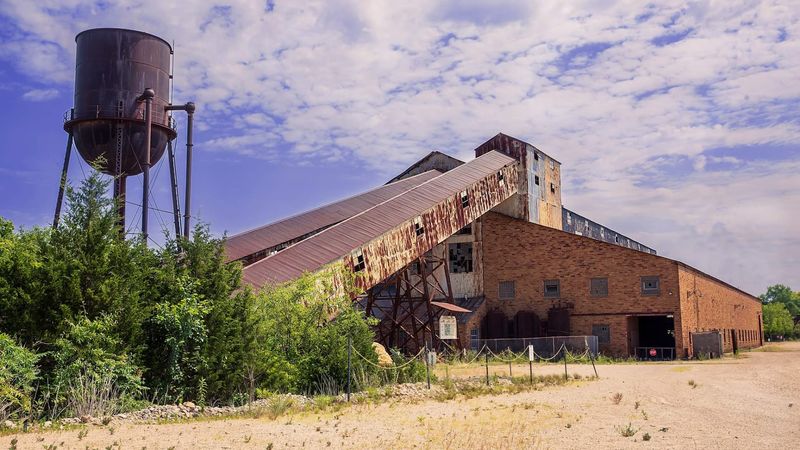
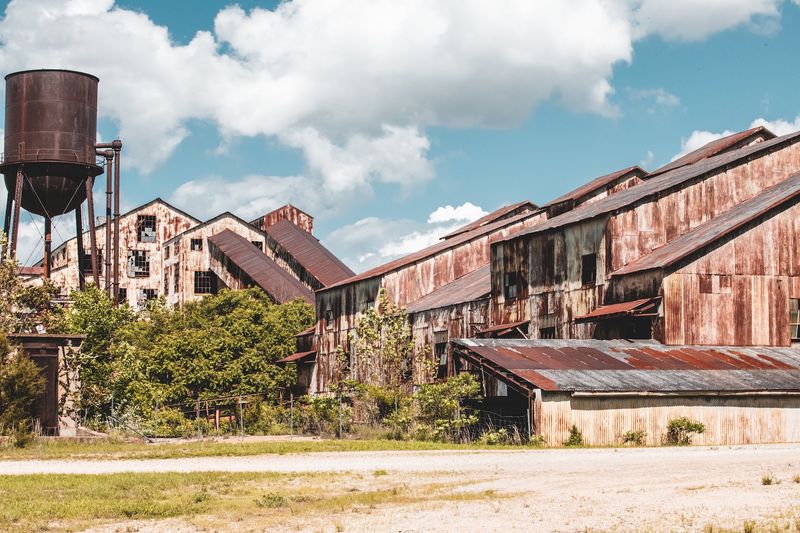
Drive Highway 32 through Park Hills and the skyline suddenly turns industrial. Huge old mill buildings rise beside the road, and they look even bigger once you park.
That’s Missouri Mines State Historic Site, a state-run park built around the remains of a massive lead operation. The St. Joseph Lead Company ran this site, and its name still echoes across the region.
Missouri State Parks manages it today as a place to learn rather than a place to dig. The grounds hold the rugged mill structures, while the old powerhouse now serves as the museum.
It sits in the Old Lead Belt, a corner of Missouri where mining built entire towns. Families here often trace their roots right back to these shafts and mills.
The site welcomes curious travelers of every age. Kids tend to gawk at the buildings, and grown-ups usually get hooked on the history inside.
Plan on an hour or two at minimum. History buffs can easily stretch that into a long afternoon without running out of things to read and see.
Three Centuries Of Lead Mining Packed Into One Story
Lead mining in Missouri stretches back roughly 300 years. The museum walks you through that long timeline, from early digging to the big industrial era.
The St. Joseph Lead Company became a giant in this part of the state. At its peak, the operation here ranked among the largest lead mining efforts in the world.
That’s a lot of history for a quiet stretch of road. It also explains why towns like Park Hills grew the way they did.
Workers, families, stores, and schools all orbited the mines. When you stand among these buildings, the scale of that whole way of life starts to sink in.
The exhibits connect Missouri’s lead to the wider world. Many folks leave surprised at just how important this mineral was to the state’s growth.
Grandparents with local roots may recognize names and places along the way. Bring stories of your own, because this is the kind of stop that sparks plenty of them on the drive home.
The Locomotive Left Behind In The Dark
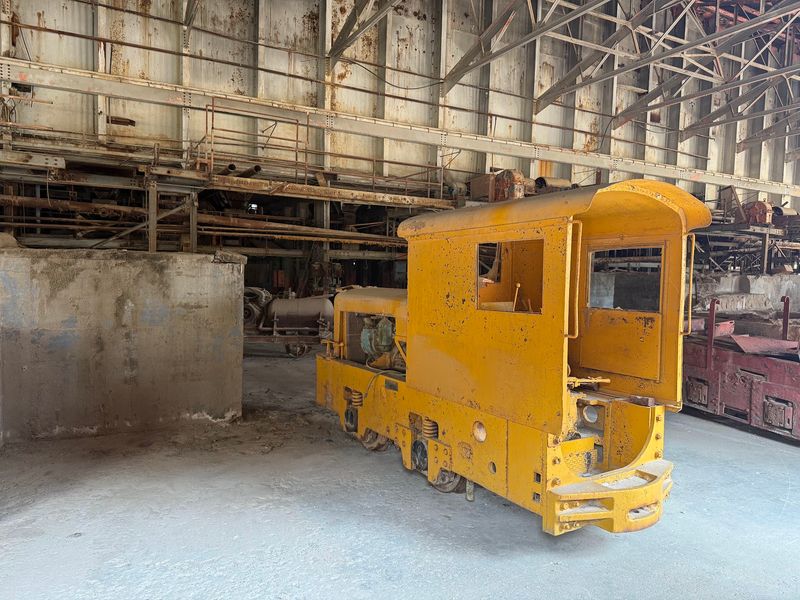
Here’s a detail that sticks in your head. A 15-ton locomotive reportedly still sits deep underground, parked in the old workings after the mining stopped.
You won’t see it from the parking lot, of course. The tunnels below are off limits, so the engine stays a mystery you can only picture.
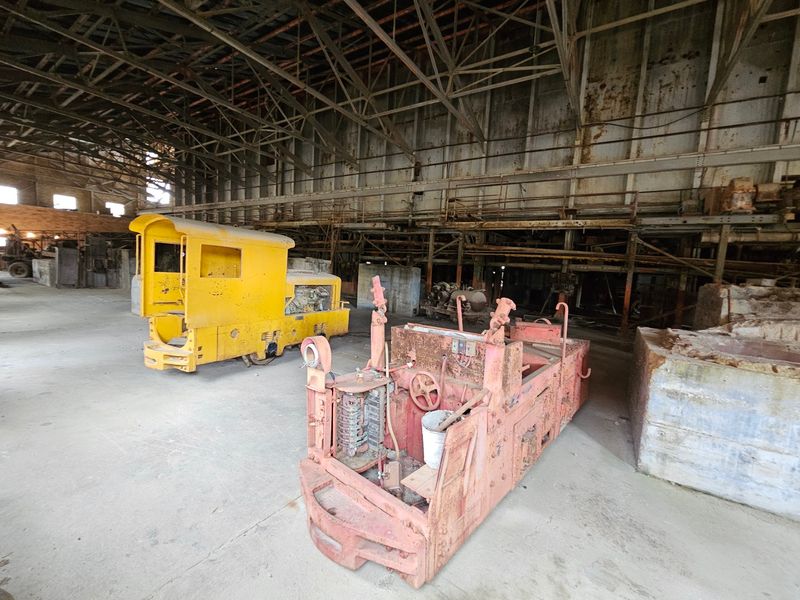
Underground trains like it hauled ore through miles of passageways. That machinery helped move enormous amounts of rock to the mills you can still see today.
Knowing something that heavy rests below your feet changes how the grounds feel. Suddenly, the quiet lawn above seems to hold a secret.
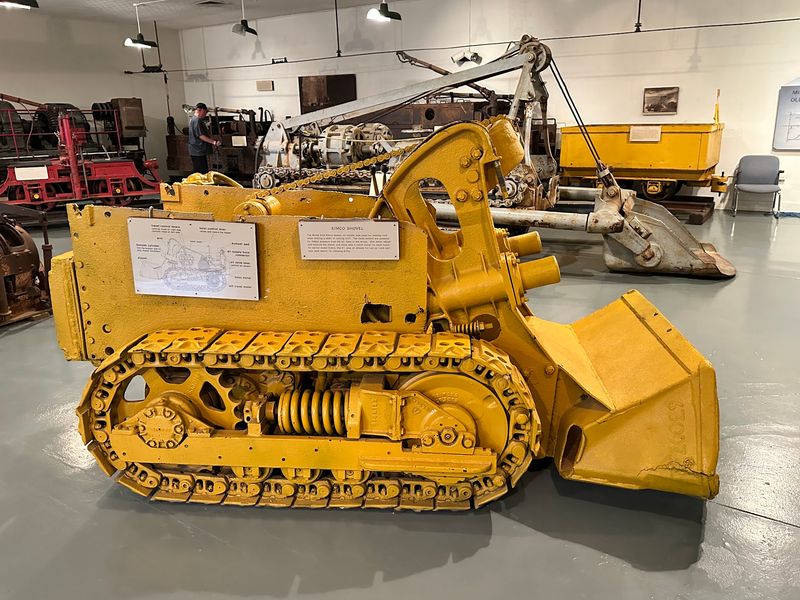
The museum’s heavy equipment gives you a feel for the size of these machines. Stand next to the displays and imagine one rolling through a tunnel by lamplight.
It’s a great conversation starter for kids. Ask them how they’d get a train out of a mine, and see what wild ideas come back.
A Museum Living Inside The Old Powerhouse
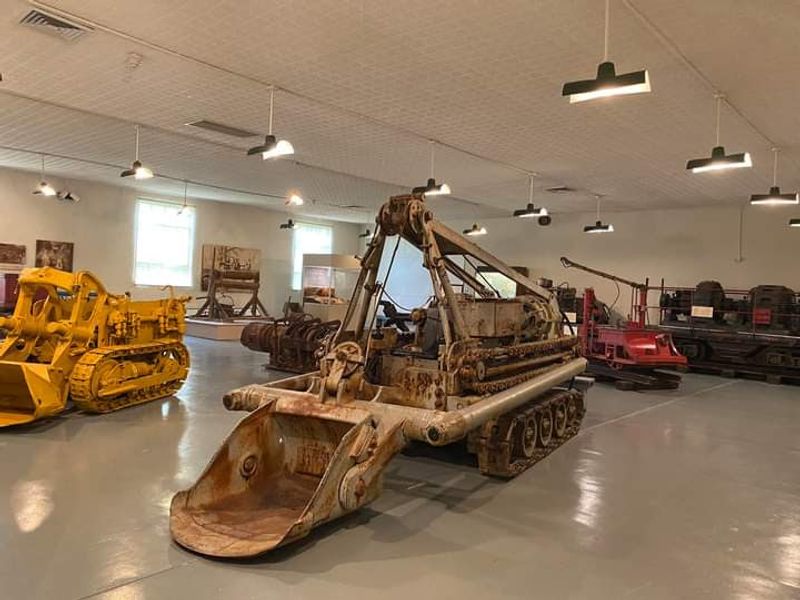
Old powerhouses were built to hum and roar. This one now holds exhibits, which feels like a fitting second career for the building.
The museum at Missouri Mines State Historic Site sits inside the former powerhouse. It’s the main building you can enter, and it also houses the restrooms.
Inside, mining equipment shares space with a jaw-dropping mineral collection. The layout feels well curated, with plenty to read and look at without feeling crowded.
The museum is small, but it doesn’t feel thin. Some people breeze through in half an hour, while others linger much longer over the details.
There’s also some interactive material aimed at kids. That helps younger visitors stay engaged while adults read the deeper history panels.
A modest fee covers entry to the museum. Exact rates can change, so check with the site before you go, but it’s widely considered a fair deal for what’s inside.
Minerals That Look More Like Art Than Rocks
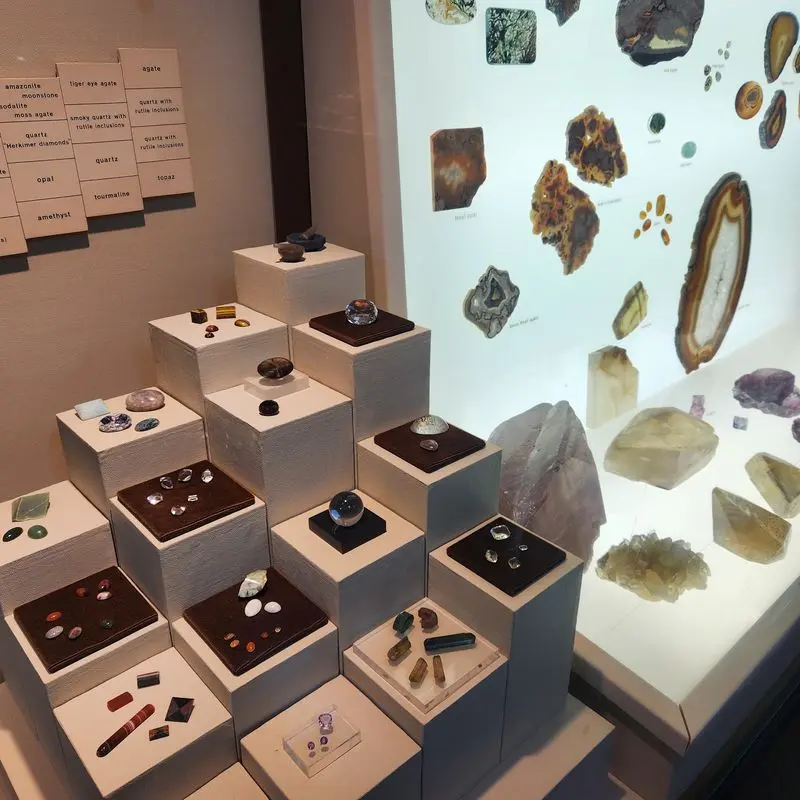
Some rocks sparkle, and some practically glow. The mineral collection here has specimens that make even rock skeptics lean in for a closer look.
The displays show minerals as they look coming out of the ground. Pieces come from Missouri and from locations around the world.
The variety is staggering, with what seem like hundreds of different types. One look at the cases and you’ll understand why this exhibit draws so much praise.
It honestly feels closer to an art gallery than a mining exhibit. Colors, shapes, and crystal patterns turn each case into its own little show.
Fossils also make an appearance, adding another layer for curious minds. Kids who love collecting rocks may need to be gently pulled away.
Bring a phone or camera for photos if allowed. You’ll want reminders of your favorites, especially if a young geologist in your family starts asking questions on the ride home.
Heavy Machines That Did The Hard Work
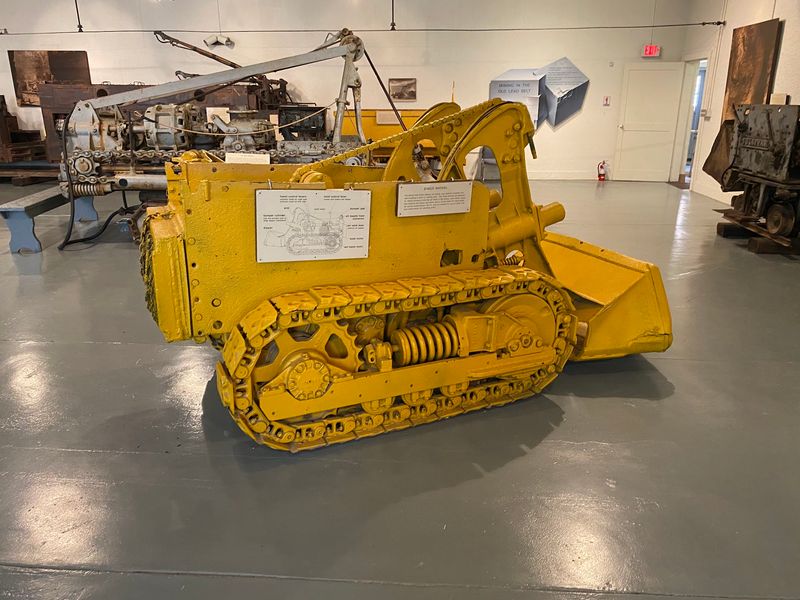
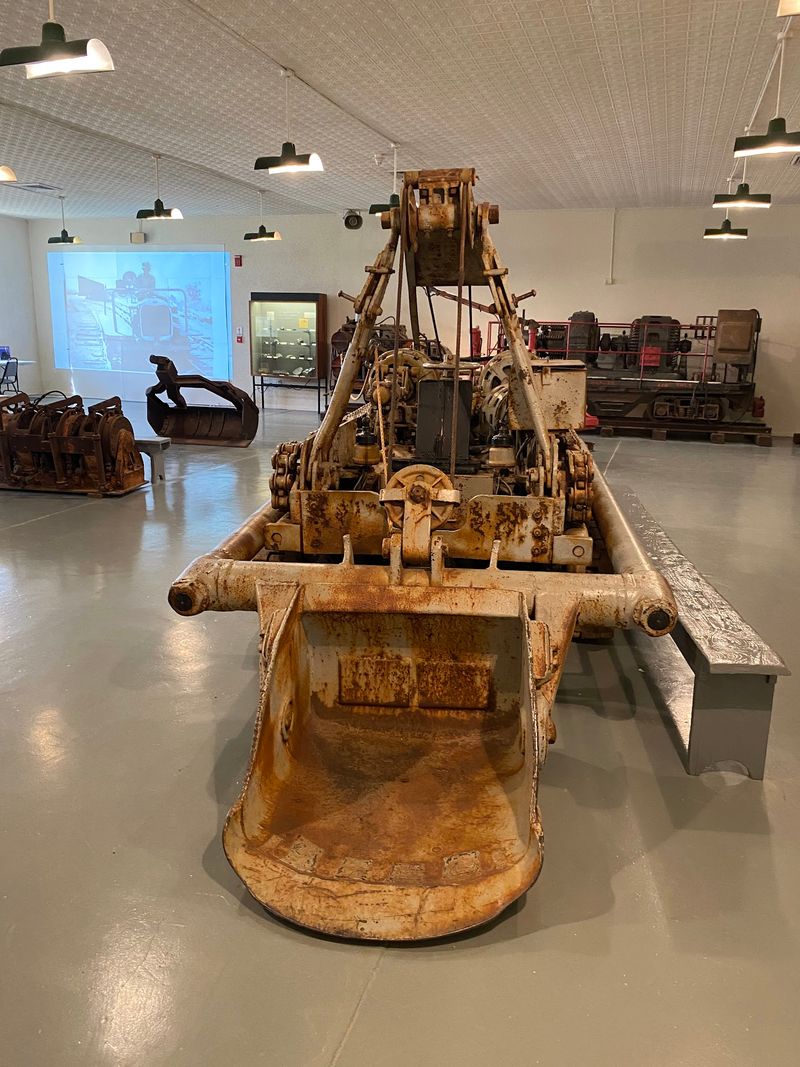
Mining wasn’t gentle work, and the equipment proves it. The museum displays heavy machinery pulled straight from the region’s mining days.
These are real pieces, not replicas. Seeing them up close gives you a sense of the muscle and noise that once filled this place.
Show pieces from the mine itself help tell the story. Each one explains a step in getting lead out of the ground and ready for use.
Grandkids often find the big machines more exciting than any screen. There’s something about sheer size that makes kids stop and point.
The equipment also shows how the work changed over the years. Older machines sit alongside later tools, and the progress becomes easy to follow.
Take your time reading the signs nearby. They add context that turns a hunk of steel into a chapter of Missouri history, and that’s what makes this collection so memorable.
A Free Stroll Among The Giant Mill Buildings
Good news for budget-minded travelers. Walking the outdoor grounds costs nothing, so you can soak in the scale before spending a dime.
The mill buildings look impressive from the road. Up close, they feel massive, weathered, and full of character.
Most structures are off limits for safety reasons. They’re actively aging, so the rules keep everyone out of harm’s way.
Still, you can wander a set area and get a real feel for the site. One building even allows a peek inside, which adds a nice bonus.
Some parts are overgrown, so a little imagination helps. Picture trains, crews, and machines humming where weeds now grow.
Wear sturdy shoes and check the forecast first. Weather plays a big role outdoors, and a dry day makes the grounds much more pleasant to explore with family.
Staff Members Who Know Every Nut And Bolt
Questions are welcome here, and you’ll likely leave with answers you didn’t know you wanted. The staff has a strong reputation for being friendly and well informed.
They know the inner workings of the mine in surprising detail. From geology to production, they can explain how everything fit together.
That knowledge turns a quick stop into a real learning experience. Even people who work in mining have found plenty to learn.
Kids especially benefit from a patient guide. A ranger’s energy can make a small child fall in love with old mines on the spot.
On slower days, you might get extra attention and conversation. That kind of personal touch is hard to find at bigger, busier attractions.
Don’t be shy about asking for stories. The folks behind the desk at Missouri Mines State Historic Site clearly enjoy sharing what they know, and it shows.
A Short Film With Old-School Charm
Old footage carries a special kind of magic. The museum offers a history video, roughly 12 minutes long, that shows the operation in action.
Some footage reportedly dates back to around the late 1940s. Watching it feels like a window into how things used to be.
You’ll see the mine and mill as working places, not quiet ruins. That makes the walk outside feel more meaningful afterward.
Very young kids may wiggle before the end. Older children and adults usually find it a fun break from reading exhibit panels.
Consider watching it first if time allows. It gives helpful background that makes the minerals and machines easier to understand.
Grandparents might spot familiar sights from their own childhoods. That’s a perfect moment to share memories, and it often leads to the best family conversations of the whole trip.
Scavenger Hunts And Little Rock Hounds
Kids learn best when there’s a mission. The museum has offered a paper scavenger hunt that turns exhibits into a game.
That simple sheet keeps young visitors searching and reading. Parents get a chance to enjoy the displays without hearing “Are we done yet?” every two minutes.
Rock exhibits tend to win over grandkids fast. Shiny crystals and odd shapes feel like real treasure to little eyes.
Interactive pieces add hands-on fun too. Those help kids connect with mining in a way that a sign alone can’t.
Even digital-age kids have been known to get hooked here. Something about real rocks and real machines cuts through the screen habit.
Ask at the desk whether the scavenger hunt is available on your visit. Offerings can vary, but it’s worth checking before your crew starts exploring Missouri’s mining past.
Sunset Light Over Silent Steel
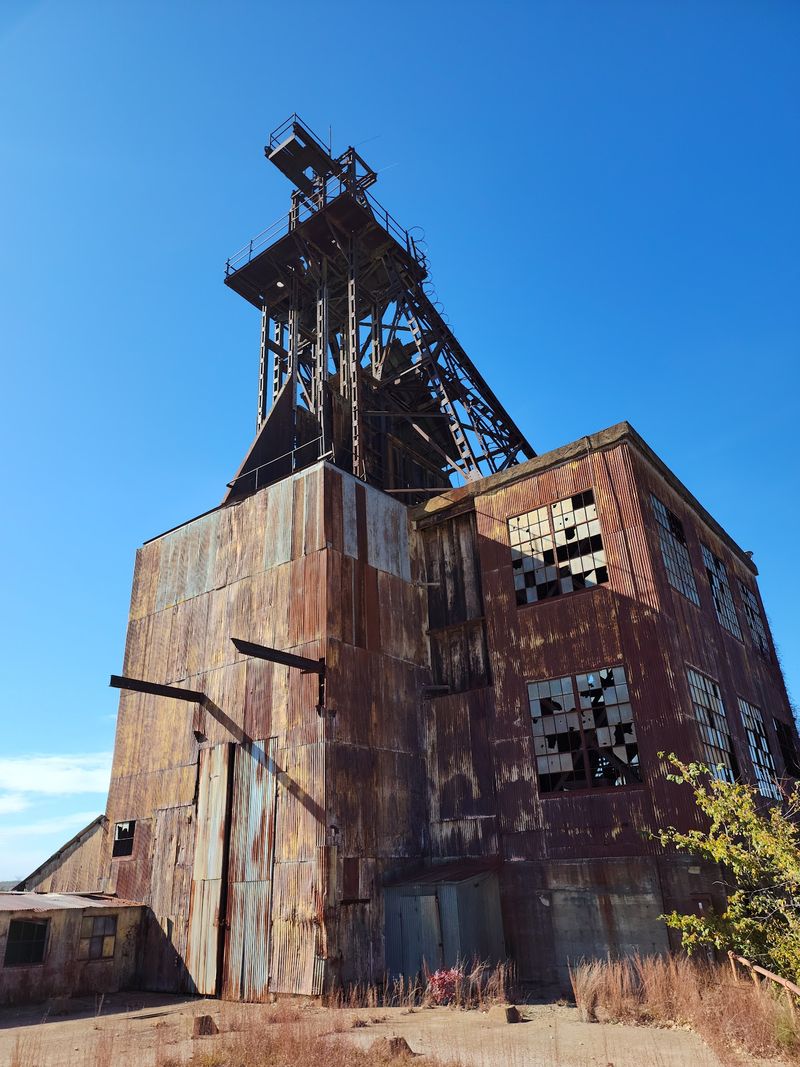
Golden hour does wonderful things to old brick and rusted steel. Around sunset, the buildings take on a glow that feels almost cinematic.
Nearby trail walking adds to the mood. As dusk settles, the area can feel remote and peaceful.
Photographers will love the textures and shadows. Every angle seems to tell a different story about the past.
Just remember the museum keeps daytime hours. Sunset strolls stick to outdoor areas, so plan your indoor time earlier.
Spring and fall bring mild temperatures for wandering. Ozark color in autumn makes the drive into the area even more rewarding.
Bring a light jacket in cooler months. The open grounds catch the breeze, and you’ll want to stay comfortable while watching the light fade over this piece of Missouri history.
Who Will Love This Stop Most
History lovers are the obvious fans. Still, the appeal spreads wider than you might guess.
Families with grandkids will find plenty to explore. The rocks, machines, and big buildings give every age something to enjoy.
Anyone curious about American industry should put this on their list. It explains how one mineral shaped towns, jobs, and daily life.
Rock collectors may want extra time. The mineral cases alone can fill a good chunk of your visit.
Road-trippers heading to other Ozark spots can treat it as a worthy pit stop. Many people pair it with Elephant Rocks State Park, which sits farther down the road.
Folks with local roots will feel a special pull. For families whose grandparents worked the Lead Belt, Missouri Mines State Historic Site can feel like a visit to the family album.
Hours, Fees, And Directions Worth Jotting Down
Timing matters with this one. The site is listed as open Wednesday through Sunday, 9 a.m. to 3 p.m., and closed Monday and Tuesday.
Hours may shift by season, so call ahead before you drive. Small state sites sometimes adjust schedules, and nobody likes a locked door.
You’ll find it at 4000 State Hwy 32, Park Hills, MO 63601. Plenty of gravel parking sits close to the buildings.
Walking the grounds is free. The museum charges a small entry fee, with lower rates for youth and free entry for little ones.
Park Hills sits within a comfortable day trip from St. Louis. It makes an easy drive for families across eastern Missouri.
Restrooms are inside the museum building. Plan your stops around that, especially with kids in tow, and allow at least a couple of hours to see everything.
A Rusty Treasure Worth The Drive
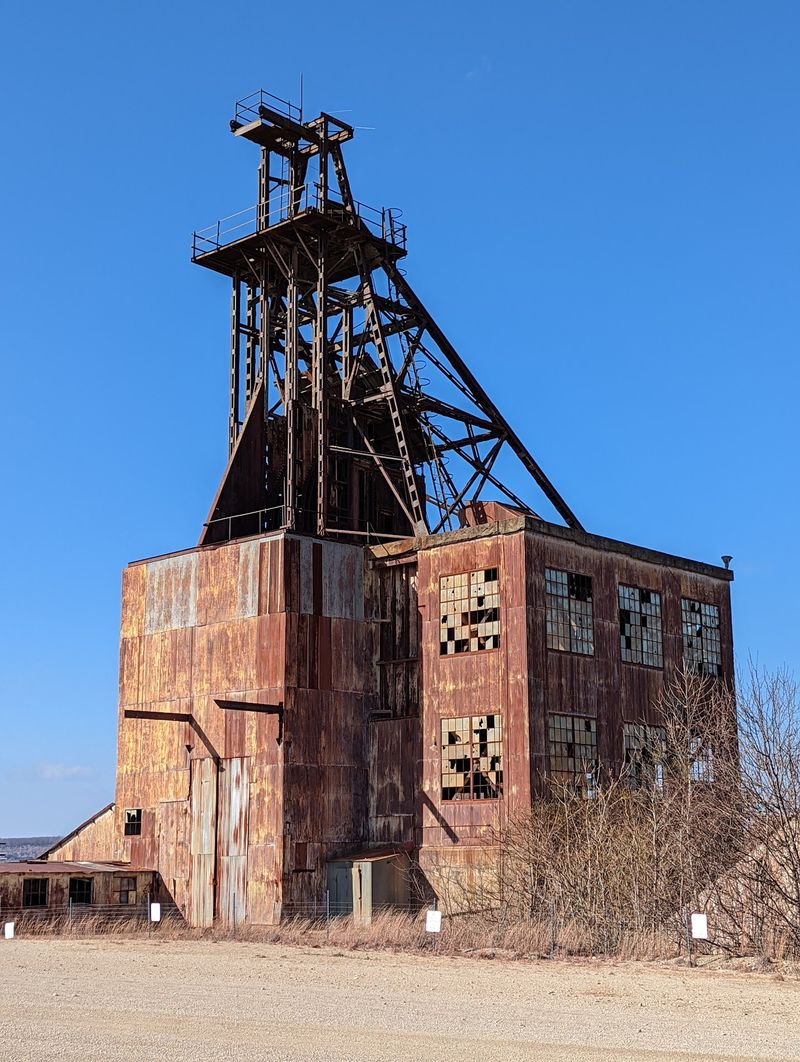
Few stops offer this much history for so little money. Missouri Mines State Historic Site delivers massive buildings, dazzling minerals, and a story that shaped a region.
It holds a 4.6-star rating from hundreds of reviews. That kind of steady praise speaks loudly for a small state site.
Yes, many buildings stay closed for safety. Some imagination fills the gaps, and that can actually make the visit more fun.
The staff, the exhibits, and the scale make up for it. Plus, that buried locomotive gives everyone something to wonder about.
Pack a picnic, bring the grandkids, and plan a slow afternoon. Then swap stories about the old days on the ride home.
Missouri has plenty of proud heritage spots, but this one digs a little deeper. Literally.
Put it on your list for the next nice-weather weekend.