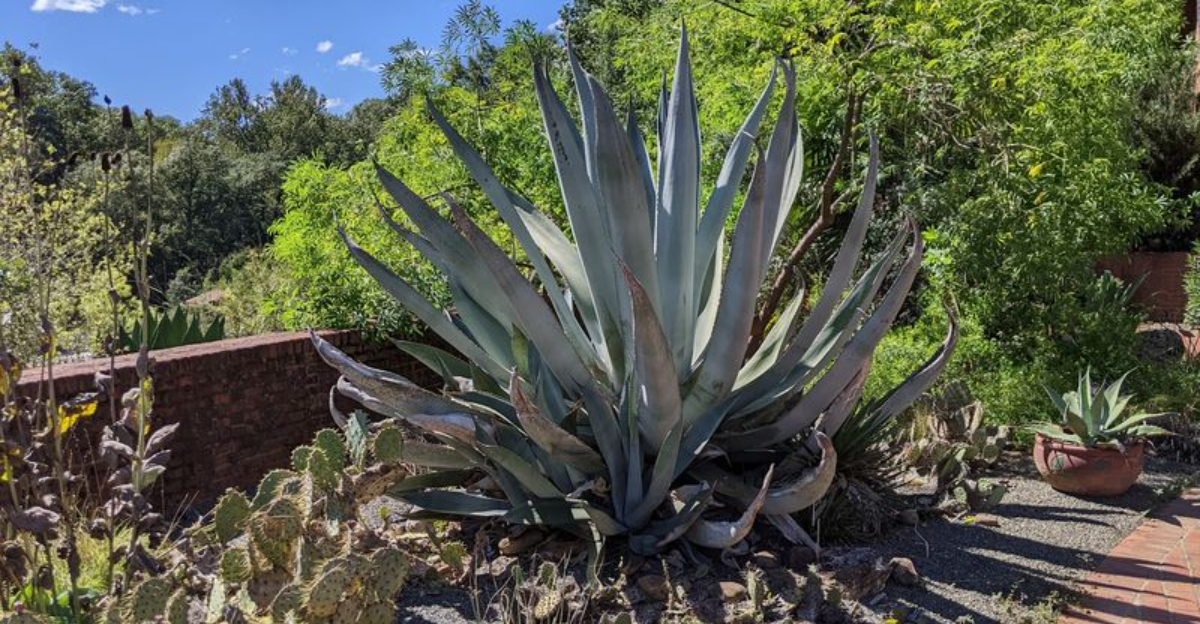
Hidden in Clemson, the South Carolina Botanical Garden is the kind of place that makes a regular afternoon feel like a small adventure, with wide open space, surprising science, plenty of spots to wander, and a setting right near Clemson University.
It covers 295 acres and costs nothing to visit, which is a big deal for families, students, and anyone who wants a fun trip without watching every dollar, for a few hours, a picnic, or a longer day outside.
Beyond the flowers, you can find rocks, fossils, carnivorous plants, trails, ponds, and learning spaces that turn a simple walk into a day full of cool discoveries for kids and ups alike.
If you like places that mix beauty with a little brain power, this garden proves South Carolina has a free attraction where nature and natural history happily share the stage without a ticket booth in sight at all.
A Big Free Garden That Feels Like A Find
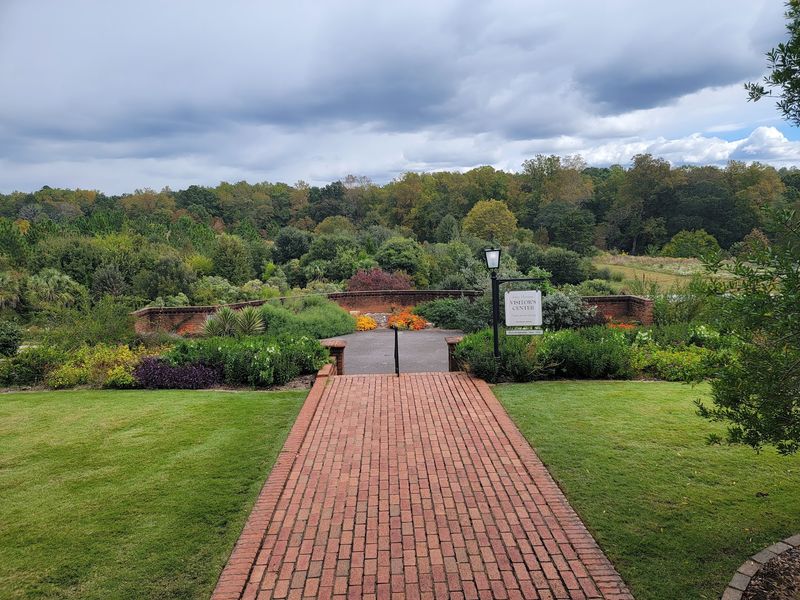
Big places can feel pricey, but this one flips the script in the best way.
South Carolina Botanical Garden covers 295 acres, so you get room to wander, breathe, and slow down without paying an entrance fee.
That alone makes it a standout day trip in the Upstate.
You will find it at 150 Discovery Lane in Clemson, right near Clemson University, and the garden stays open daily from 6 AM to 8 PM.
With a 4.8 star rating from hundreds of visitors, it has earned a strong reputation for calm paths, pretty views, and easy access.
Because parking is also free, families can spend more on snacks, gas, or ice cream afterward instead of tickets.
Bring water, wear walking shoes, and choose one area if you are short on time.
A quick visit works, but the wide layout rewards curious explorers.
Some gardens ask for a plan before you walk in.
Here, the best plan is simple: show up and see what catches your eye.
One hour can feel peaceful, while half a day can feel like opening a giant outdoor scrapbook full of color, stone, and surprises today.
Rock Displays That Make Geology Fun
Not every garden leads with flowers.
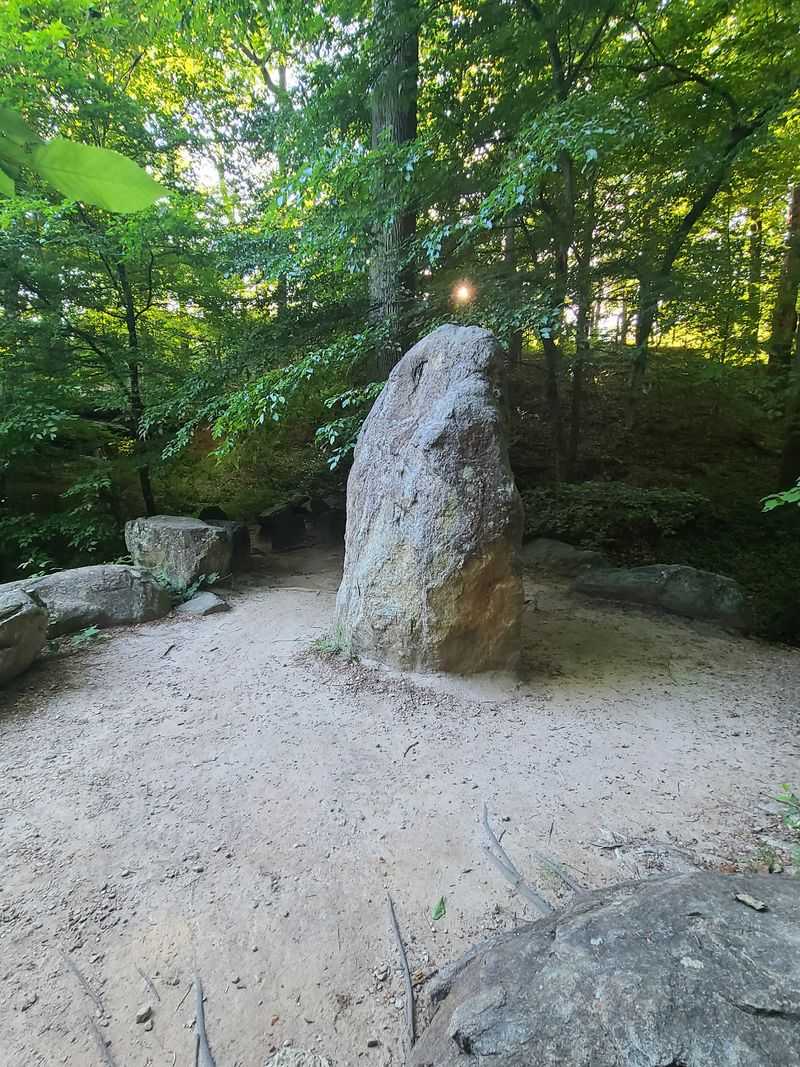
One of the coolest twists here is how stone shares the spotlight with leaves, showing visitors that nature is not split into tiny categories.
Plants and geology sit side by side, making the whole place feel richer and more surprising.
Rock displays and geology features help kids and adults notice shapes, colors, and textures they might miss on an ordinary walk.
Some stones shine, some look rough, and some hint at forces that shaped South Carolina long before any trail map existed.
A peaceful stroll suddenly teaches something lasting.
If rocks usually sound boring, give them another chance here.
Look closely at layers, patterns, and sparkle, then imagine heat, pressure, and time doing slow work.
Suddenly a chunk of stone feels less like a paperweight and more like a message sent from an old Earth.
Morning light works especially well for photos because it pulls out color on stone surfaces and keeps the walk cooler.
Pair a geology stop with nearby garden paths, and the visit feels balanced, part museum curiosity and part outdoor escape.
That mix is a reason people remember this place.
Fossils That Add A Museum Surprise

A fossil can stop a chatty group in seconds.
At South Carolina Botanical Garden, the geology museum adds wow factor, especially for anyone who has ever loved dinosaurs, ancient creatures, or treasure chest colors in rocks.
It turns a simple garden outing into a bigger learning adventure.
Visitors often mention the fossil displays as a surprise bonus, and that makes sense.
You come expecting flowers and trails, then find ancient bones, minerals, and glowing specimens waiting nearby.
Some exhibits are hands on, which helps younger kids stay curious instead of just reading signs and drifting away quickly.
The museum works well on hot days, rainy afternoons, or any visit when feet need a break from walking.
If you want a plan, start outside, enjoy the gardens, then step indoors for fossils and stone displays.
That change of pace keeps the day feeling fresh.
For families, it is a handy place to turn a fun walk into a memory with substance.
Kids can point, compare, and ask questions about time, animals, and earth science.
Adults get the same treat, just with fewer dinosaur sound effects, at least most of the time.
Carnivorous Plants With Serious Main Character Energy
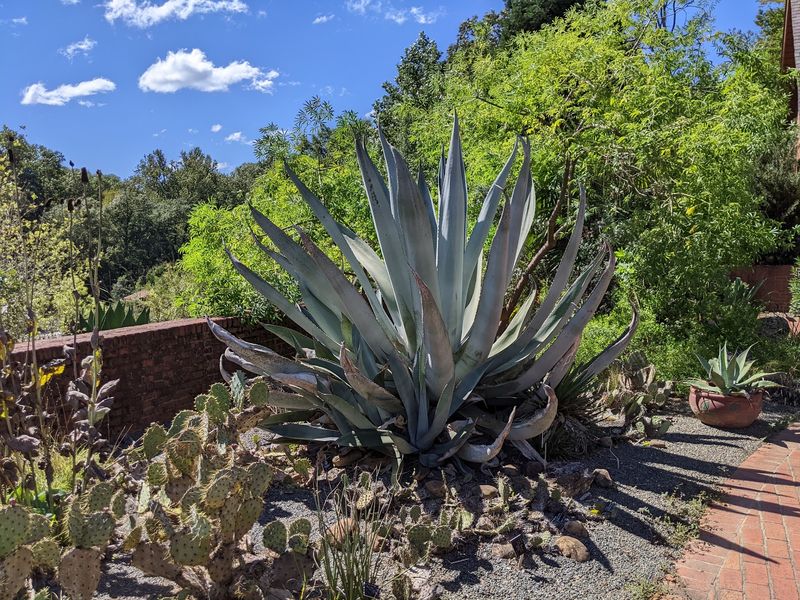
Carnivorous plants sound like something from a movie, which is why they grab attention so fast.
Seeing them in a garden helps kids and adults understand that nature can be strange, clever, and beautiful all at once.
They are not monsters, but they are definitely not your average houseplant.
Instead of pulling food from soil alone, these plants trap insects and use extra nutrients to survive in tricky conditions.
That wild strategy makes them fascinating to watch up close.
A look at their shapes shows how form and function work together in the natural world.
Because they are unusual, carnivorous plants can spark questions that regular flower beds do not.
Why do they eat bugs.
Where do they grow best.
Those simple questions open the door to learning about wetlands, habitats, and the amazing ways living things adapt when life gets tough outside.
If you visit with children, spend a few extra minutes here and let them study the details.
Strange plants often become the part they remember most.
That memory can lead to books, science projects, or backyard curiosity later, which is a great souvenir from a free visit.
Trails That Turn A Walk Into An Adventure
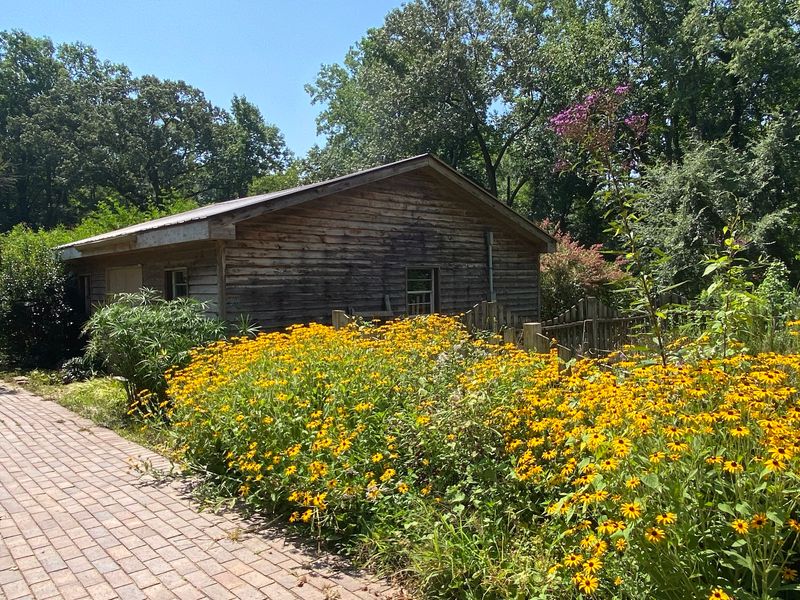
Some people come for flowers and leave talking about the walk.
The trails at South Carolina Botanical Garden wind through different garden spaces and natural areas, so the route never feels flat or dull.
Even an easy stroll can show you views, shaded spots, and quiet corners.
Reviews often mention clear paths and a relaxed atmosphere, which matters when you want fresh air without a challenge.
Many visitors walk a few miles and describe the experience as comfortable.
Good shoes, bug spray, and a bottle of water will make the outing smoother, especially in warmer months.
Families, couples, solo walkers, and photographers can all use the same trail and get rewards from it.
One person notices birds.
Another spots textures in bark or light on water.
That flexibility is part of the charm, because the garden lets you set your pace and purpose.
If you do not have all day, choose one trail section and enjoy it fully rather than racing through everything.
The goal is not to win the garden Olympics.
It is to come home feeling calmer, a little smarter, and maybe ready to plan a second visit.
Ponds, Ducks, And Turtles That Slow The Day Down
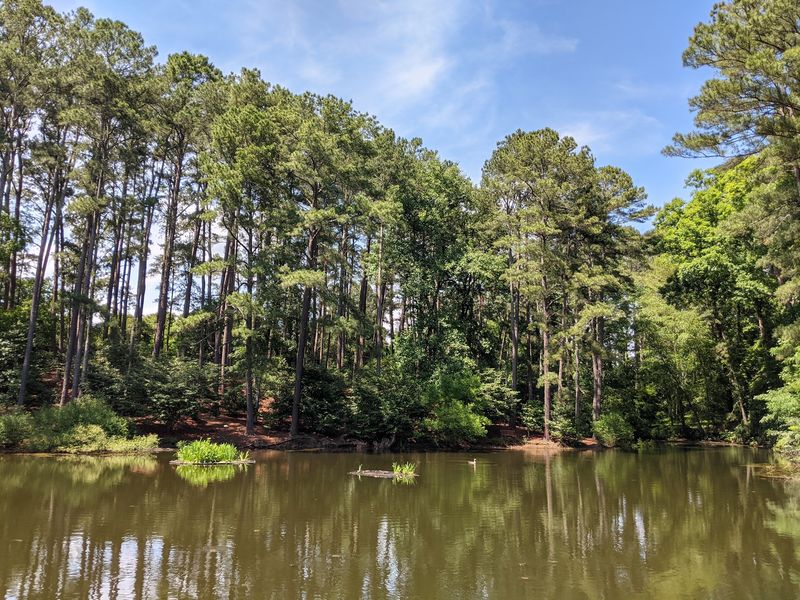
A pond can work like a reset button for the brain.
At South Carolina Botanical Garden, water features bring calm to the visit, with ducks, turtles, and reflections adding movement without noise.
It is the kind of scene that makes people slow down and stay awhile gladly.
Families often like the duck pond because it gives kids an easy focal point between longer walks.
Bird life, ripples, and sunny edges keep the area lively without feeling hectic.
If you enjoy photos, early or late light can turn water into a mirror with feathered extras.
Turtles are another crowd favorite, mostly because spotting one feels a little like finding a small statue.
Watch quietly from a respectful distance and you may see one sunning on a rock or slipping into the water.
Little moments like that can become the highlight of the day.
When you need a break from steps and trail choices, pond areas offer natural stopping places.
Sit for a few minutes, drink some water, and let the garden come to you.
Sometimes the best part of a big destination is simply finding one bench and not rushing away.
Family Stops That Keep Everyone Interested

Kids have a special talent for spotting the fun part first.
At this garden, that is a good thing, because family friendly features help younger visitors stay excited while adults enjoy the setting too.
Ponds, open space, easy walks, and hands on learning give the day plenty of variety.
The childrens areas and nearby attractions make it easier to build a visit around short attention spans.
Instead of pushing through one long walk, families can mix movement with stops that feel playful and educational.
That rhythm keeps energy up and whining down, which is a victory.
Visitors also talk about the butterfly garden, picnic areas, and even a caboose, which gives the property a storybook feel in places.
Not every family wants the same kind of outing.
Here, some people chase nature facts, while others want snacks, photos, and room to roam.
A smart family plan is to arrive early, pick two or three highlights, and leave before everyone gets tired.
That way the visit ends on a note, not a meltdown.
When a place is free, coming back another day is easy, and that takes pressure off the schedule.
Simple Tips For Making The Most Of A Free Visit
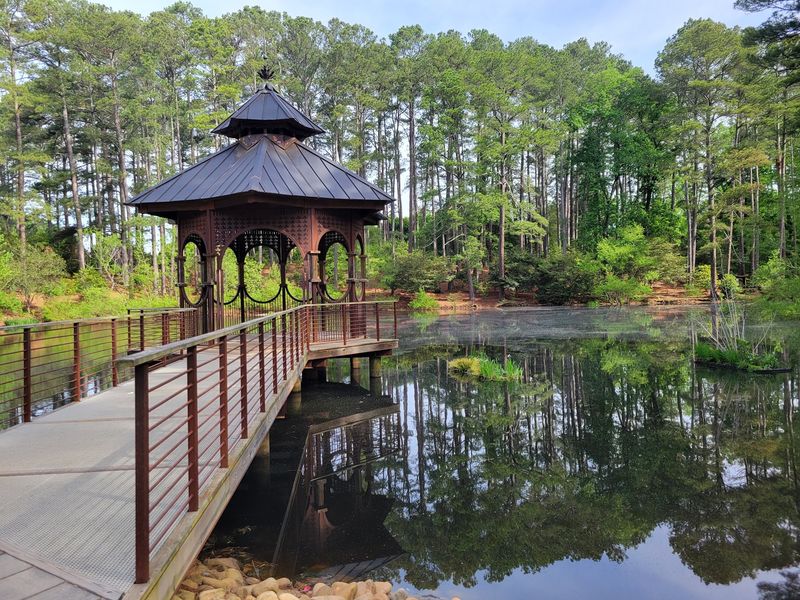
Free places can be smart places, especially when they offer this much to see.
South Carolina Botanical Garden lets visitors enjoy a major attraction without ticket costs, which makes trips much easier.
You do not need a budget to have a day full of trails, exhibits, and nature.
Hours run from 6 AM to 8 PM every day, so you have room to plan around weather, school, or work.
Early visits are cooler and quieter.
Later trips can be great for golden light, longer shadows, and a slower evening mood too for many people.
A few practical items can make the outing better.
Bring water, wear shoes, and use bug spray if you plan to explore trail sections.
Since the garden is large, it helps to choose a focus first, like the museum, ponds, or a plant collection, then branch out.
The tip may be the simplest one.
Do not rush, because a free destination this big rewards slow looking more than fast checking.
When you notice a flower, a fossil, a turtle, or a strange plant you almost missed, you understand why many visitors rate the garden so highly.