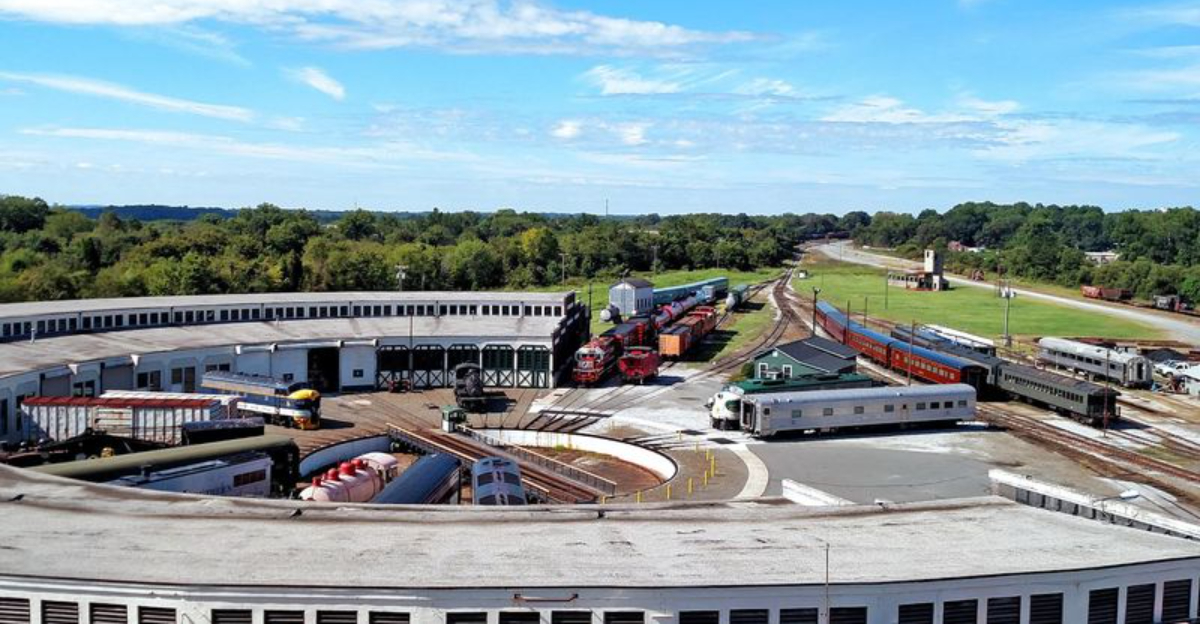
Tucked away in Spencer, North Carolina, the N.C. Transportation Museum sits on a sprawling 57-acre site that was once one of the busiest railroad repair yards in the American South.
Today, it welcomes families, history buffs, and train lovers with an impressive collection of locomotives, antique cars, aircraft, and interactive exhibits. You can even climb aboard a vintage passenger car and ride a real diesel-pulled train around the historic grounds.
Whether you are planning your first visit or your fifth, this place has something new to discover every single time.
The Vintage Train Ride Around the Historic Grounds
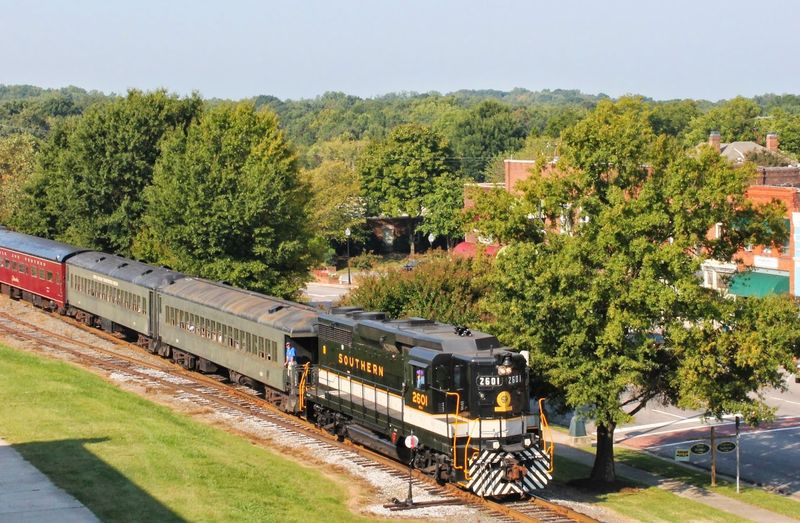
Few experiences match the thrill of boarding a real passenger car and feeling the rumble of a diesel locomotive pulling you along tracks that have carried trains for over a century. At the N.C.
Transportation Museum, the train ride is the crown jewel of the visit, and it earns every bit of that reputation.
The ride takes you around the former Southern Railway Spencer Shops property, giving you a ground-level view of the massive roundhouse, sprawling repair buildings, and open yards that once buzzed with hundreds of workers. A recorded narration plays during the ride, sharing stories about the site’s history, though some visitors note the commentary can occasionally fall out of sync with the scenery passing by.
Tickets for the train ride are sold separately from general museum admission, so plan your budget accordingly. Rides typically cost around ten dollars per person.
The cars are ADA accessible, making the experience available to guests with mobility needs.
Arriving early on weekends is a smart move, since ride tickets can sell out, especially during special events. Sitting on the left side of the car often gives you the best view of the roundhouse as you loop around the yard.
The Massive 37-Stall Roundhouse
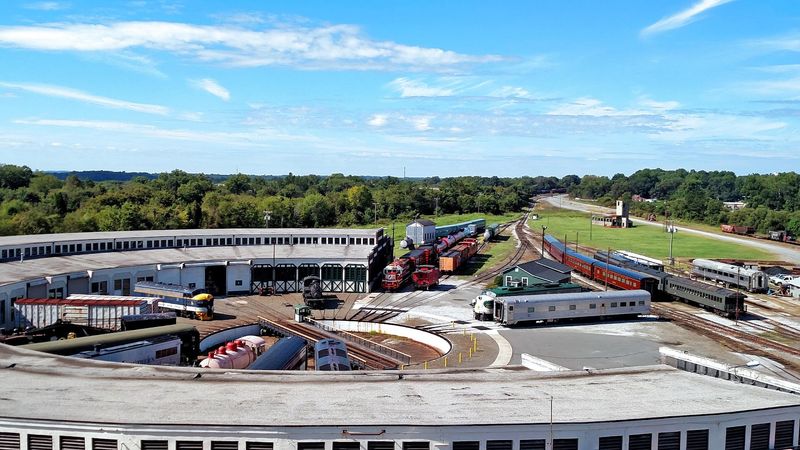
Walking into the roundhouse at the N.C. Transportation Museum feels like stepping back into an era when steam and steel ruled the American landscape.
Originally built to service Southern Railway locomotives, this enormous circular structure once housed dozens of engines at a time, each rolled in for repairs and maintenance by a team of skilled craftsmen.
The roundhouse at Spencer is one of the largest surviving examples of its kind in the United States. With 37 stalls radiating outward from a central turntable pit, the building is both an architectural wonder and a living piece of railroad history.
Some sections have been undergoing restoration in recent years, so portions may be closed during your visit, but even seeing it from the outside leaves a strong impression.
Inside the open stalls, you will find an assortment of locomotives in various states of preservation and restoration. One highlight is a Shay-type locomotive that museum staff hope to get running again someday.
Volunteers and staff members are often on hand and genuinely love sharing the stories behind each engine.
Plan extra time here because there is far more to absorb than a quick walk-through allows. The sheer scale of the building alone makes it worth the trip.
The Operating Turntable
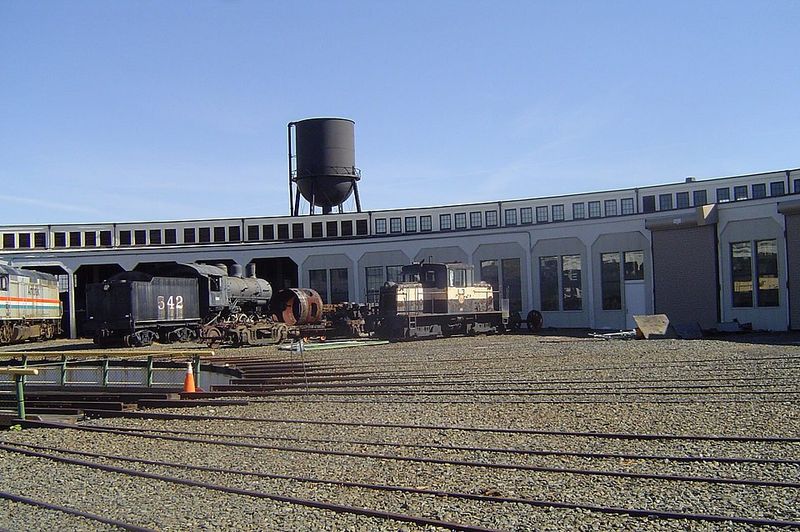
Somewhere between a piece of engineering genius and a slow-motion magic trick, the operating turntable at the N.C. Transportation Museum is one of those things you simply have to see in person.
A turntable is a rotating platform built into the ground that allows a locomotive to be spun around and directed into any one of the surrounding roundhouse stalls.
What makes Spencer special is that this turntable still works. Museum staff use it during demonstrations and as part of the active repair operations that continue on the property.
Watching a full-sized locomotive rotate slowly on the platform, perfectly balanced and guided by track, is genuinely mesmerizing for visitors of all ages.
The turntable dates back to the original Spencer Shops era and has been carefully maintained to remain functional. It connects directly to the roundhouse, so locomotives can be moved in and out of the stalls for display or restoration work.
Demonstrations are not always scheduled daily, so checking the museum website or calling ahead is a good idea if seeing the turntable in action is high on your list.
Even when static, the turntable pit is fascinating to walk around and photograph, offering a unique bird’s-eye perspective of the massive machinery below.
The Spencer Shops History and Southern Railway Legacy
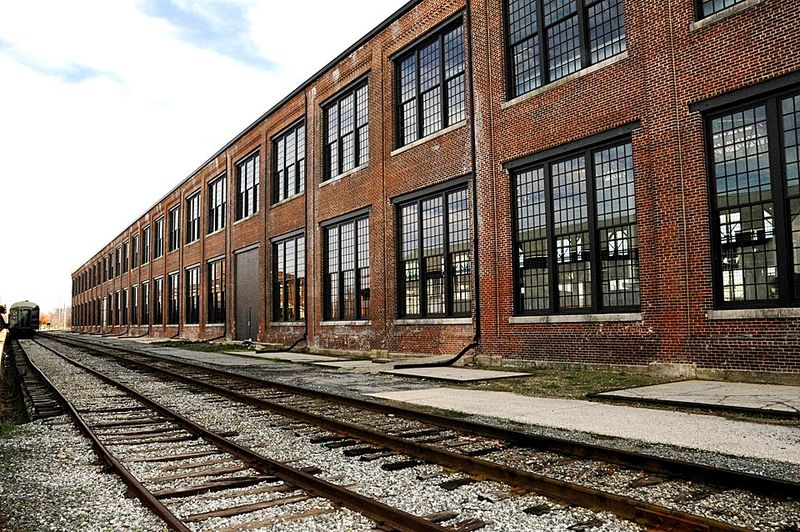
Before it became a beloved museum, this site was the beating heart of Southern Railway’s maintenance operation in the Southeast. The Spencer Shops opened in 1896 and grew rapidly into one of the most important locomotive repair facilities in the entire country, employing thousands of workers at its peak and keeping the Southern Railway network running smoothly.
At its busiest, the Spencer Shops employed around 2,500 workers who lived in the surrounding community and contributed enormously to the local economy. The town of Spencer itself grew up largely because of the shops, making this site deeply connected to the identity and heritage of the region.
Understanding that history adds a whole new layer of meaning to every building and artifact you see on the grounds.
Southern Railway eventually consolidated operations elsewhere, and the Spencer Shops closed in 1960. The site sat largely dormant until the state of North Carolina took it over and began transforming it into the transportation museum that exists today.
The museum officially opened in 1977 and has been expanding its collection and programming ever since.
Reading the interpretive signs placed throughout the grounds helps connect the dots between the industrial past and the preserved present. History teachers and curious students will find the backstory especially rewarding to explore.
The Antique Automobile and Vehicle Collection
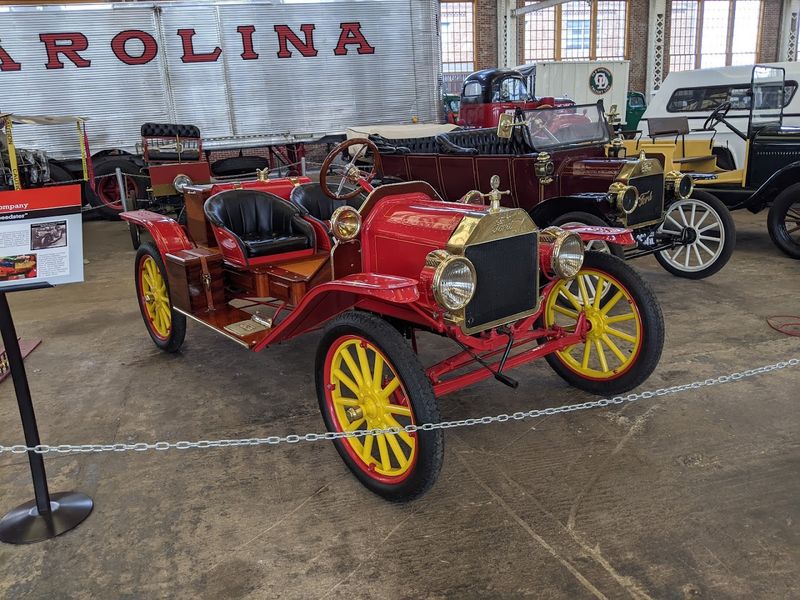
Trains get top billing here, but the antique vehicle collection inside the main exhibit building deserves a standing ovation of its own. Row after row of beautifully preserved automobiles, trucks, and even horse-drawn carriages tell the full story of how North Carolinians got from one place to another long before the interstate highway system existed.
Some of the earliest production automobiles ever made are on display, sitting alongside mid-century classics and working-class trucks that hauled goods across the state for decades. One visitor described seeing the old tractor-trailers and box trucks as a personal highlight, proving that the collection appeals to gearheads just as much as it does to railroad enthusiasts.
The exhibit hall is cleverly designed to feel like a period streetscape in places, with storefronts and period-appropriate signage framing the vehicles. This approach makes the collection feel less like a warehouse of old machines and more like a living snapshot of transportation history across different eras.
Kids tend to gravitate toward the shiny cars and big trucks, while adults often linger over details like dashboard instruments and original upholstery. Giving yourself at least an hour in this building alone is a reasonable plan, especially if automobiles are your passion.
The WWII Aircraft on Display
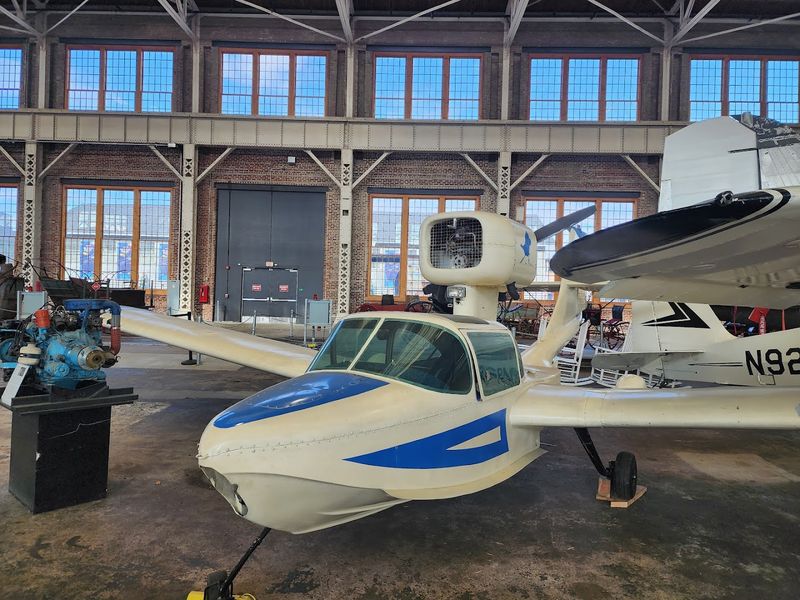
Not many transportation museums can say they have a World War II aircraft in their collection, but the N.C. Transportation Museum pulls it off with style.
Tucked inside one of the main exhibit buildings, the WWII-era plane is a genuine showstopper that reminds visitors how dramatically aviation technology advanced during the mid-twentieth century.
The aircraft fits naturally into the museum’s broader mission of telling the story of transportation across all modes, not just rail. Seeing it parked near vintage automobiles and historic locomotives creates a fascinating visual timeline of how humans conquered distance over the decades.
Multiple visitors have pointed to the plane as an unexpected highlight of their trip.
Interpretive signage around the aircraft explains its wartime context and technical specifications in accessible language that younger visitors can follow. The museum does a solid job of connecting the dots between military necessity and civilian technological progress, which gives the display real educational weight beyond just the wow factor of seeing a big old plane up close.
Photography enthusiasts will find the aircraft particularly rewarding to shoot, especially with the industrial backdrop of the building’s steel beams and high ceilings framing the wings. Bring a wide-angle lens if you want to capture the full wingspan in a single frame.
The Polar Express Holiday Train Ride Experience
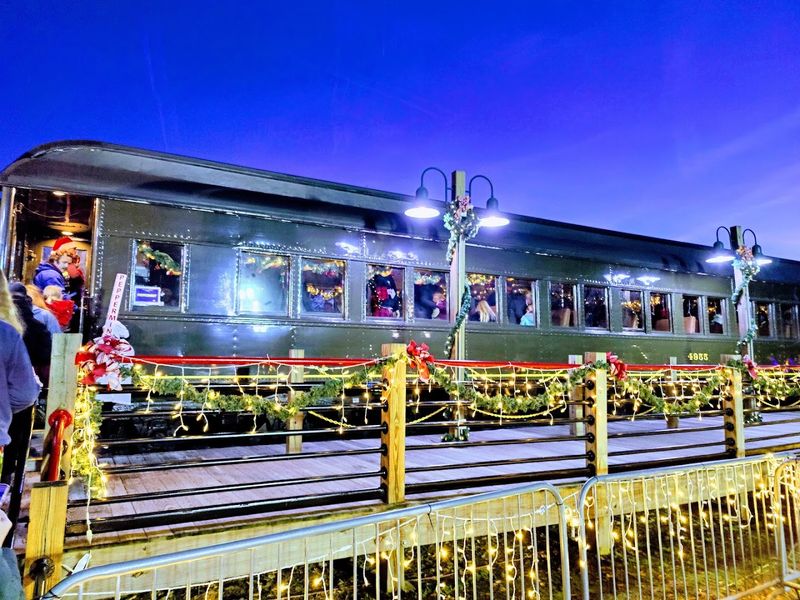
Every November and December, the N.C. Transportation Museum transforms into something straight out of a storybook.
The Polar Express train ride experience takes over the grounds, and the result is nothing short of magical for families with young children. Actors in full costume, hot cocoa, singing, dancing, and a visit from Santa himself all come together on a real moving train.
Reviewers consistently rave about this event, with many families returning year after year and even making the trip from neighboring states. The staff and volunteers go all-in on the performance, creating an atmosphere that feels genuinely immersive rather than a rushed holiday cash-grab.
One family traveling from Virginia called it a must-repeat annual tradition after their first visit.
Booking tickets early is absolutely essential. Polar Express rides sell out months in advance, sometimes as early as summer.
The museum recommends purchasing tickets as soon as they become available if you want a specific date or time slot, especially evening rides, which tend to go fastest.
Arriving early gives you time to explore the regular museum exhibits before your departure time. The gift shop stocks Polar Express-themed merchandise, and the commemorative mugs given out during the ride have become popular keepsakes that families display long after the holiday season ends.
The Thomas the Tank Engine Family Event Days
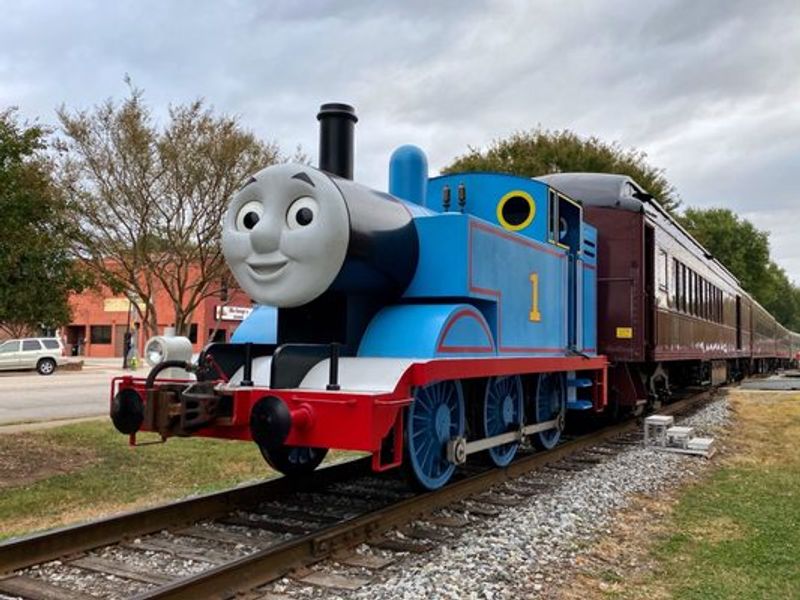
Once a year, the museum hosts a Day Out With Thomas event that turns the entire property into a paradise for toddlers and young train fans. Thomas the Tank Engine himself arrives on the tracks, and the day fills up with train rides, face painting, activities, food vendors, and entertainment designed specifically for the youngest visitors.
Parents who have attended describe the event as remarkably well-organized, with the museum staff clearly thinking through every detail. One reviewer praised the thoughtful touches like a dedicated changing area stocked with sanitizer and wipes, which is exactly the kind of practical detail that makes a huge difference for families with babies and toddlers in tow.
The energy on Thomas event days is infectious, with children lighting up the moment they spot the familiar blue engine pulling into the station. Most families plan to spend between one and four hours at the event, though many end up staying longer once they realize how much there is to experience beyond the train ride itself.
Tickets for Thomas events also sell quickly, so watching the museum website and social media channels for announcements is the best strategy. Dressing kids in their favorite Thomas gear adds a fun layer of participation to the whole day.
Practical Visitor Tips for Planning Your Trip
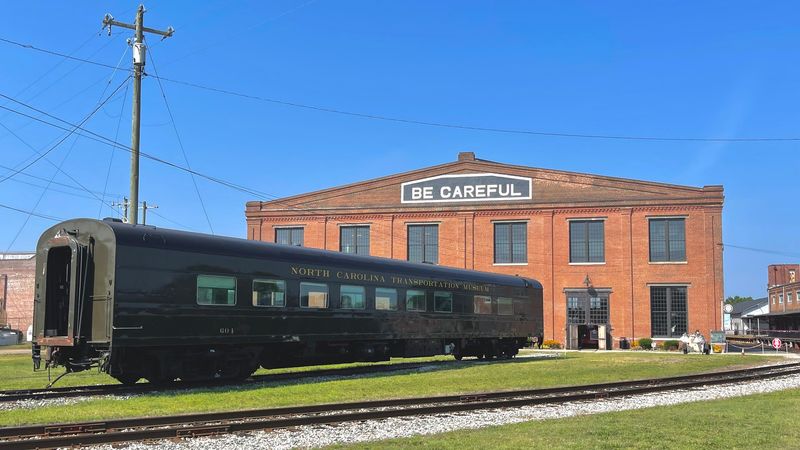
Getting the most out of a visit to the N.C. Transportation Museum starts with a little planning.
The museum is located at 1 Samuel Spencer Drive in Spencer, North Carolina, and is open Tuesday through Saturday from 9 AM to 5 PM. It is closed on Sundays and Mondays, so double-checking the schedule before you head out saves a disappointing drive.
General admission runs around ten dollars, and train ride tickets are an additional ten dollars per person, purchased separately at the museum. The entire site is ADA accessible, making it a comfortable outing for guests with mobility considerations.
Parking is free and plentiful, which is always a welcome detail at a family destination.
Wearing comfortable shoes matters more than most people expect because the grounds are expansive and involve a fair amount of walking between buildings and outdoor exhibit areas. Bringing water and sunscreen for warm-weather visits is a smart call, especially if you plan to spend time exploring the outdoor locomotive displays and yard areas.
The museum gift shop carries a solid selection of train-themed souvenirs, books, and seasonal merchandise. Staff and volunteers throughout the property are consistently described by visitors as friendly, knowledgeable, and enthusiastic about sharing the history of the site.
The museum phone number is (704) 636-2889 for any questions before your visit.