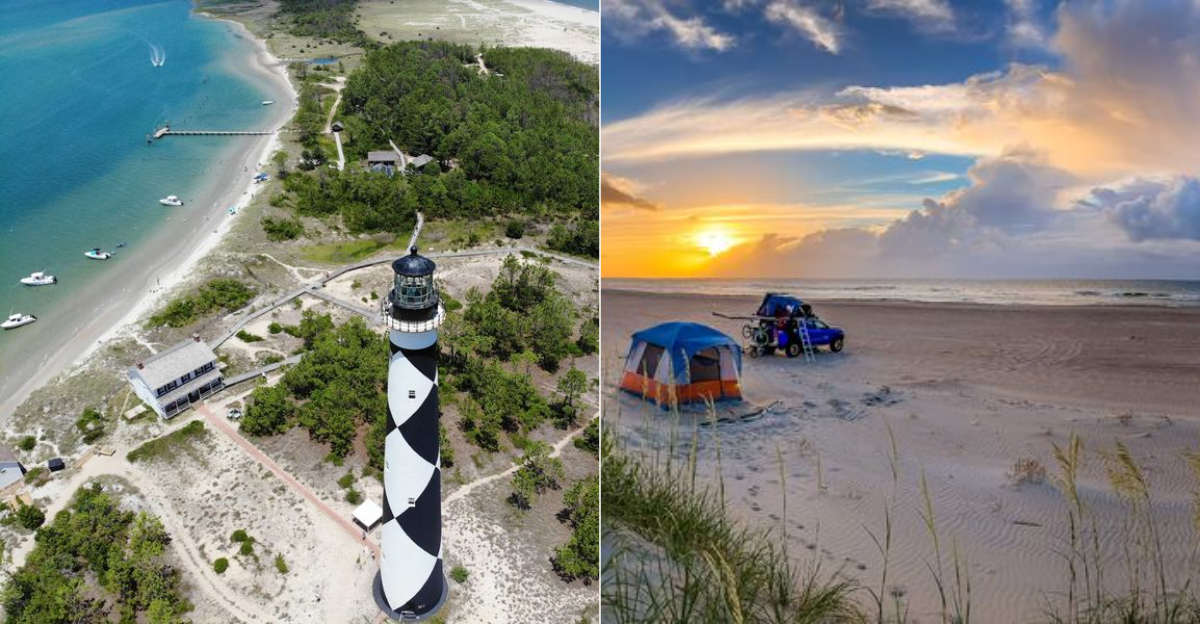
Tucked along the southern end of the Outer Banks, Cape Lookout National Seashore is one of the most beautifully remote places in all of North Carolina. There are no roads connecting it to the mainland, no hotels, and no crowds — just miles of undeveloped barrier islands, wild horses, and a striking black-and-white diamond lighthouse that has guided sailors since 1859.
Whether you are chasing shells, fishing in the surf, or simply looking for a peaceful escape from everyday life, this place delivers something rare and unforgettable. Pack your bags, hop on a ferry, and get ready to experience one of the East Coast’s best-kept secrets.
The Cape Lookout Lighthouse (Built in 1859)
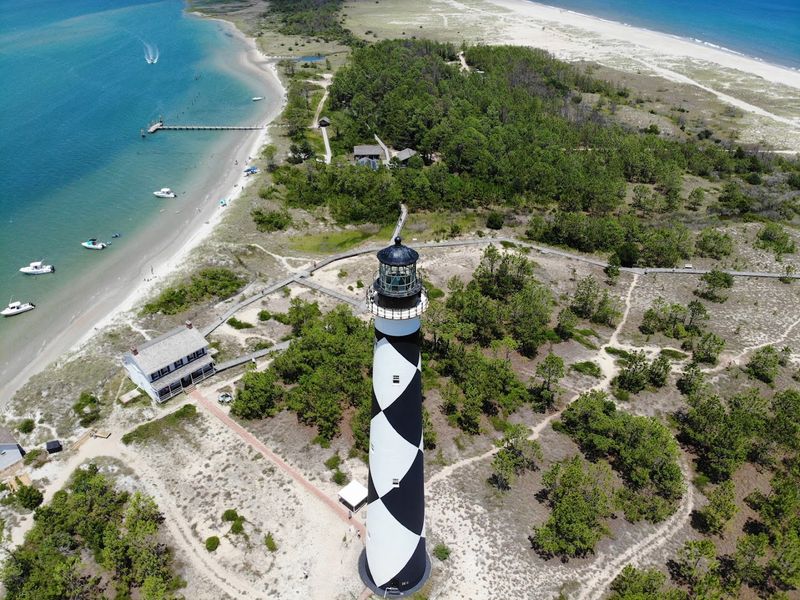
Standing over 163 feet tall with its unmistakable black-and-white diamond pattern, the Cape Lookout Lighthouse has been one of the most recognizable landmarks on the North Carolina coast for more than 160 years. Built in 1859, it replaced an earlier lighthouse that mariners found too dim to be useful.
Today, it still functions as an active aid to navigation.
Climbing the lighthouse is one of the top highlights of any visit. There are 207 steps winding up through three different staircase styles, and rangers stationed along the way make the climb feel safe and educational.
Once you reach the top, the view stretches endlessly over the Atlantic Ocean, Core Sound, and the surrounding barrier islands.
The lighthouse keeper’s quarters next door have been converted into a small museum packed with fascinating history about the lighthouse and the people who kept it running through storms, wars, and changing technology. Volunteers there are enthusiastic and happy to answer questions.
Visiting during the warmer months gives you the best chance of the lighthouse being open for climbing, so check the National Park Service website before you go to confirm hours and access.
Wild Horses of Shackleford Banks
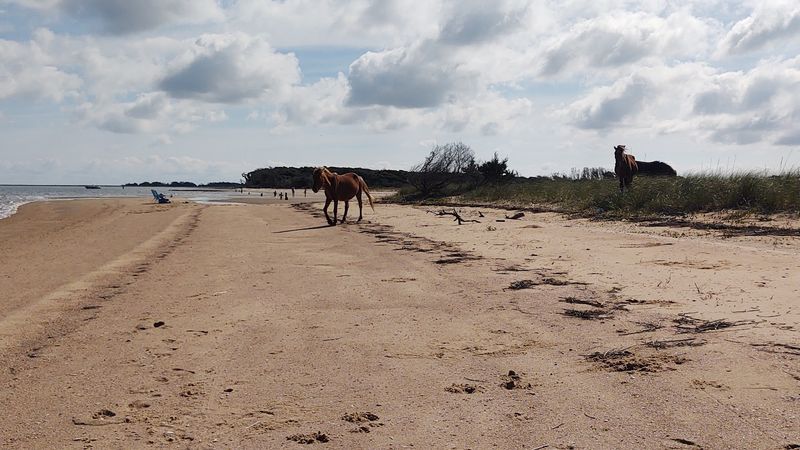
Few wildlife encounters feel as magical as spotting a band of wild horses grazing along a windswept barrier island with nothing but ocean on both sides. The horses of Shackleford Banks are believed to be descendants of Spanish mustangs brought to the Americas in the 1500s, making them a living piece of history that has survived on this island for centuries.
There are roughly 100 to 130 horses roaming freely across Shackleford Banks, which sits just west of Cape Lookout. Many ferry services that head to the seashore will stop near the island so passengers can catch a glimpse of the herd from the water.
Some ferries offer dedicated wild horse watching tours, which are absolutely worth booking if you want a closer look.
The horses are protected by federal law, so visitors must stay at least 50 feet away at all times. Do not feed them or try to approach them, as they are wild animals and can be unpredictable.
Seeing them trot along the shoreline at sunrise or sunset is the kind of experience that stays with you long after you leave. Bring binoculars and a camera with a zoom lens for the best shots.
Getting There: Ferry Access Only
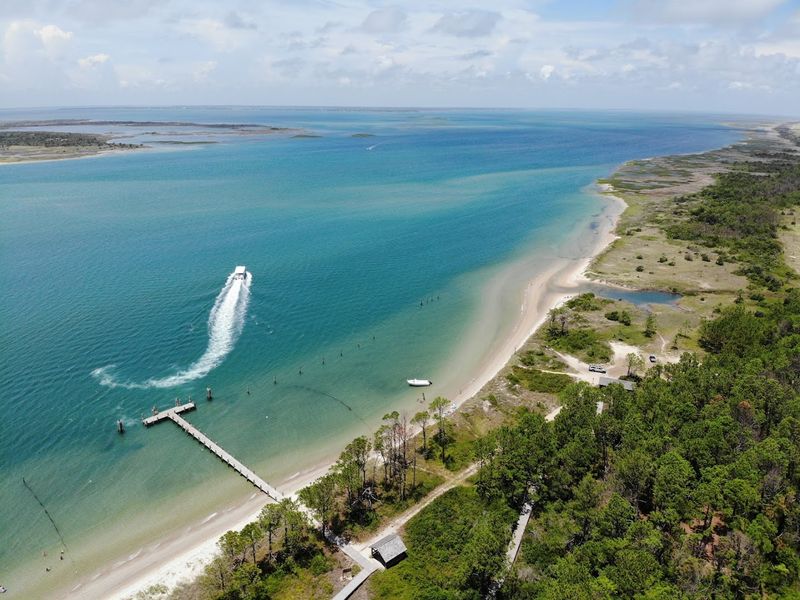
Here is something that immediately sets Cape Lookout apart from almost every other national park in the country — you simply cannot drive there. No bridge, no causeway, no road connects the barrier islands to the mainland.
The only way in is by boat, and that built-in barrier is exactly what keeps this place so wonderfully unspoiled.
The most popular jumping-off point is the National Park Service Visitor Center on Harkers Island, where the Island Express Ferry Service operates regular trips to the lighthouse area. The ferry ride takes about 15 minutes and drops passengers right at the lighthouse dock.
It is a smooth, scenic ride across Core Sound that already starts to set the mood for the adventure ahead.
Car ferries are also available for those who want to bring a vehicle onto the island. These depart from locations including Davis, Atlantic, and Ocracoke, and the round-trip cost runs around $75.
Passenger ferry tickets are typically around $18 for adults and less for children. Always check current schedules and book ahead during peak summer months, because spots fill up fast.
Arriving early to the ferry dock is a smart move regardless of the season.
Shell Collecting on the Beaches
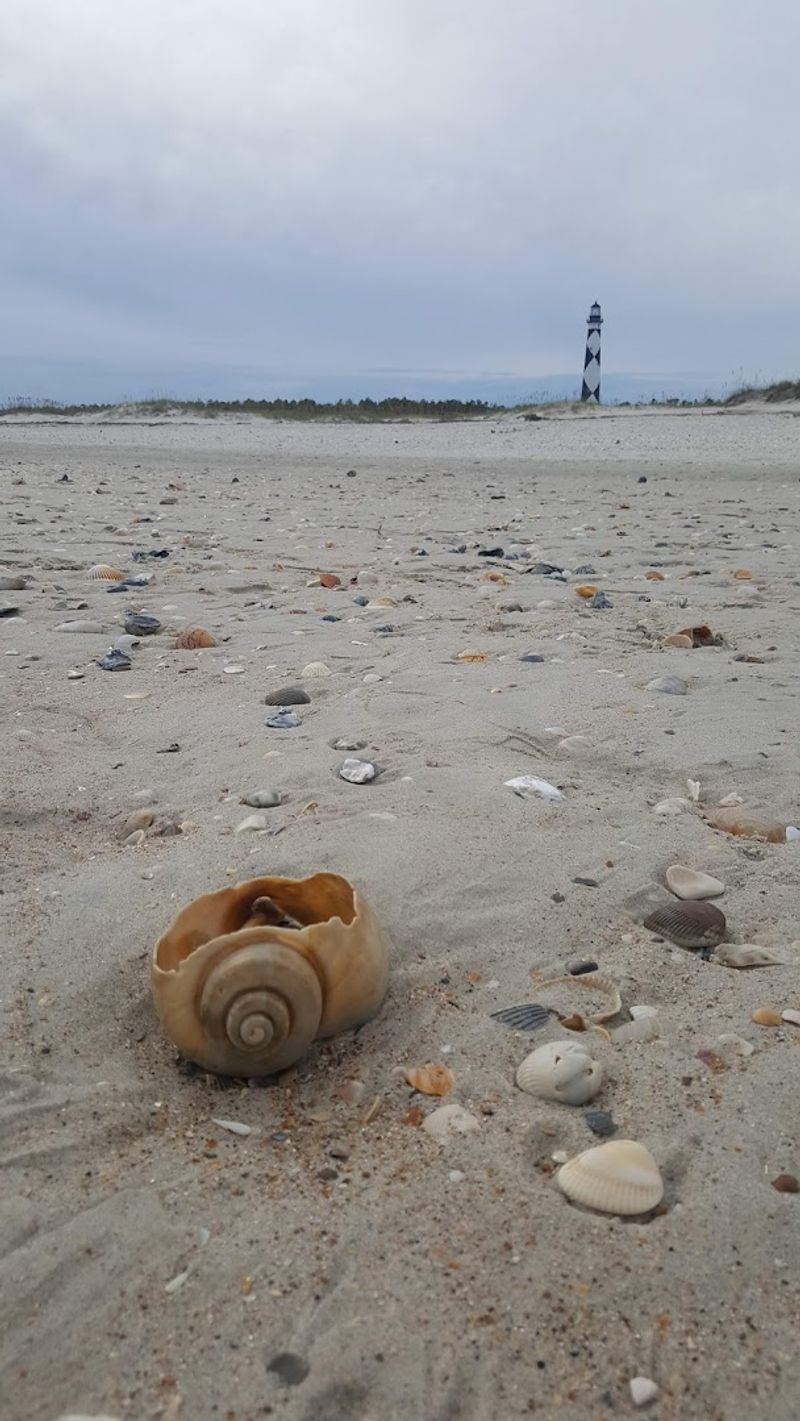
Shell lovers, consider this your dream destination. Cape Lookout National Seashore is widely regarded as one of the best shelling beaches on the entire East Coast, and the reviews from real visitors back that up enthusiastically.
Because the island sees relatively little foot traffic compared to developed beaches, shells have time to wash ashore and stay there undisturbed.
The best shelling happens at the point, which is the southern tip of Core Banks where the ocean and sound meet in a swirling mix of currents. That turbulent water action pushes shells up onto the beach in impressive numbers.
Early morning after a storm is peak shelling time, and dedicated collectors sometimes find whelks, conchs, sand dollars, and even the occasional scotch bonnet — the official state shell of North Carolina.
You are allowed to collect reasonable quantities of empty shells for personal use, but live shells and sand dollars must be left where they are. A mesh bag or a lightweight bucket makes carrying your finds much easier.
One visitor even reported finding a massive shell on her very first trip to the seashore, so do not be surprised if you come home with more than you planned. The beach has a way of giving generously.
Beach Camping on the Island
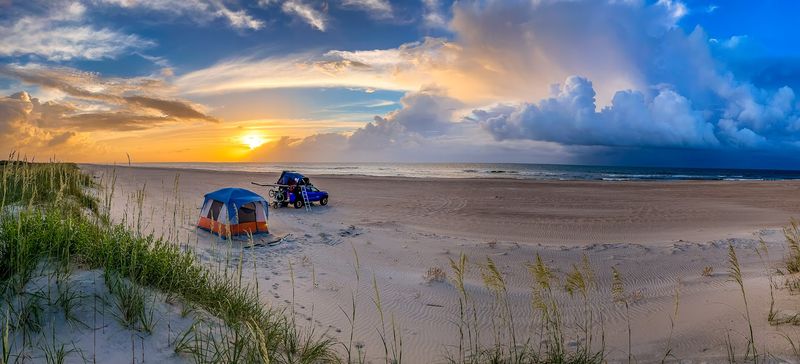
Waking up to the sound of waves crashing just outside your tent with a lighthouse glowing in the early morning light — that is the kind of camping experience Cape Lookout National Seashore offers, and it is genuinely hard to beat. Primitive camping is available along the length of Core Banks and Shackleford Banks, and there are no designated campsite spots, meaning you have a lot of freedom about where you set up.
There are no electrical hookups, no dump stations, and no shower facilities in the camping areas, so come fully prepared. Experienced campers who have stayed here recommend bringing smaller, low-profile tents because the wind on the island can be ferocious.
One visitor described having to bury tent stakes and firewood to keep everything in place during a gusty stay. Shade is almost nonexistent, so a pop-up canopy or beach umbrella is essential.
On the positive side, fresh water is available from spigots on the island, and fuel and ice can be purchased if you bring a vehicle over on the car ferry. Campfires on the beach are one of the highlights, and the star-filled skies far from city lights make nighttime at Cape Lookout something truly special.
Stays of up to two weeks are permitted.
Surfing, Swimming, and Fishing
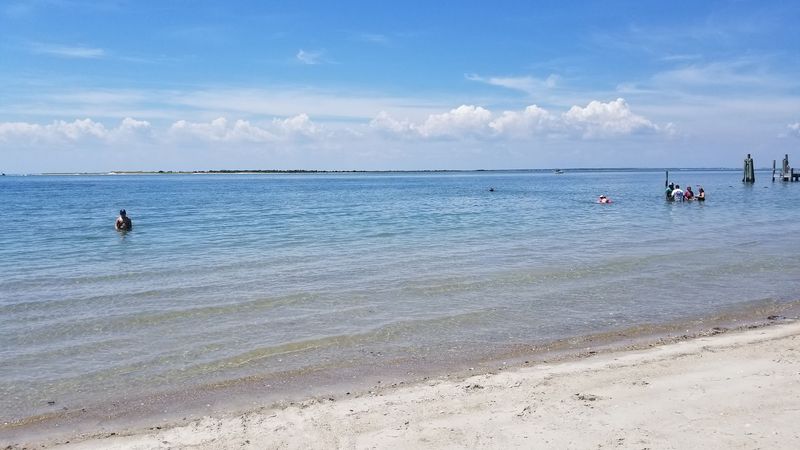
The waters around Cape Lookout National Seashore offer some of the most rewarding outdoor recreation on the North Carolina coast, and the best part is that you rarely have to share the space with large crowds. Miles of undeveloped shoreline mean plenty of room to spread out, whether you are casting a line, paddling in the surf, or just floating in the Atlantic.
Surf fishing is especially popular here, and the catch can be impressive. One visitor mentioned landing a pompano fish right on the beach, which then became an appetizer for a campfire dinner that same evening.
Anglers target a wide range of species depending on the season, including red drum, flounder, bluefish, and Spanish mackerel. A valid North Carolina fishing license is required for anyone 16 and older.
Swimming is permitted along the beaches, but there are no lifeguards on duty anywhere in the seashore, so swim with caution and stay aware of changing currents. The area near the point can have particularly strong rip currents.
For those who want a slightly calmer water experience, the sound side of the island offers gentler conditions that are great for wading or paddleboarding on a calm day.
ATV and Vehicle Beach Driving
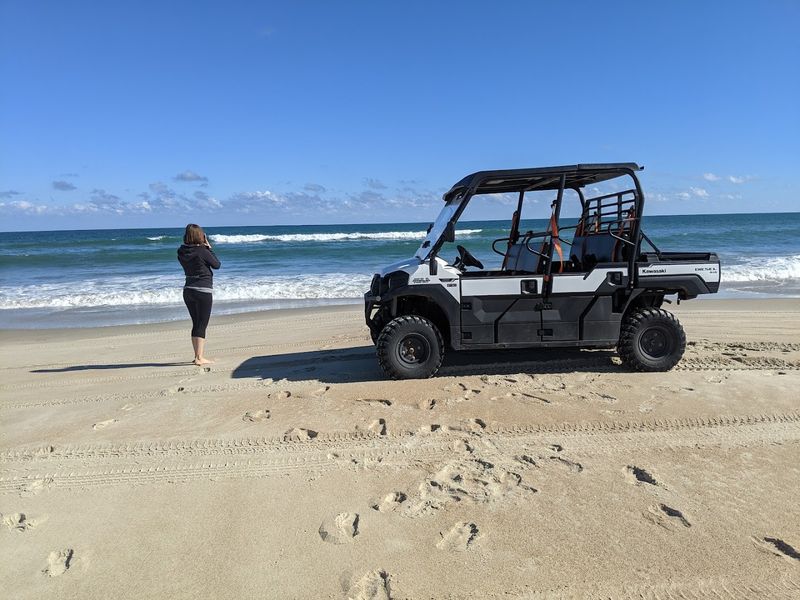
Not many national seashores let you drive your truck or rent an ATV right onto the beach, but Cape Lookout does, and it is one of the most unique and popular ways to explore the island. Visitors who bring their own four-wheel-drive vehicles on the car ferry can cruise up and down miles of open beach with almost no one else around, which feels like something out of a road trip fantasy.
ATV rentals are also available on the island for those who do not bring their own vehicle, and families consistently rave about the experience. One reviewer called it totally worth the extra expense, noting that her family looks forward to it every single visit.
The wide, flat beach makes for smooth riding, and you can cover a lot of ground quickly to reach more remote sections of the island where shells and wildlife sightings are plentiful.
If you plan to drive your own vehicle on the beach, make sure it is a true four-wheel-drive with low-range capability. Airing down your tires to around 20 PSI significantly reduces the risk of getting stuck in soft sand.
A tire inflation station is available on the island to pump your tires back up before loading onto the ferry for the return trip home.
Birding and Wildlife Watching
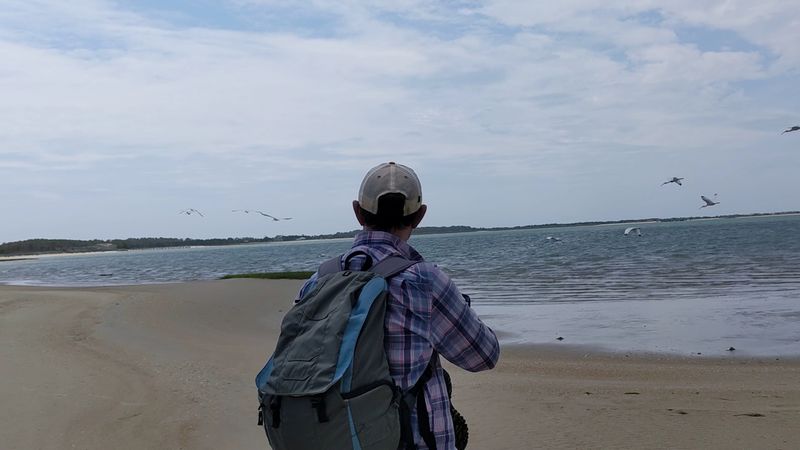
Cape Lookout National Seashore is a paradise for wildlife watchers, and the birds alone could justify the entire trip. The seashore sits along the Atlantic Flyway, one of the major migratory routes in North America, which means the variety of species passing through throughout the year is extraordinary.
Brown pelicans, royal terns, black skimmers, piping plovers, and oystercatchers are just a few of the regulars.
Beyond birds, the island is home to loggerhead sea turtles that nest on the beaches from May through August. The National Park Service monitors nests carefully during nesting season, and visitors are asked to stay well clear of marked nest areas.
Bottlenose dolphins are frequently spotted just offshore, and several visitors have mentioned seeing them from both the ferry and the beach. One lucky group even reported seeing dolphins, wild horses, and lizards all in the same day.
The sound side of the island tends to attract different bird species than the ocean side, so birders who walk across the island can potentially double their species list in a single outing. Bring a quality pair of binoculars and a field guide to coastal birds of the Southeast.
Early morning visits between April and June offer the highest chance of seeing the widest variety of species actively feeding and moving.
Practical Tips for Visiting Cape Lookout
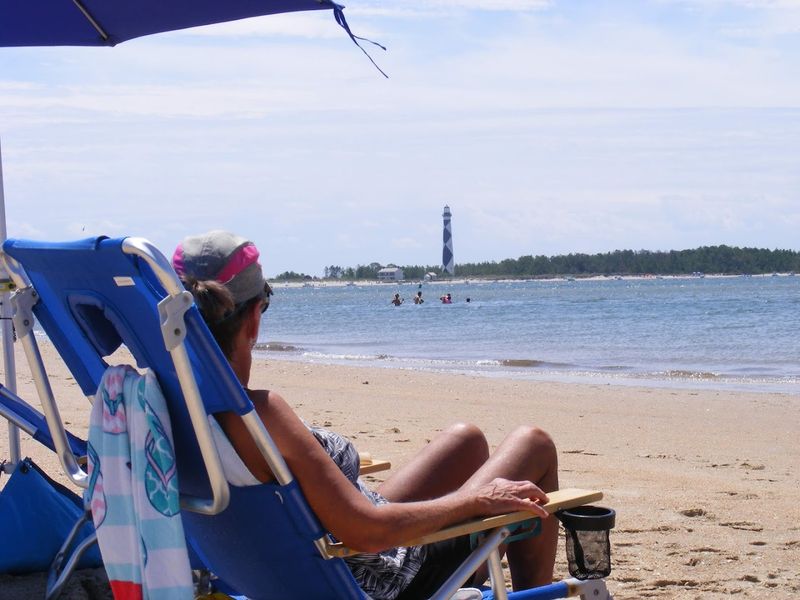
A little preparation goes a long way at Cape Lookout National Seashore, and a few smart choices before you leave home can make the difference between a frustrating trip and a genuinely incredible one. Because the island has no roads connecting it to the mainland, everything you need must come with you or be purchased on the island at limited facilities.
Sun protection is non-negotiable. There is almost no shade anywhere on the beach, so bring a pop-up tent or large umbrella, sunscreen with a high SPF, and a wide-brimmed hat.
Hydration is equally critical, especially in summer when temperatures and humidity both climb. Insect repellent is a must during warmer months, as flies and mosquitoes can be relentless depending on the wind direction.
The island does have fresh water spigots, and you can purchase ice, fuel, and a few basic supplies if you bring a vehicle over on the car ferry. Debit and credit cards are accepted, but cash is not.
Restrooms and an outdoor rinse station are available near the lighthouse dock for day visitors. Cell service is limited, so download offline maps before you go.
Most importantly, check the NPS website at nps.gov/calo for current ferry schedules, lighthouse hours, and any seasonal closures before making plans.