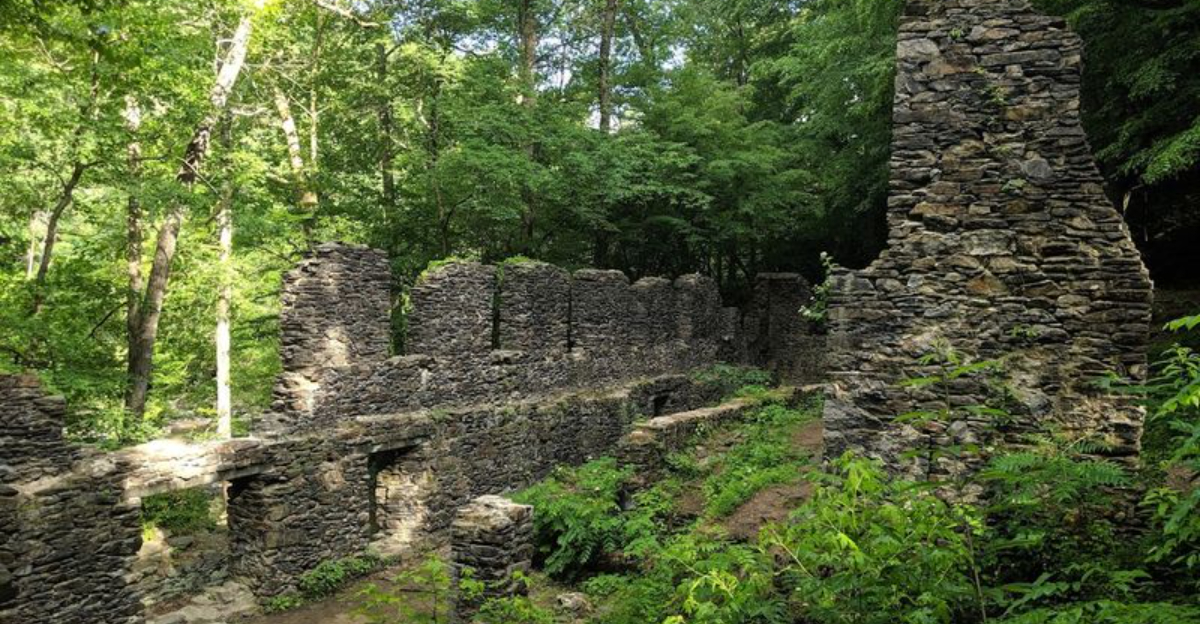
If you love places where nature and history quietly collide, Sope Creek delivers one of Georgia’s most memorable walks.
The trail begins as a peaceful forest escape, then suddenly reveals towering stone ruins that feel almost unreal beside the rushing water.
What looks like a forgotten castle is actually the remains of a mill tied to the Civil War and Georgia’s industrial past.
By the time you leave, you will feel like you uncovered a secret hidden just outside Atlanta.
A Peaceful Trail Along Sope Creek
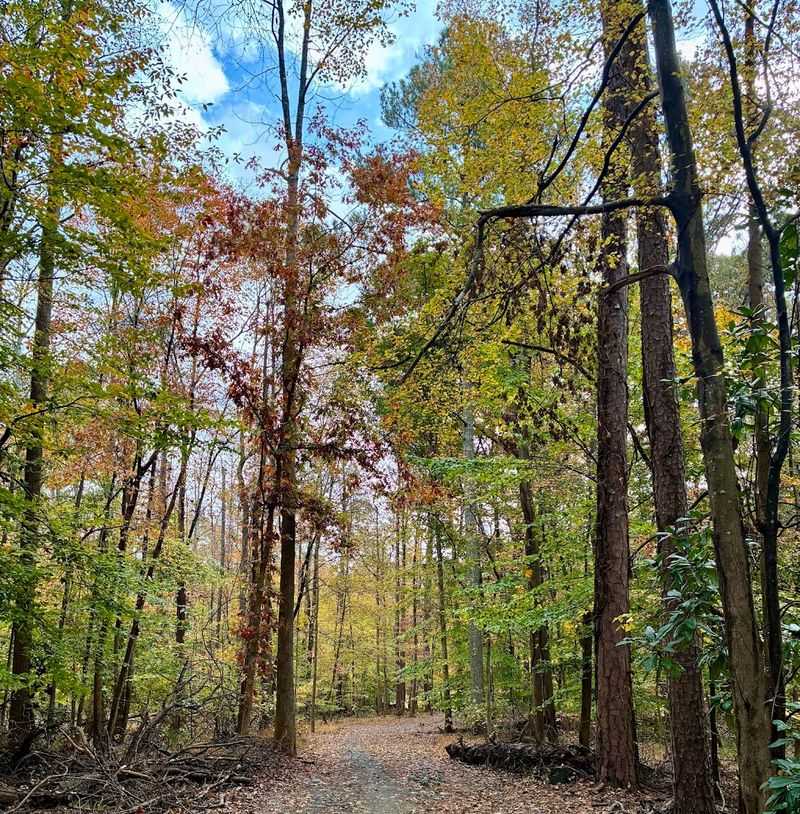
The walk to the Sope Creek Paper Mill Ruins starts with the kind of calm that instantly lowers your shoulders. You follow a shaded path through a hardwood forest, and almost every step feels softened by birdsong, rustling leaves, and the steady sound of moving water nearby.
It is not a punishing trek, which makes it especially appealing if you want a rewarding outing without committing to a long day on the trail.
As the route gradually descends, Sope Creek becomes more than background scenery. The creek adds a cool, reflective energy to the hike, and you can hear it before you fully see it, which builds quiet anticipation.
If you are the kind of traveler who enjoys trails that reveal themselves slowly, this one has a wonderfully unhurried rhythm.
What I like most is how approachable it feels for almost anyone. Families, casual hikers, photographers, and local history lovers can all enjoy the route without needing advanced experience.
By the time the ruins come into view, the peaceful woodland setting has already done half the magic, making the reveal feel even more dramatic and memorable.
First Glimpse Of The Towering Stone Ruins
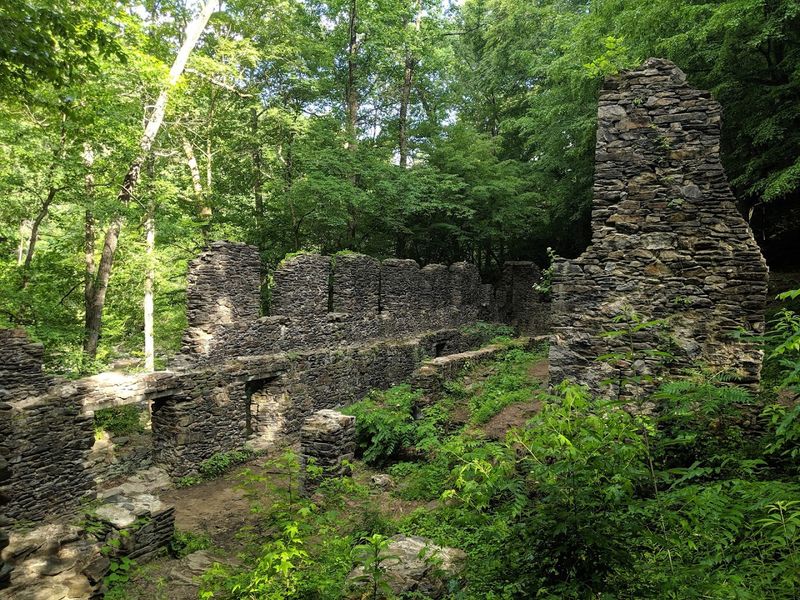
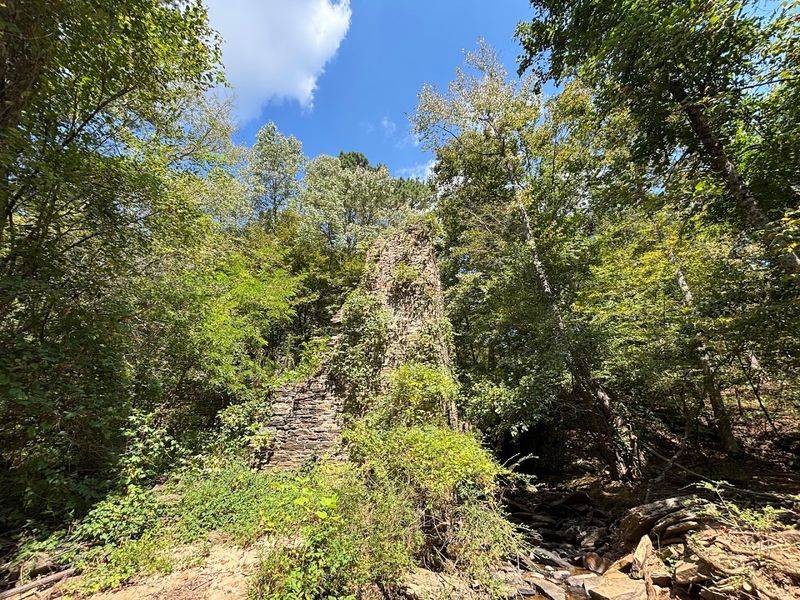
One of the best parts of visiting Sope Creek is the moment the forest suddenly opens and the ruins appear. After a gentle walk through the trees, you are met by massive stone walls rising beside the creek, and the sight feels startling in the best possible way.
They look almost castle-like at first glance, as if a fragment of another world had been dropped into the Georgia woods.
The scale is what really catches you. These are not a few scattered stones hidden in brush, but towering remnants of a once-active industrial complex that still command the landscape.
Standing near them, you can imagine the force of the water, the movement of workers, and the noise that once filled a place now defined by wind, water, and birds.
That contrast gives the site much of its power. Nature has softened the edges with moss, vines, and dappled light, yet the structure still feels stubbornly present, like history refusing to disappear.
If you enjoy destinations that create immediate atmosphere, this first glimpse is unforgettable and easily becomes the emotional centerpiece of the entire hike.
The Rise Of The Marietta Paper Mill
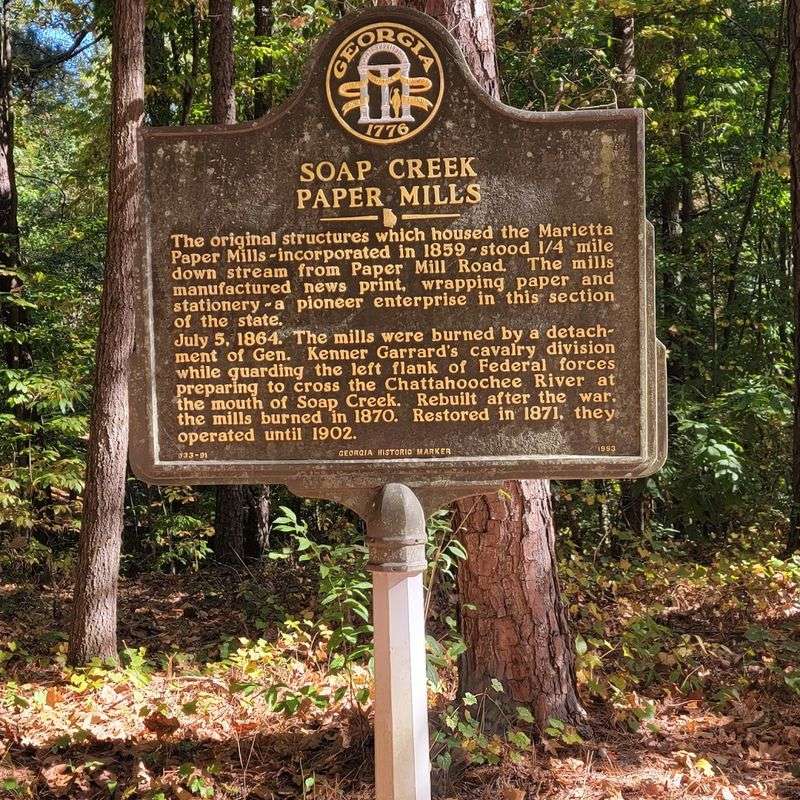
Before it became a haunting set of ruins, this site was home to the Marietta Paper Mill, an ambitious industrial operation built in the 1850s. Powered by Sope Creek, the mill grew into one of the largest paper producers in Georgia, turning moving water into manufacturing strength at a time when that kind of enterprise mattered enormously.
Its location was not accidental, because the creek provided the energy needed to keep production moving.
The mill produced writing, printing, and wrapping paper, serving practical needs in a rapidly developing region. In an era when paper supported communication, commerce, record keeping, and daily business, that output made the operation economically important well beyond its immediate surroundings.
What feels remote today was once connected to larger networks of trade, labor, and transportation.
Walking the site now, you are looking at more than picturesque stonework. You are standing where Georgia’s industrial ambitions took material form, using local natural resources to build something highly productive.
That history adds weight to the ruins, because they represent not just loss, but a period when Sope Creek helped power one of the state’s most significant manufacturing stories.
A Vital Role During The Civil War
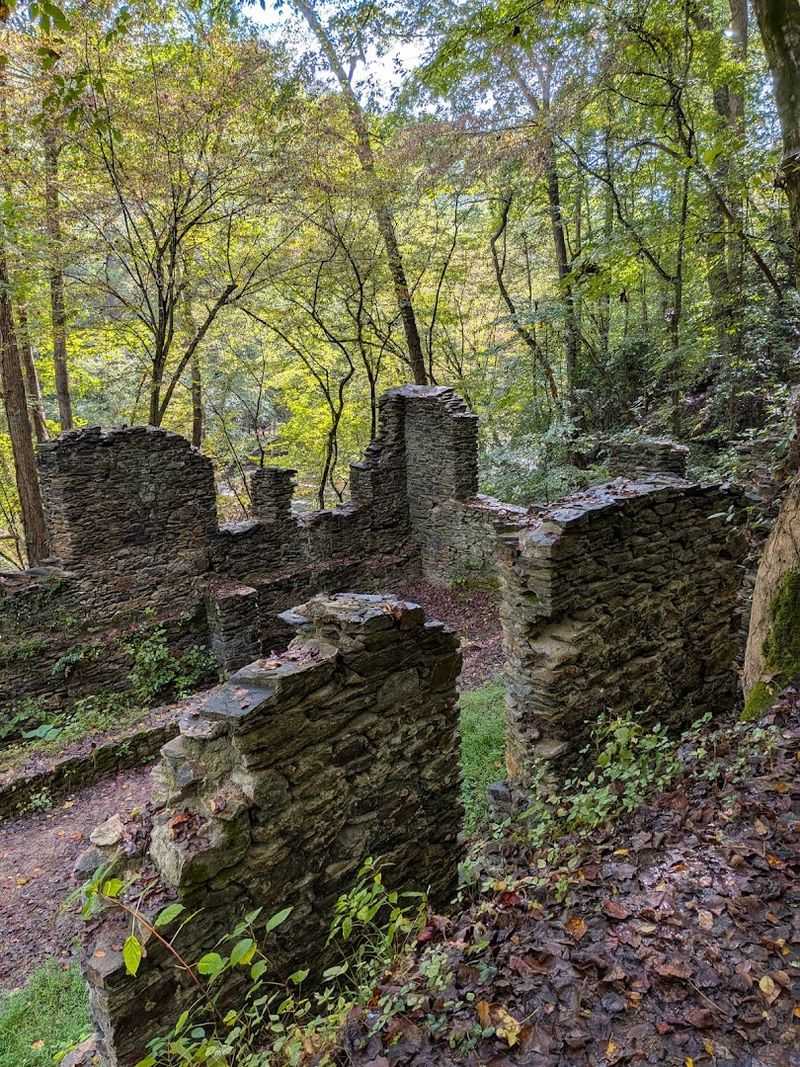
The Marietta Paper Mill was not simply a successful business. During the Civil War, it became strategically important because it supplied paper products essential to the Confederate war effort, including cartridge paper used in ammunition production.
That connection transformed the mill from a regional manufacturer into a resource with military value, tying this quiet creekside location directly to one of the country’s defining conflicts.
It is striking to think about how ordinary materials can become crucial in wartime. Paper may sound less dramatic than weapons or railroads, but armies depend on supply chains, and even specialized paper could support battlefield operations in meaningful ways.
Standing near the creek today, you would never guess how much pressure and urgency may have once shaped the work done here.
This part of the story also deepens the emotional complexity of the site. The ruins are beautiful, but they are connected to a period of violence, division, and national upheaval.
If you come here only expecting a scenic walk, the Civil War history adds a sobering layer, reminding you that even peaceful landscapes can carry the echoes of conflict and consequence.
Burned By Union Forces In 1864
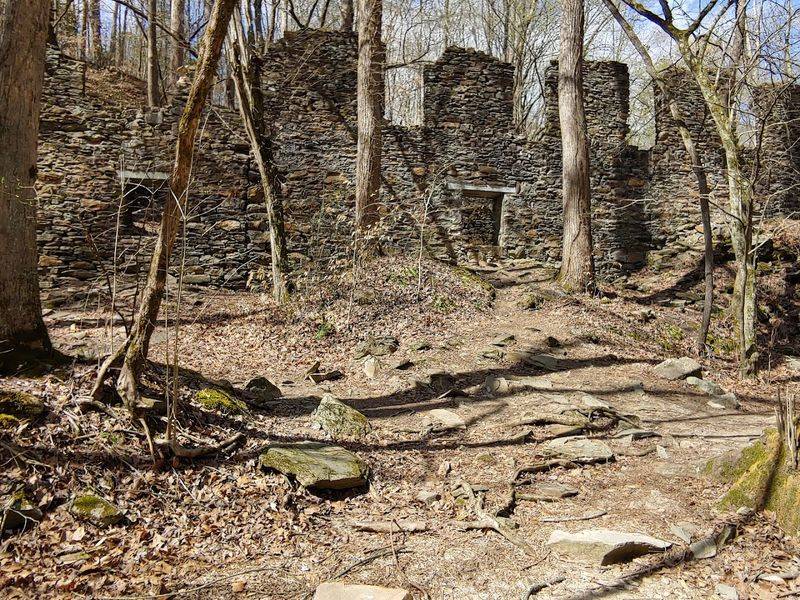
In July 1864, during General William Tecumseh Sherman’s Atlanta Campaign, Union forces targeted the Marietta Paper Mill and burned it. The mill’s usefulness to the Confederacy made it a logical objective, and its destruction was part of a broader strategy to weaken Southern resources and disrupt supply lines.
What survives today carries the memory of that moment in a way that feels far more immediate when you are standing among the stones.
It is one thing to read that a building was destroyed in war, and another to imagine flames consuming a complex that had once been full of labor, machinery, and purpose. The creek kept flowing, the forest eventually returned, and the walls endured just enough to tell the story without words.
That tension between destruction and survival is part of what makes the site so compelling.
When you visit, the ruins do not feel loud or tragic in an obvious way. Instead, they hold a quieter kind of gravity, the kind that invites reflection rather than spectacle.
Knowing the mill was burned by Union troops gives the site historical specificity, but it also underscores how war reshapes landscapes, economies, and communities long after the fires go out.
Rebuilding And Industrial Expansion
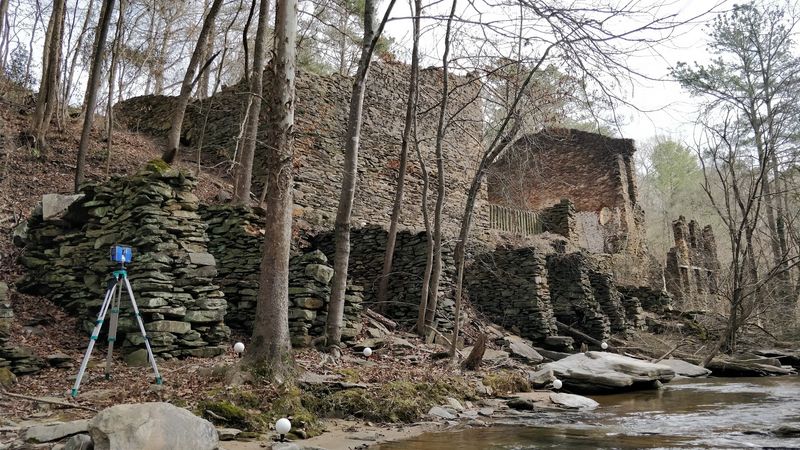
What makes the story of Sope Creek especially interesting is that the mill’s destruction was not the end. After the Civil War, the site was rebuilt and expanded, showing just how valuable this location remained for industrial use.
Rather than fading immediately into abandonment, the complex adapted to changing times and continued contributing to the region’s economy well into the late nineteenth and early twentieth centuries.
Over time, the operation grew beyond paper production alone. Additional facilities, including a wood pulp mill and a twine factory, became part of the broader industrial footprint along the creek.
That expansion reflects a period when American industry was becoming more diversified, and sites with access to water power still held tremendous practical appeal.
I think this chapter is easy to overlook because the Civil War destruction story is so dramatic, but the rebuilding matters just as much. It reveals resilience, ambition, and a determination to keep working with the landscape rather than abandoning it.
When you look at the ruins today, you are not seeing a single frozen moment, but the remains of a place that repeatedly reinvented itself before finally becoming the atmospheric historic site visitors explore now.
Layers Of Industry Along The Creek
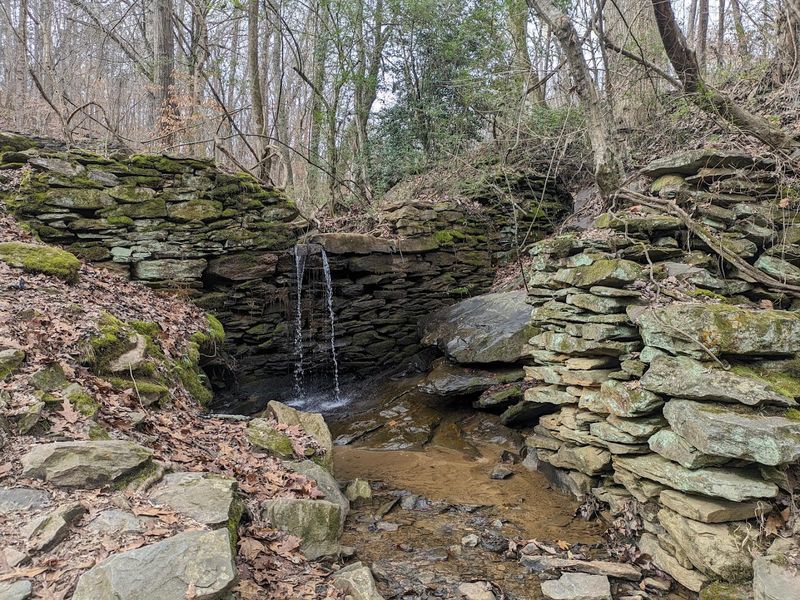
The paper mill ruins are the headline attraction, but the history along Sope Creek reaches far beyond a single structure. At different times, this corridor supported multiple operations, including a flour mill, machine shops, and later even a hydroelectric plant.
Spread for about a mile along the creek, the broader site reflects a remarkable concentration of industry shaped by moving water and local ingenuity.
That larger context changes how you experience the area. Instead of imagining one isolated mill in the woods, you begin to picture a working industrial landscape with channels, equipment, buildings, and constant activity tied to the creek’s power.
The setting may feel secluded now, but it once represented innovation, productivity, and a practical understanding of how to harness natural resources.
If you love places where hidden infrastructure tells a bigger story, Sope Creek delivers that in a fascinating way. These ruins are not just leftovers from one business, but fragments of a wider industrial ecosystem that evolved over decades.
The more you learn, the more impressive the site becomes, because it reveals how much history can be embedded in a landscape that appears, at first glance, simply scenic and serene.
Ruins That Tell A Complicated Story
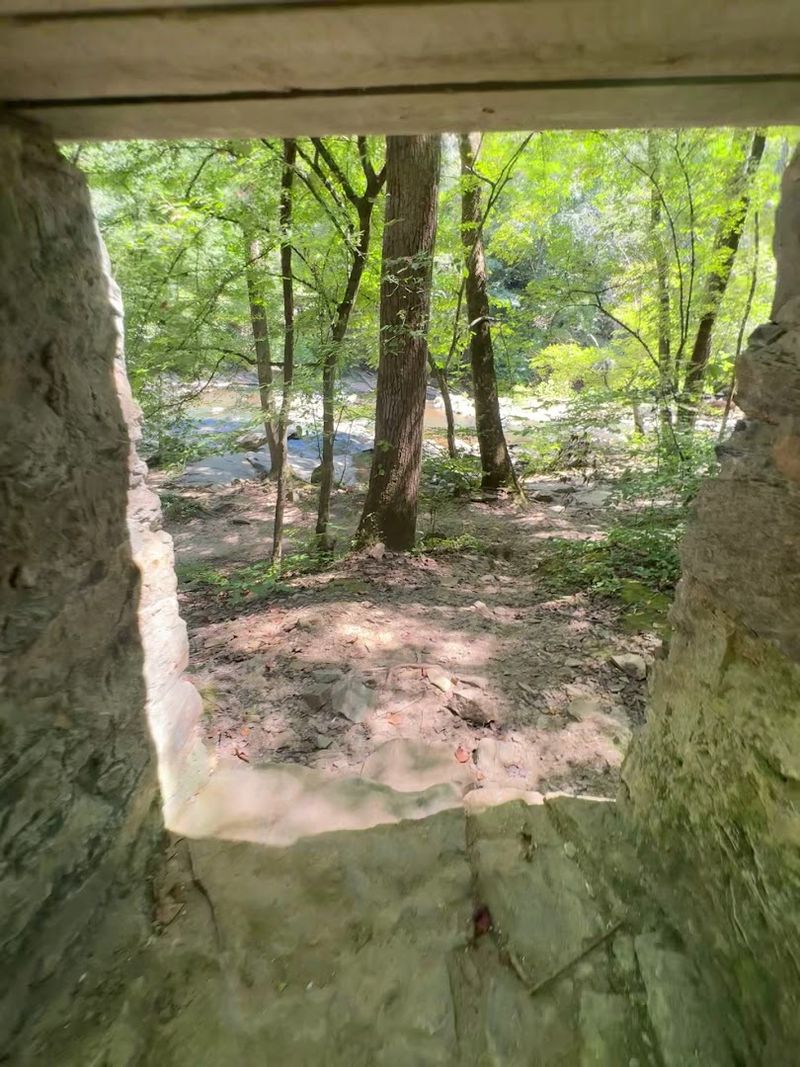
Like many historic places, the Sope Creek ruins carry a few myths along with the facts. One of the most persistent claims is that this was a Confederate mint, which gives the site an almost treasure-laden aura for some visitors.
The truth is still intriguing, but more specific: the mill produced paper used for currency rather than printing money itself.
That distinction matters because it shows how legends can blur history while still pointing toward something real. The mill was absolutely connected to important wartime production, but the romantic idea of coins or bills being made here is more folklore than fact.
I actually think the truth is richer, because it reveals the less glamorous but essential material systems that supported an economy and a war.
This complexity gives the ruins extra depth. They are not just beautiful remains of a destroyed building, but a place where industry, conflict, memory, and myth overlap in ways that invite curiosity.
If you enjoy destinations that reward a closer look, Sope Creek offers exactly that kind of experience, where every dramatic wall seems to hold both a documented history and a whispered local story.
A Photogenic And Atmospheric Destination Today
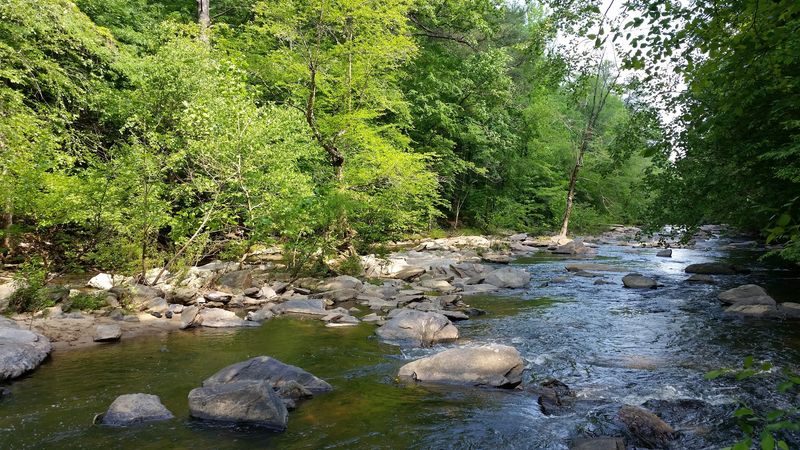
Even if you knew nothing about the site’s past, the Sope Creek Paper Mill Ruins would still be worth visiting for the atmosphere alone. Moss-covered stone walls rise beside the water, sunlight flickers through the trees, and the creek adds constant motion and sound that make the whole setting feel alive.
It is one of those places where the contrast between natural beauty and human history creates a mood that photographs never fully capture.
That said, it is incredibly photogenic. The textures of weathered stone, the surrounding forest, and the changing light throughout the day give photographers plenty to work with, whether you prefer wide scenic shots or details like arches, foundations, and reflections in the water.
Explorers and casual visitors alike tend to slow down here, because the site invites looking, lingering, and noticing.
What I appreciate most is that the ruins do not feel staged or overly curated. They still have a slightly wild, discovered quality, which makes your visit feel personal rather than packaged.
If you are searching for a Georgia destination that combines beauty, atmosphere, and a strong sense of place, this one stands out in a way that feels both cinematic and quietly authentic.
What To Know Before You Visit
If you are planning a visit, the Sope Creek Paper Mill Ruins are located within the Chattahoochee River National Recreation Area near Marietta, making them an easy day trip from Atlanta. The hike is about 1.6 miles round trip with minimal elevation gain, so it is manageable for most casual walkers and families.
You get a strong payoff without needing a huge investment of time or advanced hiking ability.
There is usually a small entrance or parking fee, so it helps to check current conditions before you go. Because the site is popular, especially on weekends, visiting early in the morning or on a weekday can make the experience quieter and more enjoyable.
The softer light at those times also makes the forest and ruins look especially beautiful.
Wear sturdy shoes, because rocks near the creek can be slippery and uneven, and bring water even though the trail is fairly short. It is also smart to stay mindful around the water and avoid climbing in ways that could damage the site or put you at risk.
A little preparation goes a long way here, letting you focus on the scenery, the history, and the surprisingly magical feel of the whole place.