Forget everything you think you know about car museums because this hidden Pennsylvania gem feels like a time machine with four wheels.
Tucked away in Huntingdon, the Swigart Antique Auto Museum offers an experience that feels wonderfully frozen in another era. Every gallery is packed with rare automobiles, vintage treasures, and stories from the early days of America’s love affair with the open road.
The charm isn’t found in giant screens or flashy displays. It’s in polished brass, gleaming fenders, and handcrafted machines that helped change the way people traveled.
Every corner brings another surprise waiting to be discovered.
Whether you’re a lifelong car enthusiast or simply love uncovering places most travelers miss, this remarkable museum leaves a lasting impression.
It’s one of those rare destinations where history doesn’t sit behind glass—it feels alive with every step.
America’s Oldest Antique Automobile Museum
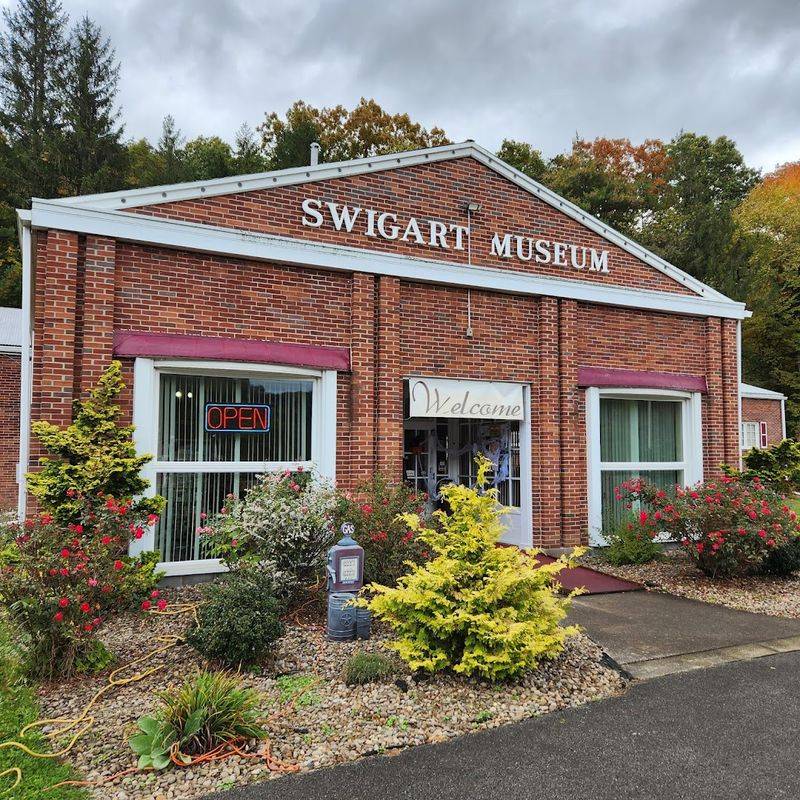
Founded in 1920, the Swigart Museum holds a remarkable distinction that few people know about. This unassuming building along the William Penn Highway is officially recognized as America’s oldest automobile museum still operating today.
While bigger museums in Detroit and California might grab more headlines, this Pennsylvania landmark started collecting cars before most Americans even owned one.
William E. Swigart Sr. began gathering automobiles as a hobby when they were still a new invention.
His passion grew into a serious collection that his family decided to share with the public. Over the decades, the museum expanded from a handful of vehicles to hundreds of important pieces of automotive history.
What makes this place extraordinary isn’t just its age but its authentic atmosphere. The building itself feels preserved from another time, with creaky wooden floors and display cases that look like they’ve been there for generations.
Walking inside truly transports you back to when automobiles were changing American life forever.
A Rotating Collection of Rare and Historic Automobiles
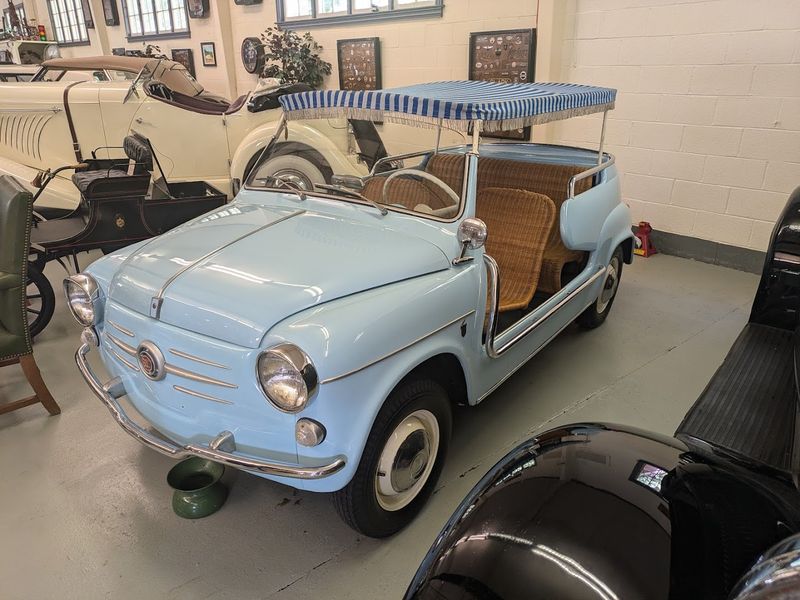
Imagine owning 150 incredible automobiles but only having room to show off 30 at once. That’s exactly the situation facing museum curators here, and it actually works in everyone’s favor.
Each season brings different vehicles out of storage and onto the showroom floor, meaning repeat visitors always discover something new they’ve never seen before.
The collection spans more than a century of automotive innovation, from horseless carriages to mid-century classics. Some vehicles are restored to showroom perfection, while others wear their age proudly with original paint and authentic patina.
Brass fixtures gleam under the lights alongside chrome bumpers from later decades.
This rotating approach keeps the museum fresh and exciting for locals who visit annually. Car enthusiasts make pilgrimage trips specifically to see which treasures emerge from storage each May.
The museum staff carefully selects vehicles based on condition, historical significance, and visitor interest, creating thoughtfully curated exhibits that tell different stories about American transportation history throughout the changing seasons.
One-of-a-Kind Cars You Won’t See Anywhere Else
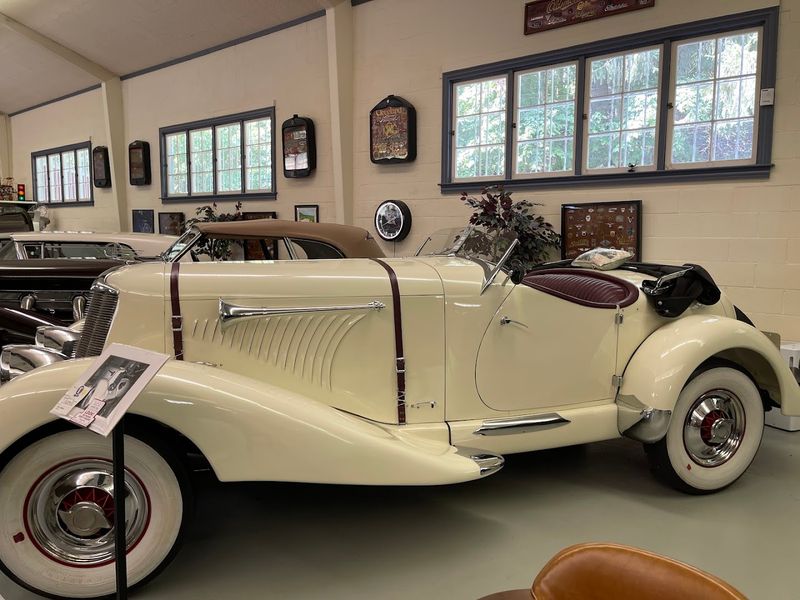
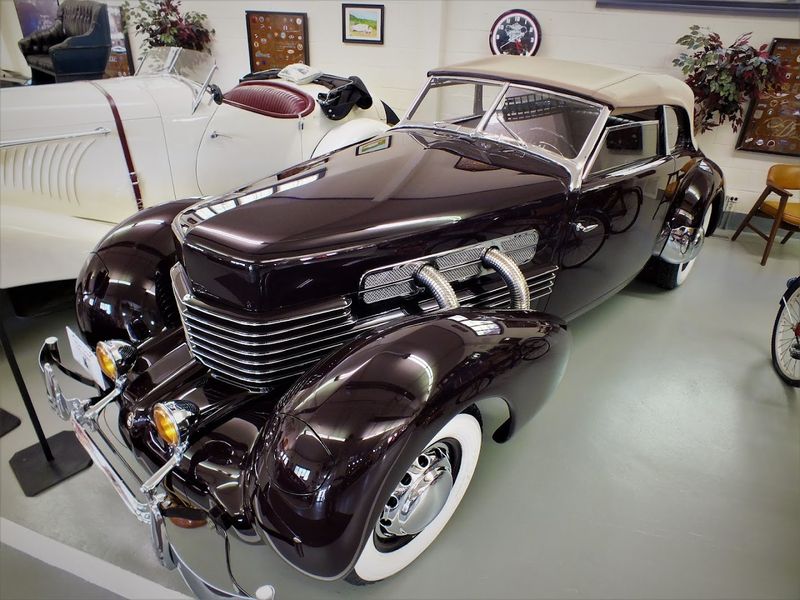
Some automobiles are so rare that they exist in single digits worldwide, and several of them call this Pennsylvania museum home. The crown jewel might be the 1936 Duesenberg Gentleman’s Speedster prototype, a streamlined beauty that represents the peak of luxury automobile design.
Only one was ever built, and car collectors would pay millions to own it.
The museum also houses Tucker automobiles, including the famous #1013 that appeared in movies. These revolutionary cars represented Preston Tucker’s dream of building safer, more innovative vehicles in the 1940s.
Fewer than 51 Tuckers were ever manufactured before the company collapsed, making each surviving example incredibly valuable and historically important.
Other rarities include the 1920 Carroll, an obscure make that most automotive historians have barely heard of, and the elegant 1916 Scripps-Booth. These forgotten brands remind visitors that early automobile history included hundreds of manufacturers competing for customers.
Most disappeared long ago, making survivors like these absolutely priceless windows into lost chapters of American ingenuity.
More Than Cars: The Incredible Automobilia Collection
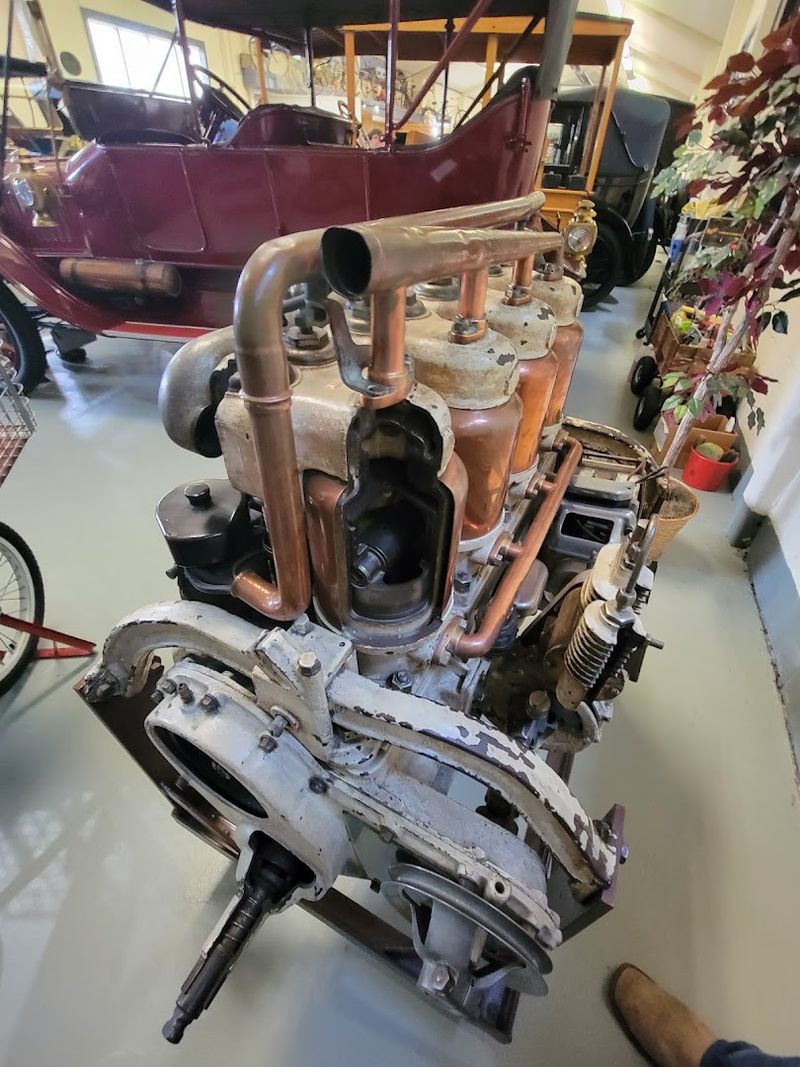
Car fanatics travel hundreds of miles not just for the vehicles but for what surrounds them. The museum has amassed one of the most comprehensive collections of automotive memorabilia in the country, with thousands of pieces documenting how Americans fell in love with driving.
Glass cases overflow with radiator emblems from manufacturers nobody remembers, each small piece a work of art from a vanished company.
Hood ornaments range from simple designs to elaborate sculptures that once decorated luxury automobiles. License plates cover entire walls, showing how registration systems evolved across different states and decades.
Vintage gas pumps stand like colorful sentinels, their glass globes still bearing oil company logos that disappeared generations ago.
The collection extends to period-appropriate tools, horns, lamps, and accessories that drivers once needed for motoring adventures. These objects tell stories beyond the vehicles themselves, revealing how automobile ownership changed American culture.
Even visitors who aren’t particularly interested in cars find themselves fascinated by the variety and craftsmanship displayed throughout the museum’s rooms and corridors.
Hollywood Connections and Famous Movie Cars
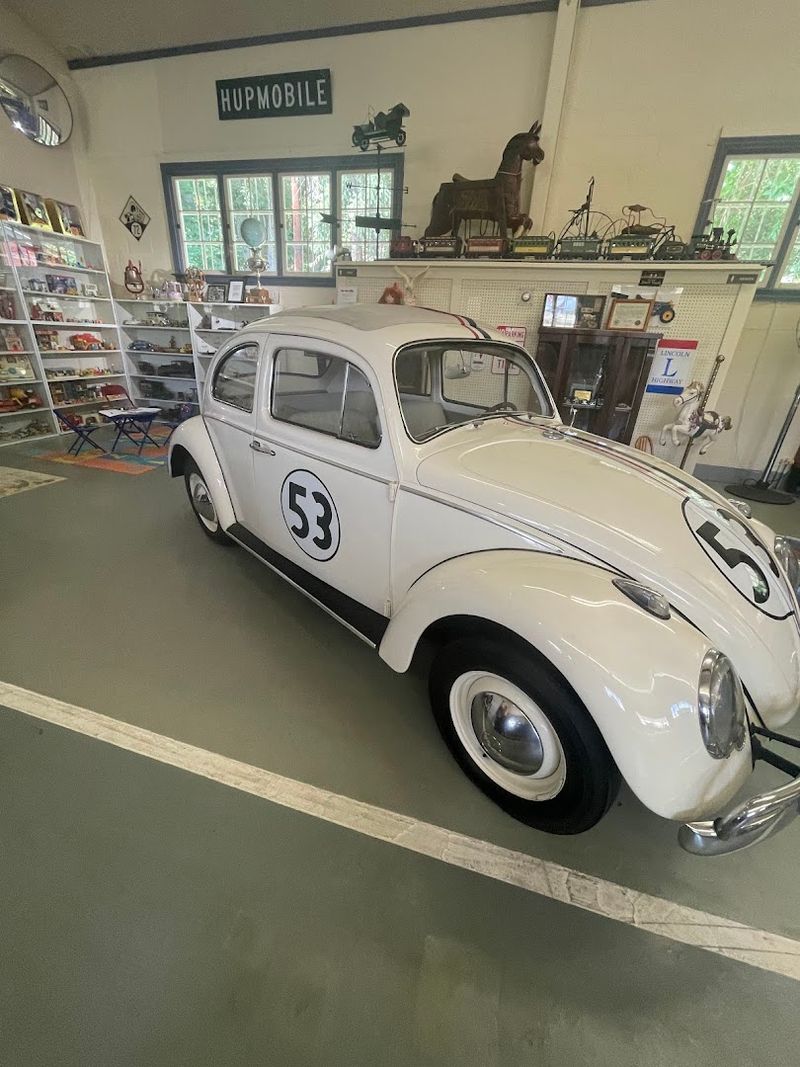
Sometimes the best way to appreciate automotive history is through vehicles that made us laugh or cheer in theaters. The museum proudly displays Herbie the Love Bug, the spirited Volkswagen Beetle that starred in multiple Disney films and won hearts worldwide.
Seeing this famous car in person brings smiles to faces both young and old, as generations remember different Herbie movies from their childhoods.
Tucker #1013 represents another Hollywood connection, having appeared in the 1988 biographical film about Preston Tucker’s ambitious automobile company. This particular Tucker survived decades of obscurity before being restored and finding its way to Huntingdon.
Movie buffs and car enthusiasts alike appreciate the connection between cinema and automotive preservation.
These celebrity automobiles serve an important purpose beyond entertainment value. They introduce younger generations to automotive history through familiar pop culture touchstones.
Kids who might not care about a 1916 touring car suddenly become interested when they recognize Herbie, opening doors to conversations about engineering, design, and American manufacturing history that might otherwise never happen.
Unexpected Collections Beyond the Garage
Just when you think you’ve seen everything automotive, the museum surprises visitors with collections that extend far beyond four-wheeled vehicles. An entire section celebrates childhood transportation through vintage pedal cars, tricycles, and bicycles that once carried young Pennsylvanians around their neighborhoods.
These miniature machines often mirror the styling of full-size automobiles from their respective eras, creating a charming parallel history.
Fisher-Price enthusiasts discover a treasure trove of vintage toys, including early models that represent the company’s Pennsylvania heritage. Antique clothing displays show what well-dressed motorists wore during different decades, complete with driving goggles, dusters, and leather accessories designed for open-air touring.
Transportation artifacts range from railroad memorabilia to horse-drawn carriage parts.
These unexpected additions make the museum genuinely enjoyable for entire families, not just dedicated gearheads. While one family member admires a vintage Packard, another might be captivated by Depression-era toys or Victorian-era bicycles.
This diversity transforms what could be a narrow automotive experience into a broader cultural journey through American life and leisure across multiple generations.
Stepping Into Early Automotive History
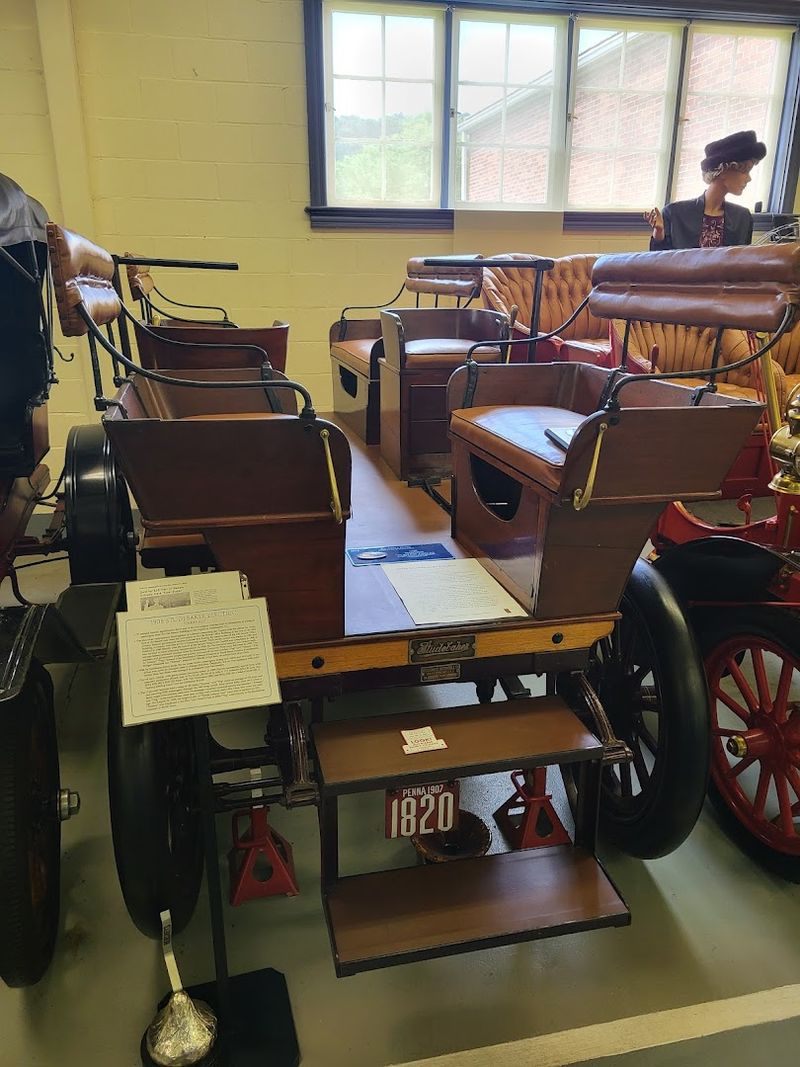
Before Henry Ford’s assembly lines changed everything, automobiles were hand-built curiosities that frightened horses and fascinated crowds. The museum preserves vehicles from this pioneering era when cars were transitional technology between horse-drawn carriages and modern motorcars.
Wooden-wheeled horseless carriages share floor space with brass-era automobiles that required serious mechanical knowledge just to start and operate.
Educational displays help modern visitors understand what early motoring involved. Driving required constant maintenance, frequent breakdowns, and considerable bravery on primitive roads.
Owners needed to be part mechanic, part adventurer. The vehicles themselves show incredible craftsmanship, with hand-formed metal, intricate brass fixtures, and leather upholstery created by skilled artisans.
Artifacts from the late 1800s include actual horse-drawn vehicles for comparison, helping visitors understand the revolutionary change automobiles represented. Seeing these machines up close reveals details that photographs cannot capture—the smell of old leather, the weight of solid brass lamps, the ingenious simplicity of early engineering solutions.
History becomes tangible when you stand inches from these pioneering machines.
Why Car Enthusiasts Keep Coming Back
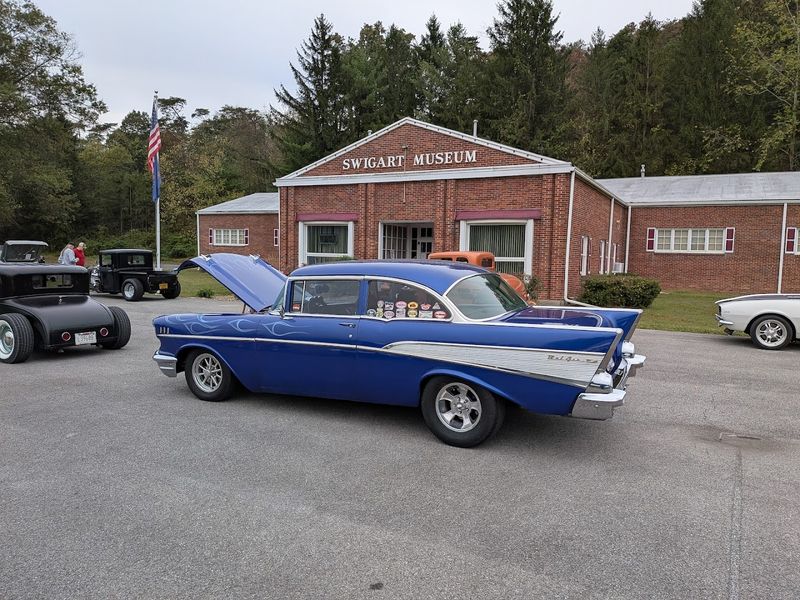
Annual exhibit changes provide the obvious reason for repeat visits, but the museum offers much more to dedicated enthusiasts. Knowledgeable volunteer docents share stories that don’t appear on any placard, offering insider perspectives on specific vehicles or manufacturers.
These conversations often reveal fascinating details about provenance, restoration decisions, or historical connections that make each vehicle more meaningful.
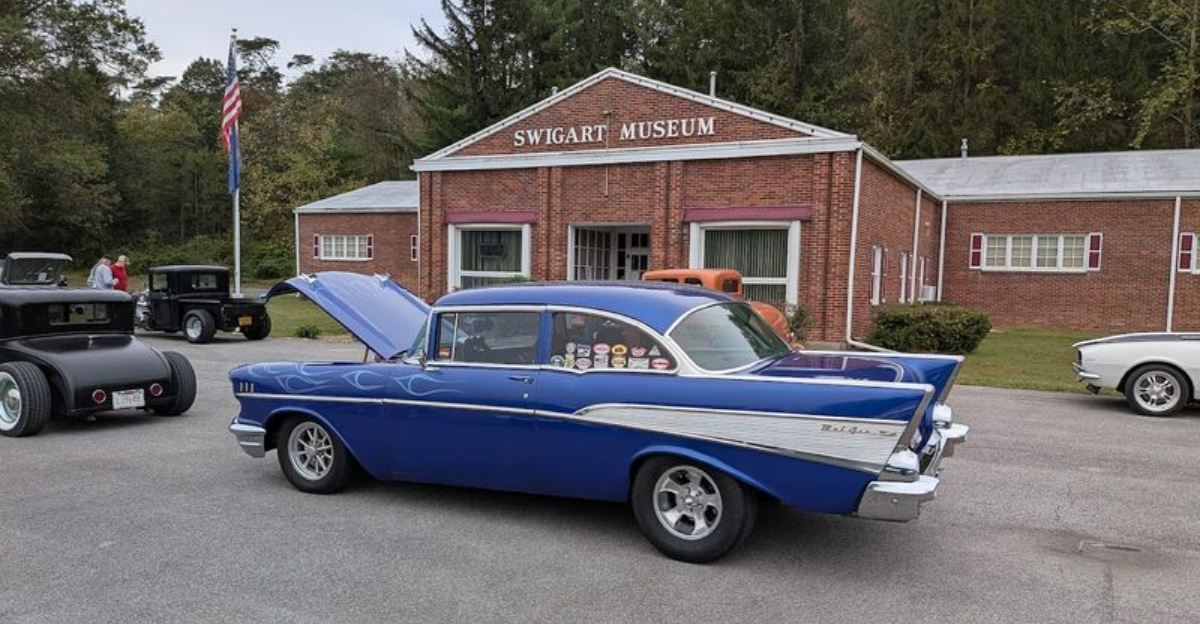
Special events throughout the season create opportunities for community gathering. The Swigart Meet Car Show attracts vehicles from across the region, turning the museum grounds into a celebration of automotive culture.
Kars & Koffee gatherings provide casual morning meetups where owners display their treasures while enjoying conversation with fellow enthusiasts. These events transform the museum from passive observation to active participation.
Car clubs frequently arrange group tours, taking advantage of the museum’s willingness to accommodate organized visits. Private tours can be scheduled for deeper access and specialized discussions.
The combination of rotating exhibits, knowledgeable staff, regular events, and welcoming atmosphere creates a genuine community hub rather than just another tourist attraction along Pennsylvania’s highways.
Visitor Information and Helpful Tips
Planning your visit requires knowing some practical details. The museum operates seasonally from Memorial Day weekend through late October, typically closing during winter months when Pennsylvania weather makes travel less pleasant.
Daily hours run from 10:00 a.m. to 5:00 p.m. throughout the season, giving visitors plenty of time to explore without feeling rushed through the exhibits.
Located at 12031 William Penn Highway in Huntingdon, PA 16652, the museum provides free parking and full handicap accessibility. Admission fees are reasonable for adults, seniors, and children, making it an affordable family outing.
The on-site gift shop offers automotive-themed souvenirs, books, and memorabilia. Group tours can be arranged by reservation for clubs, schools, or organizations wanting specialized attention.
Budget at least one to two hours for a thorough visit, though enthusiasts often spend considerably longer examining details and reading displays. Combining your museum stop with lunch in Huntingdon and afternoon exploration of nearby attractions creates a memorable road trip through central Pennsylvania.
The museum’s old-fashioned atmosphere and genuine hospitality leave lasting impressions on visitors who appreciate authentic historical preservation.