Set along the historic streets of Berwick, with the Susquehanna River flowing nearby, Jackson Mansion offers a glimpse into a Pennsylvania past that still feels remarkably close. Towering trees, beautifully preserved Victorian architecture, and the unhurried pace of this river town create an atmosphere that invites visitors to slow down and look around.
On a pleasant day, it is easy to imagine the generations who once gathered here while the community around them grew and changed. The mansion’s elegant details and rich history tell a story not only of one family, but of the people and industries that helped shape Berwick’s character.
Whether you love historic homes, small-town discoveries, or simply enjoy exploring places with a strong sense of place, Jackson Mansion rewards curiosity. Let’s step inside and explore the stories, architecture, and legacy that make it so memorable.
Victorian-Era Industrial Wealth and Family Legacy
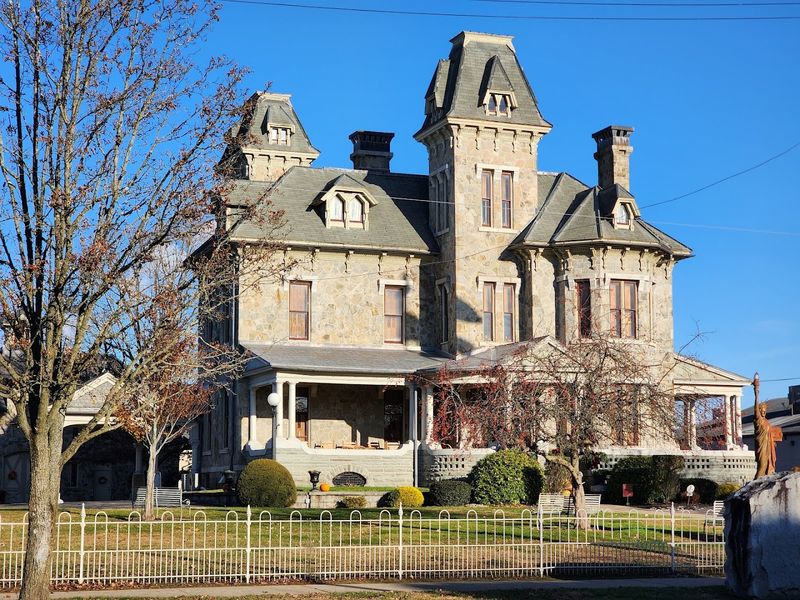
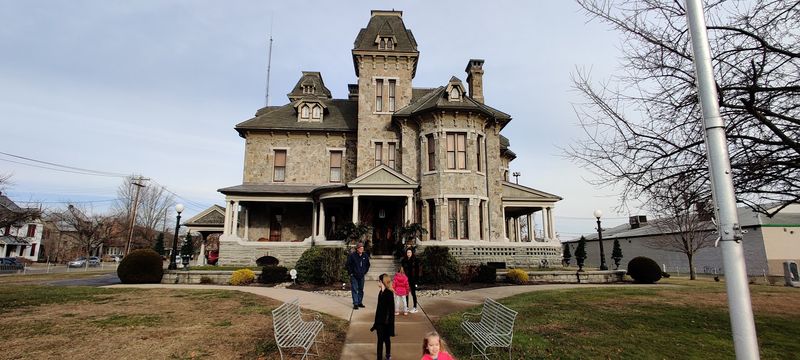
Imagine stepping onto a street where horse-drawn carriages once delivered wealthy families to their grand estates. In 1877, construction began on what would become one of Pennsylvania’s finest examples of Victorian residential architecture.
Colonel Clarence Jackson commissioned this impressive home for his wife and two daughters, sparing no expense in creating a dwelling that reflected his success.
The timing was no coincidence. Jackson had established himself as a leading figure in the burgeoning railroad car manufacturing industry.
His fortune allowed him to build a three-story mansion that showcased the finest craftsmanship of the era, from intricate woodwork to imported materials.
The home took two years to complete, finally welcoming the Jackson family in 1879. Every detail spoke of refined taste and substantial wealth accumulated through industrial innovation.
The mansion became an immediate landmark, setting the standard for residential architecture in Berwick.
Today at 344 N Market St, visitors can see how one family’s prosperity during America’s Gilded Age created a lasting monument. The original family furnishings and period antiques transport guests back to when industrial barons built palaces along Pennsylvania’s river valleys.
The American Car and Foundry Empire
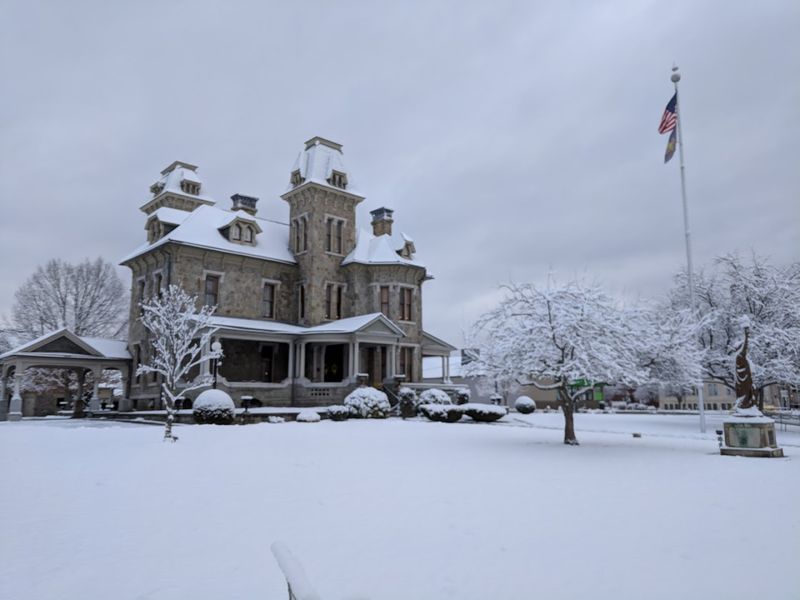
Smoke once billowed from factory chimneys along the riverbank, where thousands of workers assembled railroad cars that would travel across America. The Jackson family didn’t just build a beautiful home; they created an industrial empire that became the lifeblood of Berwick.
American Car and Foundry Company grew into the town’s largest employer, shaping the community’s identity for generations.
Colonel Jackson’s business acumen transformed Berwick from a modest river settlement into a thriving industrial center. The foundry produced railroad freight cars, passenger cars, and eventually military equipment.
At its peak, the facility employed a significant portion of Berwick’s population, making the Jackson name synonymous with local prosperity.
The mansion served as more than a residence. It functioned as a symbol of the company’s success and the family’s commitment to the region.
Business associates and potential clients often visited the grand estate, where deals were made in elegant parlors overlooking manicured lawns.
Understanding the mansion’s history means understanding its connection to industrial growth. Tours at the Berwick Historical Society’s property reveal how one family’s manufacturing vision created jobs, attracted workers, and built a community around river commerce and railroad transportation.
Architectural Preservation Success Story
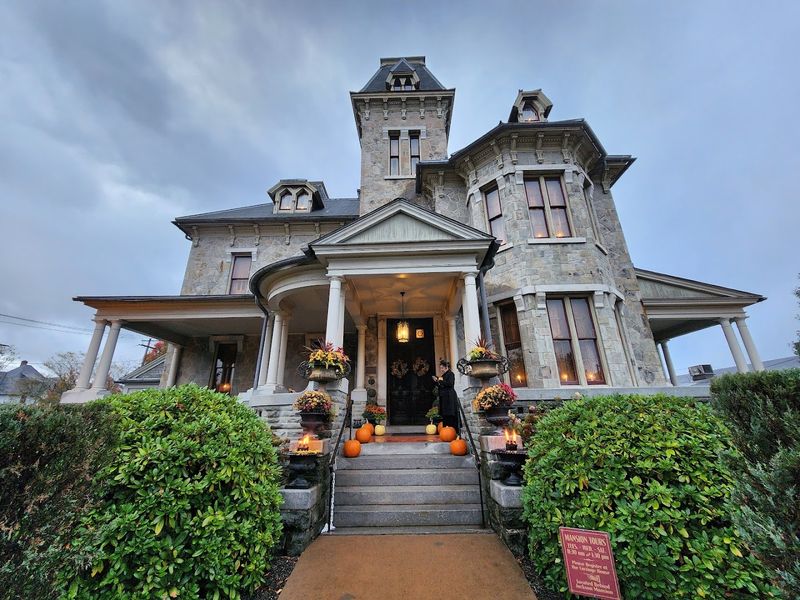
Walking through rooms frozen in time, visitors often gasp at the meticulous restoration work that saved this building from decay. By the late 20th century, many grand Victorian homes had fallen into disrepair or been demolished.
Berwick’s community faced a crucial decision about preserving their most significant historical structure.
Local residents and historical society members launched an ambitious restoration project. They understood that losing the mansion meant erasing tangible connections to the town’s industrial heritage.
Years of careful work followed, with artisans restoring intricate woodwork, repairing plasterwork, and tracking down period-appropriate furnishings.
What makes this preservation effort remarkable is the community involvement. Rather than letting the building languish or succumb to modern development pressures, Berwick rallied around its history.
Volunteers researched original paint colors, hunted for authentic Victorian pieces, and documented the Jackson family’s story through photographs and records.
Today’s visitors benefit from this dedication. The mansion at 344 N Market St stands as Pennsylvania’s finest example of successful historical preservation in a small town.
Every restored room, original family piece, and carefully maintained architectural detail represents the community’s commitment to honoring their past while educating future generations about Victorian-era prosperity.
Civil War Legacy and Military Leadership
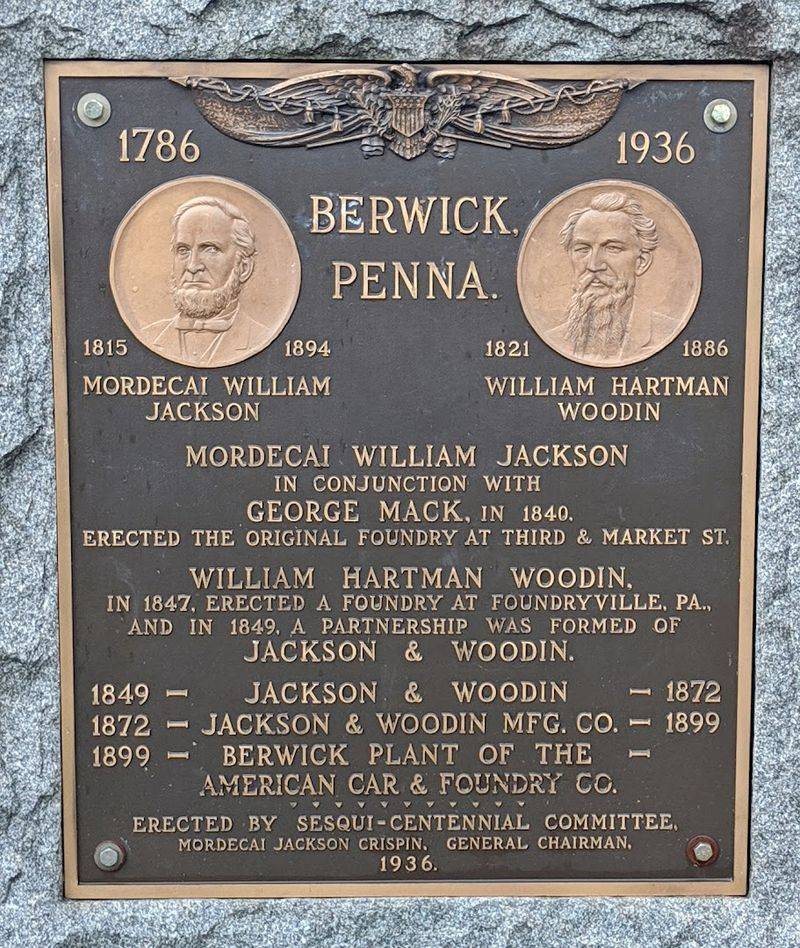
Before building industrial empires and Victorian mansions, some men earned their titles on battlefields. Colonel Clarence Jackson’s military service during America’s bloodiest conflict shaped both his character and his approach to business.
His experiences during the Civil War informed his later leadership style and commitment to American manufacturing.
The title “Colonel” wasn’t honorary. Jackson served in the Union Army, where he witnessed firsthand the critical importance of supply chains, manufacturing capabilities, and transportation networks.
These lessons proved invaluable when he later entered the railroad car manufacturing business.
Many Civil War veterans leveraged their military experience into business success during Reconstruction and the Gilded Age. Jackson followed this pattern, applying military discipline and organizational skills to building his foundry operations.
His military background also earned him respect among other veterans and business leaders throughout Pennsylvania.
The mansion tour includes discussion of Jackson’s military service and how it influenced Berwick’s development. Visitors gain understanding of how Civil War veterans shaped American industry during the late 1800s.
The home itself reflects values Jackson learned during wartime: order, precision, and attention to detail evident in every architectural element throughout the three-story structure.
Victorian Domestic Life and Social Hierarchy
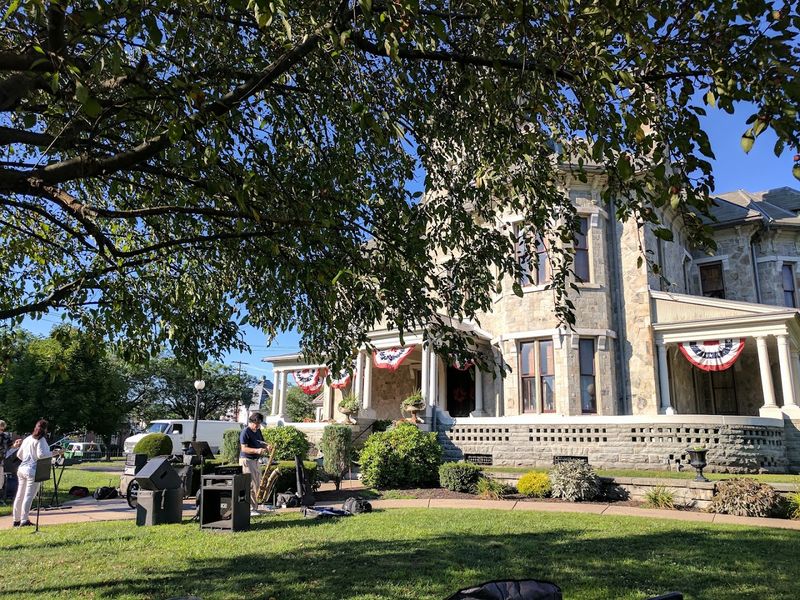
Imagine daily life when servants answered bells, formal dinners required multiple courses, and social standing depended on your address. The mansion built for Mrs. Jackson and her two daughters represented more than shelter; it declared the family’s position atop Berwick’s social pyramid.
Every room was designed for specific purposes that modern visitors find fascinating.
The formal parlor received important guests, while family parlors offered more casual gathering spaces. Separate servants’ quarters maintained clear boundaries between employers and household staff.
The dining room hosted elaborate meals where business and social connections intertwined over crystal and silver.
Mrs. Jackson and her daughters lived by strict Victorian codes governing women’s behavior, dress, and daily activities. The mansion’s layout reflects these gender norms, with ladies’ sitting rooms separate from gentlemen’s spaces.
Tour guides explain how wealthy Victorian women managed large households while maintaining social obligations.
Today’s 1.5-hour tours at 344 N Market St reveal these fascinating details. Original furnishings help visitors understand the era’s rigid social structures and domestic routines.
From the placement of furniture to the restoration of wallpaper patterns, everything teaches about Victorian values, expectations, and the vast differences between wealthy and working-class life in 1870s Pennsylvania.
Susquehanna River Commerce and Transportation

Rivers meant everything to 19th-century American towns, serving as highways for goods, people, and ideas. Berwick’s location along the Susquehanna River positioned it perfectly for industrial development during the transportation revolution.
The Jackson family recognized this geographical advantage when establishing their manufacturing operations and choosing where to build their estate.
The Susquehanna connected Berwick to larger markets downstream while providing water access for raw materials arriving upstream. Railroad lines eventually paralleled the river, creating dual transportation networks that benefited companies like American Car and Foundry.
This combination of water and rail access made Berwick an ideal location for heavy manufacturing.
River towns developed distinct characters during this era. They attracted workers, spawned supporting businesses, and created wealth for entrepreneurs like Colonel Jackson who understood how to leverage transportation infrastructure.
The mansion’s prominent location reflected Berwick’s importance as a river commerce center.
When visitors tour the property, they learn about Berwick’s strategic position in Pennsylvania’s industrial corridor. Understanding the Susquehanna’s role helps explain why this particular town became home to major manufacturing.
The mansion stands as a monument not just to one family, but to the river commerce economy that transformed northeastern Pennsylvania communities during America’s rapid industrialization.
Community Cultural Center Through Generations
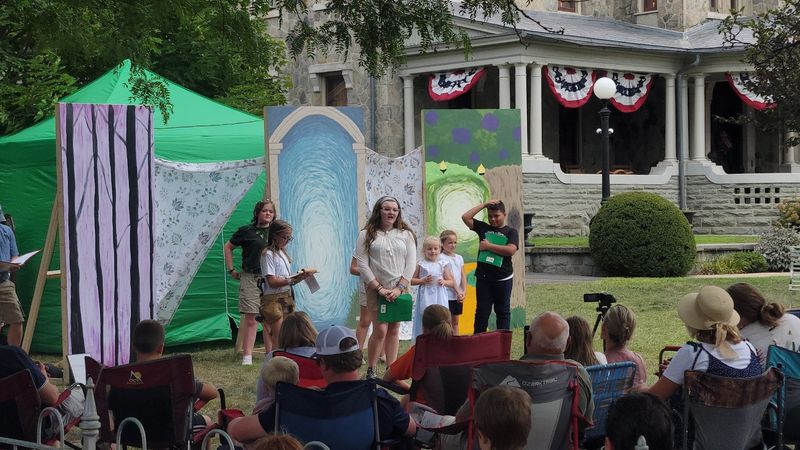
Summer evenings bring music drifting across the mansion’s lawn, where couples spread blankets and families enjoy free ice cream. What began as a private residence has transformed into Berwick’s cultural heart, hosting concerts, seasonal celebrations, and community gatherings.
This evolution from exclusive estate to public space mirrors broader changes in American attitudes toward historical properties.
Thursday night concerts attract locals who appreciate both the music and the setting. Christmas experiences draw visitors wanting Victorian holiday nostalgia, while Halloween ghost tours offer spooky entertainment in historically appropriate surroundings.
The Berwick Historical Society has successfully programmed the space to serve multiple community needs.
This accessibility represents a democratic shift from the mansion’s origins. Where once only the wealthy Jackson family and their invited guests entered these doors, now anyone can purchase a $15 ticket and explore rooms filled with original furnishings and period antiques.
The restored carriage house provides additional event space, while the lawn accommodates outdoor activities. These programs generate revenue supporting ongoing preservation while keeping the mansion relevant to contemporary Berwick residents.
Reviews consistently praise the friendly staff, knowledgeable guides like Diane and Vince, and the gift shop across the street where tours begin, creating an entire historical district experience.
World War II Manufacturing Contributions
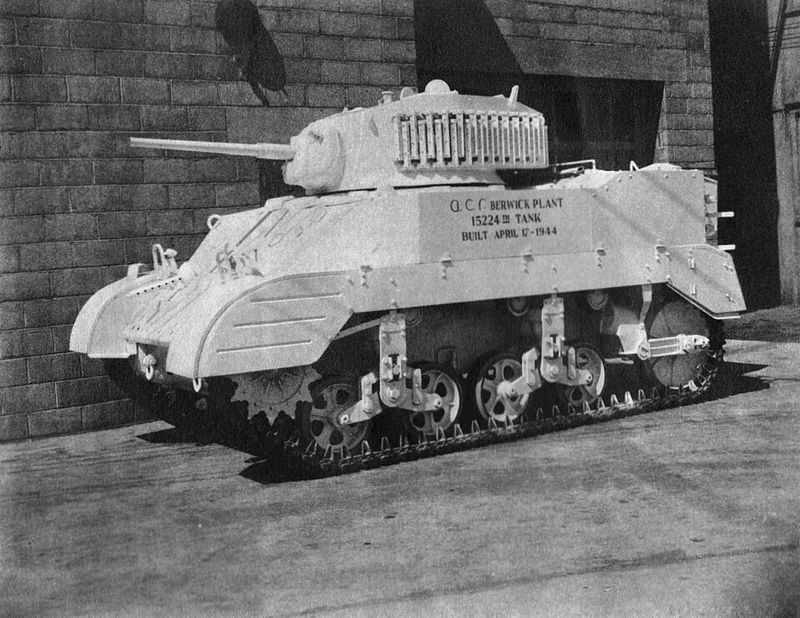
When America entered World War II, factories across Pennsylvania converted to military production. American Car and Foundry, the company Colonel Jackson founded, played a crucial role in the war effort.
The mansion’s story extends beyond Victorian elegance to include chapters about national defense and wartime sacrifice.
ACF’s Berwick facility manufactured military equipment essential to Allied victory. Workers who once built railroad cars now produced war materials, working round-the-clock shifts to meet military demands.
The company’s expertise in metal fabrication and large-scale manufacturing proved invaluable during wartime mobilization.
This industrial heritage adds depth to mansion tours. Visitors learn that the Jackson family’s business legacy includes supporting American military efforts decades after the Colonel’s death.
The connection between Victorian prosperity and 20th-century patriotism illustrates how industrial foundations laid in the 1870s served national needs during critical moments.
History buffs particularly appreciate this WWII dimension when touring 344 N Market St. The mansion represents not just Gilded Age excess but also the industrial capacity that helped win global conflicts. Understanding ACF’s wartime role provides context for appreciating how one family’s 19th-century entrepreneurship created resources that served America through multiple generations and historical challenges, from railroad expansion to world war production needs.
Monuments to Patriotism and Service
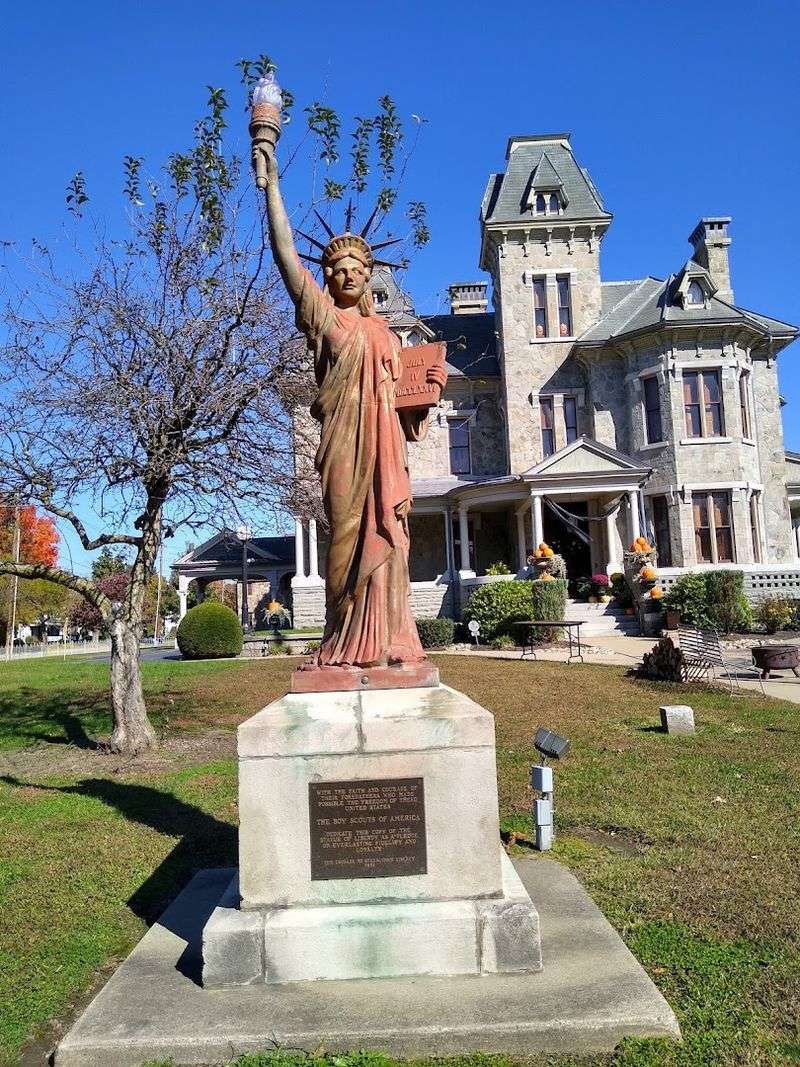
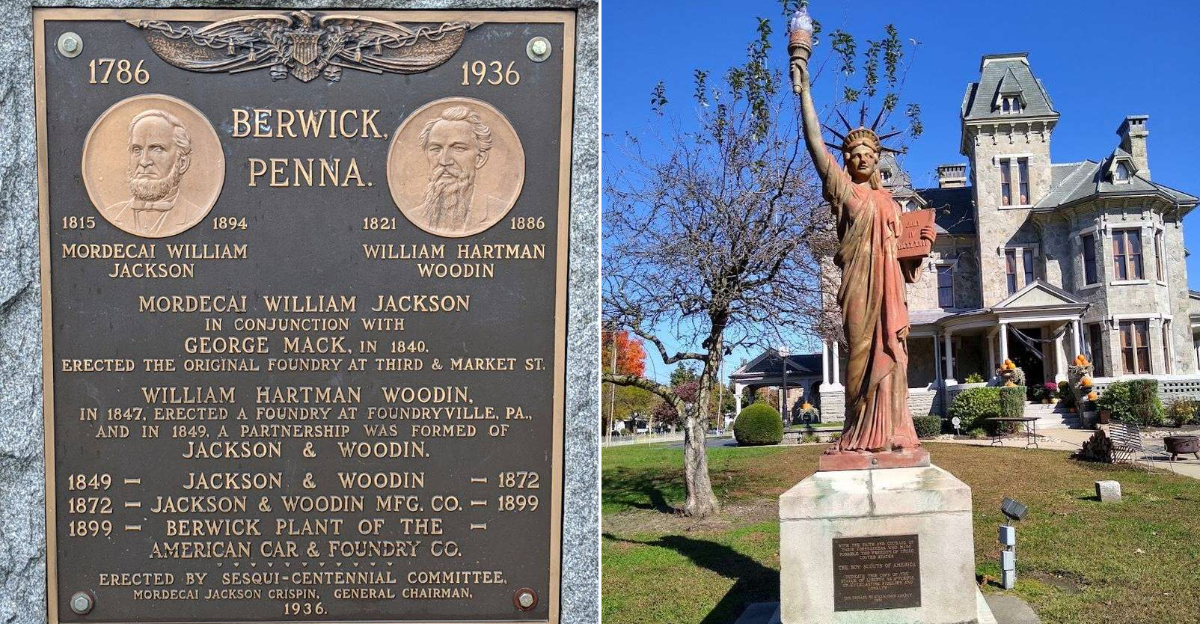
Even from the street, two striking monuments catch visitors’ eyes on the mansion’s front lawn. A Doughboy statue honors World War I veterans, while a Statue of Liberty replica symbolizes American ideals.
These outdoor features extend the property’s historical significance beyond the building itself, connecting local sacrifice to national narratives.
The Doughboy memorial represents Berwick’s contribution to the Great War. Many young men from this river town served in Europe between 1917-1918, and some never returned.
The statue provides a solemn reminder that industrial prosperity came with civic responsibility and human cost.
Liberty’s replica speaks to immigrant heritage and American aspirations. Many workers in Jackson’s foundries came from Europe seeking opportunities, contributing their labor to building both the company and the community.
The monument acknowledges these diverse roots while celebrating shared values.
Visitors often photograph these monuments before or after mansion tours. They add layers of meaning to the site, transforming it from simply a wealthy family’s home into a more complex memorial landscape.
The Historical Society maintains these outdoor features as carefully as interior spaces, recognizing that the entire property tells interconnected stories about industrialization, immigration, military service, and community identity in Pennsylvania’s river valley region.
Educational Interpretation and Historical Tourism
Knowledge brings history alive, and skilled interpreters make the difference between seeing old furniture and understanding past lives. Guides like Susan, Diane, and Vince receive consistent praise in reviews for their ability to answer questions, share insights, and bring the Jackson family story to life.
Their expertise transforms the mansion from static museum into engaging educational experience.
Tours typically last 1.5 hours, though many visitors report time flying by quickly. Guides balance architectural details, family history, business background, and Victorian cultural context.
They encourage questions and adapt presentations to visitor interests, whether someone focuses on furniture, business history, or ghost stories.
The educational mission extends beyond tours. The Berwick Historical Society maintains research collections, publishes materials, and works to document local history.
The mansion serves as both classroom and archive, preserving documents, photographs, and artifacts that help researchers understand Pennsylvania’s industrial past.
This commitment to education justifies the $15 admission fee, which supports ongoing preservation and programming. Visitors leave understanding not just the Jackson family but broader themes about American industrialization, Victorian culture, and small-town Pennsylvania history.
The mansion at 344 N Market St functions as a three-dimensional textbook where visitors can touch, see, and experience history rather than merely reading about it in books.