Shady streets, stately columns, and the unhurried rhythm of a small Southern town make a slow Saturday feel like a true escape.
Milledgeville sits in the heart of Georgia, in Baldwin County, about 30 miles northeast of Macon.
It served as the state capital for much of the 1800s, and its historic district still reflects that proud past.
Visitors can tour the Old Governor’s Mansion and wander charming blocks filled with local shops and cafes.
Nearby Lake Sinclair offers boating, fishing, and peaceful waterfront views for families who want time outdoors.
Slow down, grab a coffee downtown, and let this easygoing Georgia town become your favorite weekend getaway.
Start With a Downtown Wander
Some Saturdays need less planning and more sidewalk wandering, especially when old brick buildings give you a reason to look up. That easy rhythm suits Milledgeville, Georgia, USA, a small city with a downtown shaped by history and college life. Begin around Hancock and Wayne streets, where storefronts make a comfortable starting point.
Rather than racing toward a landmark, walk one block slowly and notice the windows, doorways, and older building fronts. Browse shops that catch your interest, remembering that Saturday opening hours can vary. A quick look at current business listings helps prevent arriving before the doors open.
The city was founded in 1803 and served as the state capital from 1804 to 1868. Knowing that background adds meaning to an otherwise simple stroll. You are walking through a place that once handled the daily business of an entire state.
Wear comfortable shoes and choose legal parking after checking posted signs. Keep your first hour loose, with time for coffee or an unexpected shop visit. Downtown is the kind of opening chapter that makes the rest of your day feel less like a checklist and more like a break you actually needed, without requiring an expensive ticket or a tightly packed schedule to enjoy it.
Step Inside a Former Governor’s Home
A grand front porch can turn an ordinary morning into a trip through another century. At Georgia’s Old Governor’s Mansion, the building itself makes that promise before a tour even begins. Its pale exterior and tall columns offer a striking contrast to the nearby commercial streets.
Completed in 1839, the mansion housed governors until 1868. Today, guided tours explain the rooms, the people who lived there, and the wider world surrounding them. The story includes enslaved workers whose labor supported the household, not just the officials whose names appear in history books.
Check the official tour schedule before building your Saturday around a visit. Admission prices, available times, and special closures can change, so an older travel article should not be your final source. Ask about accessibility if stairs or standing for a tour could be difficult.
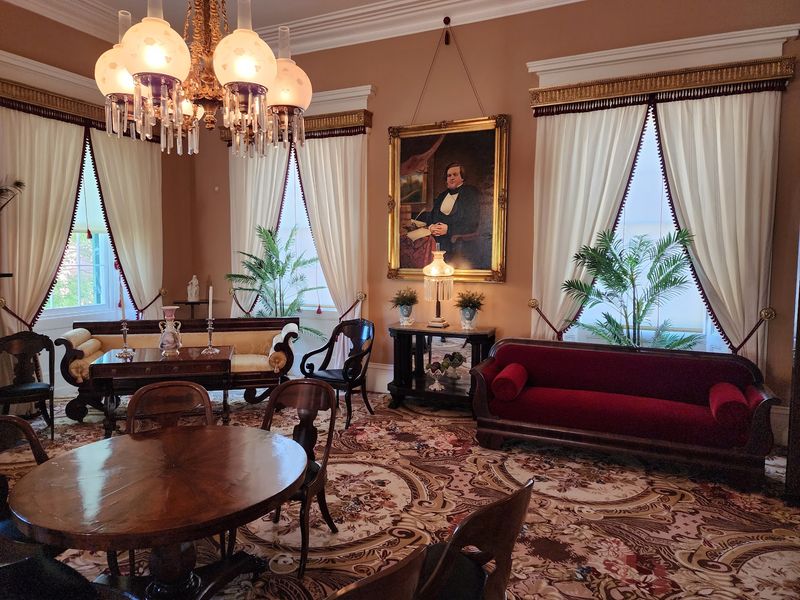
Inside, slow down enough to notice furniture, decorative details, and the way rooms were arranged for both private life and public duties. A guide can explain things that photographs alone cannot show. Afterward, give yourself a few quiet minutes outside to think about how much happened behind those impressive walls, then return to your day with a richer understanding of the streets and buildings you have already been enjoying downtown.
Look Up at the Old State Capitol
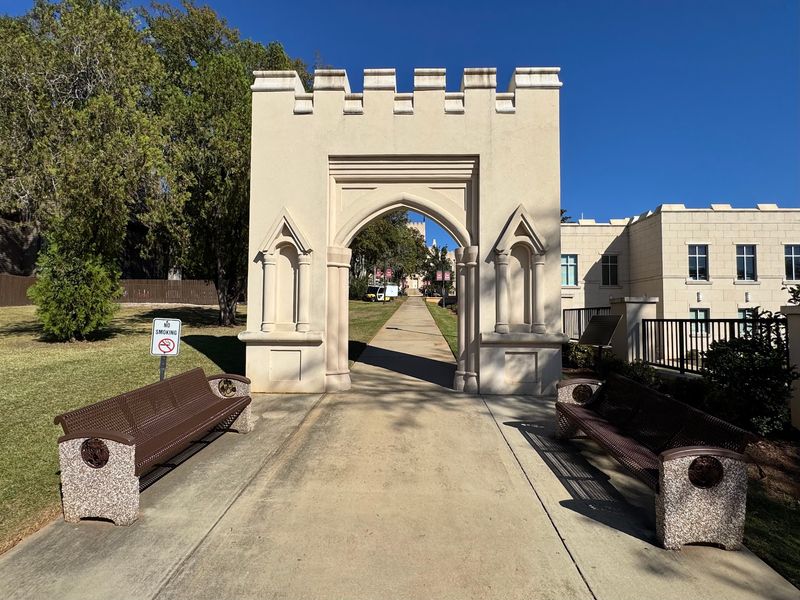
Pointed arches and a castlelike roofline are not what everyone expects from a former statehouse. The Old State Capitol brings that surprise to the day, with a Gothic Revival design that stands apart from nearby classical buildings. Its appearance makes even a brief exterior stop feel worthwhile.
State lawmakers worked here during the years when the city served as Georgia’s capital. The building also witnessed major decisions connected to the Civil War era. That history deserves thoughtful attention rather than treating the site only as a pretty background for pictures.
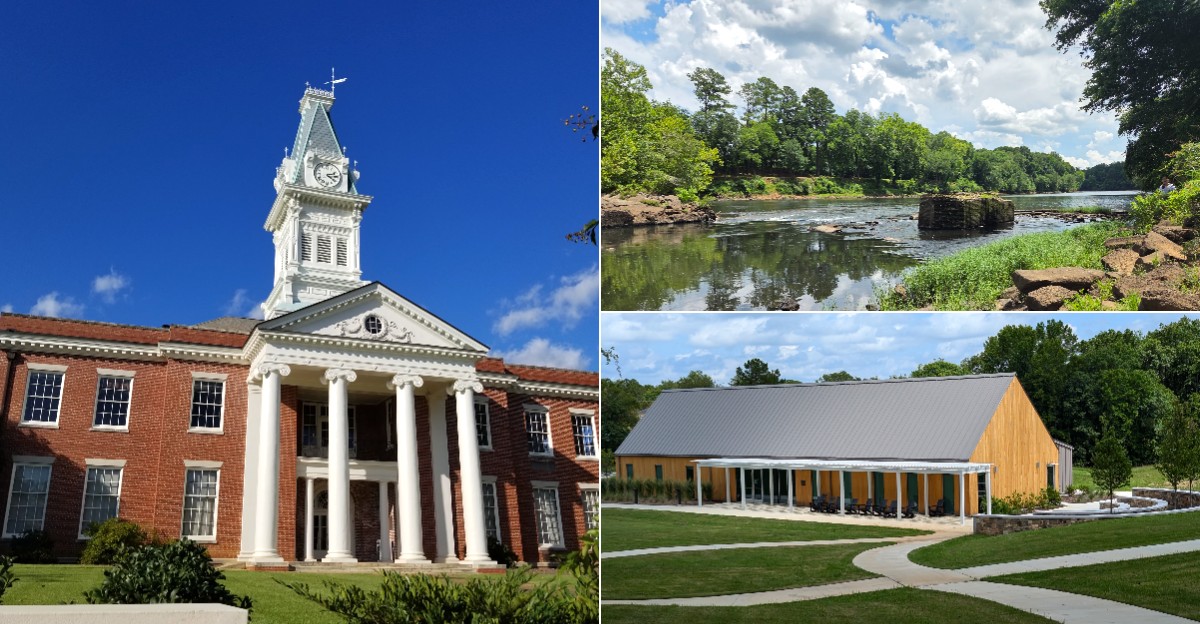
The capitol now stands on the Georgia Military College campus. Because it remains part of an active educational setting, visitors should respect posted rules and avoid entering spaces without permission. Confirm any museum access or tour opportunities directly before assuming indoor visits are available on Saturday.
For a simple stop, view the exterior from permitted areas and study the pointed details above the windows. Take a wide photograph that includes the lawn, then put your phone away for a moment. Comparing this building with the governor’s mansion reveals how different styles helped express public power, giving your relaxed walk a little extra depth without turning the entire afternoon into a formal history lesson or a long classroom assignment.
Find a Writer’s World at Andalusia
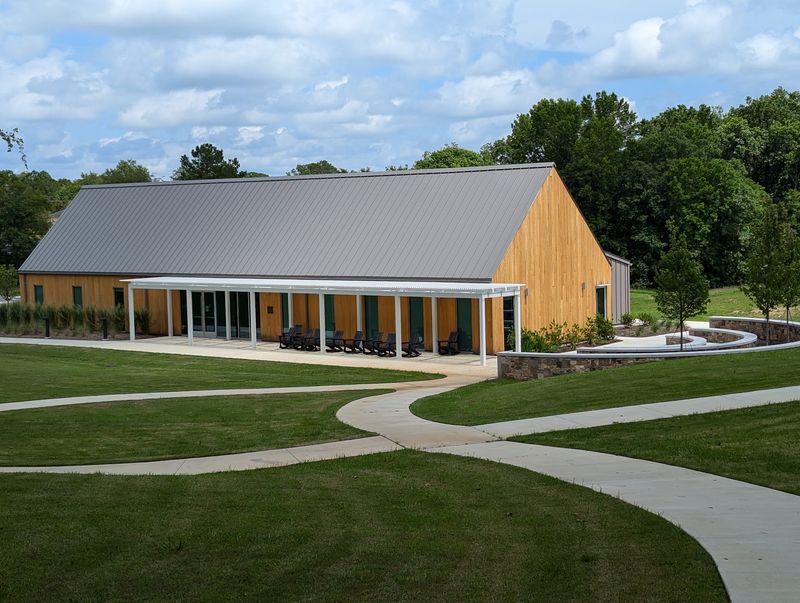
A farmhouse can hold more creative energy than its quiet porch first suggests. Andalusia was the home of writer Flannery O’Connor from 1951 until her death in 1964. She lived here with her mother while producing much of the fiction that made her famous.
You do not need to have read her books to appreciate the visit. The house and farm setting offer a close look at daily routines, family life, and the surroundings of a working writer. Her interest in peafowl adds an unusual detail to the story.
Check the official visitor information for current tour times, tickets, and access rules. Andalusia sits outside the downtown walking area, so allow time for the drive rather than squeezing it between nearby stops. Follow staff guidance about which buildings and outdoor areas are open.
Readers may enjoy bringing one question about a story or about O’Connor’s life. Everyone else can focus on the practical details of the home and the contrast between a peaceful farm and challenging fiction. Leave room afterward to discuss what surprised you, because this stop works best as an experience to absorb, not another landmark to rush through before lunch or a place to photograph without learning who once lived and worked inside its rooms.
Borrow the Calm of a College Campus
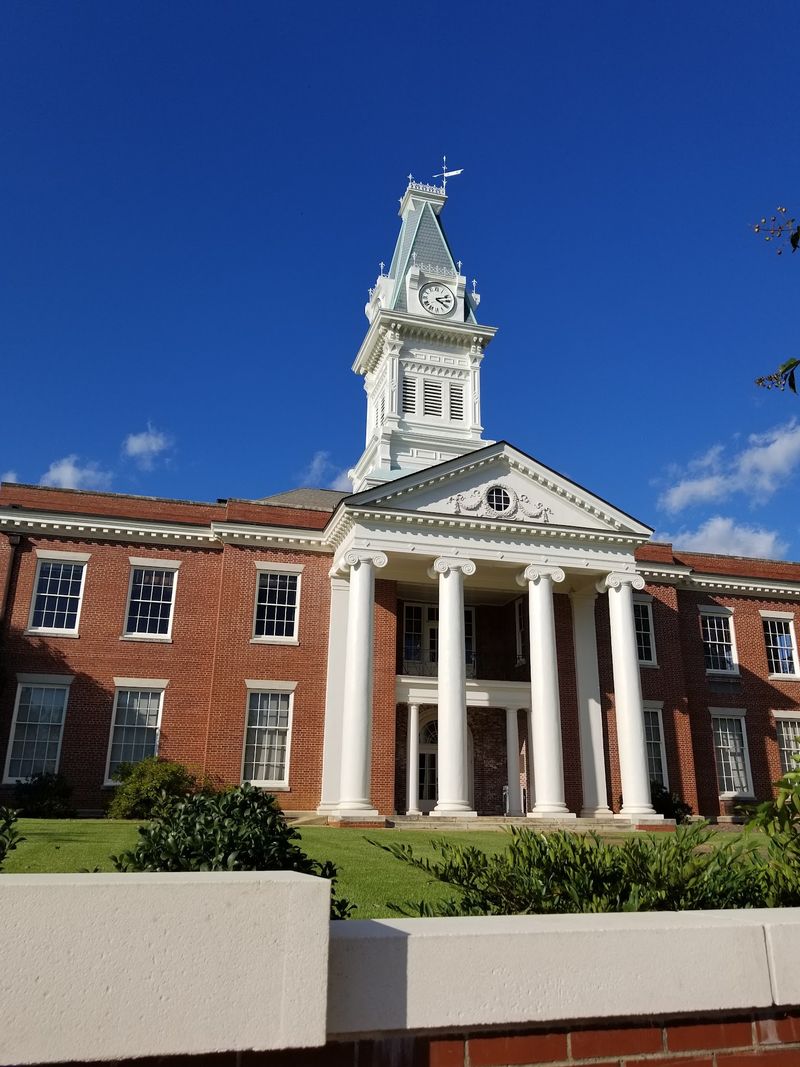
Between sightseeing stops, a patch of lawn and a shady bench can feel surprisingly luxurious. The historic campus of Georgia College and State University offers that change of pace near downtown. Its older buildings and green spaces fit naturally into a day spent exploring on foot.
A campus walk is not about seeing every building. Choose publicly accessible outdoor areas, admire the architecture, and enjoy a few minutes without buying anything. Remember that classrooms, residence halls, and other university spaces are not automatically open to casual visitors.
Saturday conditions depend on the academic calendar. A campus event may bring music, activity, or extra traffic, while a school break can make the surroundings much quieter. Check university notices if you want to avoid crowds or find a public event that interests you.
Families can use this pause to rest before another museum or a longer outdoor walk. Bring water, keep voices considerate near working spaces, and follow parking restrictions even when the streets seem empty. The real pleasure here is the change in tempo: after reading signs and listening to guides, you can simply sit beneath a tree and let the day unfold without feeling that every minute must produce another photograph, purchase, or impressive fact to remember later.
Trade Street Noise for the Riverwalk
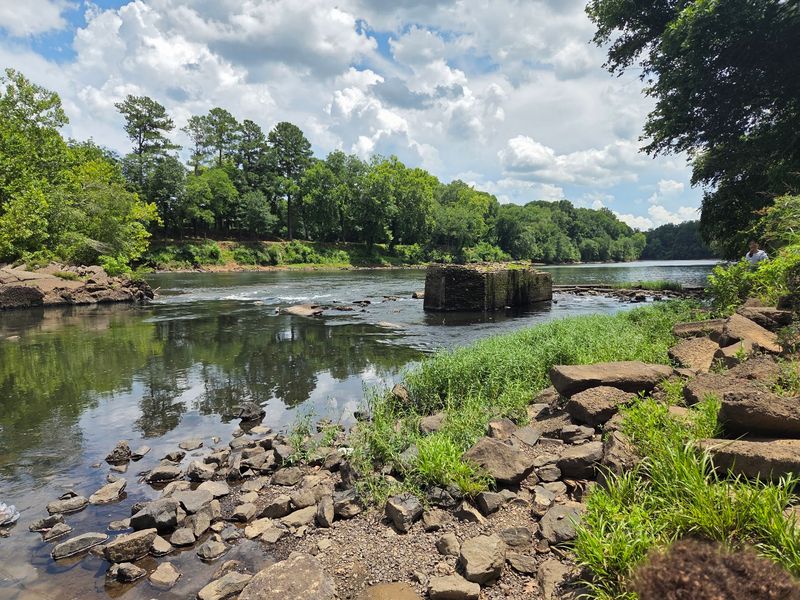
After a morning of buildings and stories, moving water offers a welcome change of subject. The Oconee River Greenway provides walking paths and river views without requiring a full wilderness adventure. It is a good choice when you want fresh air more than another indoor stop.
Start with a distance that matches your energy and the weather. There is no need to cover every path to enjoy the trees, flowing water, and sounds around you. Check posted information and current local updates for closures, flooding, or maintenance before setting out.
Bring drinking water, sunscreen, and insect repellent, especially during warmer months. Comfortable walking shoes help on outdoor surfaces, and a hat can make sunny stretches easier. Keep children close near the river and do not assume that an inviting bank is a safe swimming spot.
A short walk can become the most memorable part of the afternoon if you stop treating it as exercise to finish. Pause where access is permitted, watch the light on the water, and listen before reaching for your phone. For a slow Saturday, that small shift matters: the greenway gives you room to breathe while keeping the day connected to the river that helped shape the city’s beginnings more than two centuries ago.
Leave Space for Lockerly’s Trees
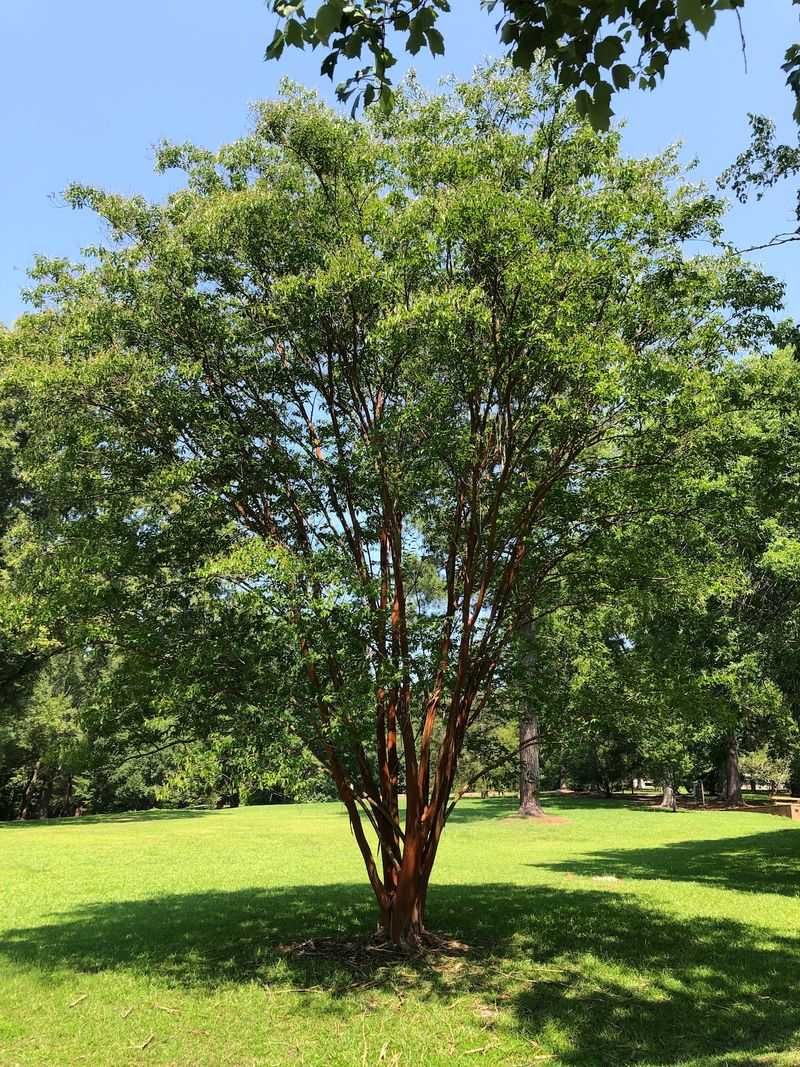
Not every worthwhile stop needs a busy schedule or a dramatic entrance. Lockerly Arboretum invites attention to smaller things, including leaf shapes, changing colors, and the shade beneath mature trees. Its grounds offer another outdoor option for travelers who prefer gardens to crowded attractions.
The historic Rose Hill house is part of the property, adding an architectural point of interest to the landscape. However, access to the house and access to the grounds may follow different schedules. Check current Saturday hours, admission details, and tour arrangements before making the trip.
Once there, follow designated routes and respect any closed areas. An arboretum is a place for learning about plants as well as enjoying them, so pause at labels when available. Children can look for different bark textures or compare leaves without picking anything.
Choose this stop instead of trying to fit every outdoor attraction into one afternoon. A comfortable pace leaves time to notice seasonal changes, whether that means fresh spring growth or leaves gathering along a path. Bring water and suitable shoes, then let curiosity guide the walk, because a garden visit becomes more rewarding when you stop searching for one perfect photo and start noticing the many small details growing quietly around you with each passing step.
Make Lunch the Plan, Not the Pit Stop

Lunch tastes better when nobody is watching the clock between bites. After a walk or tour, return to the downtown dining area and choose a locally owned place that fits your appetite. A casual meal can anchor the day without becoming an expensive occasion.
Look at current menus rather than relying on old recommendations. Restaurants change hours, dishes, and ownership, and some kitchens pause service between lunch and dinner. If you have food allergies or dietary needs, ask directly before ordering.
Give yourself permission to choose something familiar. A sandwich, salad, pizza, or warm comfort meal can be exactly right after several hours on your feet. The value is not in finding the most unusual dish, but in enjoying a friendly setting without hurrying back outside.
Before leaving, decide whether you want one more outing or simply a coffee and a final stroll. You do not owe the day a packed ending, especially if the best moment was already a shaded bench or a conversation over lunch. Build your Saturday around two or three priorities, leave the rest optional, and head home with enough energy to feel refreshed rather than needing another day off to recover from the getaway you planned as a break from your usual routine.