Hidden in the heart of Pittsburgh sits an extraordinary place that transports visitors back thousands of years to the ancient landscapes of the Holy Land.
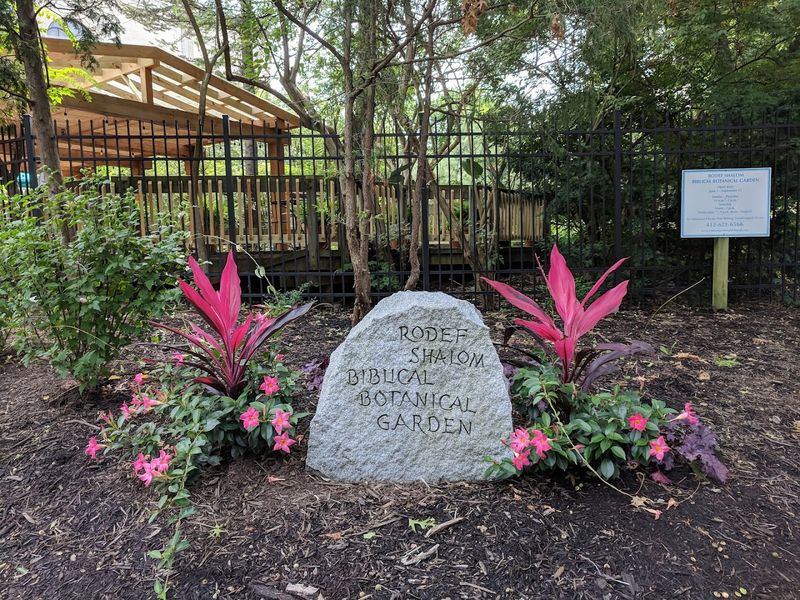
The Rodef Shalom Biblical Botanical Garden recreates the natural environments described in biblical texts, featuring plants, terrain, and water features that mirror those found in ancient Israel.
This living museum offers a peaceful journey through history where faith, nature, and education blend seamlessly.
Whether you’re interested in botany, history, or simply seeking a unique cultural experience, this garden provides something truly special.
A Biblical Garden Unlike Any Other in America
Spreading across a hillside in Pittsburgh, this remarkable garden holds the distinction of being the largest biblical botanical garden in North America. Not many people realize such a place exists in western Pennsylvania, making it an unexpected treasure.
The garden spans multiple environments that recreate the diverse landscapes mentioned throughout scripture. From arid desert sections to verdant growing areas, every corner tells part of the biblical story through living plants and carefully designed terrain.
What makes this destination stand out is its commitment to authenticity and education. Visitors don’t just see pretty plants; they experience the agricultural world that shaped ancient civilizations and influenced countless religious texts.
Founded over four decades ago, the garden has grown into an important cultural and educational resource. It serves schools, religious groups, tourists, and curious locals who want to understand how geography and botany intertwined with biblical history.
The scale and attention to detail set this garden apart from smaller exhibits found elsewhere.
The Vision Behind the Garden
Back in the 1980s, Rabbi Walter Jacob and his wife Irene Jacob shared a dream that seemed ambitious for its time. Rabbi Jacob, a respected religious leader and scholar, wanted to create something that would make biblical texts come alive for modern audiences.
Irene brought her expertise in horticulture and landscape design to the project. Together, they envisioned a space where visitors could touch, smell, and see the actual plants mentioned in scripture rather than just reading about them in books.
Their passion stemmed from years of studying biblical history and traveling to Israel. They understood that many people struggled to connect with ancient texts because they couldn’t visualize the settings where these stories unfolded.
The couple faced numerous challenges, from acquiring appropriate plants to designing terrain that accurately reflected Middle Eastern geography. Their determination and combined expertise eventually transformed their vision into reality.
Today, their legacy continues to educate and inspire thousands of visitors annually.
Walking Through a Living Interpretation of Ancient Israel
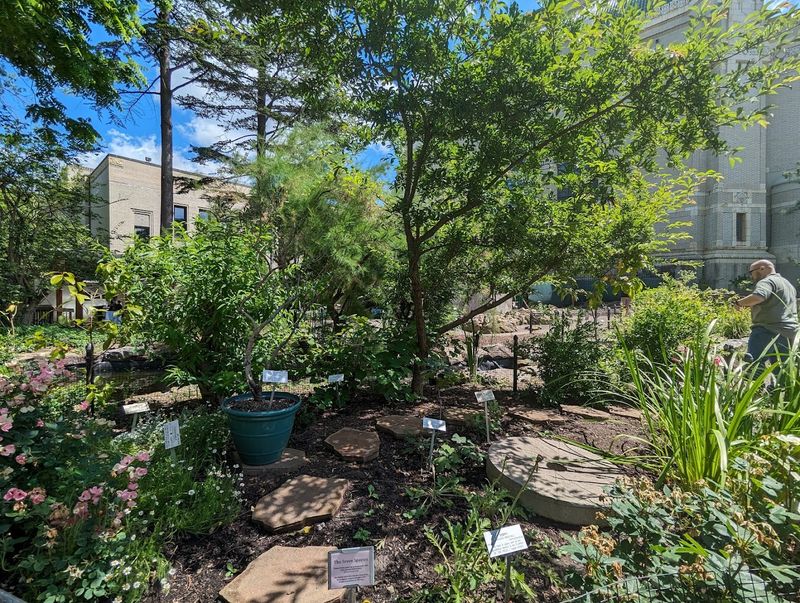
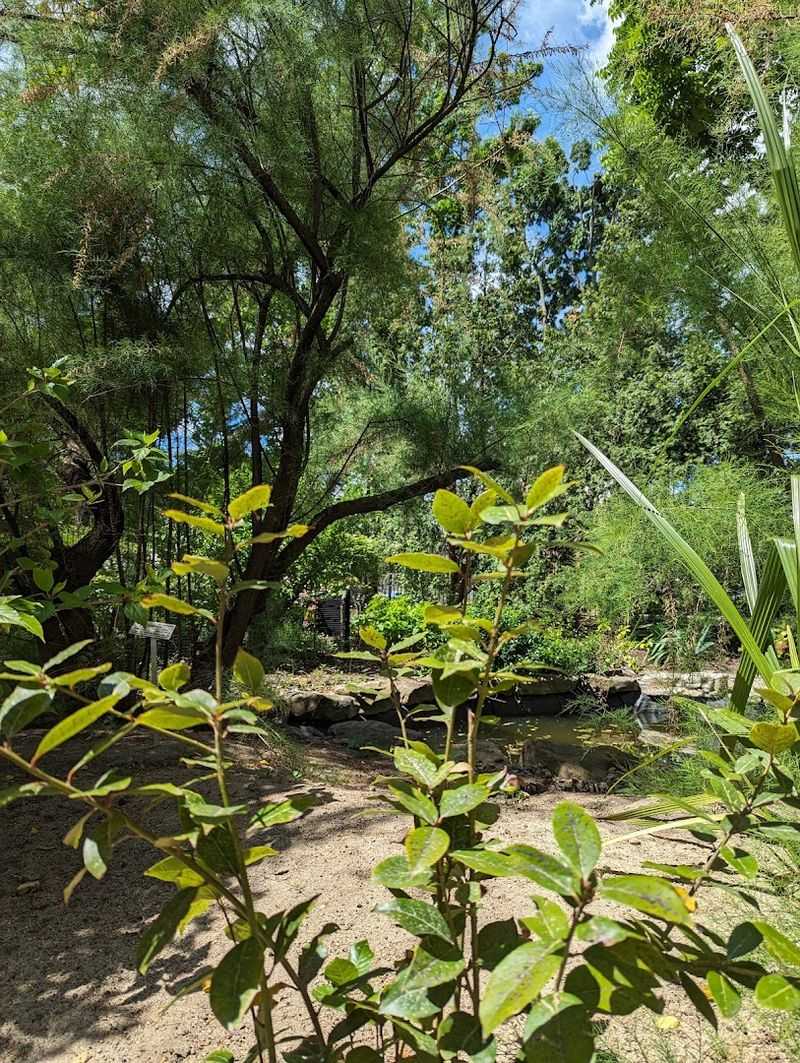
The garden’s landscape design is nothing short of spectacular. Visitors follow a winding path that takes them on a journey from mountain springs down to desert lowlands, mimicking the actual geography of ancient Israel.
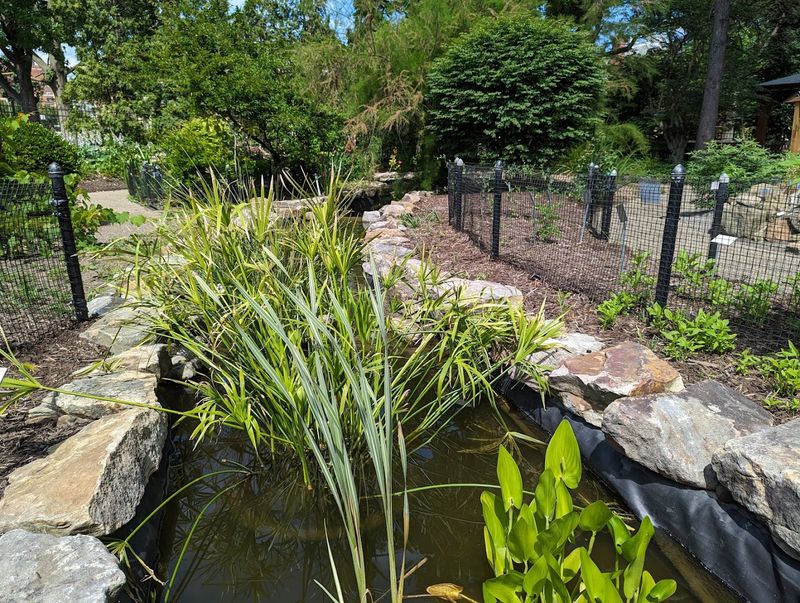
A beautiful waterfall marks the symbolic source of the Jordan River, which flows through the garden just as the real river flows through the Holy Land. The water cascades over rocks and travels downstream, passing through different planted zones that represent various biblical regions.
One section recreates the fertile areas near the Sea of Galilee, where fishing villages once thrived. Further along, the stream eventually reaches a pool representing the Dead Sea, completing the geographical journey that has shaped Middle Eastern history for millennia.
Desert terrain with appropriate plants and rock formations contrasts sharply with lusher areas, helping visitors understand why certain regions became agricultural centers while others remained pastoral.
This thoughtful design transforms a simple garden visit into an immersive educational experience. You’re not just looking at plants; you’re walking through biblical geography.
More Than 100 Plants Mentioned in the Bible
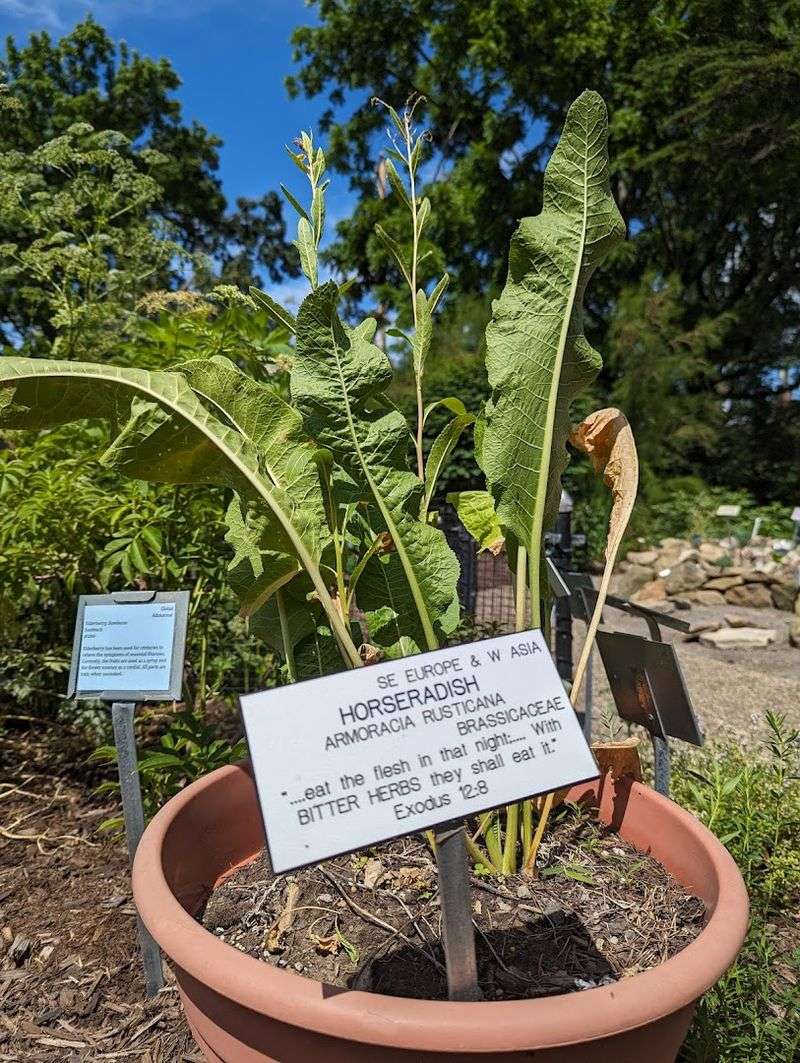
Ancient texts mention specific plants repeatedly, and this garden brings them together in one remarkable collection. Olive trees, perhaps the most iconic biblical plant, grow alongside fig trees that have provided food and shade for thousands of years.
Date palms stretch toward the sky, their fruit historically serving as a vital food source in desert regions. Pomegranate bushes display their distinctive flowers and fruit, symbolizing abundance in numerous biblical passages.
Grains like wheat and barley, which formed the foundation of ancient diets, grow in designated areas. Herbs such as hyssop, mentioned in religious ceremonies, thrive in their appropriate sections.
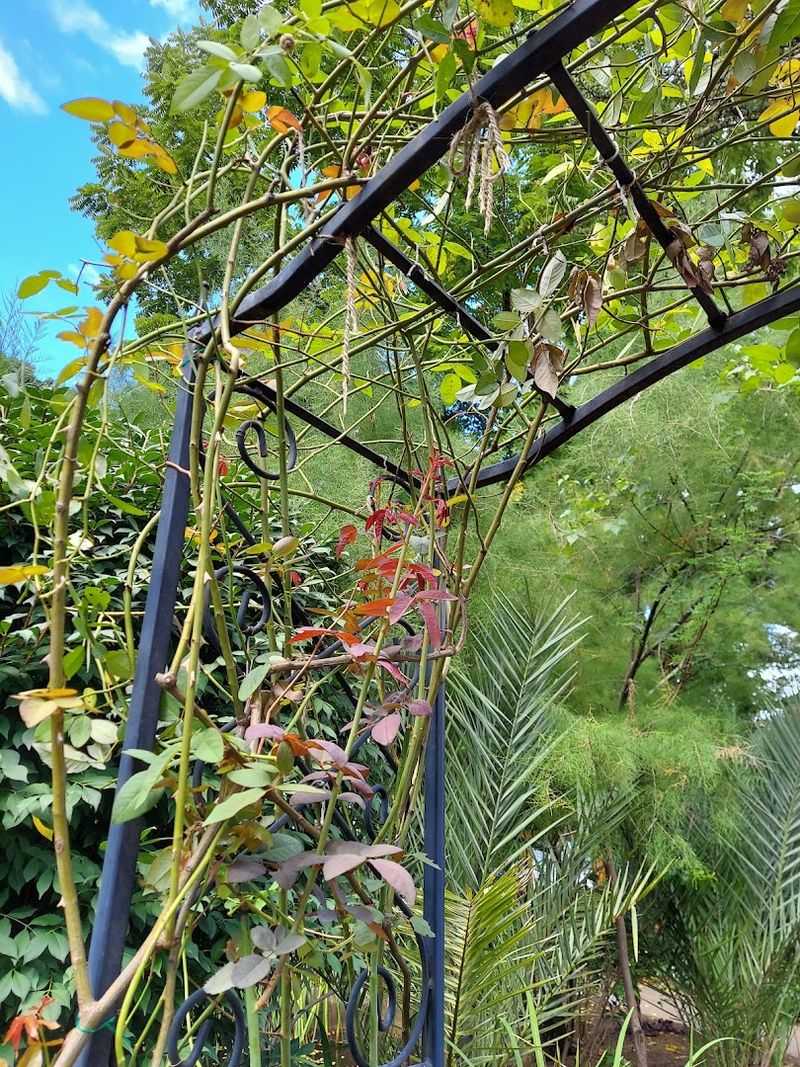
Grapevines wind through supports, reminding visitors of the countless vineyard references found in scripture. Acacia trees, cedar representations, and even plants used for dyeing fabric help complete the picture of daily life in biblical times.
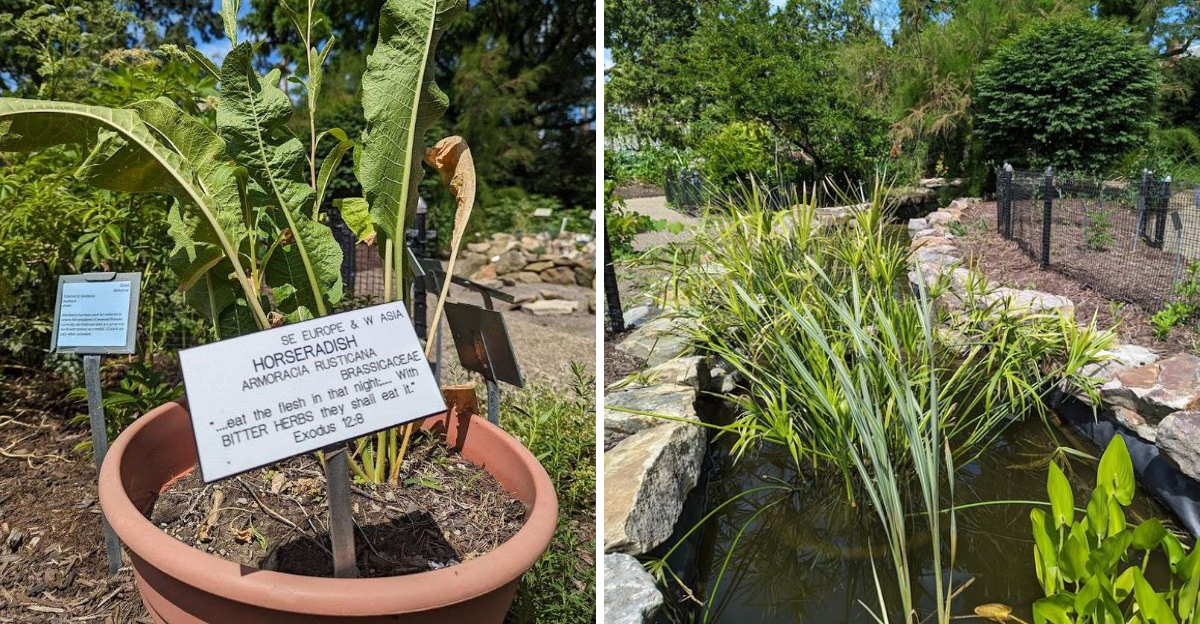
Each plant features informative signs explaining its biblical significance and historical uses. The collection serves both as a botanical reference and a tangible connection to ancient agriculture that sustained entire civilizations across generations.
Ancient Farming Tools and Everyday Life Displays
Scattered throughout the garden, you’ll discover fascinating replicas of tools that farmers and families used thousands of years ago. These aren’t behind glass in a stuffy museum; they’re positioned right where similar tools would have been used in biblical times.
Wooden plows, grinding stones for processing grain, and vessels for carrying water help visitors imagine the physical labor that sustained ancient communities. Seeing these implements near the actual plants they were used to cultivate creates powerful connections.
The displays include information about ancient agricultural techniques and seasonal farming cycles. Visitors learn how people planted, irrigated, harvested, and stored crops without modern machinery or technology.
Educational panels explain how families lived, what they ate, and how they prepared food using available resources. The exhibit extends beyond just farming to include aspects of daily domestic life, trade, and food preservation.
Children particularly enjoy these displays because they make history tangible and relatable. Rather than abstract concepts, they see real objects that tell stories about how people solved practical problems in earlier times.
A Quiet and Reflective Escape in the City
Step through the garden entrance, and the noise of Pittsburgh’s busy streets seems to fade away almost magically. The combination of flowing water, rustling leaves, and birdsong creates a natural sound barrier that promotes calm and reflection.
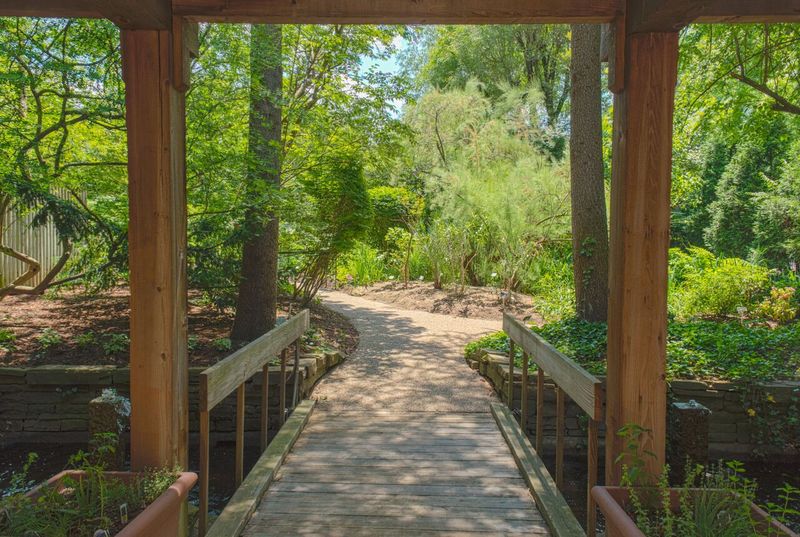
Shaded pathways wind through different sections, offering cool respite on warm days. Benches positioned at scenic spots invite visitors to sit, rest, and simply absorb the peaceful atmosphere without rushing.
The sound of the waterfall and stream provides constant, soothing background music throughout your visit. Many people find this garden serves as an unexpected meditation space or place for quiet contemplation in the middle of urban life.
Unlike many tourist attractions that feel crowded and hectic, this garden maintains a tranquil environment even when other visitors are present. The layout allows people to spread out and find their own spaces.
For city residents seeking nature without leaving Pittsburgh, the garden offers an accessible sanctuary. The deliberately designed landscape creates separation from modern life, providing mental and emotional refreshment that busy schedules often deny us.
Educational Programs and Guided Tours
Knowledgeable docents lead tours that transform a simple garden walk into an enriching educational experience. These trained guides share fascinating connections between plants, biblical passages, and ancient cultural practices that most visitors would miss on their own.
Seasonal programs explore different themes throughout the year, from spring planting traditions to fall harvest celebrations. Special workshops sometimes focus on specific topics like ancient dyes, biblical cooking herbs, or the symbolic meanings of particular plants.
School groups frequently visit for programs aligned with history and religious studies curricula. The hands-on, outdoor learning environment helps students engage with material in ways that textbooks alone cannot achieve.
Tours typically last about an hour but can be customized for different interests and age groups. Whether you’re interested in botany, archaeology, theology, or general history, guides adapt their presentations accordingly.
The educational exhibits scattered throughout complement the guided tours for independent visitors. These informative displays provide context, biblical references, and historical background that deepen understanding and appreciation of what you’re seeing.
The Historic Connection to Rodef Shalom Congregation
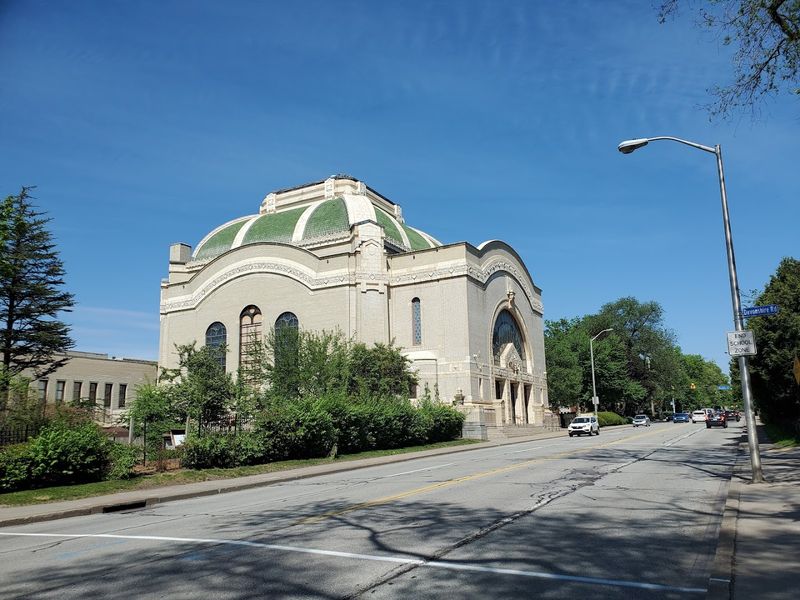
Rodef Shalom Congregation, established in 1856, ranks among the oldest Jewish congregations in western Pennsylvania. The congregation’s rich history and commitment to education naturally led to the creation of this unique garden on their property.
The synagogue itself, built in 1907, stands as an architectural landmark in Pittsburgh. Its Byzantine and Moorish-inspired design reflects the congregation’s connection to Middle Eastern heritage, making the biblical garden a fitting extension of the site’s cultural mission.
For over 165 years, Rodef Shalom has served as a center for Jewish life, learning, and community service in Pittsburgh. The garden represents the congregation’s ongoing commitment to education and interfaith understanding through tangible, accessible experiences.
Visitors of all backgrounds are welcome to explore the garden, reflecting the congregation’s inclusive approach to sharing biblical history and botanical knowledge. The space serves religious, educational, and cultural purposes simultaneously.
This connection adds depth to the garden experience, linking it to generations of religious tradition, scholarship, and community engagement that continue shaping Pittsburgh’s cultural landscape today.
Planning Your Visit to This Hidden Cultural Treasure
Many Pittsburgh residents don’t know this remarkable destination exists right in their city. Located at 4905 Fifth Avenue in Oakland, the garden occupies a surprisingly accessible location near other cultural attractions.
The garden operates seasonally from late May through mid-September, when plants are in active growth and the landscape looks its best. Visiting hours typically run from 10 AM to 2 PM on Sundays and select weekdays, though schedules can vary.
Admission is completely free, making this an exceptional value for families and budget-conscious visitors. Donations are gratefully accepted to support ongoing maintenance and educational programming.
Parking is available on-site, and the garden features wheelchair-accessible pathways throughout most areas. The terrain includes some slopes and steps, but alternative routes accommodate mobility challenges.
Guided tours can be arranged in advance by contacting the congregation office. Even without a tour, the self-guided experience offers plenty of educational value through interpretive signs.
Plan to spend at least an hour exploring this surprising combination of spirituality, history, nature, and education.