Nestled high in the mountains of Burnsville, North Carolina, the Bare Dark Sky Observatory at Mayland Earth to Sky Park offers something truly special for anyone who loves looking up at the night sky. Far from city lights and surrounded by breathtaking mountain views, this public observatory gives visitors a chance to see stars, planets, and galaxies through powerful telescopes while learning from friendly experts who make astronomy exciting and easy to understand.
Whether you’re celebrating a special occasion, bringing your own telescope, or just curious about what’s floating around in space, this unique destination combines education, natural beauty, and unforgettable cosmic experiences that will change the way you see the universe forever.
Professional-Grade Telescopes That Reveal the Universe
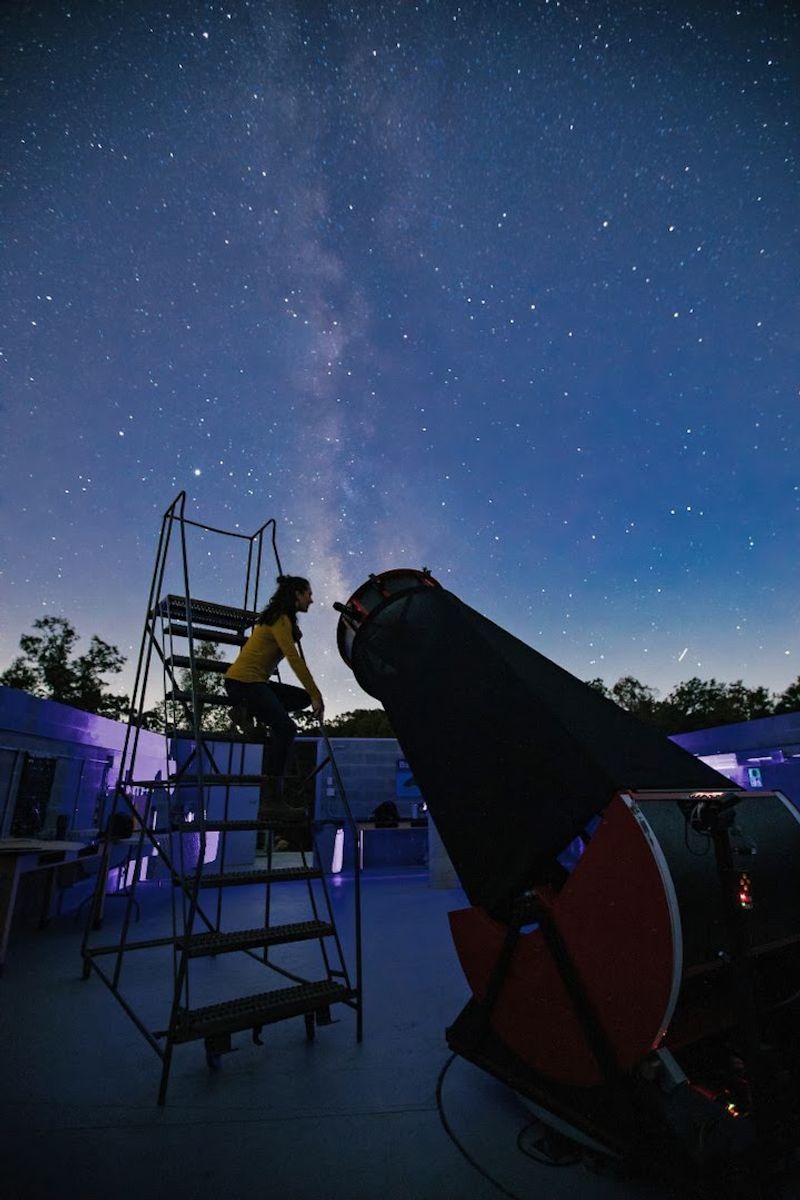
Two massive telescopes await visitors at this mountaintop observatory, ready to show you views of space that most people only see in textbooks. The Sam telescope and Meade telescope are serious pieces of equipment, not the kind you’d find in someone’s backyard.
When staff members align these powerful instruments with distant planets, star clusters, and nebulas, the results can take your breath away.
Reviews consistently mention jaw-dropping views of Saturn’s rings, Jupiter’s swirling storms, and colorful nebulas millions of light-years away. The entire observatory roof rolls back dramatically to expose the full panorama of stars overhead.
It feels like the building itself is opening up to let the universe pour in.
Unlike smaller telescopes that show fuzzy blobs, these instruments reveal incredible details that bring astronomy textbooks to life. You might spot the bands across Jupiter or count the moons orbiting Saturn.
One visitor described seeing Mars, Jupiter, the Orion Nebula, and several star clusters all in one evening.
The experience proves that having the right equipment makes all the difference when exploring space, turning casual curiosity into genuine wonder and excitement.
Exceptional Dark Sky Conditions Above the Light Pollution
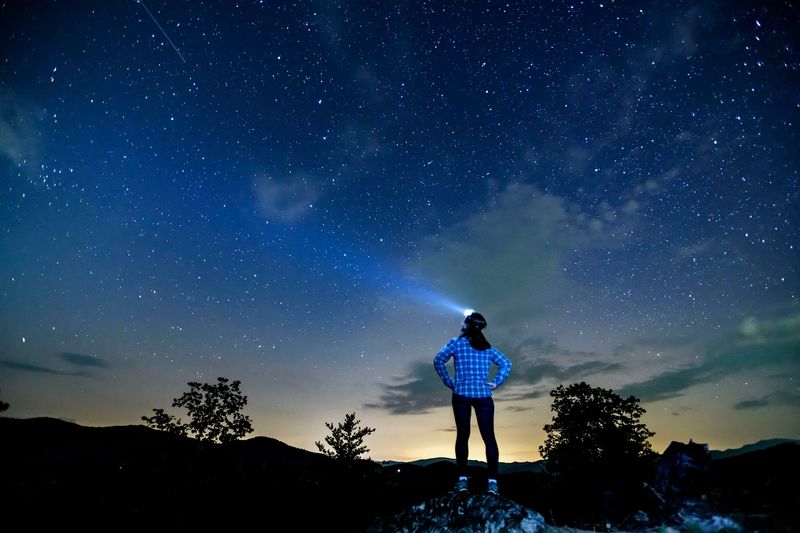
Perched at 3,000 feet elevation on a mountain ridge, this location offers some of the darkest skies in the eastern United States. Light pollution from distant cities barely reaches this remote spot, allowing the Milky Way to appear as a brilliant river of stars stretching across the heavens.
Visitors frequently describe lying on their backs for hours, completely mesmerized by the sheer number of stars visible to the naked eye alone.
One photographer stumbled upon this place accidentally while chasing a meteor shower and called it absolutely beautiful. Another visitor captured stunning 10-minute exposure photos using just a smartphone camera.
The darkness here is so complete that staff recommend letting your eyes adjust for 5-10 minutes after arriving and keeping flashlights as dim as possible.
During peak Milky Way season, the galaxy’s spiral arm becomes clearly visible without any equipment at all. The International Space Station often makes appearances, zipping across the sky like a fast-moving star.
Even on nights when clouds interfere with telescope viewing, simply standing under these pristine skies feels magical.
This natural darkness represents something increasingly rare in our modern world, making the experience feel like stepping back in time.
Passionate Staff Who Make Astronomy Accessible and Fun
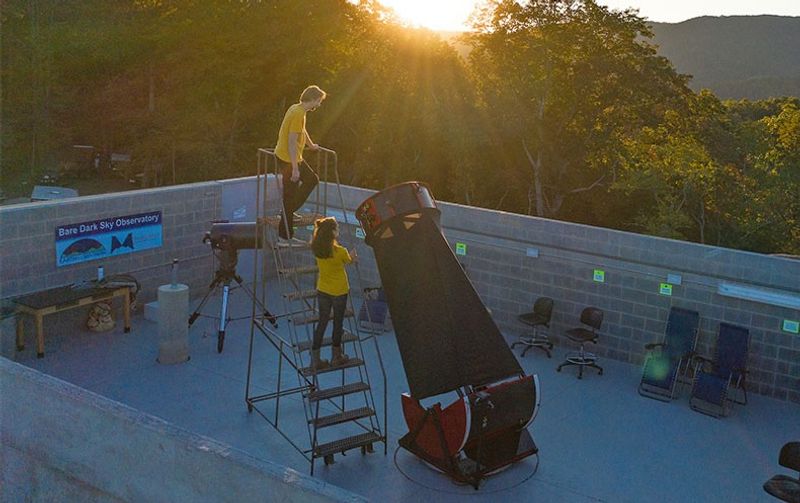
Sean and Amanda are the names that appear repeatedly in glowing reviews, but they represent something bigger: a team of educators who genuinely love sharing their passion for the cosmos. Multiple visitors mention that the presenters are simultaneously funny and intellectual, explaining complex astronomy concepts in digestible terms that anyone can understand.
One guest said they’d pay the admission price just to hang out with these folks, with the space knowledge being a bonus.
The staff’s enthusiasm proves infectious, according to reviewers. They engage entire groups from start to finish, keeping both adults and children captivated throughout the evening.
They answer questions patiently, tell stories about astronomical discoveries, and make everyone feel welcome regardless of their science background.
What sets these educators apart is their ability to connect astronomy to everyday life while maintaining scientific accuracy. They don’t talk down to visitors or use overwhelming jargon.
Instead, they create an atmosphere of shared wonder and curiosity.
Several reviewers specifically mention hoping that some of the staff’s passion for astronomy and life in general might rub off on them, which speaks volumes about the human connection these educators create alongside the cosmic one.
Special Events That Transform Ordinary Nights Into Cosmic Celebrations
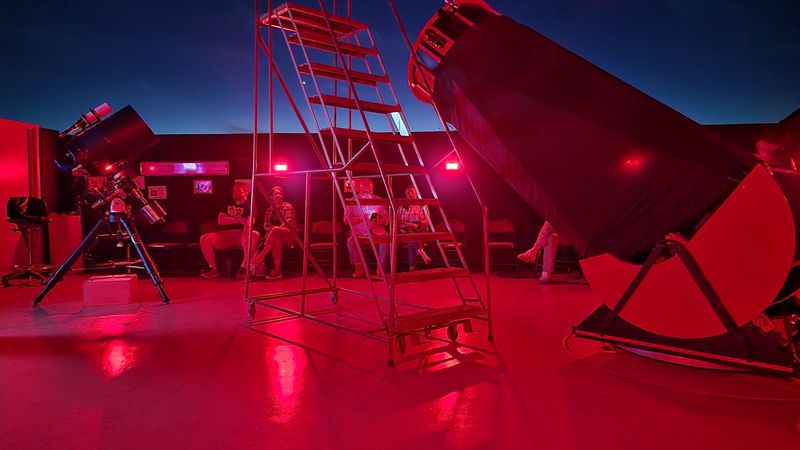
The observatory doesn’t just open its doors randomly. They organize specific viewing events throughout the year that coincide with astronomical highlights and optimal viewing conditions.
Star parties, moon madness nights, meteor shower viewings, and dark sky observation sessions fill the calendar, each designed to showcase different aspects of the night sky.
One family attended the annual star party and loved learning about astronomy history while viewing Jupiter, Mars, the Orion Nebula, and various star clusters through the large telescopes. Another visitor caught a James Webb telescope exhibit during a Sunday visit after attending moon madness on Friday.
The variety keeps people coming back for new experiences.
These structured events include presentations that explain what’s happening in the sky that particular night and why it matters. Staff members point out constellations, discuss planetary positions, and share stories about the objects you’re about to view.
The educational component adds depth to the visual experience.
Checking the website for upcoming events becomes essential for planning visits, as each event offers something unique. Weather can affect what you see, but the staff always has backup plans to ensure visitors leave with a memorable experience regardless of cloud cover.
Breathtaking Mountain Location With Stunning Daytime Views
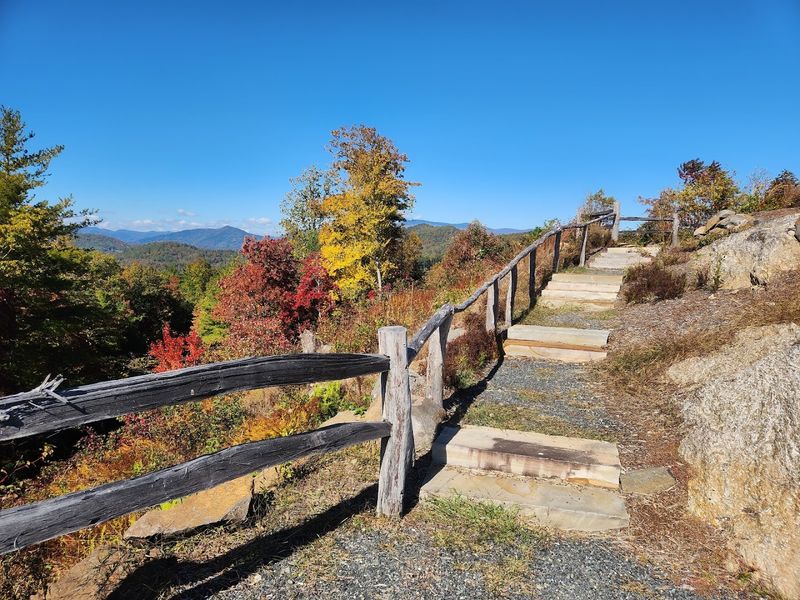
Even when the observatory building is closed and the telescopes are covered, the location itself deserves the trip up the mountain. The views from the top are described as stunning and gorgeous, with the Blue Ridge Mountains spreading out in every direction.
One visitor discovered this spot during the daytime and still found the experience worthwhile just for the scenery.
The drive up Energy Exchange Drive can be narrow and winding, making some out-of-town guests nervous, but the payoff at the summit makes the journey memorable. Mountain ridges roll away into the distance, and the elevation gives you a sense of being on top of the world.
Fresh mountain air and natural beauty surround the facility.
This setting adds something special to the nighttime astronomy experience too. You’re not just looking at stars from some random parking lot or field.
You’re standing on a mountain, already closer to the sky than most people in the region, with the landscape adding drama and context to the cosmic views above.
The combination of terrestrial and celestial beauty makes this location uniquely appealing, offering two completely different but equally impressive perspectives depending on whether you visit during daylight or darkness.
Indoor Planetarium Shows for Weather Backup Plans
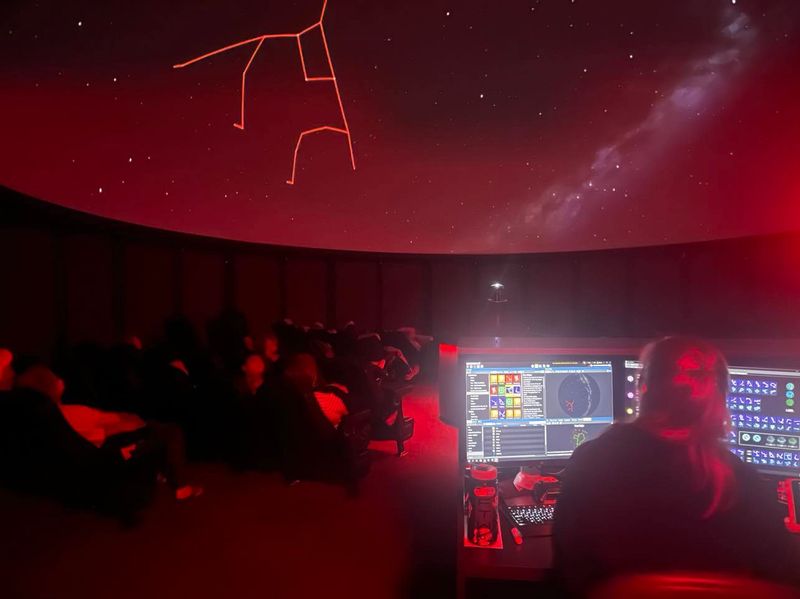
Weather in the mountains can be unpredictable, and clouds sometimes interfere with telescope viewing plans. Rather than sending disappointed visitors home with just refunds, the observatory offers planetarium shows inside as an alternative experience.
The indoor program keeps the educational and entertainment value intact even when Mother Nature doesn’t cooperate.
One family attended during a rainy July new moon and received a planetarium show instead of telescope time. They found it informative and interesting, pleased with this option rather than simply getting their money back.
Their seven-year-old especially loved the laser show add-on at the end of the program, which combines education with visual entertainment.
The planetarium presentations cover similar topics to outdoor sessions, teaching about constellations, planets, and astronomical phenomena through projected visuals. Staff members maintain their engaging presentation style indoors, ensuring the experience still feels special and worthwhile.
The laser shows add an extra entertainment element that appeals particularly to younger visitors.
Having this backup option demonstrates thoughtful planning by the observatory management, recognizing that mountain weather can change quickly and that visitors often travel significant distances hoping for clear skies, making contingency plans essential for customer satisfaction.
Amateur Telescope Pads for Bringing Your Own Equipment
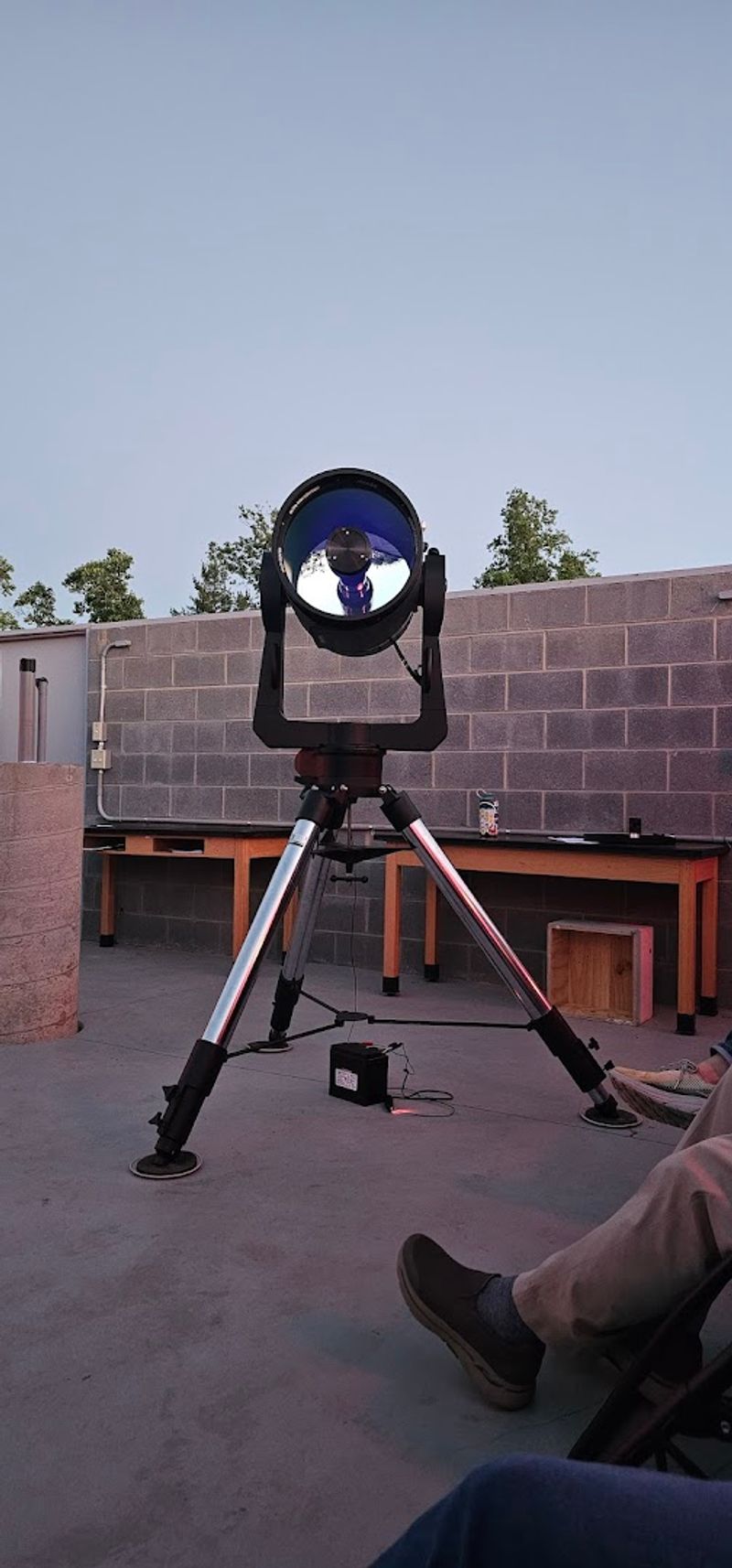
Serious amateur astronomers don’t have to rely solely on the observatory’s equipment. Several concrete pads are set up specifically for visitors who want to bring their own telescopes and take advantage of the exceptional dark sky conditions.
This open-door policy for amateur equipment creates a welcoming community atmosphere where hobbyists and professionals can share space and knowledge.
Multiple reviewers mention these telescope pads with appreciation, noting that they returned with their own equipment after experiencing the site’s incredible viewing conditions. One photographer specifically thanked staff for keeping laser pointer usage to a minimum during an event, showing respect for people doing long-exposure astrophotography.
This mutual consideration creates a friendly environment for all types of sky watchers.
Having your own telescope at this location combines the best of both worlds. You get to use familiar equipment that you know how to operate while benefiting from dark skies that might not exist anywhere near your home.
The elevated location and lack of light pollution make even modest amateur telescopes perform better than they would in urban areas.
This welcoming attitude toward amateur astronomers helps build a community of sky enthusiasts who return regularly, sharing tips and observations while enjoying pristine viewing conditions together.
Incredible Variety of Celestial Objects Visible Throughout the Year
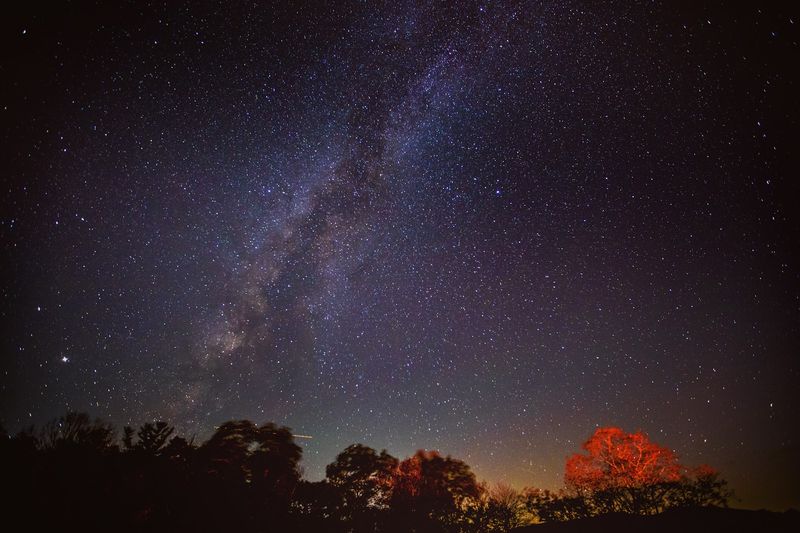
Walk up to the telescopes on any clear night, and you never know exactly what cosmic wonders await. Throughout the year, different planets, star clusters, nebulas, and galaxies come into optimal viewing position, giving returning visitors new experiences each time they ascend the mountain.
The variety keeps astronomy enthusiasts coming back season after season.
Saturn often steals the show with its distinctive rings clearly visible through the telescopes. Jupiter reveals its turbulent atmosphere and multiple moons.
Mars appears as a rusty red disk during favorable oppositions. Beyond planets, the M3 star cluster, Orion Nebula, and numerous other deep-sky objects make regular appearances in the viewing schedule.
The Milky Way itself becomes a major attraction during summer months when the galaxy’s center rises high in the southern sky. The International Space Station occasionally photobombs observing sessions, racing across the heavens as a brilliant moving point of light.
Meteor showers add excitement during peak dates, with dozens of shooting stars per hour during major events.
Staff members know what’s currently visible and position telescopes accordingly, ensuring visitors see the best objects available that particular night. This constantly changing celestial menu means no two visits are exactly alike.
Educational Presentations That Make Complex Concepts Understandable
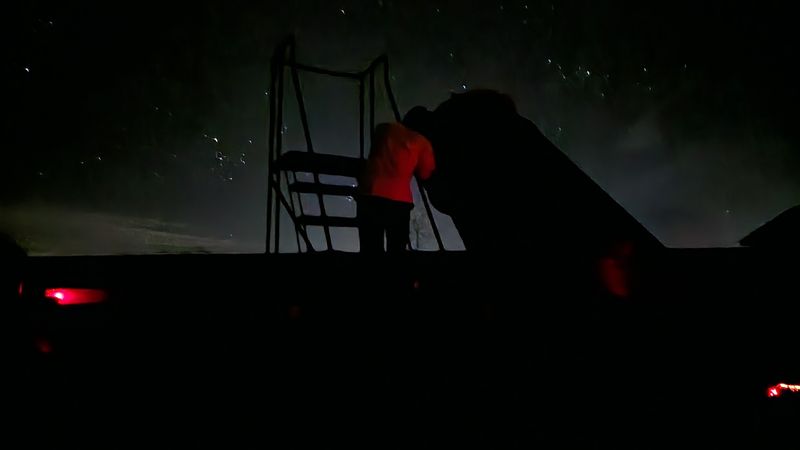
Before anyone looks through a telescope, staff members provide context that transforms random points of light into meaningful cosmic landmarks. These presentations cover astronomy basics, the history of space exploration, and detailed explanations of what objects will be visible that particular evening.
The educational component adds significant value beyond simply peering through glass lenses.
Presenters discuss the science behind what you’re about to see, explaining how light travels across vast distances and what telescope magnification actually means. They point out constellations and teach the ancient stories behind their names.
They explain planetary motion, stellar evolution, and the structure of galaxies in terms that sixth-graders and adults alike can grasp.
This knowledge changes how people view the night sky forever. Visitors report never looking at stars the same way again after understanding what they’re actually seeing.
The presentations connect individual observations to the broader universe, showing how everything fits together in the cosmic puzzle.
Open conversation and approachable explanations characterize these sessions rather than formal lectures. Questions are encouraged, and staff members adapt presentations based on audience interests and questions.
This interactive approach keeps everyone engaged while ensuring concepts stick in memory long after the evening ends.
Twenty-Four-Seven Park Access for Spontaneous Stargazing Adventures

Unlike many facilities that lock up tight after business hours, Mayland Earth to Sky Park remains open around the clock for pedestrians willing to walk in. While vehicle access follows scheduled hours and the building facilities have limited availability, the dark skies themselves are always overhead, and the park welcomes committed stargazers at any hour.
This unusual policy allows spontaneous visits during optimal astronomical events. If you hear about a surprise meteor shower or aurora forecast, you can head up the mountain even in the middle of the night.
While you won’t have access to parking, restrooms, or the big telescopes, you can still experience the incredible dark skies that make this location special.
One reviewer initially complained about locked gates at night, but the observatory’s response clarified that pedestrians can enter anytime at their own risk. This represents a compromise between security concerns and the reality that the best stargazing often happens during unconventional hours.
Serious amateur astronomers appreciate this flexibility.
The policy acknowledges that astronomy doesn’t follow a nine-to-five schedule. Celestial events happen when they happen, and having access to dark skies whenever weather permits makes this park valuable to dedicated sky watchers who plan their schedules around astronomical phenomena.