Somewhere in Boston, a knitter is holding a half-used skein of wool that once belonged to a stranger, and she is thrilled about it. Leftover yarn usually ends up forgotten in closets, tangled in tote bags, or stuffed under beds.
One small shop in the South End decided those orphaned balls deserved a second chance. Now bargain hunters treat its discount bins like a treasure hunt, and beginners find a cheap way to try a new craft.
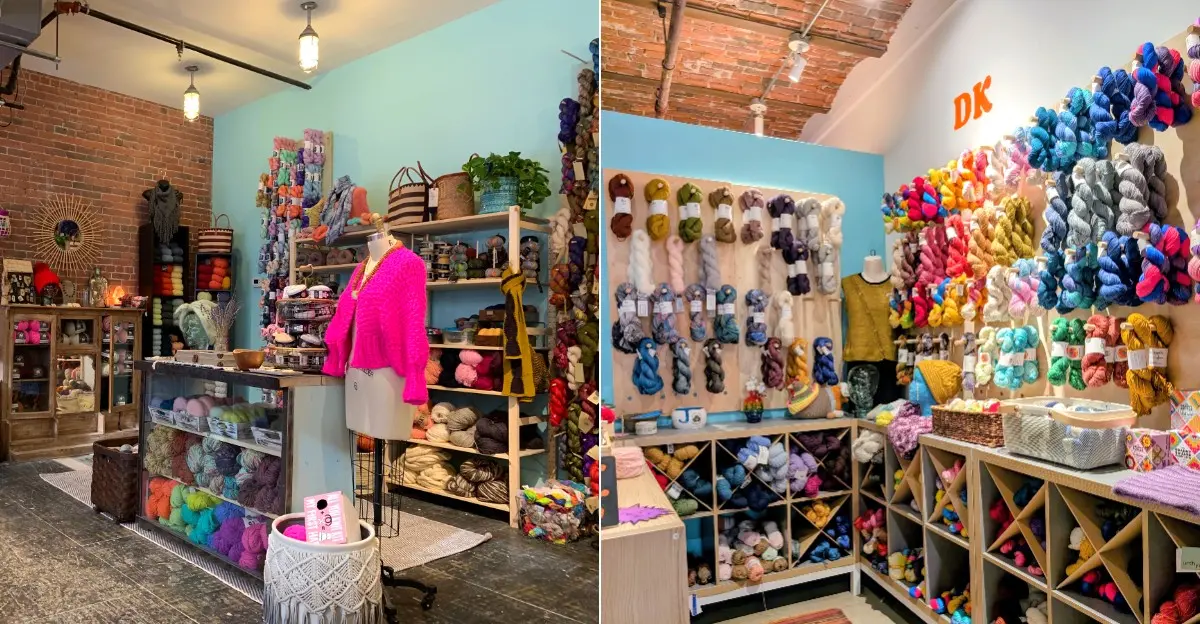
The shop also stocks yarn from local dyers, runs classes, hosts social knitting groups, and even keeps a comfy couch for working on projects.
This guide covers where to find it, what is in those famous bins, when to go, and a few tips that can save both money and frustration. Grab a tote bag, because this rabbit hole is made of wool.
A Basement Shop Worth the Hunt
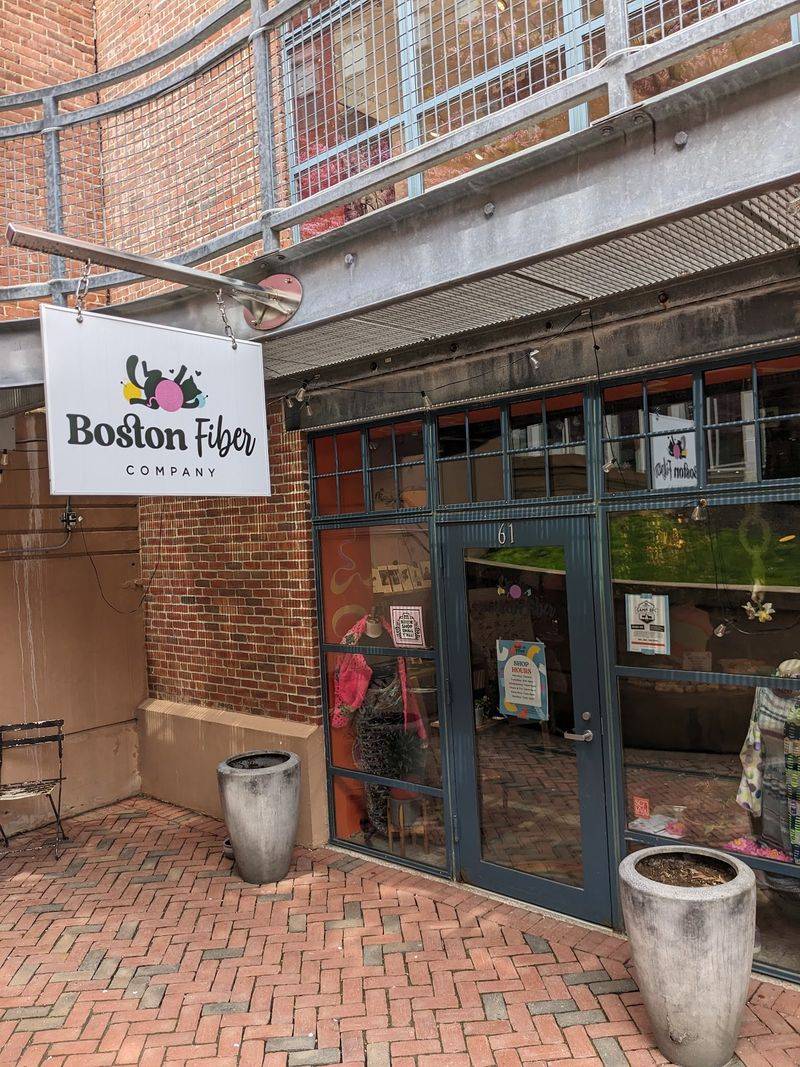
Some of the best finds in Boston sit just below street level. Boston Fiber Company is tucked into a lower-level storefront at 61 Thayer St, Boston, MA 02118, United States, in the South End of Massachusetts.
The shop sits along a pedestrian street lined with brick buildings and a shared courtyard full of small businesses. That setting gives the trip a relaxed, neighborhood feel, even in the middle of a busy city.
Finding the door can take a moment. Because the store front is on the lower level, first-timers sometimes walk right past it.
Slow down, look for the steps, and trust that the yarn is down there waiting.
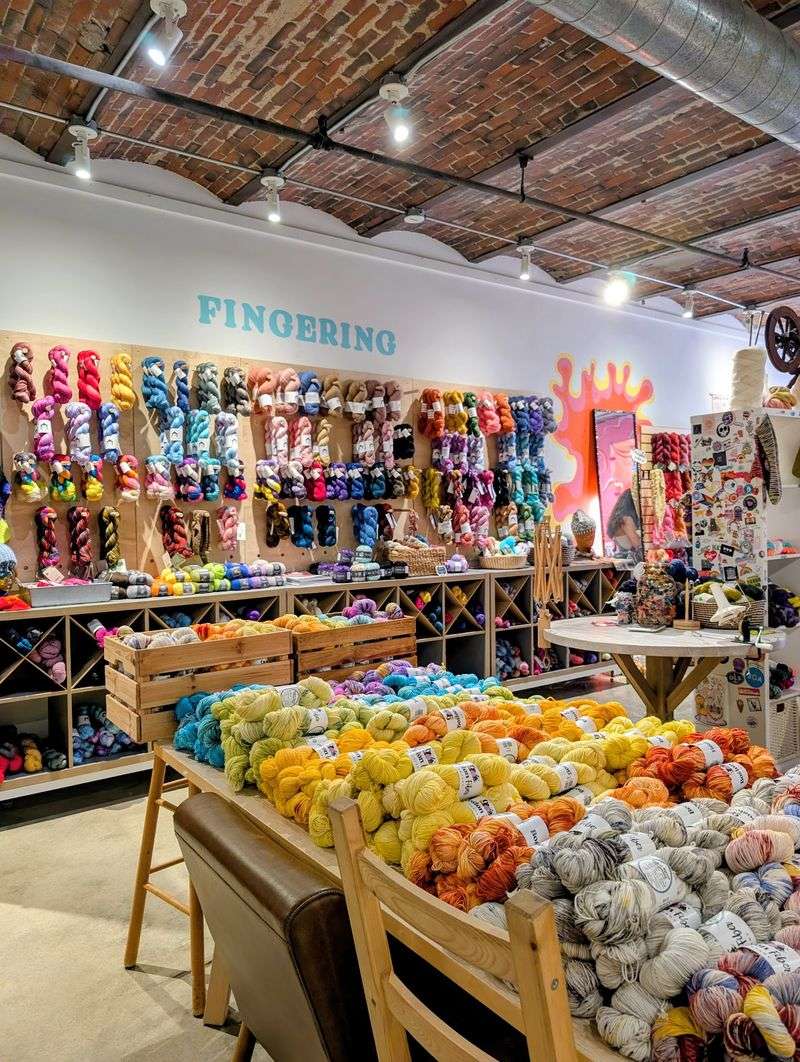
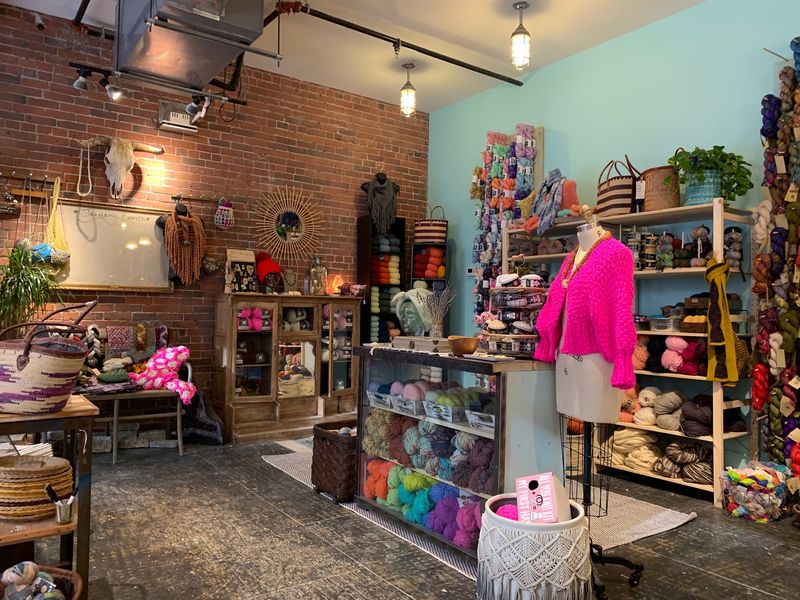
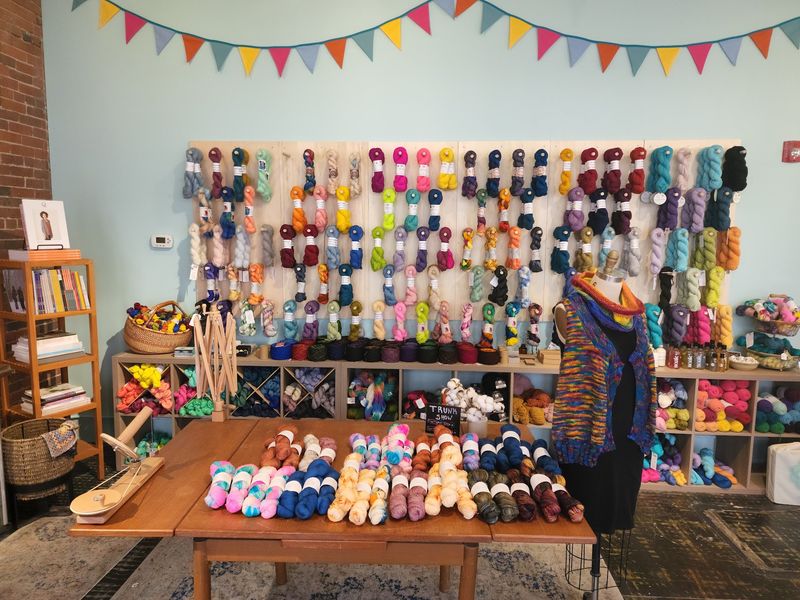
Once inside, the space is small but well organized. Shelves are packed with skeins, tools, books, and sample projects that show what the yarn can become.
A quick tip for planning: park the car once and explore the area on foot. The courtyard and surrounding shops make it easy to turn a yarn errand into a full afternoon of browsing in one of Boston’s most walkable corners.
Inside the Famous Bargain Bins
Every knitter owns a stash that grew out of control. Here, those extra balls finally find new homes.
The shop accepts donations of yarn that people no longer plan to use. That donated yarn ends up in discount bins, where it gets sold at deeply reduced prices.
Shoppers call these “orphan” skeins, and digging through them has become a favorite part of any visit.
There is more than one type of bin to explore:
Pre-used yarn for those who want a low price on solid basics. Finish-the-project bins with partly started work someone else gave up on.
Regular discount bins with marked-down skeins.
The hunt is part of the fun. One trip might turn up plain cotton, while the next might reveal a rare hand-dyed wool hiding under a pile of acrylic.
Orphan yarns work best for small projects like hats, coasters, mittens, or striped scarves. Bring a rough idea of how much yarn the project needs, then let the bins surprise you with what fits the plan.
Free Needles and a Fair Start
Starting a new hobby can get pricey fast. Needles, hooks, patterns, and yarn all add up before the first stitch is ever made.
Boston Fiber Company tackles that problem head on. Along with the cheap secondhand yarn, the shop offers free secondhand needles.
That means a curious beginner can walk out ready to knit without spending much at all.
The idea is simple and kind. Crafting should not be only for people with big budgets, so the store gives everyone a real way in.
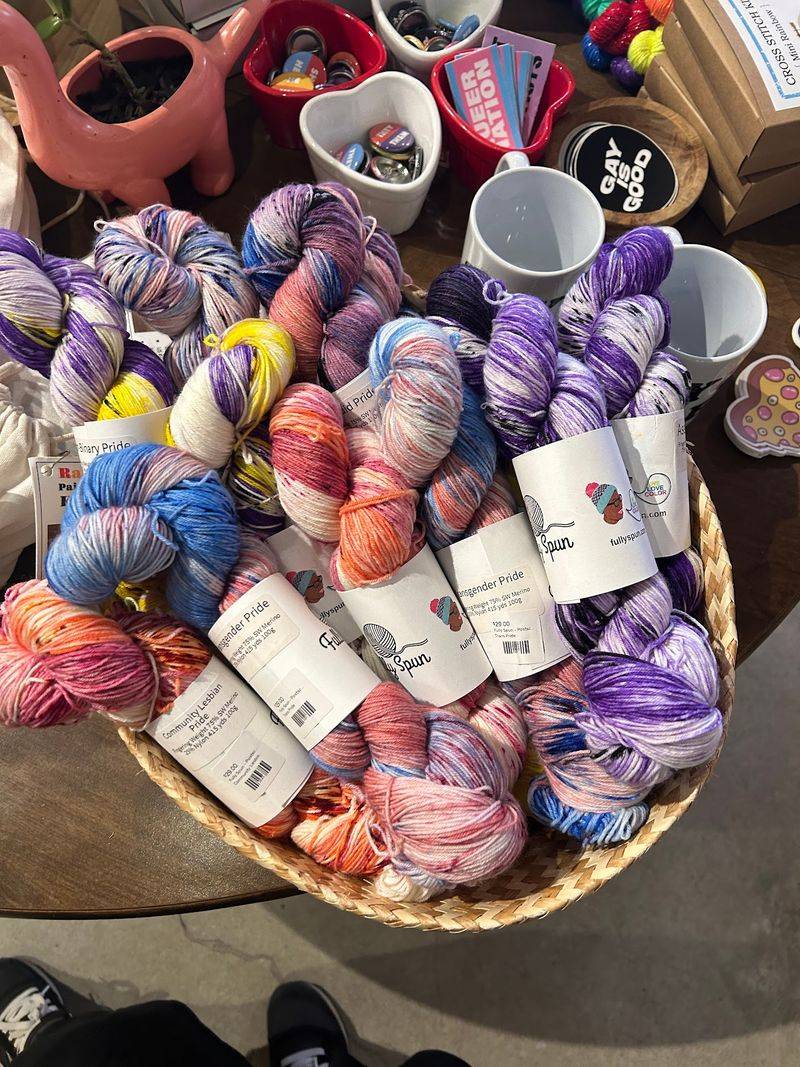
The shop also shares a clear message about inclusiveness, and that welcoming spirit shows up in these small choices.
Here is a smart way to use the setup:
Grab a free pair of medium-sized needles. Pick a smooth, light-colored orphan yarn, since it makes stitches easier to see.
Ask staff for a simple starter pattern.
That plan costs very little and teaches the basics. If knitting clicks, upgrade later.
If it does not, nothing much was lost, and a few stitches were gained.
Local Dyers Steal the Spotlight
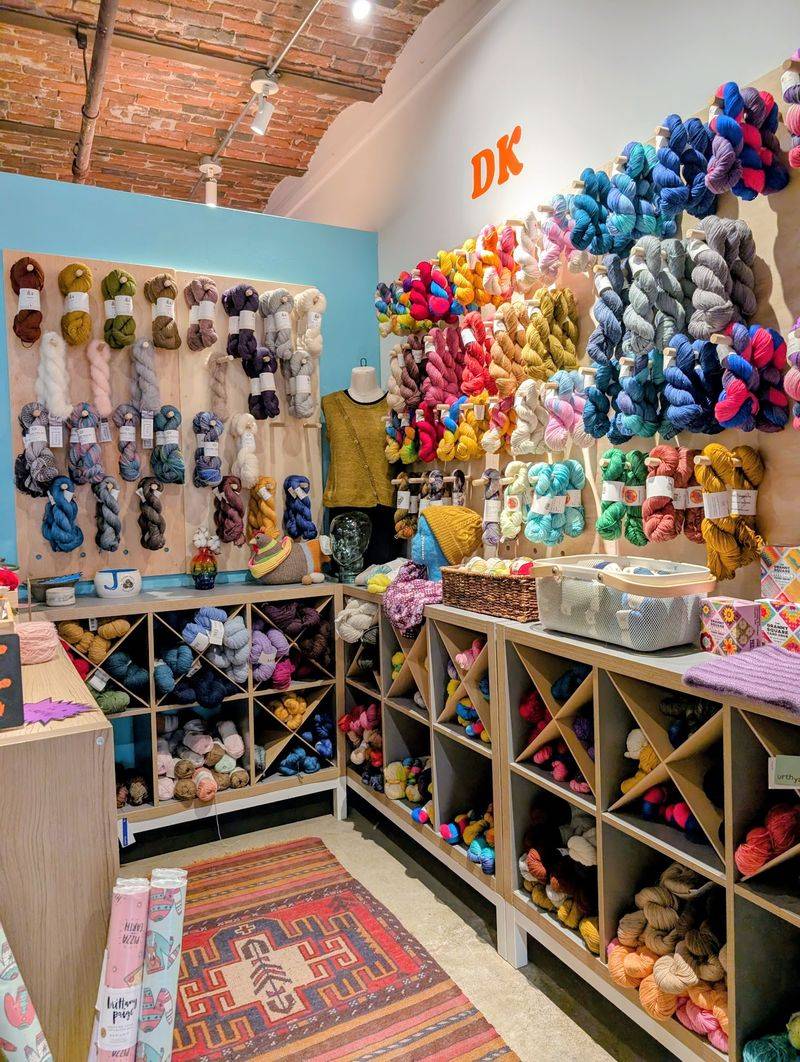
Bargains are great, but the full-price shelves have their own fan club. Local yarn is one of the biggest reasons people make the trip.
The store features many indie dyers and fiber artists from Boston and the wider New England region. Colors range from bright, bold shades to earthy, naturally dyed tones.
Travelers love this section for a clever reason. A skein of local yarn makes a souvenir that turns into something useful, like a hat or a shawl, long after the vacation ends.
The shop has also dyed yarn for its own in-house line, including sock yarn. Those limited runs are worth checking for on each visit.
Natural fibers get plenty of attention here. Expect wool, bamboo, cotton, and even linen, plus wool and nylon blends and wools with metallic accents.
Commercial brands like Cascade sit nearby at friendlier prices. That mix means a shopper can splurge on one special skein and still fill out a bigger project without emptying the wallet.
More Than Just Yarn
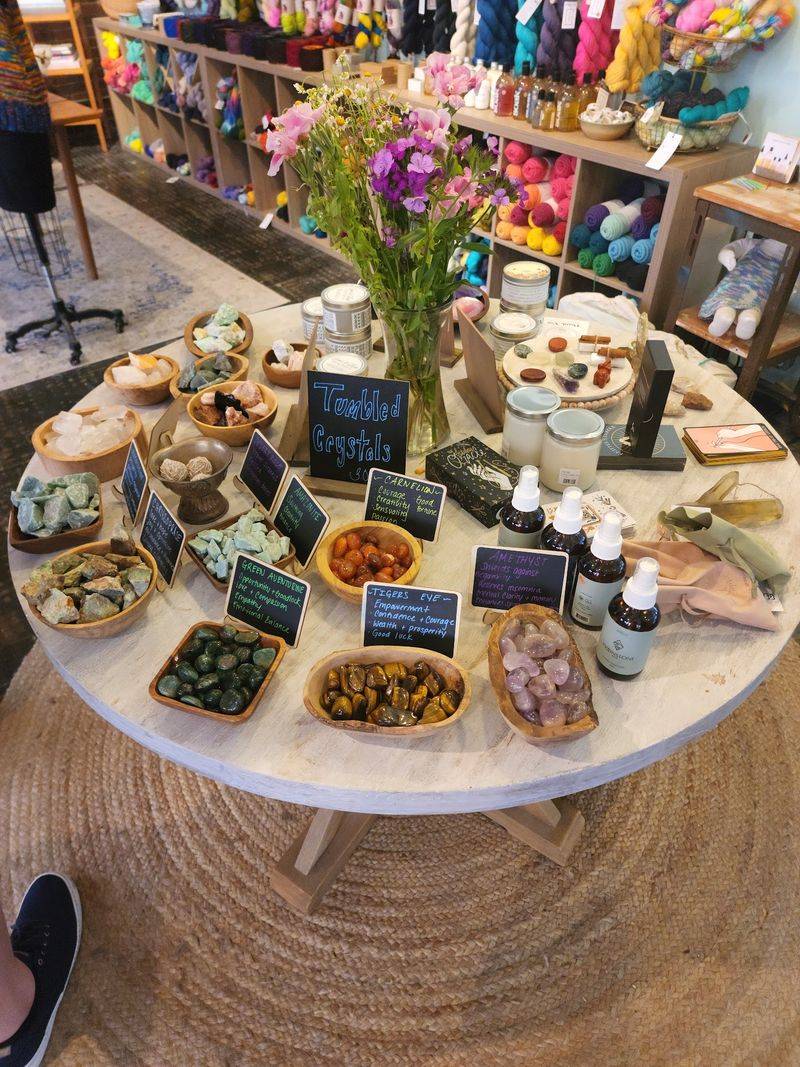
Yarn may be the star, but the supporting cast is surprisingly large. The shop also carries beads, fabric, and embroidery supplies.
That variety makes it a solid stop for crafters who bounce between hobbies. A knitter might come in for wool and leave with an embroidery idea, or a bead lover might discover crochet.
The tool section covers the everyday needs:
Stitch markers, measuring tapes, and ball winders. High-quality needles and crochet hooks.
Yarn bowls that keep skeins from rolling across the floor.
There are also handmade buttons, which can turn a plain cardigan into something special. Small amigurumi kits make easy gifts for friends who like cute stuffed creatures.
Books and patterns fill another corner, and fun stickers sit near the checkout for a little impulse treat.
A useful tip: bring the project you are working on if you need matching buttons or the right needle size. Comparing in person beats guessing, and staff can help sort out the details.
A Couch, a Circle, and Good Company
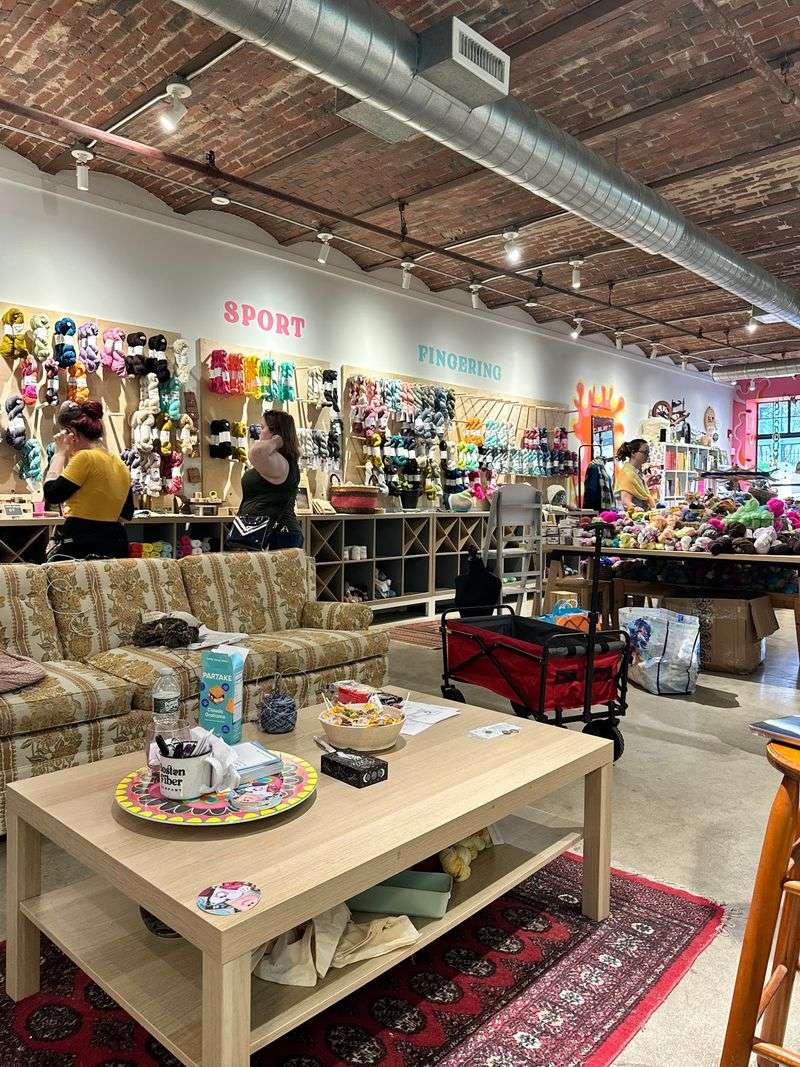
Some shops want customers in and out quickly. This one has a comfy couch, and people actually use it.
Crafters can sit down and work on a project for a while. It gives the store the feel of a “third place,” a spot that is not home or work but still feels like it belongs to you.
Conversations about works in progress, finished pieces, and tricky patterns float around the room. Newcomers often find that chatter just as helpful as any class.
Social knitting groups meet regularly, and drop-in options make joining easy. No sign-up stress, no fancy skills required.
Sample projects and finished pieces are displayed around the shop as well. They give a quick look at what different yarns can become.
For anyone new to Boston or crafting alone at home, these groups are a low-pressure way to meet people. Bring something portable, like a sock or a dishcloth, and let the stitches do the small talk.
Classes for Every Skill Level
Learning from a video works until the video speaks too fast. That is where hands-on classes come in.
Boston Fiber Company hosts classes in person, and it also offers online class options. The event calendar stays busy throughout the month, so checking the website before a visit is a smart move.
Complete beginners are in good hands here. Experienced makers also find something new to try, since the shop covers crafts beyond knitting and crochet.
Staff are known for knowing their stuff. People have come in struggling with a yarn they bought, and team members helped them find a better fit.
Others got help picking out a pattern for a specific project.
A few ways to get the most out of a class:
Read the supply list early. Check the discount bins for practice yarn.
Write down questions before arriving.
Even one short session can fix habits that would take weeks to figure out solo. A little guidance often saves a lot of unraveling.
Smart Timing and Color Tips
Hours here follow their own rhythm, so planning ahead matters. The shop is closed on Thursday.
Here is the weekly schedule:
Monday and Tuesday: 1 to 6 pm. Wednesday: 11 am to 5 pm.
Friday: 10 am to 8 pm. Saturday and Sunday: 11 am to 5 pm.
Friday has the longest window, which helps after-work shoppers. Weekends can get crowded in such a small store, so weekday afternoons may offer more elbow room.
One practical tip involves lighting. The shop can be on the dim side, and colors sometimes look different once you get home.
Before buying a sweater’s worth, carry a skein toward the brightest spot or check it with a phone flashlight.
If anything goes wrong with a purchase, the owner has invited shoppers to email [email protected] so problems can be made right.
Show up with a list, leave time for the bins, and save room in the tote. Bargain hunting rewards patience, and this little shop rewards it well.