Georgia is hiding some seriously beautiful surprises right beside the roads you travel every day.
While most drivers focus on reaching the next city, remarkable places are waiting just beyond the usual route. Colorful folk art, mysterious stone walls, red-rock canyons, peaceful rivers, and mountain waterfalls all have a way of appearing when you least expect them.
Some of these spots are tucked behind quiet country roads. Others sit surprisingly close to busy highways, making their hidden beauty even more shocking.
You could pass within minutes of them and never realize what was hiding nearby.
So before your next Georgia road trip becomes another race from point A to point B, slow down and take a closer look.
These thirteen beautiful places prove that some of the state’s most memorable discoveries are the ones most travelers never even know they missed.
George L. Smith State Park — Twin City
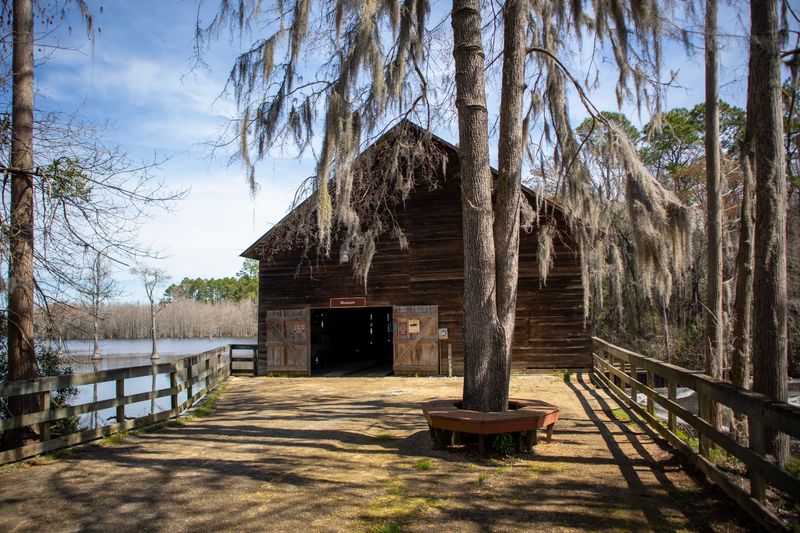
Blackwater trails wind beneath towering cypress trees in this southeast Georgia sanctuary where time seems to stand still. Spanish moss drapes from ancient tupelos, creating curtains of gray-green that sway gently in the breeze.
The stillness here is almost magical, broken only by the occasional splash of a fish or call of a wading bird.
Kayaking offers the best way to explore this watery wonderland. From water level, the reflections become impossibly clear, doubling the forest in the mirror-like surface below.
Each paddle stroke carries you deeper into a landscape that feels primeval and peaceful all at once.
Most travelers stick to the interstate without knowing this tranquil escape exists nearby. The park’s remote location keeps crowds away, which means you might have entire waterways to yourself.
Whether you’re gliding through channels or walking the shoreline trails, George L. Smith State Park delivers the kind of natural serenity that’s increasingly rare to find.
Pasaquan — Buena Vista
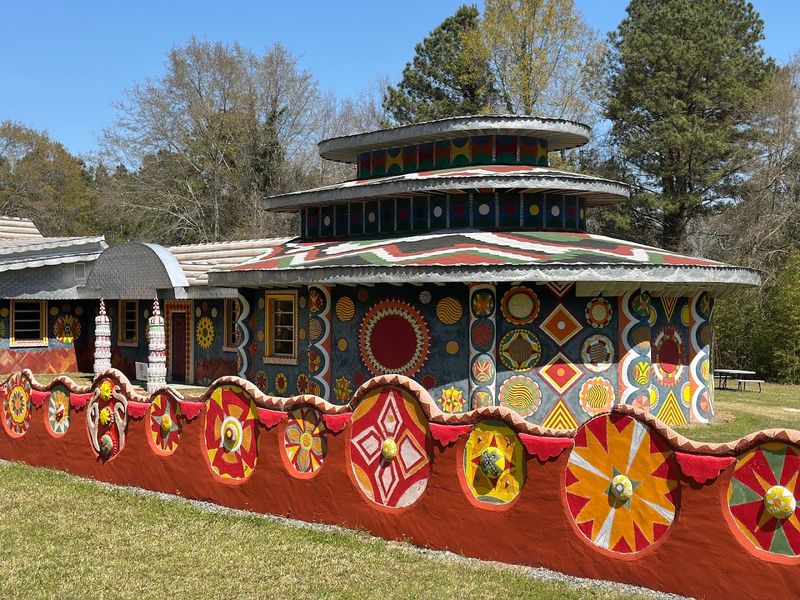
Seven acres of pure imagination explode with color in rural Georgia, far from any major highway. Eddie Owens Martin, who called himself St. EOM, spent decades transforming his property into something that defies easy description.
Brilliant yellows, electric blues, and fiery reds cover every surface in swirling patterns and geometric designs.
Totems rise toward the sky while painted structures create an environment that feels both ancient and futuristic. The artist’s vision was deeply personal, blending spiritual beliefs with an unmistakable aesthetic that turns the entire compound into a massive outdoor gallery.
Walking through feels like stepping into someone else’s vivid dream.
This is one of Georgia’s most unusual artistic treasures, yet countless drivers pass nearby without knowing it exists. The site nearly disappeared after St. EOM’s death, but preservation efforts have saved this extraordinary place.
Today, Pasaquan stands as a testament to outsider art and one man’s dedication to creating beauty on his own terms.
Panola Mountain State Park — Stockbridge
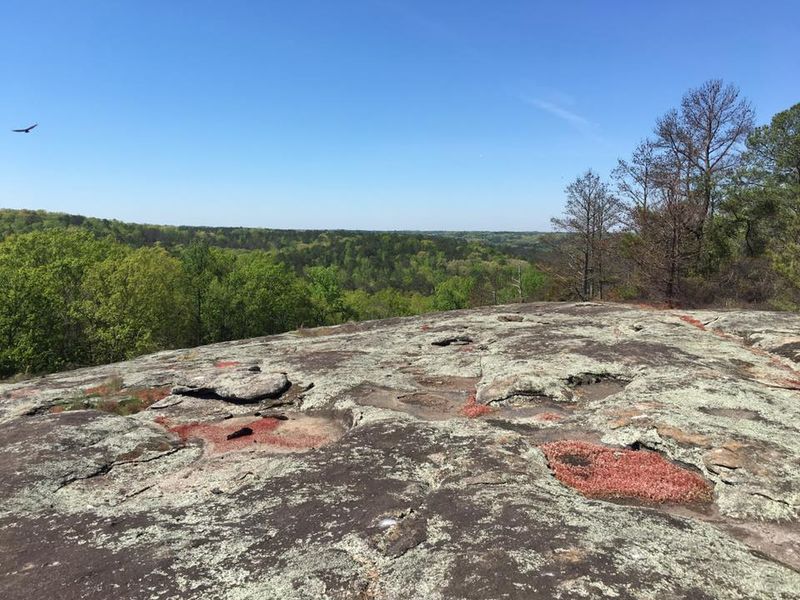
Granite rises from the earth just minutes from Atlanta’s hustle, creating a protected oasis that surprises first-time visitors. The exposed rock face stretches across the landscape, hosting rare plant communities that thrive nowhere else in the region.
Wooded trails circle the monadnock, offering perspectives that shift from forest shade to open sky.
What makes Panola Mountain special isn’t just its proximity to the metro area. The ecosystem here is genuinely unique, with fragile species that require careful protection.
Park rangers lead guided hikes to the summit, sharing stories about the geology and ecology that make this mountain worth preserving.
Biking trails have made the park even more popular among outdoor enthusiasts who crave variety. You can mountain bike through forests, hike to scenic overlooks, or simply enjoy being surrounded by nature without driving hours from the city.
Yet somehow, many people speed past on nearby highways without realizing this natural gem exists so close to home.
Minnehaha Falls — Lakemont
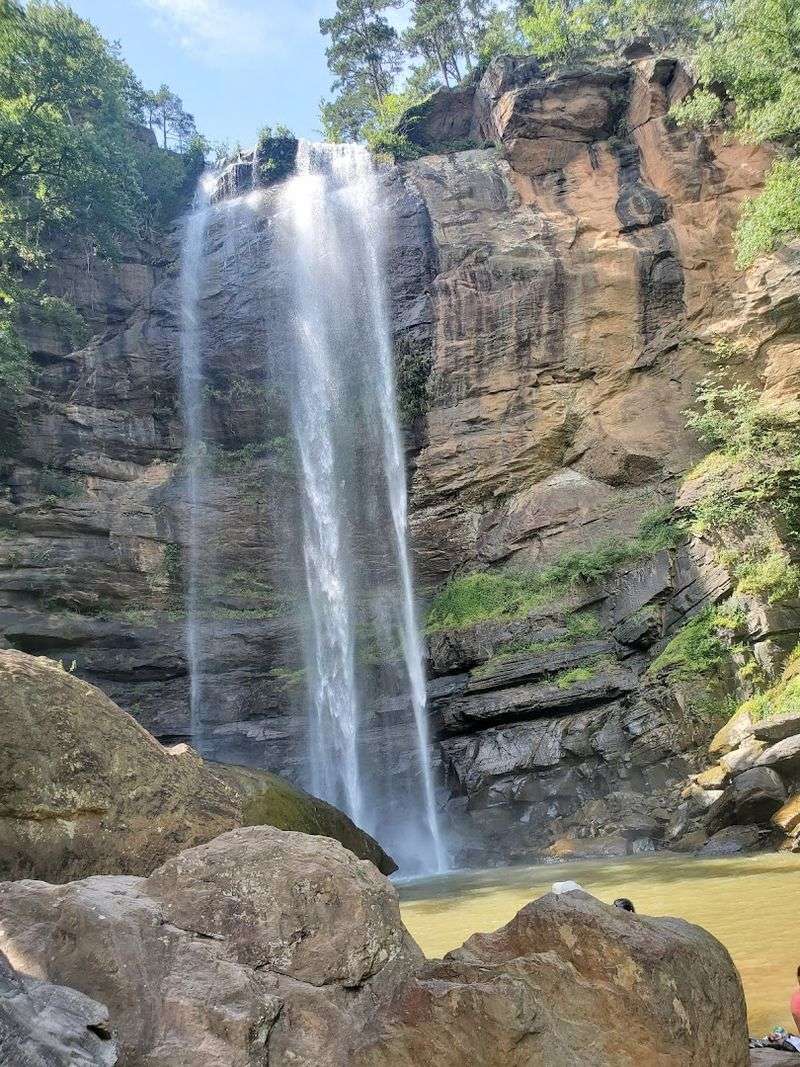
A short woodland hike through North Georgia mountains leads to something truly spectacular. The trail winds through hardwood forest before opening onto a broad cascade that tumbles down multiple tiers of rock.
Water spreads across the entire cliff face during good flow, creating a curtain that’s both powerful and graceful.
The name comes from the Sioux language, though this waterfall sits nowhere near the Great Plains. Surrounded by rhododendron and mountain laurel, Minnehaha Falls feels wonderfully remote despite being relatively accessible.
The sound of rushing water grows louder as you approach, building anticipation with each step.
Thousands of people drive through these mountains heading to better-known destinations without realizing this gem exists. The trail isn’t particularly difficult, making the falls accessible to families and casual hikers alike.
Visit after heavy rains for the most impressive display, when the entire rock face becomes one massive sheet of falling water that photographers and nature lovers dream about.
Fort Mountain State Park — Chatsworth
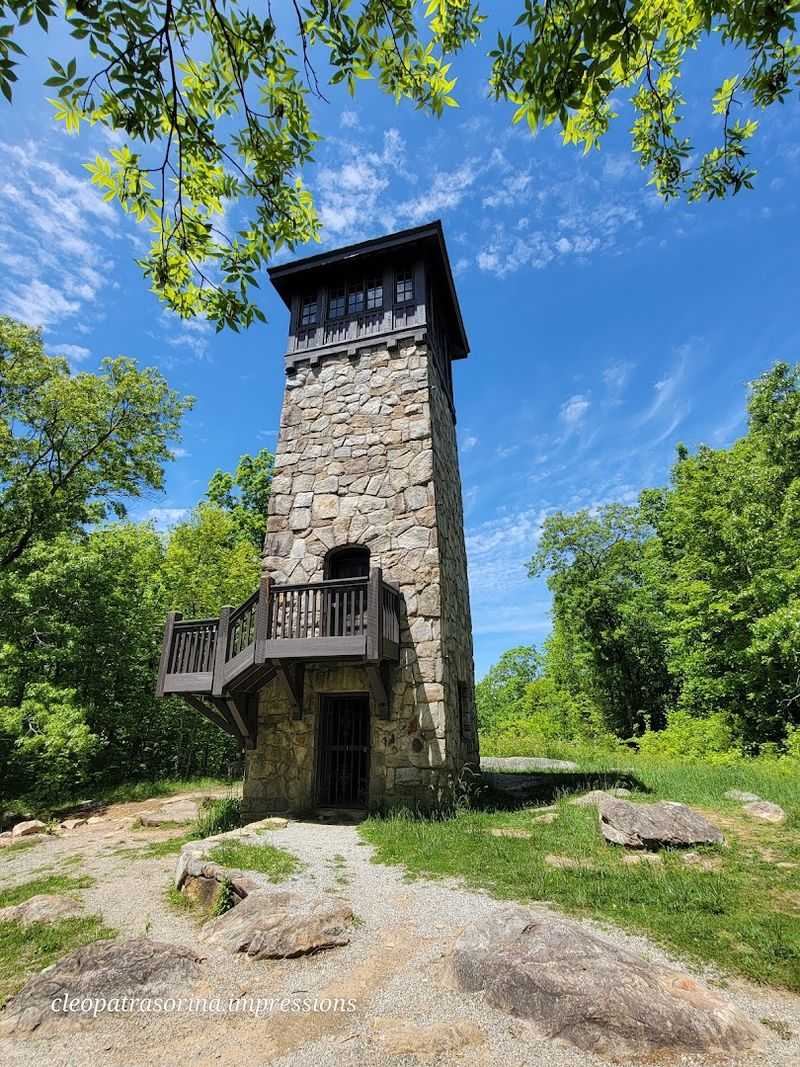
Mountains roll away in every direction from the scenic overlooks here, but the real mystery lies underfoot. An 855-foot stone wall snakes across the mountaintop, and nobody knows for certain who built it or why.
Theories range from ancient Native American fortifications to ceremonial structures, but the truth remains lost to time.
The Civilian Conservation Corps left their mark here too, building a stone fire tower that still stands as a testament to 1930s craftsmanship. Climbing the tower rewards visitors with panoramic views that stretch across northwest Georgia’s rugged terrain.
On clear days, you can see multiple mountain ranges layering into the blue distance.
Fort Mountain deserves more attention than it gets from travelers passing through the area. The hiking trails vary from easy nature walks to challenging backcountry routes.
Between the mysterious wall, the tower, the views, and miles of forest trails, this park packs remarkable variety into one scenic package that most people never think to explore.
Arabia Mountain — Lithonia
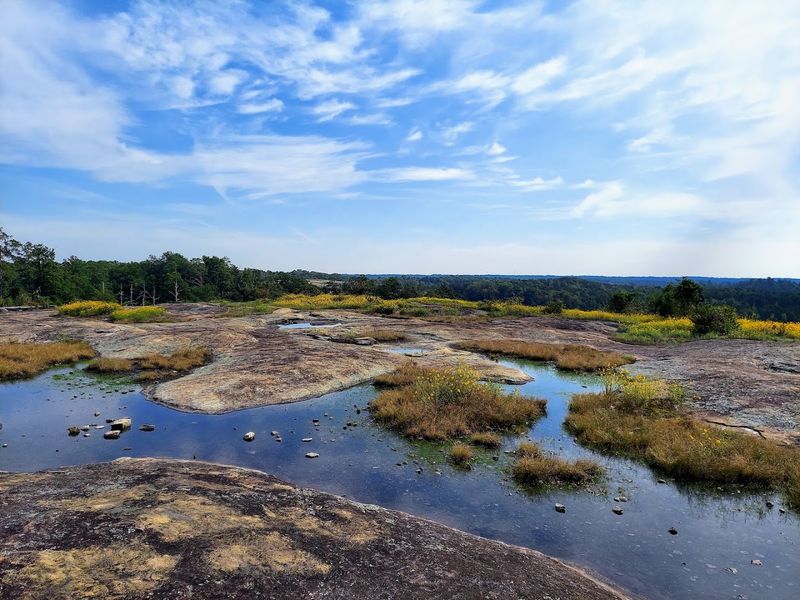
Bare granite stretches in every direction, creating a landscape that looks more like another planet than suburban Atlanta. Shallow pools dot the rock, holding tiny ecosystems that explode with life during warm months.
When wildflowers bloom across the exposed stone, the effect is magical—splashes of color painting the gray granite in unexpected patterns.
This protected area lies within easy reach of the metro, yet many locals don’t know it exists. The Davidson-Arabia Mountain Nature Preserve encompasses this unique landscape, offering miles of trails that wind across the rock and through surrounding forests.
It’s the kind of place that challenges your expectations of what Georgia looks like.
Sunrise and sunset cast particularly beautiful light across the stone, turning the granite golden and pink. The rock heats up quickly in summer, so early morning or evening visits are most comfortable.
Whether you’re hiking, biking, or simply exploring, Arabia Mountain proves that Georgia’s most surprising scenery often hides in plain sight, waiting for curious travelers to discover it.
Providence Canyon State Park — Lumpkin
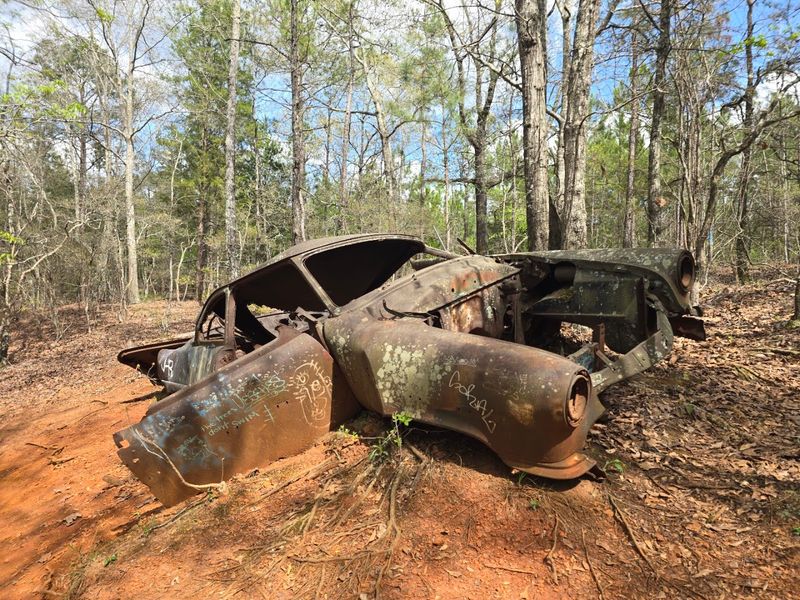
Erosion carved something remarkable in southwest Georgia, creating canyons that glow in shades of red, orange, pink, and white. The dramatic walls plunge deeper than you’d expect, revealing layers of sediment that tell stories about ancient geology.
This landscape resulted from poor farming practices in the 1800s, but nature transformed human-caused erosion into accidental beauty.
Walking the canyon floor feels like exploring the American Southwest without leaving Georgia. The colors shift depending on light and season, with rain intensifying the reds and sunshine bringing out the oranges.
Some walls tower sixteen stories high, creating corridors that wind through surprisingly deep terrain.
Highway travelers in this region often miss the canyon entirely because it sits away from major routes. That’s a shame, because Providence Canyon ranks among Georgia’s most visually striking natural attractions.
The park offers both rim trails and canyon floor hikes, each providing different perspectives on these colorful formations. It’s nicknamed Georgia’s Little Grand Canyon for good reason.
Richard B. Russell State Park — Elberton
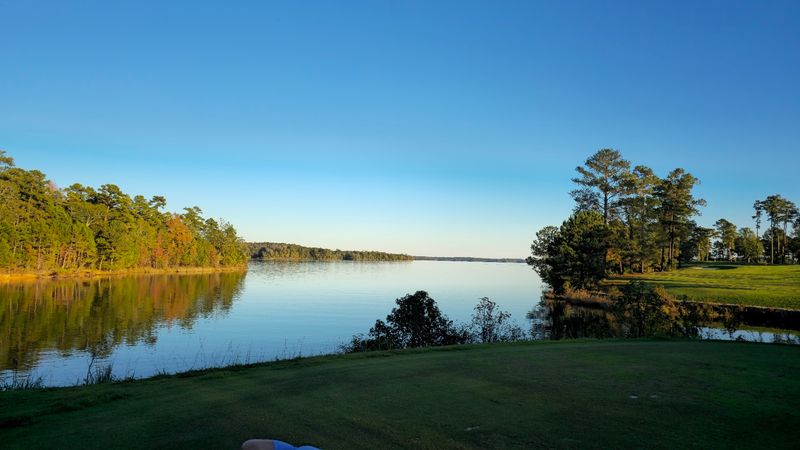
Lake Russell spreads across the landscape in peaceful blue, offering waterfront beauty without the crowds found at more famous Georgia lakes. Wooded shoreline frames the water, creating countless quiet coves and inlets worth exploring.
This park attracts visitors who value tranquility over tourist amenities, which keeps the atmosphere wonderfully relaxed.
The lake provides excellent fishing and boating opportunities for those who enjoy water recreation. Hiking trails wind through forests near the shore, while picnic areas offer spots to simply sit and watch the water.
There’s nothing particularly flashy about Richard B. Russell State Park, and that’s precisely its appeal.
Many travelers heading through northeast Georgia stick to the main highways without considering this lakefront detour. The park’s quieter reputation means you’re more likely to find available campsites and peaceful stretches of beach.
If you’re seeking lake scenery with a slower pace and fewer crowds, this often-overlooked park delivers exactly that combination. Sometimes the best destinations are the ones that don’t try too hard to impress.
Crooked River State Park — St. Marys
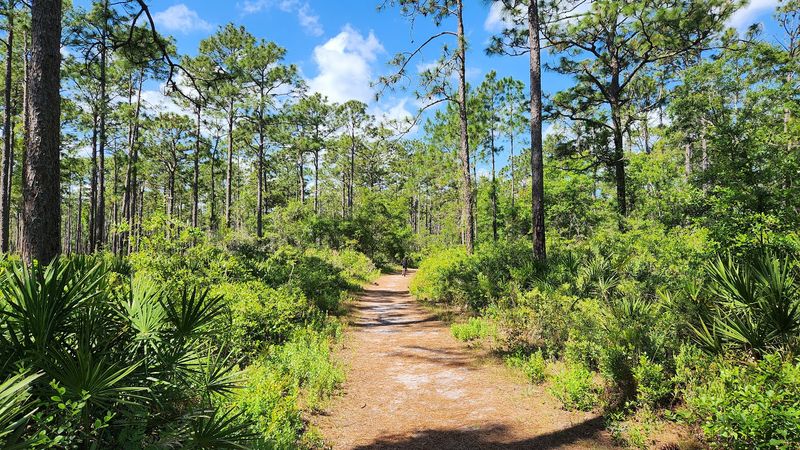
Salt marshes stretch toward the horizon where coastal Georgia meets the Atlantic’s influence. Maritime forests create shaded pathways, while winding waterways snake through the landscape in curves that give the river its name.
This is a completely different kind of Georgia beauty, shaped by tides and salt air rather than mountains or lakes.
Wildlife thrives in these varied habitats, making the park a favorite among birders and nature photographers. Marshes teem with wading birds, while forests shelter everything from deer to alligators.
The diversity of ecosystems packed into one park is remarkable, offering something new around every bend in the trail.
Most people heading to Georgia’s coast aim for the barrier islands without stopping here first. That’s their loss, because Crooked River offers a quieter introduction to coastal landscapes.
The park sits near the Cumberland Island ferry, but it deserves attention on its own merits rather than just as a stopover. If you want to experience Georgia’s coastal side without the crowds, this park is the answer.
Harris Neck National Wildlife Refuge — Townsend
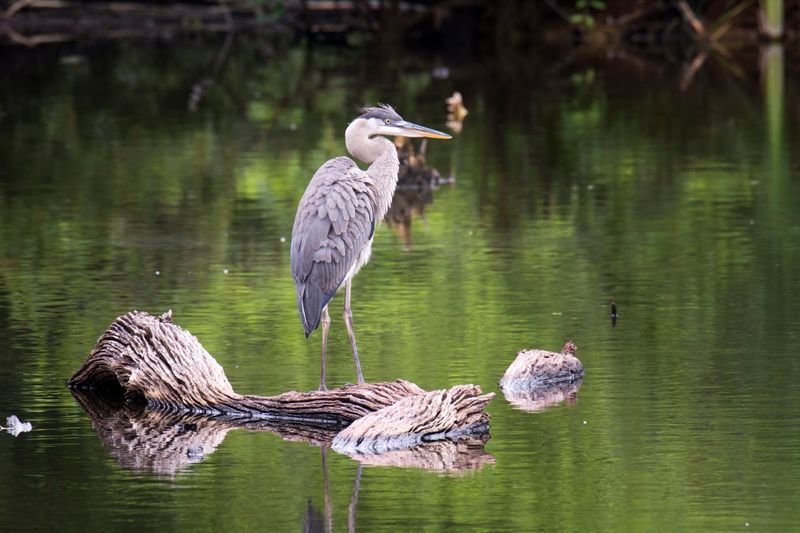
Marshes, ponds, and wooded habitats create a patchwork of ecosystems where wildlife flourishes away from tourist crowds. This coastal refuge protects vital habitat while offering visitors a chance to observe nature without the noise and bustle of busier destinations.
Wading birds stalk through shallows, while raptors circle overhead scanning for prey.
The variety of birds here is truly impressive, with species ranging from tiny songbirds to massive wood storks. Spring and fall migrations bring even more diversity as birds stop to rest and feed.
Photographers love the refuge because wildlife often ventures close to observation areas, providing excellent opportunities for capturing stunning images.
Highway travelers zooming toward Savannah or the coast rarely think to turn off for this refuge. The location isn’t exactly convenient to major routes, which helps preserve the quiet atmosphere that makes Harris Neck special.
If you appreciate wildlife and wetlands, the detour is absolutely worthwhile. This is the kind of place that rewards those willing to take roads less traveled.
Big Hammock Natural Area — near the Altamaha River
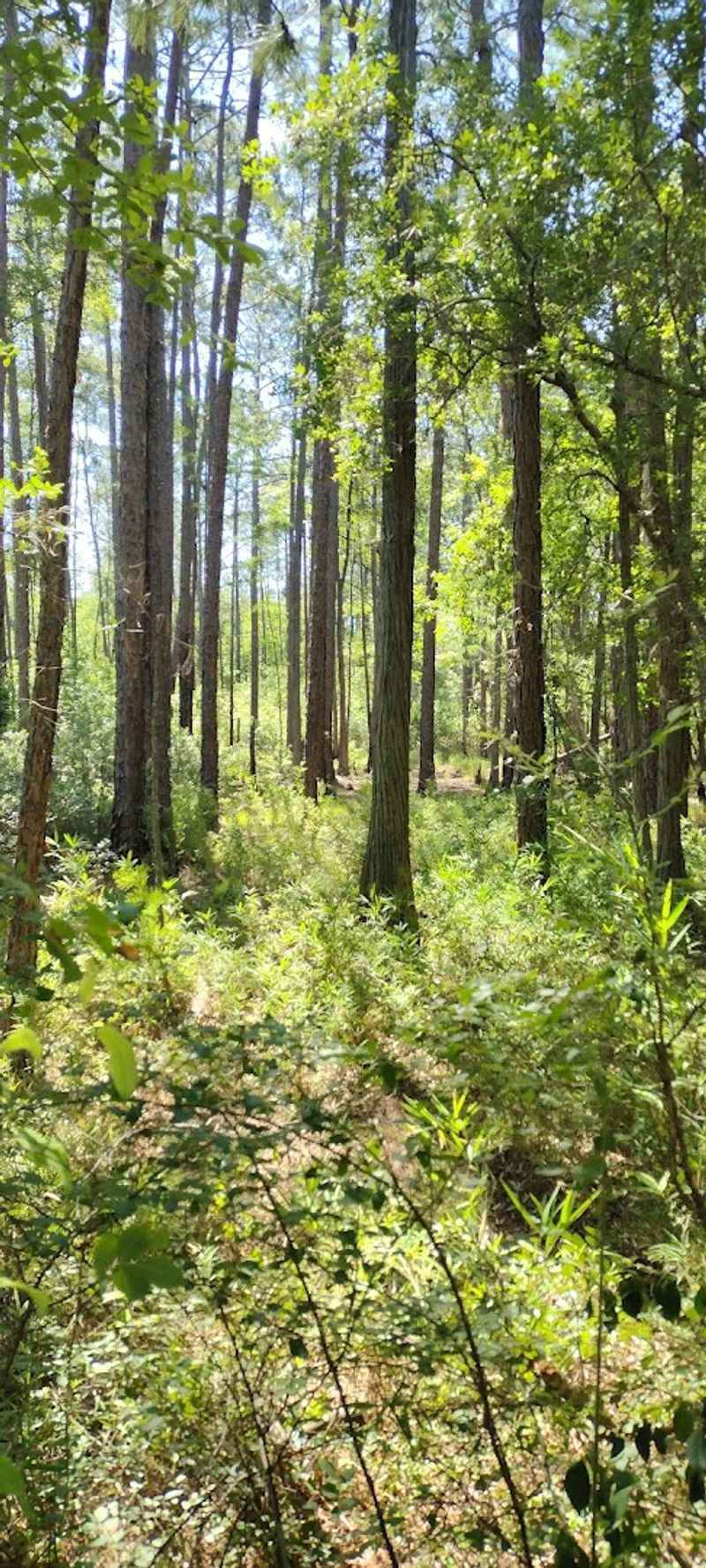
Where the Altamaha River sprawls across southeast Georgia, a wild landscape of forests and wetlands remains largely untouched by development. Big Hammock Natural Area protects this ecological treasure, offering a glimpse of how coastal Georgia looked before highways and cities changed everything.
Ancient forests give way to open wetlands, creating habitat diversity that supports remarkable wildlife populations.
River landscapes here shift with seasons and water levels, making each visit different from the last. During high water, the area transforms into an interconnected web of channels and backwaters.
Lower water reveals mudflats and exposed riverbanks where animal tracks tell stories about who visited recently.
This corner of Georgia remains remarkably unknown despite its ecological importance. The Altamaha is one of the largest undammed river systems on the East Coast, and Big Hammock showcases the wild beauty such rivers create.
Getting here requires intention—there’s no major highway rushing past—which means crowds stay away. For anyone seeking genuine wilderness in a state that’s increasingly developed, this natural area delivers.
Watson Mill Bridge State Park — Comer
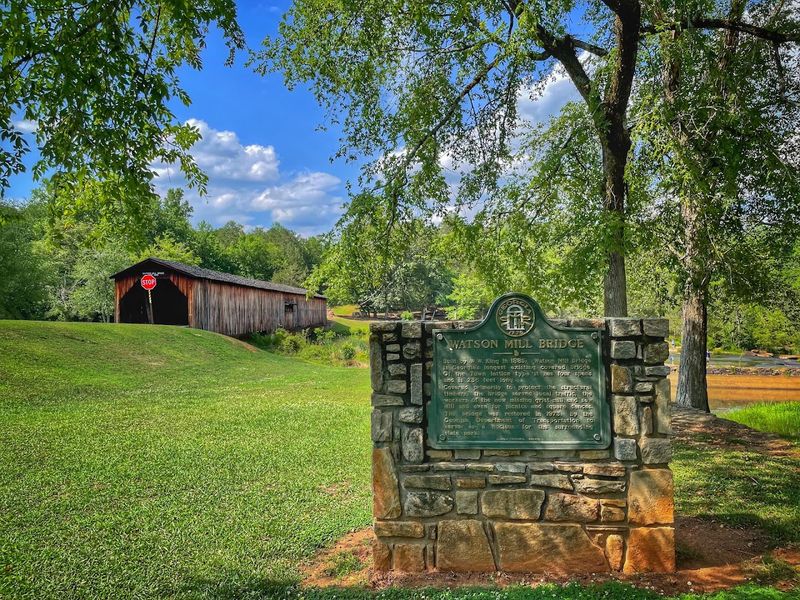
Georgia’s longest covered bridge spans the South Fork Broad River in rustic beauty, its wooden walls weathered by decades of sun and rain. Built in 1885, the bridge still stands strong, connecting riverbanks while creating one of the state’s most photogenic scenes.
Red paint brightens the exterior, while the interior tunnel invites visitors to walk through and imagine traveling this route in horse-drawn wagons.
The bridge naturally steals attention, but the surrounding park holds its own appeal. River trails wind through hardwood forests, offering peaceful walks where birdsong fills the air.
The river itself flows clear and calm here, creating perfect reflections of trees and bridge alike.
History and scenery combine beautifully at Watson Mill, yet the park stays relatively quiet even during peak season. Most travelers don’t think to seek out covered bridges in Georgia, missing the chance to experience this well-preserved piece of engineering history.
The park also offers camping, fishing, and picnicking for those who want to extend their visit beyond just snapping photos of the iconic bridge.
The Rock Garden — Calhoun
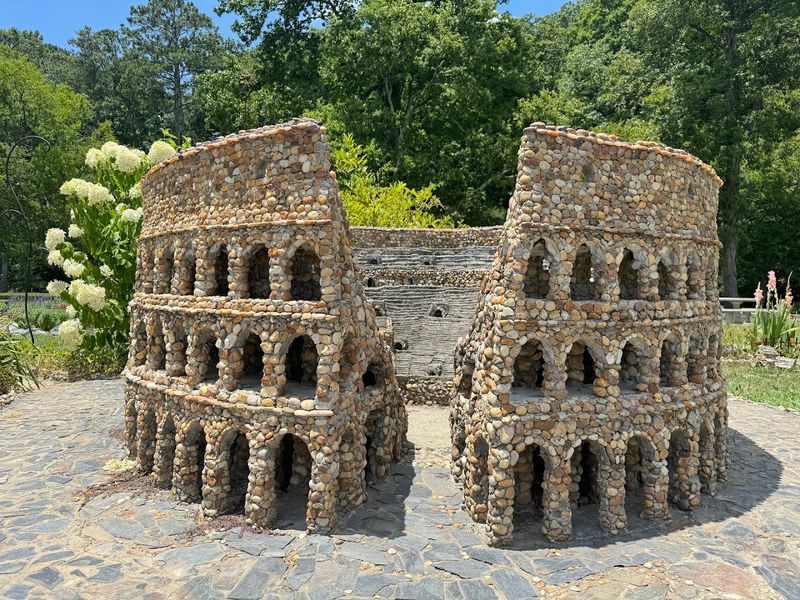
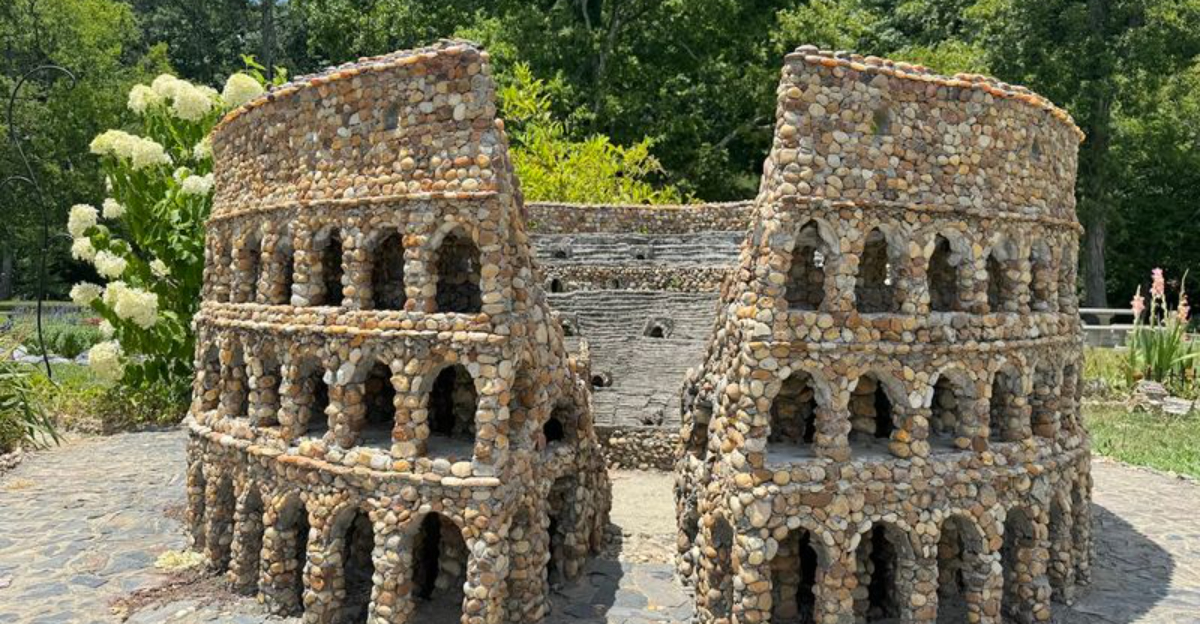
Dozens of miniature buildings cluster together in a quirky village built entirely from rocks, shells, and cement. Tiny castles rise beside small churches, while elaborate structures showcase incredible attention to detail that only becomes apparent when you look closely.
Each building was painstakingly constructed piece by piece, creating a folk art installation that’s both charming and slightly surreal.
The garden sits beside the small community that shares its name, easy to miss if you’re not specifically looking for it. That’s what makes discovering it feel so special—like stumbling upon a secret that locals have been keeping.
The peaceful North Georgia setting adds to the enchantment, with the stone village nestled among trees and natural landscape.
This is exactly the sort of roadside discovery that makes exploring rewarding. Most people could drive right past without ever knowing something so unusual exists nearby.
The Rock Garden exemplifies the hidden treasures scattered across Georgia, waiting for curious travelers willing to venture off the main routes and explore what lies just beyond the highway.