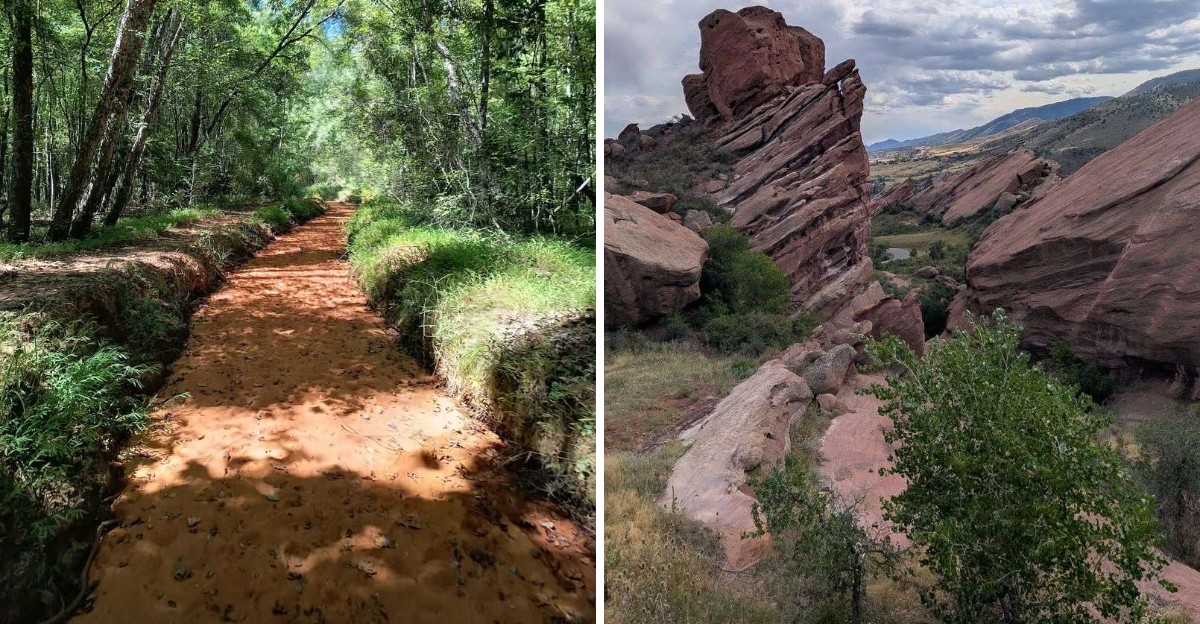
Georgia has a canyon that looks like it wandered in from the Southwest.
Hidden in southwest Georgia, Providence Canyon State Park delivers towering walls streaked with pink, orange, red, and purple, creating one of the state’s most unexpected outdoor sights.
The real surprise comes when you learn how these deep gullies formed.
Centuries of erosion carved the canyons into farmland, leaving behind a dramatic maze that visitors can actually hike into and explore from the canyon floor.
Before you point the car toward Lumpkin, there are a few things to know.
From muddy trails and colorful canyon walls to scenic overlooks and the park’s unusual history, here’s what awaits at Georgia’s Little Grand Canyon—and why the drive can be worth it.
Expect A Canyon Created By Erosion, Not Ancient Geology
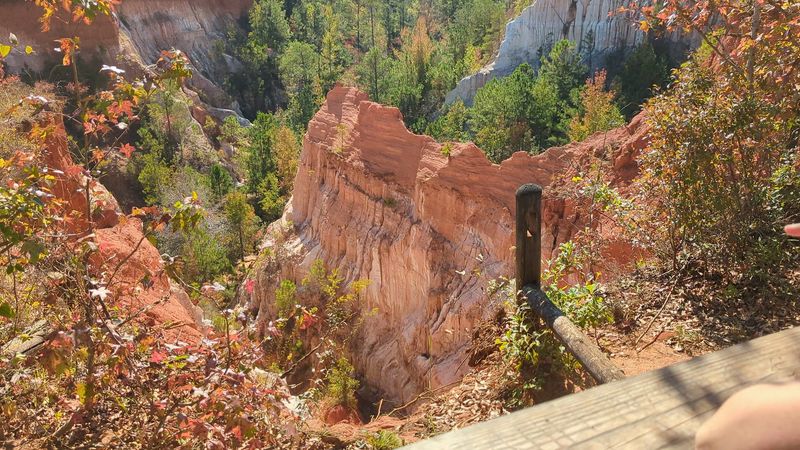
Most people assume Providence Canyon formed over millions of years like the Grand Canyon out west. The truth is far more recent and entirely human-made.
Poor farming practices starting in the 1800s stripped away protective vegetation, and rainfall did the rest.
Once the topsoil disappeared, water began carving deep gullies into the soft, colorful soil layers underneath. These channels grew wider and deeper with each rainstorm.
Today, some canyon walls tower roughly 150 feet above the creek beds below, revealing layers that would have stayed hidden without human interference.
The park represents both a cautionary tale about soil conservation and an accidental masterpiece of nature reclaiming damaged land. Walking through the canyons, you’re seeing less than 200 years of erosion work.
That makes Providence Canyon one of Georgia’s youngest major landforms, yet it already looks ancient and otherworldly with its towering striped walls and maze-like passages cutting through the countryside.
The Colorful Canyon Walls Are The Main Attraction
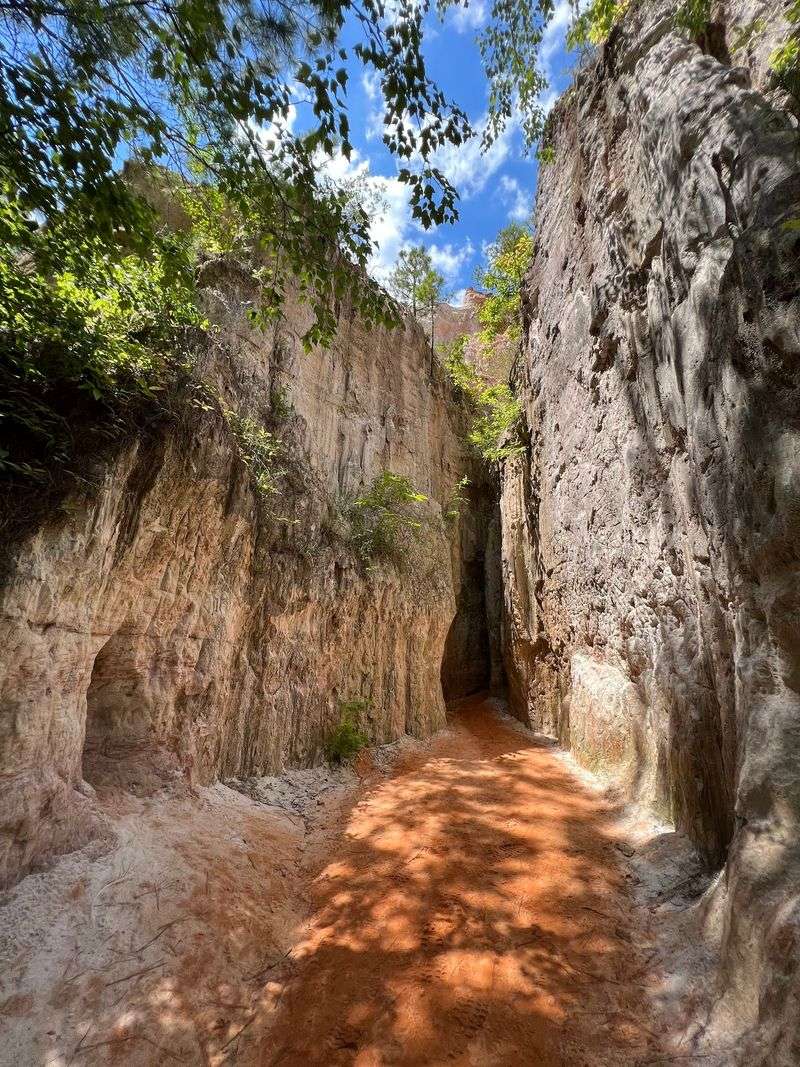
Forget gray rock cliffs. Providence Canyon explodes with color in ways that feel almost unreal.
The exposed soil layers showcase pink, orange, red, purple, white, and cream shades stacked on top of each other like a giant layer cake made of sand.
Geologists have identified dozens of different soil colors throughout the canyon system. Each layer represents different mineral compositions and time periods, creating natural artwork that changes appearance throughout the day.
Morning light brings out softer tones, while afternoon sun makes the reds and oranges pop dramatically.
The best views come when sunlight hits the walls directly, making the colors glow against blue sky and green vegetation. Photographers love this place because the natural color palette needs no filters or editing.
These aren’t painted rocks or artificial dyes, just pure Georgia soil showing off its hidden beauty in a way few other places can match across the entire southeastern United States.
You Can Walk Down Into The Canyons
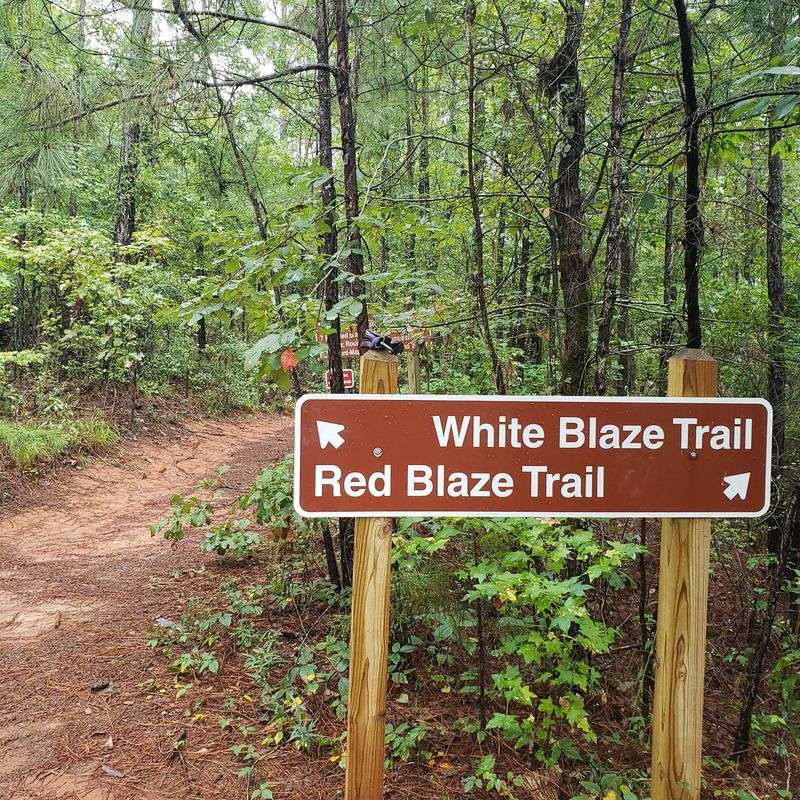
Providence Canyon isn’t a drive-up overlook where you snap photos and leave. The 2.5-mile Canyon Loop Trail takes you from the rim down into the canyon system itself, where you can walk along creek beds with colorful walls towering above you on both sides.
The trail is rated easy to moderate, making it accessible for most visitors who can handle some uphill sections. You’ll descend into the canyons, explore multiple channels, and climb back out to complete the loop.
Total hiking time runs about two hours if you stop frequently to take pictures and explore side passages.
Walking the canyon floor gives you perspectives impossible to get from above. You can touch the colorful sand layers, photograph the walls from dramatic angles, and truly appreciate the scale of these erosion features.
Just remember that the canyon floors stay wet and muddy even on sunny days, so proper footwear makes all the difference.
The Rim Offers A Completely Different View
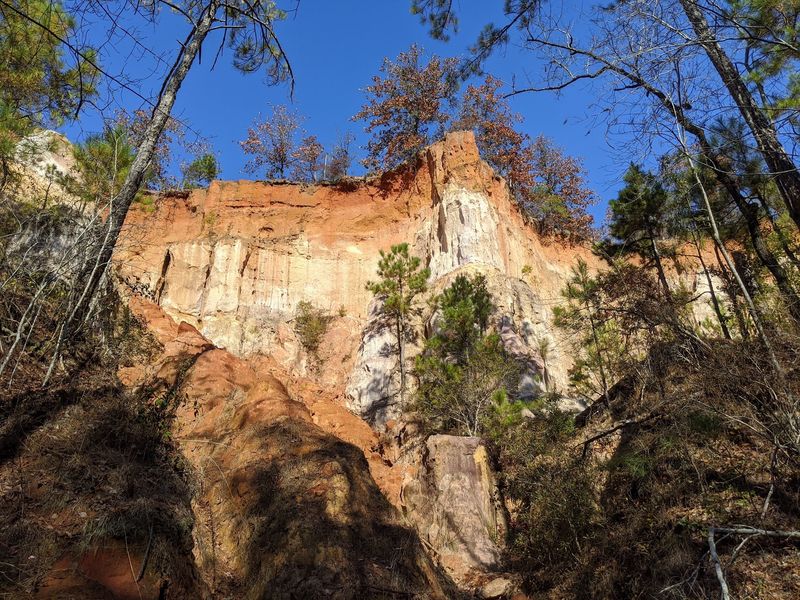
After experiencing the canyons from below, head back toward the picnic area and follow the Rim Trail for a totally different perspective. From up here, you can see how the canyon system spreads across the landscape like fingers reaching into the earth.
The park map identifies several overlooks around the picnic area that provide elevated viewpoints. These spots let you appreciate the unusual shapes and patterns of the erosion gullies, something impossible to understand when you’re down inside them.
You can see how water carved branching channels through the soft soil.
The rim views also help you understand the scale of Providence Canyon as a whole landscape feature rather than individual colorful walls. Bring binoculars if you want to spot hikers far below on the canyon floor.
Many visitors find the rim perspectives just as impressive as the up-close canyon views, and the easy walking makes this section perfect for anyone who can’t handle the trail down into the canyons.
The Canyon Floor Can Be Much Wetter Than You Expect
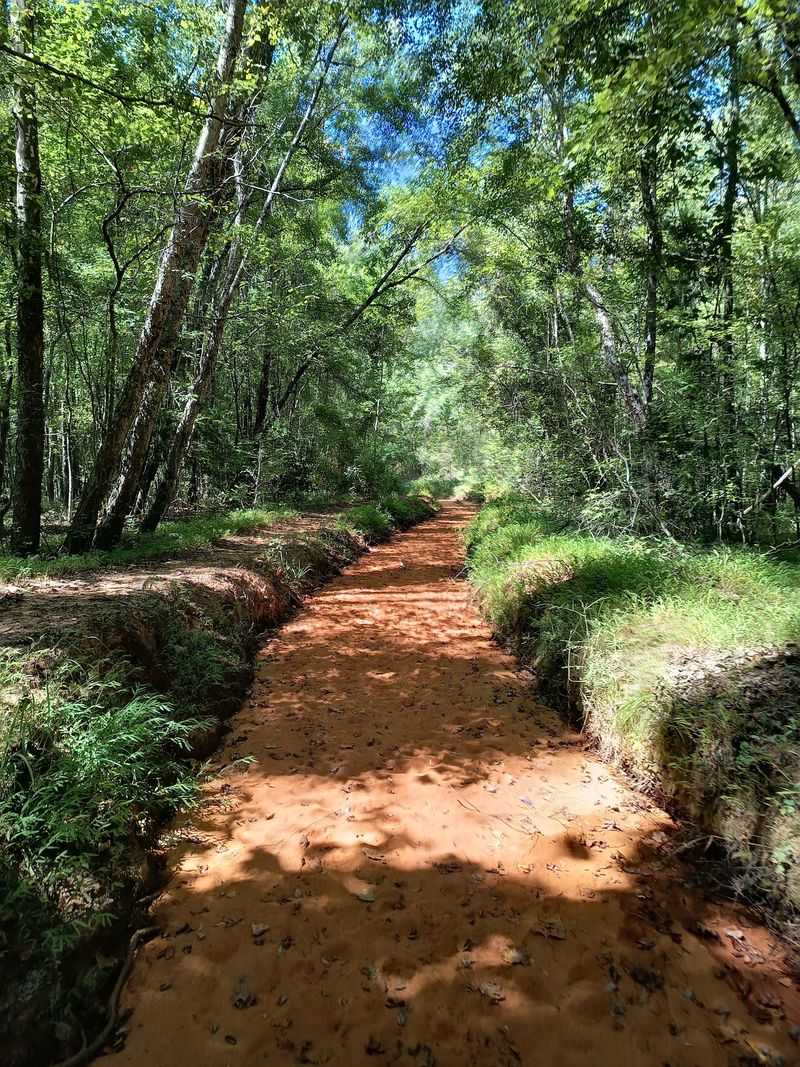
Here’s a surprise that catches many visitors off guard. Even when the weather forecast shows nothing but sunshine, the canyon bottoms often remain wet and muddy for days or even weeks after rainfall.
Water and mud collect in the low areas because the canyon walls shade the floor from direct sunlight most of the day. The soft soils beside the creek beds turn into thick mud that can suck your shoes right off your feet.
Georgia State Parks specifically warns visitors to wear appropriate footwear because standard sneakers won’t cut it down there.
Plan on your shoes getting dirty, and consider waterproof hiking boots or old sneakers you don’t mind ruining. The muddy conditions are just part of the Providence Canyon experience, not something to avoid.
That moisture also helps keep the canyon walls stable and supports the unique plant life growing in the gullies.
Just don’t wear your brand-new white tennis shoes unless you want them permanently dyed Georgia red clay.
There’s A More Rugged Side Of Providence Canyon
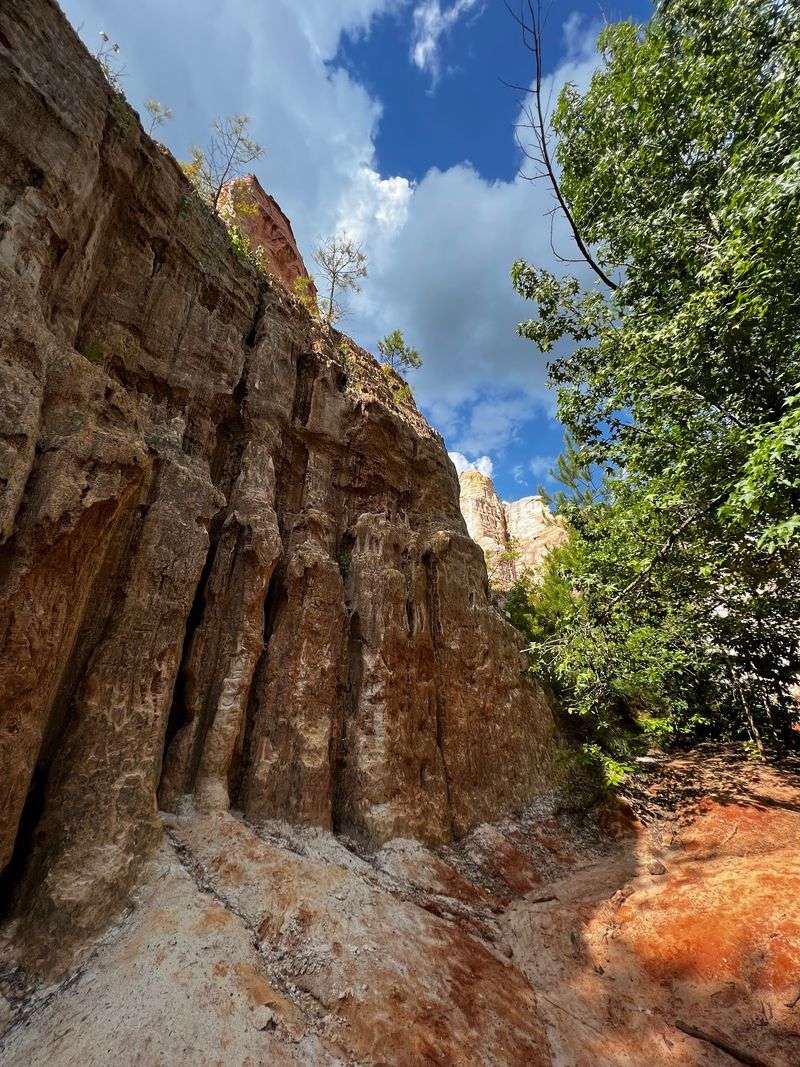
Think the Canyon Loop sounds too easy? Providence Canyon has a challenging side that most casual visitors never see.
The 7-mile Backcountry Trail offers a substantially harder route through forested terrain with steep sections and rugged conditions that require serious hiking preparation.
This trail takes at least six hours to complete and reaches primitive backcountry campsites for overnight backpacking adventures. The terrain stays mostly in the woods rather than the open canyons, giving you a completely different view of the park’s ecosystem.
Expect steep climbs, rough footing, and sections where the trail feels genuinely remote.
This route is better suited to experienced hikers than families with young children or anyone just wanting to see the colorful walls. You’ll need permits for the backcountry campsites, plus proper gear for wilderness hiking.
But if you want solitude and a physical challenge beyond the main tourist areas, this trail delivers an entirely different Providence Canyon experience few visitors ever attempt.
Wildlife, Wildflowers And Forest Add More Than Canyon Views
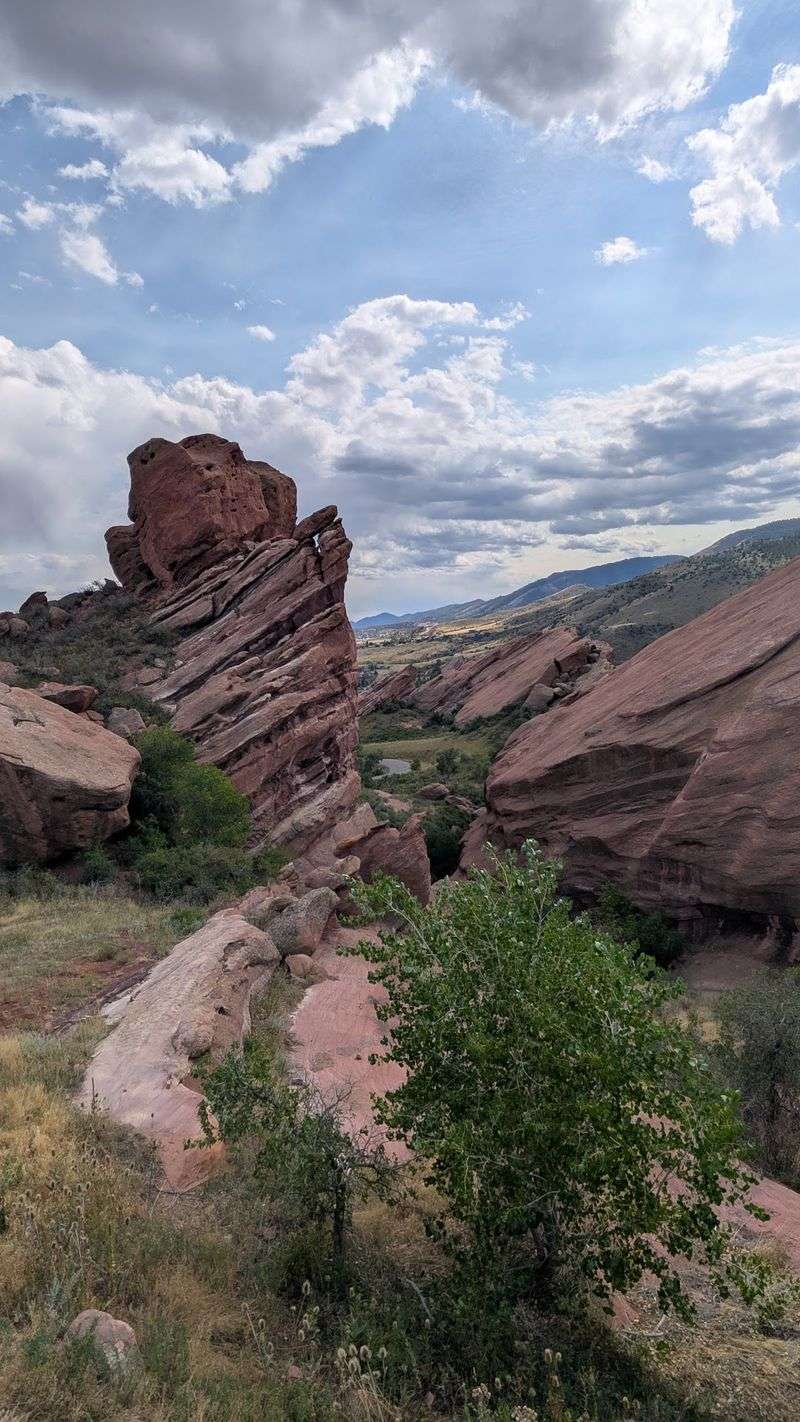
Providence Canyon offers way more than just geological eye candy. The park protects diverse plant and animal communities that thrive in and around the canyon system, creating wildlife viewing opportunities throughout your visit.
Wildflowers grow along the canyon walls and throughout the forested areas, including the rare plumleaf azalea that blooms from July through September with delicate flowers. Bird watchers can spot numerous species in the trees surrounding the canyons.
The forested portions of the park provide cool shade and a peaceful contrast to the dramatic open gullies.
Many visitors focus entirely on the colorful walls and miss the ecological story happening all around them. Take time to notice the plants clinging to canyon walls, the insects buzzing through wildflower patches, and the forest recovery happening across former farmland.
Providence Canyon represents nature healing itself after human damage, and that recovery includes far more than just pretty rocks.
The whole ecosystem is part of what makes this place special.
Don’t Treat The Canyon Walls Like A Climbing Area
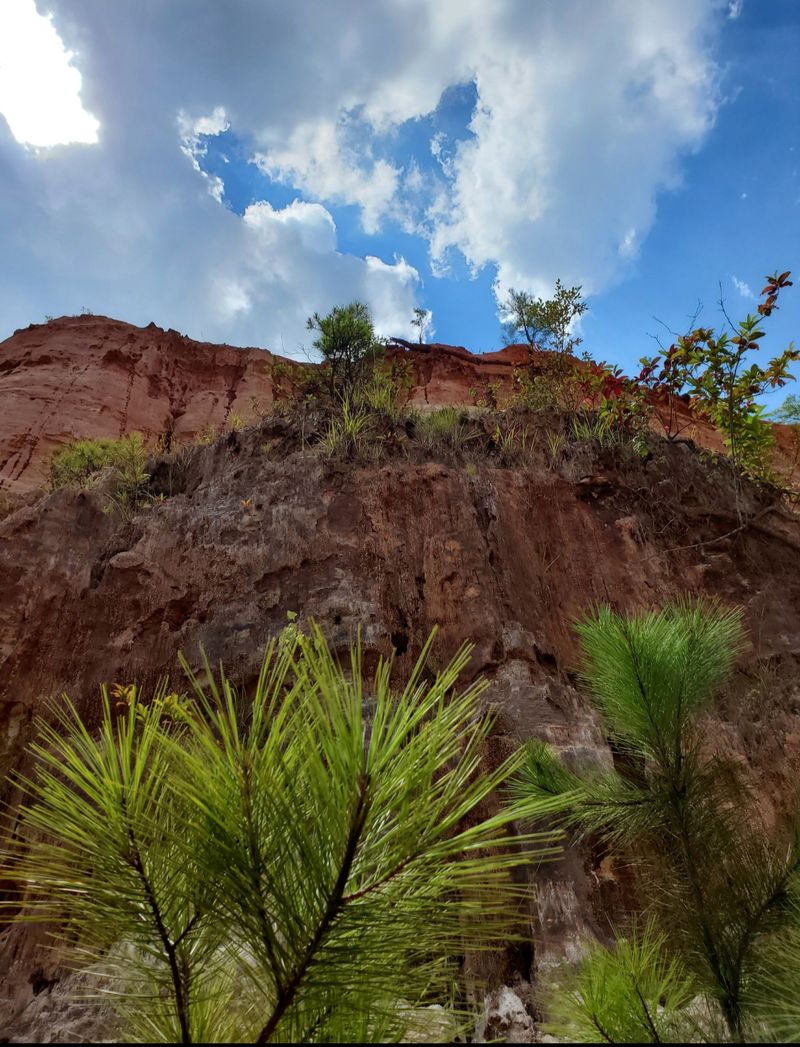
Those colorful walls might look tempting to climb, but park rules strictly prohibit climbing the canyon walls from the floor or crossing the protective fence lines anywhere in the park. This isn’t rangers being difficult, it’s about protecting both you and the fragile landscape.
The canyon walls are made of soft, unconsolidated sand and soil, not solid rock. They crumble easily under weight and offer no secure handholds or footholds.
Climbing attempts damage the walls by causing additional erosion and destroying the natural layering that makes them beautiful. People have been seriously injured trying to climb these unstable surfaces.
Staying on designated trails also protects the canyon system from further erosion damage beyond what already exists. Every footstep off the trail compacts soil or starts new erosion channels.
The park needs visitor cooperation to preserve Providence Canyon for future generations.
Enjoy the views, take all the pictures you want, but keep your hands off the walls and your feet on marked paths.
Plan Your Visit
Before making the drive to Providence Canyon, know exactly what you’re getting into. The park sits at 8930 Canyon Road, Lumpkin, GA 31815, and the visitor center opens daily from 8 a.m. to 5 p.m.
You can call 229-838-6202 with questions. A Georgia State ParkPass costs $10 per vehicle for daily parking.
For hiking, allow around two hours or more for the 2.5-mile Canyon Loop if you want time to explore individual canyons rather than just power through. Waterproof or mud-friendly footwear, water bottles, and snacks are smart choices.
The park enforces seasonal trail-closing times: trails close at 5:30 p.m. from September 15 through April 14, and 30 minutes before sunset the rest of the year.
Picnic tables sit near the parking area, while picnic shelters require advance reservations. Overnight backpacking visitors need permits for primitive backcountry campsites.
Check the weather forecast, but remember that muddy canyon floors happen regardless of current conditions.