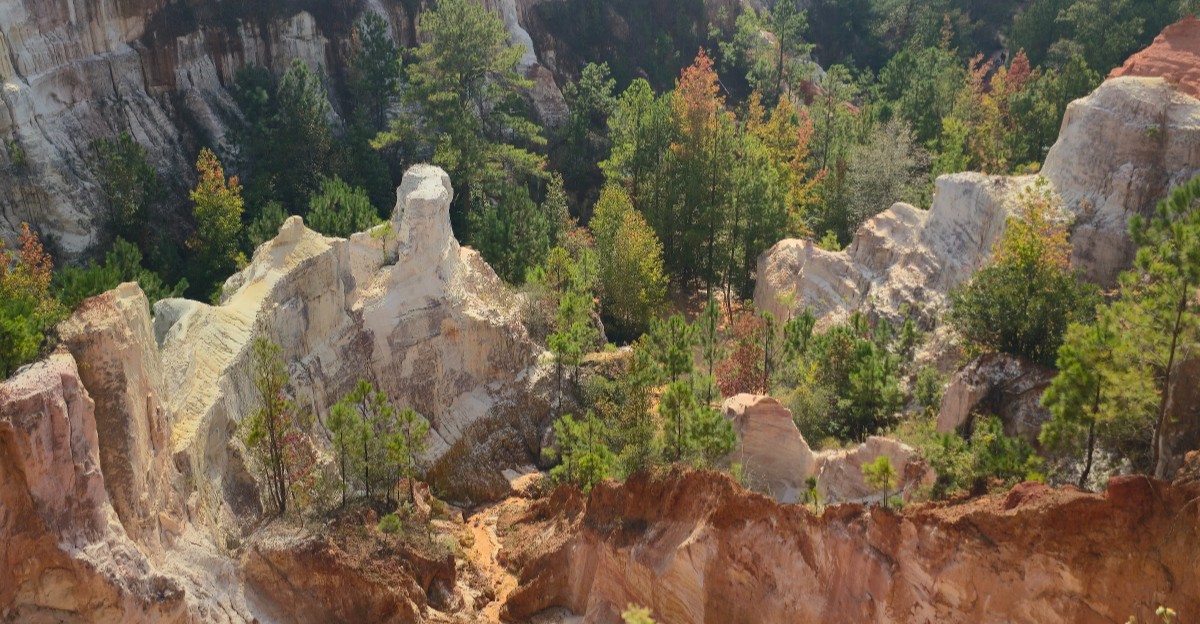
Providence Canyon State Park looks like Georgia borrowed a paintbrush from the desert and went wild with red, orange, pink, and purple clay.
It is beautiful, family-friendly, and famous for canyon views, muddy canyon floors, and trails that can trick even careful hikers into spending far more time than planned.
The big mistake is simple: starting the wrong trail, or starting from the wrong spot, can turn a quick canyon visit into a sweaty afternoon of hills, detours, and shoe-sucking mud.
Before you lace up, scan the parking sign, grab a map, pick your route with care, and use these trail-smart tips so your day feels like an adventure, not a comedy scene where your shoes stay behind in the mud.
Start at the Right Trailhead, Not the First Path You See
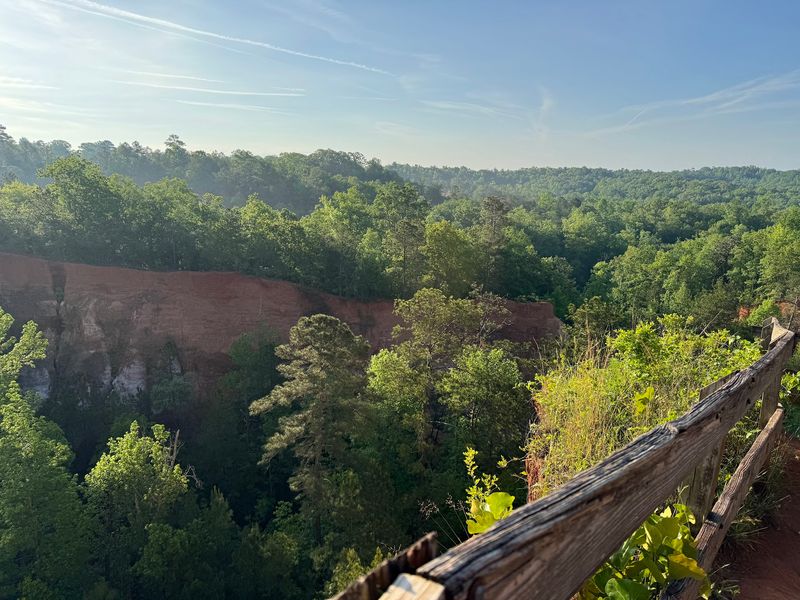
Bright clay walls can make your feet move faster than your brain, and that is where the afternoon starts to wobble.
Providence Canyon State Park has several access points near the visitor center, rim areas, and parking lots.
If you simply follow the first path that looks exciting, you may miss the better route for canyon views or add extra uphill walking you did not plan for.
Many visitors recommend checking the map before stepping onto the trail, especially if you want the Canyon Loop experience rather than a longer backcountry outing.
The park sits at 8930 Canyon Rd, Lumpkin, GA 31815, and is known as Georgia’s Little Grand Canyon.
It is rated 4.8 stars by thousands of visitors, which tells you the views are worth the drive, but good planning still matters.
The park is generally open from 7 AM to 9 PM, and the visitor center area is the smart place to orient yourself.
Look for posted signs, scan the payment QR code if needed, and decide whether you want overlooks, canyon floor paths, or a bigger hike.
A two-minute pause can save two hours of wandering.
Do Not Confuse the Canyon Loop With the Backcountry Trail
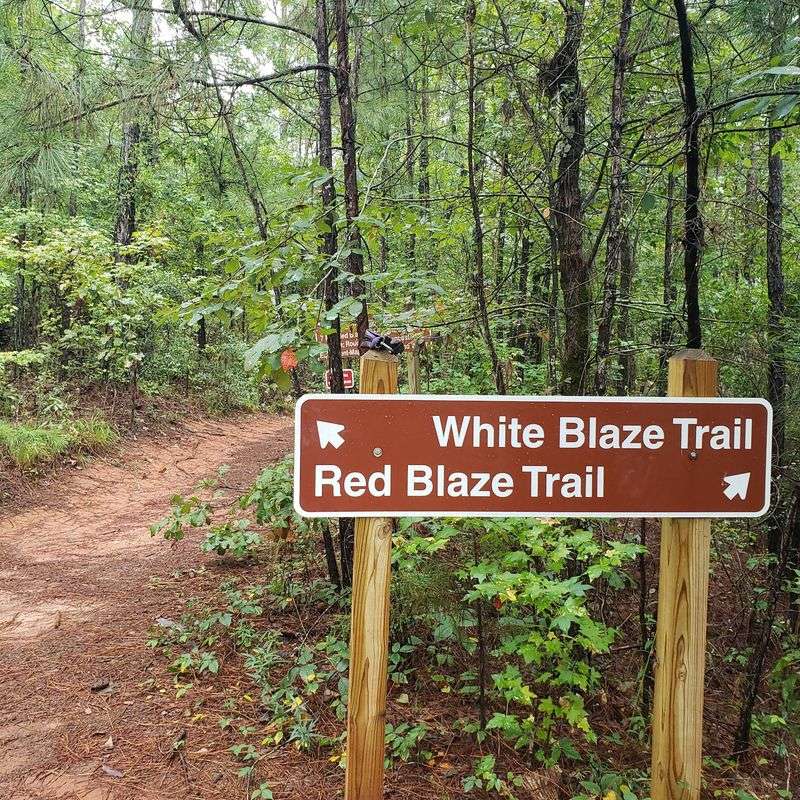
A little white blaze can feel friendly until it invites you on a much longer date than expected.
The Canyon Loop and the backcountry trail are not the same kind of afternoon.
The Canyon Loop gives many visitors a manageable taste of the canyon floor and selected canyon views.
The backcountry trail is longer, rougher, and can stretch a casual visit into a serious hike.
One reviewer reported hiking around eight miles in about five hours, which sounds great if that was the plan and less great if your snacks were one granola bar and hope.
Before you begin, read the trail names, not just the colors or blazes.
If you came for photos, family time, and a picnic, the shorter canyon routes may fit better.
If you want more distance and quiet woods, the backcountry trail can be rewarding, but you need water, time, and better footwear.
Phone service and trail apps can help, but do not trust them alone.
Printed maps near the visitor center and posted markers give useful backup.
Pick your trail like you pick a movie, matching it to your energy level and schedule.
Mud Can Turn a Short Walk Into a Slippery Soap Opera
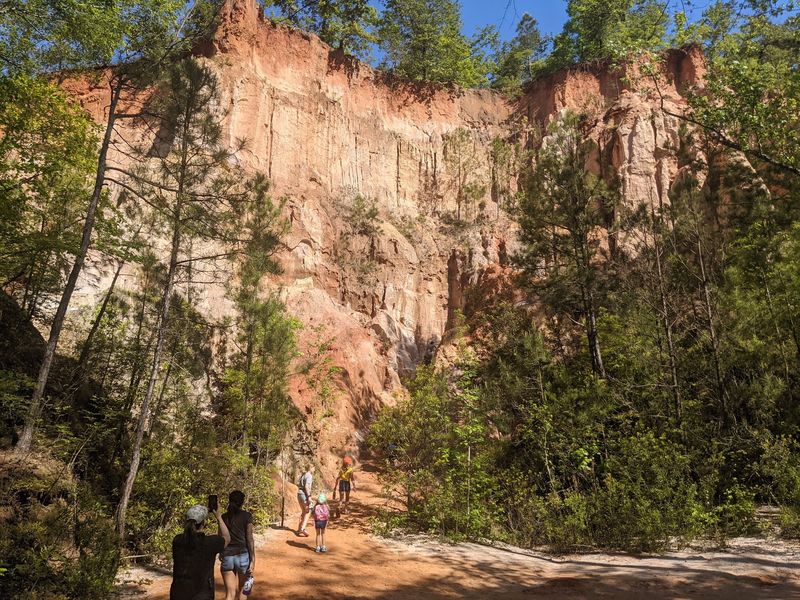
Red Georgia clay has a sneaky talent for turning shoes into heavy little bricks.
The canyon floor at Providence Canyon State Park is often wet, muddy, or crossed by shallow water.
Several visitors mention water-safe shoes, waterproof hiking boots, or footwear they did not mind getting dirty.
That advice is not fancy gear talk.
It is survival for your socks.
After rain, water can rise quickly in the canyon, and even on drier days, low spots may stay damp.
Good traction matters because slick clay can make every step feel like a prank.
Sandals without grip, clean white sneakers, or brand-new shoes may leave you annoyed before the prettiest canyon walls appear.
Bring an extra pair of socks and a plastic bag for muddy shoes if you have a long drive home.
The good news is that visitors often mention a shoe-rinsing station near the visitor center.
Use it before climbing back into your car.
Future you, especially the one vacuuming red dirt from the floor mats, will be deeply grateful.
Canyons 4 and 5 Deserve a Spot on Your Must-See List
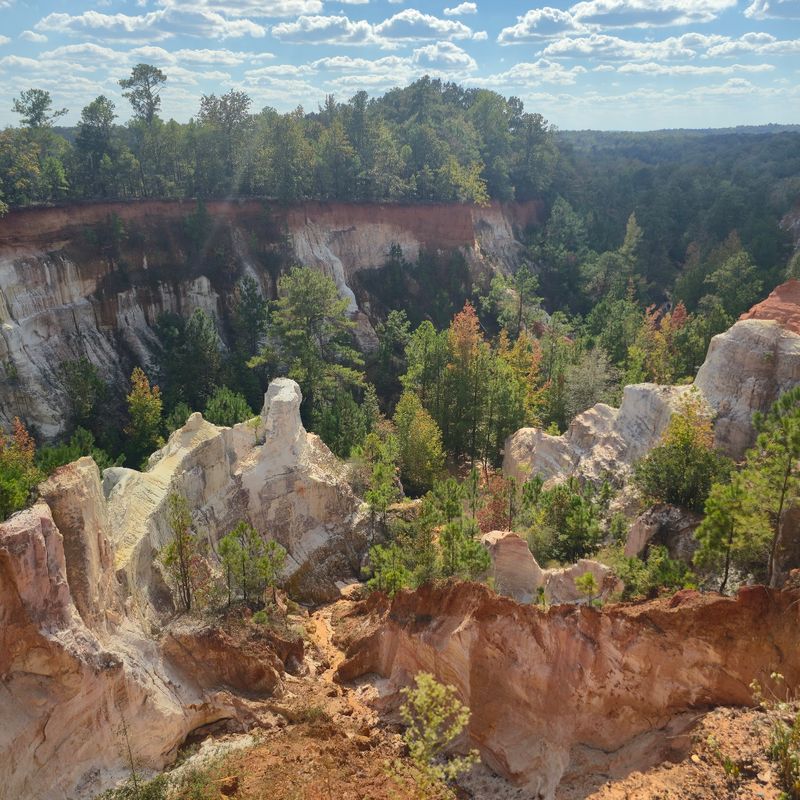
Some canyon stops whisper politely, while Canyons 4 and 5 practically shout for your camera.
Visitors often praise Canyons 4 and 5 as standout areas at Providence Canyon State Park.
The colors look especially striking where bright clay layers meet green trees.
If your time is limited, do not spend the whole visit poking around less scenic muddy paths and then run out of energy before reaching the better views.
That is the trail mistake hiding in plain sight.
Plan your route so the best canyon areas are not an afterthought.
Canyons 1 and 3 may be interesting, but some hikers describe them as muddier and less dramatic.
Canyons 6 and 8 can also be worthwhile if you have extra time and legs that still answer your commands.
Give yourself room to enjoy the view without rushing.
Take photos from safe areas, stay off fragile walls, and never carve into the clay.
The canyon was shaped by erosion from poor farming practices in the 1800s, and human damage still hurts the place today.
Admire the colors, then leave them untouched.
Morning Beats Midday When Heat Joins the Hike
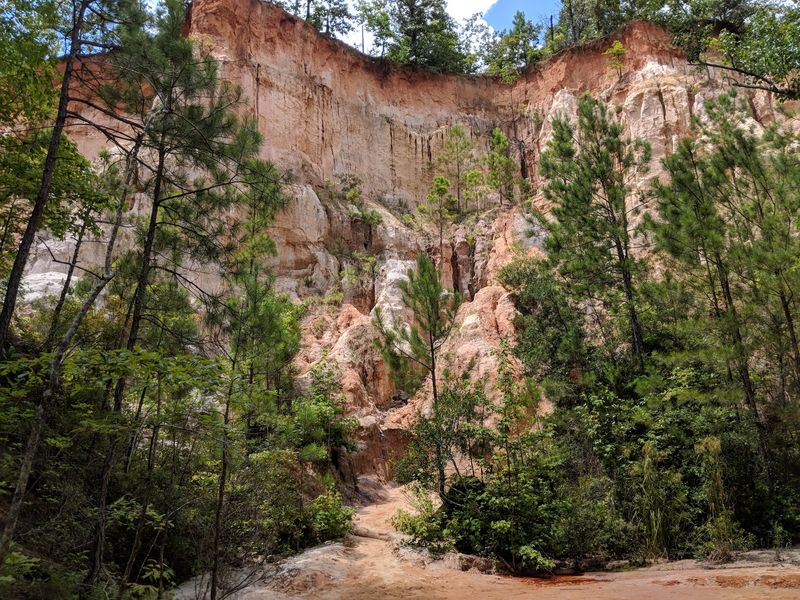
By late morning in warm months, the canyon can feel like a clay oven with better scenery.
Southwest Georgia heat and humidity are no joke, especially on trails with limited shade.
Reviews often mention that summer hiking can become sweaty, uncomfortable, and even dizzying.
Starting near the 7 AM opening gives you cooler air, easier parking, and more time to explore before the sun turns up the drama.
Bring more water than you think you need.
A hat, sunscreen, and light clothing can make the difference between a pleasant walk and a slow roast.
Even spring hikers have reported sunburn, so do not let mild temperatures fool you.
The canyon walls reflect light, and open stretches can feel hotter than expected.
Early starts also help if you want to combine the canyon floor, rim views, and a picnic without racing the clock.
The park usually closes at 9 PM, but daylight, weather, and tired legs still set real limits.
Beat the heat, beat the crowds, and save your energy for the climb back out.
Remember That the Return Trip Climbs Back Up
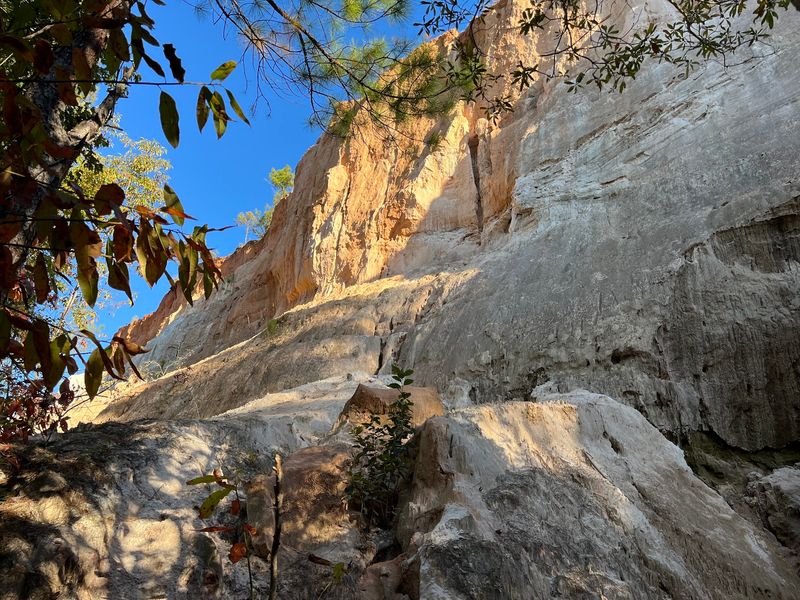
Going down into a canyon feels like gravity is your cheerful tour guide.
Coming back up is when gravity sends the bill.
Many visitors describe the return as uphill, and that can surprise people who judged the hike only by distance.
A three-mile outing may sound easy from the parking lot, but climbing out after mud, heat, and photo stops can make it feel much longer.
Pace yourself on the way down.
It is tempting to hurry toward the colorful walls, but save water and energy for the exit.
If you hike with kids, grandparents, or friends who prefer gentle walks, talk honestly before heading to the canyon floor.
Nobody enjoys discovering their cardio goals by accident.
Use rest breaks wisely.
Stop in shaded spots when possible, sip water before you feel thirsty, and avoid waiting until everyone is cranky.
The trails are generally well marked, but tired hikers miss signs more easily.
A smooth Providence Canyon visit is not about proving toughness.
It is about seeing the wild colors and still having enough energy to enjoy snacks afterward.
Pair Paper Maps With Trail Apps for Fewer Wrong Turns
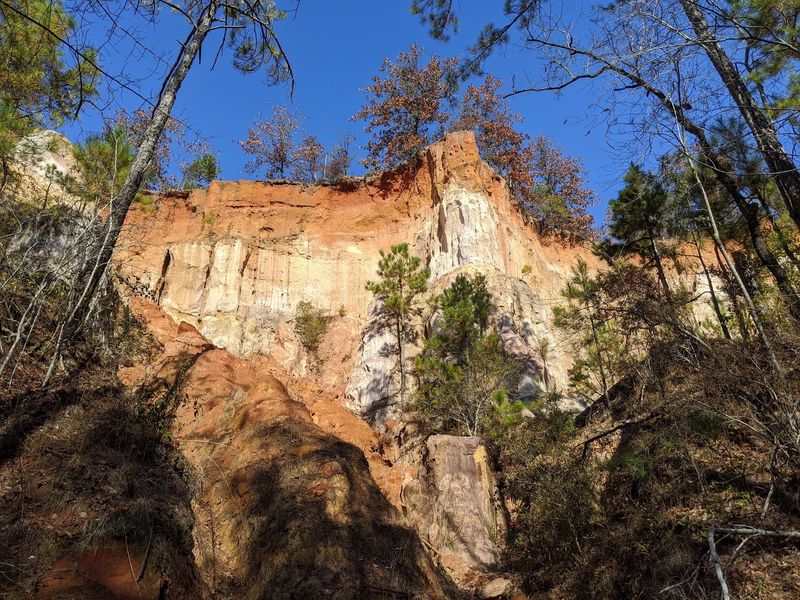
A phone map feels powerful until your battery starts sweating harder than you are.
Providence Canyon State Park has signage, maps, and popular routes, but visitors still mention confusing markers or less helpful paper maps.
The smartest move is using more than one guide.
Grab a printed map near the visitor center or entrance area, then use a trail app if you like tracking distance and turns.
Together, they lower the chance of drifting onto the wrong loop.
Before leaving the parking area, take a photo of the map board.
That simple move works even if the paper copy disappears into a backpack black hole.
If you use an app, download the route before arriving, keep your phone charged, and do not stare at the screen while walking near uneven ground.
Trail confusion wastes time because every wrong turn at a canyon usually includes extra climbing.
Watch for signs to the canyon floor, rim trail, white trail, and backcountry route.
When in doubt, pause and compare your map to posted markers.
A calm check beats a sweaty argument at the next fork.
Build in Time for Overlooks, Picnics, and Clean-Up
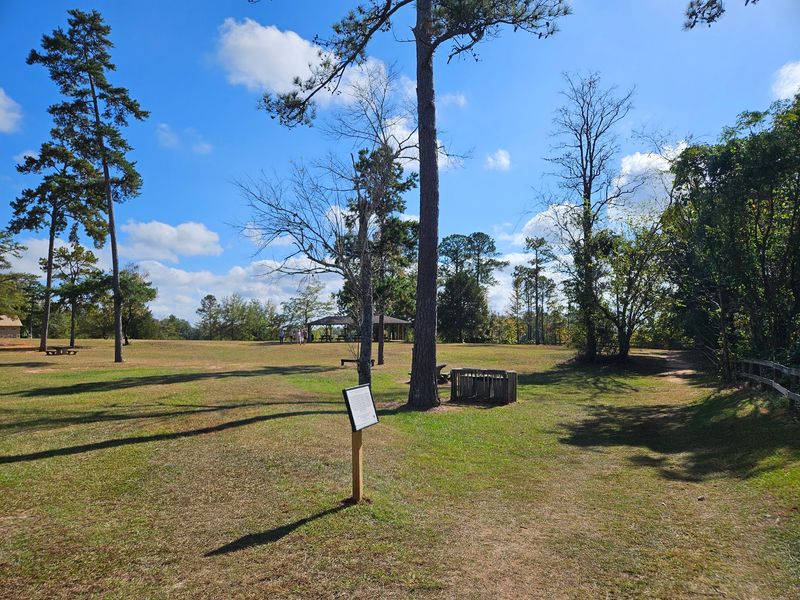
The best afternoons here leave space for more than marching from marker to marker.
Providence Canyon State Park offers picnic sites, restrooms, parking near the visitor center and rim areas, and a small shop where visitors mention snacks, drinks, souvenirs, and simple food.
If your plan is too tight, you may skip the easy pleasures that make the park memorable.
A picnic after the hike can feel like a victory feast, especially if mud tried to steal your shoes.
Set aside time for overlooks along the rim.
Some views can be partly blocked by summer leaves, while other spots open up beautifully.
Fall and early winter may offer clearer sightlines because foliage thins out.
Photography fans should allow extra minutes for changing light, family pictures, and the classic colorful canyon shots.
Also plan for practical chores.
Pay the parking fee, use the restroom, refill water if possible, rinse shoes, and check everyone for tiredness before adding another trail.
The trail mistake that wastes your afternoon is often poor timing, not poor fitness.
Leave breathing room, and the day feels easier.