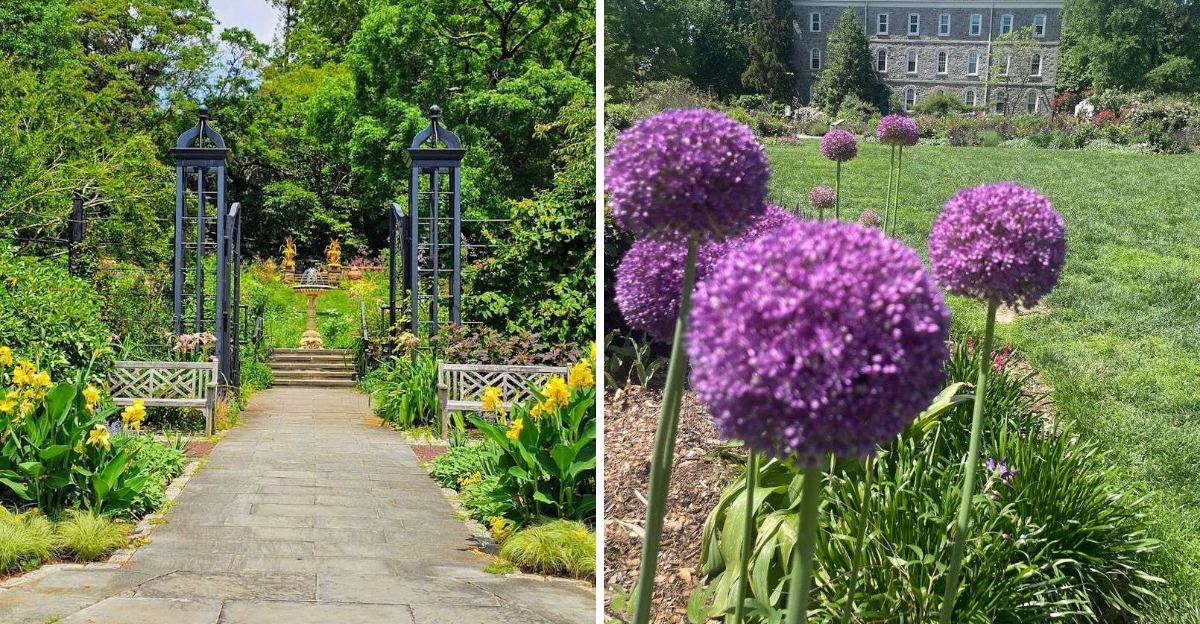
Pennsylvania hides pockets of pure calm that feel like stepping out of time.
Botanical gardens across the state trade noise for rustling leaves, glass conservatories, and winding paths that slow your thoughts without asking permission.
One moment you’re in a city, the next you’re surrounded by orchids, wildflowers, and quiet corners where the world finally stops shouting.
From grand estates filled with fountains to tucked-away green sanctuaries, these places don’t just display plants—they reset your entire weekend mood.
Longwood Gardens (Kennett Square)
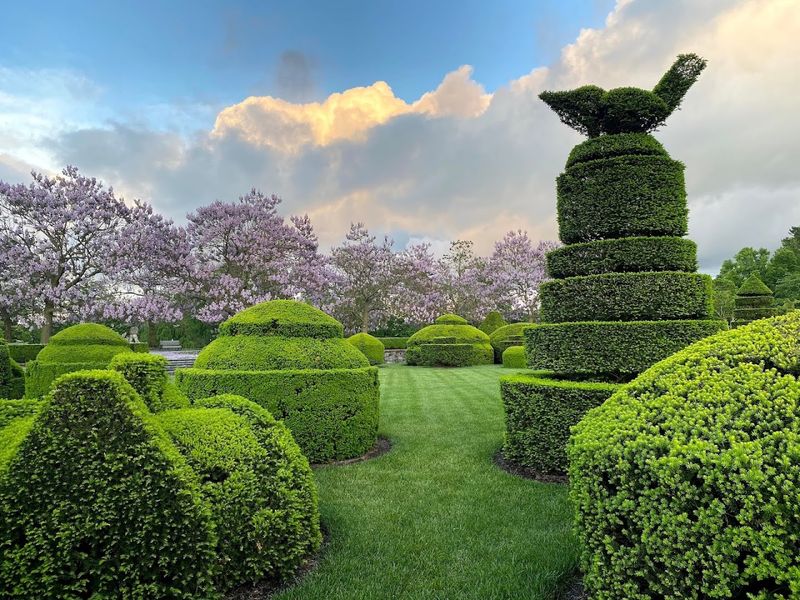
Spanning over 1,000 acres, this horticultural masterpiece ranks among the finest gardens worldwide. Visitors can spend an entire day exploring indoor conservatories filled with exotic blooms and outdoor landscapes designed to inspire wonder.
The fountain shows captivate audiences with choreographed water displays set to music, creating magical moments especially during evening performances.
Each season brings completely different experiences worth multiple visits throughout the year. Spring showcases thousands of tulips and flowering trees, while summer highlights water lily displays and outdoor garden rooms.
Fall transforms the meadows into golden landscapes, and winter sparkles with holiday light displays throughout the conservatories.
Woodland walking trails wind through natural areas offering quieter moments away from crowds. Specialized garden areas include rose gardens, topiary gardens, and meadow gardens that demonstrate sustainable landscaping practices.
Educational programs and workshops make this destination equally valuable for serious gardeners and casual nature enthusiasts seeking inspiration.
Phipps Conservatory and Botanical Gardens (Pittsburgh)
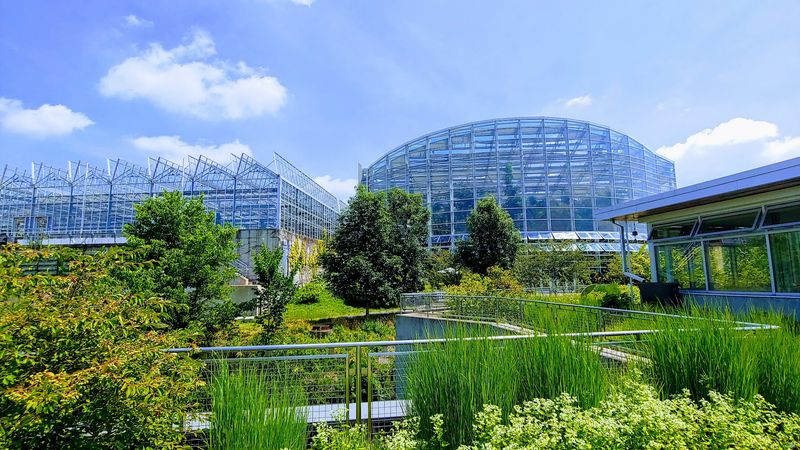
Built in 1893, this architectural gem houses one of America’s most impressive Victorian glasshouses. Walking through its doors transports you into tropical rainforests, desert landscapes, and seasonal flower shows that rotate throughout the year.
The orchid collection alone contains hundreds of varieties displayed in naturalistic settings that make you forget you’re in Pennsylvania.
Sustainability takes center stage here with innovative green building practices and educational exhibits. The tropical forest conservatory maintains perfect humidity levels, creating an authentic jungle experience complete with exotic birds and butterflies.
Themed seasonal shows transform spaces dramatically, from spring butterfly releases to elaborate holiday displays.
Garden rooms flow seamlessly from one climate zone to another, each meticulously maintained and labeled for learning. The outdoor gardens extend the experience with native plant displays and demonstration gardens showing practical landscaping ideas.
Free admission days and extended evening hours make this urban oasis accessible for everyone seeking botanical inspiration.
Morris Arboretum of the University of Pennsylvania (Philadelphia)
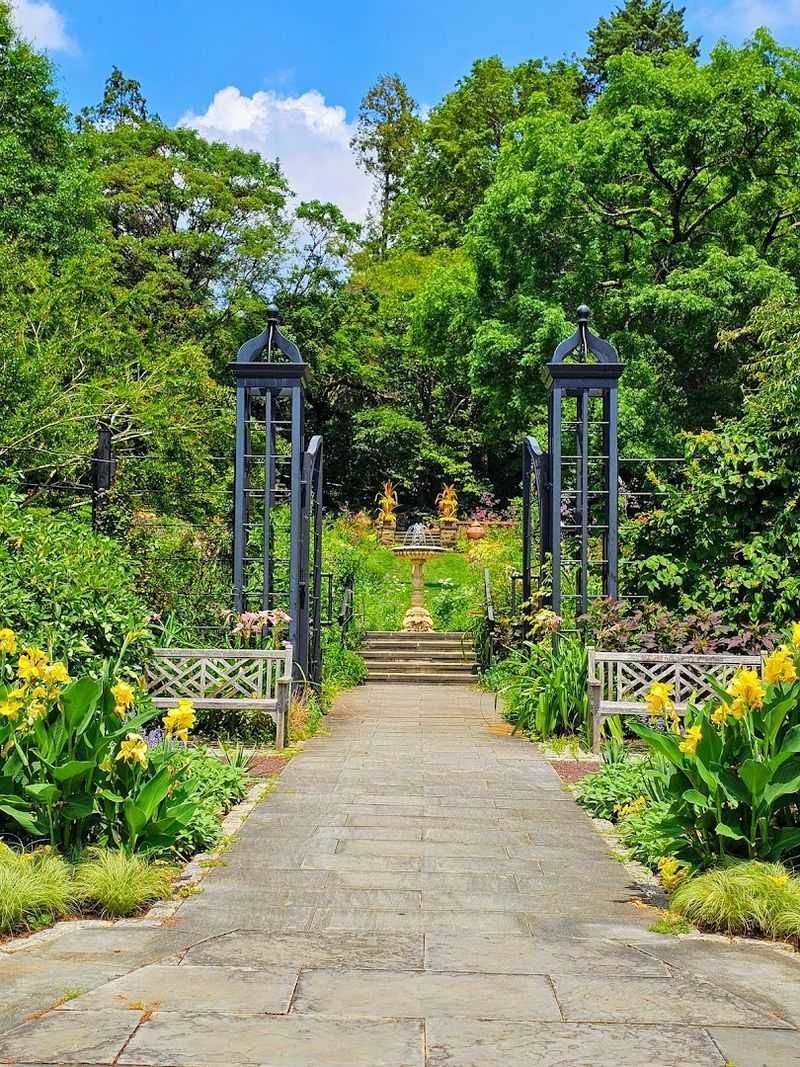
Adventure meets education at this 92-acre living museum where formal Victorian gardens blend with forested hiking trails. The signature Out On A Limb canopy walk suspends visitors 50 feet above ground, providing bird’s-eye views of the forest rarely experienced elsewhere.
This thrilling feature makes the arboretum especially popular with families and photography enthusiasts.
Historic garden spaces showcase English landscape design principles alongside modern horticultural research. The rose garden peaks in early summer while the fernery creates cool, shaded retreats during hot months.
Sculptural artworks dot the landscape, adding unexpected artistic moments throughout your journey.
Educational programs connect university research with public enjoyment, offering workshops on everything from pruning techniques to native plant gardening. Swan Pond provides peaceful reflection spots where turtles sun themselves on logs.
Seasonal events like pumpkin carving and holiday train displays attract different audiences throughout the year, making this destination worth visiting repeatedly regardless of the season.
Chanticleer Garden (Wayne)
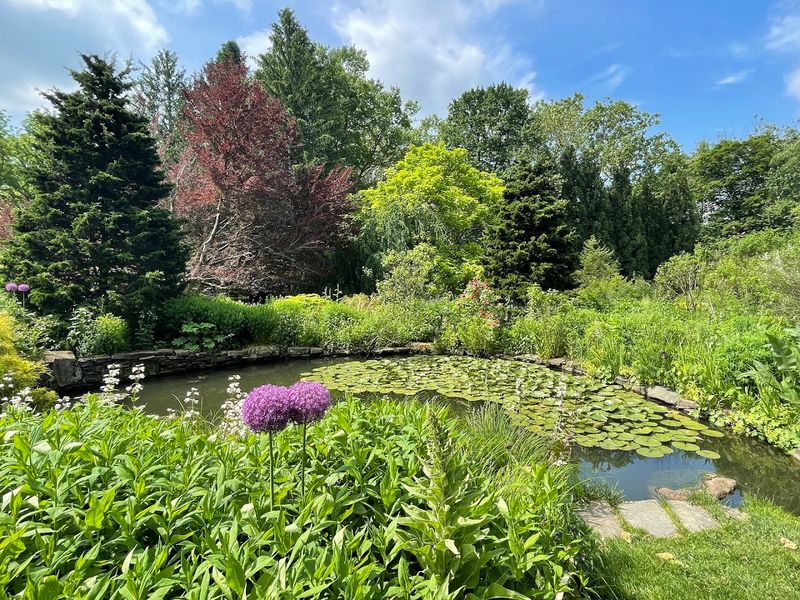
Often called the most romantic garden in America, this 48-acre estate emphasizes artistic plant combinations over botanical labeling. Garden designers here take bold risks with color, texture, and unexpected plant pairings that challenge traditional gardening rules.
Every corner reveals carefully composed scenes that feel spontaneous yet intentional, encouraging visitors to slow down and observe details.
Unlike formal botanical gardens, Chanticleer feels like wandering through someone’s extraordinary backyard. Intimate garden rooms transition from sunny perennial borders to shaded woodland groves without feeling disconnected.
Water features include playful fountains, reflective pools, and a natural pond surrounded by Asian-inspired plantings.
The contemporary approach here inspires home gardeners to experiment with their own landscapes. Seasonal containers overflowing with creative combinations sit on terraces and patios, demonstrating how to elevate ordinary spaces.
Staff members often work visibly in the gardens, making themselves available for questions and casual conversations about plant choices and design decisions.
Bartram’s Garden (Philadelphia)
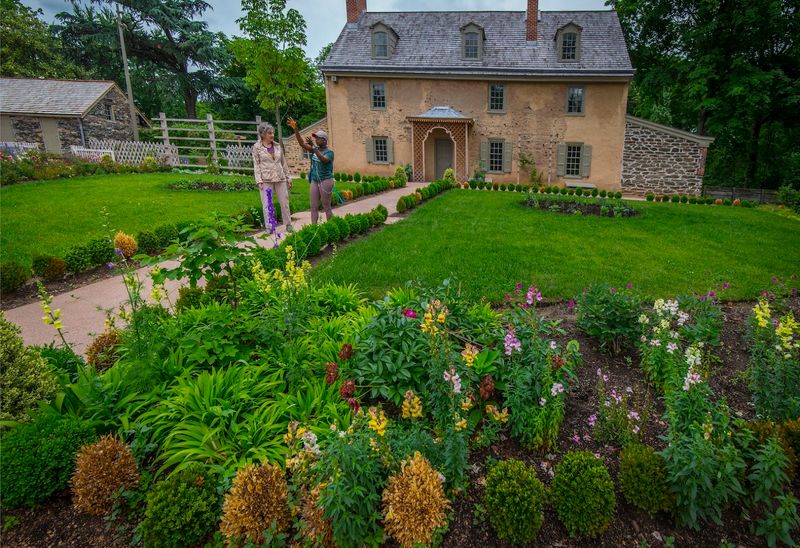
Founded in 1728, this National Historic Landmark holds the distinction of being America’s oldest surviving botanical garden. John Bartram explored the American frontier collecting native plants and seeds, establishing botanical exchange networks that influenced gardens worldwide.
Walking these grounds connects you directly to American horticultural history in ways few other locations can.
The Schuylkill River frames the property beautifully, offering waterfront trails and river access for kayaking adventures. Native plant displays demonstrate sustainable gardening using species adapted to local conditions without requiring excessive maintenance.
The historic stone house where Bartram lived remains intact, offering tours that illuminate colonial-era gardening practices.
Community garden plots show how urban agriculture thrives when spaces are shared respectfully. Meadow restoration projects showcase ecological gardening methods that support pollinators and wildlife.
Educational programs focus on environmental stewardship, teaching visitors how small backyard changes can contribute to larger conservation efforts throughout the region.
Bowman’s Hill Wildflower Preserve (New Hope)
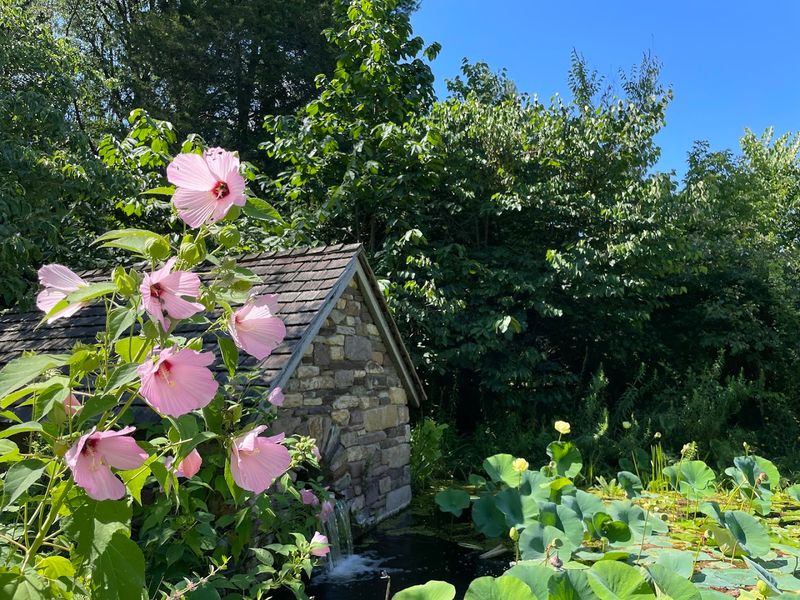
Exclusively featuring Pennsylvania native plants, this 134-acre preserve celebrates regional biodiversity through naturalistic plantings. Over 800 native species thrive here, creating authentic representations of the ecosystems that existed before widespread development.
Springtime transforms the forest floor into carpets of trilliums, bloodroot, and other ephemeral wildflowers that bloom before trees leaf out.
Trails wind through diverse habitats including wetlands, meadows, and mature forests, each supporting different plant communities. The preserve functions as a living laboratory where visitors learn to identify native plants and understand their ecological relationships.
Bird watchers appreciate the abundance of species attracted to native plant communities that provide natural food sources.
Penn’s Woods Pond serves as a centerpiece, surrounded by moisture-loving natives like cardinal flowers and swamp milkweed. Educational signage remains subtle, preserving the immersive nature experience while providing identification help when needed.
The preserve’s mission includes conservation seed collection, helping protect Pennsylvania’s botanical heritage for future generations.
Jenkins Arboretum & Gardens (Devon)
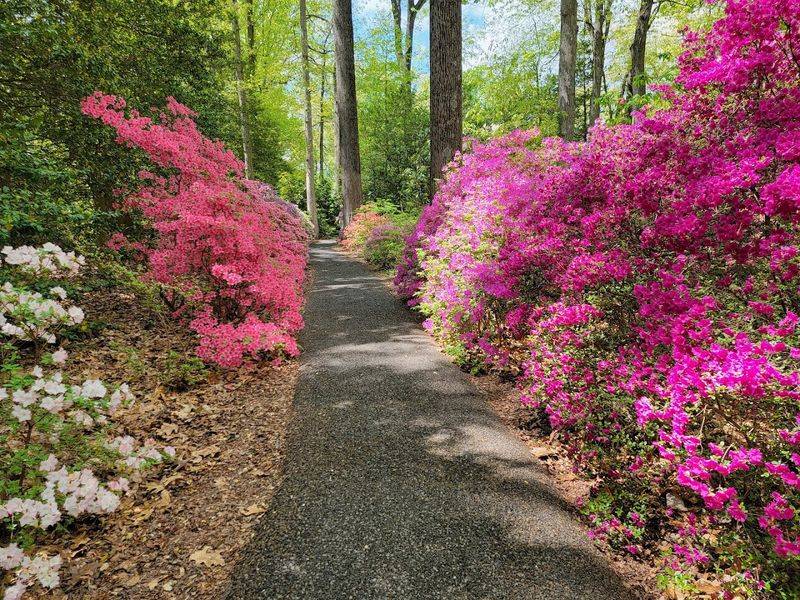
Rhododendrons and azaleas reign supreme at this serene 46-acre woodland sanctuary designed for contemplative strolling. Spring erupts in spectacular color as thousands of shrubs bloom simultaneously, creating breathtaking displays beneath mature tree canopies.
The emphasis on shade-loving plants makes this garden particularly refreshing during warm weather when many other gardens feel exposed and harsh.
Winding paths encourage slow exploration rather than destination-focused hiking. Benches positioned at scenic overlooks invite visitors to pause and simply absorb the peaceful atmosphere.
The naturalistic design philosophy means plants appear to flow organically rather than arranged in rigid patterns.
Year-round interest comes from careful attention to seasonal succession and evergreen structure. Even winter visits reveal sculptural branch patterns and interesting bark textures often overlooked in summer.
The quiet atmosphere attracts individuals seeking meditation spots or artists looking for inspiration. Educational programs remain low-key, focusing on appreciating plants rather than intensive horticultural instruction.
Scott Arboretum of Swarthmore College (Swarthmore)
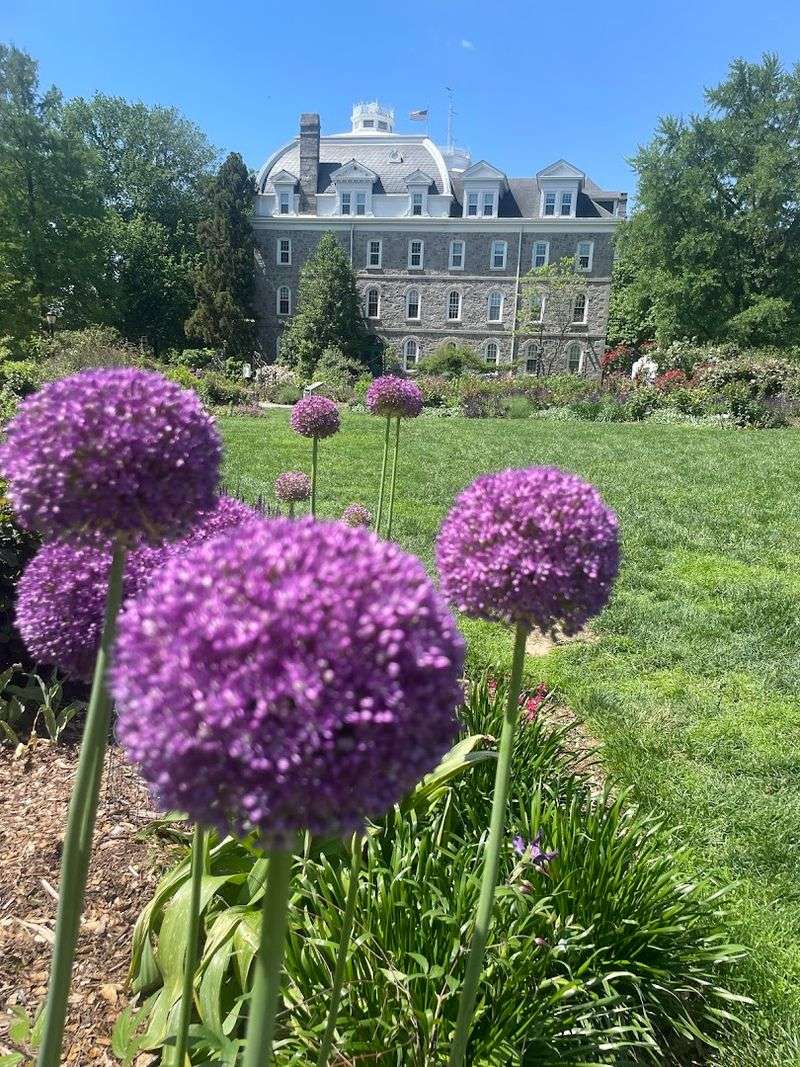
Seamlessly integrated into a prestigious college campus, this 425-acre arboretum transforms the entire grounds into an outdoor classroom. Students study beneath champion trees while visitors enjoy meticulously maintained ornamental plantings along campus walkways.
The blend of academic purpose and public accessibility creates a unique atmosphere where learning and leisure coexist harmoniously.
Specialized collections focus on woody plants adapted to Mid-Atlantic growing conditions, helping homeowners select appropriate species for their landscapes. The Dean Bond Rose Garden explodes with fragrance during peak bloom, showcasing varieties suitable for regional growing conditions.
Lilacs, magnolias, and other flowering trees time their displays throughout spring and early summer.
Walking tours reveal how thoughtful plant choices can transform everyday spaces into extraordinary gardens. The arboretum staff tests new plant introductions, sharing results through educational programs and publications.
Seasonal highlights include cherry blossoms in spring, perennial borders in summer, and spectacular fall foliage color from diverse tree collections.
Tyler Arboretum (Media)
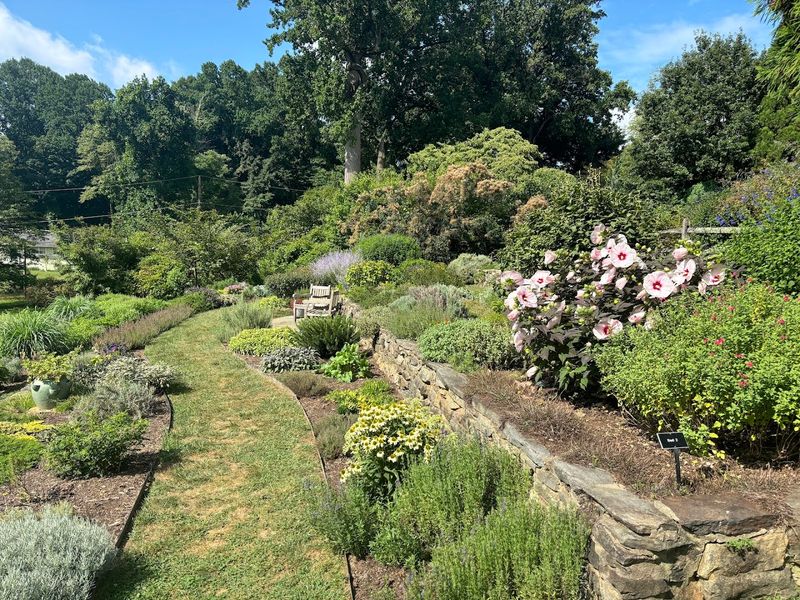
Dating back to 1681, this 650-acre preserve ranks among Pennsylvania’s oldest and largest arboreta. The famous Painter Brothers planted many specimen trees during the early 1800s, and their descendants still stand as living monuments to horticultural passion.
Ancient cedars, towering sequoias, and massive bald cypress create cathedral-like spaces that humble visitors with their scale.
Family-friendly trails include the Treetop Canopy Adventure with ziplines and elevated bridges connecting tree platforms. This attraction draws adventure seekers who might not otherwise visit botanical gardens.
Twenty miles of hiking trails range from paved accessible paths to rugged woodland routes suitable for serious hikers.
Meadow restoration projects demonstrate ecological land management using controlled burns and native seeding. Historic buildings include a colonial-era barn housing educational exhibits about sustainable agriculture.
Seasonal programs offer maple sugaring demonstrations, apple pressing festivals, and guided nature walks focusing on bird identification. The diversity of experiences ensures families can return repeatedly without exhausting available activities.
Awbury Arboretum (Philadelphia)
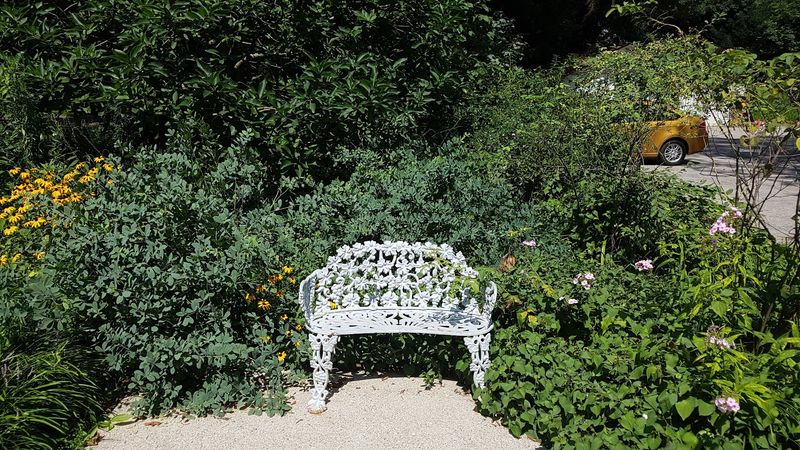
Tucked into a residential North Philadelphia neighborhood, this 55-acre hidden treasure provides unexpected wilderness within city limits. Victorian-era landscape design meets contemporary community gardening in spaces that feel both historic and vibrantly alive.
The juxtaposition of formal stone gateways and wild meadows creates an intriguing atmosphere that reflects the arboretum’s evolution.
Community engagement distinguishes Awbury from more traditional botanical gardens. Urban agriculture plots allow neighbors to grow fresh produce while learning sustainable farming techniques.
Children’s programs introduce city kids to nature through hands-on activities rarely available in dense urban environments.
Walking trails meander through mature woodlands where birdsong drowns out traffic noise surprisingly quickly. Open meadows host seasonal wildflower displays supporting pollinator populations crucial for urban biodiversity.
The Francis Cope House serves as an architectural anchor, its historic presence grounding the landscape in centuries of Philadelphia history. Free admission and welcoming atmosphere make this destination particularly valuable for communities often underserved by traditional cultural institutions.
Hershey Gardens (Hershey)
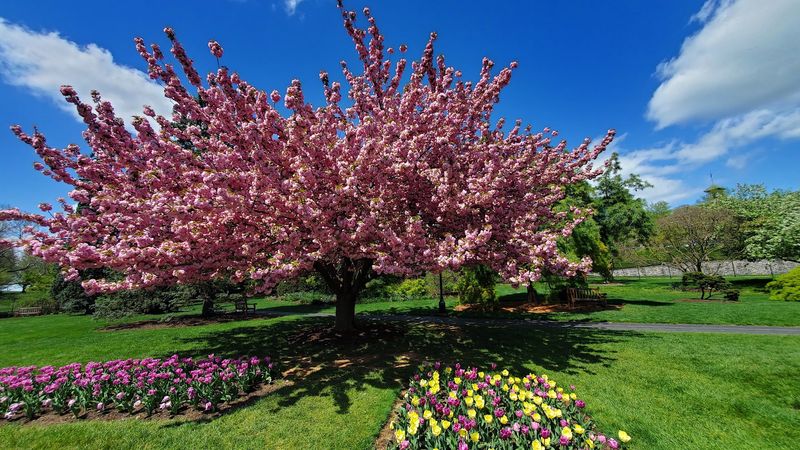
Perched on a hillside overlooking the famous chocolate-themed amusement park, these 23-acre gardens provide a sweet contrast to thrill rides below. Originally created as a simple rose garden, the site has expanded into themed sections showcasing diverse plant collections.
The butterfly atrium releases hundreds of tropical butterflies daily during warm months, creating magical encounters that delight children and adults equally.
Rose collections peak in early summer when thousands of bushes perfume the air with intoxicating fragrance. Themed gardens include a Japanese-style meditation garden, children’s garden with interactive features, and seasonal display beds changed multiple times yearly.
The views across the valley toward Hersheypark add an amusing element unique among Pennsylvania’s botanical destinations.
Seasonal events include tulip festivals in spring and elaborate holiday light displays in winter. The compact size makes this garden manageable for young families or visitors with limited mobility.
Educational programs focus on pollinators, offering hands-on learning about butterfly and bee conservation.
Arboretum at Penn State (State College)
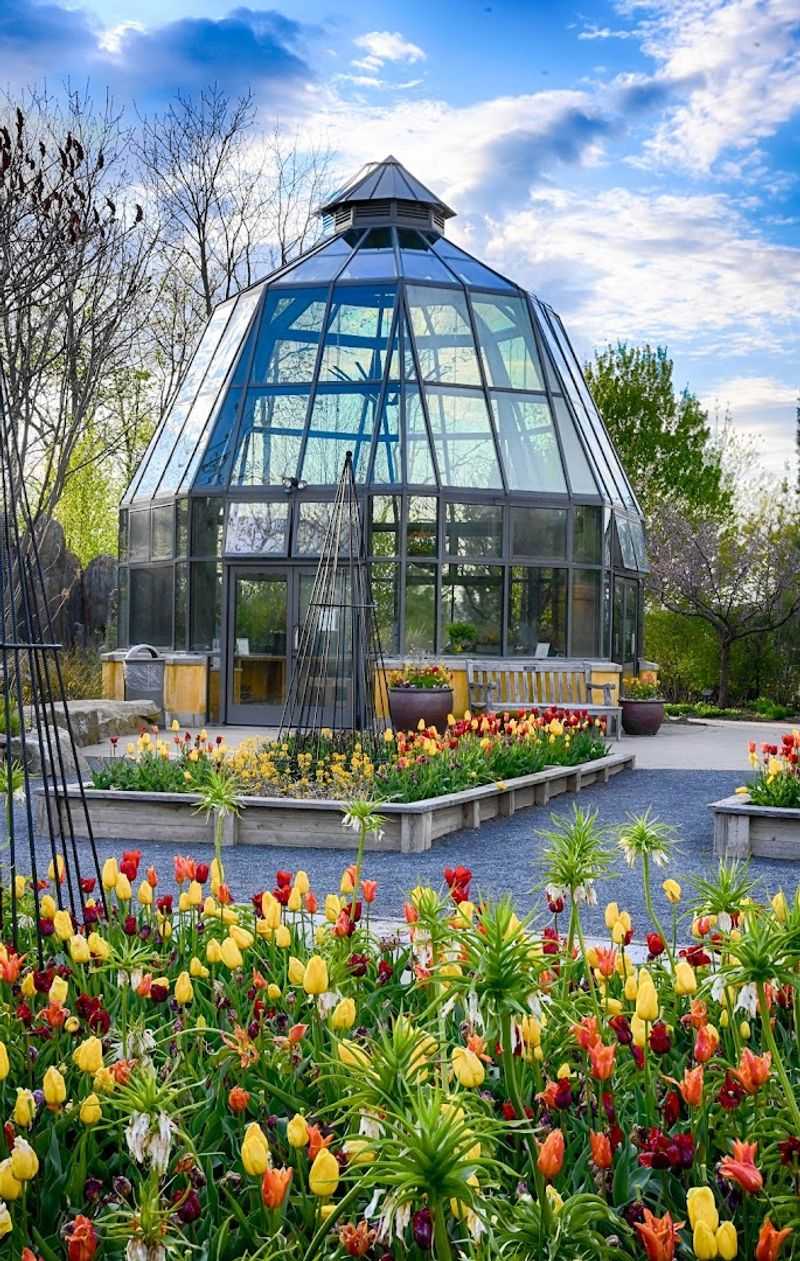
Research meets public recreation at this 370-acre university garden showcasing cutting-edge landscape design concepts. Unlike traditional arboretums organized by plant families, this space features thematic gardens demonstrating specific design principles and ecological concepts.
The Children’s Garden became a national model, inspiring similar installations at botanical gardens worldwide through its innovative approach to nature education.
Large-scale plantings create dramatic seasonal displays impossible in smaller gardens. The pollinator and bird garden demonstrates how residential landscapes can support wildlife through intentional plant selection.
Wetland areas manage stormwater while providing habitat, showing practical applications of ecological design principles.
Campus integration encourages students to use garden spaces for studying and relaxation. Walking loops accommodate joggers and casual strollers equally well.
The arboretum tests plant varieties for Mid-Atlantic suitability, sharing results through extension programs that help homeowners succeed with their own gardens. Seasonal highlights include spectacular fall color from diverse tree plantings and winter interest from ornamental grasses.
Pittsburgh Botanic Garden (Oakdale)
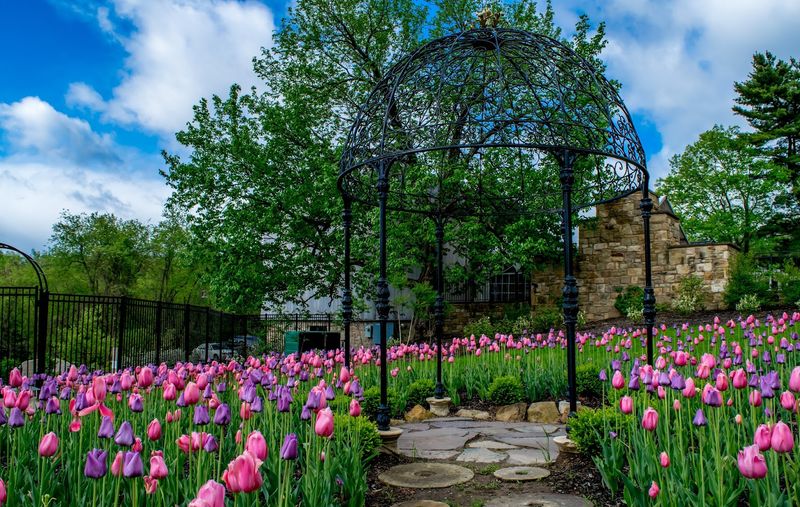
Transformation defines this ambitious 460-acre garden built on former industrial land. What was once degraded mining property has become a thriving botanical destination demonstrating the power of ecological restoration.
Rolling hills, mature forests, and a central lake create diverse environments supporting both cultivated gardens and natural woodland habitats.
The evolution continues as new garden areas open regularly, making each visit reveal progress. Lotus Pond serves as a centerpiece, its summer blooms creating stunning photographic opportunities.
Woodland trails allow deeper nature immersion than many formal botanical gardens offer.
Petal & Leaf Cafe provides farm-to-table dining using ingredients from on-site gardens when possible. The commitment to sustainability extends throughout operations, from composting programs to native plant landscaping.
Educational programming emphasizes environmental stewardship and habitat creation. The garden’s success story inspires communities facing similar land reclamation challenges, proving that damaged ecosystems can recover beautifully with patient, knowledgeable intervention and community support.
Rodef Shalom Biblical Botanical Garden (Pittsburgh)
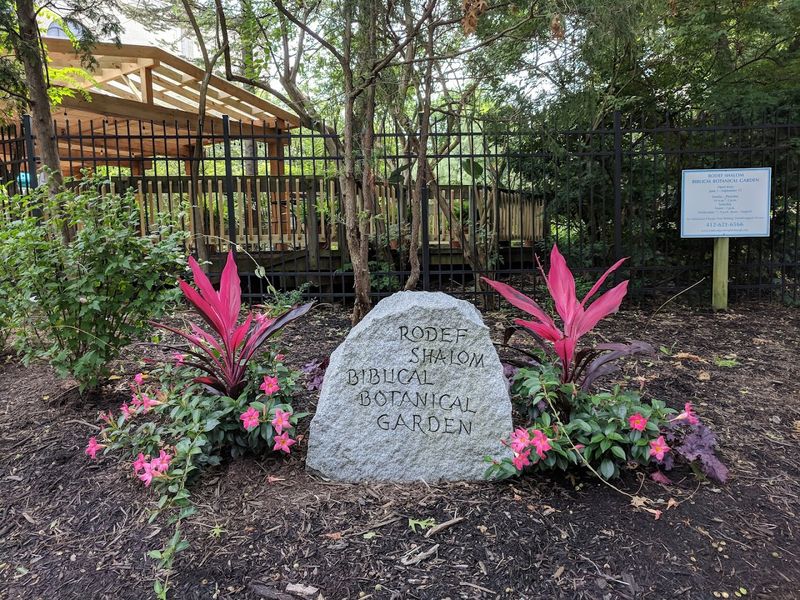
Unlike any other garden in Pennsylvania, this unique half-acre space focuses exclusively on plants mentioned in biblical texts. Each specimen connects to specific scriptural passages, creating a living library of ancient botanical references.
The intimate size encourages close observation and contemplation rather than extensive walking, making it perfect for reflective visits.
Designed as both a cultural and botanical experience, the garden bridges religious education and horticultural interest. Fig trees, pomegranates, and olive trees grow alongside herbs like hyssop and mint, all carefully labeled with their biblical significance.
A waterfall and stream add peaceful sounds enhancing the meditative atmosphere.
Located in an urban synagogue setting, the garden provides an oasis within the city that welcomes visitors of all backgrounds. Educational programs explore the historical, cultural, and practical uses of biblical plants.
The specialized focus makes this destination particularly meaningful for religious studies students and anyone interested in the intersection of faith and nature. Compact size and accessibility make visits easy to combine with other Pittsburgh attractions.