Most bakeries in America plug into a wall socket. One little brick building in Winston-Salem, North Carolina, has relied on firewood, patience, and a dome-shaped oven for more than two centuries.
The idea sounds like something from a history book, yet it sits on a working street where people still walk in, buy a loaf, and walk out with a story. The building has seen wagons, wars, and smartphones, and it still holds on to the old ways of making bread.
That stubborn streak is exactly what makes it worth a trip. In the sections ahead, you will learn who built it, how the oven works, what the staff in period clothing actually do, when to show up, and how to turn one bakery stop into a full day of exploring.
Grab a snack and keep reading, because this story rises slowly.
A Bakery With a Real Street Address
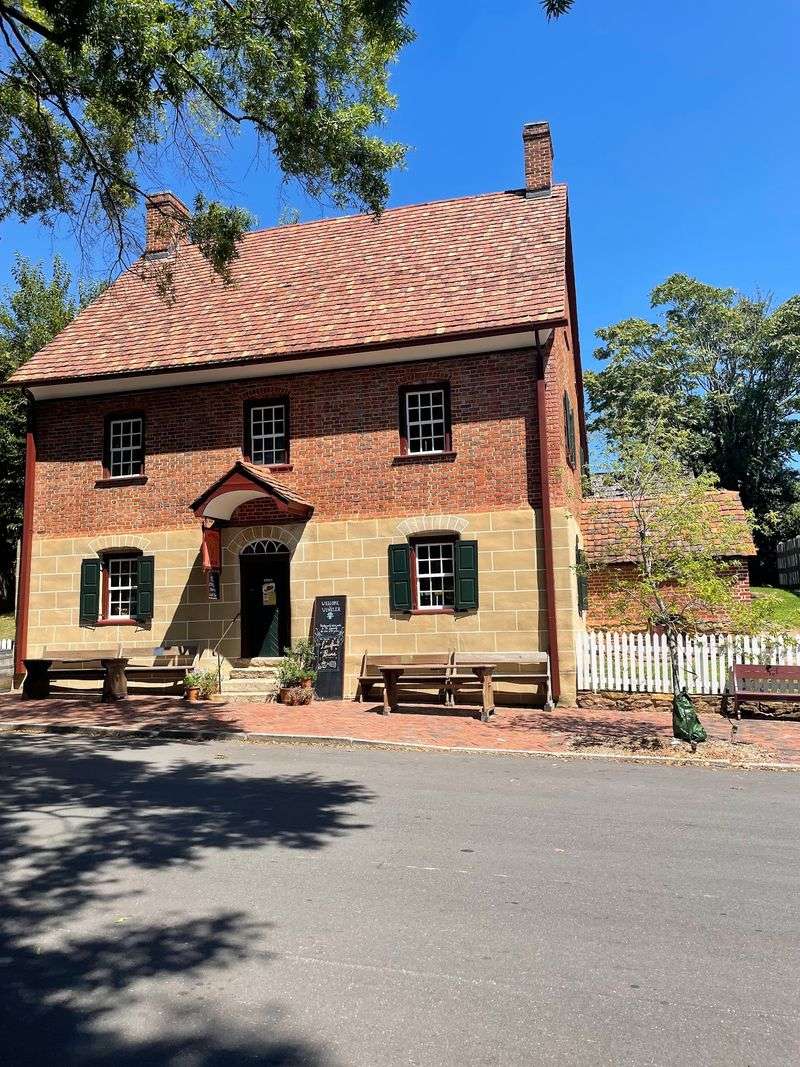
The secret stop from the introduction has a name, and it is Winkler Bakery. You can find it at 521 S Main St, Winston-Salem, NC 27101, inside the historic district known as Old Salem in North Carolina.
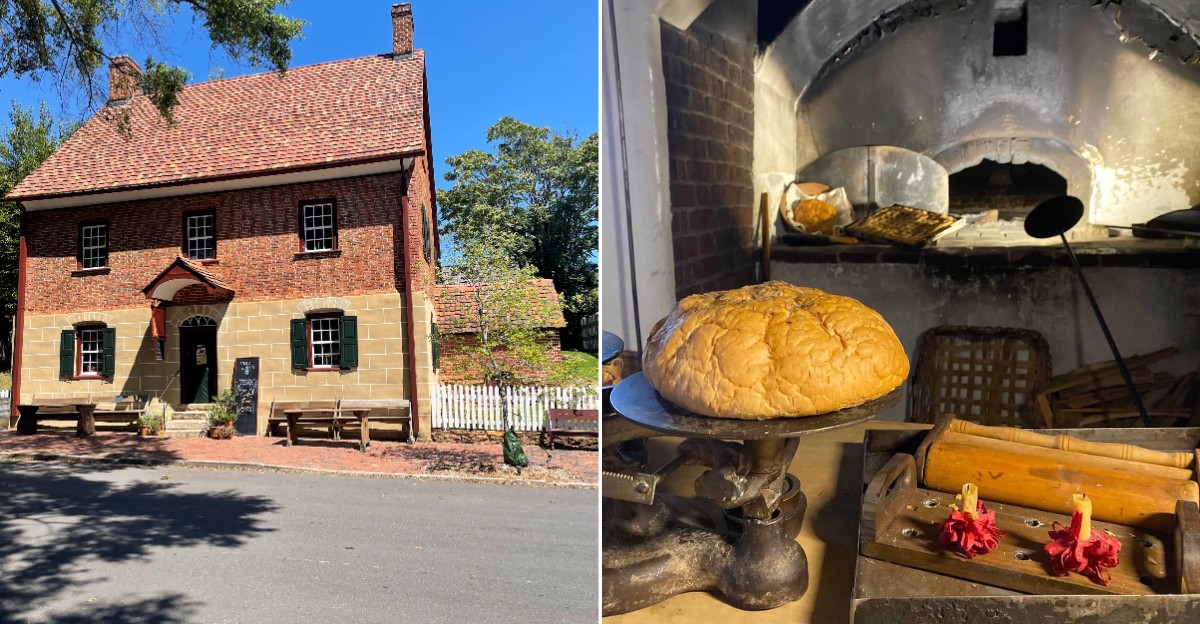
The red brick building sits right on the main street of the old town. It is easy to spot because it looks like it belongs in another century, and it does.
Old Salem is a living history town that was started by Moravian settlers in 1766. The bakery is one of its best-known buildings and often the first place people head.
Here is a handy tip for planning. The bakery keeps limited hours, opening from 10 am to 4 pm on Wednesday, Thursday, Friday, and Saturday.
It stays closed Sunday through Tuesday, so a weekend trip should lean toward Saturday. Showing up early in the day gives you the best shot at a full selection on the shelves.
Mark the calendar, set the map, and get ready to step back in time without leaving the sidewalk.
Built Before the Ink Dried on History
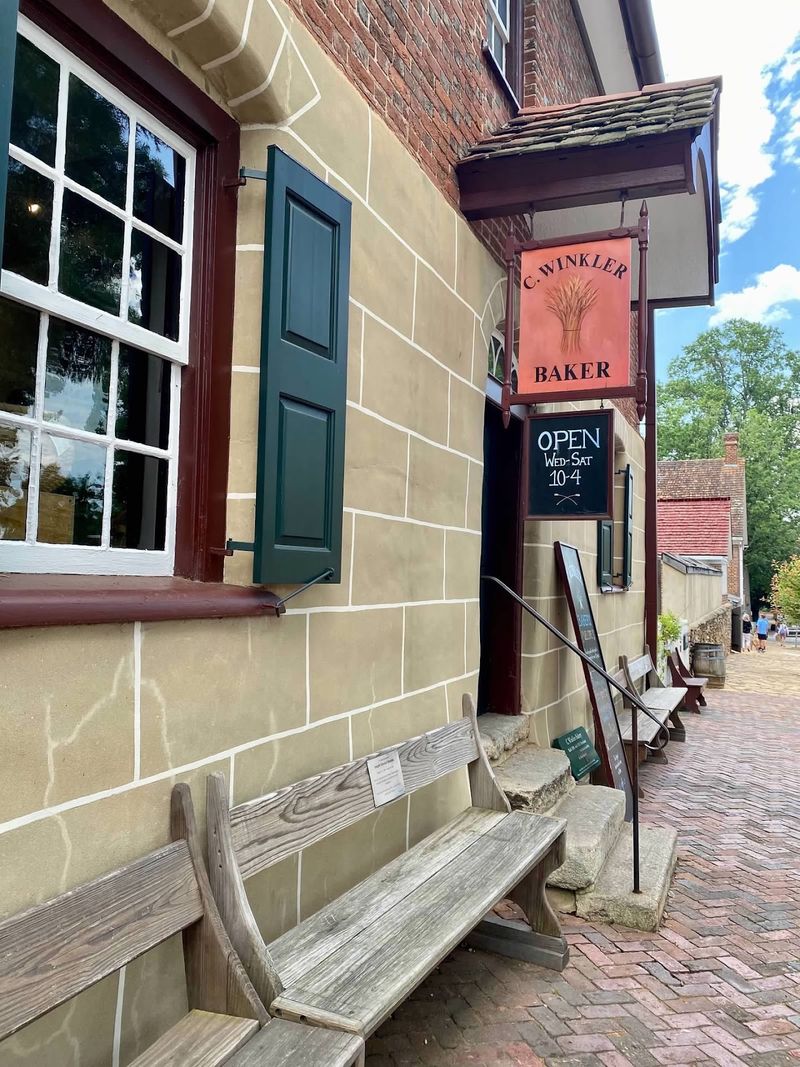
Back in 1800, the Moravian community of Salem decided its town needed a proper bakery. The brick building that still stands today went up around that time.
A few years later, a baker named Christian Winkler took charge. He came from Switzerland, and his family ran the business for many decades afterward.
That long family run is how the bakery got its name. Plenty of businesses change owners every few years, yet this one stayed tied to a single family for generations.
The Moravians were a careful, organized group. Their church leaders helped decide who could open shops in town, so becoming the town baker was a serious job.
Bread was a daily need back then, not a treat. A reliable baker kept the whole community fed, which made this building one of the most important on the street.
Today the building is preserved as part of Old Salem Museums and Gardens. Each brick carries a small piece of that early story, and the chapter is still being written.
The Oven That Runs on Firewood
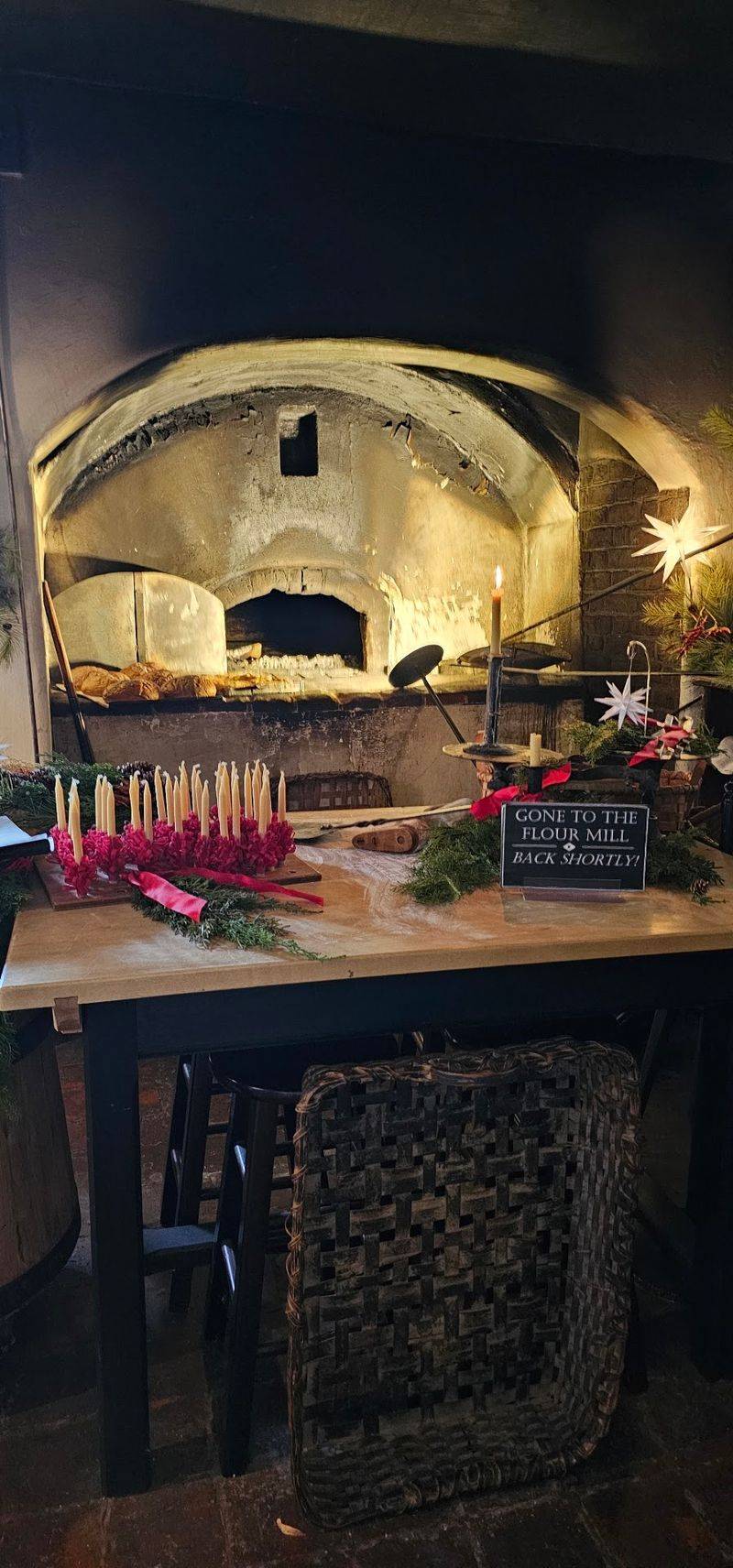
Forget the temperature dial. The star of this bakery is a large dome-shaped brick oven, often called a beehive oven because of its rounded shape.
Here is how the old method works. Bakers build a wood fire right inside the oven and let it burn until the bricks get very hot.
Then they sweep out the coals and ashes. The heat stored in the thick brick walls does the baking, so the bread goes in after the fire is gone.
Timing is everything with this kind of oven. Bakers in the early 1800s had no thermometers, so they learned to judge the heat through years of practice.
The oven is one of the main reasons people make the trip. Seeing a working piece of early American kitchen equipment explains more than any textbook page can.
Fun fact for history fans. Many towns once had ovens like this, but very few have survived in such good shape, which makes this one a rare survivor worth a long look.
Loaves With a Long Memory
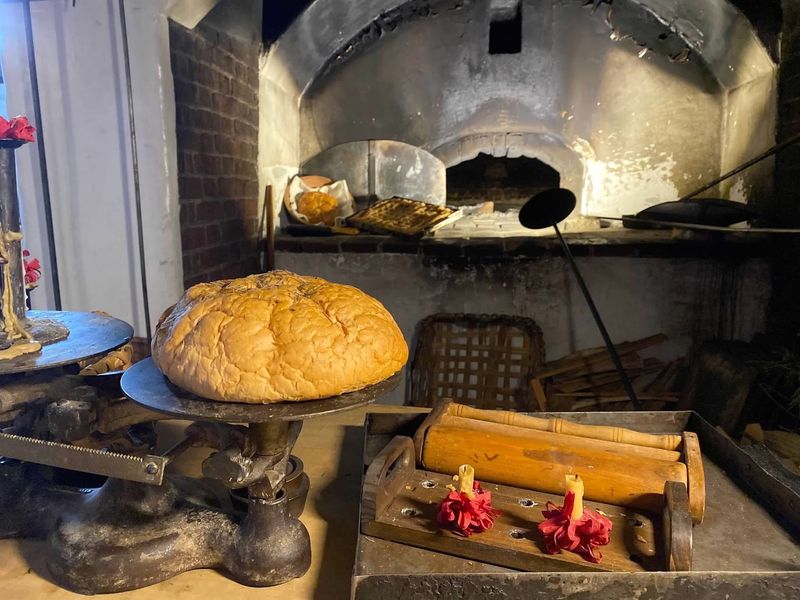
Bread is the whole reason this building exists. For the Moravian settlers, a loaf was not a fancy extra but a basic part of every meal.
The tradition of baking in the brick oven connects today’s loaves to that early town. Recipes and methods tied to the Winkler family are part of what makes the bakery feel special.
A smart move is to ask staff what came out of the oven that day. Baking schedules can change, and the people behind the counter can tell you what is fresh and how it was made.
Some items on the shelves may come from other kitchens, so asking is the best way to know. Staff are known for being friendly and happy to explain.
Plan to buy early. Bread at a small historic bakery can sell out, and the doors close at 4 pm.
Bringing home a loaf from a building this old feels a bit like carrying a souvenir you can actually slice.
Staff Dressed for Another Century
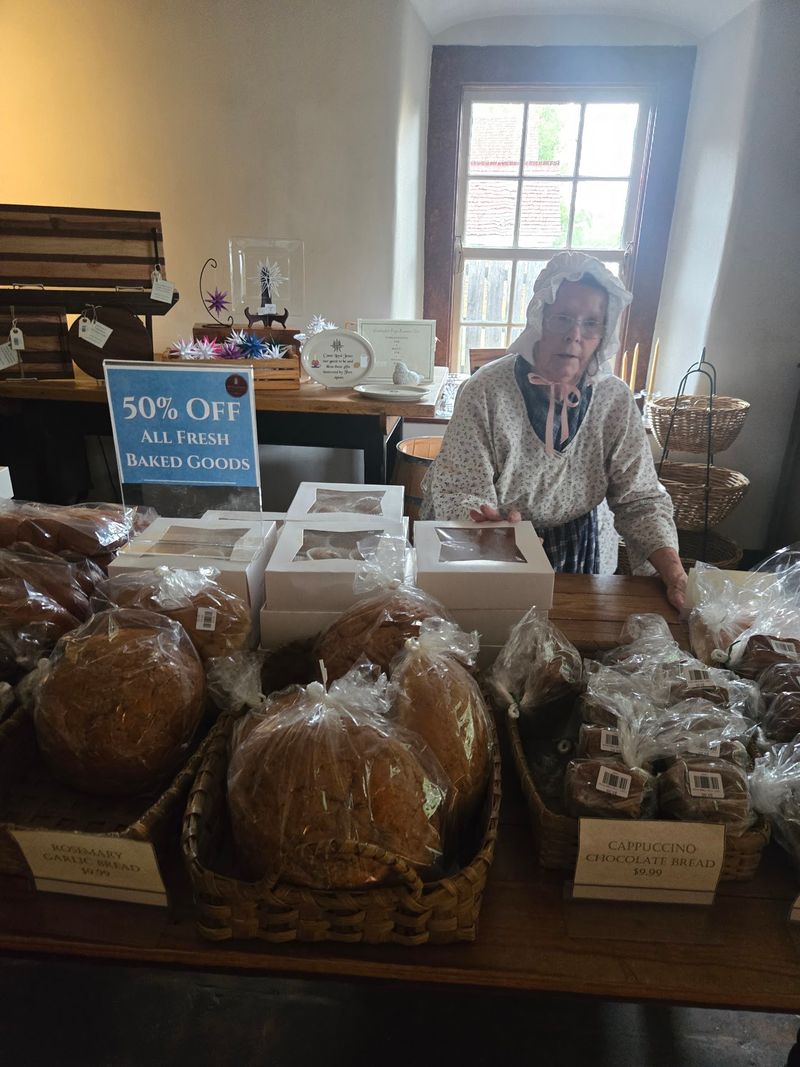
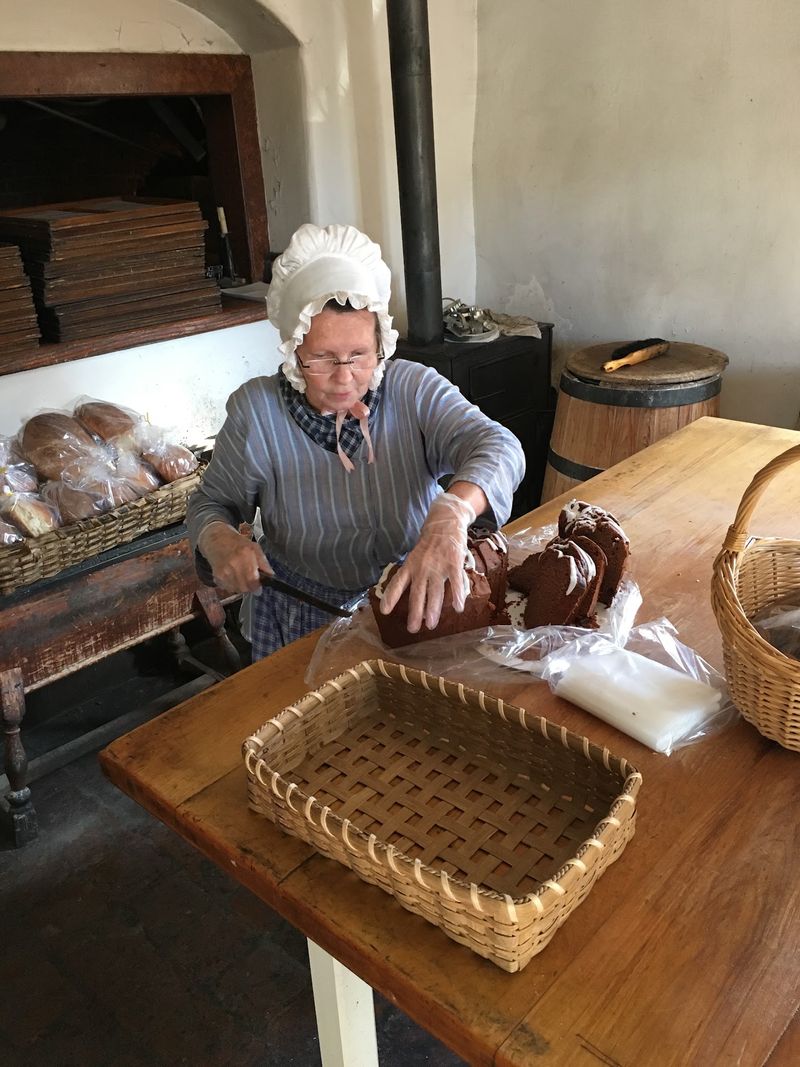
Bonnets, aprons, and long skirts are part of the dress code here. Many staff members wear clothing based on what Moravian bakers wore in the early 1800s.
The costumes are more than decoration. They help turn a quick shopping trip into a small history lesson.
People working here often share the story of the house when guests walk in. They explain how the building was used, how it changed over time, and where to find each part of the shop.
Do not be shy about asking questions. How long did baking take?
Who ran the shop? Where did the firewood come from?
The staff are known for being welcoming and patient with curious minds of every age. Kids especially enjoy chatting with someone who looks like they stepped out of an old painting.
When a demonstration is happening, watching someone tend the oven in period clothing is a highlight. It is history with a human face, and that makes the lessons stick.
Two Floors, Two Different Moods
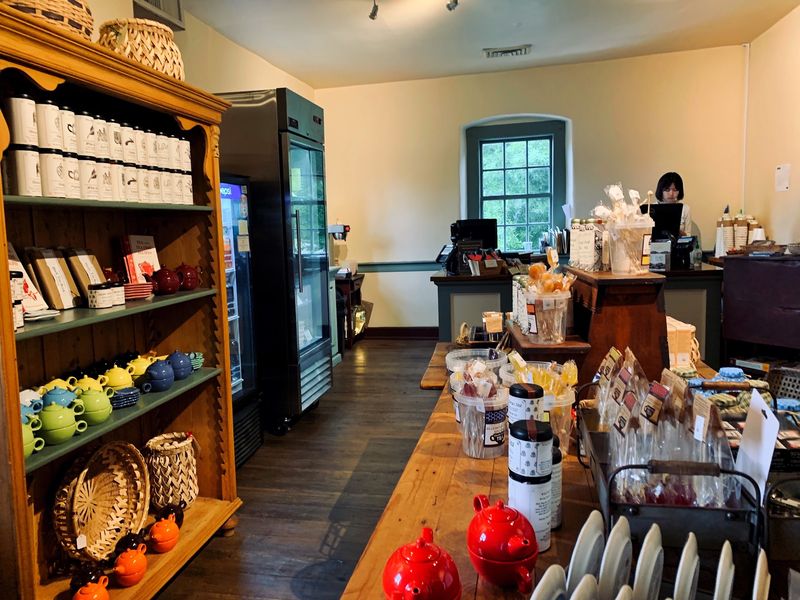
Plenty of people stop on the ground floor and walk right back out. That is a mistake, because the building has an upstairs worth exploring too.
Downstairs is where the baked goods and kitchen area are found. It is the busy, practical side of the bakery.
Upstairs has a gift shop that feels part store and part museum. Shelves hold gifts, jams, and items tied to the area’s history.
It is a handy spot for holiday or birthday shopping. Finding a gift with a real backstory beats grabbing something random at a mall.
Moving between the two floors also gives you a sense of how the building was laid out. Old houses and shops used every inch of space wisely.
Take your time on the stairs and look around. Small details in the rooms help tell the story of daily life in early Salem.
A two-level visit only takes a few extra minutes, and it doubles what you get out of the stop.
Your Ticket Booth in Disguise
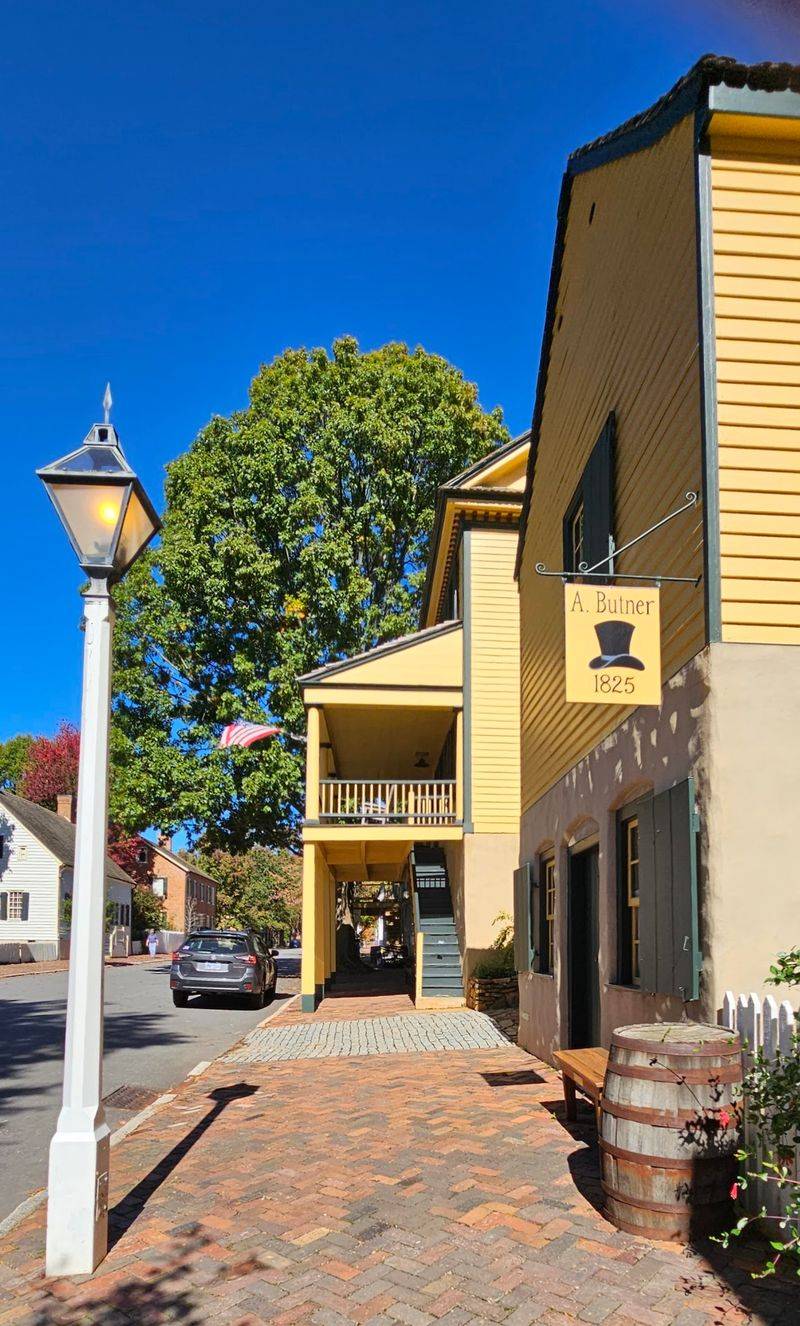
Here is a detail many first-timers miss. The bakery is also a place where you can get tickets for the Old Salem historic buildings.
Old Salem has a number of buildings staffed by interpreters who show what life and work were like long ago. Entering those buildings requires a paid ticket.
Ticket options and prices can change over time. Checking the official Old Salem website before your trip is the easiest way to see current choices.
Not ready to buy a ticket? You can still stroll the streets of the historic district and enjoy the old buildings from the outside.
The bakery itself is a shop, so stopping in to browse is simple. It makes a natural starting point before you decide how much of the town to explore.
Think of it as a front door to the whole neighborhood. One stop for bread and a plan for the day sounds like a pretty efficient morning.
Every Purchase Keeps the Town Going
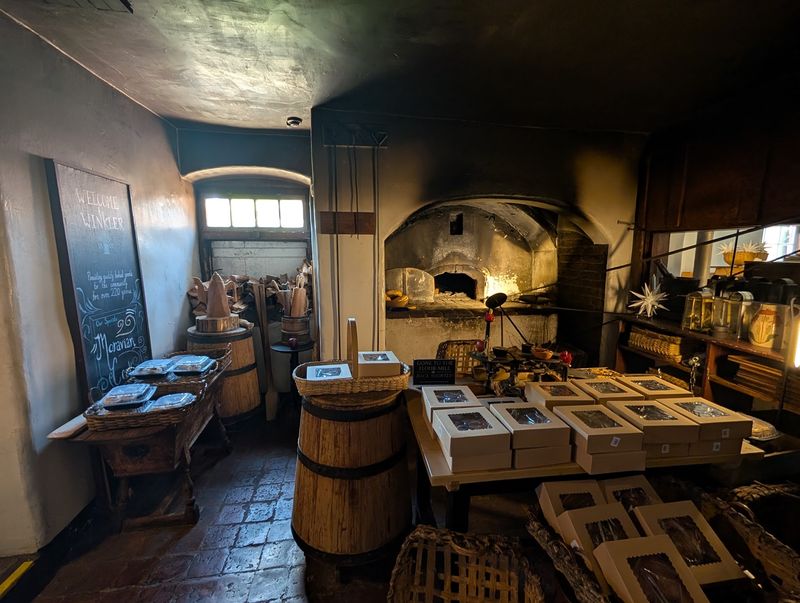
Prices at a historic bakery can be higher than at a grocery store. There is a good reason behind that.
Winkler Bakery is part of Old Salem Museums and Gardens, a nonprofit group that cares for the historic town. Money spent at the shop helps support the work of keeping the place running.
Old buildings need constant care. Brick, wood, and roofs from the early 1800s do not repair themselves.
Paying staff to teach history, keeping the oven safe, and maintaining the streets all cost money. Shop sales are one way that work gets funded.
So that loaf or gift does double duty. You get something to take home, and the town gets help staying open for the next group of curious guests.
A simple tip is to set a small budget before you go. That way you can enjoy browsing without surprises at the register.
Supporting history has rarely been this easy to carry under one arm.
Smart Timing for a Smooth Trip
Timing can make or break a small-town history trip. A little planning goes a long way here.
The bakery opens at 10 am Wednesday through Saturday and closes at 4 pm. Arriving near opening time usually means more choices on the shelves.
Quieter months can make parking easier and lines shorter. Early spring, for example, tends to feel calm compared to busy holiday weeks.
The holiday season is popular for gift shopping. If you plan a December trip, expect more company and give yourself extra time.
Here are a few quick pointers to keep in mind:
Check the Old Salem website for special events or schedule changes. Ask about baking demonstrations when you arrive.
Wear comfortable shoes for the old streets.
Bread from the oven, if available, is best bought earlier in the day. A small cooler bag can help on a long drive home.
With the clock on your side, the whole trip feels relaxed instead of rushed.
Beyond the Bakery Door
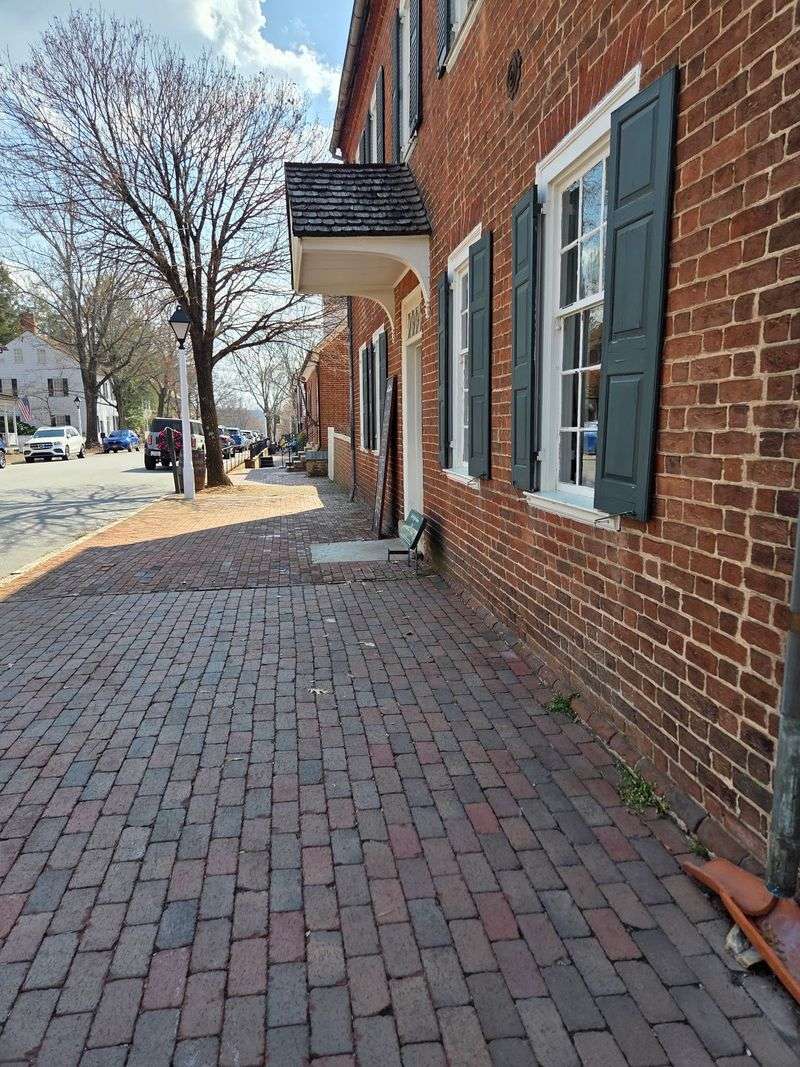
One bakery is a great start, but Old Salem has much more waiting outside. The historic district stretches along streets lined with preserved homes and shops.
Many buildings show trades from the early days of the town. Interpreters explain crafts, family life, and the Moravian way of organizing a community.
The Moravian culture surprises plenty of people. It differs from other early American villages, so even history buffs often learn something new.
Walking the district is a nice way to spend a few hours. The streets are easy to explore at your own pace.
Families can turn the trip into a scavenger hunt. Count old signs, find the oldest dates on buildings, or spot every brick chimney.
Downtown Winston-Salem is close by too, so dinner plans are simple afterward.
Leaving with bread in hand and a head full of stories is the best way to end the day. Some traditions rise above the rest, and this oven keeps proving it, one loaf and one curious guest at a time.