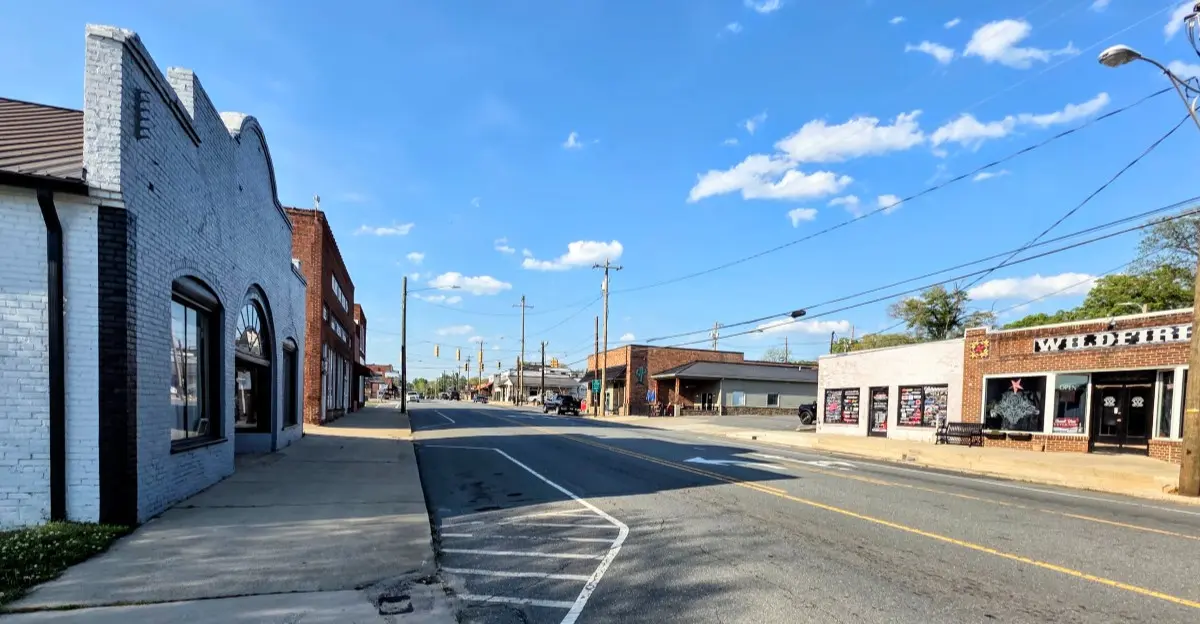
A town with about 1,500 people does not usually make big news. Then a giant data center proposal came along, and the plans looked larger than the whole downtown strip.
Folks who mostly gather for a spring festival and small-town meetings suddenly packed public hearings with questions about water, power, land, and the future. This story is about a place that knows its own size and still refuses to be overlooked.
Keep reading to learn where it is, why people care so much, and what this fight says about small towns all across America.
A Tiny Dot on the Map With a Big Voice
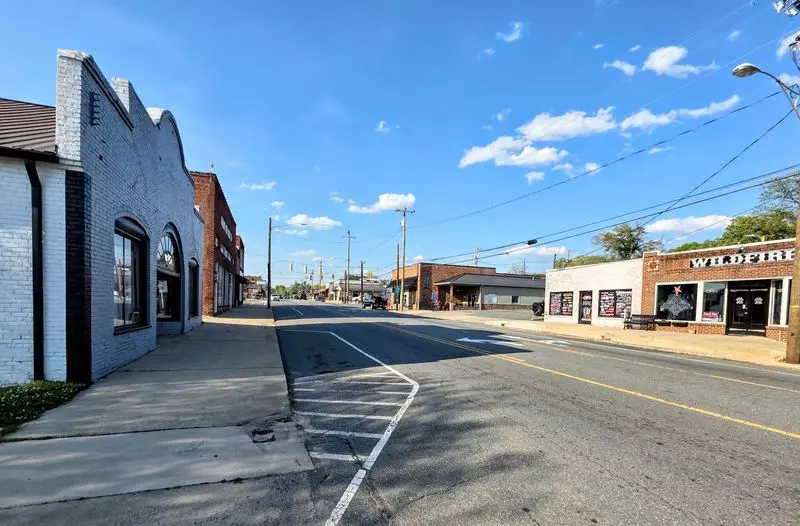
Small towns rarely get a seat at the national table, but this one pulled up a chair anyway. The place in question is Walnut Cove, North Carolina 27052, a town in Stokes County in the United States.
Only 1,536 people lived here at the 2020 census. That is fewer people than you might find at a single high school football game in a big city.
The town sits north of Winston-Salem, in a rural part of the Piedmont where farms, woods, and two-lane roads still shape daily life. Many families have deep roots here going back several generations.
That history matters when a project shows up that could change the look of the land for decades. People in a tiny community tend to know each other, and news travels fast.
When word spread about a huge data center idea, neighbors started talking at church, at the hardware store, and online. A quiet town found out it had a loud voice.
Size, it turns out, does not decide how much a place cares.
Why the Size Raised Eyebrows
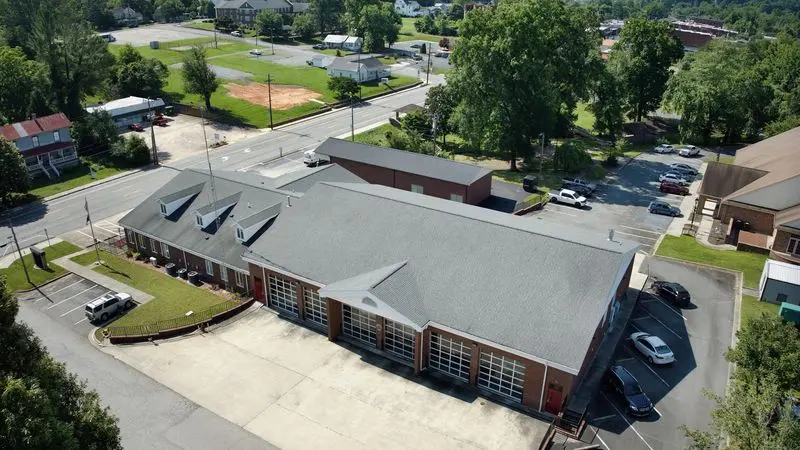
Numbers tell a story all by themselves. A downtown that a person can walk end to end in a few minutes looks very small next to a campus measured in large acreage.
That comparison is what grabbed attention in Walnut Cove. Residents saw site plans and realized the footprint could dwarf the heart of their town.
Big buildings bring big changes. Think about construction traffic, new power lines, fencing, lighting, and loss of open fields or woods.
Some neighbors worried about property values and the rural feel they moved here for or grew up with. Others simply wanted clear answers before anything moved forward.
None of this means every resident felt the same way. Like most towns, people hold a mix of opinions, and some see possible tax money as a plus.
Still, when a single project could reshape the skyline of a place this small, it makes sense that people want a careful look. In Walnut Cove, scale became the starting point for a much bigger conversation.
A Town That Has Done This Before
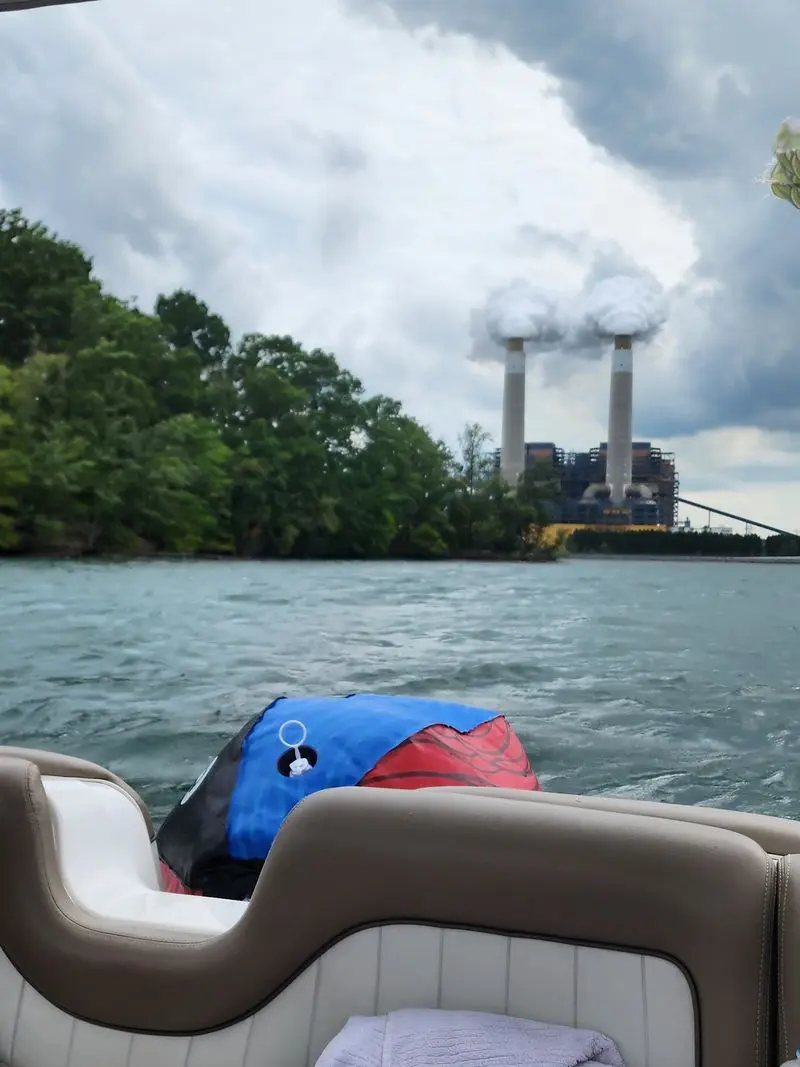
Here is a fun bit of background. Walnut Cove has a long track record of speaking up about the land and water around it.
The town sits near Belews Creek, home of a large Duke Energy power plant. For years, local residents raised concerns about coal ash storage and how it might affect wells and nearby communities.
Those efforts helped bring statewide attention to environmental questions in Stokes County. Local groups learned how to read reports, attend hearings, and make their case calmly.
That experience did not vanish. When a new industrial proposal showed up, many people already knew how the process works.
They knew to look at zoning rules, to ask about water use, and to show up when officials take public comment. Practice, it seems, makes people prepared.
For readers in other small towns, there is a lesson here. Learning how local government works before a big decision lands can make a real difference later.
Walnut Cove did its homework years ago.
Water Questions Take Center Stage
Ask almost anyone in rural North Carolina what matters most, and water will come up quickly. Many homes around Walnut Cove rely on private wells.
Large data centers can use a lot of water for cooling, depending on their design. Some newer systems use less, but the exact amount varies a great deal by project.
That is why residents wanted specifics. How much water would be pulled each day, and from where?
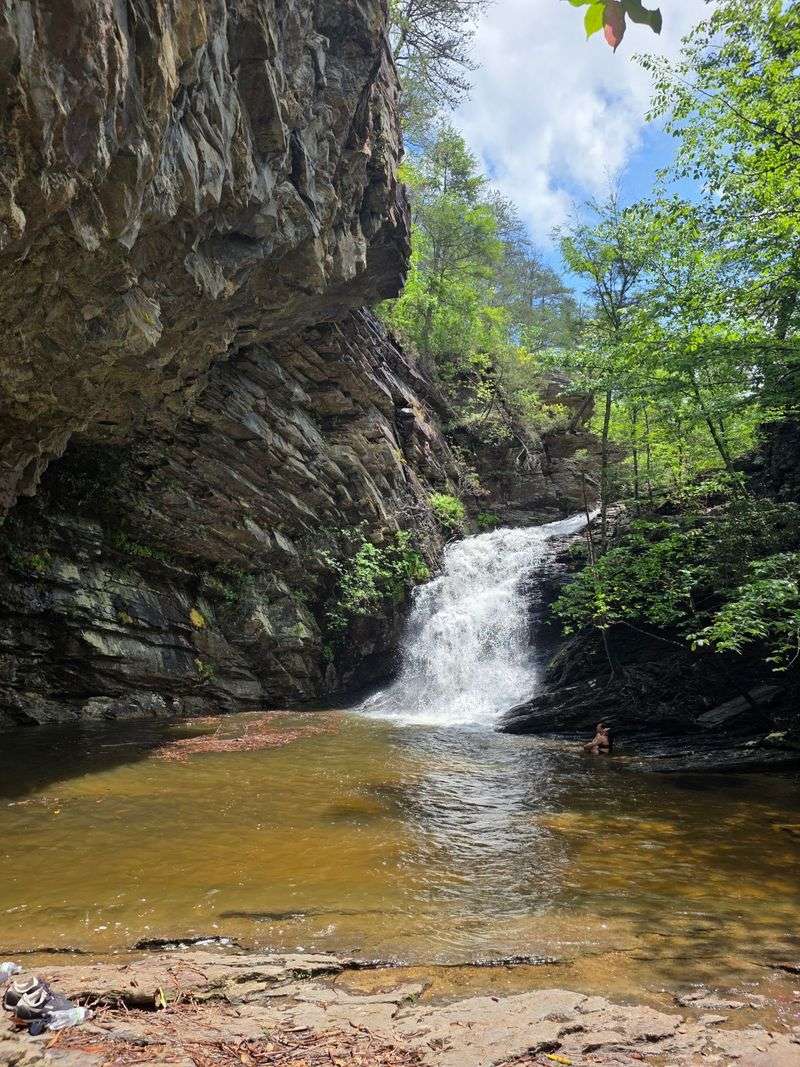
Stokes County is also home to the Dan River and many smaller creeks. People here fish, paddle, and simply enjoy having clean streams close by.
Concerns about water are not new to this area, which makes the questions feel even more personal. Families want to know their taps will keep running.
A practical tip for anyone tracking projects like this is to look for a water study or permit filing. Those documents are usually public and can answer a lot.
Clear facts help everyone, whether they support a project or oppose it.
The Case Supporters Make
Every debate has more than one side, and this one is no different. Some people see a data center as a chance for growth.
Rural counties often have limited tax bases. A big facility can bring in property tax money that could help schools, roads, and emergency services.
Construction jobs are another point supporters raise. Building something large takes many workers, at least for a while.
Critics tend to answer that data centers usually employ fewer people once they open. Both points can be true at the same time.
Local leaders have to weigh these trade-offs carefully. They balance money for public services against concerns about land, water, and energy.
For readers trying to make sense of it all, a helpful approach is to ask about long-term numbers. How many permanent jobs, and how much yearly tax revenue, are expected?
Real figures make it easier to judge a deal. In a town as small as Walnut Cove, every dollar and every acre gets noticed.
Springfest and the Spirit of Main Street
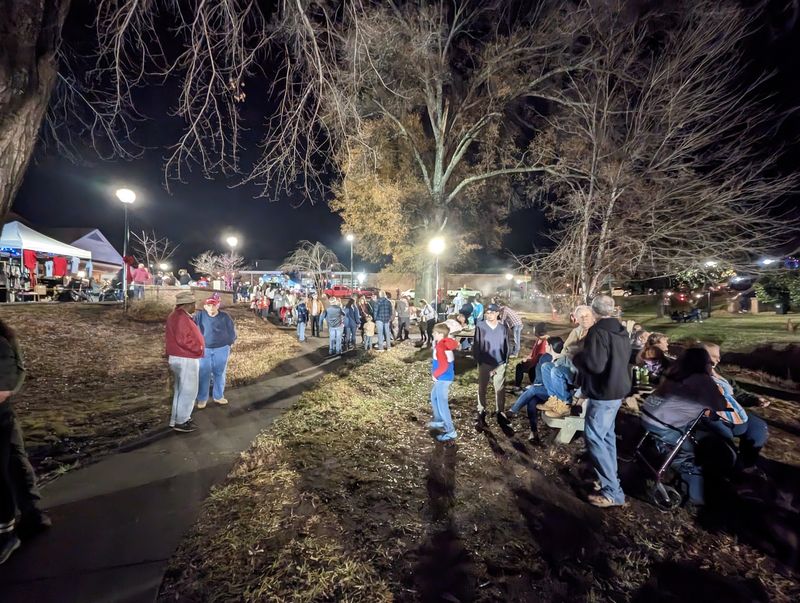
Every spring, Walnut Cove throws a party that pulls in crowds from all over the region. Walnut Cove Springfest is the town’s signature event.
Families stroll past vendor booths, listen to live music, and catch up with old friends. For many people, it is the best way to see what this town is really about.
That sense of togetherness helps explain why the data center debate struck a nerve. Residents care about keeping the character that makes Springfest feel like a hometown reunion.
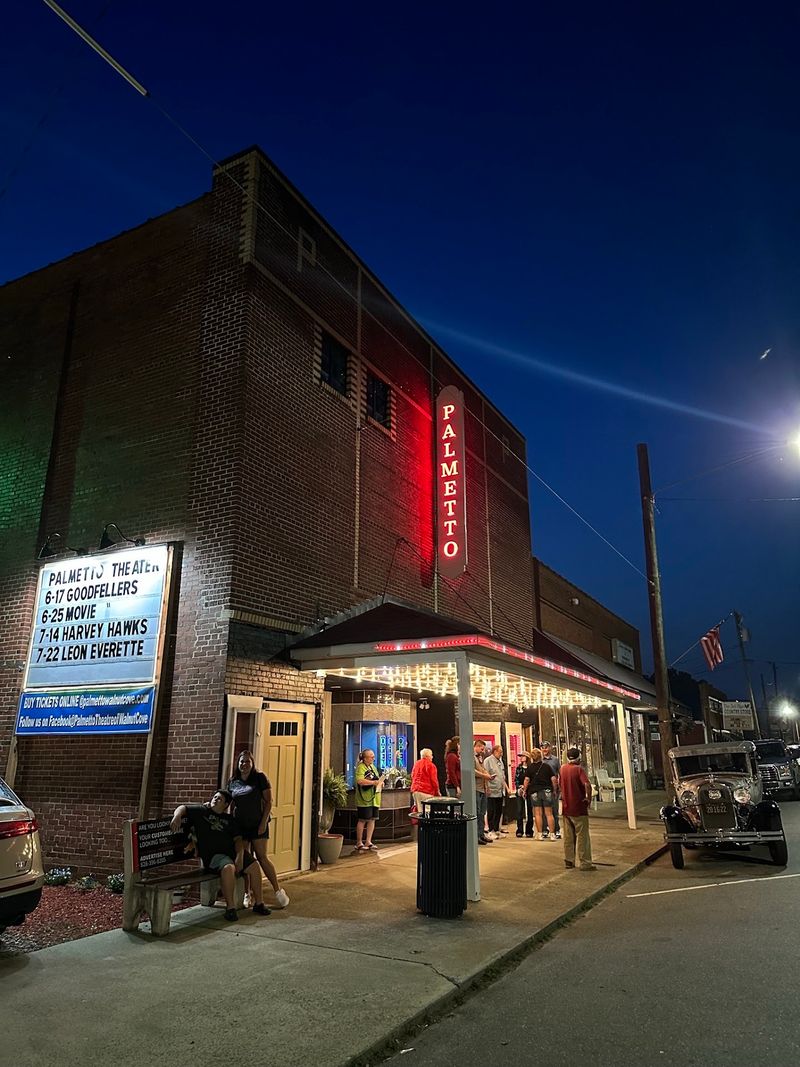
Main Street is small, but it carries a lot of pride. Local shops and gathering spots give the town its personality.
Planning a visit? Check the town website for festival dates, since timing can shift from year to year.
Arriving early is smart because parking can fill up in a town this size. Wear comfy shoes and plan to stay a while.
Big buildings may come and go in the headlines, but a good street festival keeps a community grounded.
What Other Small Towns Can Learn
Walnut Cove is not alone. Towns across the country are facing the same question as tech companies hunt for land and power.
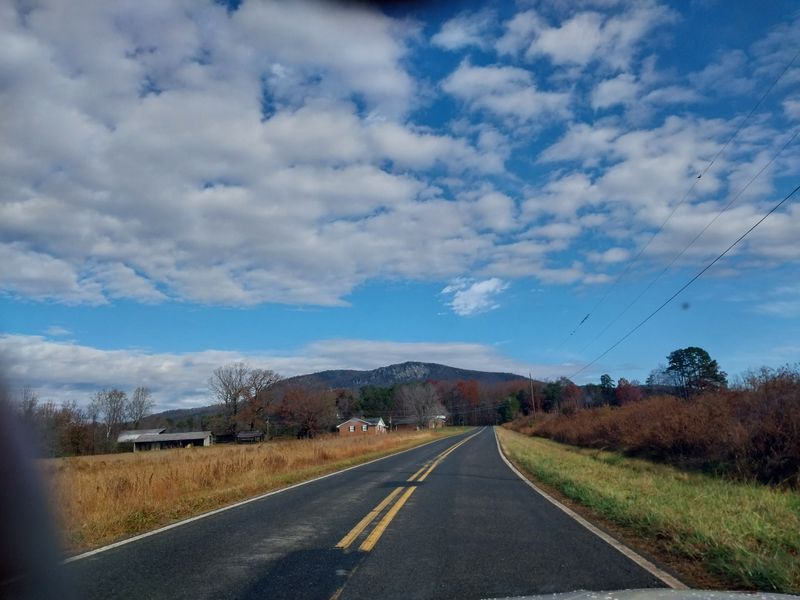
The scenery around here helps explain the stakes. Stokes County is known for rolling hills, farmland, and nearby spots like Hanging Rock State Park and Sauratown Mountain.
People want to protect that setting while still finding ways for their community to thrive. It is a tricky balance with no easy answers.
So what can other towns take from this story? First, get informed early, before votes are scheduled.
Second, ask for specifics on water, power, jobs, and taxes. Third, show up, speak respectfully, and keep talking with neighbors who disagree.
The town’s official website is a good place to follow local updates and meeting schedules. County and state sites often post the bigger permits and filings.
However the final decision plays out, Walnut Cove has already proven one thing. A town of about 1,500 people can make a whole state pay attention.