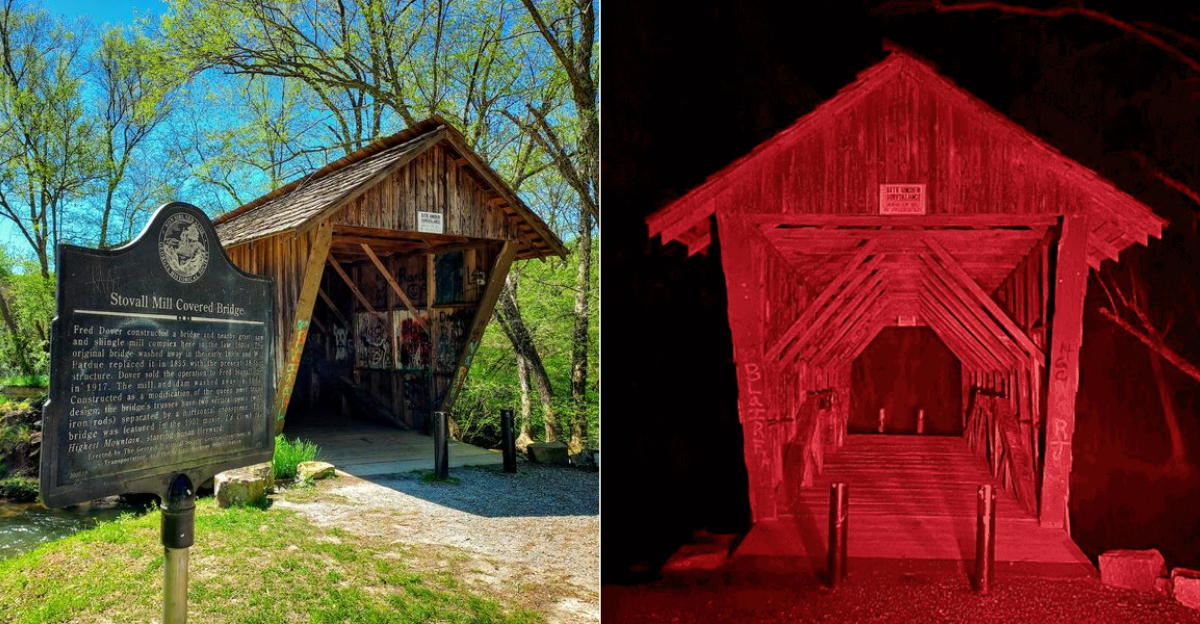
Some bridges carry traffic; others seem to carry stories. Tucked along GA-255 near Sautee Nacoochee, the Historic Stovall Mill Covered Bridge has stood since 1895, its weathered wooden frame offering a striking glimpse into Georgia’s past.
At 2617 GA-255, the bridge crosses quietly above the creek, surrounded by the wooded hills of northeast Georgia. Its age and rustic construction are enough to spark curiosity, but local tales of strange happenings and ghostly encounters have given this historic landmark an added sense of mystery.
Visitors may arrive for the scenery, pause to listen to the water below, and find themselves wondering about the stories attached to the old timbers.
The setting is peaceful, yet the legends add an intriguing edge. As you linger around this remarkable piece of Georgia history, more details of its past—and the darker stories surrounding it—begin to emerge.
A Shadowy Roadside Stop With a 1895 Story
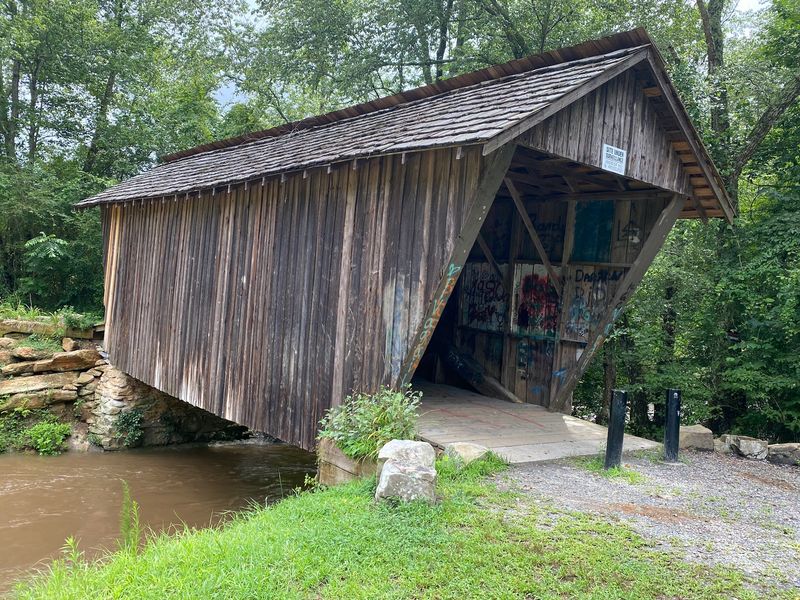
A strange hush can settle over an old bridge, especially when the boards have heard more than a century of footsteps. The Historic Stovall Mill Covered Bridge at 2617 GA-255 in Sautee Nacoochee, Georgia, carries that feeling in a quiet, simple way.
Built in 1895, the bridge is often described as Georgia’s smallest covered bridge. Its short span crosses Chickamauga Creek, where water moves over rocks and makes the kind of sound that invites people to slow down.
Travelers near Helen often pull in for a quick look, then stay longer than planned.
For visitors drawn to haunted places, the bridge’s age and worn wood add a spooky charm. The stories are part mystery, part mountain folklore, and part imagination.
Even in daylight, the covered tunnel can feel a little secretive.
Bring a camera, wear shoes you can walk in, and take a minute to read the historical sign. The stop is small, but the mood feels memorable.
The Covered Walk That Feels Like a Time Slip
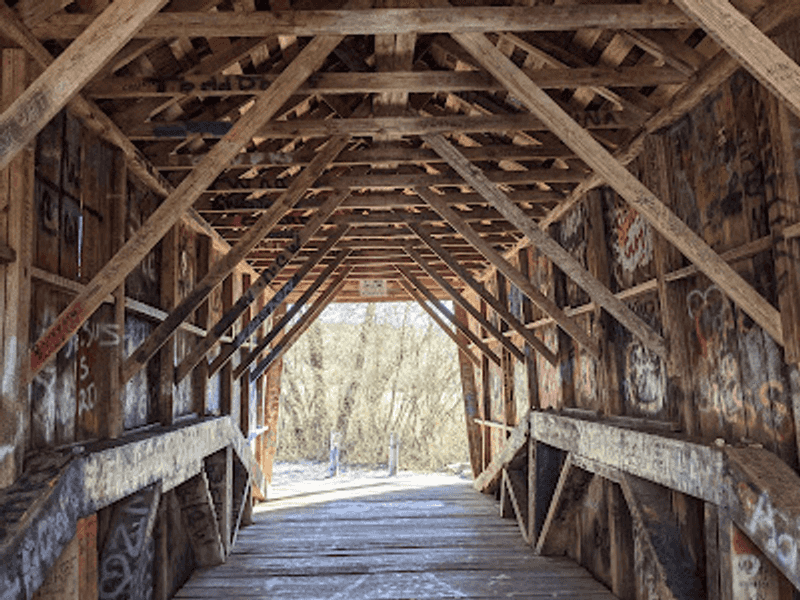
Step inside and the outside world seems to lower its voice. Cars may pass nearby on GA-255, but inside the wooden frame, the Historic Stovall Mill Covered Bridge feels like a narrow hallway back to another time.
The walk through the bridge is short, which makes it easy for families, casual travelers, and history fans. Wooden walls and overhead beams frame the view ahead, while the creek waits below.
Many visitors notice the graffiti right away, and it can be disappointing on such an old structure.
Still, the bridge has survived since 1895, and that matters. Try looking beyond the marks to notice the shape of the trusses, the cool shade inside, and the bright green edges of the landscape outside each opening.
If you enjoy haunted travel, pause midway and listen. The mix of creaking boards, moving water, and dim light gives the place a storybook shiver without needing anything staged or flashy.
Creek Sounds Below the Old Timbers
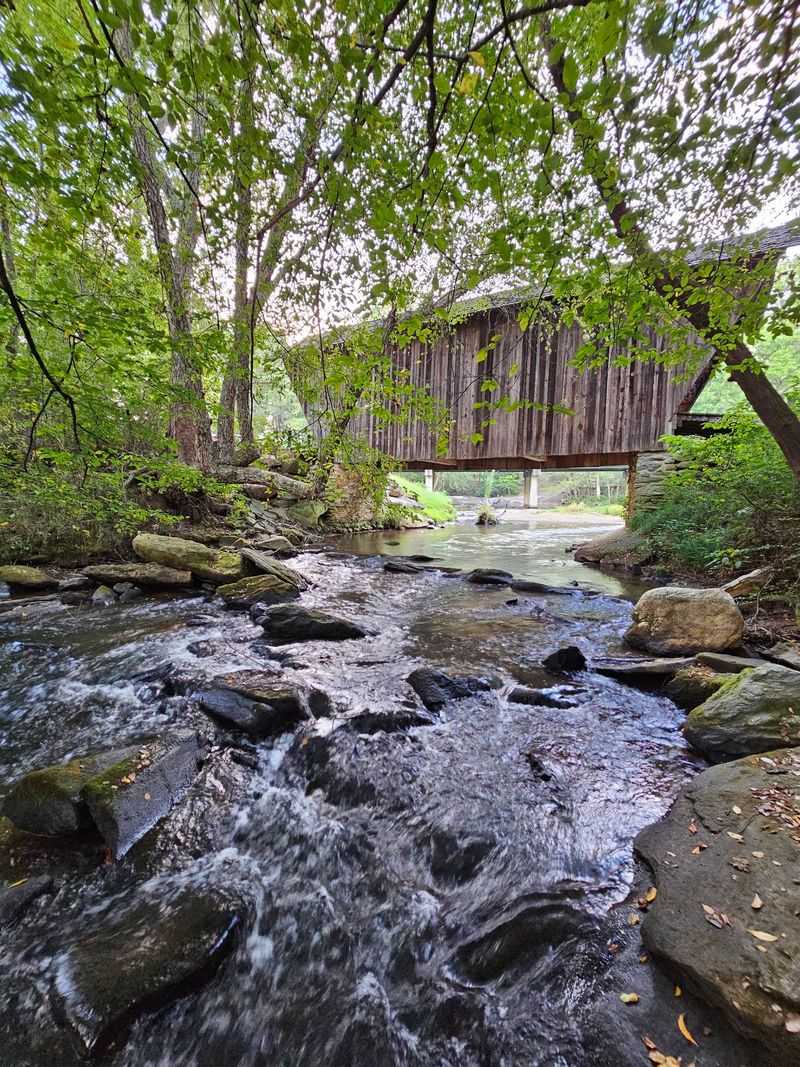
The water is what softens the whole scene. Under the Historic Stovall Mill Covered Bridge, Chickamauga Creek slips past rocks and roots, adding a calm soundtrack to a place often talked about for its darker legends.
Visitors often mention the sound first. It is easy to stand near the edge, hear the creek moving, and forget that this is just a quick roadside stop.
On warm days, people may wade in shallow spots or watch others enjoy the cold mountain water.
The creek also gives photographers more to work with. A low angle can catch the bridge above the water, while a wider shot can show the trees and picnic area.
Morning or late afternoon light usually makes the wood look richer and the water brighter.
Use caution if you walk down toward the stream. Rocks can be slick, and water levels can change.
With care, the creek adds the peaceful side of the bridge’s haunted reputation.
Picnic Tables Beside a Haunted Legend
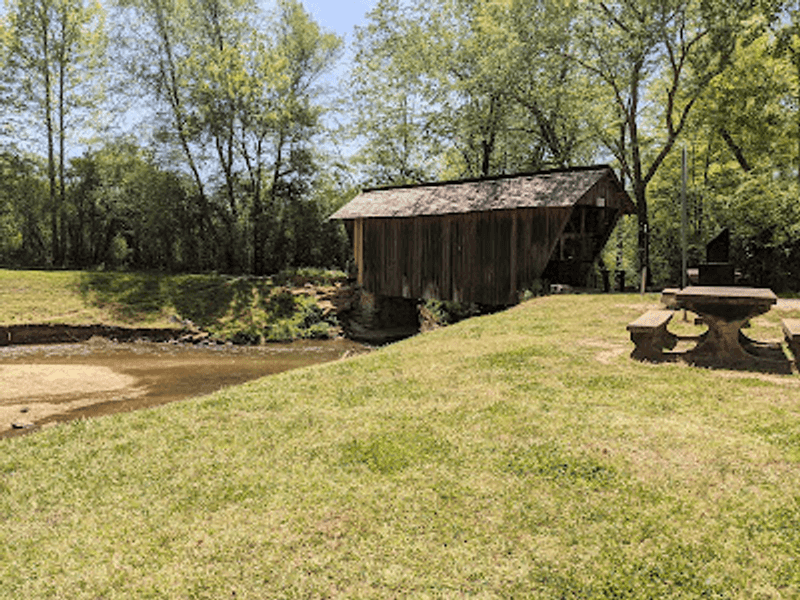
A lunch break feels different when your table sits near a bridge with ghost stories. Around the Historic Stovall Mill Covered Bridge, a few picnic tables give visitors a simple place to rest, snack, and listen to the creek.
This is not a polished park with lots of services. It is more like a quiet pull-off with shade, gravel parking, trash cans, and a historic surprise.
Some visitors bring sandwiches after exploring Helen or nearby mountain roads. Others stop for fruit, chips, or a quick drink before continuing through the Sautee Nacoochee area.
The setting works best for people who enjoy easy, unfussy places. There are no restrooms, and cell reception may be weak, so plan ahead.
Pack water, wipes, and a trash bag just in case the bins are full.
For a fun mood, eat first, then walk through the bridge and share the local tales. The mix of picnic calm and spooky history makes the stop feel personal.
Graffiti, Weathered Wood, and a Lesson in Respect
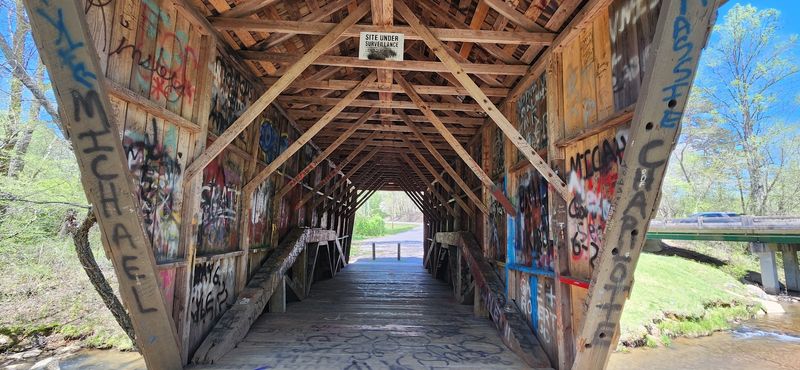
Old places ask visitors to look closely, even when the view is not perfect. At the Historic Stovall Mill Covered Bridge, graffiti covers much of the inside, and many guests say it takes away from the beauty of the landmark.
That disappointment can become part of the lesson. The bridge has stood since 1895, long before modern highways and mountain tourism shaped the area.
Every carved name or spray-painted mark sits on wood that belongs to Georgia’s shared history, not just one visitor’s memory.
Travelers can help by taking photos instead of leaving marks. If you visit with kids, it is a good chance to talk about why historic sites need care.
The bridge is free and open 24 hours, but that freedom depends on people treating it well.
Even with the damage, the structure still has character. The weathered boards, covered roof, and creekside setting tell a deeper story about survival, neglect, and why preservation matters.
A Film Scene Hidden in the Mountains
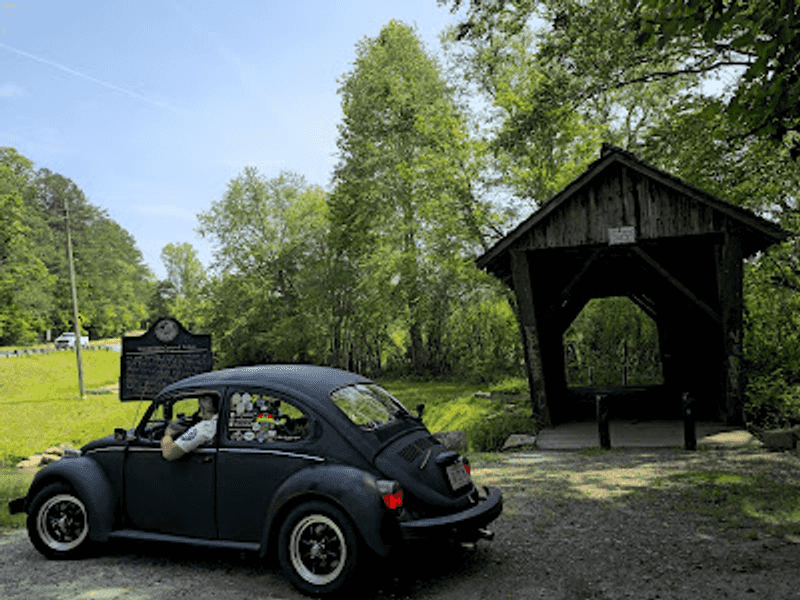
Some places have a quiet brush with Hollywood and never make a fuss about it. The Historic Stovall Mill Covered Bridge appeared in the 1951 film I’d Climb the Highest Mountain, adding a small movie chapter to its mountain history.
That detail gives the bridge extra charm for travelers who like old films or vintage Americana. Standing near the bridge, it is fun to imagine camera crews, actors, and local curiosity filling this small roadside spot decades ago.
The landscape has changed, but the bridge still offers a link to that screen moment.
Before you go, consider watching the movie or looking up stills from it. Then compare what you see on film with the bridge at 2617 GA-255 today.
It turns a quick stop into a small visual treasure hunt.
The film connection also helps explain why this little structure matters. It is not only a covered bridge.
It is a piece of North Georgia memory, held in wood, water, and old cinema.
Smallest Bridge, Big Mountain Mood
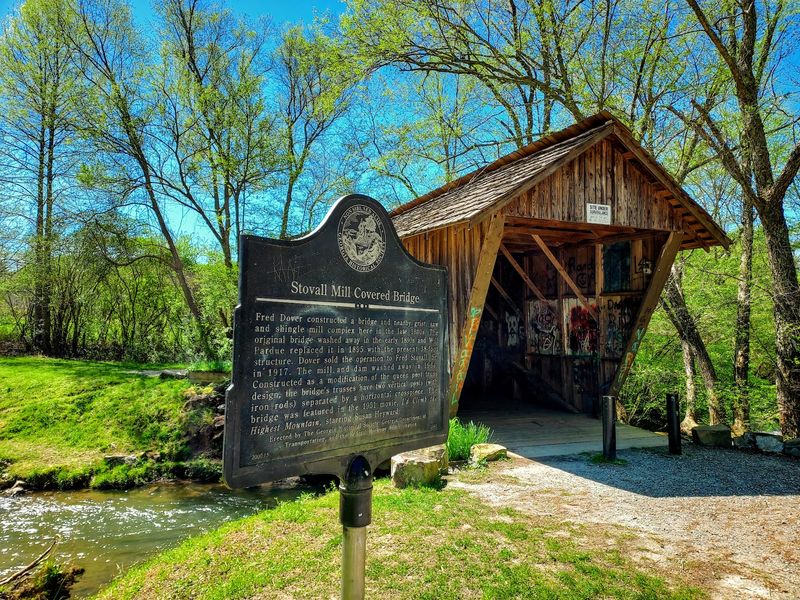
Size can be misleading in the mountains. The Historic Stovall Mill Covered Bridge is small, often called the smallest covered bridge in Georgia, yet it leaves a strong impression because of where it sits and what it represents.
The bridge is easy to pass if you are not watching for it. That off-the-road feeling is part of the appeal.
One minute you are driving through the Sautee Nacoochee area, and the next you are standing by a wooden landmark from 1895 with a creek running underneath.
Visitors should not expect a long attraction with ticket booths or guided tours. The reward is quieter.
You get a short walk, a few good photo angles, picnic tables, and a chance to feel connected to the region’s older days.
Pair it with a drive through nearby mountain scenery for the best experience. The bridge works beautifully as a short pause, especially for travelers who enjoy finding small places with more feeling than size.
Nightfall Adds a Different Kind of Chill
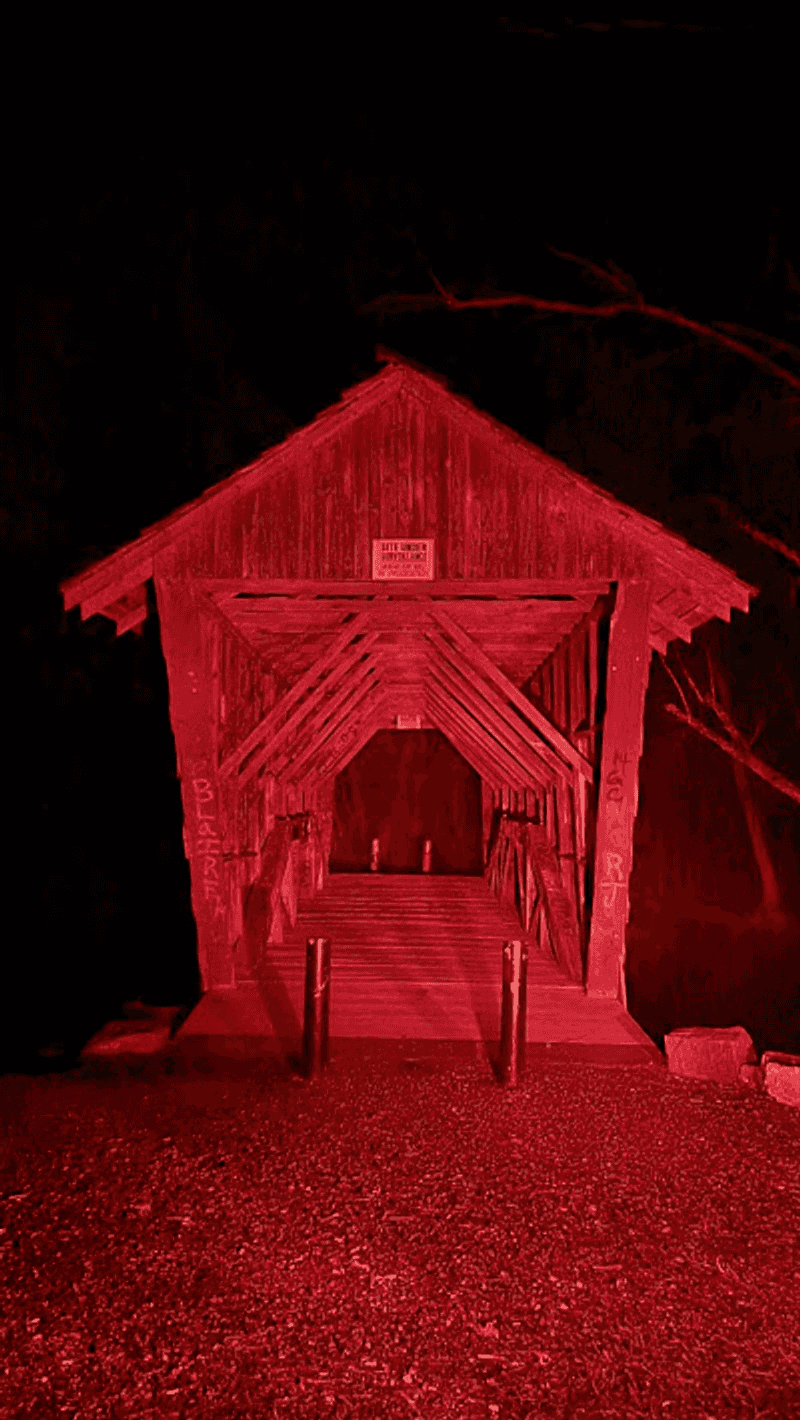
As daylight fades, the bridge’s mood changes fast. The same wooden tunnel that feels charming in the afternoon can feel a little eerie when shadows gather around the Historic Stovall Mill Covered Bridge.
The site is listed as open 24 hours, which adds to its haunted appeal. Even so, nighttime visits are best for careful travelers.
Bring a flashlight, stay aware of the road, and avoid climbing down near the creek after dark. The area is simple and does not have many visitor services.
For many people, dusk is the sweet spot. You can catch softer light for photos, hear the water more clearly, and still move around safely.
The bridge’s dark stories feel more vivid when the roof blocks the last glow of the sky.
If you visit with friends, keep it respectful and calm. A quiet walk through the covered span can be spooky enough, especially when old boards, creek sounds, and mountain night air all meet.
A Swimming Hole With an Old Bridge Watching
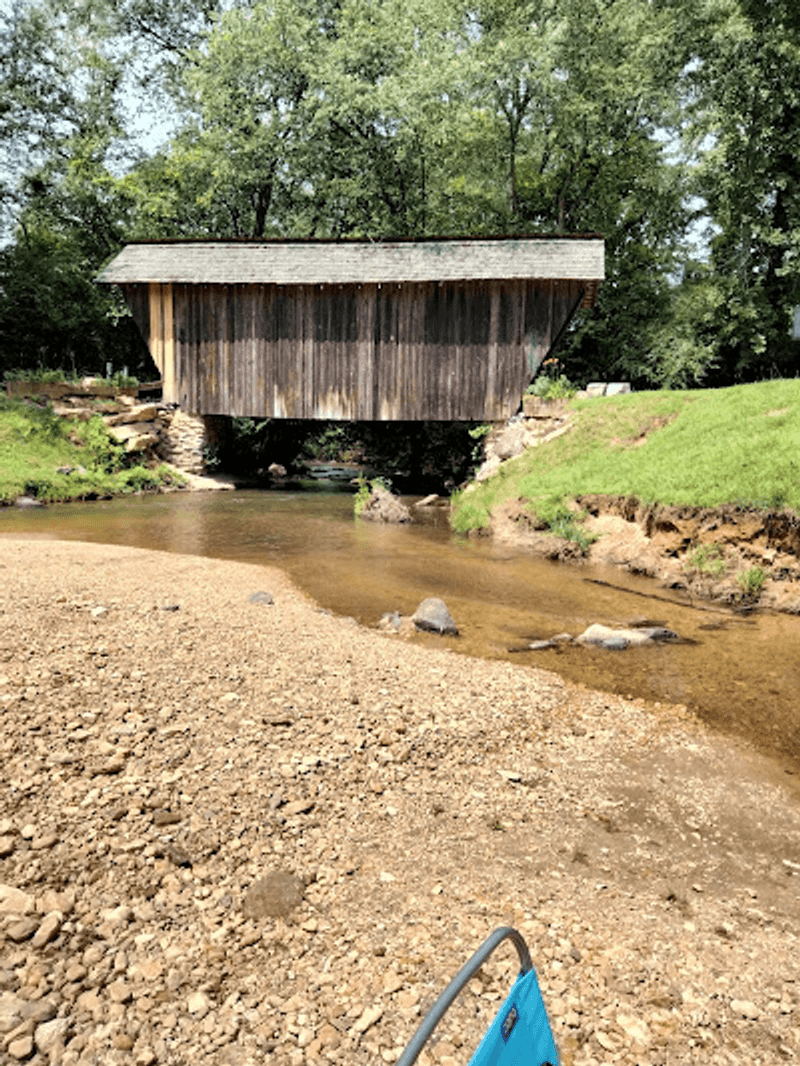
Warm weather brings out a playful side of this historic stop. Near the Historic Stovall Mill Covered Bridge, visitors sometimes wade, swim, or explore the creek area when the water is safe and low.
Reviews often mention cold water, sliding rocks, and even rope swings nearby. Those details make the place feel like a local summer secret, not just a history marker.
Families may stop for a snack, kids may splash at the edge, and adults often settle into the shade with the sound of the creek close by.
Still, natural water needs respect. There are no lifeguards, and conditions can change after rain.
Wear water shoes, watch for slippery rocks, and never jump into water unless you know it is deep and clear enough.
The swimming hole adds another reason to visit, especially if you want a break from busier mountain attractions. History stands above, cool water runs below, and the whole scene feels relaxed in a very North Georgia way.
Quick Detour Near Helen With a Lasting Memory
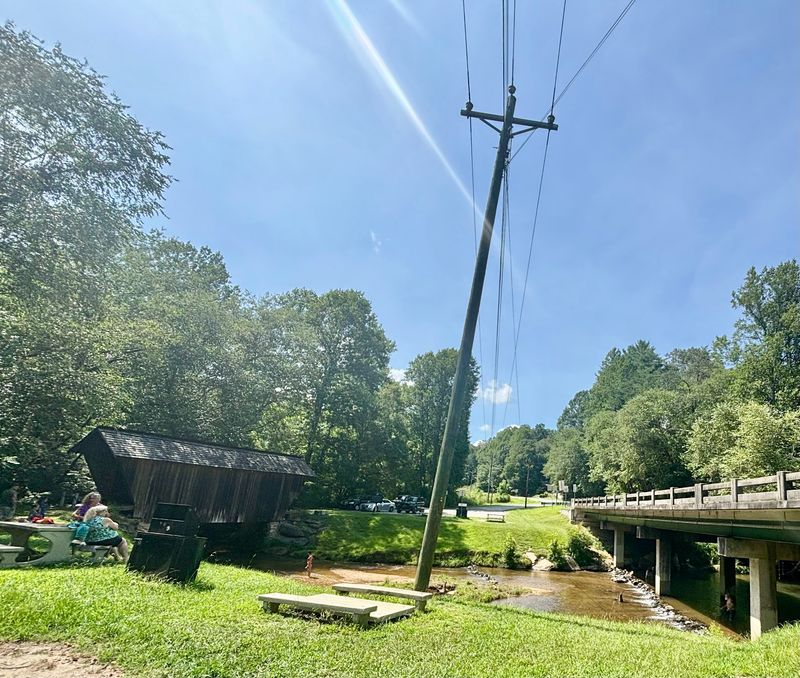
Not every memorable stop needs a full afternoon. The Historic Stovall Mill Covered Bridge works well as a short detour for travelers exploring Helen, Sautee Nacoochee, and the surrounding North Georgia hills.
Parking is usually simple, with gravel areas near the bridge. Because the landmark sits close to the road, it is easy to access for a quick walk, a few photos, or a quiet break.
Many people find it while driving nearby and are surprised by how peaceful it feels.
Plan for a brief visit, then allow extra time if the creek or picnic tables pull you in. Bring snacks, especially since there are no restrooms or major facilities on-site.
Weekends can be busier, so early mornings may feel more relaxed.
The haunted stories give the bridge an extra spark, but the real reason to stop may be simpler. It is a rare old structure in a pretty setting, and it gives travelers a small, honest taste of Georgia’s past.