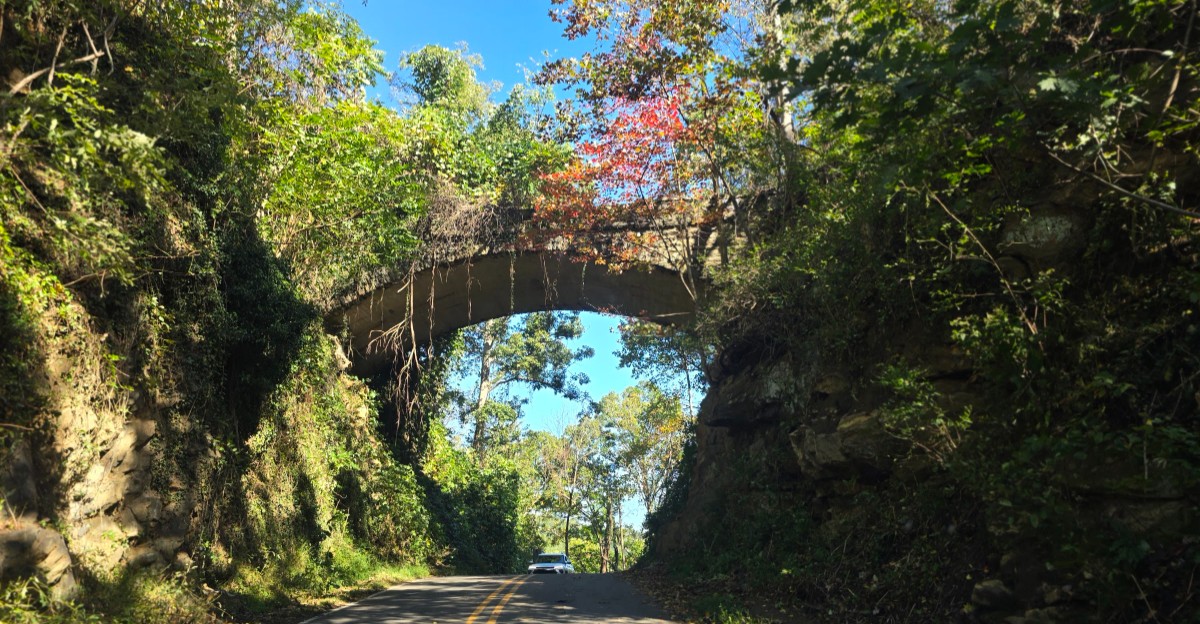
A stone bridge on a wooded mountain slope supposedly keeps cars from starting if you call out one woman’s name. That’s the dare attached to a 1909 arch in North Carolina, and it still pulls in curious drivers.
The story centers on a woman named Helen. Some versions say she lost her daughter in a fire near the grand mansion up the hill.
Others tell a different tale entirely, which only makes the mystery thicker.
I like how this spot mixes real history with pure campfire material. The stonework came from an architect tied to America’s most famous home, but the legend’s origins are far murkier.
I can’t decide which part fascinates me more. Is it the careful craftsmanship, or the fact that people still whisper a name under its arch?
You Will Understand Why One Name Still Echoes Under This Arch
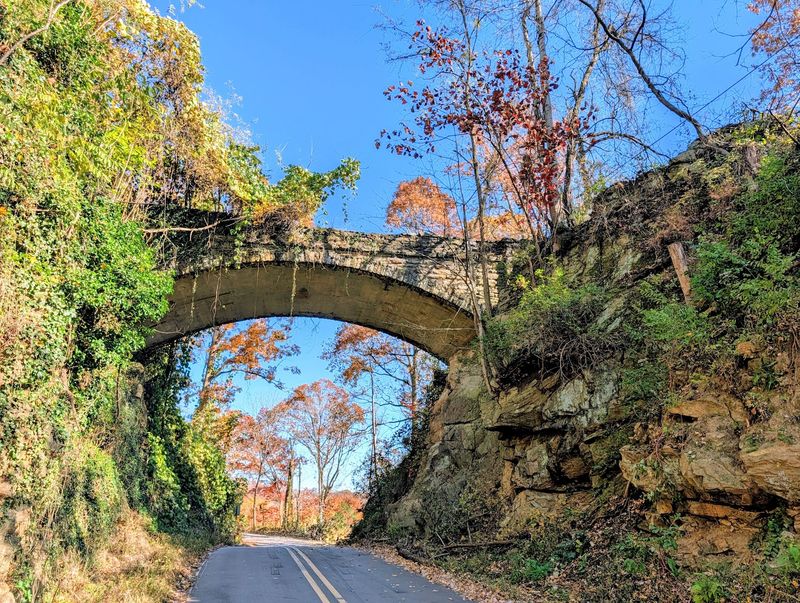
Zealandia’s Bridge (Helen’s Bridge) looks like something lifted from an old storybook. Its stone arch rises from the wooded slopes of Beaucatcher Mountain, right above a narrow road.
Most folks know it simply as Helen’s Bridge. The original name, Zealandia’s Bridge, came from the mansion it once served at the top of the hill.
So how did a practical carriage bridge become one of the most talked-about haunted spots in North Carolina? Blame the stories.
They’ve been passed around for generations, and they keep picking up new twists.
The basic version is simple and sad. A woman named Helen is said to linger here, still searching for something she lost long ago.
What makes this place fun is the mix of solid facts and fuzzy folklore. The construction date is real, the architect is real, and the mansion is real.
Helen herself? That part gets slippery fast.
I believe that’s exactly why the legend keeps going strong. A ghost story feels more believable when it’s attached to sturdy stone you can actually see.
Good luck shaking that eerie feeling once you know the tale behind the arch.
Carriages Climbed This Mountain Long Before Ghost Hunters Did
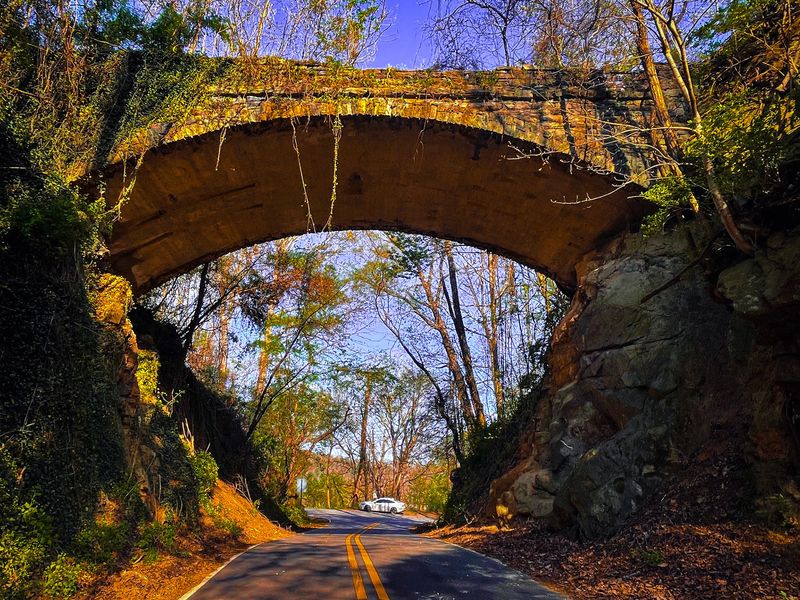
Back in 1909, nobody built this bridge to scare anyone. Its job was pretty ordinary, at least for the wealthy crowd of that era.
The arch gave carriages a way up Beaucatcher Mountain to Zealandia Mansion. That grand home was completed in 1889 and expanded later, so it already had some history before the bridge showed up.
Think about what travel looked like then. Horses, wheels, and steep mountain grades made every trip a real effort, so a well-placed bridge mattered a lot.
Zealandia’s Bridge solved that problem with style. Instead of a plain wooden crossing, the owners went with heavy quarried stone built to last.
And last it did. More than a century later, the arch still stands over the road, which says plenty about the craftsmanship of the time.
One catch for modern visitors is the mansion itself. It’s now off-limits to the public, so the bridge is the piece of this story you can actually appreciate.
That makes the arch a kind of leftover doorway to a vanished world. I can’t imagine a better setting for a legend to take root and grow.
The Same Architect Linked To Biltmore Shaped These Stones
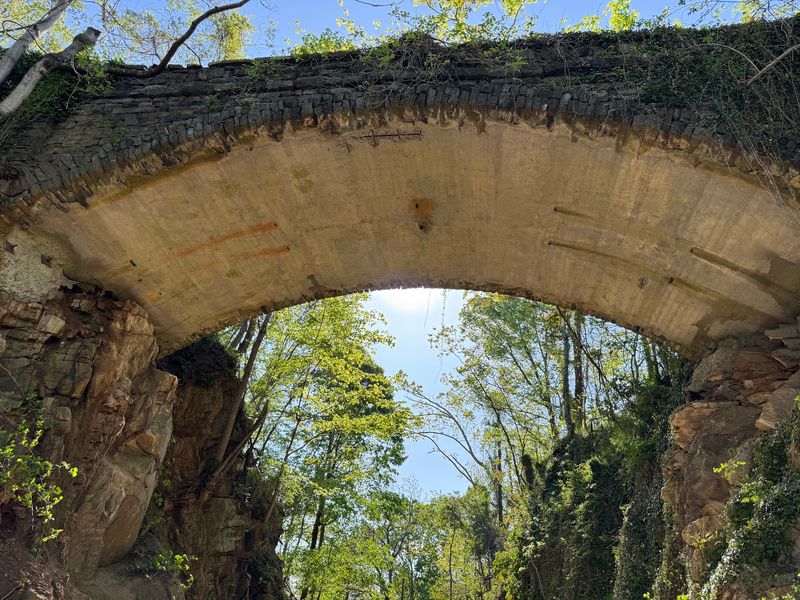
Here’s a fun bit of trivia for your next road trip. The man behind this bridge also had a hand in some of Asheville’s most famous buildings.
R.S. Smith designed the arch.
He’s known for his work on the Biltmore House and The Cathedral of All Souls in Biltmore Village.
That’s quite a resume for a mountain carriage crossing. It also explains why the bridge feels more thoughtful than you might expect from a simple road structure.
Smith chose quarried stone for the job. The material helps the arch blend into the natural landscape, almost like it grew out of the hillside.
Look closely at the stonework if you get the chance. Those rugged blocks give the bridge its old-world character and much of its moody charm.
History buffs will enjoy connecting the dots here. After touring the big landmarks around town, spotting this quieter piece by the same architect feels like finding a bonus level.
I like how the design pulls double duty today. It impresses architecture fans in daylight and gives ghost fans plenty of shadowy corners once the sun drops.
Pick Your Version Of Helen Because There Are Several
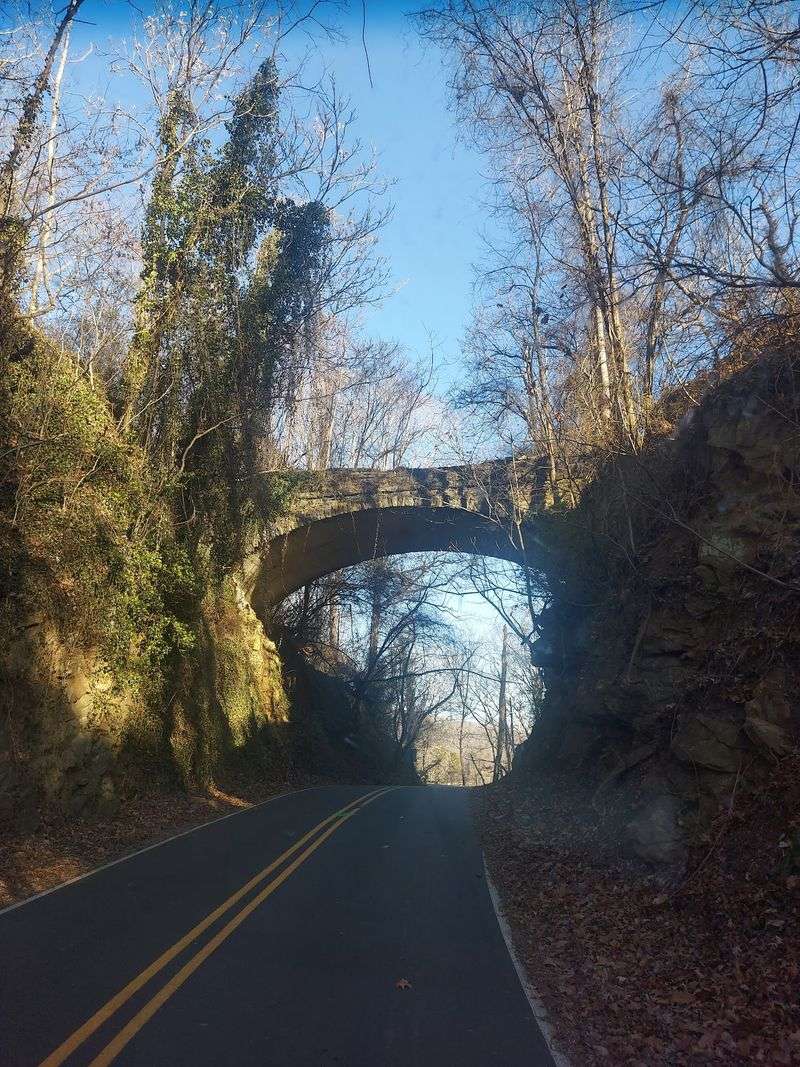
Ask three people about Helen and you might hear three different stories. That’s part of what keeps this legend alive and kicking.
The most common tale is heartbreaking. Helen supposedly lost her daughter in a fire near Zealandia Mansion, and her grief led to a tragic end at the bridge.
A second version swaps out the details entirely. In that one, Helen was the mistress of the mansion’s owner, and her story ends just as sadly.
Then there’s a theory that ties the name to real local history. Some believe the Helen label drifted onto the bridge after the 1936 case of Helen Clevenger, a young woman whose tragic story shook the region.
None of these versions comes with solid proof. No record has ever confirmed that a Helen actually met her fate at this arch.
Still, I believe that uncertainty makes the story stronger, not weaker. When nobody can pin down the facts, every visitor gets to wonder which version might be true.
Bring your own theory along. North Carolina folklore loves a good debate, and this one has been running for decades.
Your Car Might Have Opinions About This Bridge
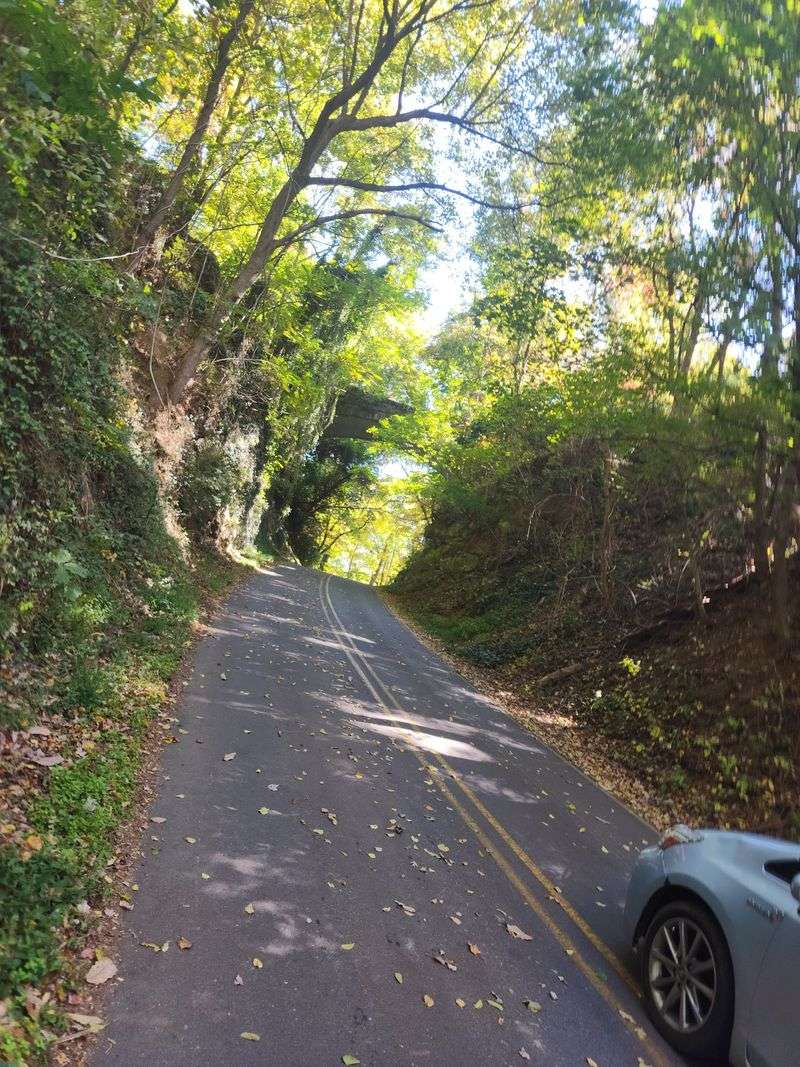
Mechanical trouble is the star of most Helen stories. Forget clanking chains, because this ghost apparently prefers messing with car batteries.
Tales describe cars that refuse to start after someone tries to summon her. Others mention drained batteries or automatic locks acting on their own.
The ghost stories don’t stop at the parking brake, either. Some accounts describe a woman’s figure, strange lights, cold gusts of wind, and anguished screams in the dark.
A few stories get even more personal. People have claimed scratches or slaps, which is a bold move for a spirit who supposedly just wants to be left alone.
Plenty of visitors leave with nothing more than nice photos. Skeptics point out that old cars, chilly mountain air, and a spooky setting can do a lot of storytelling on their own.
That’s what makes the experience fun. You get to decide whether a sputtering engine means Helen showed up or your battery simply needed replacing.
My advice is simple and practical. Make sure your car is in good shape before you go, so any drama stays firmly in the legend category.
A Famous Novel Gave This Arch A Literary Cameo
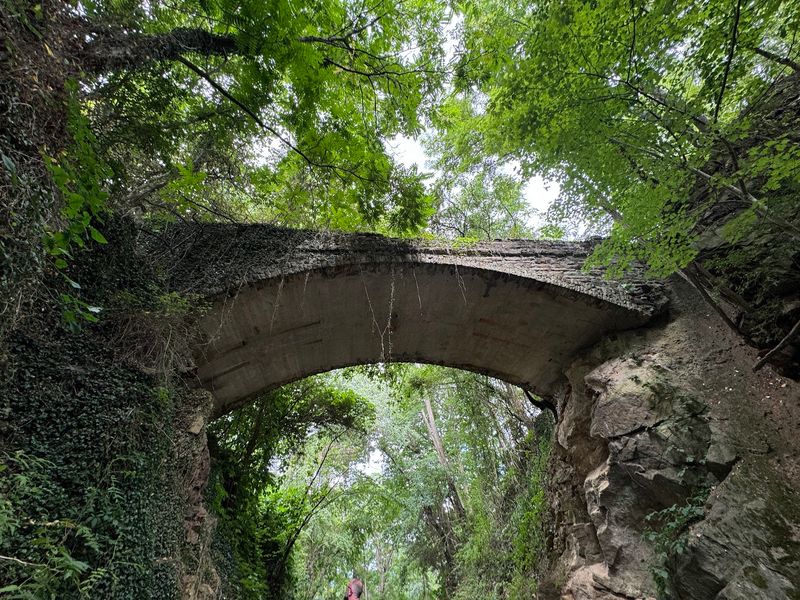
Not many haunted bridges can brag about a mention in a classic novel. This one can, thanks to one of Asheville’s most famous writers.
Thomas Wolfe referenced the bridge in his 1929 novel, Look Homeward, Angel. The book drew heavily on his hometown, so local landmarks popped up throughout its pages.
Wolfe grew up in Asheville, and his writing helped put the mountain town on the literary map. Having this arch earn a spot in his work gives it extra bragging rights.
For book lovers, that’s a fun reason to visit. You can stand near a piece of scenery that once caught the attention of a major American author.
It also reminds you how long the bridge has been part of local life. Decades before ghost hunting apps existed, it was already a recognizable feature of the landscape.
Here’s a smart idea if you enjoy reading. Pick up a copy of the novel before your trip and see how Wolfe’s Asheville compares with what you find today.
Somehow a stone arch feels a little more magical when it has literary credentials. Helen may get the headlines, but Wolfe deserves a nod too.
Finding It Takes A Little Planning And Patience
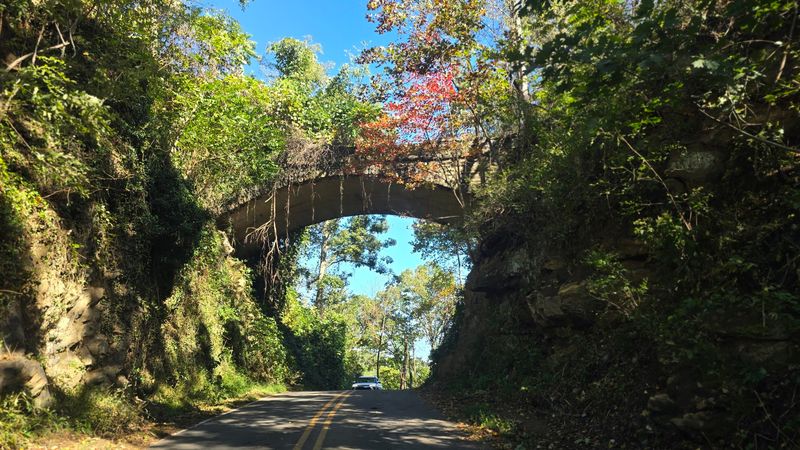
Expect a winding drive rather than a remote forest trek. The bridge sits close to town, surrounded by homes along a hilly stretch of road.
Head for Beaucatcher Road in Asheville, NC 28805, and keep your eyes open. Map apps may also place the landmark near College Street, so double-check your route before setting out.
The road here is narrow and winding. Drive slowly, navigate turns carefully, and watch for oncoming traffic.
Parking is the biggest challenge. There’s no official parking lot nearby, and stopping on the shoulder of such a narrow road isn’t a safe option.
Many visitors admire the bridge by driving beneath the arch. A passenger can take photos along the way, but avoid stopping or slowing unexpectedly in traffic.
Keep in mind that the surrounding area includes private property and residences. Respecting the neighbors helps preserve the area for future visitors.
Sidewalks are limited, so walking to the bridge from downtown Asheville requires care. A little planning can turn a confusing search into an easy, memorable detour.
Make It Part Of A Bigger Asheville Adventure
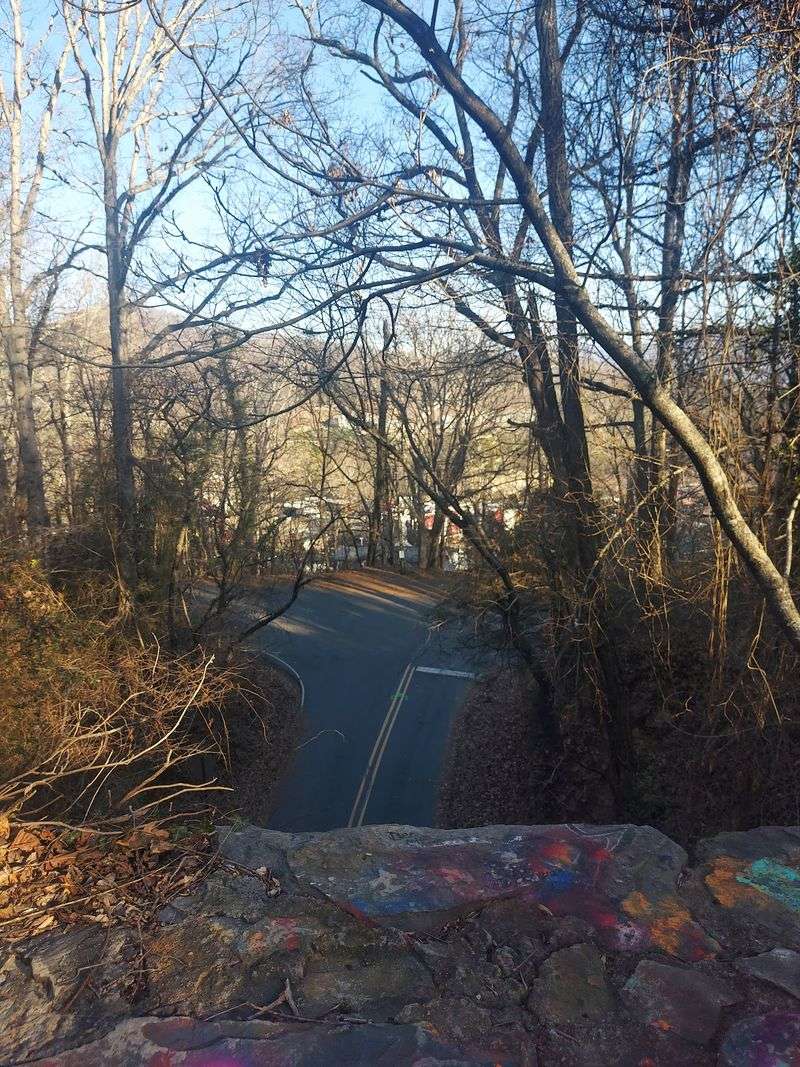
A quick stop under a haunted arch pairs nicely with a full day in Asheville. The bridge is close to town, which makes it an easy add-on to your plans.
Start with the architectural angle. Since R.S.
Smith worked on the Biltmore House and The Cathedral of All Souls, you can build a mini tour around his designs.
Daylight visits make the stonework easier to appreciate. You’ll see the texture of the quarried stone and how neatly the arch fits into the hillside.
Evening brings a totally different mood. Shadows stretch across the road, and the legend suddenly feels a lot more convincing.
Either way, remember that the bridge is open around the clock. Still, respect the neighborhood, keep noise down, and never block the narrow road.
Families with older kids might enjoy turning the trip into a history lesson. Share the facts first, then let everyone decide which Helen story sounds most believable.
Zealandia’s Bridge proves North Carolina history doesn’t always live in museums. Sometimes it hangs over a twisty mountain road, quietly daring you to say a name out loud.