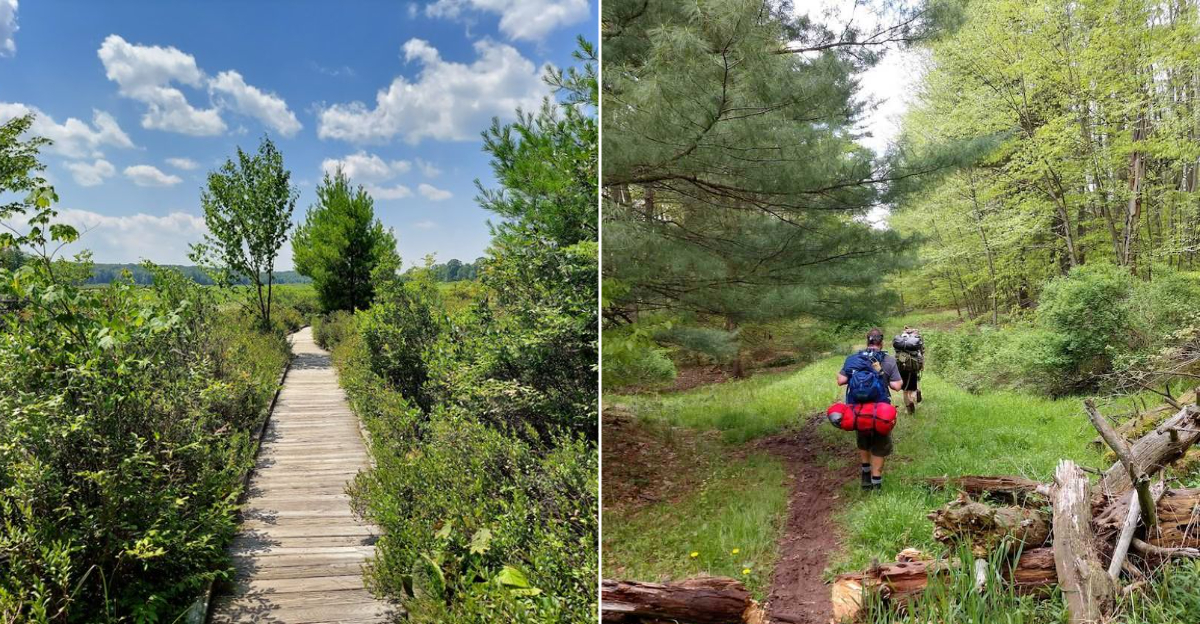
Pennsylvania packs an incredible range of trails into one state, from breezy boardwalk walks to wild backcountry slogs that leave your legs shaking. If you want a hike that matches your mood, fitness level, and appetite for scenery, this ranked list makes choosing easier.
I organized these routes from the most relaxed outings to the most demanding adventures, so you can build confidence or go straight for a challenge. Expect waterfalls, old-growth forest, sweeping overlooks, and a few trails that absolutely earn your post-hike meal.
Black Moshannon Bog Trail
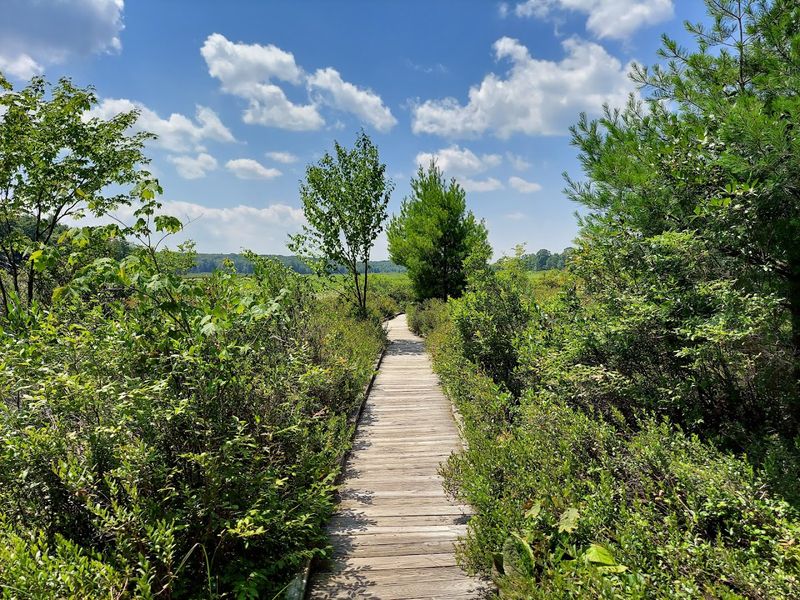
If you want the gentlest introduction to Pennsylvania hiking, Black Moshannon Bog Trail is a great place to start. This short boardwalk path in Black Moshannon State Park lets you glide over a rare high-elevation bog without much effort.
The landscape feels unusual for Pennsylvania, with mossy wetlands, pitcher plants, and still, dark water reflecting the sky.
I love recommending this trail to families, casual walkers, and anyone who wants scenery without committing to a big climb. The route is easy to follow, and the accessible design makes it one of the most welcoming nature walks in the state.
Bring your camera, because the textures and colors here are surprisingly photogenic.
Because it is short and flat, this is more about slowing down than chasing mileage. You can take your time reading interpretive signs and watching birds move through the bog.
In cooler months, the quiet feels especially calming.
Ranked first, this is Pennsylvania hiking at its most approachable.
Alan Seeger Natural Area Trail
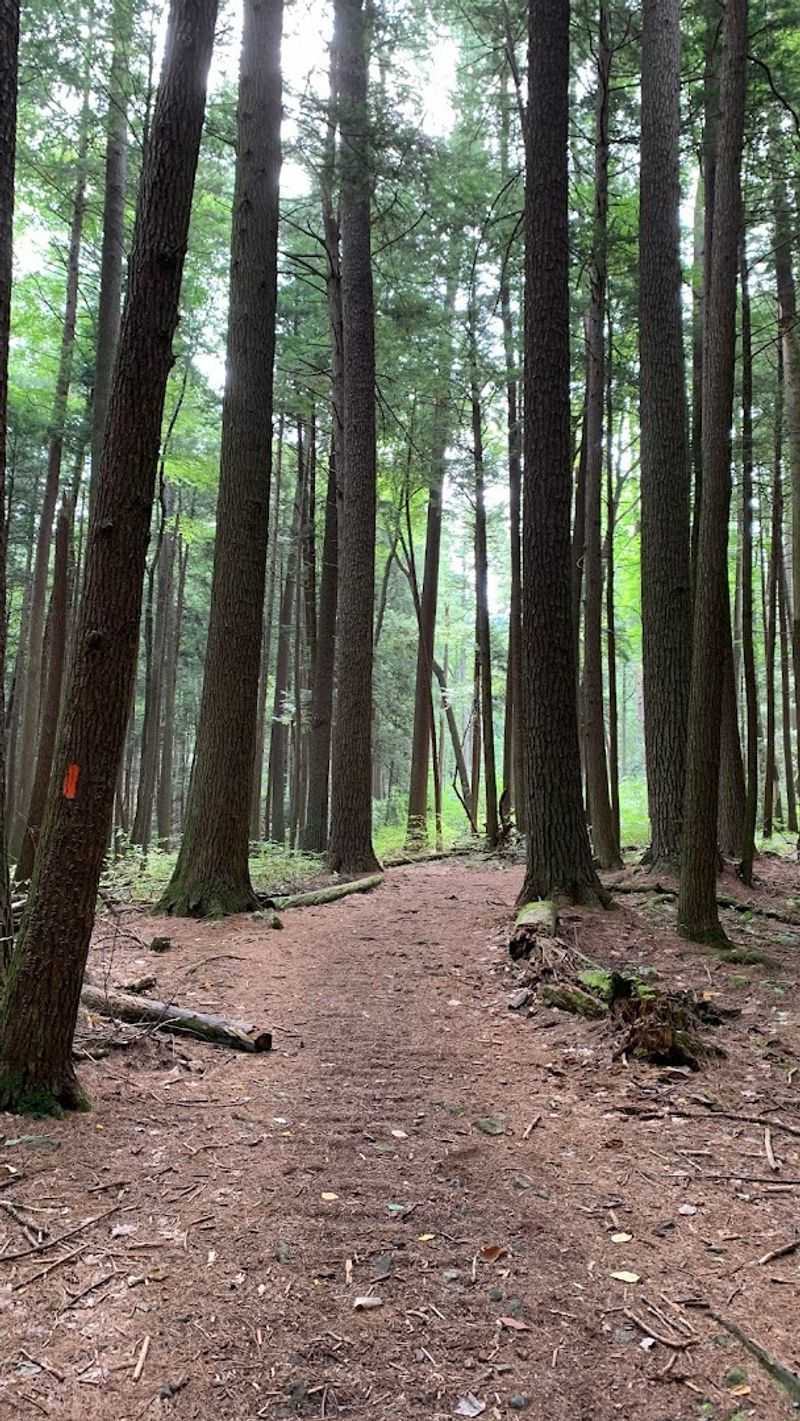
Alan Seeger Natural Area Trail is the kind of hike you choose when you want shade, quiet, and a deep breath of cool forest air. Tucked in Rothrock State Forest, this easy path winds through an impressive stand of old-growth hemlocks that instantly makes the landscape feel older and calmer.
The route is not flashy, but that is exactly its charm.
I would send anyone here who loves peaceful woods more than big summit drama. Massive trunks, ferny ground cover, and a gentle stream create a cathedral-like setting that feels restorative on hot days.
The trail is manageable for most walkers, and the footing is usually straightforward.
Because the scenery is subtle, this is a place to slow your pace and actually notice the details. You may hear birds overhead, water slipping over rocks, and the soft hush that thick tree cover creates.
It is a wonderful reset if busier parks feel overwhelming.
Ranked third, it is an easy hike with real atmosphere.
Great Allegheny Passage – Ohiopyle Section
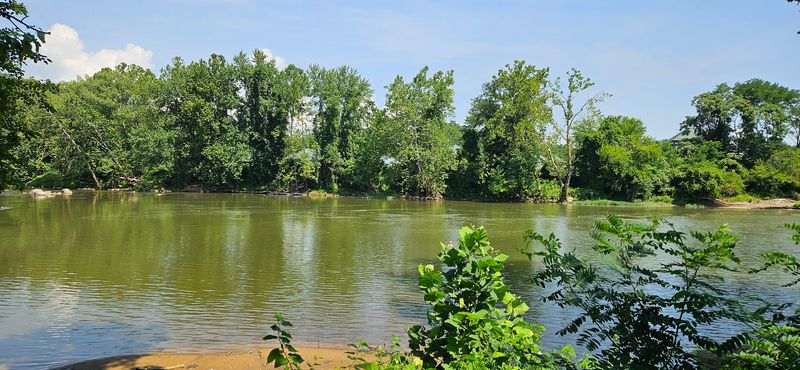
The Ohiopyle section of the Great Allegheny Passage is ideal if you want an easy hike with room to roam. This famous rail trail follows a gentle grade, so you can focus on river views, forest scenery, and nearby attractions instead of watching every step.
It is a great middle ground between a simple walk and a more active outdoor day.
I like this stretch because Ohiopyle adds energy to the experience. You can pair your walk with views of the Youghiogheny River, detours to waterfalls, or even a bike ride if you want to cover more ground.
The wide trail surface feels approachable, but the surroundings still deliver that classic southwestern Pennsylvania beauty.
Since the path is shared, staying aware of cyclists helps keep the outing smooth. This is also one of the easiest hikes on this list to customize for distance, which makes it great for mixed-ability groups.
If you want scenery without strain, it checks a lot of boxes.
Ranked fifth, it is relaxed, social, and reliably pretty.
Hawk Mountain Lookout Trail
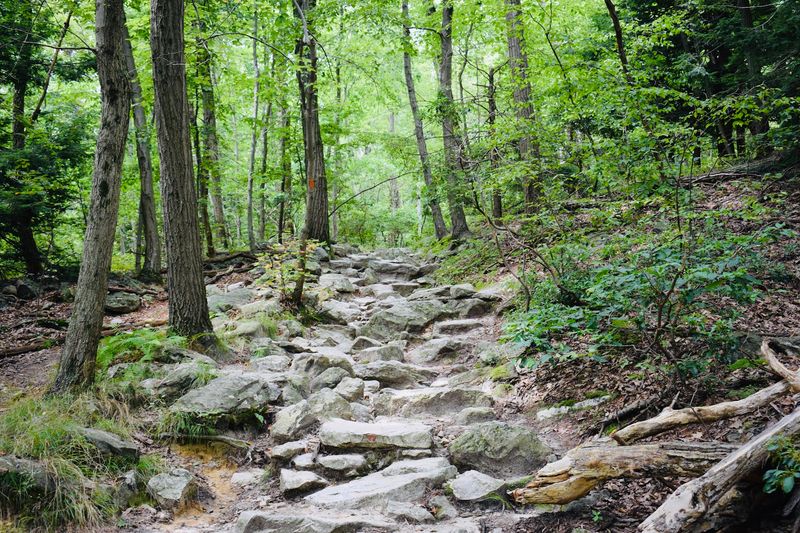
Hawk Mountain Lookout Trail blends moderate effort with one of Pennsylvania’s most iconic nature spectacles. Near Kempton, this route climbs through forest and rock to observation points known for outstanding views and seasonal raptor migration.
Even when hawks are not soaring overhead, the ridgeline scenery gives the hike a memorable sense of purpose.
I like this trail because it offers a strong reward without becoming punishing for most reasonably fit hikers. The terrain can be rocky, and the climb is enough to feel substantial, but the destination keeps motivation high.
If you visit during migration season, the chance to watch hawks, eagles, and other birds riding thermals adds something special.
Wear sturdy shoes because loose rocks can make the footing awkward, especially on the descent. A small pair of binoculars is worth bringing if birdwatching interests you at all.
The trail feels educational, scenic, and active at the same time, which is a rare combination.
That balance earns it a solid spot in the middle of this ranking.
Ricketts Glen Falls Trail
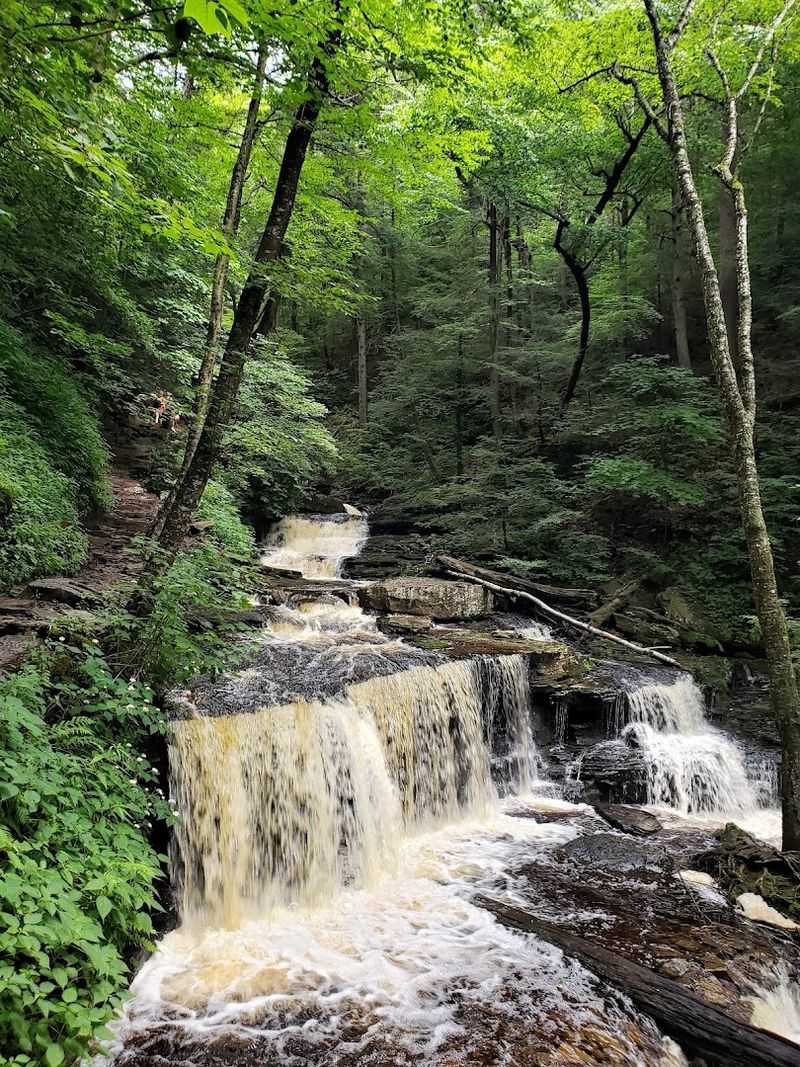
Ricketts Glen Falls Trail is one of Pennsylvania’s most famous hikes, and once you see the waterfall-filled gorge, it is easy to understand why. The route near Benton passes a remarkable string of named falls, with stone steps, wet rock, and twisting forest making the entire loop feel dramatic from start to finish.
It is often labeled moderate, but I think many hikers experience it as a tougher moderate because of the terrain.
This is the kind of trail that keeps you stopping every few minutes for another photo. More than twenty waterfalls create constant visual momentum, and the gorge setting feels cool and immersive even in summer.
The challenge comes from uneven footing, stair sections, and slick surfaces that demand attention.
Good traction is essential, and trekking poles can be surprisingly helpful here. If heavy rain has passed through, expect even slower travel and extra caution.
Still, for sheer scenic density, very few hikes in the state can compete with this one.
It is a moderate classic that absolutely delivers.
Glen Onoko Falls Trail
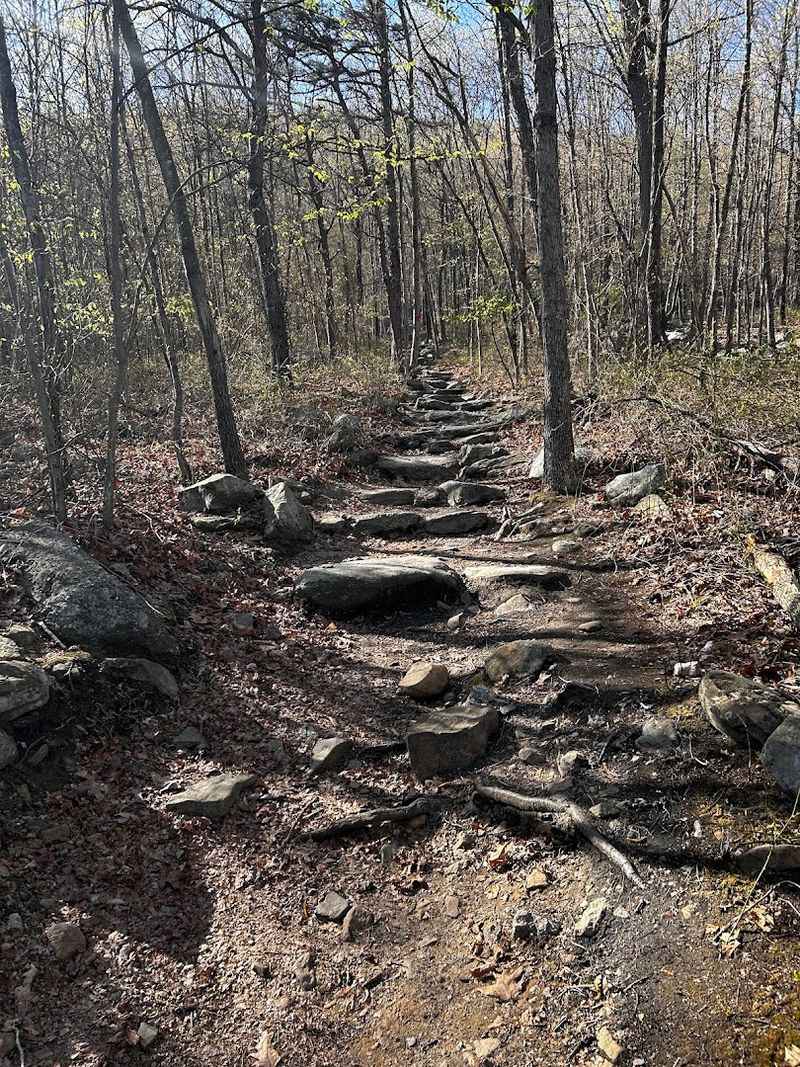
Glen Onoko Falls Trail deserves a careful note before any excitement kicks in. Near Jim Thorpe, this steep route became famous for its dramatic waterfalls and relentless climb, but it has also been historically dangerous and subject to closure or heavy restriction.
If you are considering it, checking current access rules is not optional.
Back when access was available, hikers were drawn by the staircase-like ascent past multiple cascades and the big scenic payoff higher up. I understand the appeal, because the combination of water, rock, and elevation creates a rugged adventure feel.
Still, this is not a casual waterfall walk, and it should never be treated like one.
Slippery surfaces, exposure, and risky off-trail behavior contributed to serious safety concerns over the years. For that reason, I rank it here more as an important outline inclusion than a blanket recommendation.
If closed, respect that fully and choose one of Pennsylvania’s many safer options.
Its reputation is huge, but caution has to come first.
Turkey Path Trail
Turkey Path Trail at Leonard Harrison State Park gives you a memorable taste of the Pennsylvania Grand Canyon with a challenge to match. The route descends from the rim into Pine Creek Gorge, passing waterfalls, stone steps, and steep grades that can feel much harder on the way back up.
It is not extremely long, but the climb out has a way of humbling people.
I think this trail is perfect if you want dramatic scenery without committing to a huge wilderness route. The canyon walls, layered forest views, and tumbling water make it feel bigger than its mileage.
Because you start with a descent, it is easy to go too fast and forget that every lost foot of elevation must be regained.
Take breaks on the ascent and bring more water than you think you need. Wet conditions can make the steps slick, so footwear matters.
If you want a compact hike that still leaves your legs buzzing, Turkey Path earns its reputation.
That is why it lands in the moderate-to-strenuous zone of this ranking.
Golden Eagle Trail
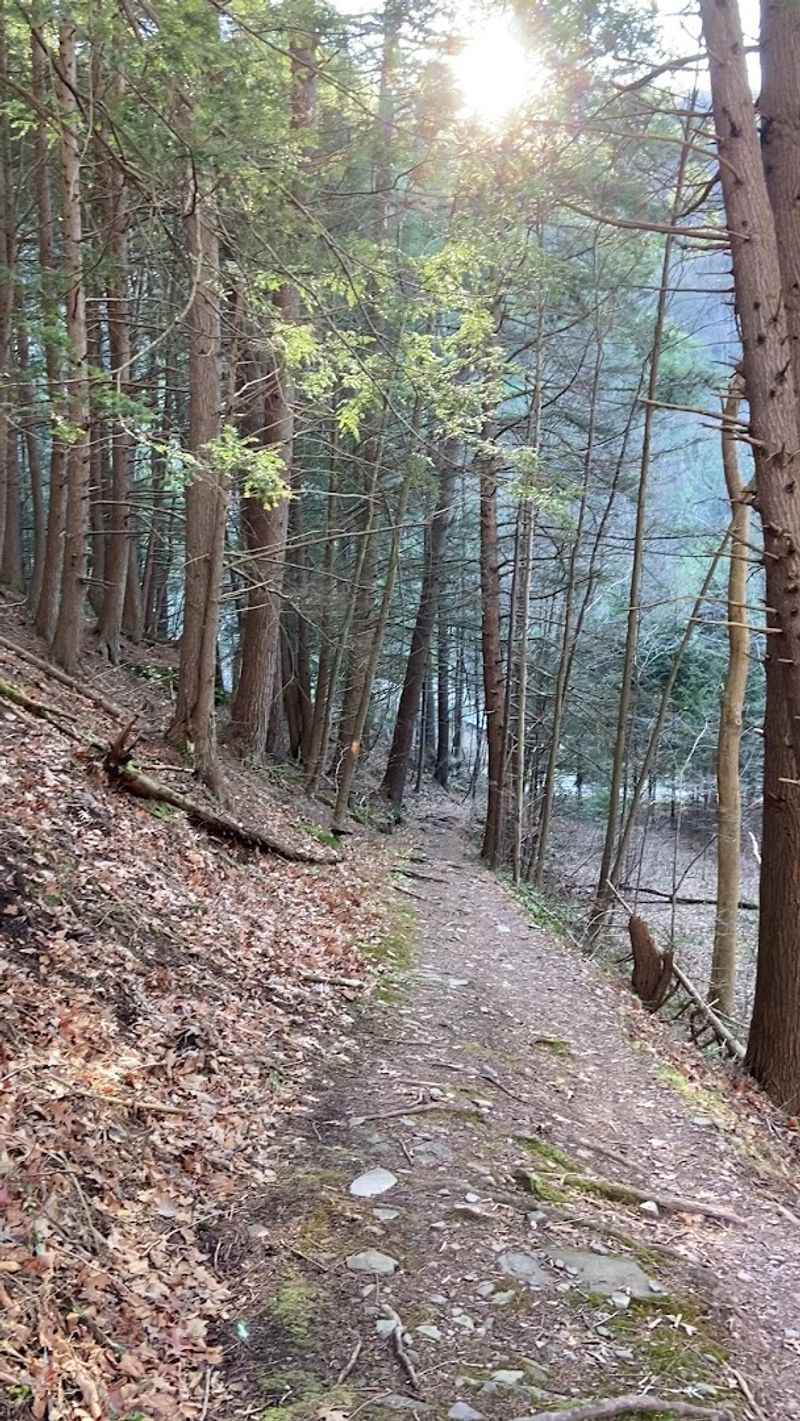
Golden Eagle Trail is where Pennsylvania hiking starts to feel truly wild. Near Slate Run, this rugged loop threads through Tiadaghton State Forest with steep climbs, narrow paths, stream crossings, and sweeping views that reward every hard-earned step.
It is a favorite among experienced hikers for good reason.
I would not recommend this as your first strenuous hike, but if you already know you enjoy elevation gain and rougher footing, it is an excellent next level. The route moves through deep forest, along creeks, and up to overlooks that make the surrounding ridges feel endless.
It has that remote, backcountry character that turns a day hike into something more immersive.
Because the terrain is demanding, pacing matters more than speed. Conditions can change quickly, and sections may feel isolated, so navigation awareness and preparation are important.
Bring plenty of water, snacks, and a realistic sense of your fitness before heading out.
For hikers chasing solitude and scenery, this one is a standout challenge.
West Rim Trail
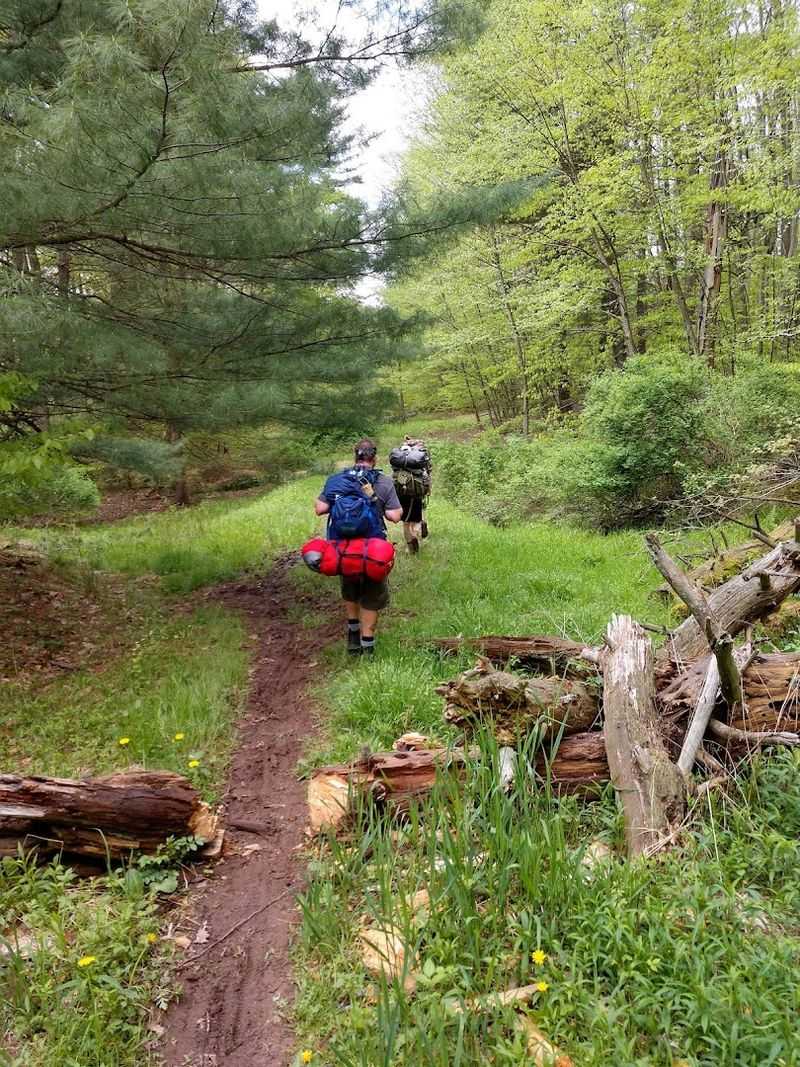
West Rim Trail delivers some of the finest canyon scenery in Pennsylvania, but it asks you to earn those views. Running along Pine Creek Gorge near Wellsboro and Ansonia, this long trail mixes forest walking, rocky sections, and repeated overlooks that make the landscape feel expansive and remote.
It is especially popular with backpackers, though strong day hikers can sample sections too.
I like how this trail balances beauty with seriousness. The grade is not always brutally steep, but the distance, exposure to weather, and cumulative effort can wear you down if you underestimate it.
Those rim views over the so-called Pennsylvania Grand Canyon are the kind that make you stop talking for a minute.
If you are planning only a section hike, study access points carefully so your mileage stays realistic. For longer trips, water planning and shuttle logistics matter.
This is less about one signature landmark and more about settling into a sustained, scenic challenge.
That steady difficulty places it firmly among Pennsylvania’s tougher classics.
Old Loggers Path
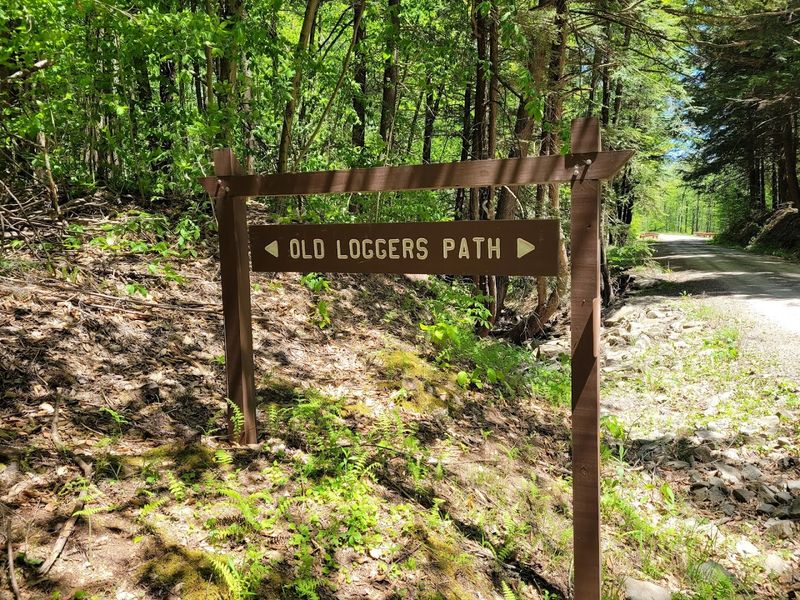
Old Loggers Path is a quiet favorite for hikers who love solitude more than big-name bragging rights. This loop through Loyalsock State Forest near Muncy Valley crosses streams, climbs wooded ridges, and travels through long stretches of peaceful backcountry that feel far removed from busier parks.
The challenge comes from distance, elevation changes, and the mental commitment of staying engaged for hours.
I appreciate this trail because it feels unpolished in the best possible way. You are not chasing one famous overlook or waterfall every mile.
Instead, the reward is immersion – quiet forest, changing terrain, and the satisfying rhythm of a true backpacking-style route.
That also means preparation matters. Water sources may need treatment, trail conditions vary with weather, and some sections can feel more rugged than guidebook descriptions suggest.
If you enjoy the idea of a classic Pennsylvania loop that tests endurance without huge crowds, this trail is a compelling choice.
It is strenuous, understated, and deeply rewarding for the right hiker.
Laurel Highlands Hiking Trail
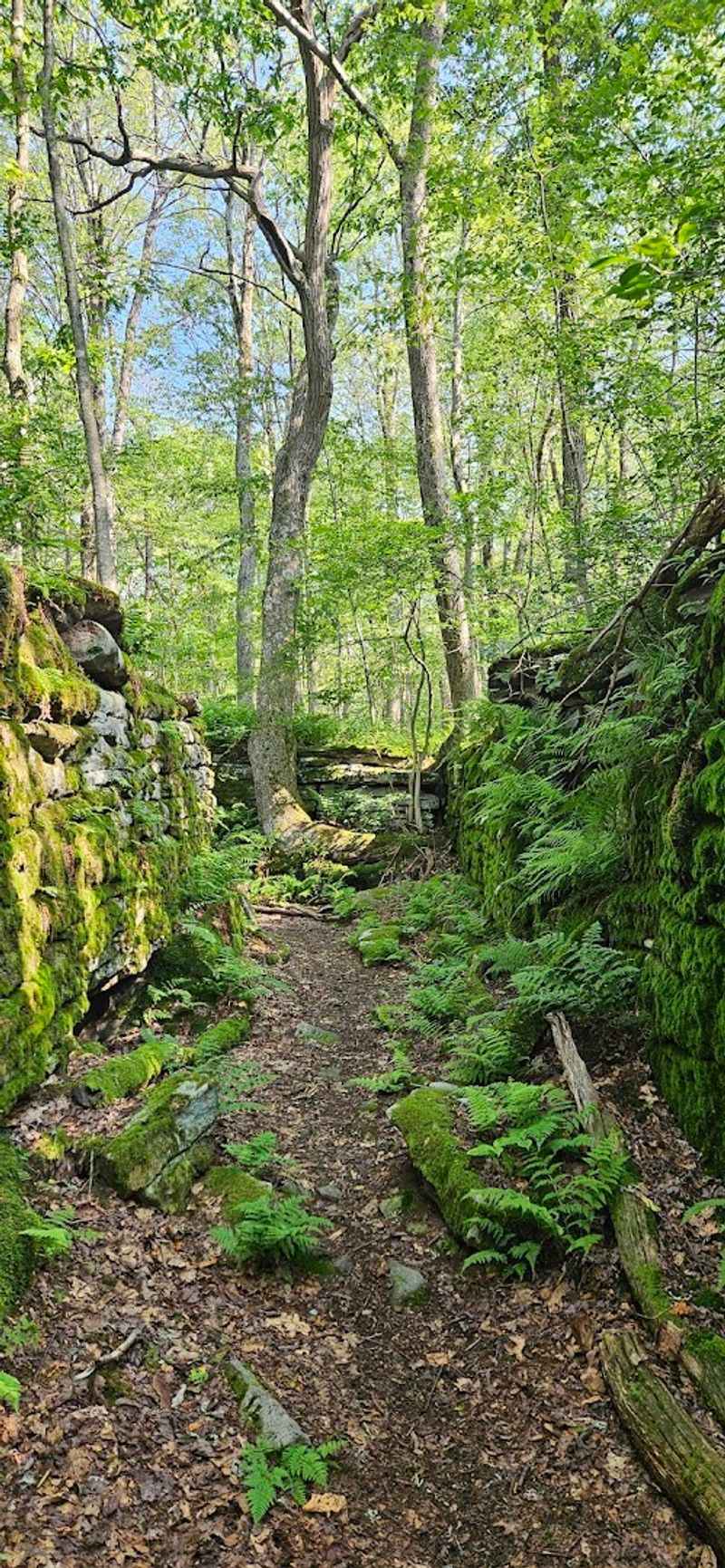
Laurel Highlands Hiking Trail is one of Pennsylvania’s signature long-distance routes, and even a short section can feel serious. Stretching roughly seventy miles through southwestern Pennsylvania, it combines steady elevation changes, rocky tread, and enough mileage to turn a pleasant walk into a real endurance effort.
This is the kind of trail that rewards planning almost as much as fitness.
I like recommending it to hikers who want a structured big-trail experience. Shelters, designated areas, and clear route identity make it approachable compared with more remote backcountry options, but the climbs are still very real.
On a long day, those rolling ups and downs can slowly grind away at your legs.
If you are section hiking from the Ohiopyle area, do not let the organized feel trick you into underpacking. Water, weather layers, and a realistic turnaround point all matter.
For backpackers, it is a classic. For day hikers, it is a strong test of endurance.
That mix of infrastructure and difficulty makes it a standout strenuous route.
Black Forest Trail
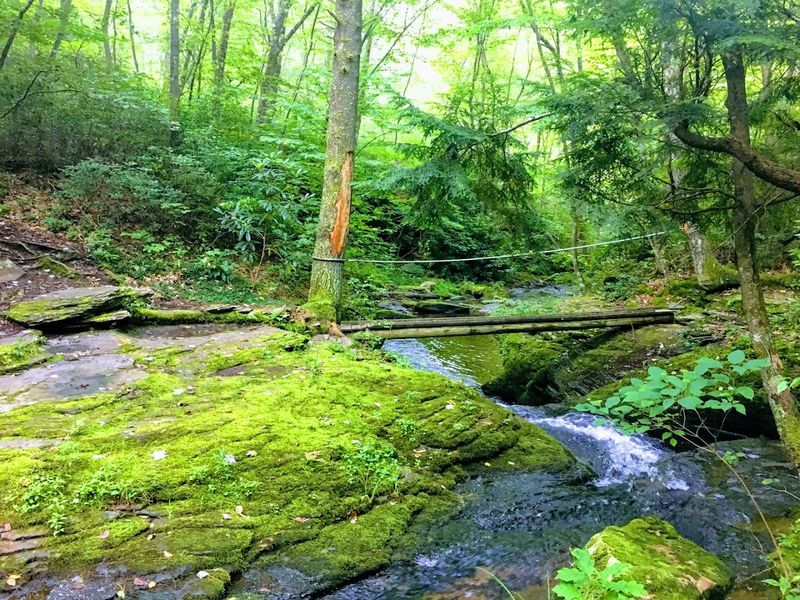
Black Forest Trail has a reputation as one of the toughest hikes in Pennsylvania, and it absolutely earns it. Near Slate Run, this demanding loop throws steep climbs, equally punishing descents, remote stretches, and constant elevation change at anyone bold enough to take it on.
The scenery is excellent, but this is not a trail you casually decide to tackle on a whim.
I think its difficulty comes from how relentlessly it keeps asking for more. You climb hard, drop fast, and then do it again with very little mercy.
In return, you get big ridge views, deep hollows, and the satisfying feeling that you are moving through truly rugged country.
Strong legs, solid navigation awareness, and careful planning are essential here. Weather can magnify the challenge quickly, and fatigue can turn manageable sections into slow, grinding work.
For experienced hikers, though, that is part of the appeal. Few Pennsylvania trails feel this physically honest.
Near the top of this ranking, it stands as a true leg-burner.
Loyalsock Trail
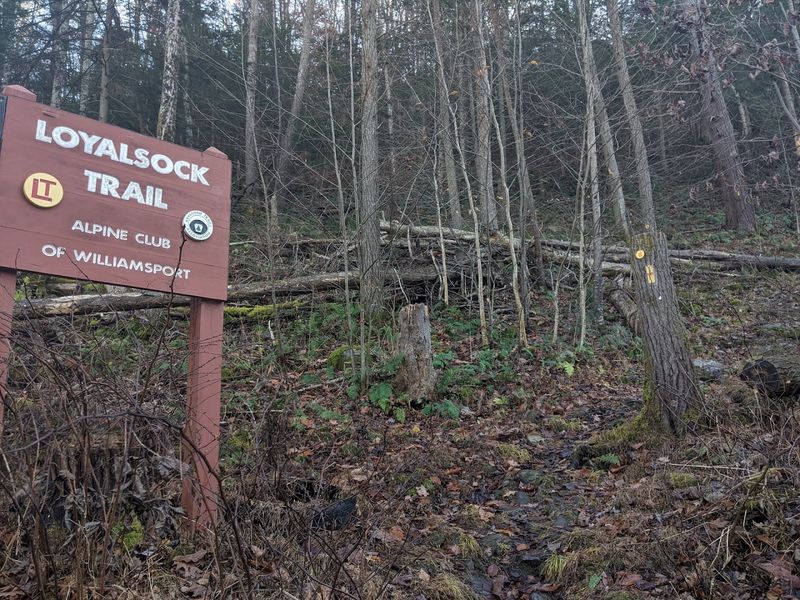
Loyalsock Trail takes the top spot because it combines distance, ruggedness, and wilderness character in a way that can feel absolutely consuming. Crossing nearly sixty miles of northeastern Pennsylvania terrain, it links rocky ridges, stream valleys, waterfalls, and remote forest into a route that demands stamina, planning, and respect.
This is not just a hike – it is an undertaking.
I love how varied the trail is, but that variety is exactly what makes it so tough. Easy rhythm can disappear quickly when the route throws another climb, creek crossing, or rough section at you.
Over time, the cumulative effort becomes the real challenge, especially if weather or muddy conditions join the party.
For backpackers, logistics matter as much as fitness. Food, water treatment, shuttle plans, and realistic daily mileage all shape the experience.
If you are prepared, though, the rewards are enormous: solitude, layered scenery, and a powerful sense of accomplishment that lasts long after the final mile.
As Pennsylvania challenges go, this one sits at the summit.