
Tucked away on 85 wooded acres in Durham, North Carolina, the Duke Lemur Center is home to the largest and most diverse collection of lemurs outside their native Madagascar. Founded in 1966, this remarkable research sanctuary cares for over 200 animals representing more than 13 species, all while running world-class conservation programs.
Guided tours bring visitors right into the forested habitat, where lemurs roam freely along winding trails. Whether you’re a wildlife enthusiast, a curious family, or just looking for something truly unforgettable to do in the Triangle area, this place delivers in a big way.
The Walking with Lemurs Guided Tour

Picture yourself strolling through a shaded forest trail while a ring-tailed lemur watches you curiously from a nearby branch. That is exactly what the Walking with Lemurs tour at Duke Lemur Center feels like, and it never gets old.
Visitors consistently call it one of the most memorable wildlife experiences they have ever had, and the reviews back that up completely.
The tour takes small groups through outdoor forested enclosures where lemurs live, play, and interact naturally. Guides like Matthew and Zach have earned glowing praise from visitors for their energy, depth of knowledge, and genuine passion for primate conservation.
You will learn about individual lemur personalities, family dynamics, and the real threats these animals face in the wild.
Morning tours, especially around 8:30 AM, tend to offer the best viewing since lemurs are most active early in the day. The trails are easy to walk but can be uneven in spots, so sturdy shoes are a smart call.
Groups are kept small to ensure an intimate experience. Booking tickets online in advance is strongly recommended because tours sell out quickly, especially on weekends during peak season.
The Behind-the-Scenes Tour Experience

For those who want to go deeper than the standard trail walk, the Behind-the-Scenes tour is a whole different level of access. Visitors get to explore areas of the facility that most people never see, including indoor research spaces, specialized habitats, and feeding areas.
One reviewer described it as both educational and inspiring, which sums it up perfectly.
Guides on this tour, including educators like Abby, Anna, and Ethan, bring exceptional enthusiasm and encyclopedic knowledge to every stop. On one visit, guests got to observe a three-month-old baby lemur and watch staff conduct behavioral training in preparation for outdoor access.
Moments like that are rare and genuinely touching.
The nocturnal lemur section is a standout highlight of this tour. Visitors enter a specially lit habitat designed to mimic nighttime conditions, allowing them to observe species that are rarely seen during standard public hours.
The experience requires quiet and care, but the reward is extraordinary. This tour option costs more than the standard walking tour, but everyone who has taken it agrees the extra investment is absolutely worth every penny.
Lemur Species Diversity at the Center

With over 13 species living at the center, the range of lemurs you can encounter here is staggering. Ring-tailed lemurs, mongoose lemurs, crowned lemurs, red ruffed lemurs, and even the bizarre aye-aye all call this Durham sanctuary home.
Each species has its own personality, social structure, and set of quirks that make observing them endlessly entertaining.
Mongoose lemurs and crowned lemurs have been singled out by multiple visitors for their sweet, expressive faces and the way they groom each other affectionately. Watching a troop of ring-tailed lemurs sunbathe with their arms stretched wide is one of those sights that makes you stop and smile without even realizing it.
These are not animals pacing in small cages. They have space, enrichment, and social groups that mirror wild conditions as closely as possible.
The center currently houses more than 200 individual animals, making it the largest collection of its kind outside Madagascar. Staff conduct non-invasive research to better understand lemur behavior, health, and genetics.
Everything learned here feeds directly into global conservation strategies. Seeing so many different species in one visit gives you a genuine appreciation for just how diverse the lemur family really is.
Conservation and Research Mission
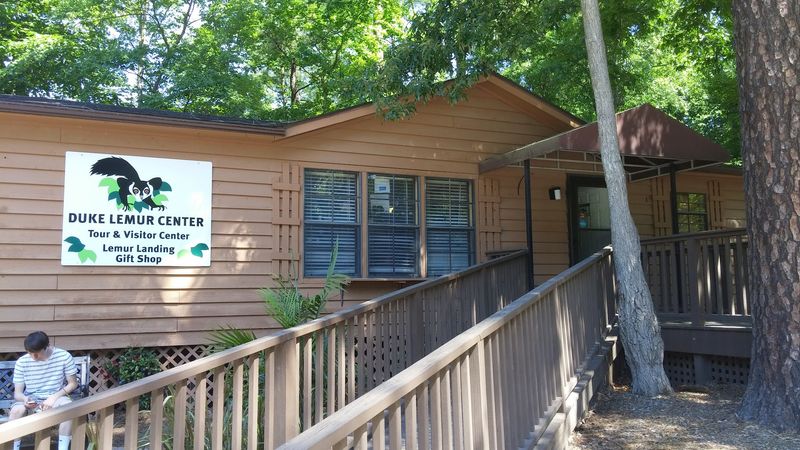
Founded in 1966 at Duke University, the Duke Lemur Center has always been about more than just showing off adorable animals. Its core mission is scientific research and conservation, specifically aimed at protecting lemurs, which are among the most endangered mammals on the planet.
More than 95 percent of lemur species are currently threatened with extinction due to habitat loss in Madagascar.
Researchers at the center conduct non-invasive studies on lemur cognition, reproduction, aging, and social behavior. These studies have produced groundbreaking insights that help both wildlife managers in Madagascar and medical researchers studying human health.
The center collaborates with international partners and funds field conservation work directly in Madagascar through its SAVA Conservation program.
What makes the Duke Lemur Center special is that the research and the animal care are deeply intertwined. Every dollar spent on tours and merchandise supports the animals’ care and the broader scientific mission.
Visitors who come expecting a fun wildlife outing often leave with a new sense of urgency about primate conservation. Knowing that your ticket purchase directly funds this work makes the experience feel meaningful in a way that a typical zoo visit simply does not replicate.
The Self-Guided Tour Option

Not everyone wants a structured group experience, and the Duke Lemur Center has you covered with its self-guided tour format. This option lets visitors move at their own pace through the outdoor enclosures, stopping as long as they want at each station to observe the animals and read the detailed educational signage posted throughout the trail.
Volunteers are stationed at each enclosure during self-guided tours, ready to answer questions and share stories about the specific lemurs in their area. One visitor described it as a self-paced tour where every station had a knowledgeable and enthusiastic volunteer eager to chat, which sounds like the best of both worlds.
You get freedom of movement without losing access to expert knowledge.
The informational signs along the trail are well-designed and genuinely interesting, covering everything from species biology to conservation challenges. This tour is the most affordable option available, making it a great entry point for first-time visitors or families watching their budget.
Tickets still need to be purchased online in advance, and availability can vary by season. Arriving early in the day gives you the best chance of seeing the lemurs at their most active and playful.
The Gift Shop and Visitor Center

After walking through the forest and meeting some of the most fascinating primates alive, the last stop before heading home is the Duke Lemur Center gift shop, and it is genuinely worth your time. The selection goes well beyond the typical wildlife center merchandise.
Think lemur-painted artwork, polished ammonite fossils, stuffed animal lemurs, Duke Lemur Center branded magazines, and a wide range of clothing.
One standout item that visitors rave about is the artwork created by the lemurs themselves. Yes, actual paintings made by lemurs are available for purchase, and they make for one of the most unique souvenirs imaginable.
Every purchase directly supports the center’s animal care and research programs, so shopping here feels genuinely good rather than just commercially convenient.
The visitor center also includes a small exhibit room featuring lemur skulls and displays celebrating women in STEM, which adds an unexpected educational layer to the experience. The space is tidy, welcoming, and staffed by friendly cashiers who clearly enjoy their work.
Even if you are not a big souvenir buyer, browsing the shop is a fun way to wind down after the tour and reflect on everything you just experienced out on the trail.
Planning Your Visit: Tickets, Hours, and Tips

Getting the most out of a trip to the Duke Lemur Center starts with a little advance planning. The center is located at 3705 Erwin Rd in Durham, NC, and is open Wednesday through Monday from 10 AM to 4 PM.
Tuesdays are closed, so make sure to check the schedule before heading out. The phone number is 919-401-7240 if you need to reach them directly.
Tickets must be purchased online in advance at lemur.duke.edu, as walk-ins are generally not accommodated. Tour slots fill up fast, especially on weekends and during peak spring and fall seasons.
Morning tours around 8:30 AM are particularly popular because lemurs are most active early in the day, giving you a better chance of seeing lots of movement and interaction.
Wear comfortable, closed-toe shoes since the trails can be uneven in places. Water bottles are not permitted inside the lemur enclosures during walking tours, but there is plenty of tree canopy cover to keep you cool.
The access road narrows near the property entrance, so drive slowly and cautiously. Parking is available on site.
With a 4.7-star rating across nearly 200 reviews, this place consistently exceeds expectations for visitors of all ages.
Lemur Free-Range Time in the Forest Enclosures
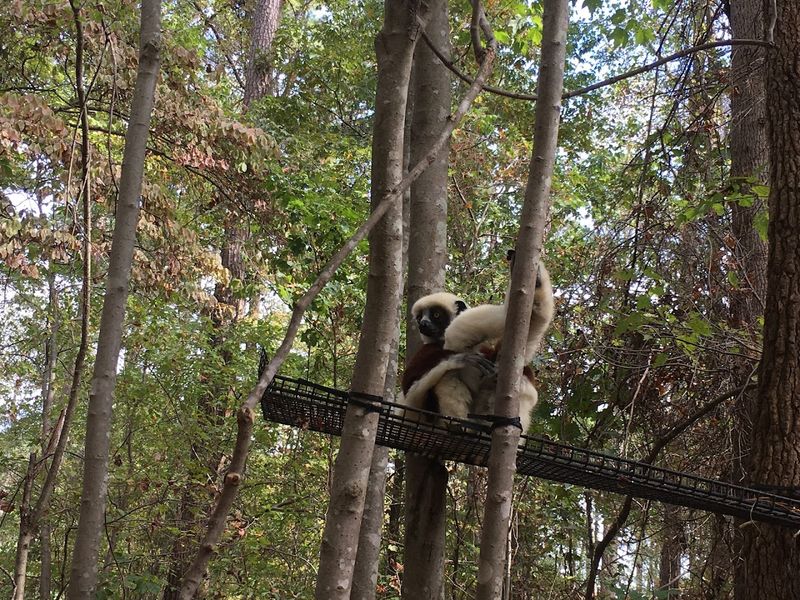
One of the most jaw-dropping things about the Duke Lemur Center is watching lemurs move through their outdoor forest habitat as if they own the place, which in a very real sense they do. The outdoor enclosures are massive, wooded, and designed to let animals express natural behaviors like foraging, climbing, sunbathing, and socializing.
It is nothing like watching animals pace in a concrete zoo exhibit.
During warmer months, many species are allowed extended free-range time in these forested spaces. Visitors on the Walking with Lemurs tour walk directly through these enclosures, sometimes with lemurs just feet away on low branches or crossing the path ahead.
Multiple reviewers have described it as better than any zoo or safari experience they have ever had, which is a bold claim that the center consistently lives up to.
The center maintains extremely high standards of animal care, and the lemurs’ access to outdoor space is a direct reflection of that commitment. Watching a troop interact, groom, and play in a setting that closely mirrors their natural habitat in Madagascar is genuinely moving.
It reminds you that these animals are wild at heart, even if they were born and raised here in North Carolina.
Why Duke Lemur Center Stands Apart from Any Zoo

A lot of wildlife facilities claim to be different, but the Duke Lemur Center genuinely earns that distinction. At its core, this is a working research institution affiliated with Duke University, not a commercial attraction built around ticket sales.
The animals here are part of an ongoing scientific mission, and every aspect of their care reflects that serious commitment to their well-being.
Visitor numbers are kept manageable, tour groups are small, and the experience is always guided by people who are deeply knowledgeable about the animals they work with. You will never feel like you are being shuffled through a crowd or kept at an impersonal distance.
The intimacy of the experience is what sets it apart, and that intimacy comes from deliberate choices the center makes about how it operates.
Reviewers with extensive wildlife travel experience, including people who have been on African safaris, have ranked the Duke Lemur Center above those experiences for sheer emotional impact. That says everything.
The combination of close animal encounters, passionate educators, active scientific research, and a genuine conservation mission creates something rare and hard to replicate. If you are anywhere near Durham, NC, skipping this place would be a decision you would genuinely regret.