Pennsylvania’s main streets don’t make an effort to impress you, they are simply there, just as they have been for generations.
These are places where history is measured in old bricks, and the only real luxury is that no one rushes you to free up a parking spot or a table at a local bistro.
These 13 streets have outlasted the pace of the digital world by holding on to their original, slightly rough rhythm, where footsteps still echo along the sidewalk and shops carry a scent you can’t find online.
These are places where travel stops being a race for a photo and becomes what it was always meant to be, simply walking without a plan.
Jim Thorpe Downtown
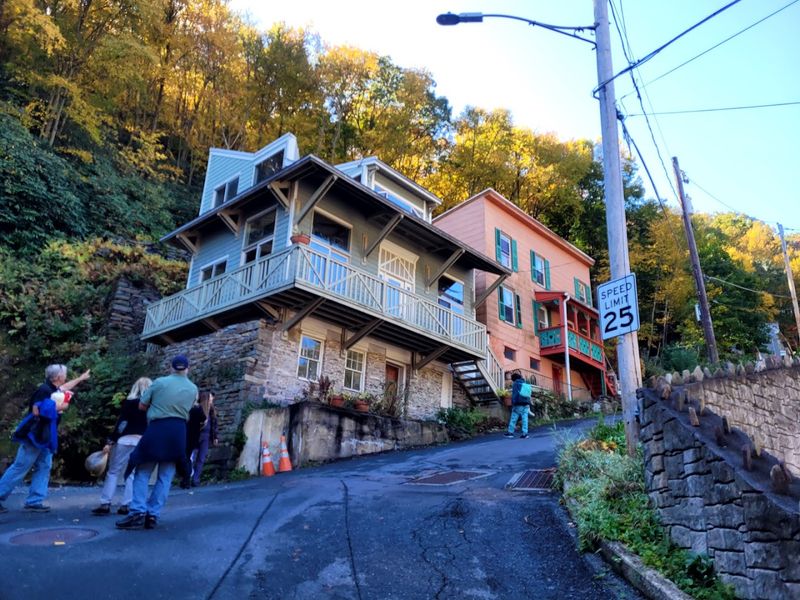
It feels like a place built for looking up.
The mountains press in close, the buildings rise with ornate confidence, and every block seems to hold another cornice, balcony, or painted sign worth pausing for.
You do not hurry here because the street keeps interrupting you with details, from old masonry to shop windows filled with books, candles, and small local finds.
There is also something pleasantly theatrical about the whole setting.
Trains, steep hills, and Victorian facades give the town a dramatic frame, yet the pace stays easy once your shoes hit the sidewalk.
A coffee in hand seems to last longer here, especially when you drift from a café to an old hotel lobby or a tucked-away gallery.
By early evening, the light softens against the brick and stone, and downtown becomes even more inviting. You notice footsteps, porch railings, and the hush that settles between conversations.
It is charming in a layered, slightly storybook way that never feels overly polished.
Lititz Main Street
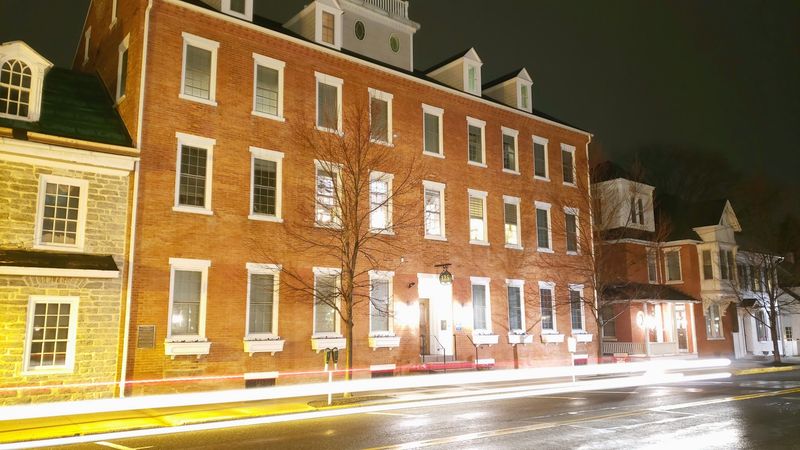
A neat, welcoming rhythm defines this street, making it easy to settle into the day instead of planning the next one.
The storefronts are tidy without feeling staged, and the atmosphere carries that lived-in warmth that comes from bakeries opening early, shopkeepers greeting regulars, and people actually lingering on benches.
It feels cared for in a deeply local way.
What stands out most is how naturally it invites simple pleasures.
You can wander into a chocolate shop, step back outside with something sweet, then continue past boutiques, cafés, and old brick buildings that seem comfortable in their own age.
Nothing demands attention, yet everything rewards it, especially the signs, window displays, and the quiet confidence of the architecture.
The scale makes walking feel effortless.
A few blocks can hold an entire afternoon when you give them time.
During cooler months, the air carries that cinnamon-and-coffee warmth that softens the edges of the street even more.
New Hope Main Street
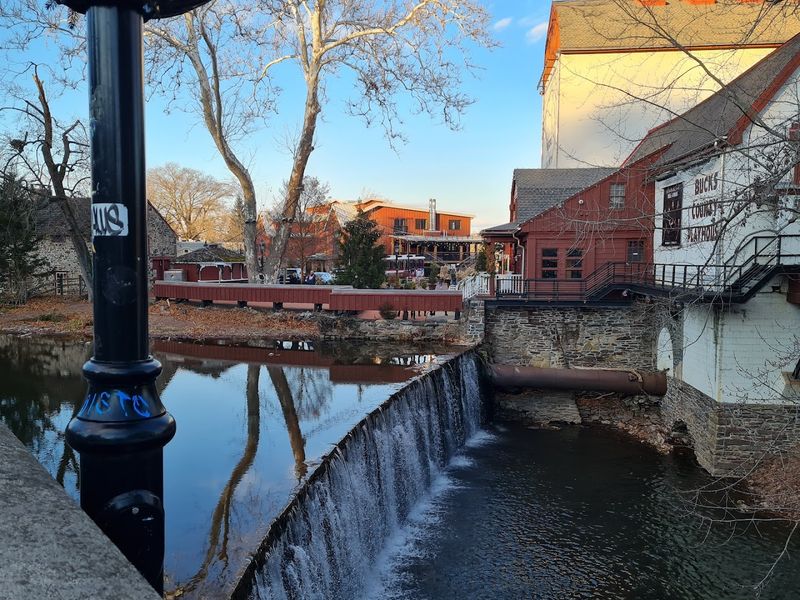
A slower rhythm defines the experience here, yet it never feels sleepy.
There is an artistic current running through it, visible in gallery windows, handmade jewelry displays, and cafés where people seem in no rush to finish a second cup.
You can feel the river nearby even before you see it, and that proximity gives the whole town an easy, drifting mood.
The charm here comes from contrast.
Historic facades and old inns set the scene, yet the street stays lively with independent shops, bookish corners, and little bursts of color in awnings, flowers, and painted doors.
It is the kind of place where an unplanned turn leads to a courtyard, a record store, or a window full of objects you did not know you wanted to examine.
As the day leans toward evening, the street gains a glow that suits it perfectly.
Restaurant windows brighten, conversation spills onto sidewalks, and the town feels both intimate and animated.
New Hope makes slowing down feel stylish, but never self-conscious or overly arranged.
Wellsboro Main Street
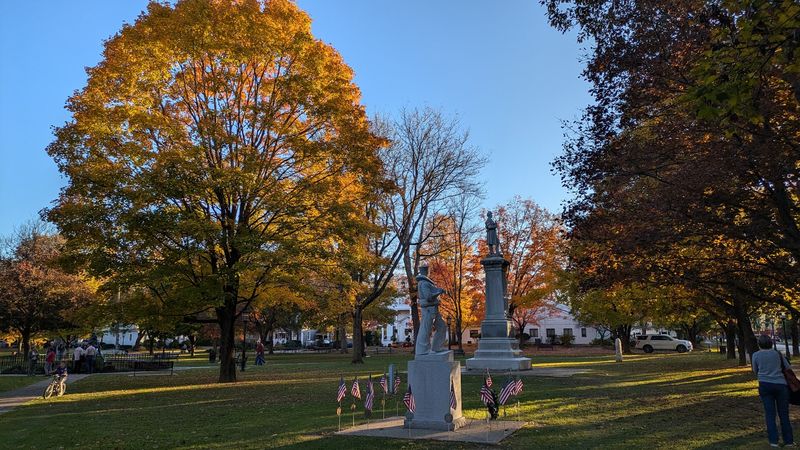
A streetscape like this has a way of slowing you down the moment you arrive.
Vintage gas lamps line the sidewalks, and a broad, orderly stretch of storefronts gives the whole setting a sense of calm continuity.
Nothing here feels flashy or forced, which is exactly what makes it linger in memory.
There is a kind of practical beauty in the details.
A bookstore window, a classic diner sign, polished brick, and the generous width of the sidewalks all create space to move without pressure.
Instead of guiding you quickly from one stop to the next, the layout invites wandering, pausing, and noticing places that feel genuinely tied to everyday life.
On cooler days, the atmosphere sharpens in the best way.
The lamps glow earlier, jackets come out, and the air carries that crisp, small-town quiet that makes even a simple coffee stop feel more intentional.
This is a place that does not try to impress loudly, relying instead on steadiness, detail, and an easy sense of grace.
Kennett Square State Street
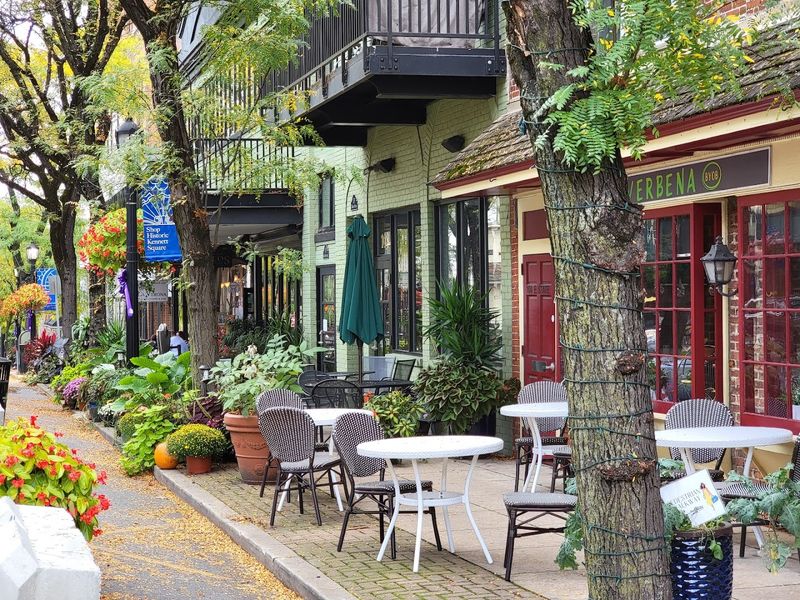
This stretch of downtown feels grounded in everyday life, and that is a huge part of its appeal.
It is not a place that exists only for visitors. You can sense real routines beneath the charm, neighbors stopping for coffee, workers picking up lunch, and shop doors opening onto sidewalks that invite you to wander without any fixed plan.
The architecture gives the street a strong backbone, with brick facades, upper-story windows, and storefronts that feel established rather than newly curated.
Then the softer touches take over: restaurant patios, planters, chalkboard menus, and specialty shops that draw you in with the promise of something personal. Even the pace of conversation seems slower here, as if the whole street has quietly agreed to leave room in the day.
There is also a clear sense of local pride woven into the experience.
Seasonal details, independent businesses, and a polished but unfussy atmosphere make it especially pleasant to explore on foot.
Strasburg Main Street
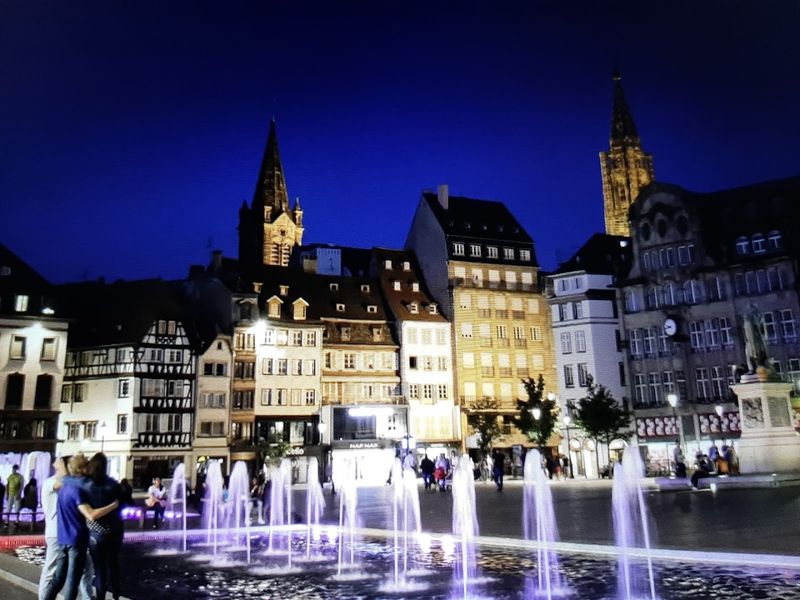
A quieter kind of charm defines this stretch of downtown, and that softness is exactly what makes it linger in your mind.
The buildings feel low and steady, the sidewalks unhurried, and the whole village seems to move in a slower rhythm shaped by nearby fields, rail history, and long habits of daily life. Nothing here strains for attention.
Instead, the pleasure comes from noticing modest things.
A carefully kept storefront, a simple café, the creak of old floors inside a shop, or the sense that the countryside is never far away.
There is a lovely plainness to it, not dull, but clear, rooted, and comfortable with tradition.
You can feel that in the architecture and in the easy spacing of the street itself.
It is especially enjoyable for anyone who likes places that reveal themselves gradually.
Walk slowly enough and details begin to gather: textures of brick, old signage, a quiet museum corner, a porch with seasonal decorations.
The overall feeling is calm without emptiness, and nostalgic without ever becoming performative.
Doylestown Main Street
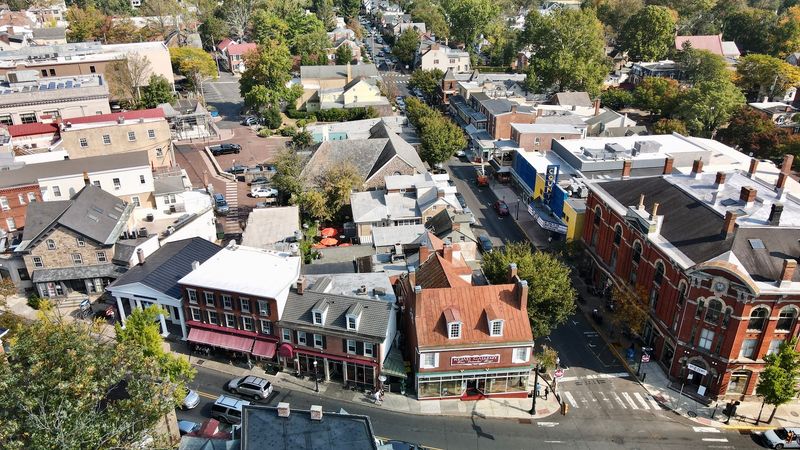
A rare balance of polish and warmth defines this downtown, making it easy to step into without adjusting your mood or pace.
There is culture, history, and beautiful architecture, yet everything feels approachable rather than formal. You can browse a bookstore, linger over coffee, and continue past old facades that hold restaurants, boutiques, and small details worth another look.
What makes it memorable is the texture of the experience.
The sidewalks invite strolling instead of rushing, and the buildings offer enough variation to keep your attention without ever feeling crowded.
A carved doorway here, a shaded table there, then a stretch of storefront windows reflecting trees and passing conversation.
Even with plenty to do, the atmosphere remains composed.
There is also a quietly literary quality to the place, as if it understands the pleasure of an unstructured afternoon.
You do not need a packed itinerary to enjoy it.
A few blocks, a good drink, and enough time to follow curiosity are more than enough for its charm to fully settle in.
Bellefonte High Street
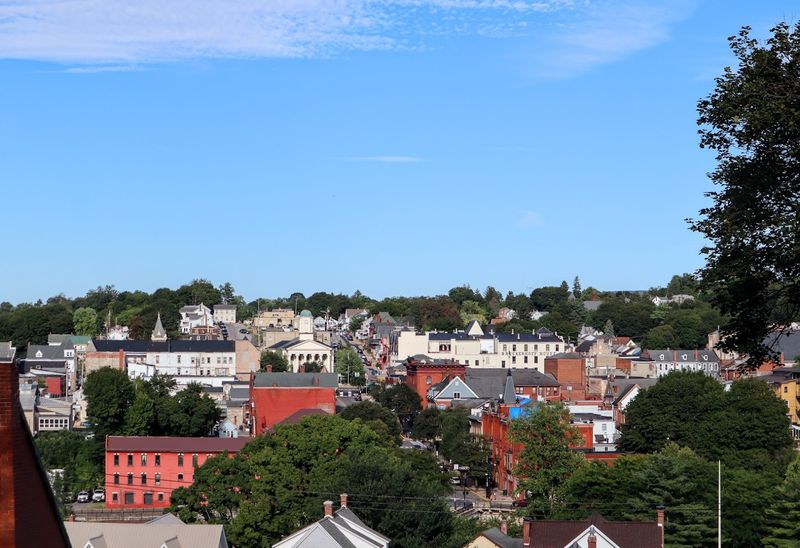
A graceful, almost understated grandeur defines this stretch of downtown, revealing itself slowly as you walk.
The Victorian architecture is remarkable, yet it never feels preserved behind glass.
Instead, those handsome old buildings continue to shape everyday life, giving coffee runs, shopping stops, and casual strolls a backdrop of towers, brickwork, and decorative trim that feels unexpectedly rich for a small-town street.
It rewards anyone who enjoys noticing craftsmanship.
Window frames, stone details, old cornices, and painted storefronts create a layered look that shifts from block to block.
Even with all that visual detail, the atmosphere remains calm.
You can hear passing traffic without feeling overwhelmed, and there is enough openness to keep the downtown feeling breathable and genuinely lived-in.
There is also a steady, courthouse-town quality that builds trust almost immediately.
Nothing feels rushed, and local businesses bring just enough modern energy without overwhelming the street’s historic character.
Spend an hour here and your attention sharpens.
Stay longer, and the place begins to feel quietly companionable.
Honesdale Main Street
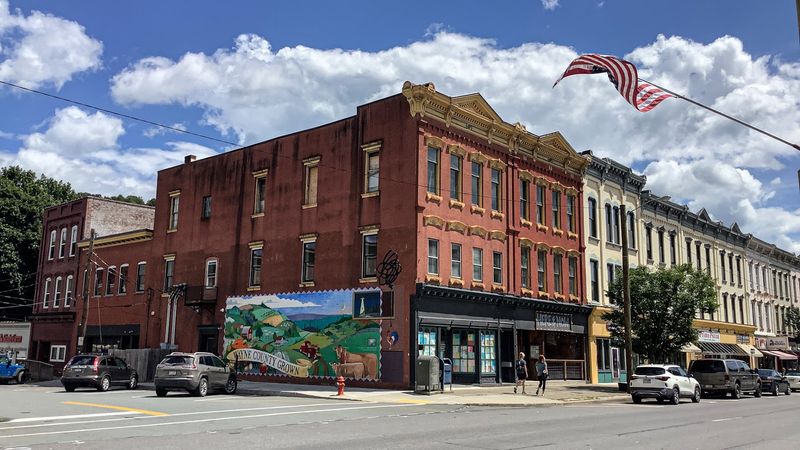
This downtown has the kind of charm that feels earned over time rather than arranged for effect.
The buildings are sturdy, the street has a practical width, and there is a touch of northern grit that keeps everything from ever feeling too precious.
You can browse antiques, duck into a café, and absorb a sense of history without needing it spelled out.
There is a satisfying honesty in the details.
Storefronts look used, windows reveal real businesses, and the architecture feels like part of working life instead of a backdrop. That makes walking here especially pleasant.
You are not just admiring a preserved district, you are moving through a place that still belongs to itself, with a pace that settles somewhere between purposeful and relaxed.
In colder seasons, the atmosphere becomes even more appealing.
The air sharpens, coats brush past old brick, and warm light from diners and shops gives the street a cozy edge.
It is the kind of place that rewards lingering without fuss, where small discoveries matter more than any single landmark.
Milford Broad Street
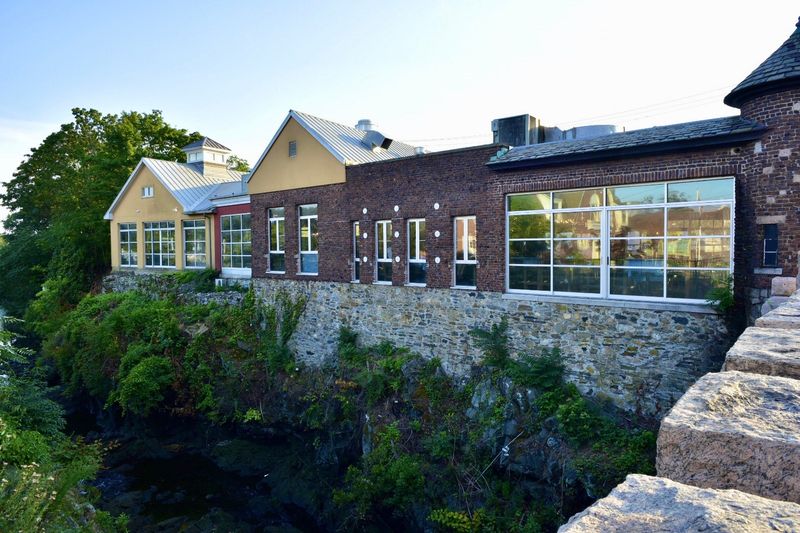
A quiet sense of refinement defines this street, but never in a way that feels distant or unwelcoming.
The buildings are well kept, the storefronts inviting, and the whole setting carries a calm confidence that reflects both history and creativity.
You can step into an art gallery, browse a shop, and return outside to find the same easy rhythm waiting for you.
What stands out most is the sense of proportion.
The blocks are comfortable to walk, the architecture offers just enough detail to hold your attention, and there is a natural balance between elegance and everyday use.
Nothing feels oversized or overstated. Instead, the appeal comes through subtle touches like old doorways, leafy edges, and thoughtfully arranged windows.
The surrounding landscape adds another layer to the experience.
After rain, the street takes on a fresh brightness, and in autumn it can feel almost painterly.
Bedford Main Street
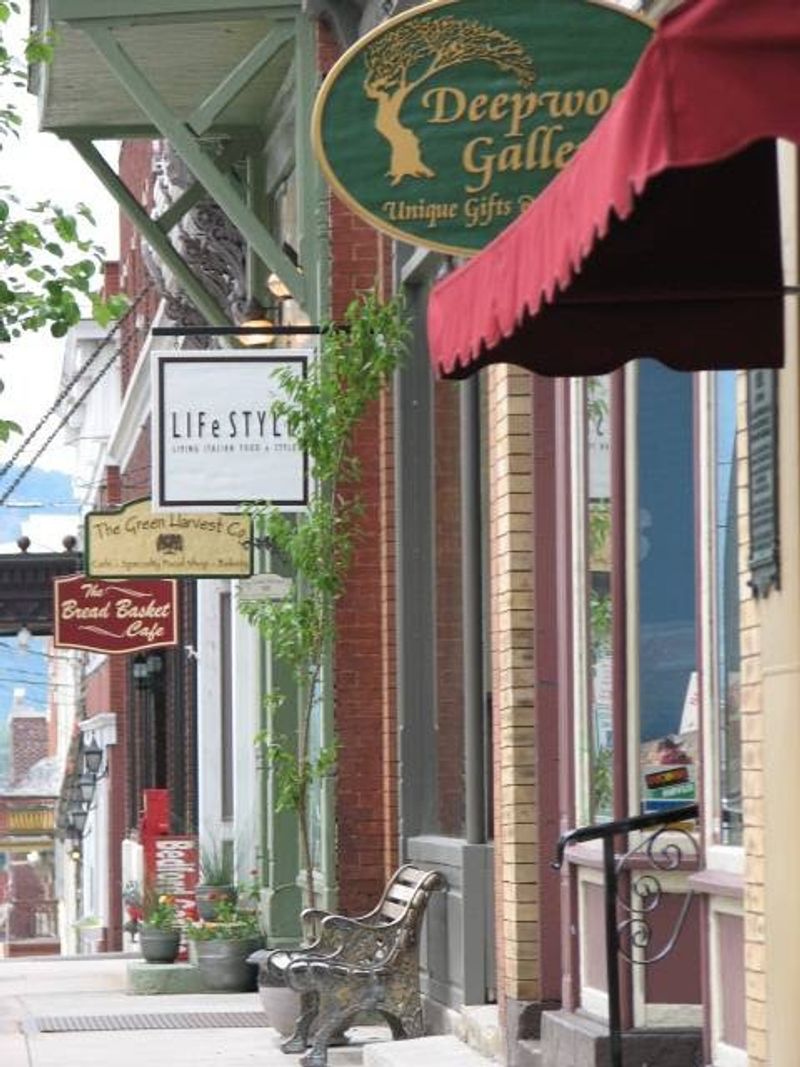
A sturdy, old-world beauty defines this street, creating an immediate sense of ease.
Framed by mountains and shaped by a long history, the downtown brings together brick, stone, and traditional storefronts in a way that feels settled rather than curated.
It is easy to imagine everyday routines unfolding here a century ago, which gives a simple walk today a sense of connection to something slower and more enduring.
The appeal lies in its steadiness.
Antique shops, cafés, and local businesses add life to the blocks without turning them into a performance. You begin to notice the quality of the buildings, the rhythm of windows and doorways, and the calm way people move through the center.
Even crossing the street feels less like a task and more like part of the experience.
It is especially good at creating the feeling of an afternoon opening up in front of you.
One stop leads naturally to another, while the surrounding hills keep everything feeling close and contained.
The street offers just enough, then leaves room for conversation, reflection, and the quiet pleasure of taking your time.
Gettysburg Downtown
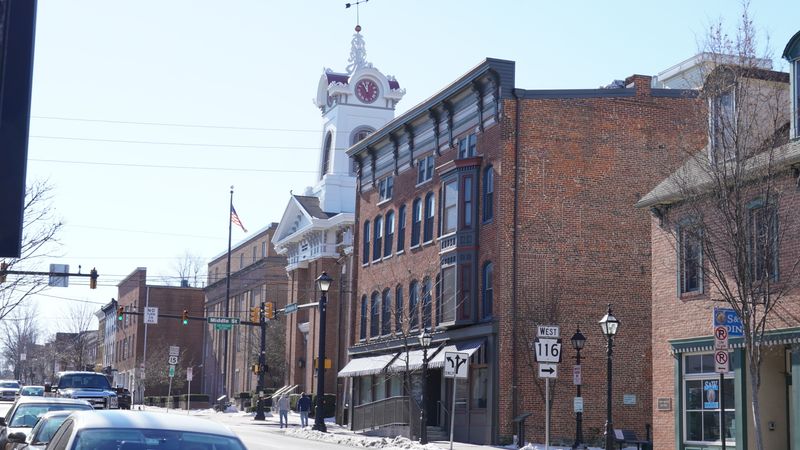
History could easily dominate a place like this, but instead, everyday life keeps the balance.
Brick buildings, old inns, and a layered sense of memory are present on every block, yet the experience never feels heavy.
You can spend time browsing bookshops, pausing in a quiet café, or simply walking without a plan, letting the street reveal itself gradually.
The atmosphere comes from more than its significance.
Storefronts feel grounded rather than staged, and side streets offer small pockets of calm that soften the weight of the surroundings.
A low murmur from a tavern, flags shifting above the rooftops, or the smell of coffee drifting outward all contribute to a sense that the place is still lived in, not preserved at a distance.
As evening approaches, the tone shifts again.
Light settles against the brick, footsteps become more distinct, and the street takes on a reflective calm that feels natural rather than imposed.
It becomes a place that invites quiet attention, where the experience is shaped just as much by the present moment as by anything remembered.
Easton Center Square
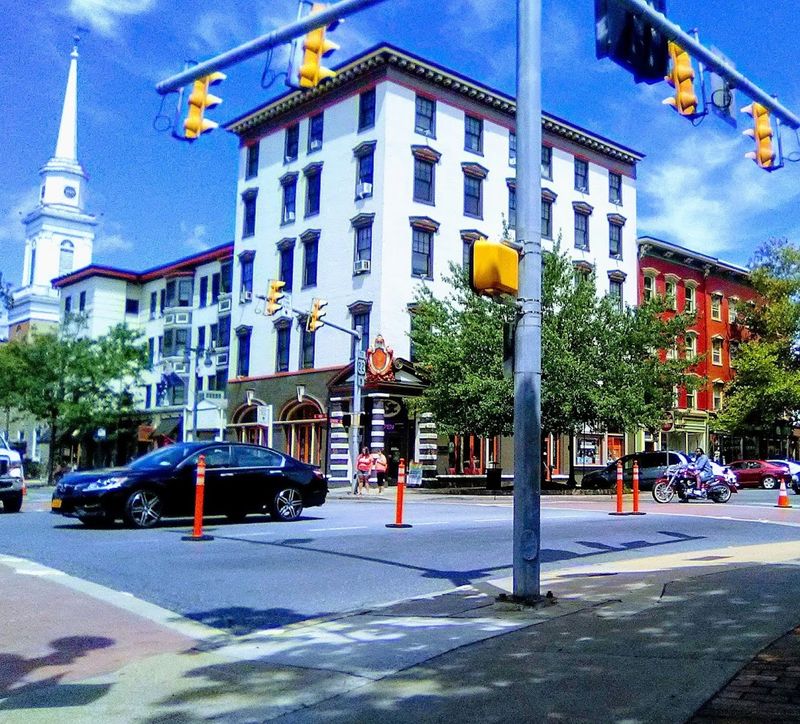
This central square brings a slightly different energy to the list, yet it still understands the art of slowing down.
There is more movement here, more edges, and a stronger urban texture than in smaller towns, but the historic core keeps everything grounded.
Instead of passing straight through, you find yourself circling the monument, studying facades, and choosing where to pause for coffee or lunch.
What makes it work is the balance between motion and memory.
Markets, restaurants, and shops keep the area lively, while the surrounding architecture adds depth and permanence.
It feels like a place where things actively unfold, not just somewhere to observe, which makes the quieter moments stand out even more.
A bench, a pastry, and a few unplanned minutes can easily become the highlight of the day.
Curiosity is rewarded beyond the center as well.
Nearby blocks continue the experience with bookstores, older buildings, and corners that still feel local despite the energy.
It becomes clear that slowing down does not always require silence, sometimes it simply means paying closer attention to a place that already has a pulse.