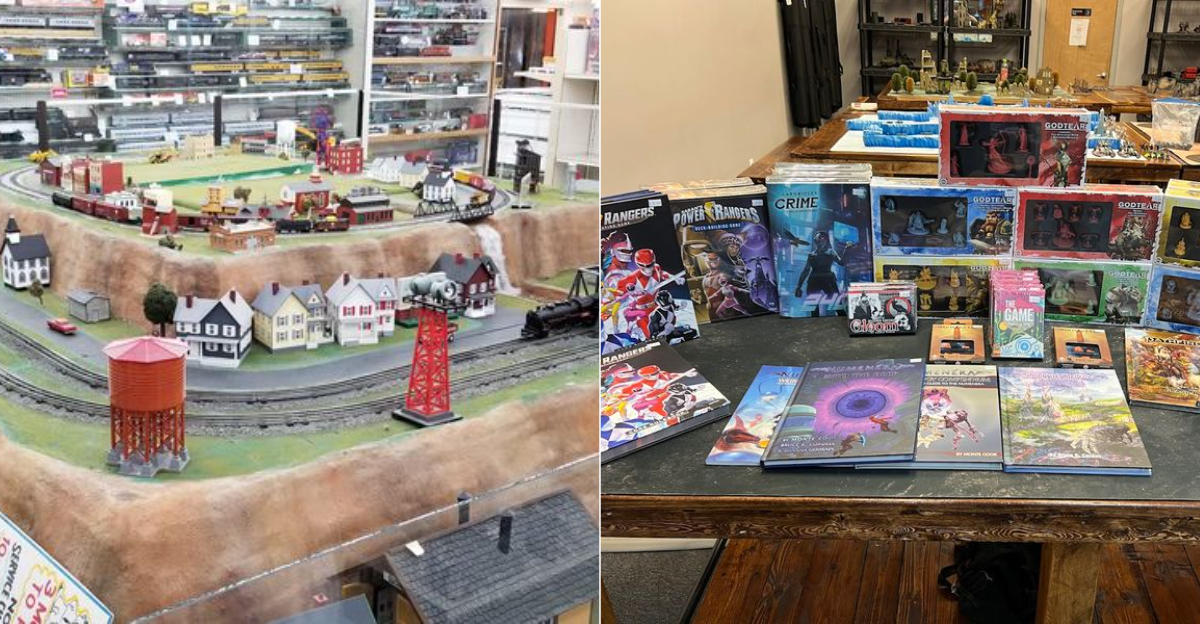
Michigan has long maintained a strong culture of building, collecting, and technical skill development, from home workshops to local gaming clubs.
Specialty hobby stores remain essential to sustaining that tradition because they offer far more than products alone.
They provide expert guidance, access to hard-to-find inventory, and support throughout every stage of a project. Regardless of the season, these locations help keep technical hobbies, artistic pursuits, and hands-on learning active through knowledge sharing, repairs, and practical assistance.
Here is a selection of 10 hobby stores across Michigan that keep creativity alive all year long.
Whether the goal is finding a rare component for a model or learning new techniques, these destinations offer the resources and expertise needed to bring ideas to life.
Rider’s Hobby Shop – Flint
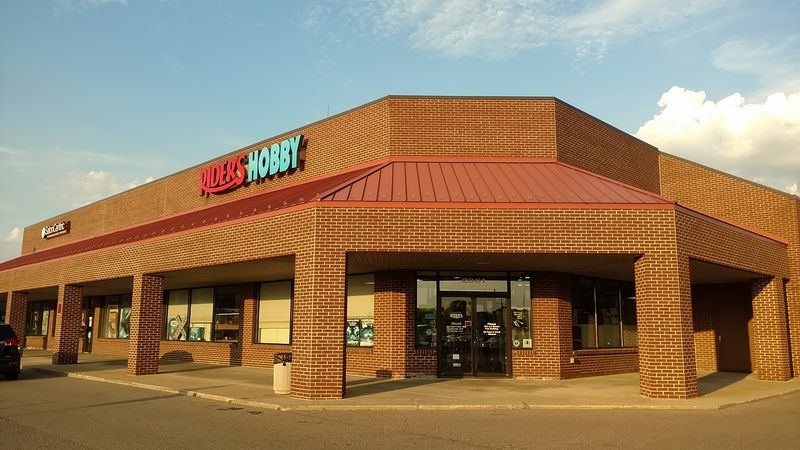
Established decades ago, this shop has earned a durable reputation among modelers, train fans, and radio-control hobbyists who value depth over novelty.
Shelves typically span model railroad supplies, locomotives, track components, scenery materials, RC cars, aircraft, rockets, telescopes, miniatures, adhesives, paints, and precision hand tools.
That range matters because serious projects often depend on finding one exact connector, coupler, blade, wheel, or finishing product without waiting for shipping delays.
Families often return across generations, partly because hobbies here reward patience, mechanical understanding, and careful observation.
Beginners can start with a simple kit, while experienced builders can compare parts, ask technical questions, and refine layouts or vehicle setups with informed guidance.
Such continuity gives the place a cultural role beyond retail, linking childhood curiosity to adult craftsmanship.
Another strength is the way multiple disciplines meet under one roof.
A visitor interested in astronomy, scale modeling, railroading, or rocketry can see how tools, measuring habits, and problem-solving methods overlap.
That cross-pollination keeps hands-on creativity active throughout the year.
Rider’s Hobby Shop – Grand Rapids
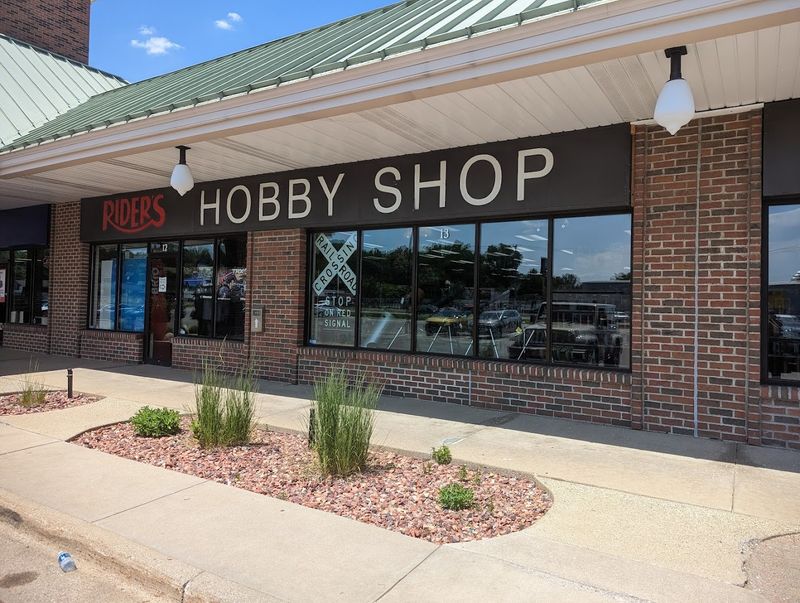
Hands-on hobbies remain powerful teaching tools, and this location reflects that educational side of the culture with unusual clarity.
Modeling supplies, specialty tools, paints, glues, detail parts, and technical accessories support projects that require measuring, sequencing, troubleshooting, and sustained focus.
Those skills matter in an increasingly digital environment because physical builds teach consequences, tolerances, and material behavior in ways screens cannot fully replicate.
Careful assembly of a locomotive, aircraft, or architectural kit develops patience and visual reasoning.
Small mistakes become visible quickly, which turns each project into a practical lesson in planning, revision, and creative problem-solving.
Access to specialized inventory also reduces the barrier between curiosity and completion, especially when a builder needs an uncommon blade, brush, decal solution, or replacement component.
Another important feature is the culture of informed conversation surrounding technical hobbies.
Questions about scale accuracy, paint compatibility, motor performance, or layout design can shape a better outcome before money gets wasted on the wrong supplies.
That guidance helps preserve project-based learning as a living, local practice.
Nankin Hobby – Farmington
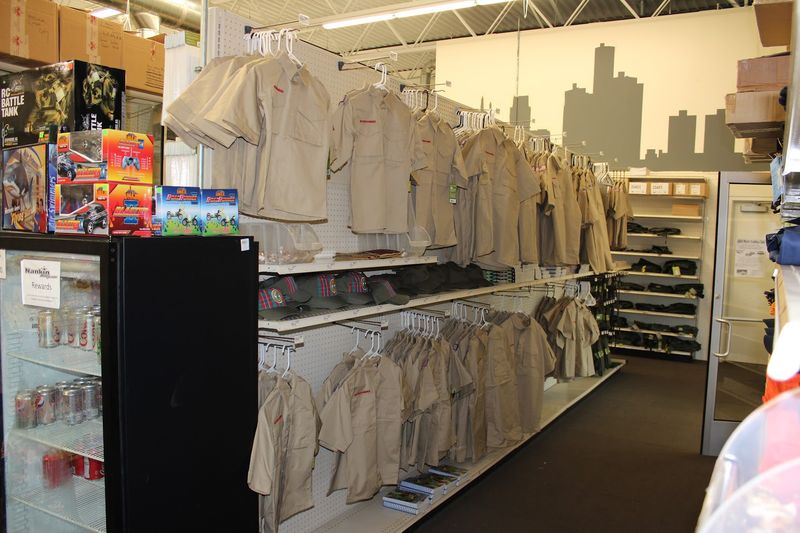
Few hobby shops illustrate category breadth as clearly as this one, where radio-control vehicles, trains, rockets, games, and maker-oriented products coexist.
Inventory commonly includes RC cars and trucks, replacement parts, batteries, chargers, model railroad items, rocket supplies, STEM kits, paints, tools, and 3D printing materials.
That combination is significant because modern hobby culture often blends mechanical repair, design thinking, electronics, and digital fabrication instead of treating them as separate worlds.
Technical expertise becomes especially important in a store serving so many disciplines at once.
Battery selection, motor matching, track planning, safe launch preparation, printer setup, and adhesive choice all require practical knowledge that general retailers rarely provide.
Accurate advice can prevent damaged equipment, wasted material, and frustration that discourages newcomers from continuing a project.
Another strength is the way educational products sit alongside recreational ones.
A student exploring engineering concepts can move from a kit to tools, then toward more advanced equipment as confidence grows.
That progression supports long-term skill development rather than one-time consumption.
Great Lakes Hobby & Toy – Sterling Heights
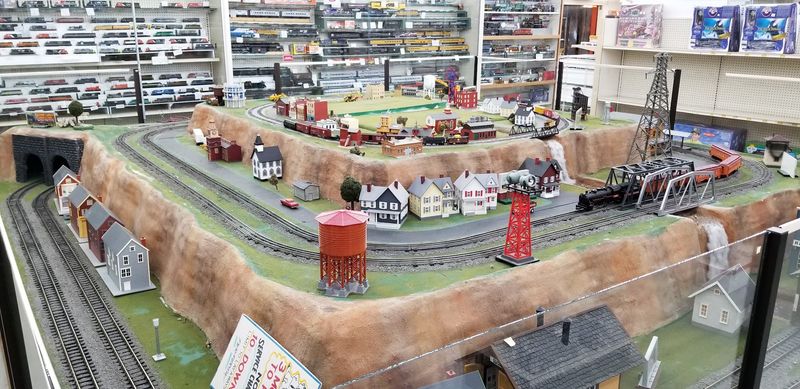
Large-format hobby retailers still play an important role, and this business shows why scale can matter when inventory is highly specialized.
Extensive aisles allow room for models, RC equipment, train supplies, collectibles, tools, paint systems, replacement parts, and niche accessories that smaller outlets may struggle to stock consistently.
For enthusiasts working on long projects, breadth of selection reduces interruptions and makes comparison shopping possible within one visit.
Size also changes the social function of a hobby store.
Collectors, builders, and tinkerers can browse slowly, inspect product differences, and discuss brand reliability or compatibility with others who understand the details.
That gathering-place quality supports informed decision making, especially in categories where packaging alone does not explain performance.
Another practical advantage comes from seeing specialized products in person.
Paint shades, body shells, rolling stock, tools, and scale details often look different online than they do under store lighting.
Physical access helps modelers judge finish, proportion, and fit more accurately, which is essential when precision and authenticity define the appeal of the hobby.
HobbyTown – Saginaw
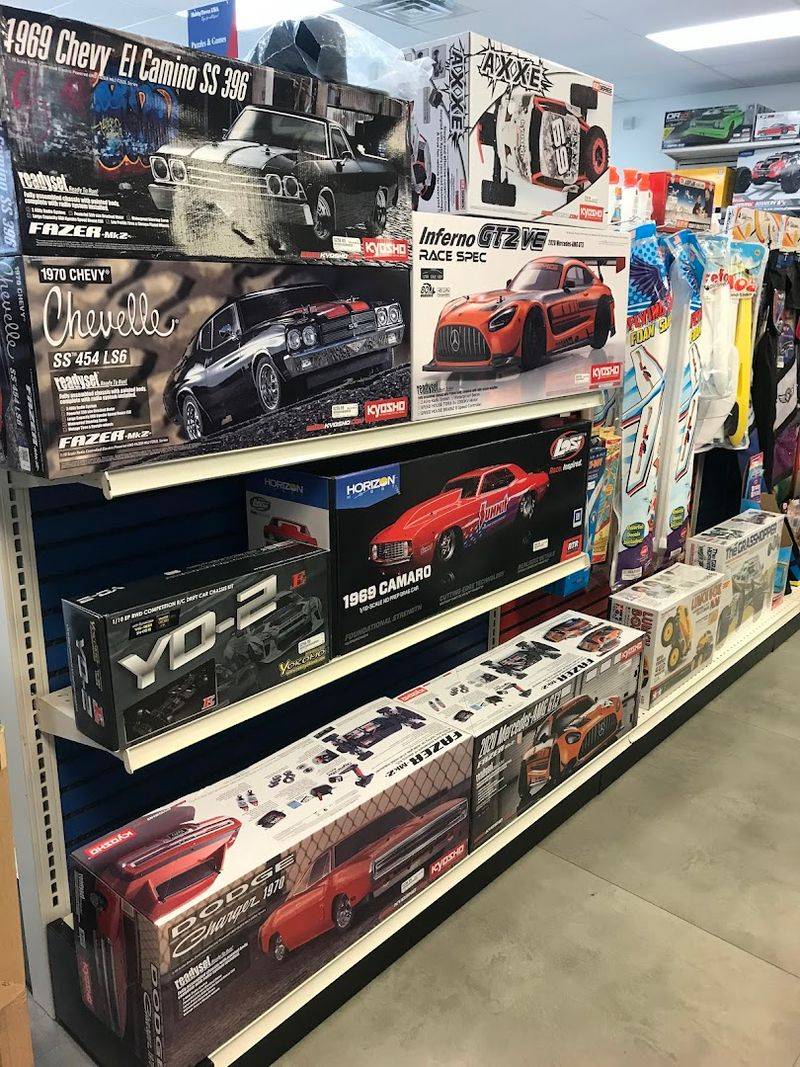
Educational hobbies often begin with approachable projects, and this store leans into that role through kits, supplies, and practical tools.
Common offerings include RC products, plastic models, paints, glues, hand tools, educational kits, and STEM-oriented activities that encourage building rather than passive consumption.
Those materials matter because experimentation works best when learners can move directly from curiosity to assembly, testing, revision, and improvement.
Project-based hobbies teach more than isolated facts.
A model kit introduces sequencing and finishing, while a radio-control vehicle can lead into battery care, drivetrain maintenance, and basic troubleshooting.
Even a simple engineering set can strengthen spatial reasoning, patience, and confidence with mechanical systems in a way that feels engaging instead of academic.
Another benefit comes from the shop’s ability to support lifelong learning across changing interests. Children may start with beginner kits, then move into more technical builds as attention spans and skills mature.
Adults returning to hands-on activities often rediscover the satisfaction of solving small physical problems with tools, materials, and steady practice.
HobbyTown – Kentwood
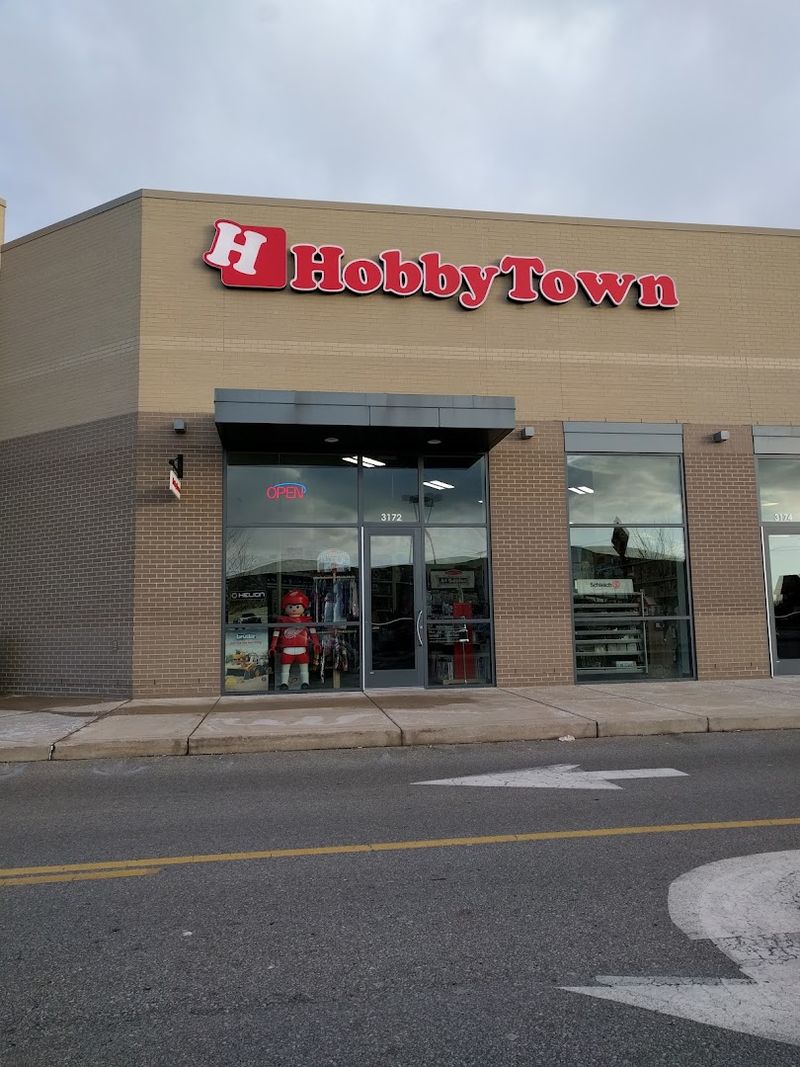
Family participation shapes many hobby journeys, and this location stands out for supporting entry points that feel manageable across age groups.
Beginner-friendly kits, games, models, RC items, paints, and project supplies make it easier for households to explore shared activities without needing advanced experience at the start.
That accessibility matters because confidence often determines whether a creative interest becomes a lasting practice or fades after one attempt.
Project-based learning thrives when materials are visible and guidance is close at hand.
A child choosing a first model, a parent comparing tools, or a teen exploring a strategy game can all find concrete pathways into hobbies that reward concentration and curiosity.
Different categories also allow families to discover that creativity is broader than fine art, including engineering tasks, rule systems, assembly work, and imaginative play.
Another important aspect is variety without overwhelming specialization.
People can move between hands-on activities and tabletop interests as skills change or budgets shift.
That flexibility helps sustain engagement throughout the year, especially in a region where indoor hobbies become especially valuable during colder months.
Galaxy Hobby – Oscoda
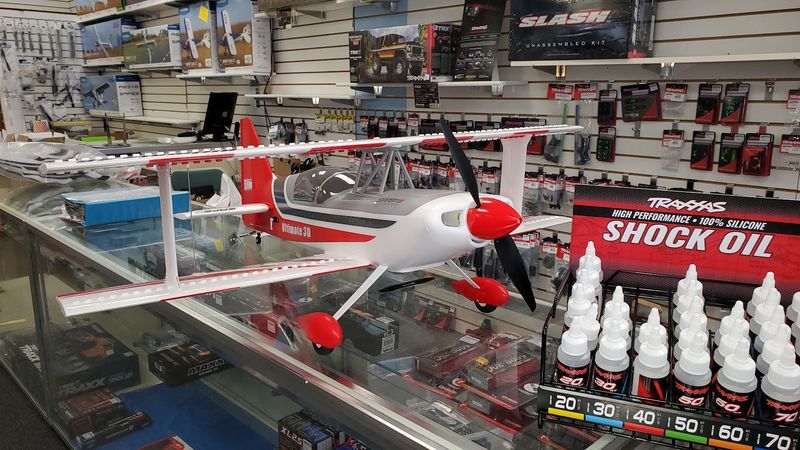
Detailed model making depends on patience, material knowledge, and access to the right supplies, which gives this shop a distinct place in local hobby culture.
Scale replicas, craft materials, paints, adhesives, tools, and finishing products support projects that develop slowly through repeated small decisions.
That pace is part of the appeal, since many builders value the disciplined process as much as the final result.
Specialty supplies can determine whether a project looks convincing or merely assembled.
Fine brushes, weathering products, cutting tools, sanding materials, detail parts, and accurate paint colors all help translate observation into craftsmanship.
For modelers, each of those choices teaches control, research habits, and an understanding of how real objects are represented in miniature form.
Another important contribution lies in sustaining a smaller community of makers outside major metro centers.
Local access to focused hobby materials keeps ongoing work practical when a builder needs one missing item to continue.
That support encourages long-term projects, careful skill building, and the quiet satisfaction that comes from refining detail over time.
Galactic Toys & Games – Kentwood
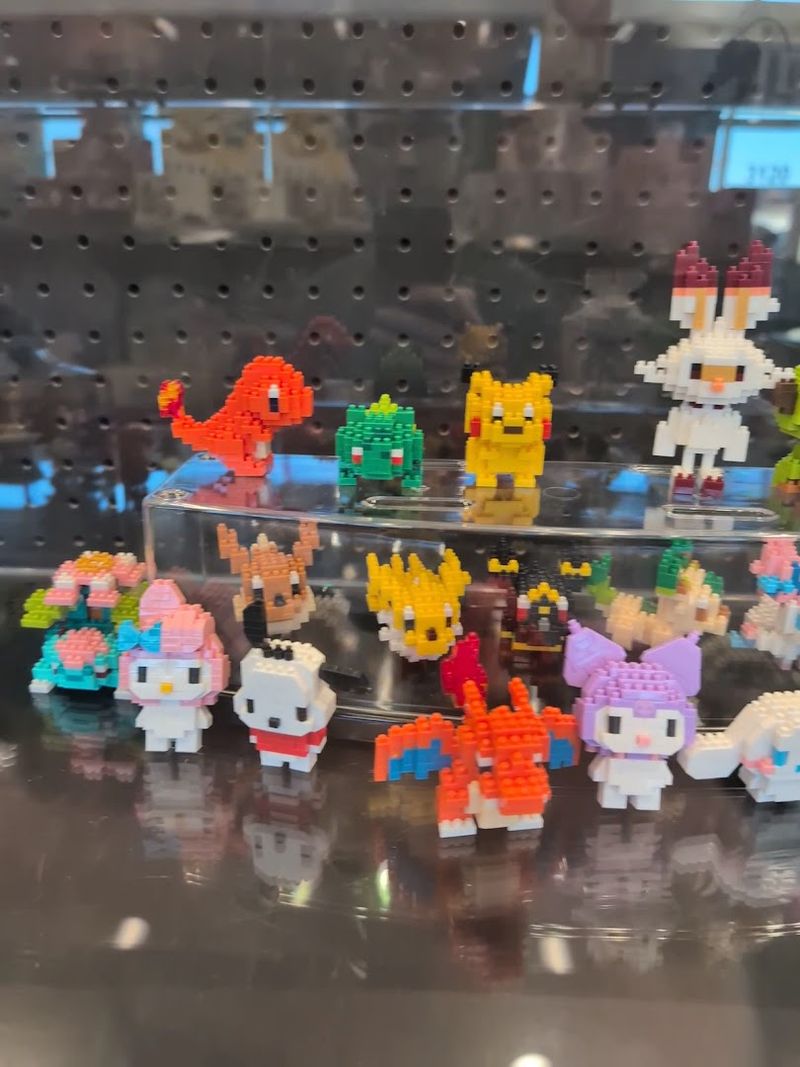
Collectible hobbies have evolved far beyond simple ownership, increasingly blending strategy, social interaction, and long-term engagement.
This location reflects that shift through its emphasis on trading card games, collectible figures, model kits, and organized gaming activities.
Interest in Pokémon and Magic: The Gathering remains particularly strong because both hobbies combine collecting with competition, encouraging participants to continuously refine decks, learn new mechanics, and engage with a larger community.
Gundam model kits introduce a different form of creativity by requiring assembly, customization, and attention to detail, transforming a boxed product into a hands-on project.
Organized tournaments and special events add another dimension by giving enthusiasts regular opportunities to meet, exchange knowledge, and test their skills.
Collectible figures and trading cards also attract people interested in rarity, condition, and long-term value, creating a culture that extends beyond casual purchasing.
Physical hobby stores remain especially important in these categories because authenticity, product condition, and community interaction often influence decisions as much as the items themselves.
The result is an environment where collecting, gaming, and creativity naturally reinforce one another throughout the year.
Golden Rhino Games – Ypsilanti
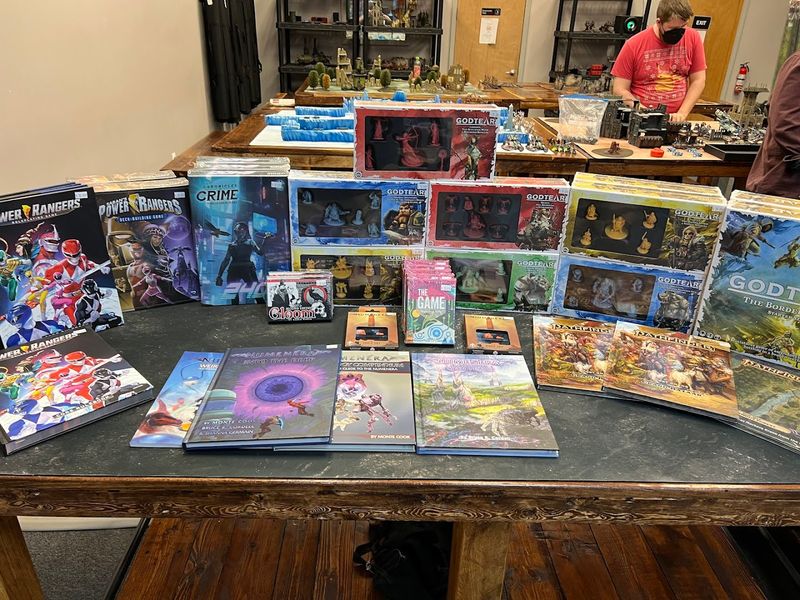
Board games and role-playing games offer a form of creativity built through rules, narrative choices, and collaborative problem solving, and this store reflects that emphasis well.
Shelves devoted to tabletop titles, role-playing materials, collectible card games, and accessories support hobbies that are intellectually active even when little equipment is required.
Those formats matter because they develop negotiation, planning, improvisation, and interpretation through direct interaction with other players.
Story-driven games create a particularly rich kind of participation.
Campaign building, character development, scenario design, and world creation encourage writing, memory, and verbal expression in ways that feel communal rather than instructional.
Card games, by contrast, sharpen pattern recognition and probability awareness, showing how different branches of gaming exercise different mental habits.
Another significant contribution is community formation around recurring play.
Regular gatherings help players learn systems, exchange recommendations, and build trust needed for long campaigns or competitive scenes.
In that sense, the hobby extends beyond products on shelves and becomes a framework for collaborative creative work sustained over time.
RIW Hobbies and Games – Livonia
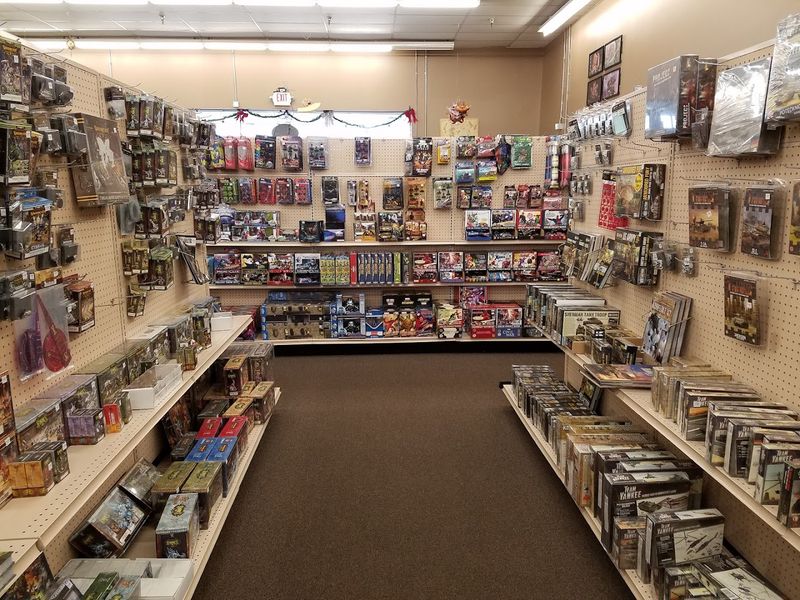
Miniatures gaming blends artistic work with structured competition, and this shop represents that hybrid hobby especially well.
Products associated with tabletop strategy, hobby colors, brushes, tools, miniatures, terrain materials, and organized events support an activity where painting skill and game knowledge develop side by side.
That combination matters because participants are not only learning rules but also building, customizing, and visually interpreting the pieces they play with.
Painting and assembly create a long runway of engagement before any match begins.
Color selection, basing, highlighting, and model preparation teach fine motor control and aesthetic judgment, while army building or list design encourages planning within defined constraints.
Organized play then adds a social framework where preparation can be tested, discussed, and improved through repeated participation.
Another reason this kind of store remains relevant is the growth of hobbies that connect creativity with competition.
Players often want a place where event culture, product knowledge, and craft supplies intersect in practical ways.
That intersection turns tabletop strategy into a sustained practice rather than an occasional purchase.