If you have ever watched a child burn through a playground, snack, and backup activity in under an hour, this list is for you. Florida is packed with children’s museums and hands-on learning spots that turn curiosity into a full afternoon plan.
From pretend cities and art labs to wildlife encounters and science zones, these places make it surprisingly easy to keep kids busy without relying on screens. Here are 15 standout spots worth knowing before your next family outing.
Miami Children’s Museum
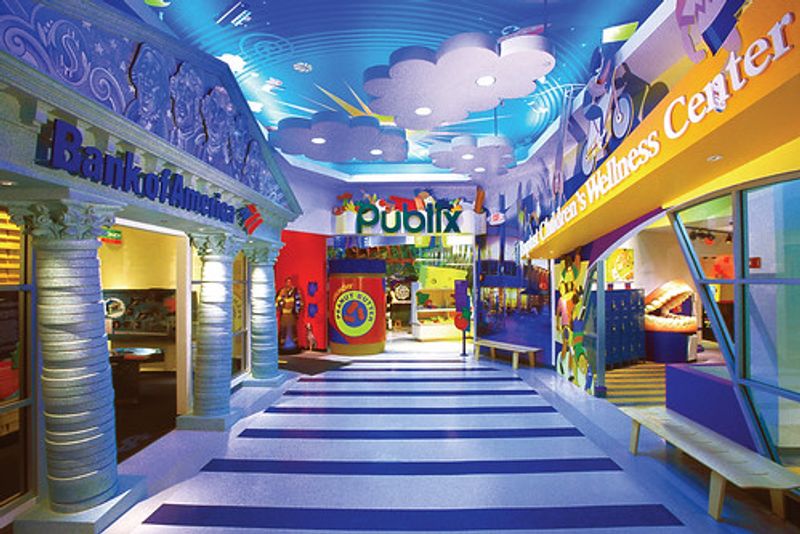
Miami Children’s Museum on Watson Island feels built for the kid who wants to touch everything, pretend constantly, and move from one idea to the next without slowing down. You can bounce between a grocery store, cruise ship, art studio, music spaces, and other role-play exhibits that invite open-ended exploration.
That variety is exactly why families often stay far longer than planned.
I like that the museum blends imaginative play with practical learning, so kids are having fun while quietly practicing social skills, problem solving, and communication. The setting is colorful, busy, and engaging without feeling random, and there is usually something that works for different age ranges.
If your child loves make-believe, this place delivers.
Its Miami location also makes it easy to pair with a broader day out. The waterfront setting adds a sense of occasion, which helps the visit feel special from the start.
For a rainy day backup or a planned weekend treat, this museum is an easy yes.
Glazer Children’s Museum
Glazer Children’s Museum in downtown Tampa is one of those places where kids can disappear into play for hours and still ask for more. With more than 170 hands-on exhibits spread across a large footprint, it gives children room to build, role-play, experiment, and shift interests without getting bored.
That scale makes a real difference when attention spans start bouncing.
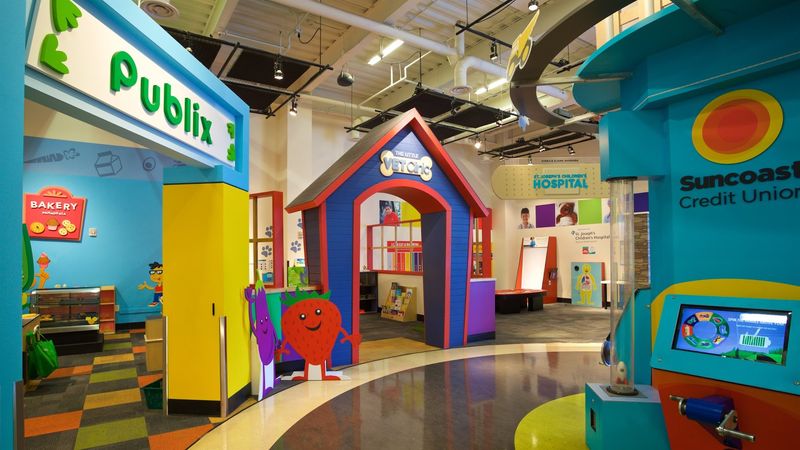
You will find a miniature city, clinic, bank, engineering areas, and construction-themed spaces that turn everyday concepts into something kids can physically explore. The museum does a strong job of making learning feel active rather than instructional, which keeps the experience light and fun.
It is especially good for families with siblings who want different things at the same time.
I also like its central location near other downtown Tampa attractions. That makes it easy to build an entire family day around one museum stop.
If you need a reliable, high-energy indoor outing, Glazer is hard to beat in Florida.
Florida Children’s Museum
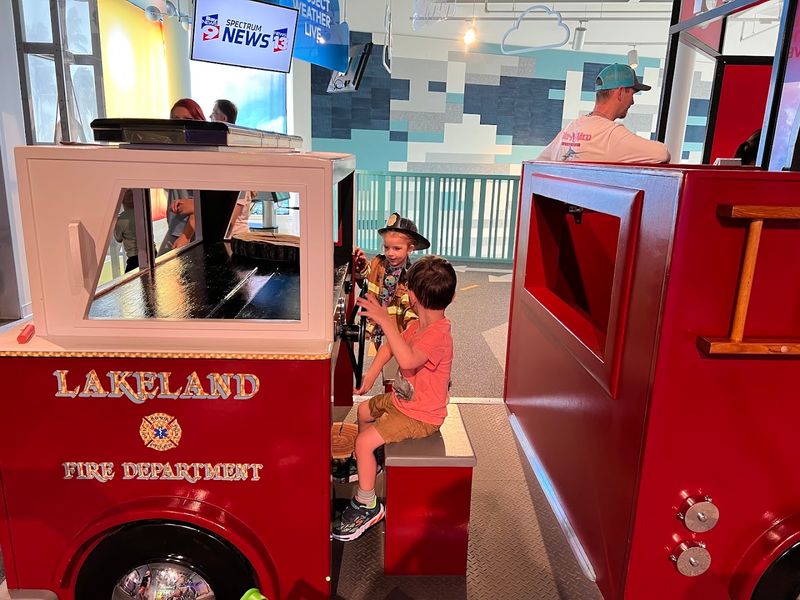
Florida Children’s Museum at Bonnet Springs Park brings a fresh, modern feel to hands-on family learning in Lakeland. The two-story layout gives kids room to roam between immersive play areas, design-focused activities, and pretend environments that encourage creativity and collaboration.
It feels thoughtfully built for repeat visits, which matters if you have a child who likes to revisit favorite zones.
What stands out here is the balance between active play and quieter, sensory-considerate experiences. Some children want full-speed exploration, while others do better in gentler spaces, and this museum tries to serve both.
That flexibility can make a family outing feel much less stressful.
Being inside Bonnet Springs Park also adds to the appeal. You can pair indoor museum time with outdoor wandering, which is ideal when kids need a reset between activities.
If you want a newer children’s museum with strong design and broad family appeal, this one deserves a spot near the top of your list.
Great Explorations Children’s Museum
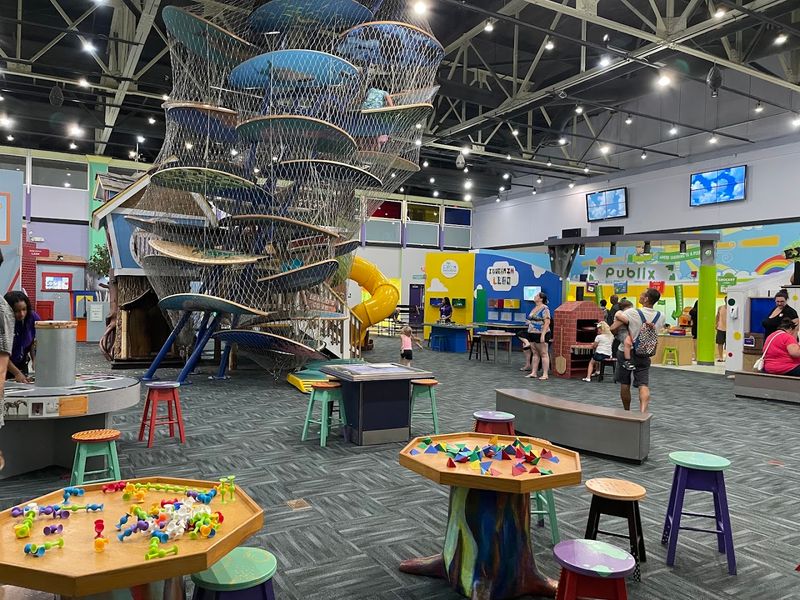
Great Explorations Children’s Museum in St. Petersburg has a welcoming, classic hands-on museum vibe that works especially well for younger children. The exhibits focus on role-play, science exploration, and creative stations that encourage kids to test ideas while staying fully engaged.
It is the kind of place where learning sneaks in through play and nobody complains about it.
I appreciate how approachable the museum feels for families with toddlers and early elementary ages. Nothing is overly intimidating, and the activity flow makes it easy to move at your own pace without feeling rushed.
That can make a big difference when you are visiting with kids who need freedom but still benefit from structure.
Its location in St. Petersburg also makes it a smart add-on to a Gulf Coast family day. You can keep the outing simple or build around nearby parks and attractions.
For imaginative play and easygoing educational fun, Great Explorations earns its place on this list.
Orlando Science Center
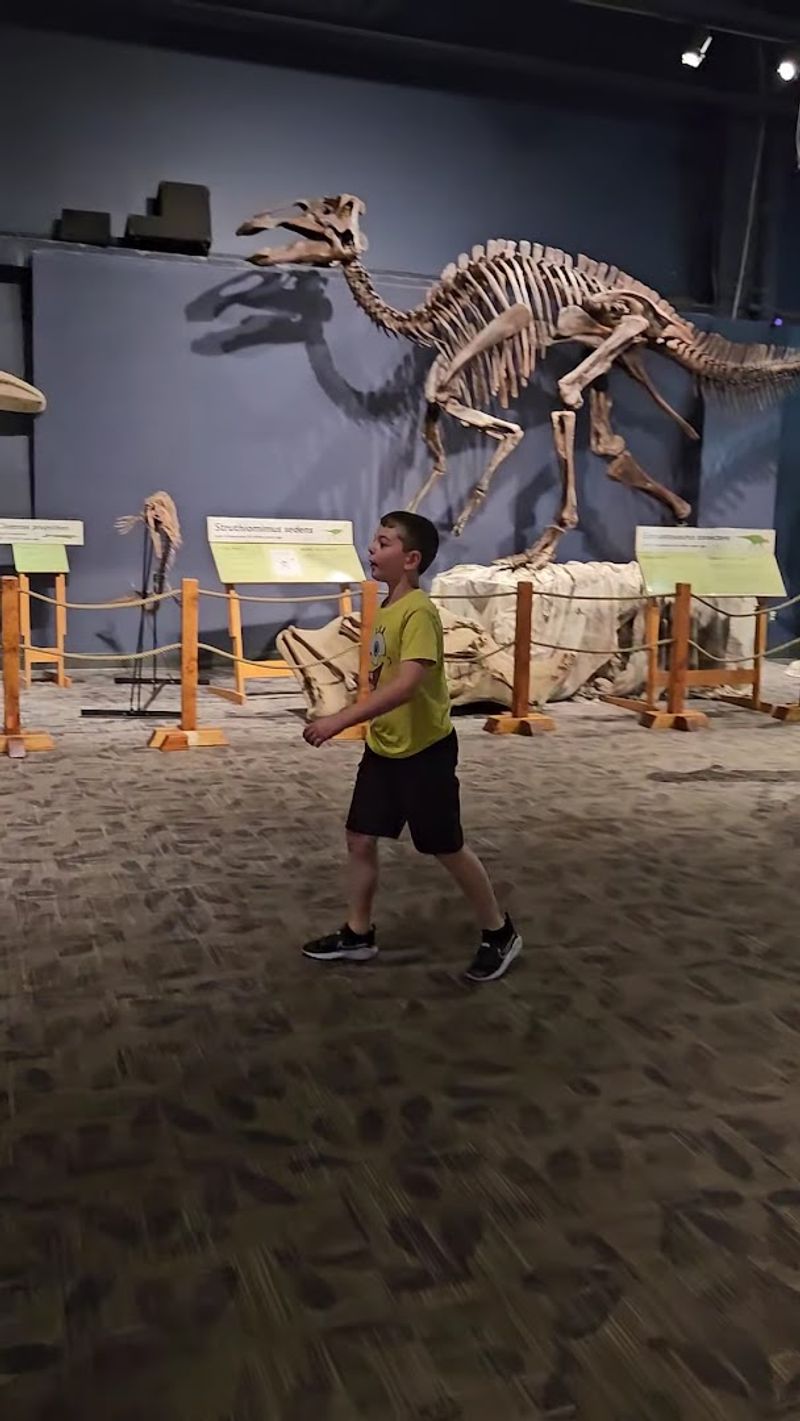
Orlando Science Center is not exclusively a children’s museum, but its kid-focused areas easily justify including it on this list. Younger visitors can dig into nature play spaces, interactive labs, and tactile exhibits that invite curiosity without requiring advanced science knowledge.
That broad appeal helps the center work for families with a wide age spread.
What makes it stand out is how it scales with your child. A preschooler can enjoy sensory-friendly discovery areas, while older kids can move toward deeper science concepts, live demonstrations, and more complex exhibits.
You are not limited to one type of experience, which often stretches a visit longer than expected.
I also like that the environment feels active and educational without becoming too rigid. Kids can lead with questions, explore at their own speed, and still come away having learned something meaningful.
If you want a high-value Orlando museum stop that keeps children genuinely engaged, this one is a very safe bet.
Museum of Discovery and Science
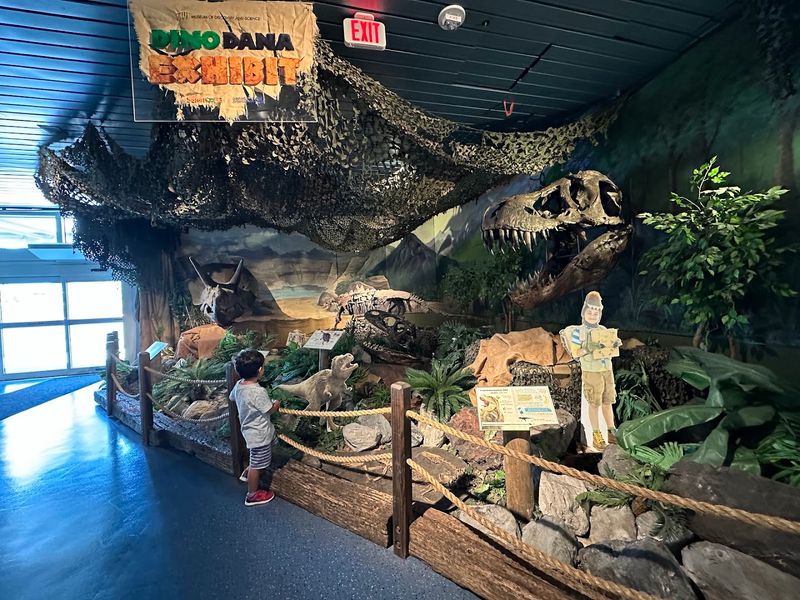
The Museum of Discovery and Science in Fort Lauderdale is one of the strongest picks in South Florida for kids who love to push buttons, ask questions, and test how things work. With flight-related experiences, wildlife exhibits, and hands-on science labs, it offers more range than many family attractions.
That mix keeps the energy up across a longer visit.
I like that it does not force families to choose between animals, technology, and classic STEM exploration. A child can shift from observing living creatures to experimenting with interactive displays and then move into aviation-themed learning.
That variety helps reduce the usual museum restlessness.
The museum also feels big enough to support a true half-day outing. If you are traveling with children who need movement and stimulation, there is usually another exhibit ready before boredom takes over.
For Fort Lauderdale families or visitors needing a dependable educational attraction, MODS is one of the easiest recommendations you can make.
Young At Art Museum
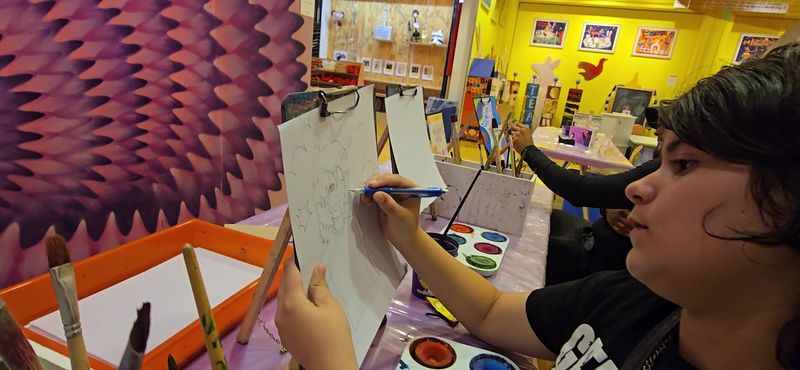
Young At Art Museum has long been known for giving children permission to make, experiment, and get a little messy in the best possible way. Its focus on art creation, sensory play, and creative workshops makes it especially appealing for kids who would rather invent than observe.
That hands-on approach can hold attention far better than a traditional gallery visit.
What makes this kind of museum memorable is the freedom it offers. Children are encouraged to respond to materials, ideas, and textures in a personal way, which can be refreshing if your family has museum skeptics.
The atmosphere tends to feel imaginative and expressive rather than quiet and constrained.
I also think art-centered spaces are underrated for long visits because they invite repetition. Kids often want to revisit an activity, change their design, or try a new material, which naturally extends the experience.
If your child lights up around paint, building materials, and open-ended creativity, this Davie favorite belongs on your list.
Golisano Children’s Museum of Naples
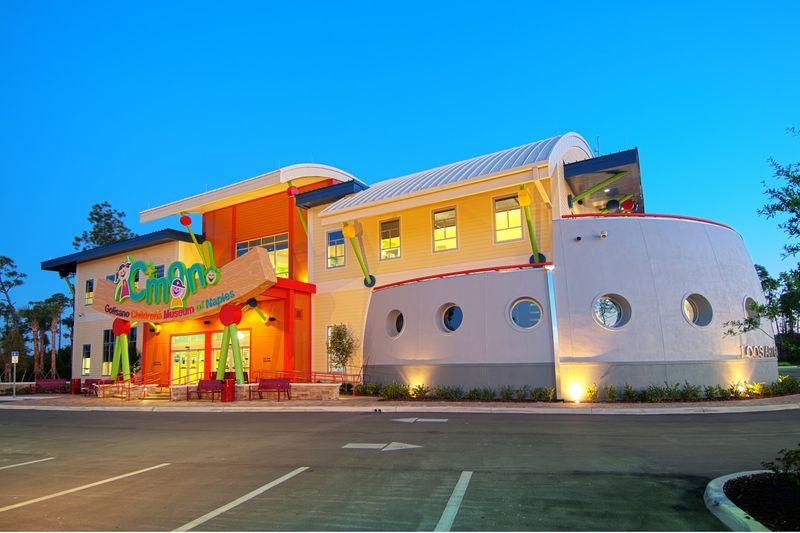
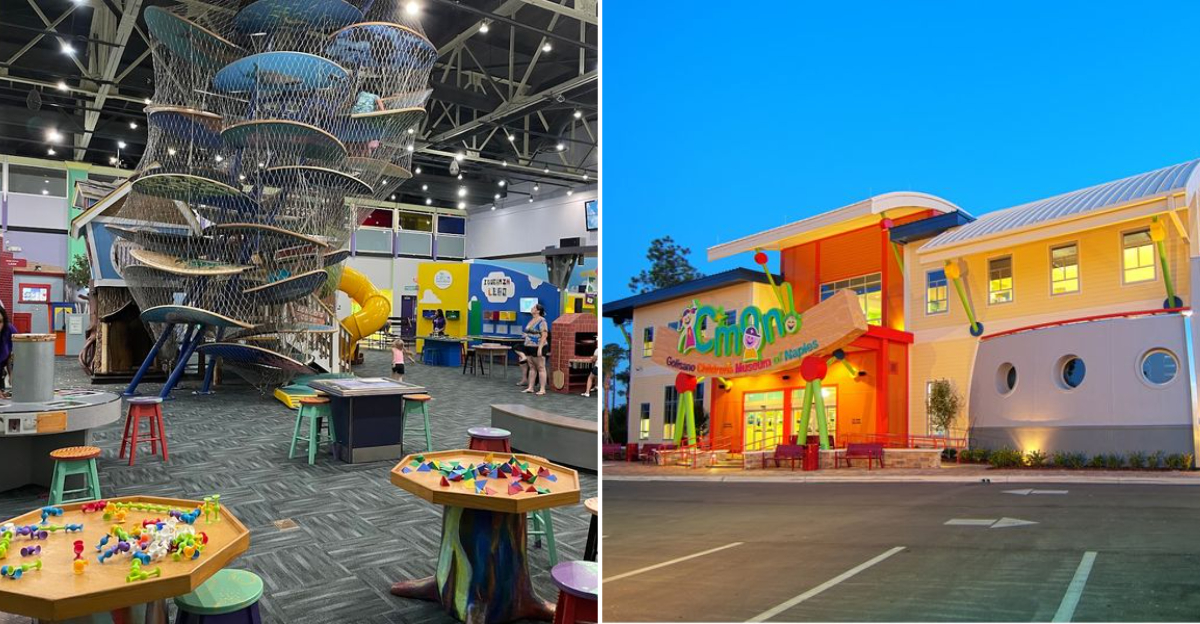
Golisano Children’s Museum of Naples, often called C’mon, feels like a full-scale learning playground designed to meet kids at their level. Themed rooms and interactive zones encourage role-play, movement, and discovery, while outdoor features add another layer of exploration.
It is easy to see why families often spend several hours here without realizing it.
The museum does a good job creating distinct environments that each spark a different type of curiosity. One space may pull kids into imaginative play, while another leans into problem solving, sensory engagement, or collaborative activities.
That variety helps children stay absorbed instead of circling the same attraction repeatedly.
I also appreciate that it feels intentionally family-friendly rather than simply child-accessible. Parents can follow along without feeling like passive chaperones, which makes the outing more enjoyable for everyone.
If you are in Southwest Florida and need a museum that genuinely earns a half-day visit, this Naples standout is a very strong pick.
Pensacola Children’s Museum
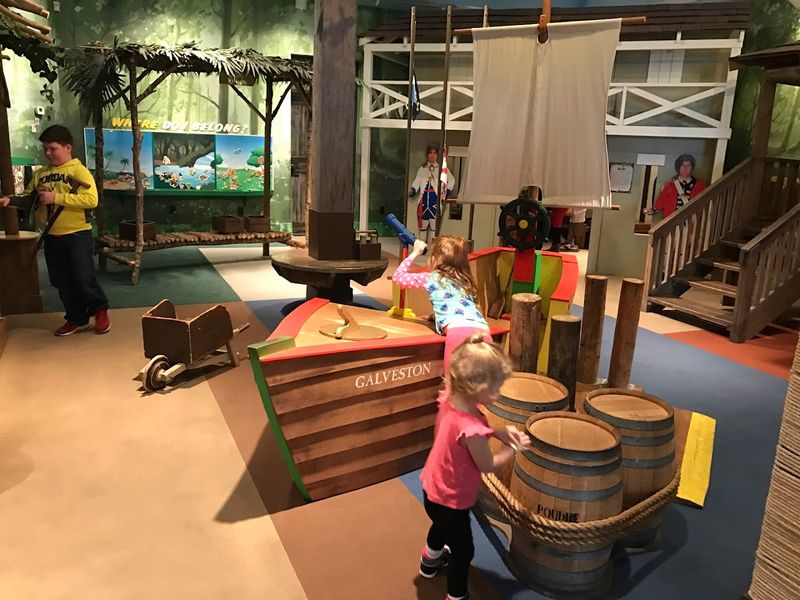
Pensacola Children’s Museum offers something a little different from the usual pretend-town format by leaning into history, archaeology, and Gulf Coast culture. Housed within Historic Pensacola’s museum system, it gives children a tactile introduction to the region’s past through hands-on exhibits and family-oriented programming.
That local emphasis makes the experience feel rooted and memorable.
I like that kids can engage with history in a way that feels active rather than distant. Instead of simply looking at artifacts, they are invited to connect with stories, tools, and daily life from earlier eras.
For families who want educational depth without losing a child’s attention, that is a big win.
The historic setting also adds character you cannot fake. Walking into an older building can make the learning feel more immediate, which helps children imagine the people and places behind the displays.
If your family enjoys history with hands-on elements, Pensacola’s children’s museum programming is an easy addition to your list.
Tallahassee Museum
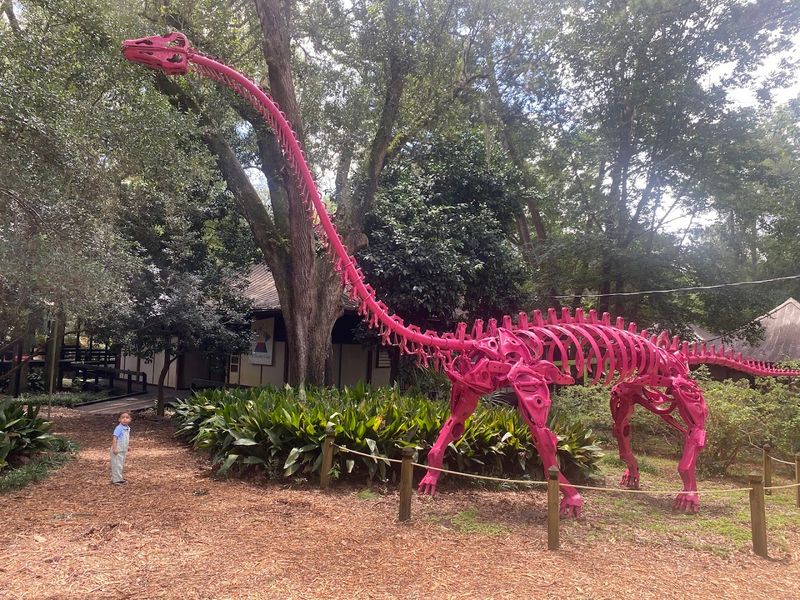
Tallahassee Museum stands apart because it mixes children’s discovery with wildlife habitats, history, and outdoor exploration in one setting. If your child learns best by moving, observing animals, and wandering through immersive spaces, this place can keep them engaged far longer than a standard indoor museum.
The combination feels adventurous instead of repetitive.
You are not limited to one style of learning here. Kids can shift between nature-focused experiences, historical interpretation, and interactive areas designed to make broader concepts feel concrete.
That variety is especially helpful when younger visitors need a change of pace to stay interested.
I think families often underestimate how useful outdoor museum environments can be. Fresh air, room to roam, and live-animal encounters can reduce the restlessness that sometimes builds during indoor-only visits.
If you are looking for a North Florida outing that blends science, history, and active family time, Tallahassee Museum absolutely earns a place on your shortlist.
McCarthy Wildlife Sanctuary Educational Center
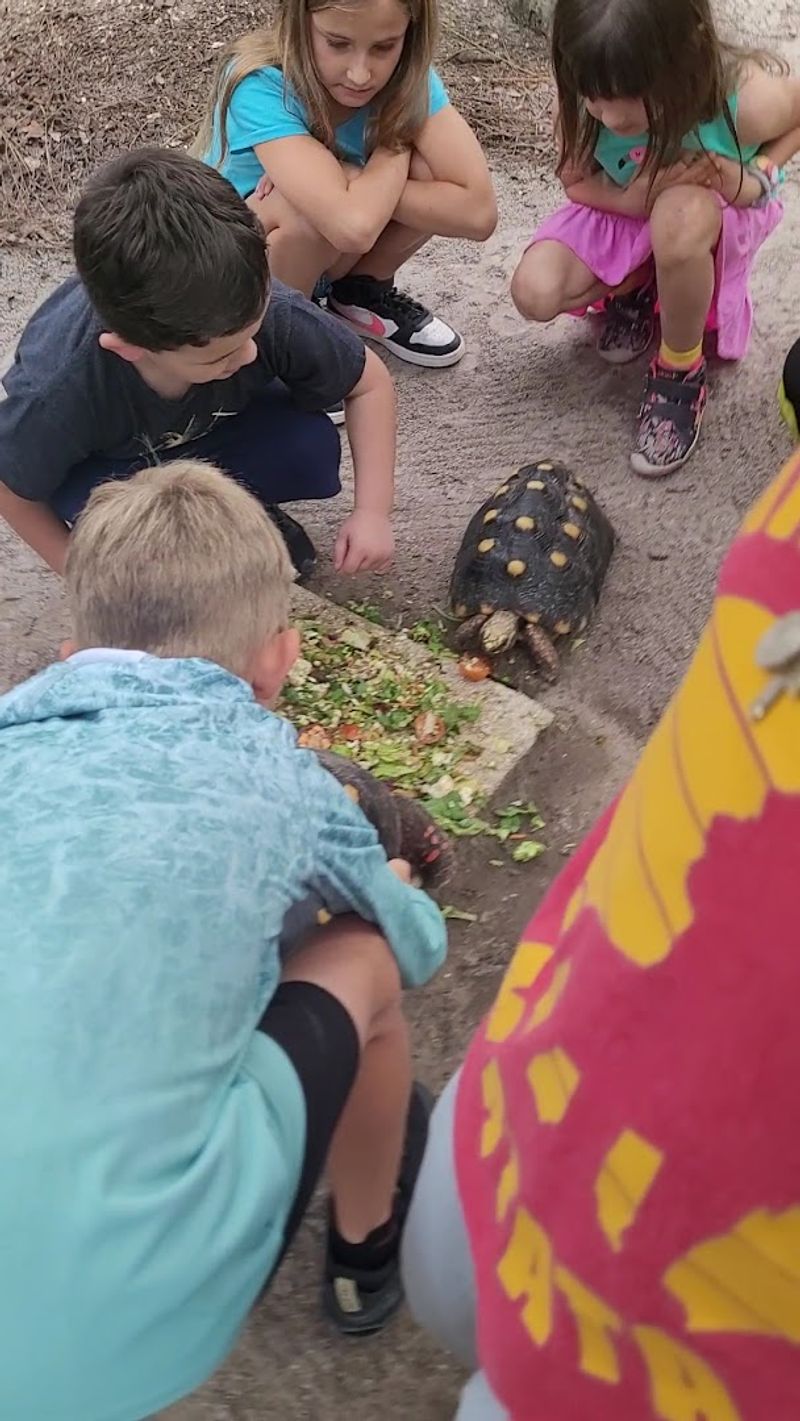
McCarthy Wildlife Sanctuary Educational Center is a niche pick, but for the right child, it can be unforgettable. Rather than offering broad museum-style galleries, it focuses on animal education through guided experiences that introduce children to rescued wildlife and conservation messages.
That personal, close-up format can hold attention in a very different way.
Kids who are animal-focused often stay locked in when they can see real creatures and hear their stories directly from knowledgeable guides. The educational value comes through empathy, observation, and discussion, not just screens or panels.
For many families, that makes the learning feel more immediate and emotional.
I think this is a great option when you want an outing that feels meaningful as well as entertaining. The setting is smaller and more specialized than a major museum, but that intimacy is part of the appeal.
If your child loves wildlife and asks endless animal questions, this West Palm Beach experience deserves serious consideration.
Cox Science Center & Aquarium
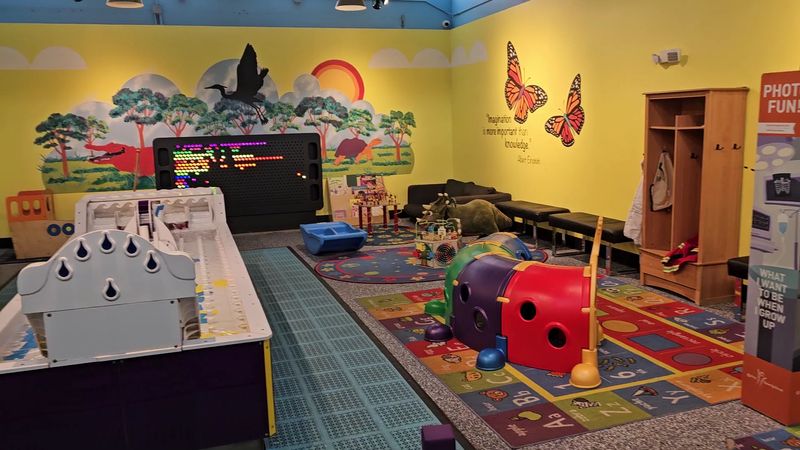
Cox Science Center & Aquarium in West Palm Beach offers one of the better combinations of classic science museum fun and kid-friendly accessibility in South Florida. Between interactive exhibits, aquarium features, and the planetarium, children can bounce across topics without ever feeling stuck in one mode.
That variety is often the key to a longer, smoother visit.
I like that the center gives kids several entry points into science. Some will gravitate toward marine life, others toward physics or space, and the hands-on design helps each child find something that feels exciting rather than intimidating.
It is educational, but it rarely feels heavy.
The museum also works well for families trying to please mixed age groups. Younger children can enjoy tactile zones while older siblings find more layered concepts to explore, which is not always easy to pull off.
If you need a dependable West Palm Beach outing that blends learning with real entertainment value, Cox Science Center is a strong choice.
Children’s Museum of the Treasure Coast
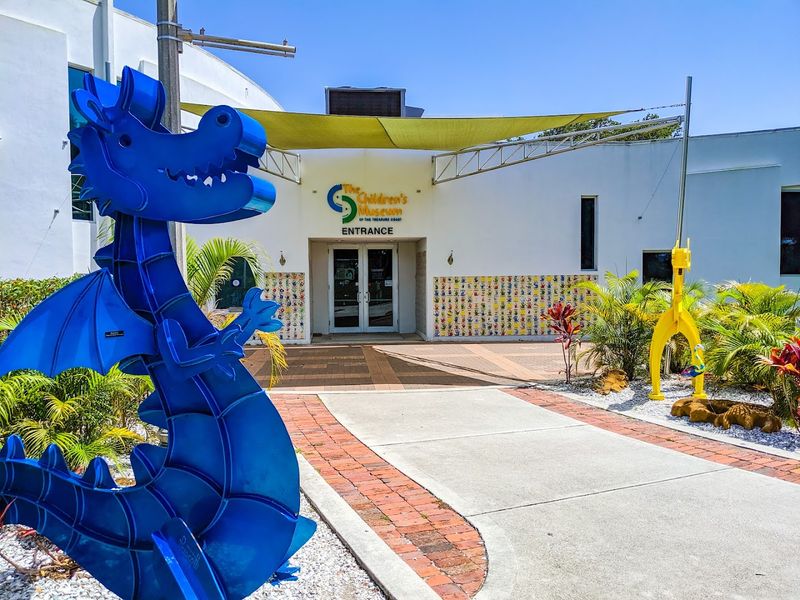
Children’s Museum of the Treasure Coast in Jensen Beach leans into one of the most reliable forms of childhood engagement: immersive pretend play. Role-play town environments like a grocery store, vet clinic, and construction zone give kids a chance to act out the grown-up world in ways that feel exciting and familiar.
That simple formula works remarkably well for long visits.
What makes spaces like this effective is how many skills children practice without realizing it. They negotiate roles, experiment with language, solve little problems, and move through social scenarios in a playful setting.
When a museum can support that much open-ended exploration, kids tend to settle in.
I also appreciate how approachable this museum feels for families with younger children. The themes are easy to understand immediately, so kids can jump into play without much setup or explanation.
If your child loves pretend jobs, mini cities, and hands-on make-believe, this Treasure Coast museum is a very solid family stop.
The Bishop Museum of Science and Nature
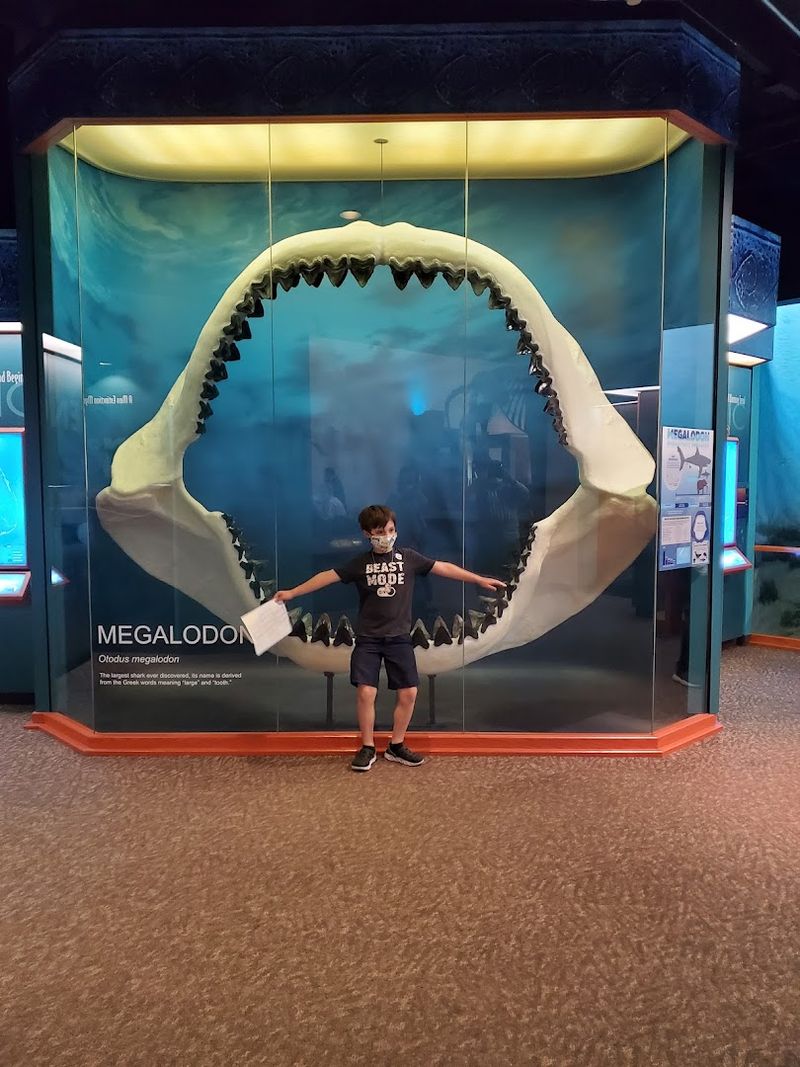
The Bishop Museum of Science and Nature in Bradenton earns its place on this list because it gives children several compelling ways to explore in one visit. With an aquarium, planetarium, and interactive discovery areas, the museum mixes big-picture wonder with hands-on learning that keeps younger visitors involved.
That combination makes it easier to hold attention across a full outing.
I like that kids can move from observing marine life to thinking about space and then into more tactile science experiences without a hard reset. The range helps meet different moods and interests, especially if siblings want different things.
It also makes the museum feel larger than a single-theme destination.
The atmosphere tends to work well for families who want education wrapped in a sense of discovery. Children can ask questions, follow visual excitement, and still leave having absorbed real information.
If you are near Bradenton and need a museum that balances variety, quality, and family appeal, Bishop is a smart pick.
Florida Air Museum

Florida Air Museum in Lakeland is a great reminder that children’s learning spaces do not always need bright foam blocks and pretend cash registers to work. For kids fascinated by airplanes, engineering, and how machines move through the world, aviation exhibits can be every bit as absorbing as a traditional children’s museum.
The STEM connection gives the experience extra depth.
What makes this museum especially appealing is its ability to turn big concepts into something tangible. Children can connect flight with design, mechanics, innovation, and history, all within an environment that feels exciting from the moment they walk in.
That sense of scale often helps curiosity take over.
I also think aviation-themed outings are excellent for older children who may have aged out of simpler play museums but still want interactive learning. The subject matter feels grown-up while remaining accessible and inspiring.
If your child points at every plane overhead, Florida Air Museum is an easy addition to your Lakeland plans.