
Massachusetts has famous stops, but some of its most unforgettable places stay strangely under the radar. Tucked into forests, perched above harbors, or hidden behind ordinary roads, these spots feel like discoveries you almost want to keep to yourself.
If you love places with atmosphere, history, and a little surprise, this list will completely change how you see the state. Here are 14 remarkable Massachusetts destinations that most visitors never even realize are there.
Ice Glen
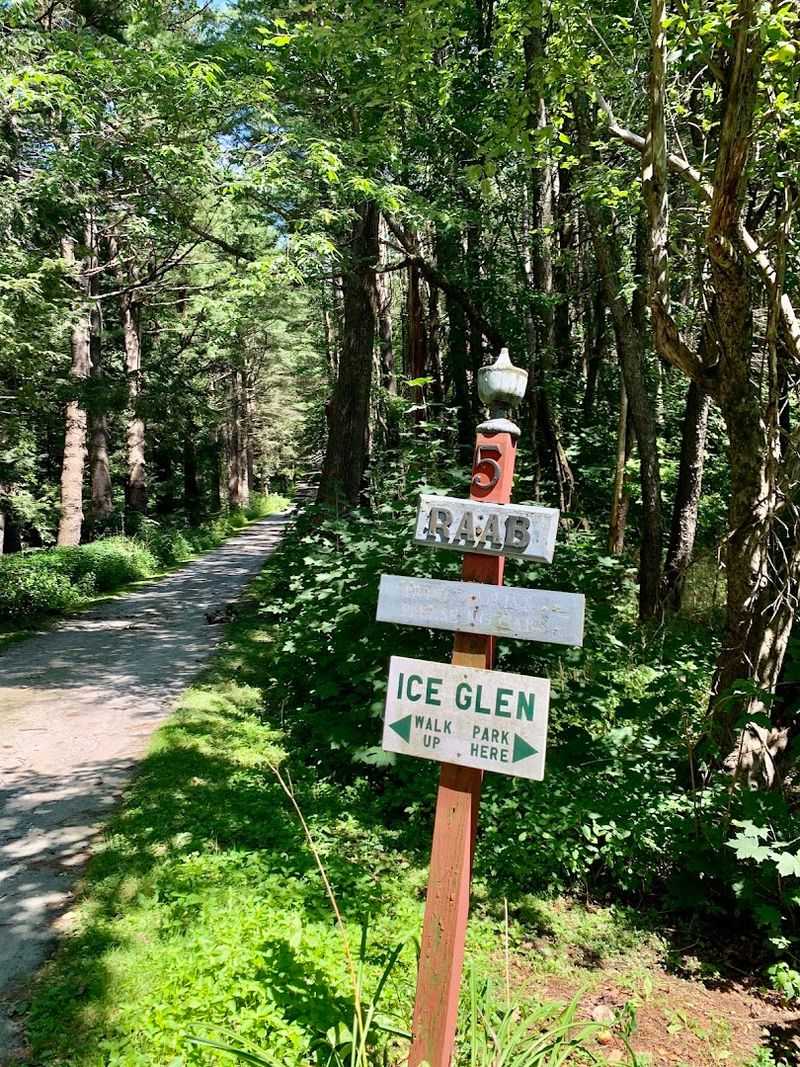
Ice Glen in Stockbridge feels like stepping into a secret pocket of the Berkshires where summer seems to disappear. Massive boulders, dripping moss, and cool air create a hidden ravine that stays noticeably colder than the surrounding woods.
When you walk the trail, every turn feels older and wilder than the last.
This place is famous for its microclimate, and you can genuinely feel it as soon as you enter the glen. The rocks are enormous, the footing can be uneven, and the whole route rewards careful, curious exploring.
It is not a long hike, but it feels immersive in a way bigger trails often do not.
I would put Ice Glen high on any Massachusetts hidden gems list because it offers both beauty and atmosphere. Nearby Stockbridge gives you an easy pairing with classic Berkshire culture, making this a memorable stop.
If you want someplace quiet, strange, and wonderfully cool, this is it.
Bring sturdy shoes and take your time among the stones.
Purgatory Chasm State Reservation
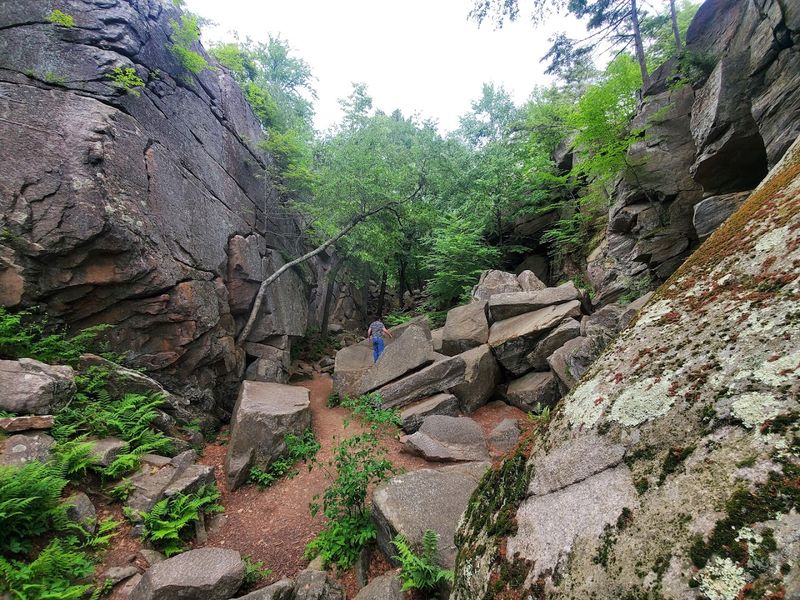
Purgatory Chasm in Sutton is one of those places that sounds exaggerated until you actually stand beside its granite walls. This quarter mile fissure was shaped by glacial forces, and the result feels bold, strange, and unexpectedly dramatic for central Massachusetts.
You can scramble, squeeze, and wander through rock formations with names that sound made for adventure.
Some sections are easy to view from above, while others invite more active exploration if you are comfortable with tight spaces and uneven terrain. Families love it, but it is not a mindless stroll, especially if you want to climb into the crevices.
The giant boulders and cool shadows make the whole reservation feel more epic than many first timers expect.
I like that it works for different energy levels, since you can either tackle the rocks or enjoy the broader park trails and picnic areas. It is a memorable stop because it feels geologically theatrical without requiring a remote expedition.
For a surprising Massachusetts adventure, Purgatory Chasm absolutely delivers.
Magic Wings Butterfly Conservatory

Magic Wings Butterfly Conservatory in South Deerfield is the kind of place that instantly slows your pace. Inside the warm glass conservatory, butterflies drift through tropical plants, flowers, and waterfalls, making the whole experience feel calm, colorful, and almost dreamlike.
It is one of the easiest hidden escapes in Massachusetts to enjoy during any season.
What makes it special is the scale. This is not a tiny exhibit with a few fluttering wings near a gift shop window, but a large immersive environment where butterflies move freely around you.
If you visit patiently, you will notice different species, delicate patterns, and little moments that feel surprisingly personal.
I think it works especially well when you need a break from standard sightseeing. Families enjoy it, photographers love it, and even skeptical visitors tend to leave charmed by how peaceful it feels.
Pair it with the surrounding Pioneer Valley for a fuller day trip, but give yourself time inside because this place invites you to linger.
Bancroft Tower
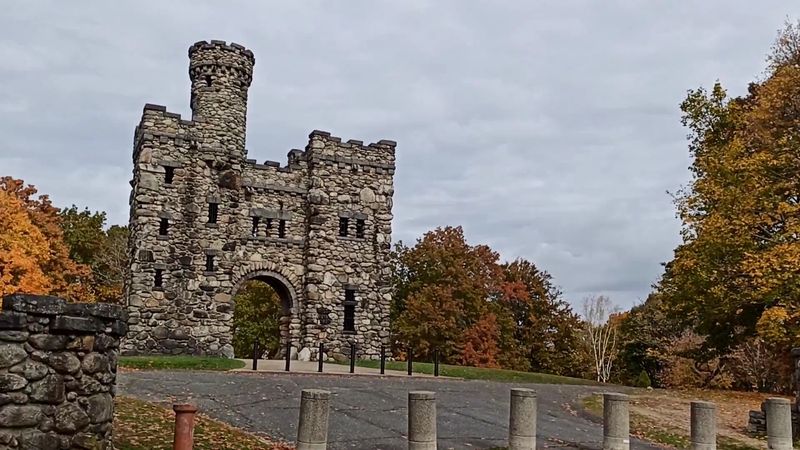
Bancroft Tower looks like a miniature medieval castle unexpectedly rising above Worcester. Built in 1900 as a memorial to historian George Bancroft, the stone structure adds a storybook note to an urban landscape that many visitors never explore deeply.
It is compact, photogenic, and far more atmospheric than its size might suggest.
The tower sits in Salisbury Park, where you can take in elevated city views and appreciate the monument’s decorative details. Even if the interior is not always open, the exterior alone makes the stop worthwhile.
Its rough stone, arched openings, and hilltop setting create the feeling of discovering a forgotten lookout.
I like places that reveal a different side of a city, and this one certainly does that for Worcester. Instead of museums or busy downtown attractions, you get a quiet scenic pause with a touch of old world character.
If you enjoy unusual landmarks with history and visual charm, Bancroft Tower deserves far more attention than it usually gets.
Chester Railway Station & Museum
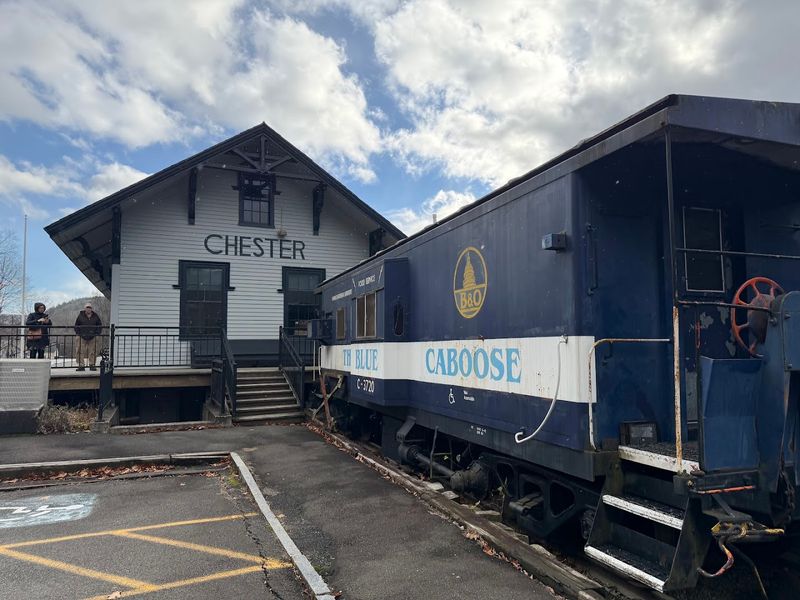
Chester Railway Station and Museum is a rewarding stop if you enjoy history that still feels connected to the landscape around it. Set along one of early America’s important rail corridors, this preserved station tells the story of how trains helped shape western Massachusetts.
The building itself carries the quiet charm of another era.
Inside, you can explore exhibits on rail engineering, mountain crossings, and the people who kept these lines moving. Even if you are not a devoted railroad enthusiast, the museum explains its subject in a way that feels approachable and local.
You come away understanding why this stretch of track mattered so much.
I think the station stands out because it is both specific and atmospheric. Chester is small, scenic, and easy to pair with a Berkshires drive, so the museum becomes part of a fuller travel experience instead of an isolated stop.
If you appreciate overlooked pieces of transportation history, this place gives you substance, personality, and a real sense of place.
World’s End Reservation
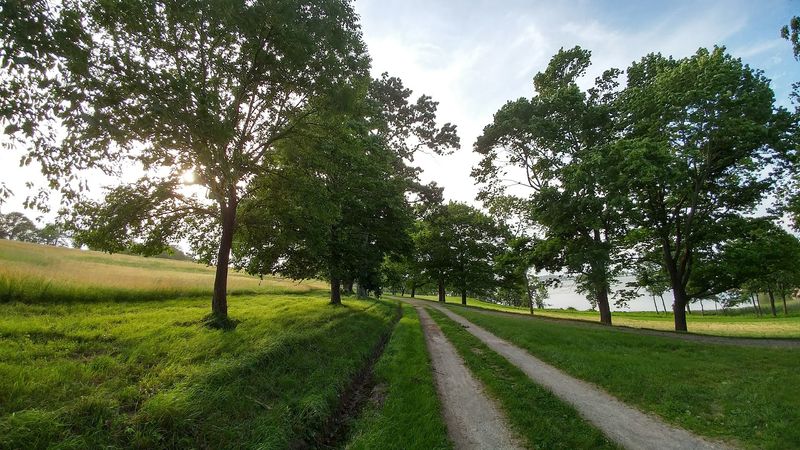
World’s End in Hingham has one of the most dramatic names in Massachusetts, and somehow the scenery lives up to it. This coastal reservation combines rolling hills, tree lined carriage roads, and broad harbor views that feel surprisingly expansive so close to Boston.
It is peaceful, polished, and incredibly easy to fall for.
The landscape was shaped with guidance from Frederick Law Olmsted, and you can feel that thoughtful design in the way the roads and vistas unfold. Every bend opens another look at the harbor, islands, and skyline in the distance.
It is a wonderful place for a long walk when you want salt air without full beach crowds.
I like recommending World’s End to people who think they have already done the best Greater Boston scenery. It offers beauty, quiet, and enough room to make your visit feel personal rather than rushed.
Bring good walking shoes, watch the light change over the water, and let yourself enjoy one of the most unexpectedly elegant hidden escapes in the state.
Mapparium – Mary Baker Eddy Library

The Mapparium in Boston is one of the strangest and most fascinating places many locals still have not visited. Housed inside the Mary Baker Eddy Library, this three story stained glass globe lets you walk through the center of the world on a narrow glass bridge.
It is part art installation, part history lesson, and completely unforgettable.
What surprises most visitors is how visually intense it feels once you are inside. The globe reflects an older political map of the world, and the acoustics create a remarkable echo effect that adds to the experience.
It is brief, but the setting is so unusual that it lingers in your mind much longer than bigger attractions often do.
I love places that make you rethink what a city hides in plain sight, and the Mapparium does exactly that. It is easy to combine with other Boston landmarks, yet it feels unlike anything else nearby.
If you want a smart, beautiful, and genuinely offbeat stop, this is one of the city’s best kept secrets.
Thomas Crane Public Library
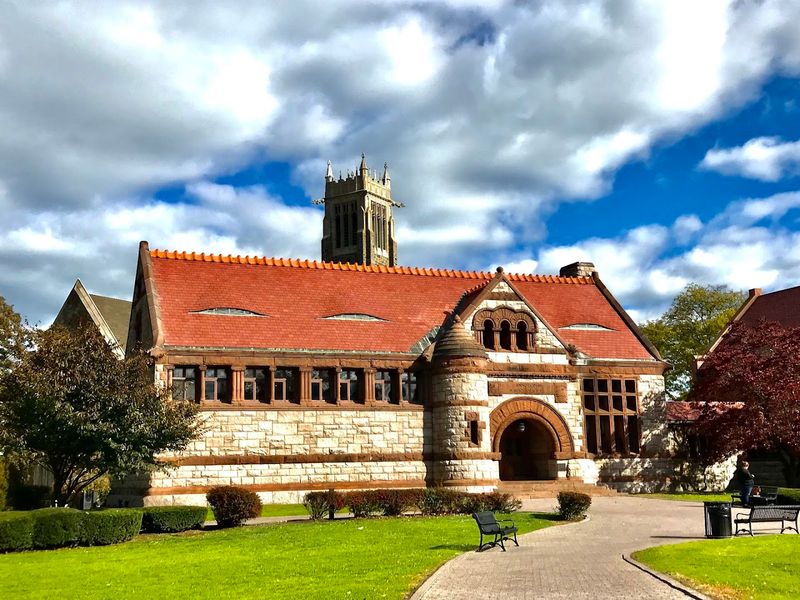
Thomas Crane Public Library in Quincy proves that even a public library can feel like a hidden destination. The 1882 building, designed by H.
H. Richardson, is a masterpiece of Romanesque architecture with a warm, dignified presence from the moment you approach it.
Inside, the historic reading room feels especially memorable.
You will find rich woodwork, stained glass, stone details, and the kind of craftsmanship that invites you to look up and linger. The atmosphere is quiet in the best way, offering beauty without the crowds that often gather at more famous historic interiors.
It feels both civic and personal, which is a rare combination.
I think this library deserves far more attention from travelers interested in design, history, or simply unusual stops near Boston. Quincy has major historical significance, but many visitors rush past treasures like this.
If you appreciate architecture that still serves daily life, Thomas Crane Public Library offers substance, elegance, and a strong sense of place without asking for much time.
Forest Hills Cemetery
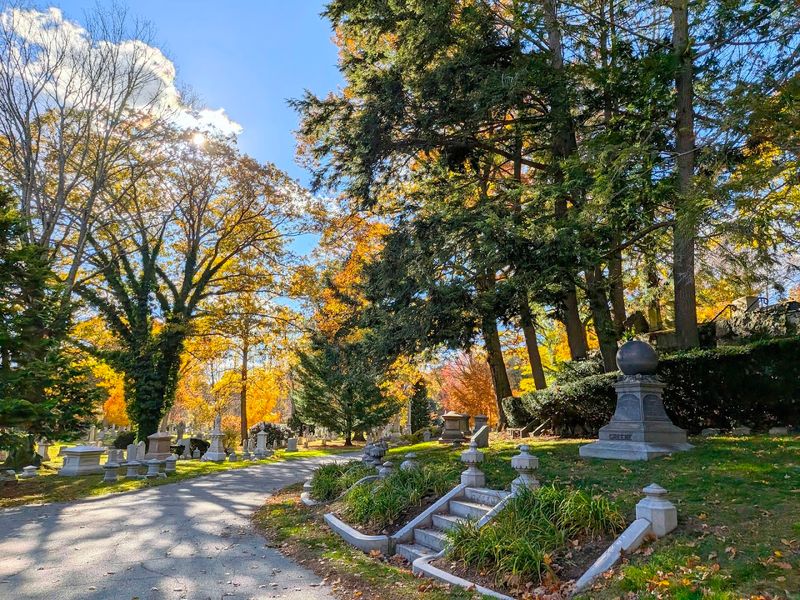
Forest Hills Cemetery in Boston is far more than a burial ground. Designed as a Victorian garden cemetery, it blends sculpture, winding roads, mature trees, ponds, and notable monuments into one of the city’s most unexpectedly peaceful landscapes.
Walking here feels reflective, beautiful, and quietly educational all at once.
The cemetery is also an outdoor museum of art and history. You can find striking memorial architecture, thoughtfully planted grounds, and the graves of important cultural figures, all arranged in a setting meant for contemplation rather than haste.
It is easy to spend longer than expected simply following the roads and seeing what emerges.
I appreciate Forest Hills because it offers a different kind of travel experience, one rooted in atmosphere and memory instead of entertainment. If that sounds heavy, it actually is not.
The grounds feel serene rather than somber, and the design encourages curiosity as much as reflection. For visitors willing to explore beyond Boston’s standard landmarks, this is one of the city’s most underrated and rewarding historic spaces.
Chesterfield Gorge
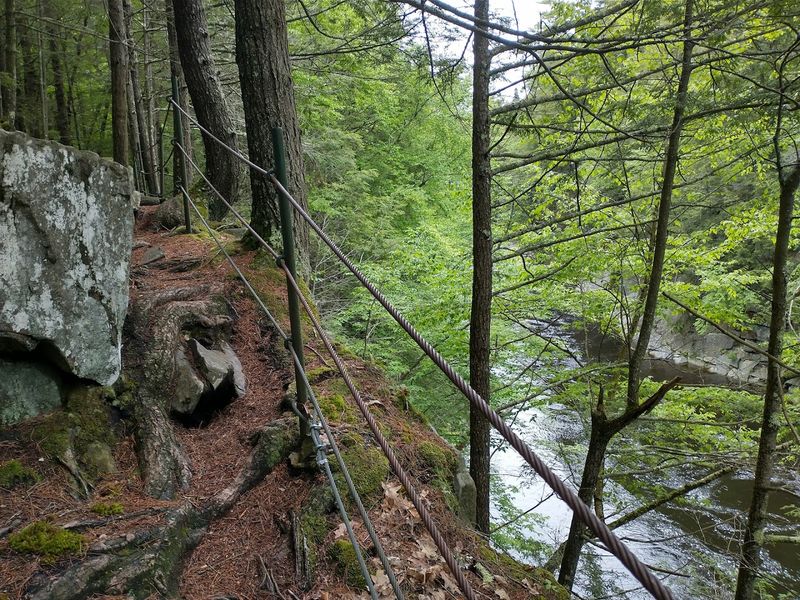
Chesterfield Gorge is one of western Massachusetts’ best natural surprises. Carved by the East Branch of the Westfield River, the gorge channels rushing water between steep rock walls in a way that feels powerful without requiring an intense backcountry trip.
It is scenic, accessible, and especially striking after periods of higher water.
The trails and viewing areas let you appreciate the river’s force from multiple angles. Depending on the season, you may find dramatic currents, lush greenery, or colorful foliage framing the gorge.
It is not a huge destination in terms of size, but the compactness actually helps because the scenery reveals itself quickly and memorably.
I think Chesterfield Gorge works perfectly for travelers who want a rewarding stop that feels substantial without taking over an entire day. It is also a great example of how Massachusetts hides serious natural beauty in places many visitors never hear about.
If you are exploring the hilltowns or the Berkshires, this gorge adds exactly the kind of rugged contrast a road trip needs.
Thunderbolt Mountain Coaster
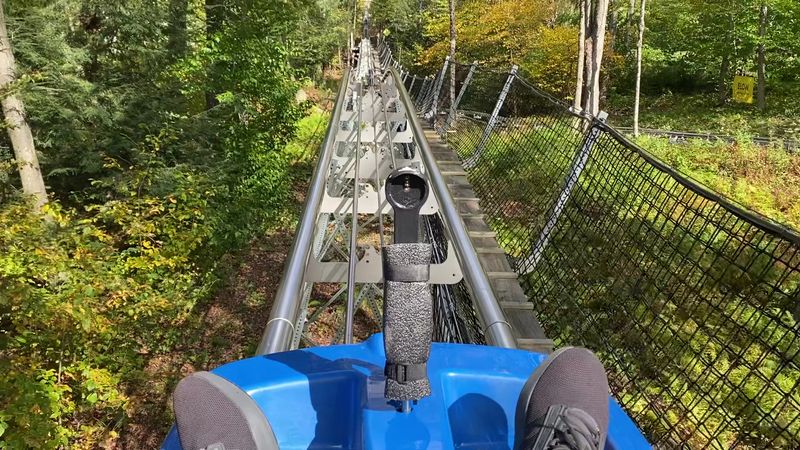
Thunderbolt Mountain Coaster in Charlemont brings a different kind of hidden Massachusetts thrill. Set in the Berkshire East area, it sends you twisting down the mountainside through forested curves with open views that make the ride feel scenic as well as fast.
It is playful, slightly adrenaline charged, and surprisingly memorable.
What I like most is that you control your speed, so the experience works whether you want a relaxed glide or a more exciting descent. The track threads through the landscape rather than overpowering it, which means you still get that strong sense of being in the hills.
It is a smart addition to a region better known for hiking, skiing, and classic small town charm.
If you are building a Massachusetts itinerary with a little variety, this is a great wildcard stop. It adds motion and fun without feeling gimmicky, especially when paired with a broader day in the Deerfield River valley.
For visitors who think the state lacks adventurous surprises, Thunderbolt makes a convincing argument otherwise.
Castle Hill on the Crane Estate
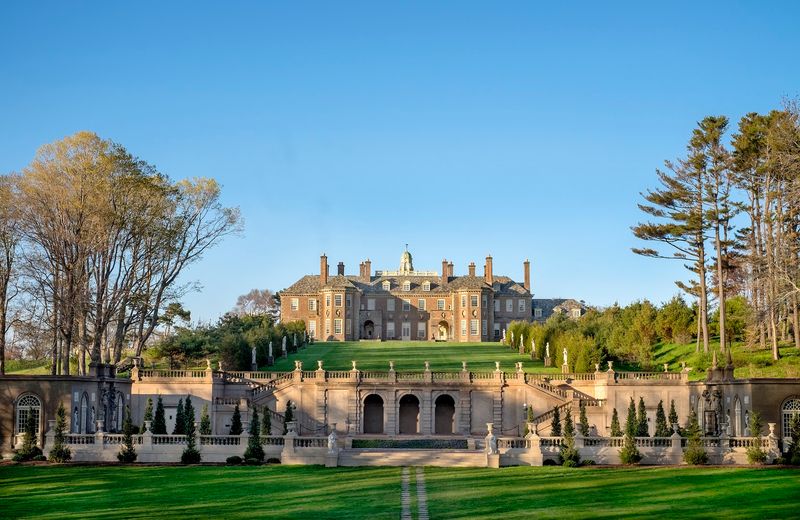
Castle Hill on the Crane Estate in Ipswich is more refined than hidden, but many visitors still underestimate how extraordinary it is. The grand hilltop mansion, sweeping lawn, formal gardens, and Atlantic views create one of the most cinematic landscapes in New England.
It feels stately, windswept, and completely immersive.
The famous Grand Allee draws your eye straight toward the ocean, while the surrounding estate offers woodlands, gardens, and nearby access to Crane Beach. There is a sense of scale here that photographs never fully capture.
You really need to stand on the grounds and feel the openness for yourself.
I think Castle Hill is ideal for travelers who want history without sacrificing scenery. The estate tells a story of wealth, design, and changing coastal life, yet it never feels dry or overly formal.
Instead, it invites wandering and looking. If you pair the mansion with the beach or a special event, it easily becomes one of the most memorable stops in Massachusetts, hidden gem label or not.
The Ether Dome
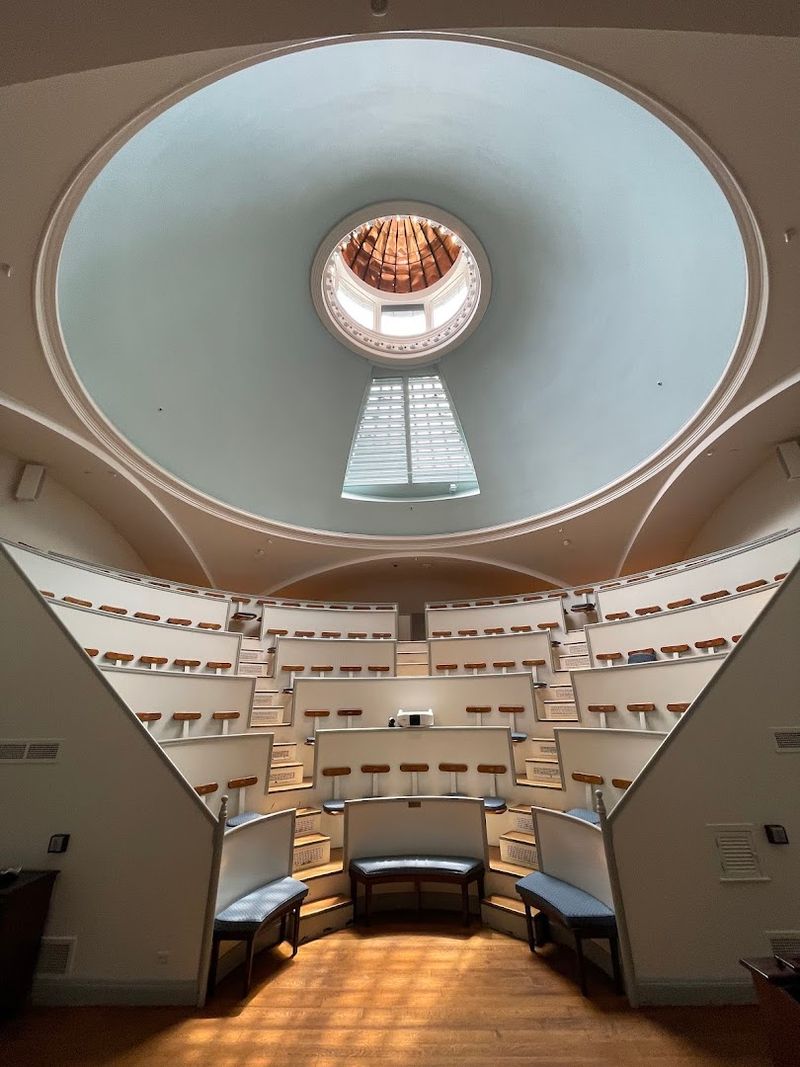
The Ether Dome at Massachusetts General Hospital is one of Boston’s most important but least discussed historic rooms. This preserved surgical amphitheater is where ether anesthesia was publicly demonstrated in 1846, helping transform modern medicine in a way that still shapes the world.
That alone makes it remarkable, but the room itself also has a strong presence.
With its circular seating and historic display materials, the dome feels intimate rather than grand. You are not just reading about medical history from behind glass.
You are standing in the very space where a turning point happened, which gives the visit a directness many museums cannot match.
I find the Ether Dome especially compelling because it connects science, ethics, and human experience in one quiet setting. It is not flashy, and that is part of why it feels powerful.
If you want a Boston stop that goes beyond the usual revolutionary landmarks, this room offers a different kind of world changing history, hidden in plain sight inside a working hospital.
Ponyhenge

Ponyhenge in Lincoln is one of those wonderfully weird places that sounds made up until you see it. In a field near the roadside, toy horses and rocking horses appear arranged in mysterious formations that keep changing as new figures are added or moved.
Nobody officially claims ownership, which only adds to the appeal.
There is no grand visitor center, no polished interpretation, and no single correct way to experience it. You simply arrive, look, laugh a little, and start wondering who placed what and why.
That simplicity is part of what makes Ponyhenge memorable in a state filled with more formal attractions.
I think every travel list needs at least one place that is delightfully hard to explain, and this is mine for Massachusetts. It captures the charm of local oddity without trying too hard to become a tourist stop.
If you are driving through the area, it is absolutely worth a quick detour. Sometimes the best hidden places are the ones that stay a little mysterious.