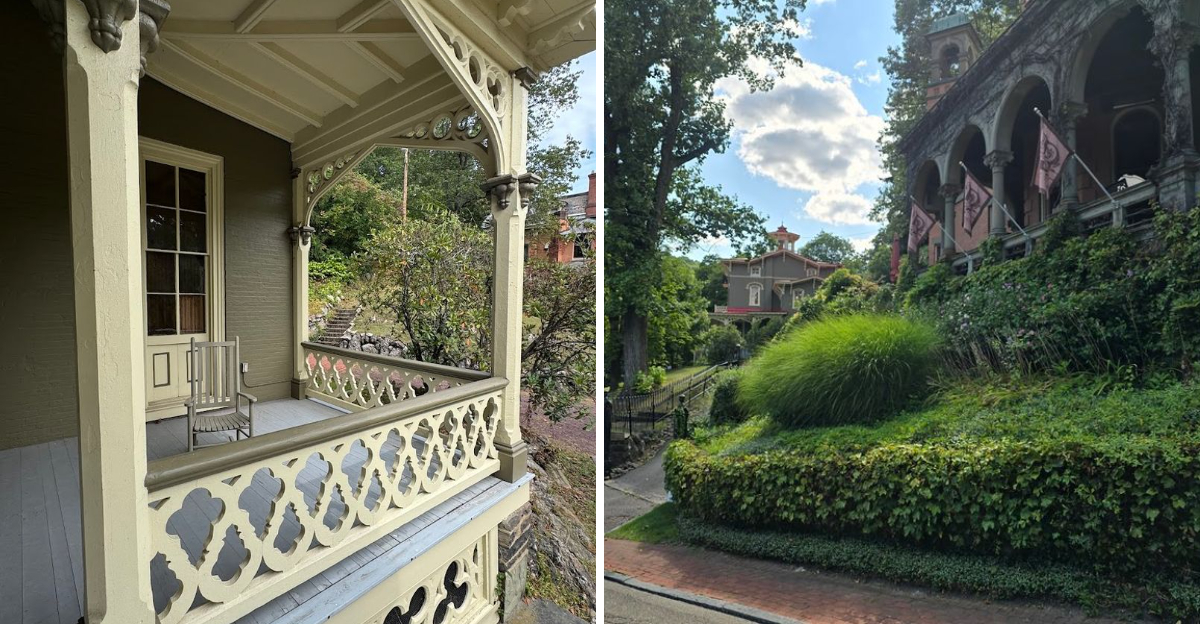
The Asa Packer Mansion Museum stands as a remarkable window into Pennsylvania’s Gilded Age, when coal and railroads shaped the region’s destiny.
This stunning Victorian home in Jim Thorpe offers visitors an authentic glimpse into the life of one of America’s most successful industrialists and his family.
Unlike many historic sites where original items have been replaced, this mansion remains almost exactly as the Packer family left it, with original furniture, wallpaper, and decorations still in place.
Walking through its halls feels like stepping back in time to the 1800s, when this hilltop home overlooked a bustling coal and railroad town below.
Jim Thorpe and the Historic Coal Region Setting
Anthracite coal made this corner of Pennsylvania incredibly wealthy during the 1800s. Jim Thorpe, originally called Mauch Chunk, became a booming center where coal, railroads, and money intersected in remarkable ways.
The town’s Victorian architecture still lines its steep streets, telling stories of prosperity from another era.
Mauch Chunk means “Bear Mountain” in the Lenape language, and the area certainly lives up to that rugged name. Mountains crowd around the town, and the Lehigh River cuts through the valley below.
Railroad tracks once carried endless tons of coal through this natural gateway, making fortunes for families like the Packers.
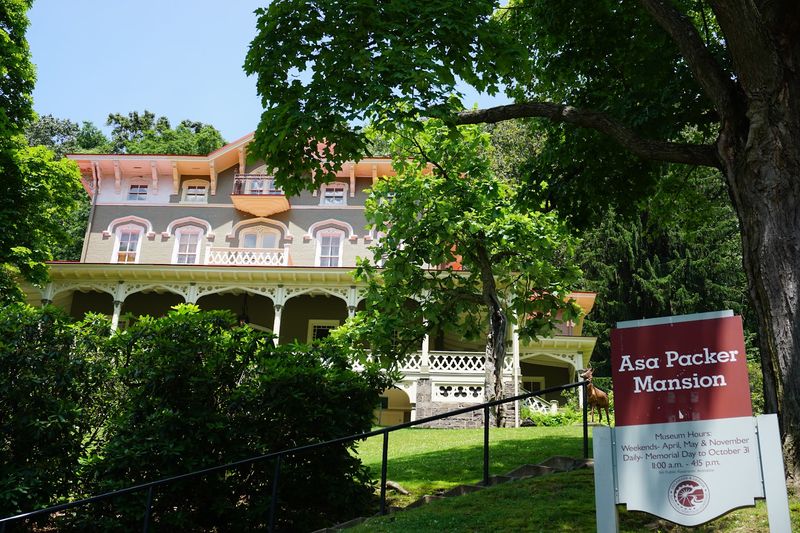
Today’s visitors find a quirky mountain town filled with historic charm, antique shops, and outdoor adventures. The Asa Packer Mansion crowns Packer Hill like a jewel, overlooking the entire community.
Jim Thorpe’s transformation from industrial powerhouse to tourist destination makes it a fascinating study in American history, where past and present blend together beautifully.
Who Was Asa Packer?
Born in Connecticut in 1805, Asa Packer arrived in Pennsylvania with almost nothing. He worked as a carpenter and boat builder before recognizing the enormous potential in Pennsylvania’s coal industry.
His journey from poverty to incredible wealth embodies the classic American dream story that inspired countless immigrants and workers.
Packer founded the Lehigh Valley Railroad, which transported anthracite coal from northeastern Pennsylvania mines to markets throughout the region. His business genius lay in connecting coal mines to customers efficiently, making him one of the wealthiest men in America.
Beyond business success, he served in Congress and made substantial charitable contributions.
His most lasting legacy might be Lehigh University, which he founded and generously funded in Bethlehem, Pennsylvania. Packer believed education could transform lives, just as hard work had transformed his own circumstances.
When he died in 1879, he left behind not just a railroad empire, but also educational institutions and a magnificent home that would eventually teach future generations about Victorian life.
The Mansion’s Construction (1861)
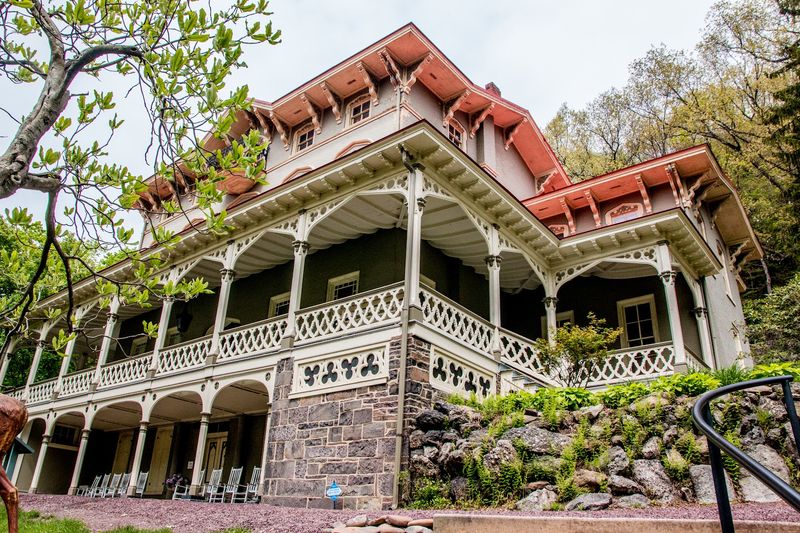
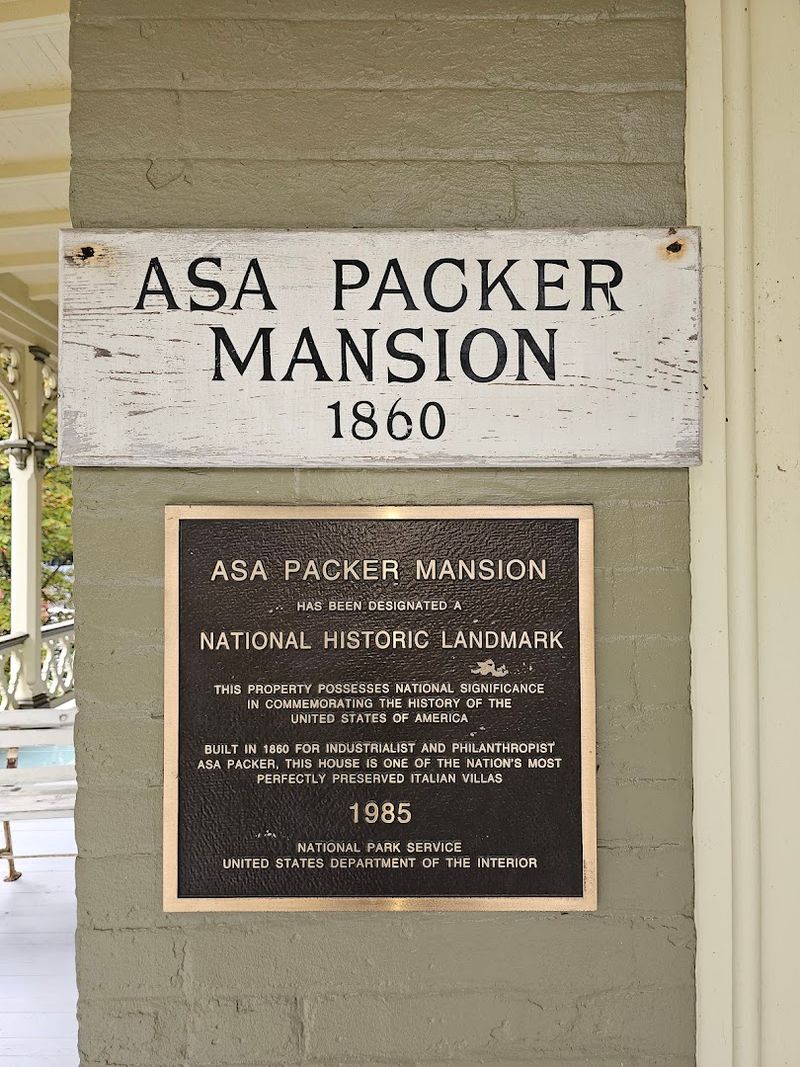
Construction began on this grand home in 1861, right as the Civil War erupted across America. Architect Samuel Sloan designed the building in the fashionable Italianate Villa style, popular among wealthy Americans who admired European elegance.
The timing seems remarkable—building such luxury during wartime shows Packer’s confidence in his railroad empire’s future.
The project took approximately two years to finish, with craftsmen creating elaborate woodwork, installing imported fixtures, and adding decorative details throughout. The $14,000 price tag sounds modest today, but in 1860s money, that represented enormous wealth.
Workers used the finest materials available, from hardwoods to ornate plaster work.
Skilled carpenters, masons, and artisans transformed raw materials into this architectural masterpiece overlooking Mauch Chunk. The mansion incorporated cutting-edge technology alongside traditional craftsmanship, blending old-world aesthetics with modern innovations.
Today, the building stands as solid as ever, testament to the quality workmanship invested in its creation over 160 years ago.
Italianate Victorian Architecture
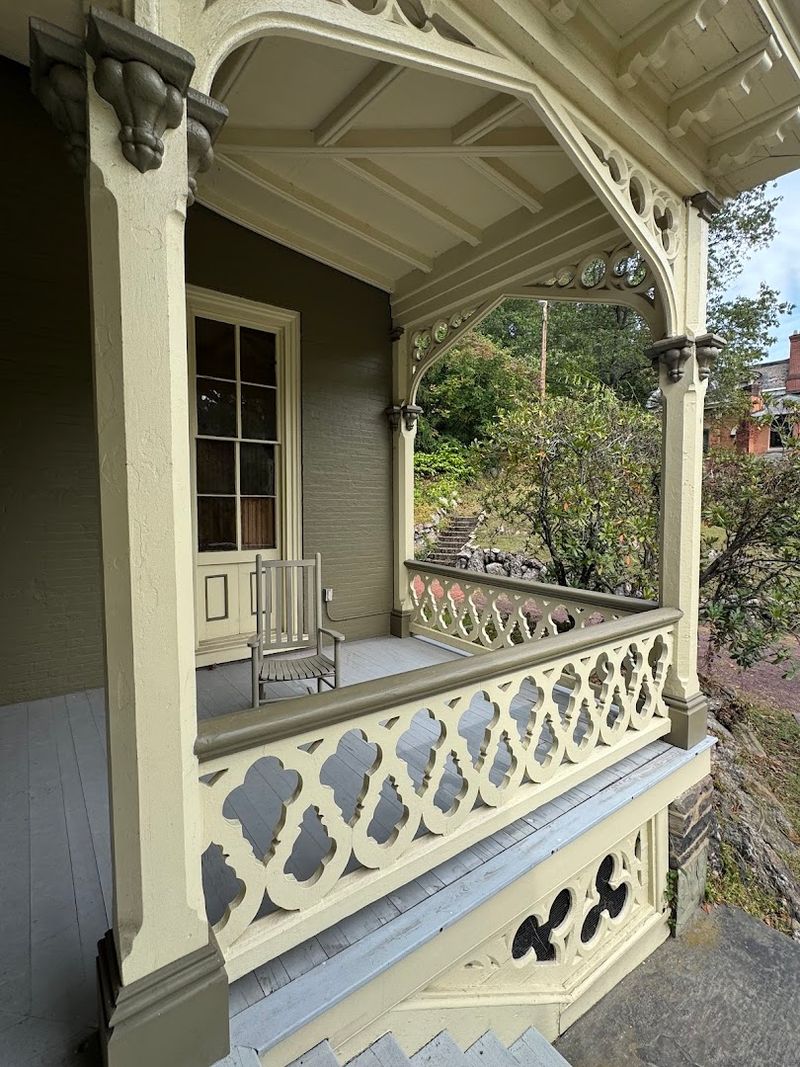
Italianate style swept through America during the mid-1800s, bringing European sophistication to growing industrial cities. The Packer Mansion showcases classic features: wide bracketed eaves that extend dramatically from the roofline, tall windows with decorative crowns, and a distinctive cupola perched on top.
These elements weren’t just pretty—they announced wealth and cultural refinement to everyone who saw the building.
Look closely at the exterior trim and you’ll spot intricate brackets, decorative moldings, and carefully proportioned window arrangements. The cupola served practical purposes too, offering 360-degree views of the surrounding valley and railroad operations below.
Inside, high ceilings, elaborate plasterwork, and rich wood paneling continue the Italianate theme.
This architectural style represented America’s Gilded Age aspirations perfectly, blending romantic Italian villa aesthetics with robust American construction methods. The mansion’s design influenced other buildings in the region, making Mauch Chunk a showcase of Victorian architectural ambition.
Walking around the exterior reveals new details constantly, rewarding careful observation with glimpses of 19th-century artistry.
The Mansion’s Hilltop Location
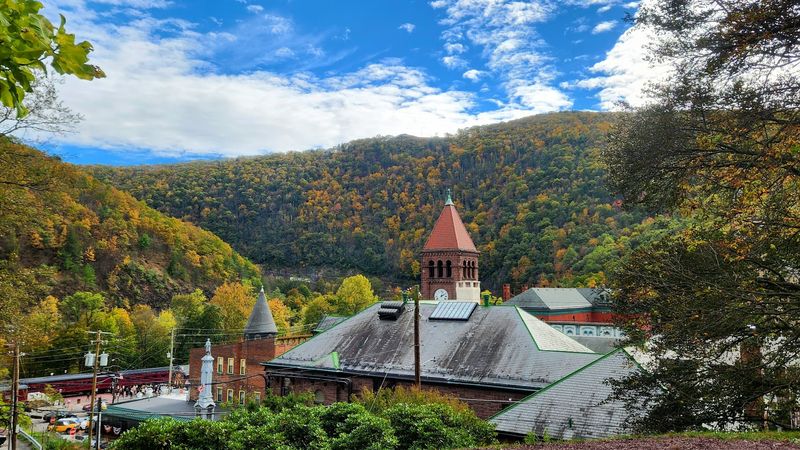
Geography and symbolism merged perfectly when Packer chose this elevated site for his family home. Packer Hill rises steeply above Jim Thorpe’s main streets, placing the mansion in a commanding position that literally looked down on the town and railroad operations.
This wasn’t accidental—Victorian industrialists often built homes on hills to demonstrate their social status visually.
From the mansion’s windows and cupola, the Packer family could watch trains moving through the valley, boats on the Lehigh River, and the daily bustle of their company town. The location provided cooler breezes during summer, better drainage, and psychological distance from industrial noise and coal dust below.
Status and practicality combined in one strategic choice.
Today’s visitors climbing Packer Hill understand immediately why this spot appealed to a railroad magnate. The views remain spectacular, encompassing mountains, river, and historic downtown.
Standing where Asa Packer once stood, you gain insight into how industrial titans saw their domains—literally and figuratively—from positions of power and privilege.
Original Interiors and Preservation
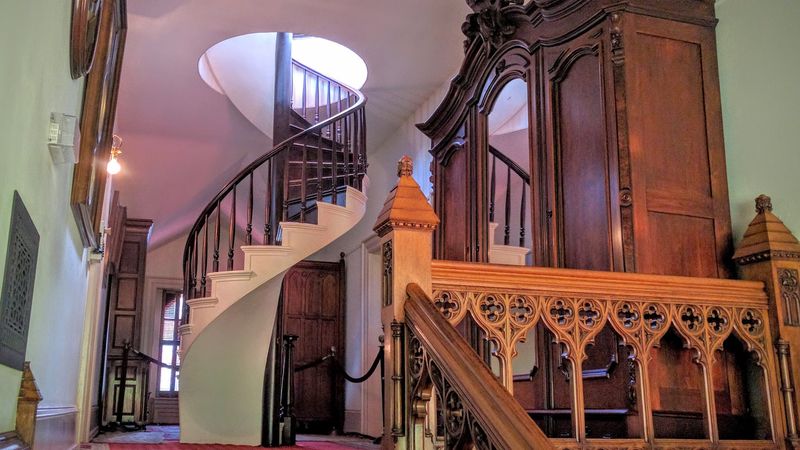
Step inside and you’ll experience something extraordinarily rare: a Victorian home preserved almost exactly as its original owners left it. Most historic houses display reproduction furniture or pieces collected from various sources, but the Packer Mansion contains actual family belongings, original wallpaper patterns, and furnishings chosen by the Packers themselves.
This authenticity creates an unusually powerful connection to the past.
Family photographs, personal items, and everyday objects remain where they were used over a century ago. The wallpaper, though aged, shows original Victorian patterns and colors that help modern visitors understand period decorating tastes.
Woodwork, light fixtures, and architectural details survive largely untouched, offering researchers and tourists alike an accurate picture of Gilded Age domestic life.
Preserving everything required careful stewardship across multiple generations. Climate control, gentle cleaning methods, and minimal intervention have kept deterioration at bay.
Walking through these rooms feels less like visiting a museum and more like entering a time capsule, where history remains tangible, intimate, and remarkably present.
Daily Life of the Packer Family
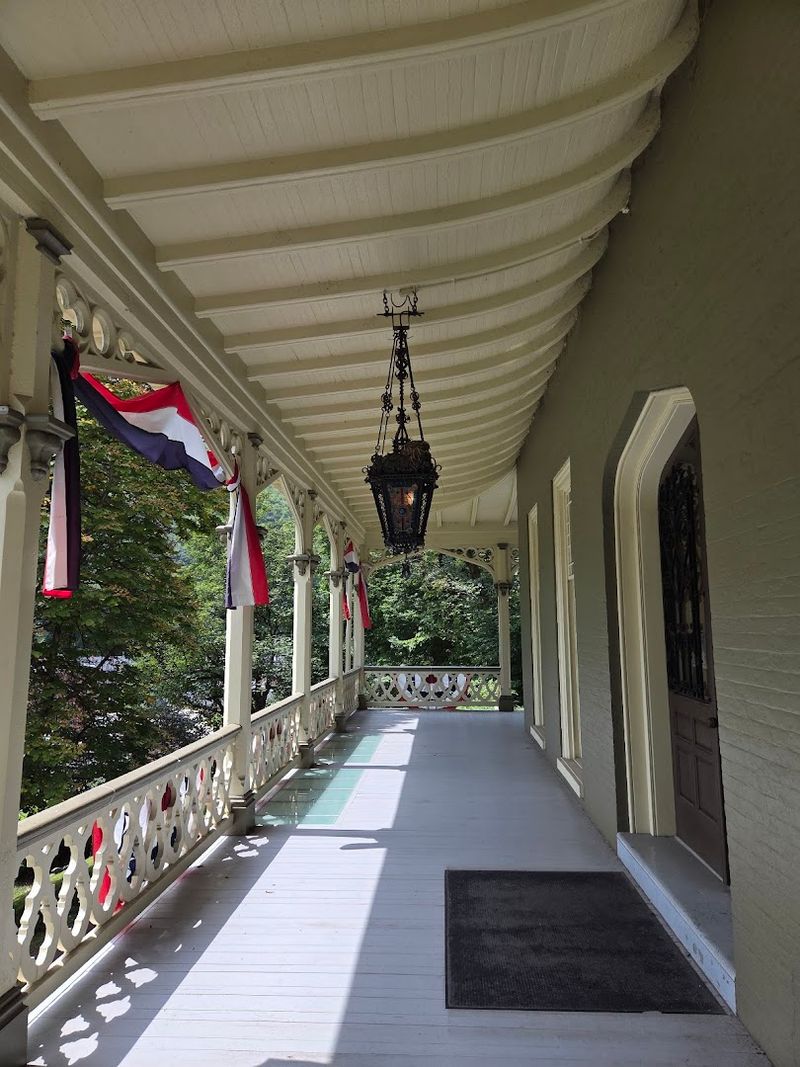
Asa Packer lived here with his wife Sarah and their children, though by the time this mansion was built, some children had already grown and moved away. The rooms reveal how wealthy Victorian families organized their daily routines, with separate spaces for different activities and levels of formality.
Formal parlors received important guests, while family parlors offered more relaxed gathering spots.
The library showcases Asa’s interests beyond business, filled with books that demonstrate intellectual curiosity. Dining rooms prepared the family for elaborate meals served by household staff, reflecting the era’s complex social rituals around food and entertaining.
Bedrooms upstairs maintained privacy while displaying the same attention to decorative detail found throughout the house.
After Asa’s death, his daughter Mary Packer Cummings lived in the mansion, maintaining her father’s legacy. She preserved the home carefully, perhaps recognizing its historical significance even then.
Touring these spaces today, you sense the rhythms of Victorian family life—the formal dinners, quiet library hours, and domestic routines that structured each day for Pennsylvania’s wealthy elite.
Engineering and Design Innovations
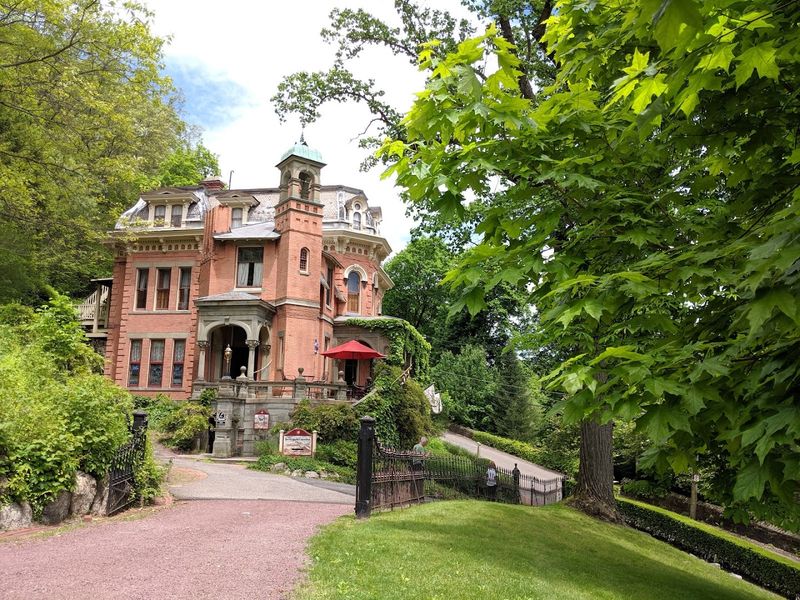
While the mansion looks backward toward European architectural traditions, it incorporated cutting-edge 1860s technology throughout. A cast-iron structural frame helped support the building, representing advanced engineering for residential construction.
This industrial material, produced in Pennsylvania foundries, brought railroad and factory innovations into home building, creating stronger, more durable structures.
Gas lighting illuminated rooms long before electricity became available, with elaborate fixtures still visible throughout the house. Indoor plumbing meant the Packer family enjoyed conveniences most Americans wouldn’t experience for decades, with running water and modern bathroom facilities.
Central heating systems kept the large house comfortable during harsh Pennsylvania winters.
These innovations didn’t happen by accident—Packer’s railroad engineering expertise influenced his home’s design. He understood how technology could improve daily life and wasn’t afraid to invest in the latest systems.
The mansion thus represents a fascinating hybrid: traditional Victorian aesthetics wrapped around industrial-age engineering, showing how America’s new industrial wealth transformed domestic architecture and living standards during the Gilded Age.
From Private Home to Public Museum
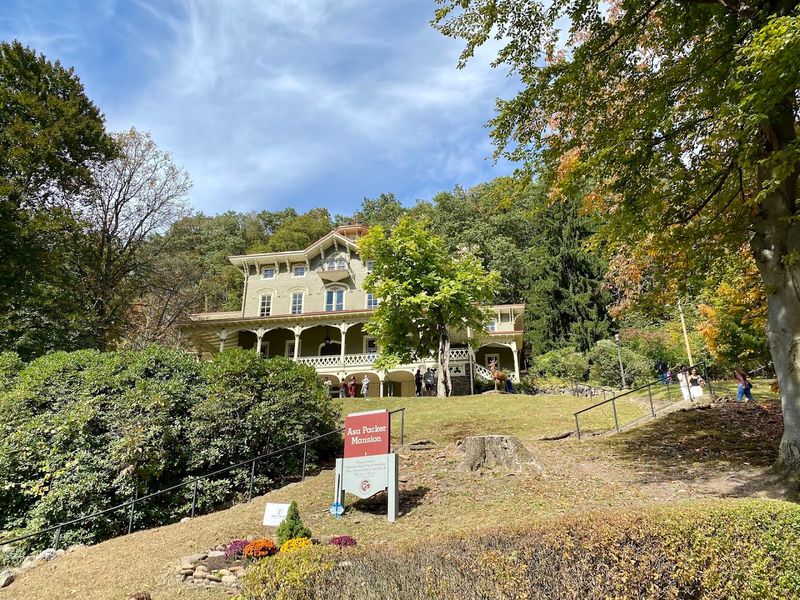
Mary Packer Cummings, Asa’s daughter, made a generous decision that preserved her family home for future generations. When she died in 1912, she willed the mansion and its contents to the Borough of Jim Thorpe, ensuring it would remain intact rather than being sold or demolished.
Her foresight proved remarkable, as many similar Victorian mansions disappeared during the 20th century.
The borough maintained the property but didn’t immediately open it as a museum. Economic challenges and changing priorities meant decades passed before the mansion welcomed regular visitors.
Finally, in 1956, local organizations and the community rallied to transform the private residence into a proper public museum, carefully preserving its historical integrity.
Today, dedicated staff and volunteers maintain this treasure, offering guided tours that educate visitors about Victorian life, industrial history, and the Packer family’s legacy. The mansion serves multiple purposes now: tourist attraction, educational resource, and tangible connection to Pennsylvania’s coal and railroad heritage.
Mary Packer Cummings would likely approve of how her childhood home continues teaching and inspiring new generations.
Visitor Information (Hours, Tours, Tips)
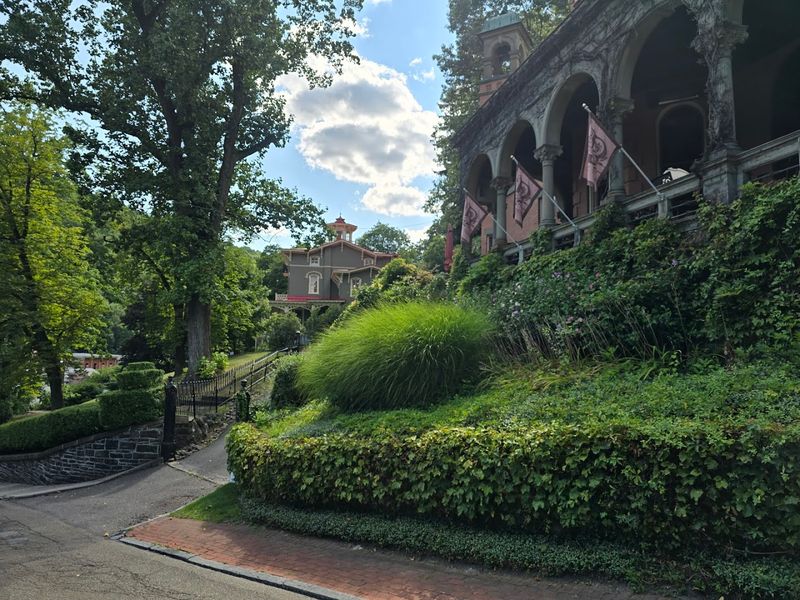
Planning your visit requires knowing a few practical details. The mansion operates seasonally, typically opening in spring and closing after fall foliage season ends, roughly April through November.
Tours run daily during operating season, though specific schedules can vary. Always check current hours before traveling, as holiday closures and special events sometimes affect availability.
Guided tours last approximately one hour, led by knowledgeable docents who share stories about the Packer family, architectural details, and historical context. Photography policies vary by room, so ask your guide what’s permitted.
The mansion sits on Packer Hill Avenue, a steep climb from downtown Jim Thorpe’s main streets. Parking exists in town, but expect a good walk uphill—comfortable shoes definitely help.
The address is Packer Hill Avenue, Jim Thorpe, PA 18229, easily found with GPS or smartphone maps. Admission fees support preservation efforts and ongoing maintenance.
Consider combining your mansion visit with exploring Jim Thorpe’s other attractions, making a full day in this charming mountain town.
The experience offers genuine historical immersion worth every step up that hill.