Ohio’s forgotten buildings are hiding some of the state’s greatest food stories.
Across the Buckeye State, empty spaces and aging properties found new purpose when passionate owners saw something special beneath the dust. Old walls, worn floors, and forgotten corners became the backdrop for unforgettable meals.
These twelve restaurants prove that a building’s past can make every bite more meaningful. Each spot carries a story filled with determination, local pride, and the kind of charm you cannot recreate overnight.
From historic taverns to rescued landmarks, these dining destinations show how Ohio’s past still lives on around the dinner table. Get ready to discover restaurants where the story is just as memorable as the food.
Every visit reveals another chapter of Ohio’s history, waiting to be shared through flavors and memories.
The Golden Lamb — Lebanon
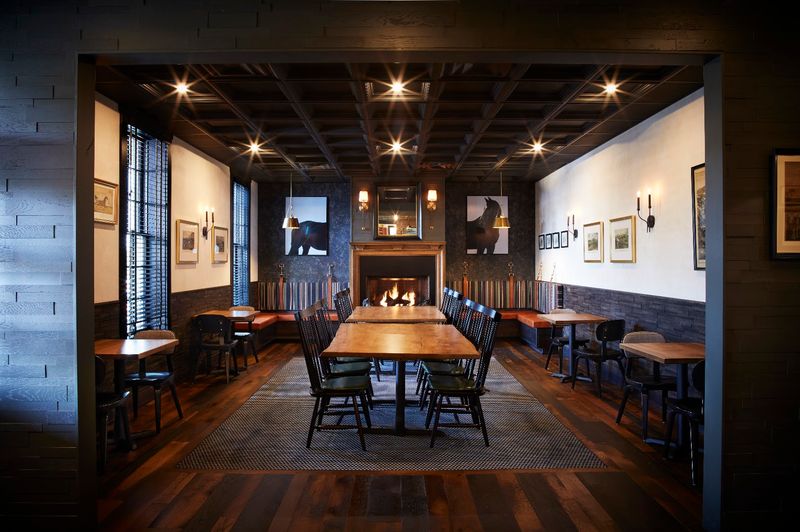
Walking through The Golden Lamb feels like stepping into a time machine. Since 1803, this legendary inn has been serving travelers who needed rest, food, and shelter on Ohio’s dangerous frontier roads.
Back then, Lebanon was barely a settlement, and stopping here meant safety for the night.
Presidents like William Henry Harrison and Warren G. Harding ate meals in these dining rooms.
Famous authors including Charles Dickens and Mark Twain slept upstairs. The wooden floors creak under your feet, and the old furniture looks like it belongs in a museum.
What started as a simple roadside inn became one of Ohio’s most treasured dining destinations. The restaurant kept adding rooms, improving menus, and welcoming new generations of guests.
Today, people drive from all over the state to experience meals surrounded by genuine frontier-era atmosphere.
The Golden Lamb proves that respecting history can create something timeless. This place never tried to be modern or trendy.
It simply stayed true to what made it special from the beginning.
Bun’s Restaurant — Delaware
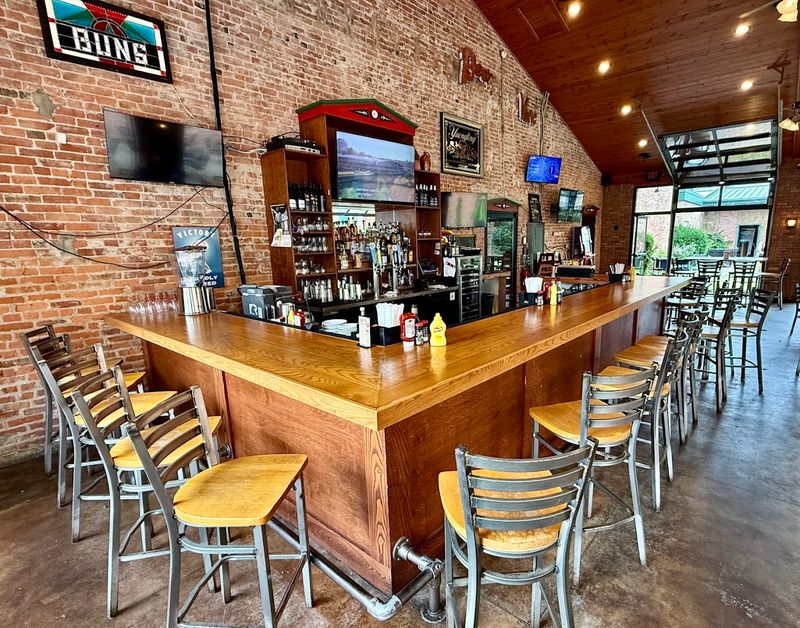
Starting a restaurant during the Civil War sounds impossible, but that’s exactly when Bun’s opened its doors in 1864. Soldiers marched past, battles raged elsewhere, yet this Delaware dining spot somehow survived.
The owners fed whoever walked through the door, building trust one meal at a time.
Over 150 years later, Bun’s still serves breakfast, lunch, and dinner to the same downtown crowd. Economic depressions, world wars, and changing tastes couldn’t shut it down.
The secret was never trying to become something fancy or different.
Regular customers bring their grandchildren here, pointing out booths where they sat decades ago. The menu changed slowly over the years, adding new favorites while keeping old classics around.
Simple food done well never goes out of style.
Bun’s represents the backbone of small-town America, where consistency matters more than flash. This restaurant survived because it understood its community needed a reliable gathering place.
Sometimes the quietest success stories last the longest.
Arnold’s Bar & Grill — Cincinnati
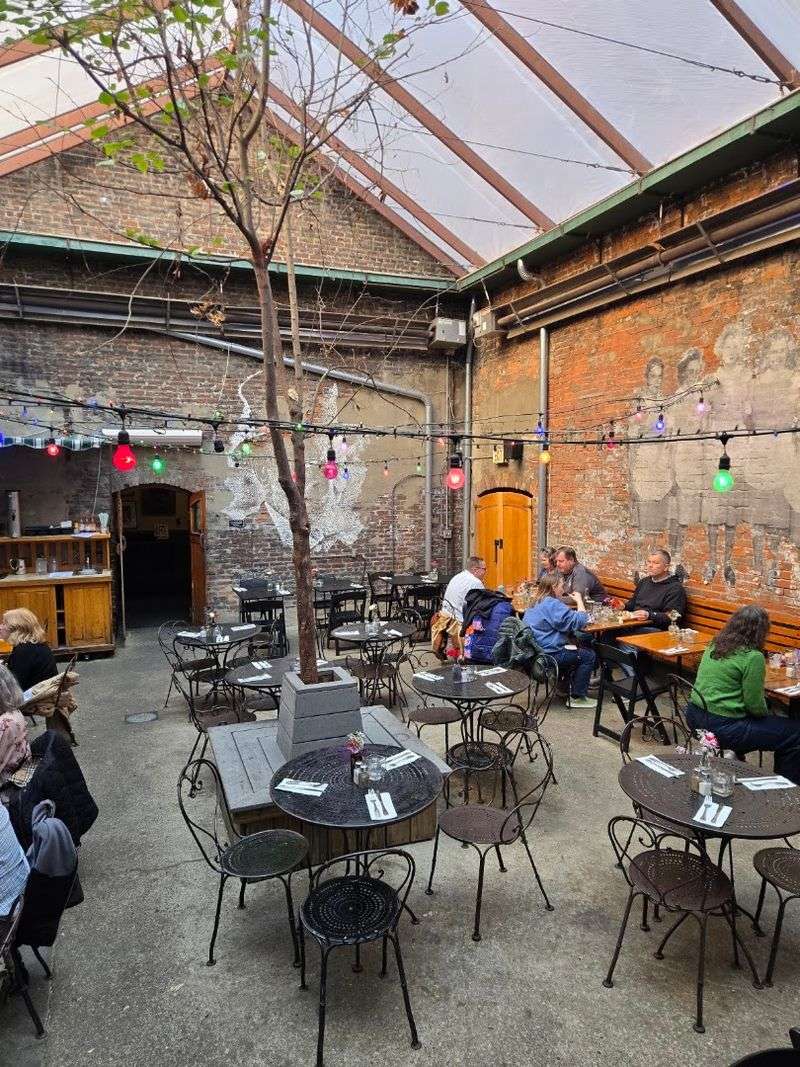
Behind an unmarked door in downtown Cincinnati sits one of the city’s best-kept secrets. Arnold’s opened back in 1861, right when America was tearing itself apart during the Civil War.
Somehow this little bar kept pouring drinks through wars, economic crashes, and decades of neighborhood changes.
During Prohibition, legend says Arnold’s found creative ways to keep customers happy despite the law. The exact details remain fuzzy, which makes the stories even better.
By the time drinking became legal again, this place had earned serious street credibility.
What makes Arnold’s special isn’t just age but attitude. While other downtown bars chased tourists, this spot stayed loyal to locals who appreciated good beer and honest conversation.
The courtyard out back became Cincinnati’s coolest hidden hangout space.
Young professionals discovered Arnold’s in recent decades, falling in love with its authentic character. No corporate chains could recreate this vibe.
Some places just get cooler with age, and Arnold’s proves that downtown gems are worth searching for.
Tony Packo’s — Toledo
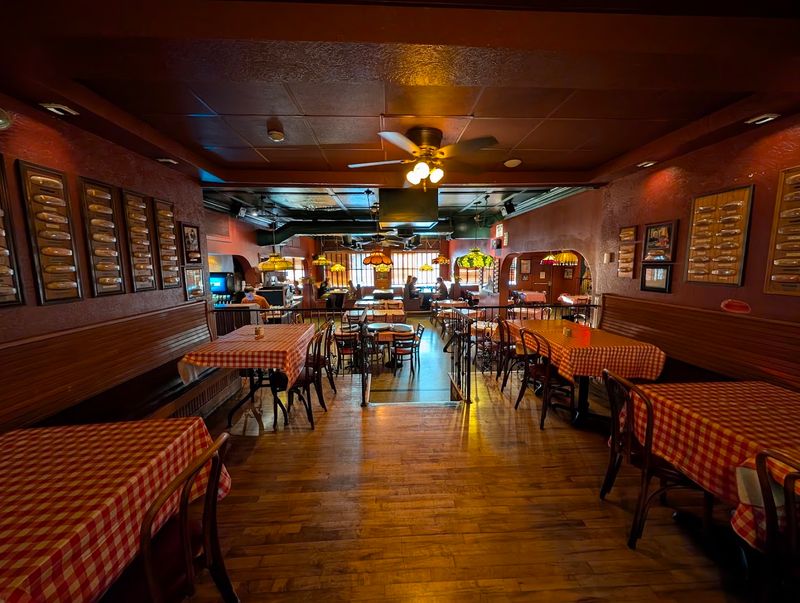
Tony Packo opened his tiny Hungarian restaurant in 1932, right when the Great Depression made starting a business seem crazy. His family had old recipes from Hungary, and he figured desperate times needed comfort food.
That gamble changed Toledo dining forever.
The Hungarian hot dogs became legendary, but something even stranger made Tony Packo’s famous nationally. When the TV show MASH mentioned it, suddenly people everywhere wanted to visit.
Celebrities started signing hot dog buns that now cover the walls like bizarre trophies.
What began as one family’s immigrant dream grew into a Toledo institution that ships food nationwide. The original recipes stayed the same even as the restaurant expanded to multiple locations.
People trust places that don’t mess with success.
Tourists now make pilgrimages to see those signed buns and taste the famous dogs. Local families still pack the place on weekends, treating Tony Packo’s like their personal celebration spot.
One man’s Depression-era risk created a restaurant that defines an entire city’s food culture.
Ye Olde Trail Tavern — Yellow Springs
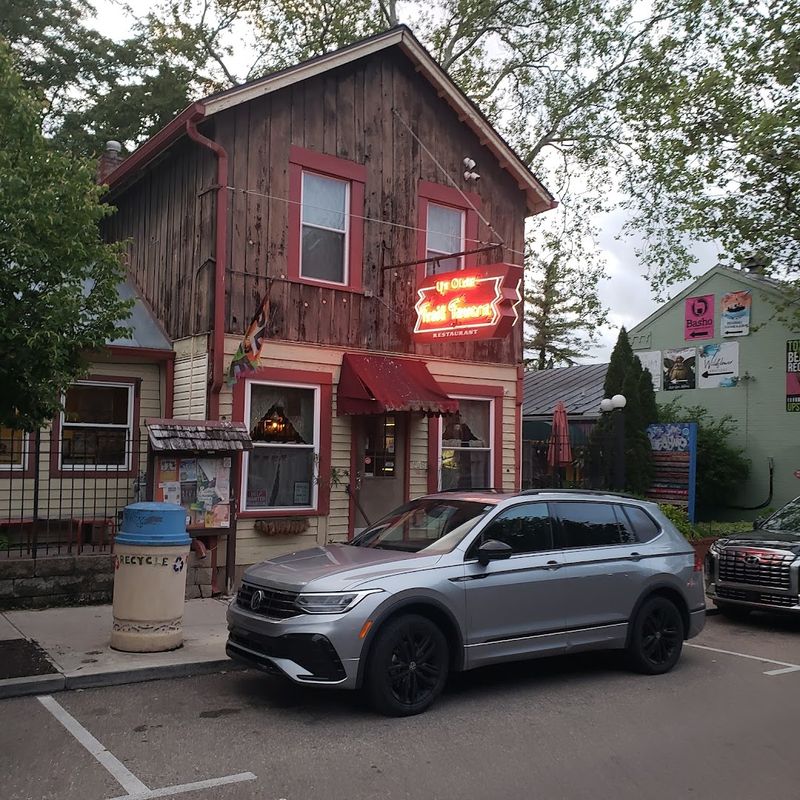
Finding Ye Olde Trail Tavern feels like discovering your grandparents’ secret hideout. This building dates back to the early 1800s when taverns meant shelter, news, gossip, and community all rolled into one smoky room.
Travelers on rough Ohio roads depended on places exactly like this.
The atmosphere inside hasn’t changed much in two centuries. Low ceilings, worn wooden tables, and walls that seem to lean slightly all contribute to the time-warp experience.
Modern safety codes probably wouldn’t approve if this place were built today, which makes it even more precious.
Yellow Springs embraced this tavern as the perfect neighborhood gathering spot. Artists, professors, students, and longtime residents all claim favorite seats.
The menu offers classic tavern food without trying to reinvent comfort.
Most people walk past old buildings without wondering about their stories. Ye Olde Trail Tavern survived because each generation recognized its value as a living connection to Ohio’s pioneer days.
Sitting here with a cold drink makes history feel personal instead of distant.
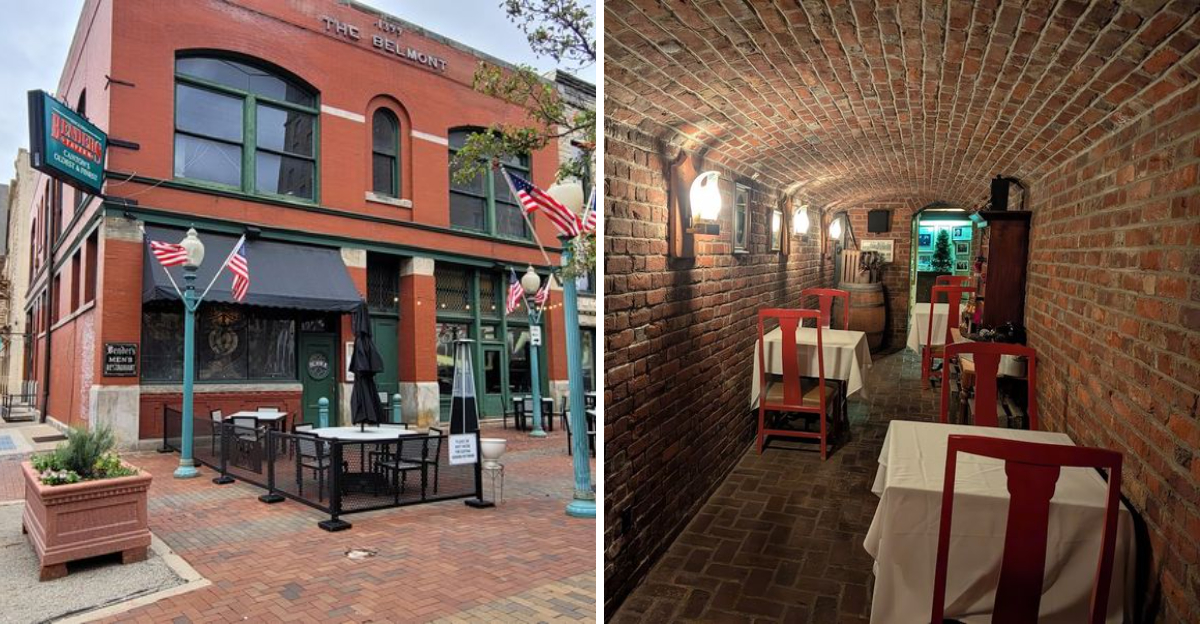
Bender’s Tavern — Canton
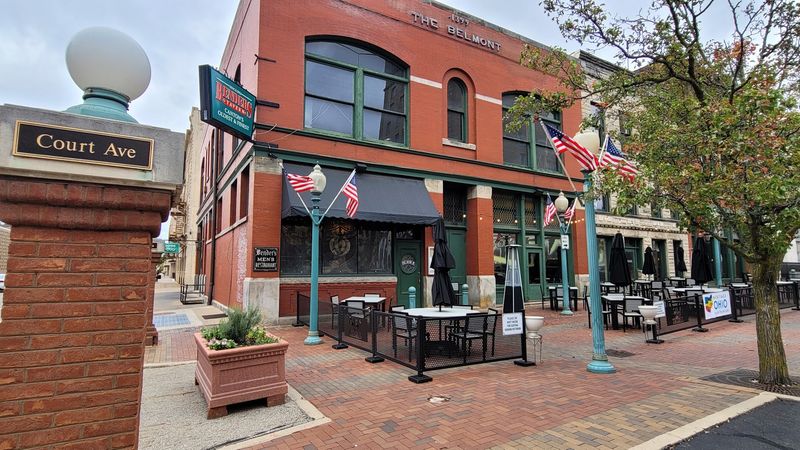
Ask anyone from Canton about special occasion dining, and Bender’s Tavern comes up immediately. Since the early 1900s, this restaurant has hosted countless birthday dinners, anniversaries, business deals, and celebrations that marked life’s important moments.
The same families return generation after generation.
What Bender’s understood early was that people need places that feel bigger than themselves. The wood paneling, white tablecloths, and classic menu create an atmosphere of occasion.
Taking someone here signals that the meal matters.
Unlike trendy restaurants that chase every new food fad, Bender’s built its reputation on consistency. The steaks taste the same way they did decades ago.
Waiters remember regular customers and their usual orders. Reliability creates loyalty.
Canton could have lost this landmark to changing economics or corporate takeovers. Instead, the community protected Bender’s because losing it would mean losing part of the city’s identity.
Some restaurants transcend just being places to eat and become woven into a community’s story. Bender’s earned that status through over a century of treating customers like family.
White Oaks Restaurant — Westlake
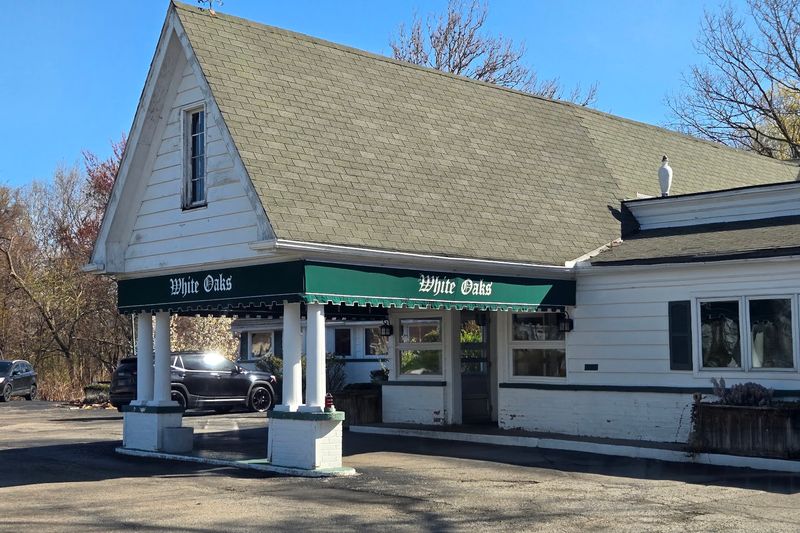
Opening a restaurant in 1928 meant navigating Prohibition’s bizarre rules against alcohol. White Oaks launched right in the middle of that wild era when speakeasies, secret passwords, and creative law-bending defined American dining culture.
Nobody talks much about what really happened here during those years, which just makes the history more intriguing.
After Prohibition ended, White Oaks transformed itself from whatever it was into a legitimate fine dining destination. The building kept its mysterious charm but added sophisticated menus and respectable reputation.
That reinvention proved smarter than clinging to outlaw nostalgia.
Today’s diners appreciate the old-world atmosphere without needing secret knocks or hidden passwords. The restaurant balances historic character with modern expectations beautifully.
Original architectural details remind guests they’re sitting somewhere with genuine stories.
White Oaks shows how smart businesses adapt without abandoning their roots. The Prohibition connection adds spice to the restaurant’s identity without defining it completely.
Places that survive nearly a century learn when to change and when to stay true to what works.
Kewpee Hamburgers — Lima
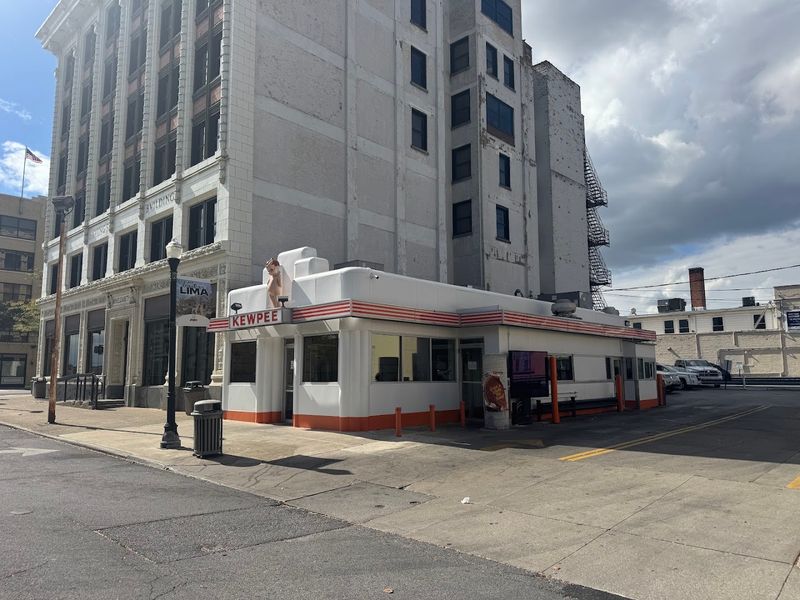
Before fast food chains covered America, places like Kewpee Hamburgers defined what burger joints should be. Since 1928, this Lima landmark has been flipping burgers the old way, with fresh ingredients and no shortcuts.
The counter seating and simple menu feel like visiting a museum of American eating habits.
Kewpee represents something modern chains can never recreate: authentic connections between the people cooking and the people eating. Regular customers know the staff by name.
Conversations happen naturally when everyone sits facing the same direction at a counter.
The burgers taste different because they’re made by people who care about Lima’s reputation, not corporate profits. Fresh beef, real onions, and handmade shakes make simple food memorable.
Nostalgia tastes better when it’s genuine.
Downtown Lima might have changed dramatically since 1928, but Kewpee stayed committed to its original mission. Some businesses chase every trend trying to stay relevant.
This hamburger shop discovered that staying exactly the same could become its greatest strength. Vintage is cool again, and Kewpee never stopped being vintage.
The Saratoga Restaurant — Warren
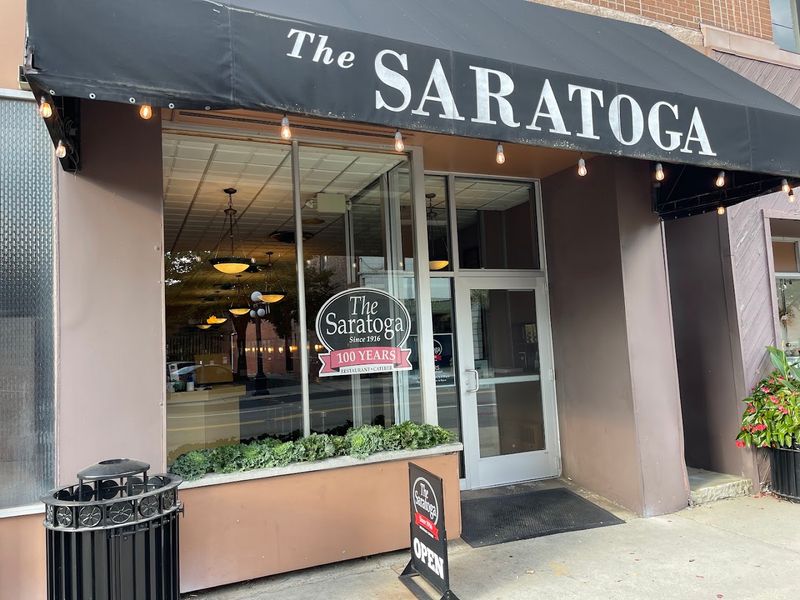
Family-owned since 1916 sounds impressive until you realize what that actually means. The Saratoga has survived through World War I, the Great Depression, World War II, economic collapse, and downtown decline.
Each challenge could have ended the restaurant, but the family refused to quit on Warren.
Downtown restaurants face brutal competition from suburban chains with bigger parking lots and flashier advertising. The Saratoga competed by being the place where memories live.
Grandparents brought their grandchildren to booths they’d sat in as children themselves. Those connections matter more than convenience.
The menu evolved slowly, respecting tradition while adding enough variety to stay interesting. Nothing here tries too hard to impress.
Good food served by people who genuinely care about your experience beats fancy presentation every time.
Warren needed The Saratoga just as much as The Saratoga needed Warren. The restaurant kept downtown dining alive when others gave up.
Walking through these doors means joining over a century of community history. Some places feed your stomach, but special restaurants feed your connection to home.
The Pine Club — Dayton
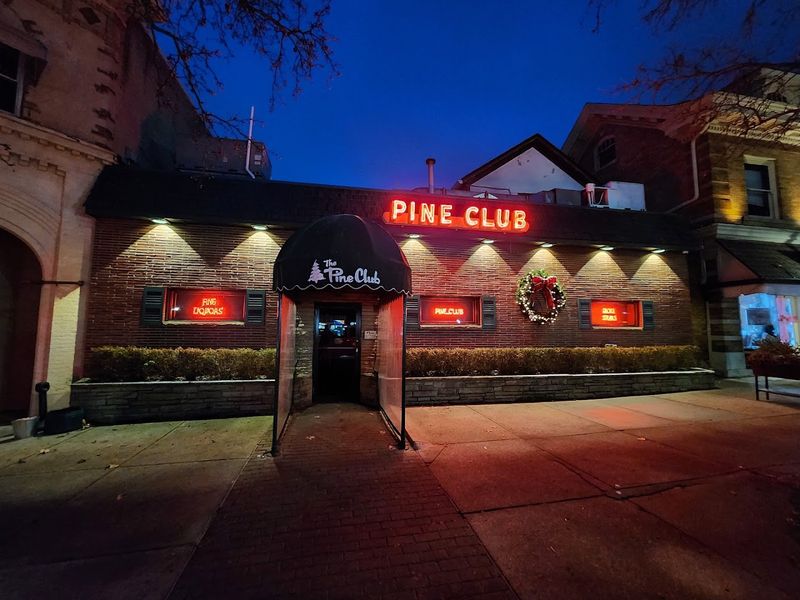
The Pine Club made a bold choice in 1947 and never looked back. While other restaurants constantly redesigned menus, remodeled dining rooms, and chased trends, this Dayton steakhouse decided that classic American steakhouse perfection didn’t need improvement.
That stubborn commitment to tradition became their secret weapon.
Everything here feels intentionally frozen in time. The old-fashioned atmosphere isn’t an act or theme, it’s simply how The Pine Club has always done business.
Waiters bring thick steaks exactly how customers remember them tasting decades ago. Consistency isn’t boring when the food is this good.
Younger diners discovered The Pine Club and fell in love with the experience of eating somewhere genuinely vintage. Nostalgia works best when it’s real, not manufactured.
Corporate steakhouses can’t fake the authenticity that comes from actually being old.
Dayton could have lost this landmark when suburbs pulled people away from older neighborhoods. Instead, The Pine Club proved location matters less than quality and character.
Famous visitors and regular locals both treat this steakhouse like a treasure worth protecting.
The Spot To Eat — Sidney
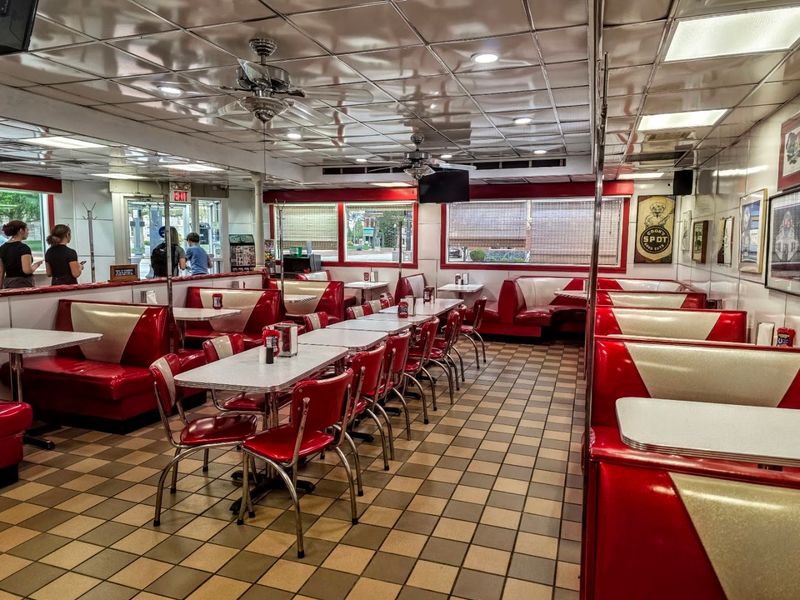
Starting with a simple food stand in 1907 meant The Spot To Eat began about as humbly as possible. No grand plans, fancy investors, or complicated business strategy, just someone selling good food from a basic setup.
That modest beginning makes the restaurant’s survival over a century even more impressive.
Roadside stands usually disappear quickly, replaced by something bigger or forgotten completely. The Spot defied those odds by building trust with Sidney residents one meal at a time.
Eventually, the stand became a permanent building as success demanded more space.
What keeps customers returning after all these years isn’t complicated marketing or trendy menus. The food tastes like home cooking, the prices stay reasonable, and the staff treats everyone like neighbors.
Simple values create lasting businesses.
Sidney residents consider The Spot To Eat part of their personal history. Multiple generations have celebrated birthdays, mourned losses, and shared everyday meals here.
The restaurant’s story represents the classic American dream where hard work and quality create something permanent. Not every food stand becomes a century-old tradition, but this one earned it.
Spread Eagle Tavern & Inn — Hanoverton
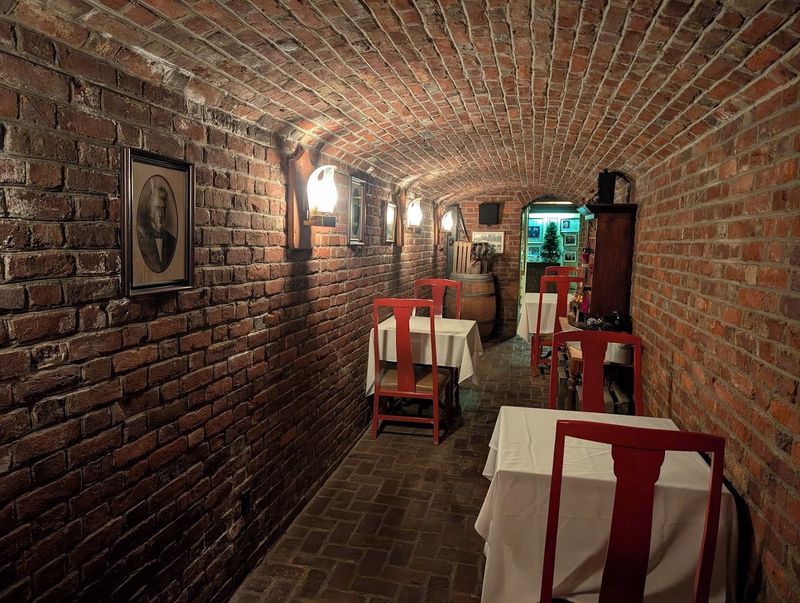
Stagecoaches once pulled up to Spread Eagle Tavern when Ohio was still wild frontier territory. Travelers in the 1800s desperately needed safe places to rest, eat, and hear news from other parts of the young country.
This inn provided all that and more, becoming a vital connection point.
As transportation modernized, old stagecoach stops became obsolete almost overnight. Most disappeared or crumbled into ruins.
Spread Eagle nearly suffered that fate before people recognized the building’s historical value and rescued it from neglect.
The restoration preserved original architectural details that transport diners back to frontier days. Eating here feels like experiencing history instead of just reading about it.
The atmosphere makes every meal feel special and educational simultaneously.
Hanoverton protected this landmark because some buildings deserve saving simply for representing Ohio’s origins. Spread Eagle connects modern diners to their pioneer ancestors in ways museums can’t match.
The tavern succeeded by embracing its age and turning history into the main attraction. Sometimes looking backward creates the most memorable experiences.