Some Massachusetts restaurants didn’t just move into old buildings—they rescued pieces of history from being forgotten.
Across the state, forgotten mills, colonial inns, barns, and industrial spaces have found a surprising second life as unforgettable dining destinations.
Behind every meal at these restaurants is a story of restoration, creativity, and a deep respect for the past. Guests aren’t just sitting down for dinner—they’re stepping inside places where generations worked, gathered, and made memories.
From candlelit historic inns to former mill buildings beside rushing water, these restaurants prove that old spaces can still create new adventures.
Get ready to discover the Massachusetts dining spots where history is always on the menu.
The Old Mill Restaurant — Westminster
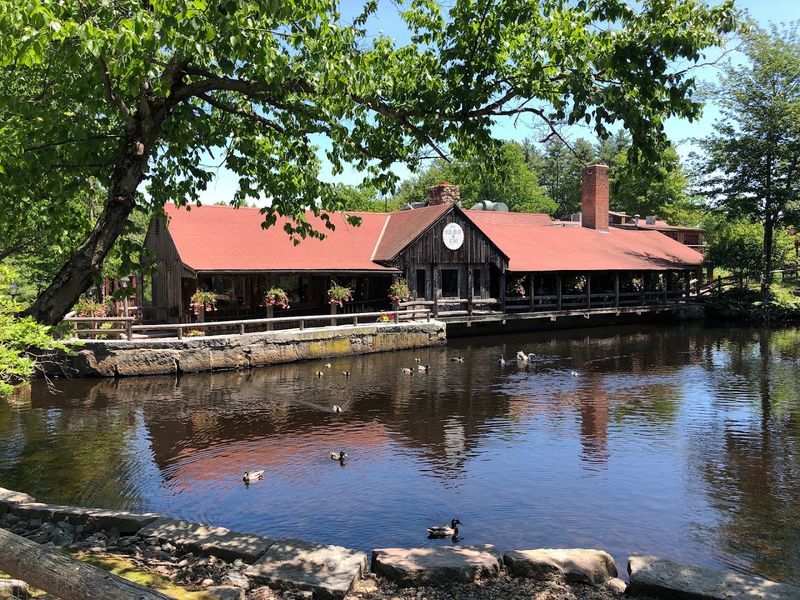
Picture yourself eating dinner while water rushes past original mill wheels that once powered saws cutting timber for colonial homes. The Old Mill Restaurant started as an 18th-century sawmill that helped build the surrounding community before sitting empty and forgotten.
In the 1940s, someone saw potential where others saw decay, transforming the abandoned structure into a dining destination.
The restaurant keeps the sawmill’s authentic character alive in every corner. Original timbers frame the dining rooms, and the sound of flowing water creates a peaceful background for meals.
Guests order classic New England dishes while surrounded by reminders of the building’s working past.
This spot proves that old industrial buildings can become cozy gathering places. The mill that once shaped wood now shapes memories, one meal at a time.
Families come here to experience history they can see, hear, and taste all at once.
The Old Mill Inn — Hatfield
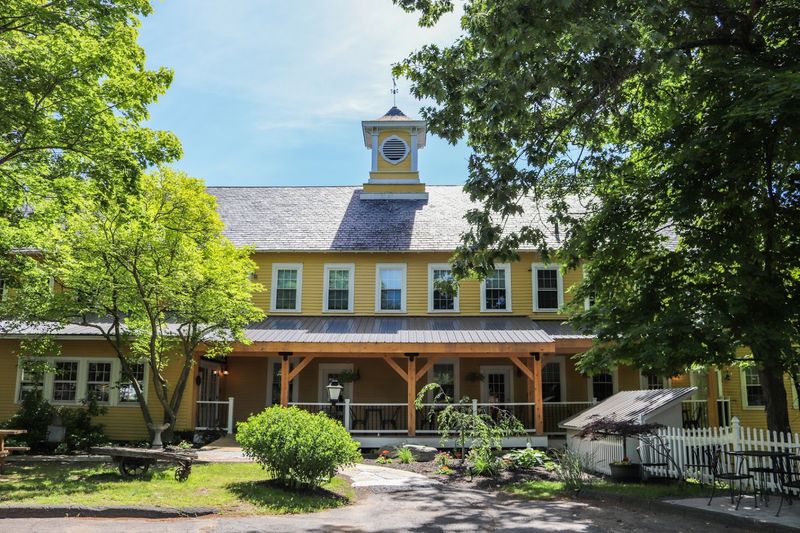
Mills once powered entire communities, grinding grain and sawing lumber to feed and shelter families. The Old Mill Inn sits on one such property along the Mill River, where machinery hummed with economic activity for generations.
When manufacturing moved elsewhere, the buildings faced an uncertain future until hospitality gave them new meaning.
Visitors today find a peaceful retreat where industry once dominated. The transformation carefully preserved the mill site’s connection to the river while creating comfortable spaces for dining and overnight guests.
Stone foundations and water views remind everyone of the building’s hardworking origins.
What makes this place special is how it honors both past and present. The same rushing water that turned mill wheels now provides a serene soundtrack for relaxation.
Guests experience Massachusetts industrial history without textbooks or museums, just good food in a space that refuses to forget its roots.
The Old Inn On The Green — New Marlborough
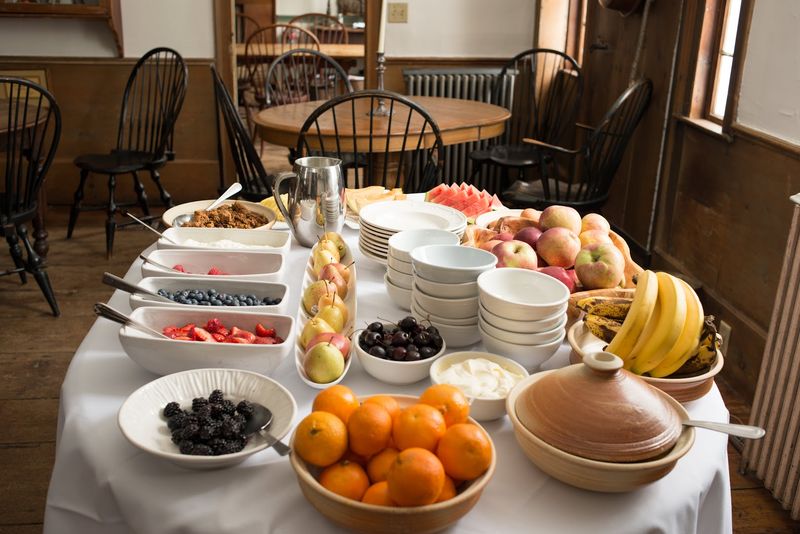
Back when traveling meant bumpy stagecoach rides and muddy roads, this building offered weary visitors a warm bed and hot meal. Constructed in the late 1700s as a stagecoach stop, the property served generations of travelers crossing through the Berkshires.
Eventually, horses gave way to cars, and the building needed a fresh purpose to survive.
Today’s restaurant maintains the inn’s welcoming spirit while serving elevated cuisine. Original fireplaces still warm the dining rooms, and antique details transport guests backward in time.
The colonial atmosphere feels authentic because the building genuinely witnessed American history unfolding outside its windows.
Eating here means participating in a tradition centuries old. The same walls that sheltered Revolutionary-era travelers now frame celebrations and romantic dinners.
This transformation shows how historic buildings stay relevant by adapting while keeping their soul intact, offering modern comfort wrapped in authentic heritage.
Salem Cross Inn — West Brookfield
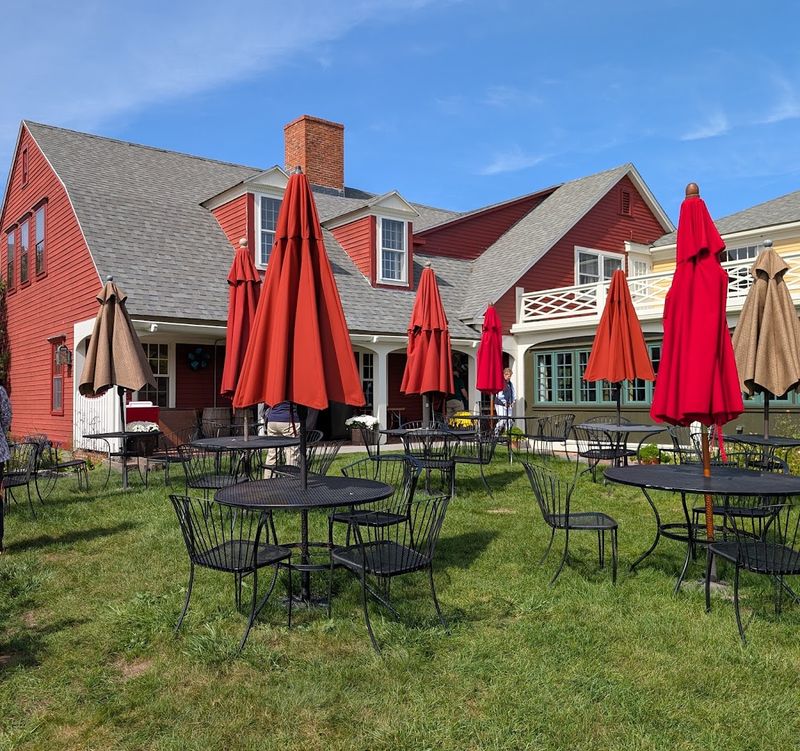
Farmhouses and barns usually meet one of two fates: demolition or abandonment. Salem Cross Inn chose a third path, breathing hospitality into 18th-century agricultural buildings that once stored hay and housed animals.
The owners recognized that these structures held value beyond their original farming purpose.
Colonial character shines throughout the property. Exposed beams, wide plank floors, and historic fireplaces create an atmosphere that fancy new construction can never replicate.
The restaurant became famous for traditional New England cooking served in settings where farmers once gathered for meals after long days working the land.
This spot celebrates rural Massachusetts heritage through food and preservation. Families gather in rooms where colonial families once lived, creating new memories in a genuinely old space.
The transformation proves that agricultural buildings deserve second chances, especially when their bones are strong and their stories worth telling to future generations.
Publick House Historic Inn — Sturbridge
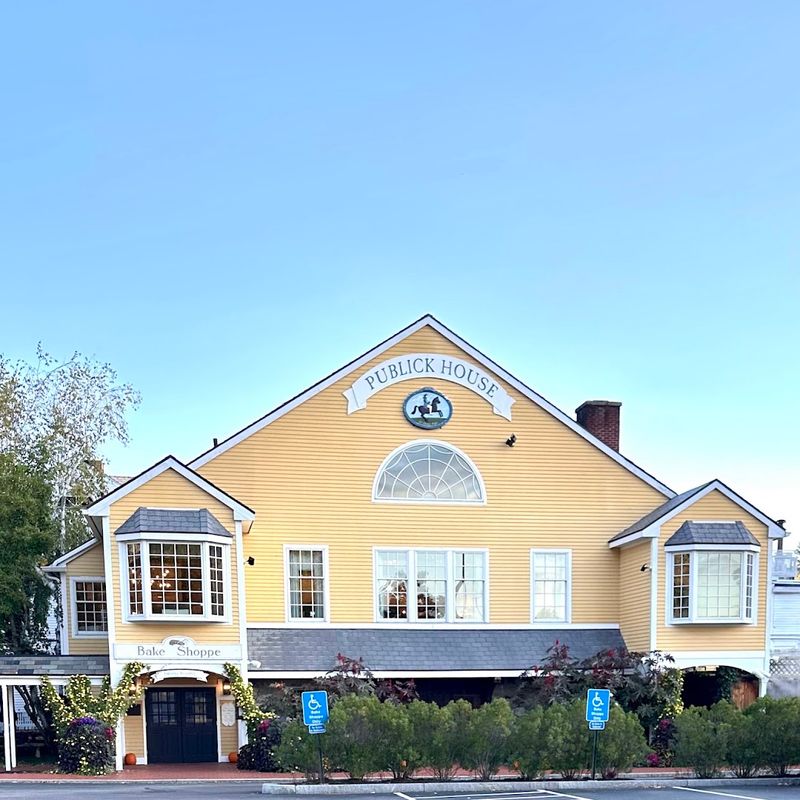
Some buildings never stop doing what they were built for. Publick House has welcomed hungry, tired travelers since the 1700s, making it one of the longest continuously operating hospitality properties around.
When stagecoaches ruled the roads, this inn provided essential services to people moving through central Massachusetts.
The mission remains unchanged even as transportation evolved. Modern guests still find comfortable rooms, satisfying meals, and that special feeling of stepping outside regular time.
Colonial-era atmosphere surrounds diners enjoying traditional New England fare in rooms that have heard centuries of conversation and laughter.
What’s remarkable is the consistency. Instead of chasing trends or abandoning its historic identity, Publick House doubled down on authenticity.
Visitors come specifically because the building offers a genuine connection to the past. The best preservation happens when historic structures keep serving their communities, proving their worth through continued usefulness generation after generation.
Longfellow’s Wayside Inn — Sudbury
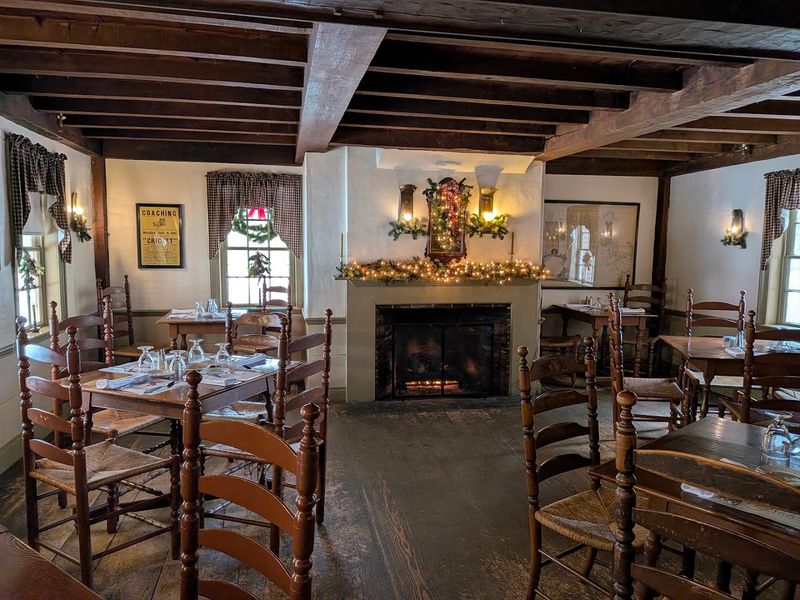
Built as a tavern and inn during colonial times, this building earned fame partly because poet Henry Wadsworth Longfellow wrote about it. The attention helped ensure its survival when many similar structures disappeared.
Generations recognized that some places deserve protection because they represent shared heritage.
Walking through these rooms feels like time travel. The same spaces that served stagecoach travelers now welcome tourists and locals seeking authentic history.
Wood creaks underfoot, fireplaces warm the air, and every corner whispers stories from centuries past.
The restaurant proves that useful buildings rarely need saving because people keep using them. By continuing to serve meals in this historic setting, the inn maintains relevance while honoring its past.
Diners aren’t visiting a museum; they’re participating in living history. The building survives because it remains valuable, not just valuable because it survived, which makes all the difference in successful preservation.
Granary Tavern — Boston
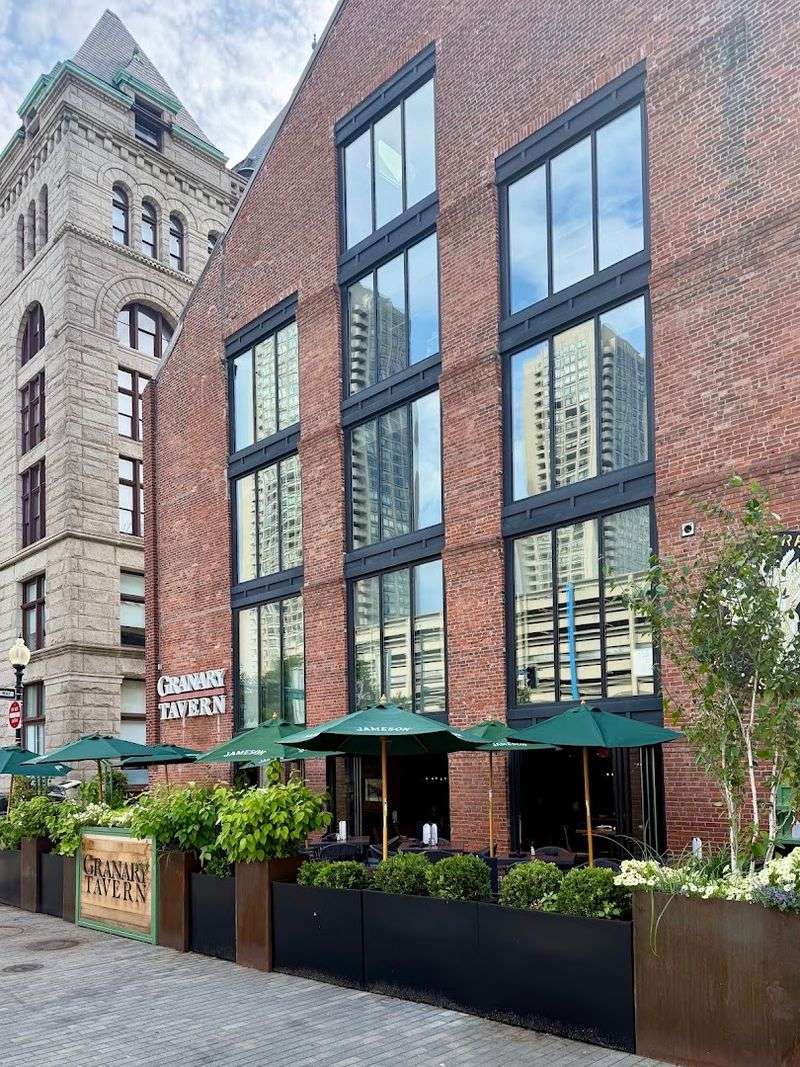
Cities often sacrifice old buildings for shiny new towers. Granary Tavern took a different approach, transforming an early 1800s grain mill into a modern gastropub without erasing its industrial past.
The building once stored grain that fed Boston’s growing population during a period of rapid urban expansion.
Exposed brick walls, massive wooden beams, and granite foundations remain as design features rather than hidden flaws. The restaurant celebrates the building’s working-class origins while creating an upscale dining experience.
It’s proof that historic urban structures can compete with new construction when treated with creativity and respect.
This transformation matters because it shows downtown buildings have options beyond the wrecking ball. The grain mill serves a completely different purpose now, yet its essential character endures.
Bostonians gather here for craft beer and elevated pub food surrounded by authentic history, not theme park replicas. Industrial buildings make surprisingly perfect restaurants once you see past their original purpose.
The Mill — Egremont
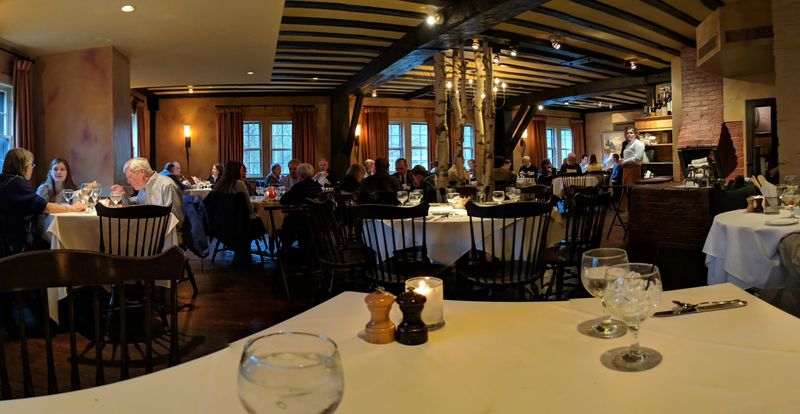
Industrial buildings often sit abandoned once their machinery goes silent. The Mill in Egremont demonstrates how these spaces can become stylish destinations when reimagined thoughtfully.
Located in a structure connected to the Berkshires’ milling history, the restaurant maintains industrial character while serving contemporary American cuisine.
Mill buildings were designed for function, not beauty, yet their honest construction creates appealing dining spaces. High ceilings, sturdy timbers, and authentic materials give the restaurant personality that new construction struggles to replicate.
Diners appreciate the connection to local history while enjoying modern culinary creativity.
This place shows that adaptive reuse works best when respecting original purpose. The owners didn’t try disguising the mill’s industrial past; they highlighted it.
Exposed structural elements become conversation starters, and the building’s history adds depth to every meal. Communities benefit when old industrial properties transform into gathering places, creating jobs and preserving heritage simultaneously while proving yesterday’s factories can become tomorrow’s favorite restaurants.
The Old Grist Mill Tavern — Seekonk
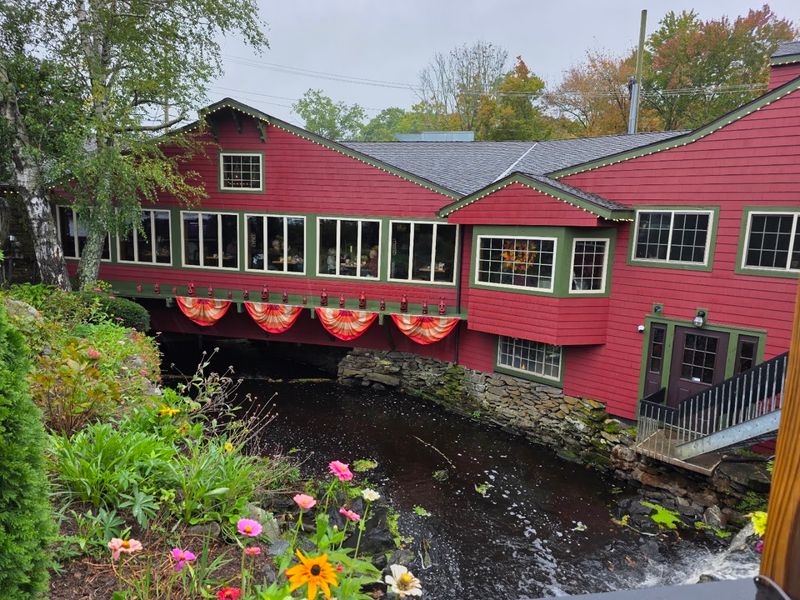
Grist mills ground grain into flour that fed entire communities before industrial milling took over. The Old Grist Mill Tavern celebrates this agricultural heritage by transforming a building connected to that history into a welcoming restaurant.
The mill-inspired setting reminds diners how food production once looked before supermarkets and factory farms.
Walking inside feels like stepping into Massachusetts’ farming past. The restaurant design honors the grist mill legacy while serving a traditional American menu.
Details throughout the space reference the building’s original purpose, creating educational moments alongside enjoyable meals.
This transformation highlights why agricultural buildings deserve preservation. They represent how communities once fed themselves, stories worth remembering as we become further removed from food production.
The tavern succeeds because it doesn’t just occupy an old building; it actively celebrates and explains its history. Guests leave with full stomachs and greater appreciation for the infrastructure that sustained earlier generations, making every meal a small history lesson.
The Whately Inn — Whately
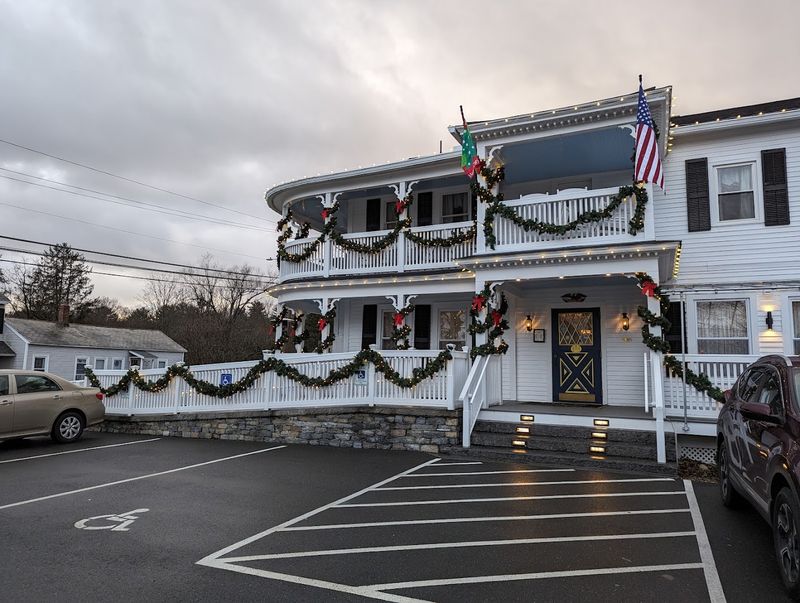
Country inns served as community hubs long before towns built formal gathering spaces. The Whately Inn occupied this role for generations, providing a place where neighbors celebrated, mourned, and connected.
When the building needed new purpose, transformation into a restaurant and event venue made perfect sense.
The property maintains its welcoming character while adapting to modern needs. Weddings, celebrations, and regular diners fill rooms that once hosted similar events decades ago.
Traditional New England inn charm persists throughout, offering authenticity that newer venues cannot manufacture regardless of their decoration budgets.
What stands out is continuity. This building served the community in the past and continues serving it today, just with updated menus and amenities.
The inn proves that historic properties stay relevant when they remain useful. Preservation succeeds best when buildings keep contributing to daily life rather than becoming frozen museums.
Every celebration held here honors both the occasion and the countless similar moments these walls have witnessed throughout their long, useful life.
The Deerfield Inn / Champney’s Restaurant & Tavern — Deerfield
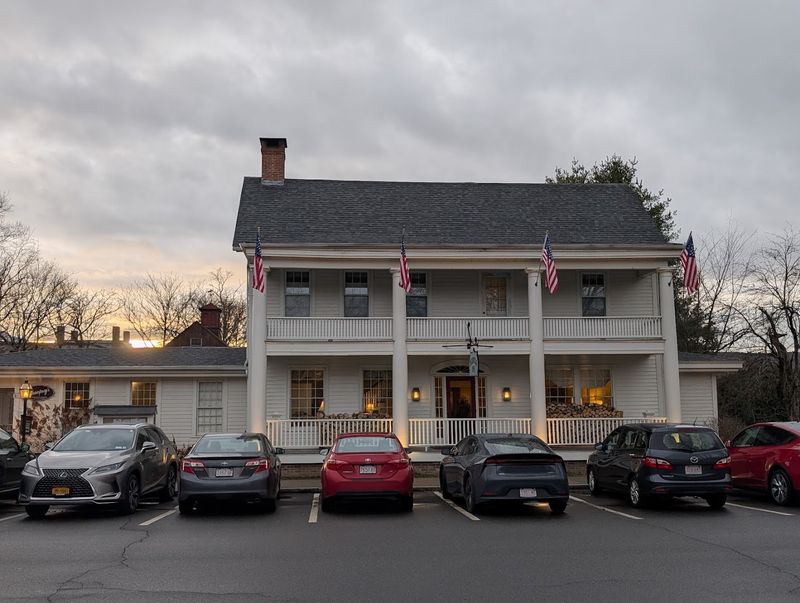
Historic Deerfield village preserves colonial New England architecture like few other places. The Deerfield Inn fits perfectly within this protected landscape, continuing traditions of hospitality that stretch back generations.
The building has welcomed travelers throughout its existence, making the current restaurant a natural continuation rather than dramatic reinvention.
Champney’s Restaurant serves regional cuisine in surroundings that transport diners to earlier eras. Colonial atmosphere isn’t staged here; it’s authentic because the building and surrounding village genuinely preserved their historic character.
Every meal comes with a side of living history.
This inn demonstrates how preservation works when entire communities commit to it. Individual buildings matter, but context matters more.
The restaurant succeeds partly because diners approach through historic streets lined with centuries-old structures. Eating here means participating in ongoing history, not visiting a isolated historic site.
The inn remains valuable because it never stopped serving its original purpose, just adapted its offerings to meet changing expectations while keeping its essential soul intact.