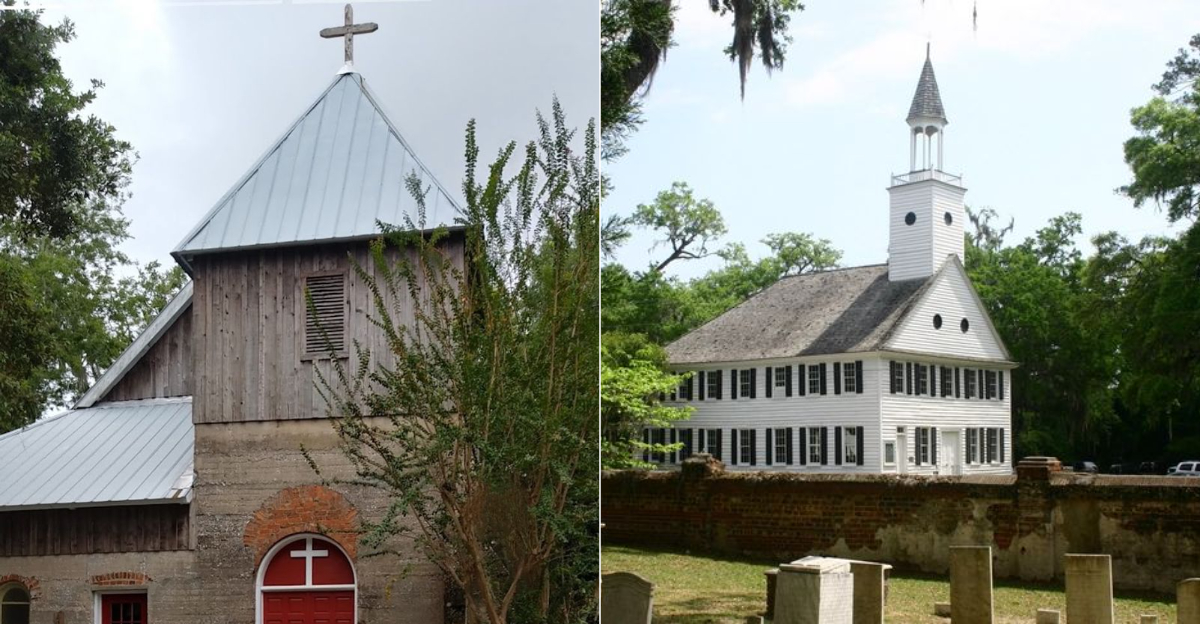
Some of Georgia’s most meaningful landmarks are the ones you might drive past without realizing the stories they hold. Behind quiet doors, stained-glass windows, and historic walls are places that have witnessed generations of faith, creativity, and community life.
Across Georgia, historic churches reveal a side of the state that goes beyond its well-known attractions. From grand urban sanctuaries to small-town treasures, these buildings preserve moments of history through their architecture, artwork, and connections to the people who built and cared for them.
Visiting these churches offers a chance to slow down and discover the details that often go unnoticed, from handcrafted interiors to peaceful grounds filled with memories. Explore 12 Georgia churches that prove some of the state’s greatest treasures are hidden in plain sight, each with a story waiting to be uncovered.
Christ Church Episcopal
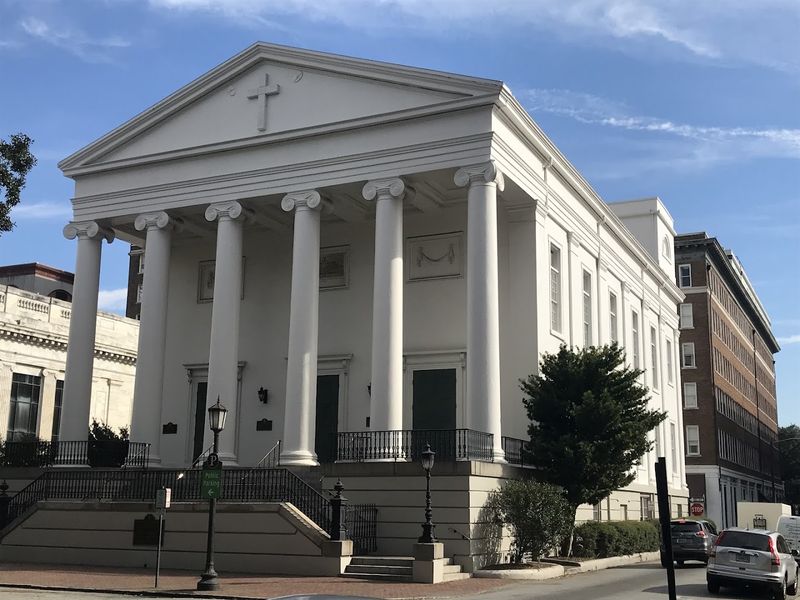
Morning in Savannah can feel almost theatrical, with oak shadows sliding across the square and carriage wheels clicking in the distance. In that setting, Christ Church Episcopal appears with calm confidence, its pale exterior and graceful steeple fitting naturally into the old city streets.
Later, when you learn the parish dates to 1733 and the present building to 1838, the place feels even weightier. It stands at 28 Bull Street near bustling squares, yet the mood inside is quieter, shaped by polished wood, historic details, and a sense of continuity.
What makes a stop here rewarding is how easily it connects grand history to an everyday walk. Pair your visit with coffee on nearby Broughton Street or a slow stroll through Chippewa Square.
Savannah has louder attractions, but this church rewards the traveler who notices what has been waiting in plain sight for centuries.
The Cathedral Basilica of St. John the Baptist
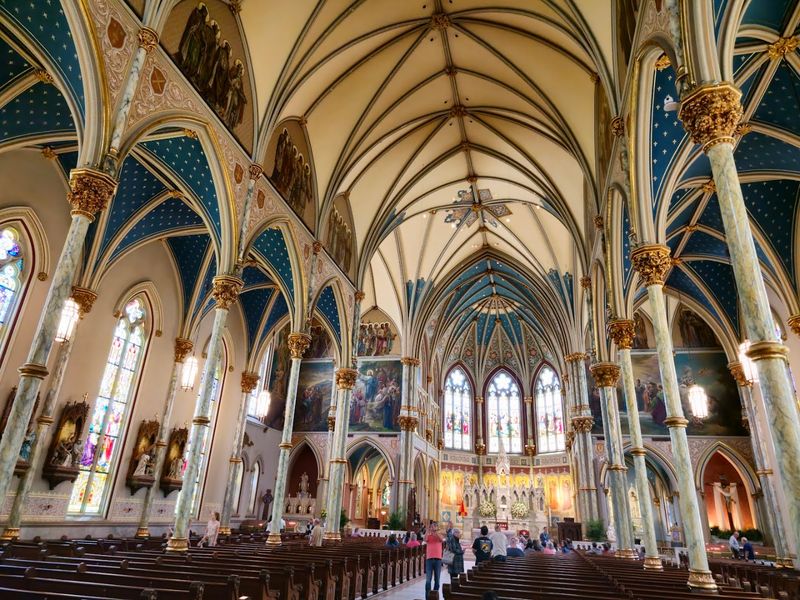
Few places in Georgia create instant awe quite like the moment those twin spires rise above Savannah’s streets. The Cathedral Basilica of St. John the Baptist feels almost transported from Europe, yet it belongs completely to the city’s warm light, brick sidewalks, and slow-moving squares.
Step closer and the details start to pile up: pointed arches, carved accents, and stained glass that changes mood with the sun. Built between 1876 and 1899 at 222 East Harris Street, the cathedral offers one of the most dramatic interiors in the state.
Even travelers who are not architecture buffs usually pause here longer than expected. Afterward, it is easy to continue exploring Forsyth Park or find lunch at a nearby cafe, but the memory tends to stay fixed on the ceiling and color overhead.
Savannah hides beauty well, and this church proves that sometimes the biggest surprise is also one of the city’s most visible landmarks.
First African Baptist Church
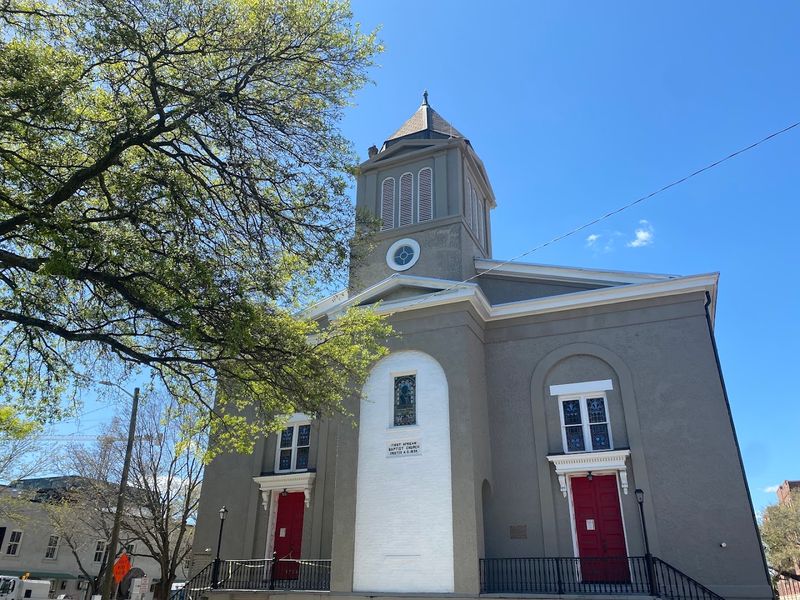
Some buildings ask for quiet before you even cross the threshold. First African Baptist Church in Savannah carries that kind of presence, shaped not just by age but by the courage, faith, and endurance tied to its long story.
The congregation began in 1773, and the current building from 1859 stands on Montgomery Street with deep historical meaning. Visitors often come for the architecture, then leave thinking about the generations of Black worshippers whose lives helped shape both the church and the city around it.
Pay attention to the details during a visit, especially the sanctuary’s atmosphere and the sense of purpose still felt in the space. Nearby Savannah landmarks may pull crowds, yet this stop offers something harder to find: perspective.
A day that includes River Street, local seafood, and shaded squares becomes richer when it also includes a place that tells a truer, fuller story about Georgia and the people who built it under impossible conditions.
Independent Presbyterian Church
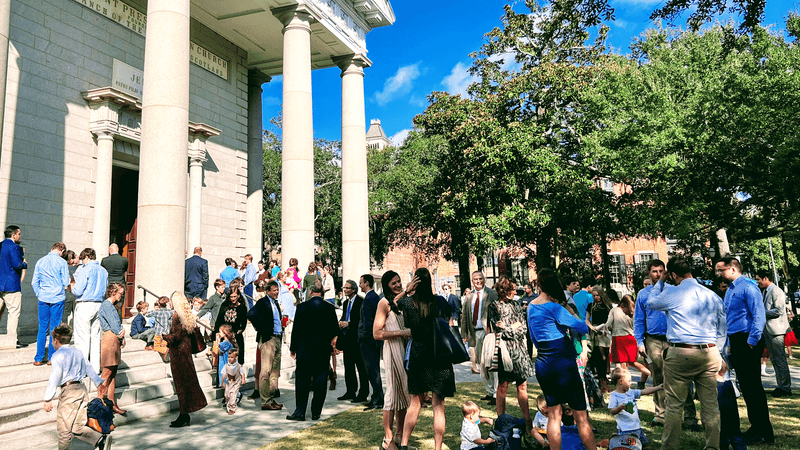
There is something satisfying about finding stillness on a busy street. Along Savannah’s famous Bull Street corridor, Independent Presbyterian Church stands with a kind of steady dignity, its historic presence balancing the movement of tourists, traffic, and everyday city life.
The congregation dates to 1755, while the current building was completed in 1891. Seen from the sidewalk at 207 Bull Street, the church looks formal and grounded, but inside and around it, the mood becomes more reflective, as if the city briefly lowers its voice.
A visit works especially well between stops at nearby squares, shops, and museums because it shifts your pace without taking you far from the action. Notice the architecture, then notice the contrast: old faith, modern Savannah, one space holding both.
Grab lunch downtown afterward or continue walking south toward Forsyth Park. Places like this rarely demand attention, yet they quietly improve the whole experience of a city by reminding you how many layers can stand on one block.
Midway Congregational Church
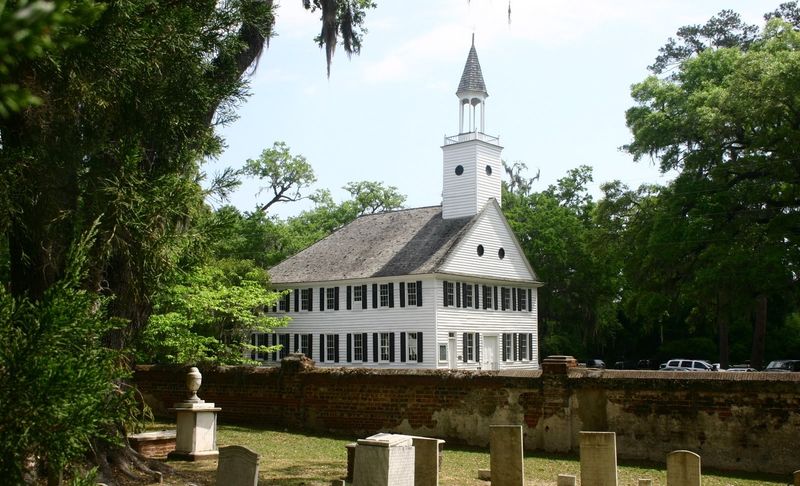
Wind moves differently near the coast, and at Midway it seems to carry old voices with it. Midway Congregational Church rises from a quiet landscape where the churchyard, trees, and broad sky make the whole setting feel older than the road leading there.
Built in 1792 at 401 North Coastal Highway, this church is deeply tied to Georgia’s early story. The cemetery around it holds graves of colonial-era figures, and walking among the stones can feel less like sightseeing and more like stepping into a chapter of state history.
What stays with visitors is the peacefulness. There is no rush, no need to perform your interest, just time to look carefully and let the place reveal itself.
Pair the stop with a drive toward the coast or a meal in nearby Liberty County, and the day takes on a slower rhythm. Not every treasure is flashy.
Some are simple white walls, weathered markers, and a silence that somehow says more than a crowded museum ever could.
Old Church
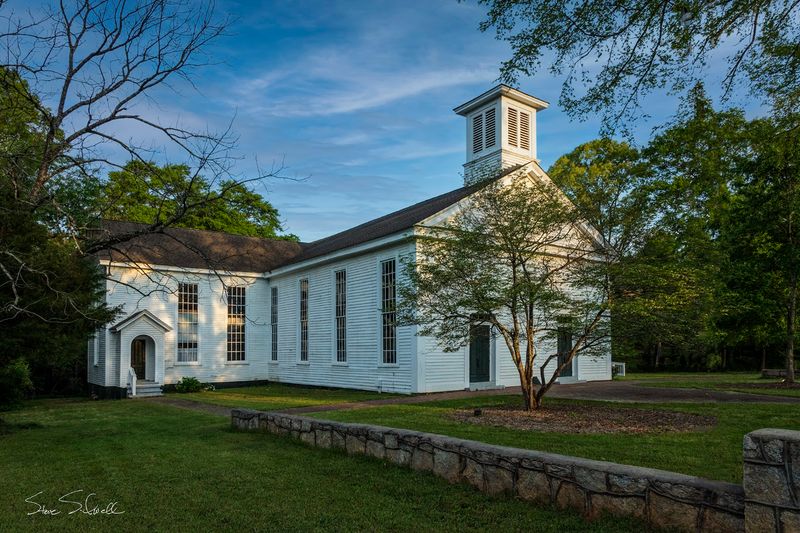
Not every memorable church arrives with towering spires and dramatic stone. In Oxford, the charm of Old Church comes from its simplicity, the kind that makes you slow down and notice how beautiful a plain building can become when history settles into every board.
Standing at 1011 Wesley Street, this 1841 Methodist church reflects the spirit of an earlier Georgia. The surrounding town adds to the feeling, with quiet streets, academic calm, and a landscape that seems made for unhurried walks and thoughtful pauses.
Visitors who like grand decoration may be surprised by how much this place offers through restraint. The appeal is in the atmosphere, not spectacle.
Combine a stop here with time around Oxford College, then grab a bite in nearby Covington if you want more energy after the stillness. Georgia has many loud attractions competing for attention, but Old Church makes a quieter case for itself.
It shows how a simple room, preserved with care, can hold the memory of generations without needing anything flashy.
Basilica of the Sacred Heart of Jesus
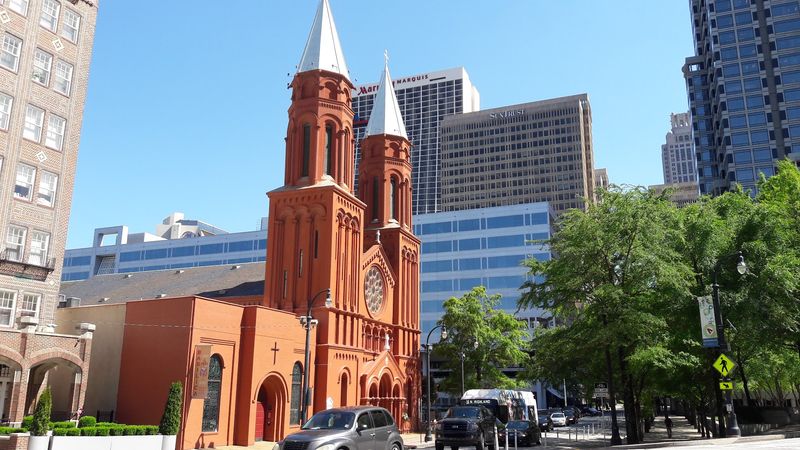
Downtown Atlanta moves fast, which makes moments of beauty feel even sharper when they appear. The Basilica of the Sacred Heart of Jesus rises from Peachtree Street with rich brickwork and rounded arches, offering a pocket of grandeur in the middle of the rush.
Completed in 1898 at 353 Peachtree Street Northeast, the church is one of the city’s most striking historic buildings. Its Romanesque Revival design gives it a different personality from Savannah’s Gothic landmarks, warmer in color and grounded in bold curves and strong lines.
A visit here works well when you need a break from traffic, glass towers, and packed schedules. Step inside, let your eyes adjust, and the city suddenly feels farther away.
Afterward, continue downtown for lunch, a museum stop, or a walk through nearby streets where old Atlanta still peeks through. The basilica matters because it reminds visitors that the city’s history was not erased by growth.
Some of its finest treasures are still standing right where people hurry past them every day.
Shrine of the Immaculate Conception
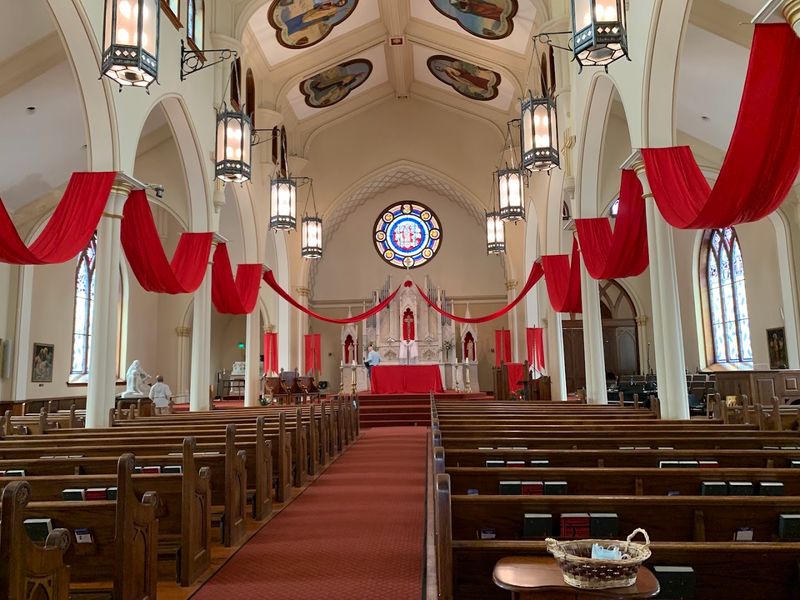
In a city known for reinvention, survival can be its own kind of wonder. The Shrine of the Immaculate Conception stands in downtown Atlanta as a reminder that some buildings endured the hardest chapters and still continue their daily life with quiet strength.
Located at 48 Martin Luther King Jr Drive Southwest, the church dates to 1873 and remains one of Atlanta’s oldest surviving religious structures. That fact alone makes it notable, but the real interest comes from seeing it against the backdrop of a city that has changed around it again and again.
Visitors can feel that contrast immediately. Modern offices and traffic create one rhythm outside, while the church offers a slower one within.
Consider pairing your stop with nearby civil rights sites to build a fuller picture of Atlanta’s past. The result is not just a tour of landmarks but a deeper understanding of endurance.
Hidden treasures are not always hidden by distance. Sometimes they are hidden by familiarity, waiting behind busy intersections and everyday routines.
St. Peter’s Episcopal Church
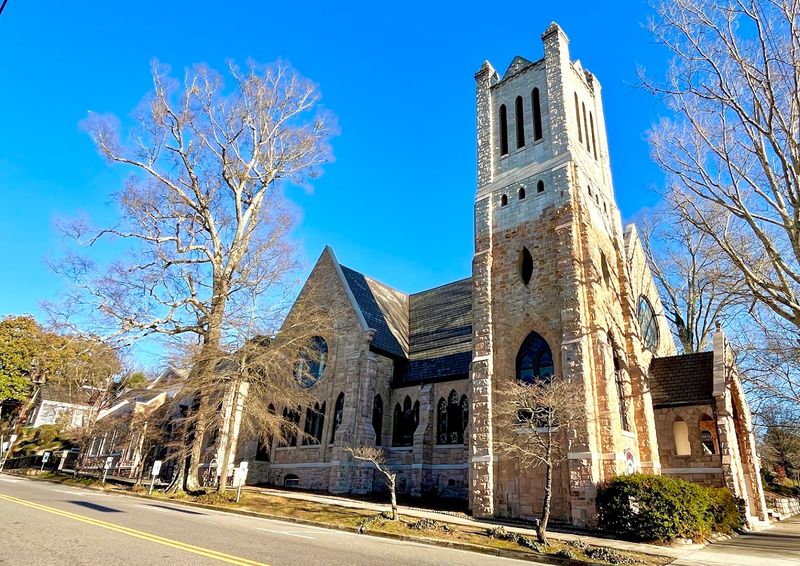
Rome has a way of feeling both lively and relaxed, and that balance suits St. Peter’s Episcopal Church perfectly. Set among the city’s historic fabric, it offers the kind of beauty that unfolds slowly, rewarding people who enjoy looking past storefronts and traffic signals.
Founded in the 1850s and located at 101 East 4th Avenue, St. Peter’s connects to Rome’s early development in a very direct way. Traditional Episcopal architecture, long community history, and the church’s downtown setting give it a grounded, welcoming character that feels deeply local.
A good visit here is less about checking off a famous sight and more about letting the city reveal itself block by block. Spend time nearby at local shops, walk toward the river, or grab lunch downtown before stepping into the church’s calmer atmosphere.
That contrast is part of the appeal. St. Peter’s may not shout for attention, but it adds depth to Rome’s story and gives travelers a richer sense of the place than a quick drive-through ever could.
Historic St. George’s Episcopal Church
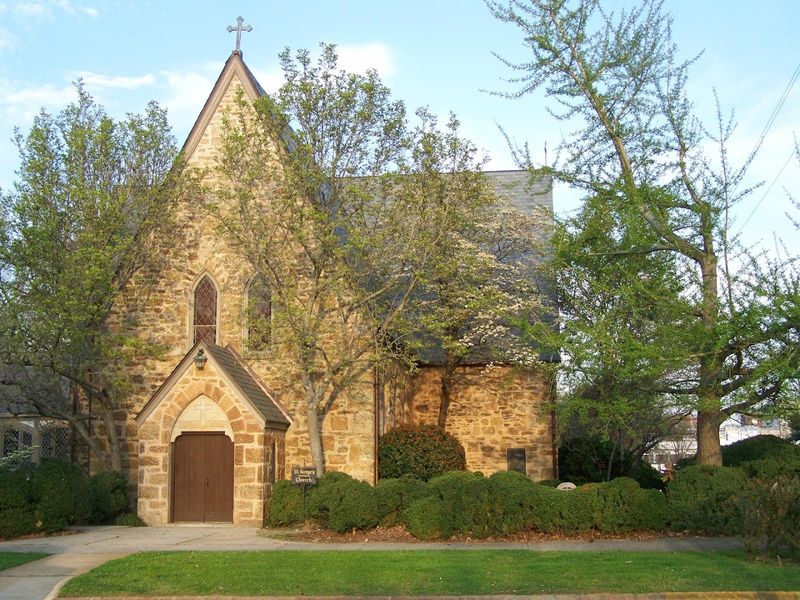
Some towns keep their elegance in small, careful ways. In Griffin, Historic St. George’s Episcopal Church feels like one of those details that quietly holds the whole streetscape together, giving the area a sense of age, order, and human scale.
Built in 1859 at 132 North 10th Street, the church reflects the charm of Georgia’s small-town historic architecture. Its appeal is not flashy.
Instead, it comes from proportion, setting, and the way the building seems to belong completely to the rhythm of Griffin.
Visitors often remember the atmosphere as much as the architecture. The slower pace, nearby downtown blocks, and old trees help create a setting where you can imagine another century without much effort.
Pair the stop with coffee from a local shop or a walk through Griffin’s historic district, and the church becomes part of a fuller experience rather than a standalone photo stop. Places like St. George’s matter because they show how beauty can survive in ordinary settings, waiting quietly behind familiar streets and daily routines.
Old Stone Church
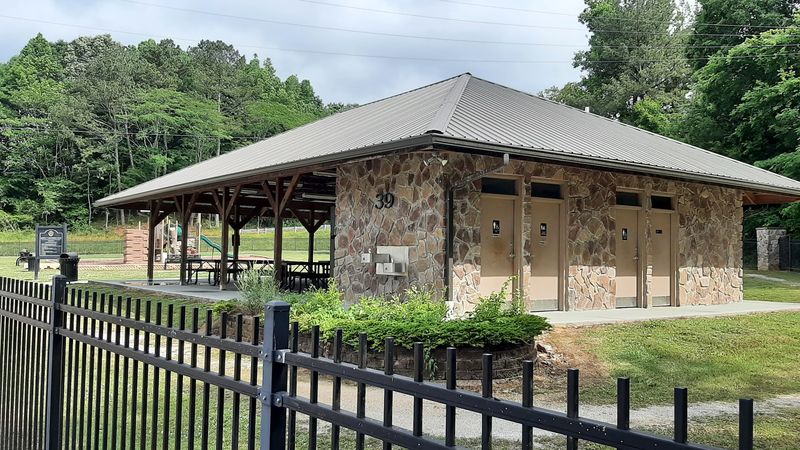
Stone changes the mood of a church. It feels tougher, earthier, and a little more stubborn against time.
In Ringgold, Old Stone Church stands with that exact character, its solid walls making an immediate impression before you know anything about the building’s long life.
Built in 1850 at 41 Old Catoosa Parkway, the church remains one of northwest Georgia’s memorable historic landmarks. The use of local stone gives it a strong regional identity, as if the surrounding landscape rose up and shaped itself into a place of worship.
There is pleasure in simply walking around the exterior and noticing texture, color, and craftsmanship. The setting also makes it easy to connect the stop with a broader day in the area, whether that means exploring nearby history sites, enjoying mountain views, or grabbing a casual meal in town.
Old Stone Church feels different from coastal Georgia’s polished sanctuaries, and that contrast is part of why it belongs on this list. It shows another side of the state’s hidden beauty, sturdy and quietly unforgettable.
St. Cyprian’s Episcopal Church
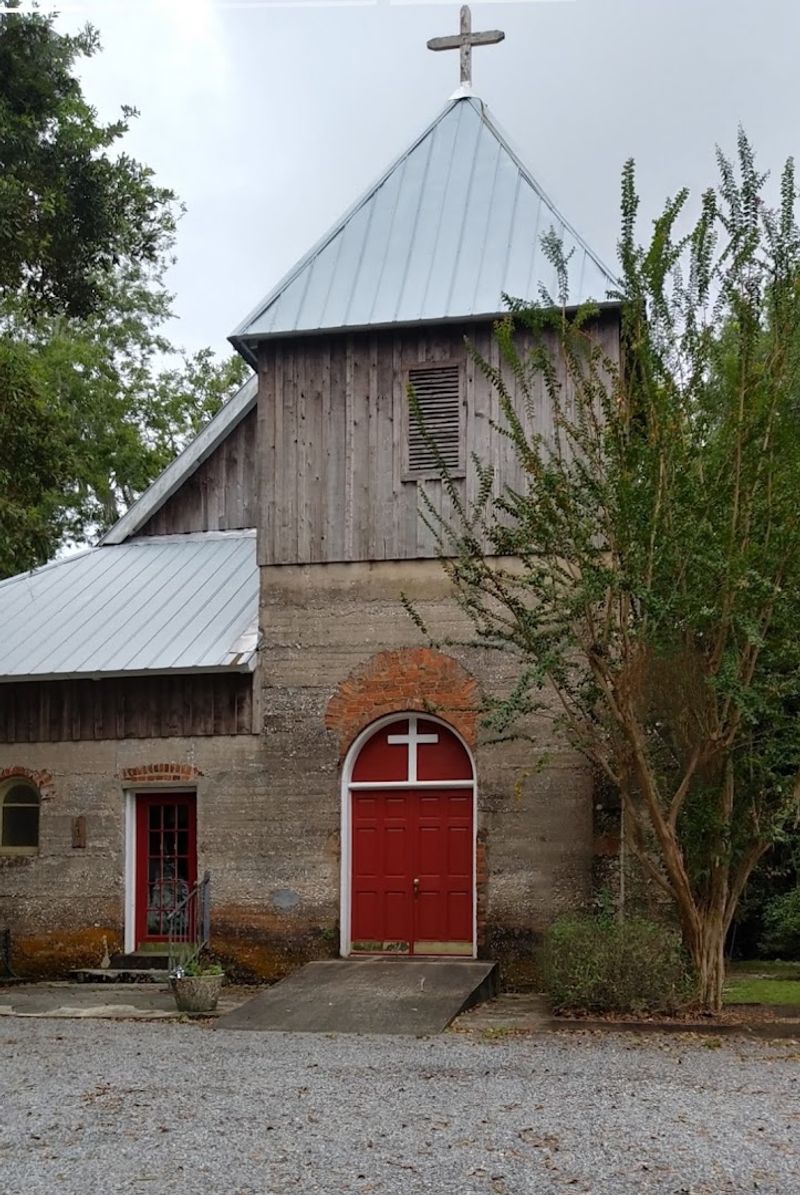
Coastal Georgia often feels sunlit and breezy, but some of its deepest stories are carried in quieter places. St. Cyprian’s Episcopal Church in Darien is one of them, a landmark whose modest appearance holds a powerful record of community, faith, and resilience.
Built in 1876 at 401 Fort King George Drive, the church represents the growth of African American Episcopal life after the Civil War. That history gives the site real emotional force, especially in a coastal town where landscape, memory, and survival are so closely linked.
What makes the visit meaningful is the way it adds depth to Darien beyond its waterfront charm. After seeing the church, spend time near the marshes, visit Fort King George, or sit down for local shrimp and grits.
The wider area becomes easier to understand when you include places that tell the fuller human story. St. Cyprian’s does not compete for attention with flash or size.
Its importance comes from what it has witnessed and what it still represents today.