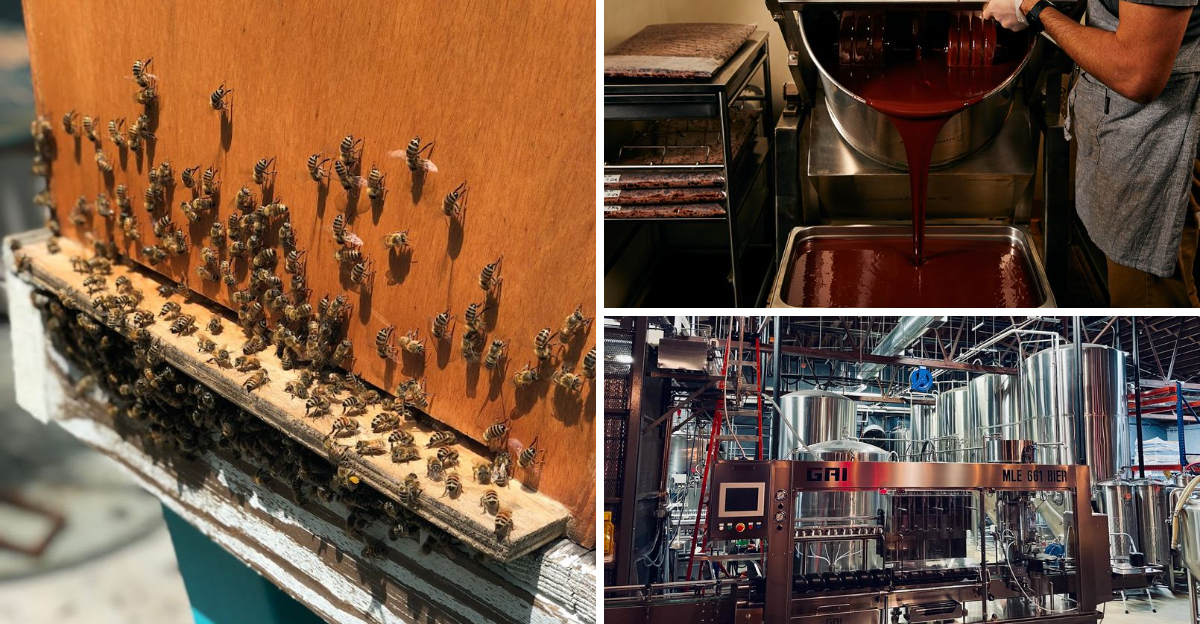
The best souvenirs in Georgia aren’t always found in gift shops—they’re found on the factory floor. Watching fresh peaches roll down a packing line or seeing beer flow from giant brewing tanks gives everyday products a whole new story.
Once you’ve seen how they’re made, you’ll never look at them quite the same way.
Behind every bottle, jar, and bag is a process filled with skill, precision, and plenty of hands-on work. These tours pull back the curtain, letting you experience the sights, sounds, and even the aromas of local production as it happens.
You’ll find family farms, historic mills, craft breweries, distilleries, and specialty food makers scattered across the state. Each stop offers a different perspective on Georgia’s rich manufacturing heritage while introducing the people who keep these traditions alive.
If you love discovering places that most travelers overlook, this list belongs on your road trip plans.
These ten Georgia factory tours prove that some of the state’s most memorable experiences happen far from the usual tourist attractions.
SweetWater Brewing Company (Atlanta)
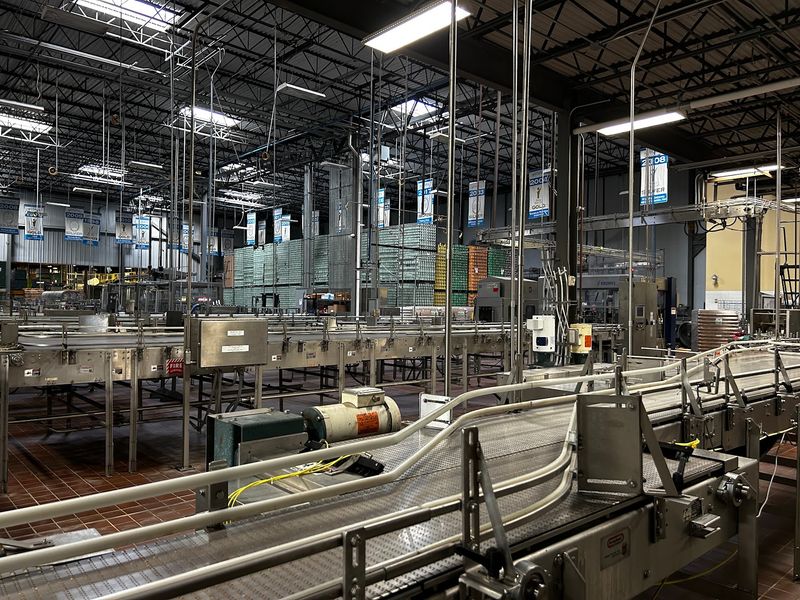
Walking through the brewhouse at SweetWater feels like stepping into a liquid laboratory where science meets art. The massive stainless steel tanks tower overhead while the sweet smell of brewing grains fills the air.
You’ll follow the entire journey from raw ingredients to finished beer, watching each careful step.
The fermentation cellar reveals enormous vessels where yeast works its magic, transforming simple sugars into the craft beer Atlanta loves. Guides explain temperature controls, timing, and the delicate balance required to create consistent flavors.
The packaging line moves at impressive speeds, filling and capping hundreds of bottles per minute.
What makes this tour memorable is seeing how a local company grew from a small operation into one of Georgia’s most recognized breweries. You’ll understand why quality control matters and how much testing goes into every batch.
The tasting room at the end lets you sample the fruits of all that labor, connecting flavor to the process you just witnessed.
Dickey Farms Packing House (Musella)
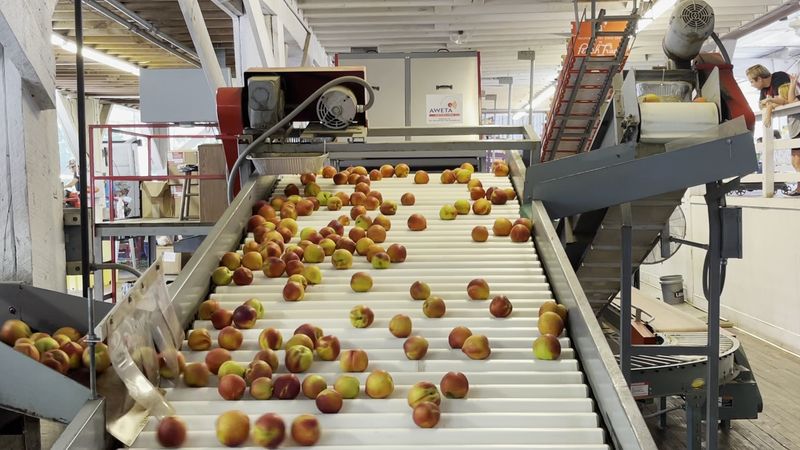
Few things say Georgia like fresh peaches, and watching them get packed at Dickey Farms connects you straight to the source. During peak season, the packing house buzzes with activity as thousands of peaches move through washing stations.
Each piece of fruit gets individual attention, even on the busiest days.
The grading process is fascinating because workers sort peaches by size, color, and ripeness with practiced eyes. Cooling systems keep the fruit fresh while it waits for shipment to stores across the country.
You’ll see how much care goes into protecting each peach from bruising during handling and transport.
This tour stands out because it shows real agricultural production, not just manufacturing. The seasonal nature means timing your visit matters, typically between May and August.
You leave understanding why Georgia peaches cost what they do and appreciating the farm families who’ve perfected this craft over generations. Plus, you might snag some perfectly ripe fruit to take home.
Creature Comforts Brewing Co. (Athens)
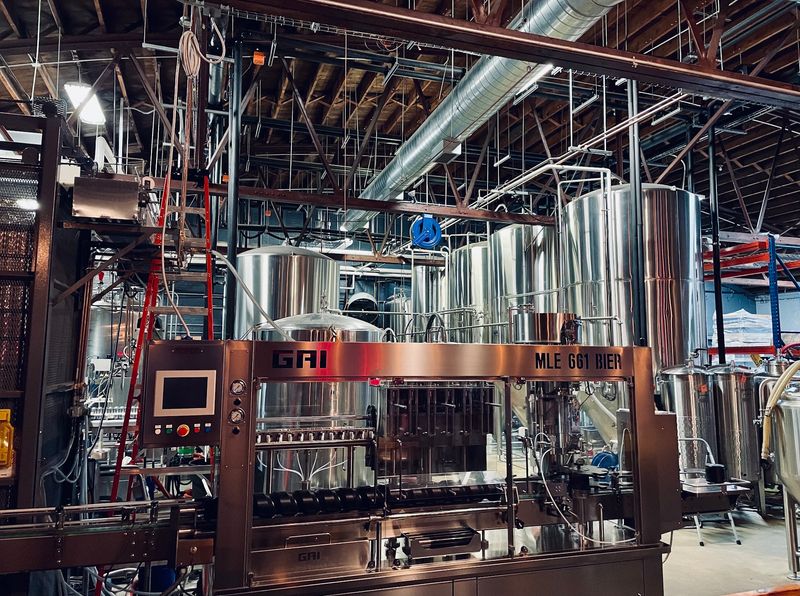
Athens knows good music, and apparently it knows good beer too. Creature Comforts has turned brewing into an art form that rivals any college town’s creative scene.
The facility blends industrial function with thoughtful design, making even the production floor visually appealing.
Your guide walks you through fermentation science without making it feel like a chemistry class. They break down complex processes into simple terms, explaining how different hops create different flavors.
The packaging area demonstrates how cans get filled, sealed, and labeled with the colorful artwork that makes their products stand out on shelves.
What sets this tour apart is the passion everyone working here clearly feels about craft brewing. They’ll tell you stories about recipe development and how they chose their distinctive name.
The atmosphere encourages questions, and guides genuinely enjoy sharing their knowledge with visitors. By the end, you’ll recognize the difference between mass production and craft brewing, understanding why local breweries matter to their communities and economies.
Richland Rum Distillery (Richland)
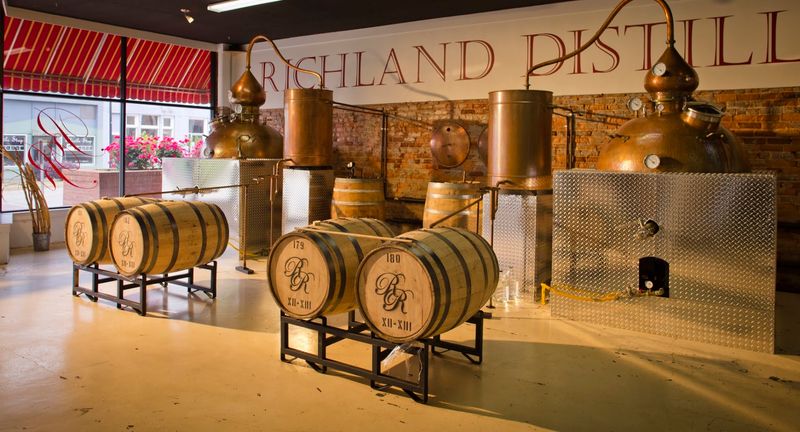
Did you know Georgia produces award-winning rum? Richland Rum Distillery proves that Caribbean spirits can flourish in the American South.
The distillery occupies a converted historic building where sugarcane transforms into smooth, sippable spirits through carefully controlled processes.
The tour begins with raw materials and fermentation, explaining how sugar becomes alcohol through natural yeast activity. Then you’ll see the copper stills where distillation concentrates the alcohol and develops flavor.
The barrel aging room might be the most impressive stop, with rows of oak casks slowly mellowing the rum over months or years.
Temperature and humidity in Georgia create unique aging conditions different from tropical climates where rum traditionally comes from. Guides explain how this affects flavor development and why their product tastes distinctly Georgian.
The bottling area shows the final steps before products reach consumers. You’ll appreciate how much time and expertise goes into each bottle, understanding that good spirits can’t be rushed regardless of modern technology or production shortcuts.
Savannah Bee Company Honey Factory (Savannah)
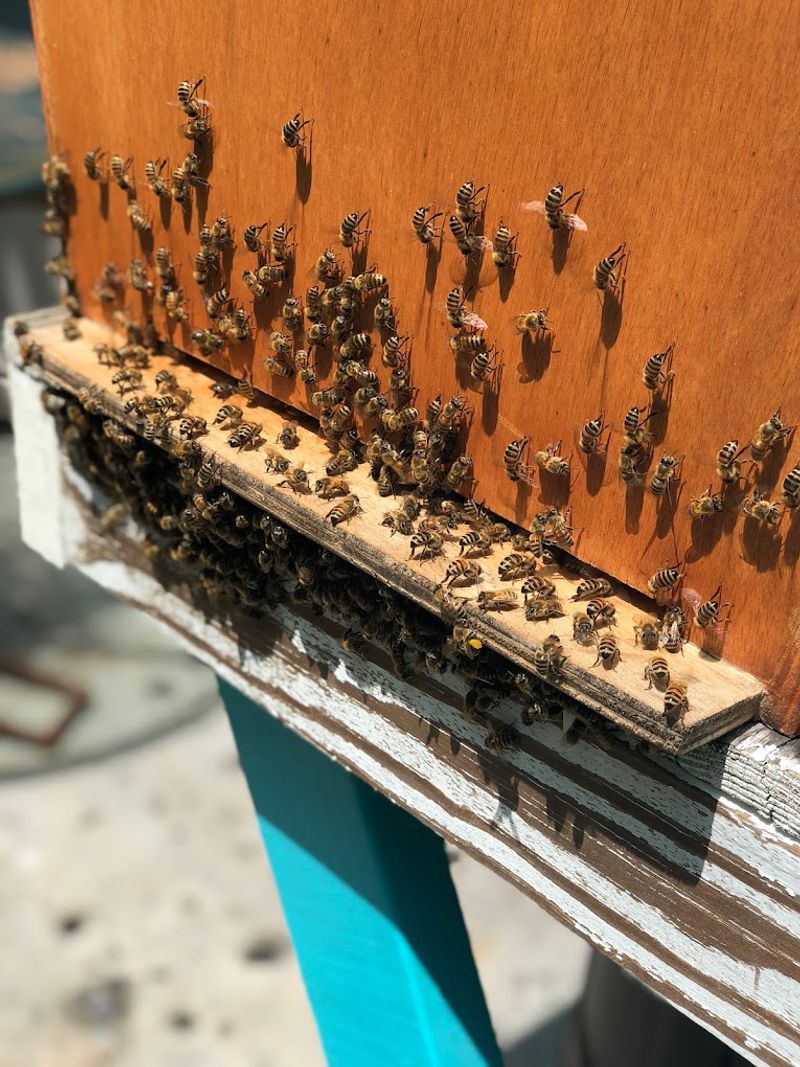
Honey production turns out to be way more complicated than you’d imagine. The Savannah Bee Company’s facility reveals exactly what happens between hive and jar, showcasing machinery that gently extracts liquid gold from honeycombs.
Workers monitor every step to preserve the honey’s natural qualities and beneficial properties.
The extraction process uses centrifugal force to spin honey from frames without damaging the precious wax. Filtering removes tiny particles while keeping the good stuff that makes raw honey special.
You’ll watch as golden streams flow into bottling equipment that fills containers of all sizes, from tiny samples to large jars.
What really makes this tour special is learning about sustainable beekeeping practices that protect pollinator populations. Guides explain why healthy bees matter to agriculture and food production far beyond just honey.
The company’s commitment to bee conservation adds depth to understanding their business model. Seasonal availability means calling ahead to schedule visits, but the experience is worth planning around.
You’ll never look at honey the same way again.
Nora Mill Granary (Helen)
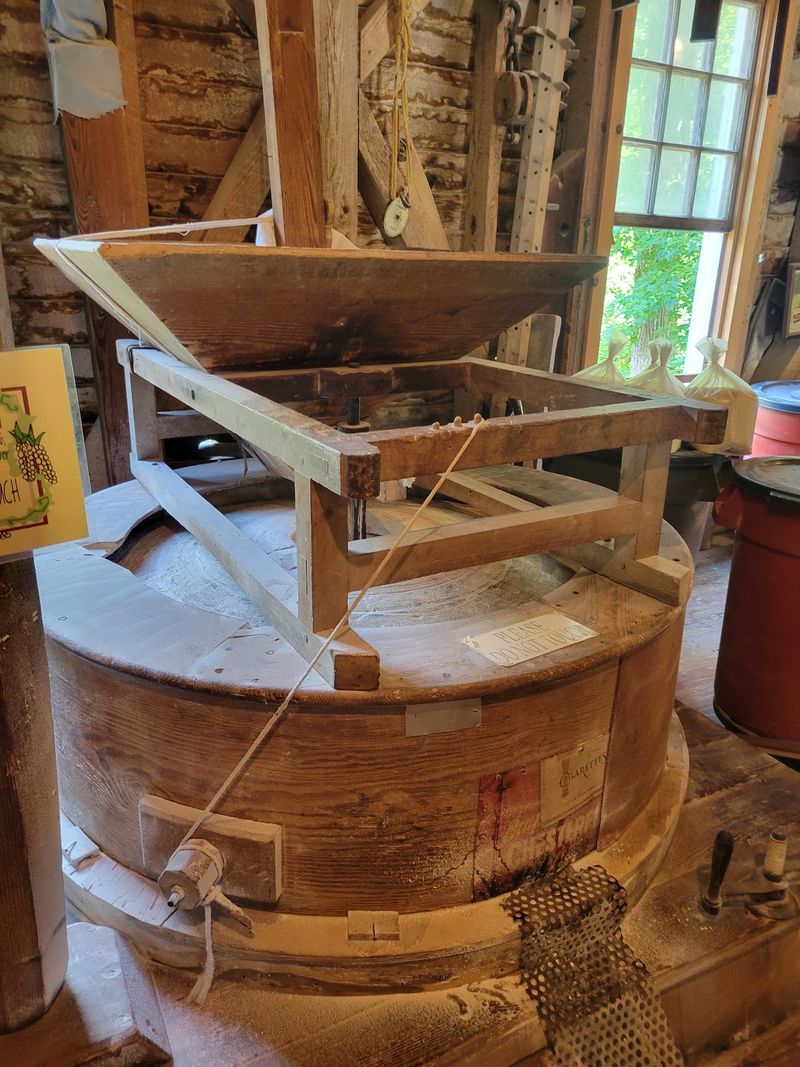
Some production methods never go out of style. Nora Mill Granary has been grinding grain the old-fashioned way since 1876, using water power and stone wheels that modern mills abandoned long ago.
The creaky wooden building sits beside a rushing stream that provides the energy for everything inside.
Watching the massive grinding stones turn feels like time travel to an era before electricity. The water wheel outside catches flowing water, transferring power through wooden gears and shafts to the millstones inside.
Corn and wheat get crushed between stones, producing flour and cornmeal with texture and flavor that metal rollers can’t match.
This represents one of Georgia’s last working grist mills, preserving techniques that settlers brought to these mountains centuries ago. The millers explain why stone-ground products taste different and why some bakers prefer them for traditional recipes.
You can buy fresh-ground products right there, still warm from the milling process. It’s agricultural history you can actually taste and touch, not just read about in books.
Chick-fil-A Backstage Tour (Atlanta)
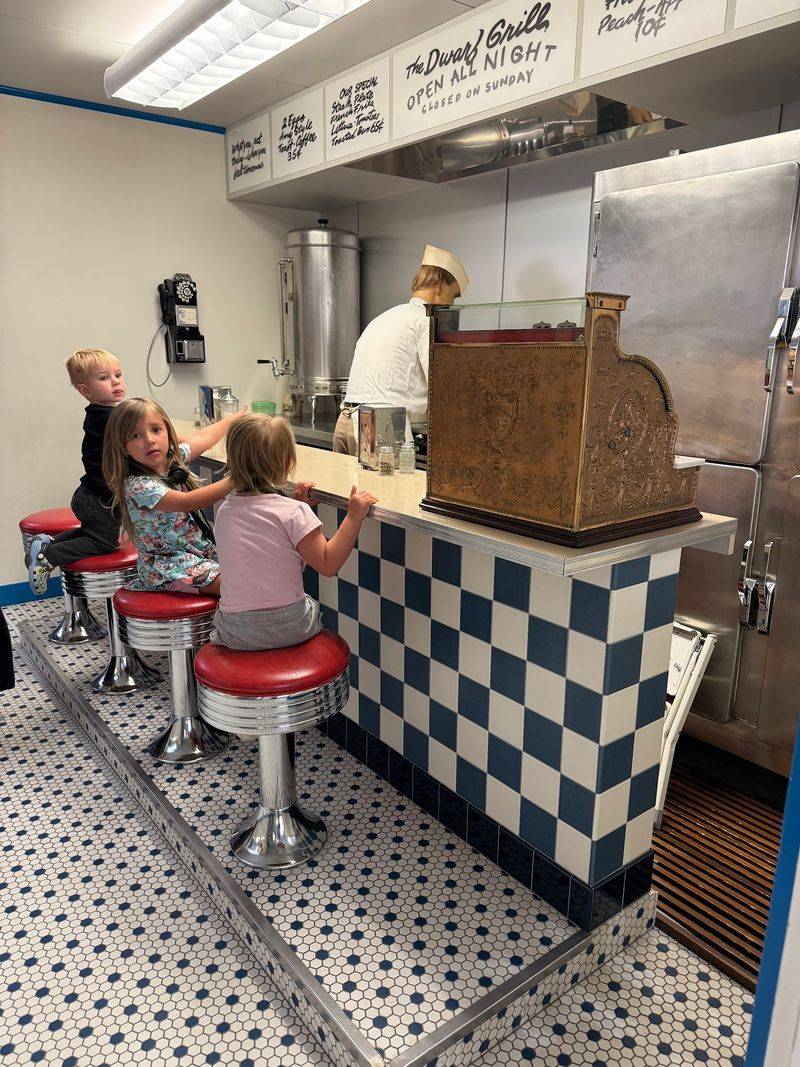
Fast food development happens differently than you might think. The Chick-fil-A Backstage Tour takes you inside corporate headquarters where menu innovation gets serious scientific attention.
This isn’t a manufacturing plant, but the production of ideas and recipes that eventually reach thousands of restaurants.
The innovation kitchen resembles a high-tech laboratory mixed with a professional restaurant kitchen. Food scientists test new menu items repeatedly, adjusting recipes until they meet strict standards for taste, appearance, and consistency.
You’ll see how they ensure a sandwich in Maine tastes identical to one in Arizona.
What makes this tour eye-opening is understanding the research behind seemingly simple menu items. Teams spend months or years perfecting a new sauce or sandwich before customers ever see it.
They consider cooking times, ingredient costs, nutritional values, and whether restaurant staff can prepare items quickly during rush periods. The attention to detail explains why this company became so successful.
You’ll gain respect for the planning that goes into every meal you’ve ever ordered through a drive-through window.
Oak House Distillery (Athens)
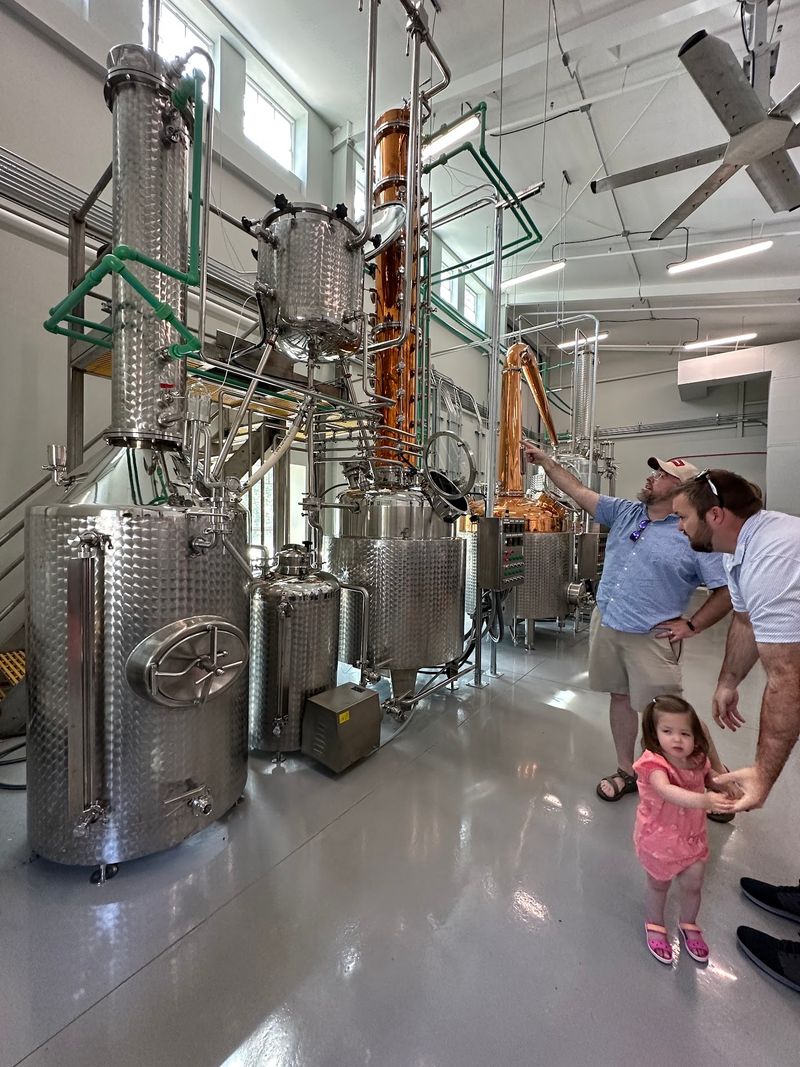
Small-batch spirits require big attention to detail. Oak House Distillery operates on a scale where distillers can monitor every drop of alcohol they produce.
The compact facility proves you don’t need massive operations to create world-class spirits that compete with major brands.
During tours, you’ll see how they make gin, rum, and vodka using similar equipment but completely different techniques for each spirit. The copper stills gleam like modern art sculptures while performing ancient alchemy.
Guides explain how botanicals infuse gin with flavor, how rum develops character, and why vodka distillation focuses on purity.
The hands-on approach means you might see the actual distiller working during your visit, not just tour guides. They’re happy to discuss their craft and answer technical questions about fermentation, distillation cuts, and flavor profiles.
The tasting portion lets you sample finished products while your new knowledge about production fresh in mind. You’ll taste the difference between mass-produced spirits and carefully crafted small batches, understanding why craft distilling has become such a popular movement.
Georgia Winery (Ringgold)
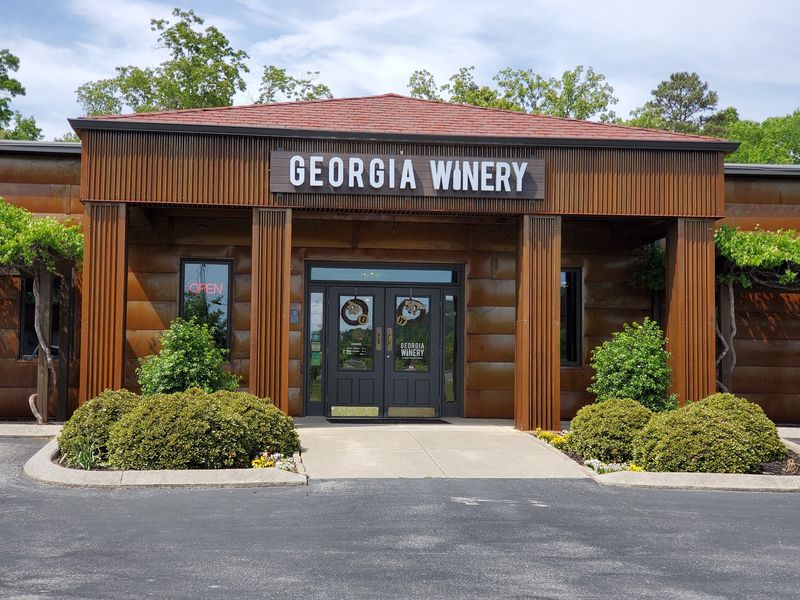
Georgia might surprise you with its winemaking credentials. The Georgia Winery in Ringgold demonstrates that quality wine production happens far beyond California’s famous valleys.
Their production area showcases the complete journey from harvested grapes to corked bottles ready for your dinner table.
The crushing and pressing equipment starts the process, extracting juice while leaving behind seeds and stems that would create bitter flavors. Fermentation tanks hold the juice as yeast converts sugar to alcohol over carefully controlled periods.
Oak barrels add complexity to certain wines, while stainless steel preserves the fresh fruit character of others.
Weekend tours give you access when production might actually be happening, especially during harvest season in late summer and fall. The winemaker explains how Georgia’s climate creates unique growing conditions different from traditional wine regions.
You’ll learn about muscadine grapes, a native variety that thrives here but remains unknown to most wine drinkers. The tasting room lets you sample locally produced wines while overlooking the very vineyards that grew the grapes, completing the connection from vine to glass.
Xocolatl Chocolate Factory & Tasting Room (Atlanta)
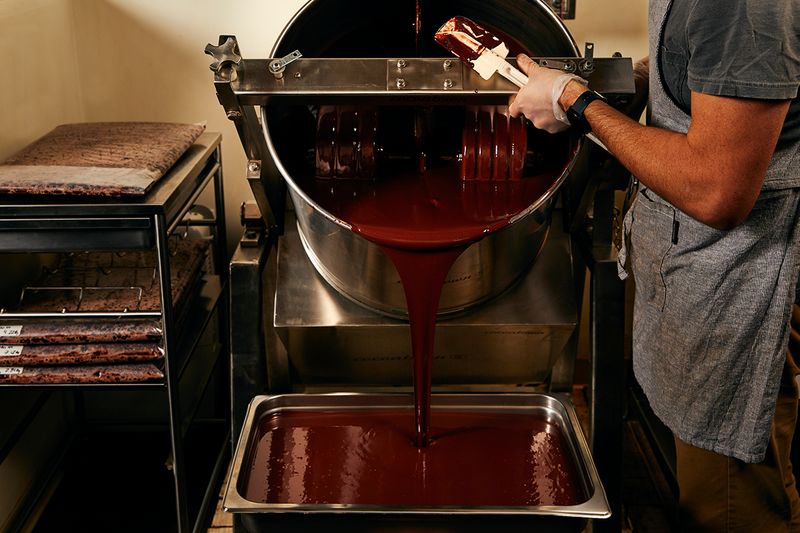
Bean-to-bar chocolate making is pure magic wrapped in science. Xocolatl starts with raw cacao beans from ethical sources worldwide and transforms them into premium chocolate bars through meticulous processes.
The factory tour reveals how much work goes into creating something that melts on your tongue in seconds.
Roasting fills the air with incredible aromas as cacao beans crack and develop their chocolate flavor. Grinding equipment breaks beans into tiny particles, creating the smooth texture chocolate lovers expect.
Tempering machines carefully heat and cool the chocolate to give it that satisfying snap when you break a piece.
The guided tastings teach you to recognize flavor notes from different cacao origins, just like wine tasting but sweeter. You’ll sample chocolate at various stages of production, understanding how roasting time and sugar amounts affect the final product.
The ethical sourcing story adds meaning to your treat, knowing farmers received fair payment for their cacao. This tour changes grocery store chocolate shopping forever because you’ll recognize the difference between mass-produced candy and carefully crafted artisan chocolate.