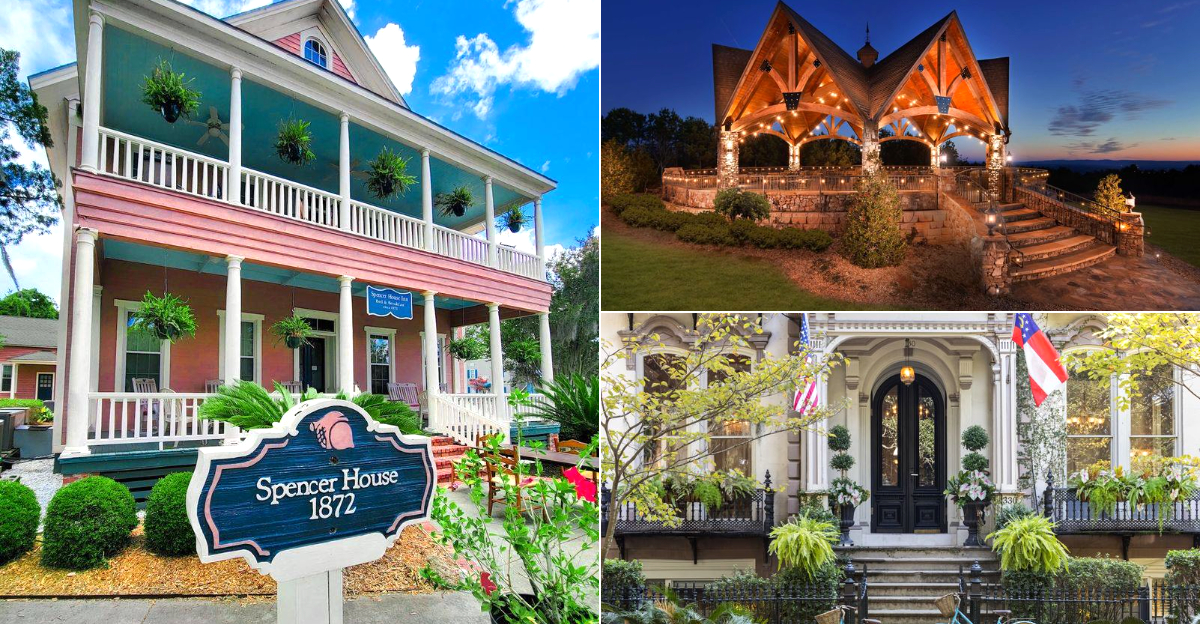
Georgia has always known how to hold onto its history, and nowhere is that more apparent than in its most characterful hotels, buildings that once lived entirely different lives before someone decided they were too beautiful to let go.
A former jail in Atlanta where prisoners once watched time pass now welcomes guests into rooms that feel more like a boutique retreat than anything connected to its austere past.
In Savannah, Victorian mansions that sheltered generations of the same families have been converted into intimate inns where the original plaster medallions and wide-plank floors are part of the appeal.
Georgia’s converted hotels tend to share one quality: they don’t try to erase what they were, but instead let the past become part of the experience.
1. The Ellis Hotel, Atlanta, Fulton County
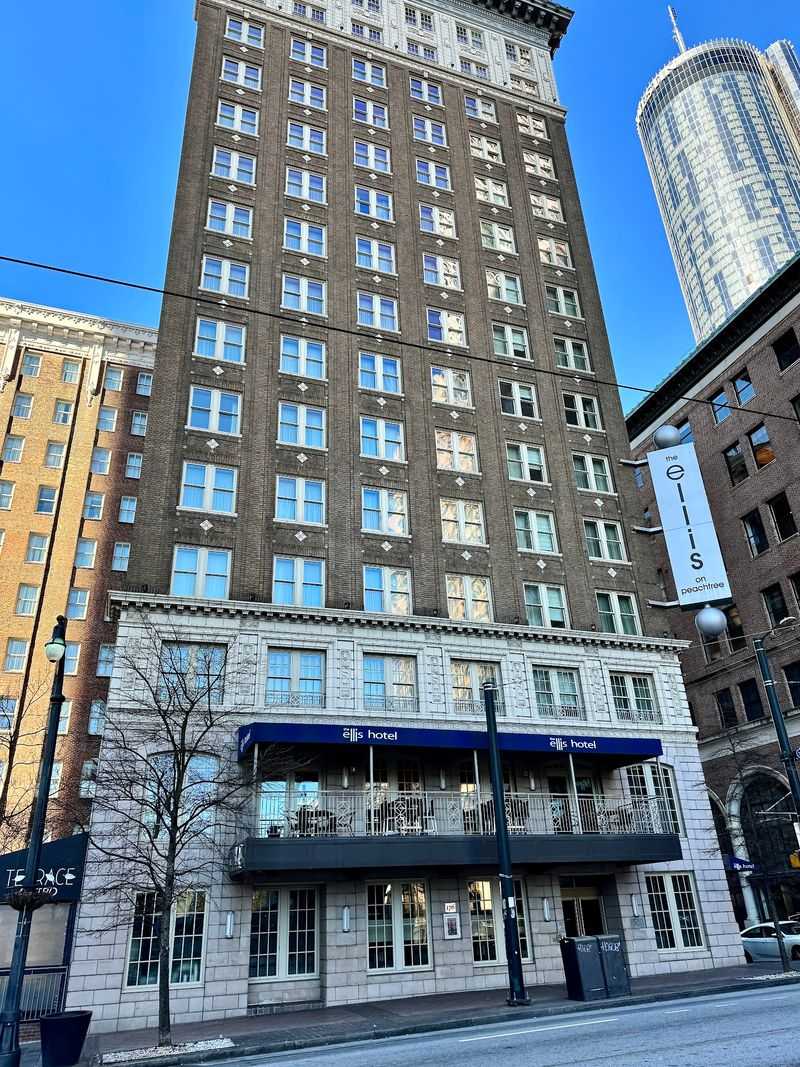
Behind polished doors, every old building keeps secrets, and this one tells a story about change, memory, and second chances.Today, The Ellis Hotel, Atlanta, Fulton County, welcomes guests where another chapter unfolded after closure, renovation, and hard earned lessons.
The structure first opened as the Winecoff Hotel, and its terrible 1946 fire became one of Atlanta’s darkest urban tragedies forever.
Years later, the building stood quiet, then shifted from hospitality before restoration returned it to hotel life with safer systems.Travelers can learn something useful here, beautiful spaces matter, but strong exits, alarms, and planning matter even more during emergencies.
Staff and local historians often share the larger story, helping visitors understand why preservation should include truth, not only architecture.
Staying downtown puts you near parks, restaurants, and transit, which makes exploring easier if you want history mixed with fun.
Look closely at the lobby and exterior, because updated details show how old properties can adapt without erasing the past.
For families, it can open a good conversation about city history, building safety, and the ways communities recover together afterward.
Few hotels balance comfort and remembrance so thoughtfully, making a night here feel connected to Atlanta’s past and future alike.
2. The Brice, Savannah, Chatham County
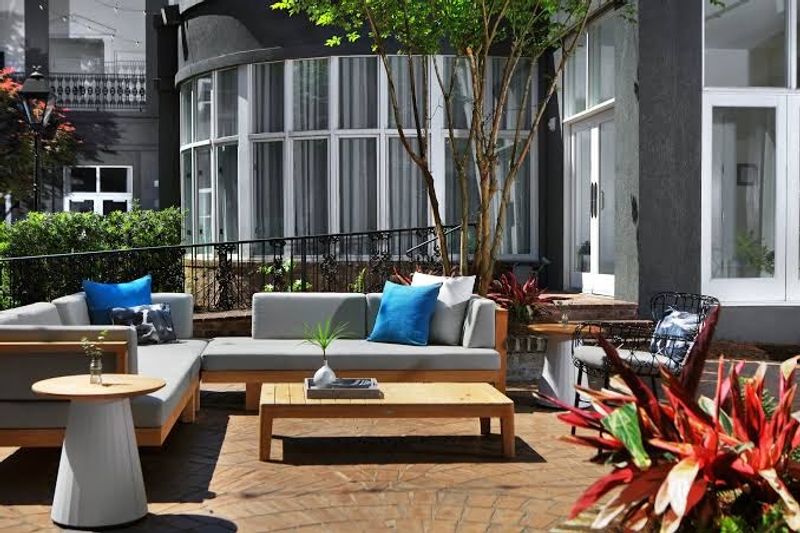
Bright colors and playful style can fool you, because this Savannah stay began with a working past tied to trade.Now called The Brice, Savannah, Chatham County, the property welcomes vacationers in a spot once linked to warehouse life daily.
Near the river, old storage buildings supported cotton commerce, carts, horses, and busy crews moving goods through the historic port.
That background explains the sturdy bones, broad spaces, and industrial feel that designers later turned into something stylish and welcoming.Guests who know the backstory often enjoy the hotel more, since every brick hints at Savannah’s shipping days and labor.
A stay here places you close to River Street, where museums, cobbles, and waterfront views help the story make sense.
If you love hotels with personality, this one shows how a commercial site can soften into a fun retreat beautifully.
Savannah weather can be warm, so comfortable shoes, water, and a slow schedule make exploring the surrounding district much easier.
Photos work best in the courtyard and public spaces, where greenery and color sit nicely against the property’s rougher origins.
Few places mix dockside history and modern cheer so well, giving visitors a lively way to imagine Savannah’s working past.
3. Mansion on Forsyth Park, Savannah, Chatham County
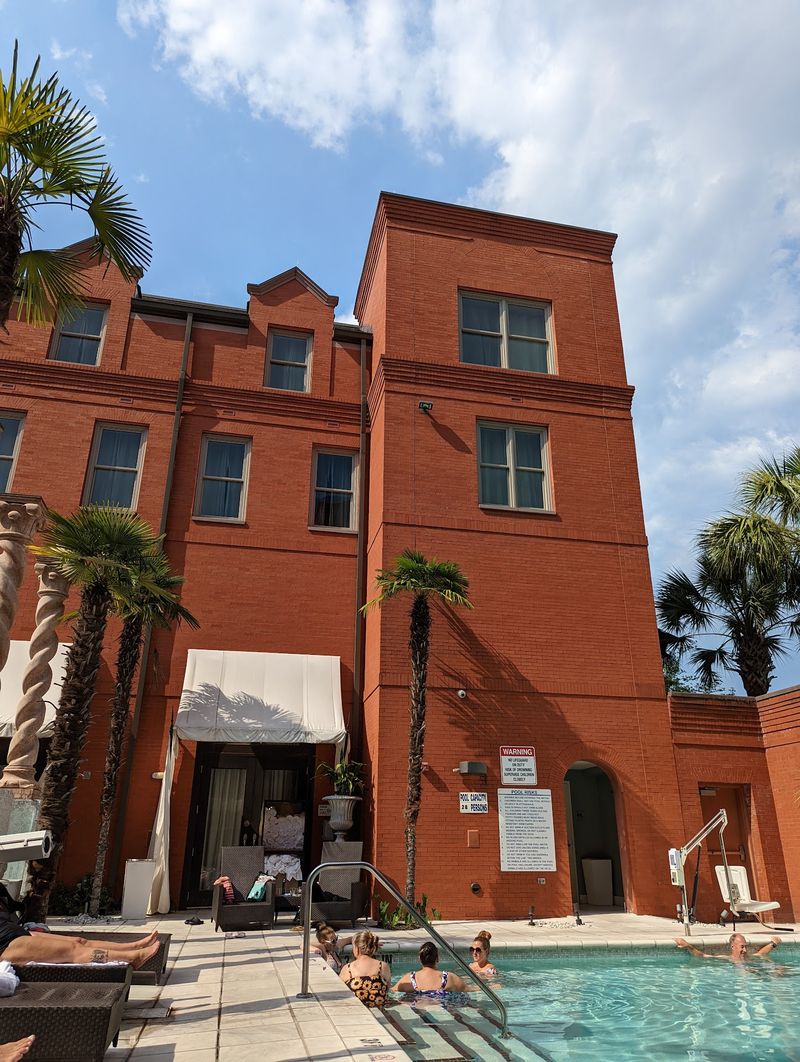
Grandeur feels different when a building has lived several lives, and this Savannah favorite carries both elegance and surprising history.Mansion on Forsyth Park, Savannah, Chatham County, began as a private home before later serving as a funeral business there.
That unusual change gives the property a dramatic mood, blending polished luxury with echoes of a more serious chapter inside.
Built in the late nineteenth century, the mansion showed off wealth first, then handled mourning rituals before returning to hospitality.Knowing that backstory can make your visit richer, because details like carved wood, stained glass, and grand rooms feel layered.
Forsyth Park sits right outside, so bringing time for a walk helps balance the hotel’s heavy history with fresh air.
Art lovers should also look around carefully, since the hotel’s collection adds another character layer to an already theatrical setting.
Because Savannah stories often mix beauty and sorrow, this place fits the city especially well without feeling gloomy at all.
Evening stays can feel especially memorable here, when lamplight, park views, and quiet halls highlight the mansion’s sense of time.
Visitors who appreciate unusual transformations will find this address unforgettable, since few luxury hotels once stood so close to mourning.
4. Hamilton-Turner Inn, Savannah, Chatham County
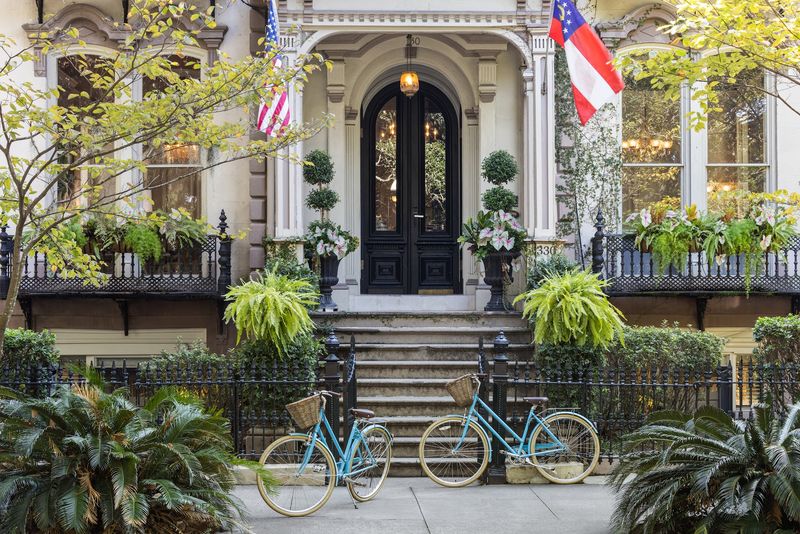
Some places seem built for ghost stories, yet their real history can be just as interesting and easier to picture.Hamilton-Turner Inn, Savannah, Chatham County, started as a grand family residence, not a hotel, during the city’s gilded years.
Built in 1873 for Samuel Pugh Hamilton, the home later passed through families before becoming a polished guest stay today.
Its famous silhouette and rumored hauntings grab attention, but the bigger story is how private wealth became shared experience here.Travelers who enjoy house museums often love sleeping in buildings like this, because rooms still hint at nineteenth century life.
Staying here also places you near Lafayette Square, where neighborhood walks help explain why Savannah’s old homes remain so admired.
If you book a historic inn, ask staff about original features, since small details often reveal more than plaques outside.
Morning coffee feels different in a former mansion, especially when porches, tall windows, and brick make the city seem slower.
Because the building began as a home, the atmosphere often feels more personal than larger hotels nearby for many guests.
That mix of comfort, scale, and history makes the inn a strong pick for visitors wanting Savannah beyond standard sightseeing.
5. Foley House Inn, Savannah, Chatham County
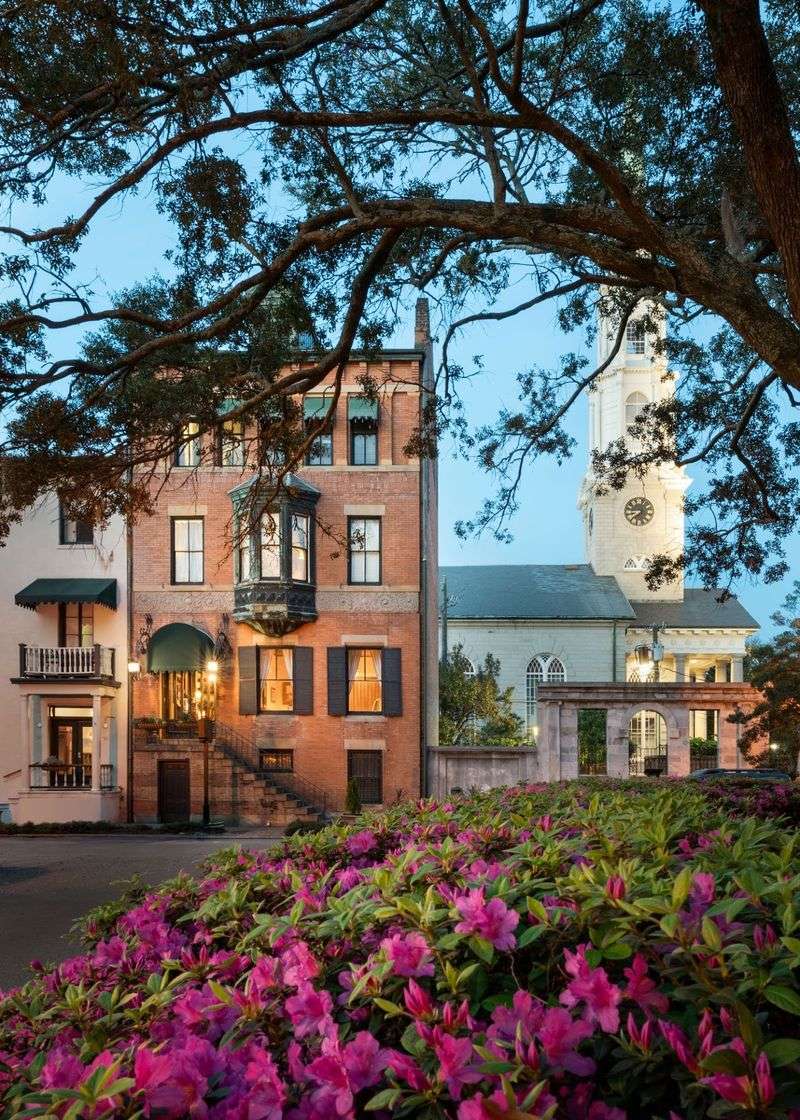
Hidden surprises make old houses memorable, and one Savannah inn carries a backstory that feels family drama, part neighborhood legend.Foley House Inn, Savannah, Chatham County, began as a private residence built in 1896 for Honora Foley and family members.
Years later, the home changed into lodging, but its most talked about chapter involved hidden remains discovered during renovations there.
That eerie moment drew headlines, yet the larger story is about how a personal home adapted to serve curious travelers.Guests who like mysteries may find the inn especially fun, though the rooms still feel welcoming rather than overly spooky.
Staying in a former residence often means smaller spaces and creaky charm, so pack with comfort and flexibility in mind.
Because it sits in the historic district, walking tours nearby can help you place the house within Savannah’s bigger story.
The inn’s layered past also reminds visitors that preservation is not always neat, simple, or free from startling discoveries either.
Ask about architectural details when you visit, since trim, staircases, and room shapes often reveal how families once used spaces.
Few places turn domestic history, local mystery, and overnight comfort into one experience as neatly as this famous inn does.
6. The Eliza Thompson House, Savannah, Chatham County
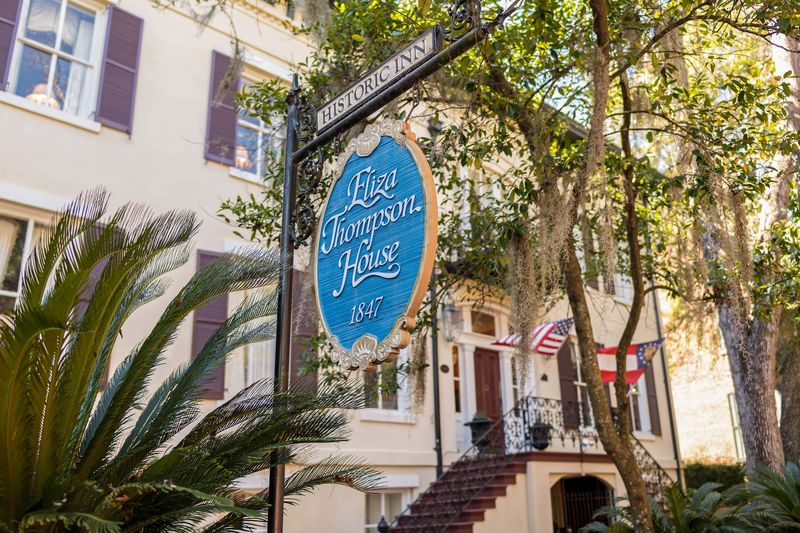
Quiet gardens can soften history, especially when a peaceful inn began life as a family home in old Savannah itself.The Eliza Thompson House, Savannah, Chatham County, was originally a nineteenth century residence before opening its doors to travelers later.
Built in 1847, the property reflects the domestic side of the city, where daily routines once mattered more than tourism.
That past helps explain why the atmosphere feels intimate, with carriage house spaces, garden paths, and rooms that encourage mornings.Visitors wanting a break from bigger hotels often appreciate the scale here, because former homes can feel less rushed inside.
Since the inn sits near Monterey Square, a short walk can connect garden calm with churches, museums, and shaded streets.
Eliza Thompson’s name still ties the place to family roots, which makes the building feel personal instead of generic lodging.
A useful tip for guests is choosing time outdoors too, because the courtyard can be as memorable as bedrooms here.
Details like brick walls and tucked away sitting areas show how a home can welcome strangers without losing warmth easily.
For travelers chasing Savannah’s gentler side, this transformation from residence to inn feels natural, graceful, and deeply comforting today still.
7. 1842 Inn, Macon, Bibb County
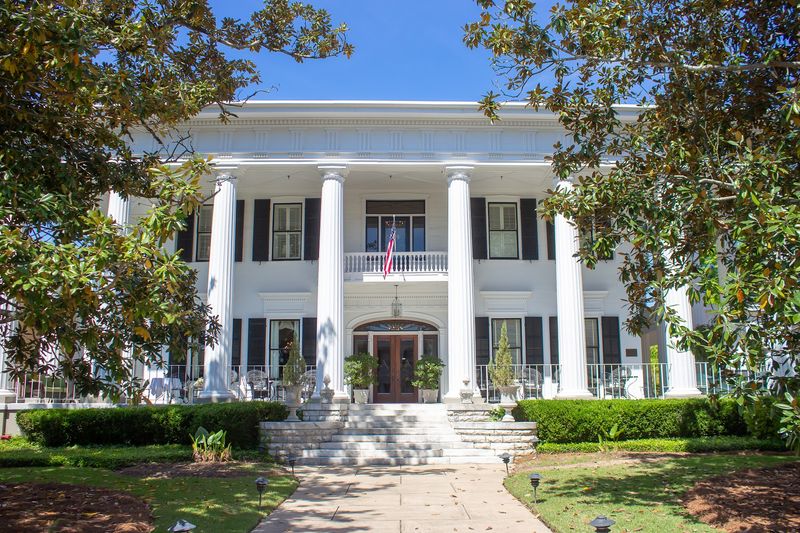
Big columns and old trees set the mood here, but the building’s first job was family life, not hospitality at.The 1842 Inn, Macon, Bibb County, began as a Greek Revival home before becoming one of Macon’s beloved historic inns.
Built in the 1840s, the house carries Civil War era connections and the formal style wealthy families once favored there.
Later owners preserved its domestic bones, allowing guests today to experience broad halls, porches, and period character up close inside.Staying in a former home can teach visitors how architecture once signaled status, comfort, and family pride in Macon society.
If you enjoy house tours, ask about original features, because stairways and molding often reveal more than fancy furniture alone.
The neighborhood around the inn rewards walking, with churches, homes, and streets that help the nineteenth century setting click.
Because the property was never born as a chain hotel, its scale feels calmer and easier to remember for guests.
Morning on the porch can be the best moment, especially if you want history without heavy crowds or noise nearby.
For many travelers, that blend of mansion charm and practical comfort makes the inn a standout stop in Macon today.
8. The Partridge Inn, Augusta, Richmond County
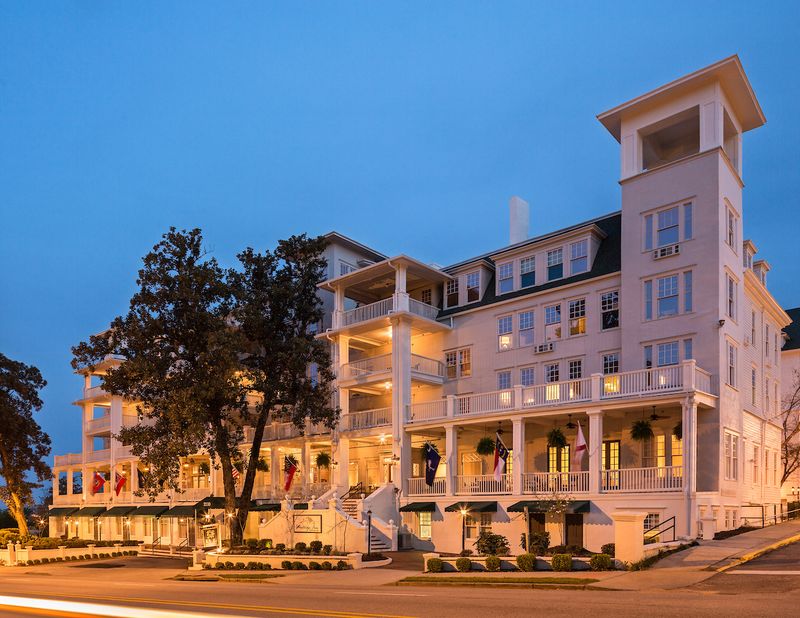
Hilltop views usually suggest leisure, yet one Augusta landmark first grew from a private house rather than a public hotel.The Partridge Inn, Augusta, Richmond County, traces its roots to a residence called Fairview before expanding for paying guests there.
Because of that start, the property kept a gracious, porch filled feel even as it evolved into a resort destination.
Fire damaged the building more than once, but rebuilding helped shape the famous hotel visitors recognize today so clearly now.Guests who like layered places may enjoy noticing which parts feel residential and which feel more suited to hospitality today.
The veranda is a strong reminder that homes once centered social life outdoors, especially in warm Southern weather there often.
Staying here also gives easy access to Augusta sights, so the hotel works well for history fans and event travelers.
Ask staff about rebuilding and ownership changes, since those chapters explain why the inn feels both old fashioned and refreshed.
Sunset can be the right time to enjoy the porch, because the house turned hotel story makes views feel richer.
Few Augusta stays combine domestic beginnings, disaster recovery, and classic Southern scenery with such steady charm for visitors today here.
9. Spencer House Inn, St. Mary’s, Camden County
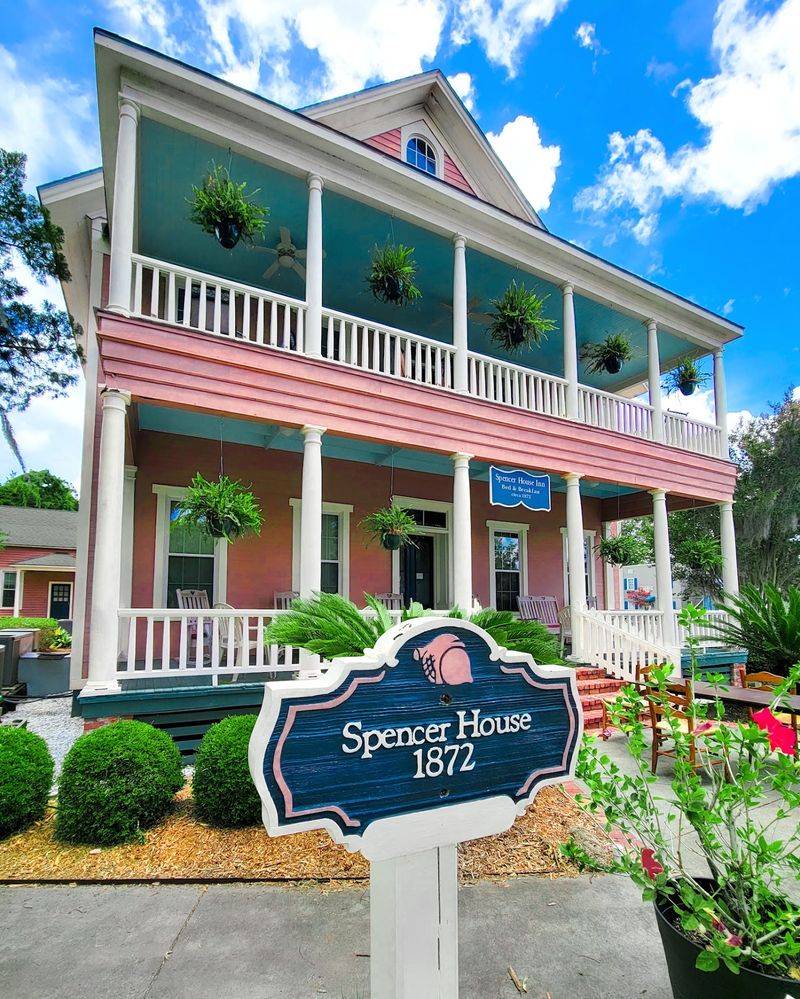
Coastal towns treasure old houses, and some of their best guest stays began with family routines instead of front desks.Spencer House Inn, St. Mary’s, Camden County, first served as a residence before becoming a welcoming base near the waterfront.
Built in 1872, the home reflects the scale of a small port town, where neighbors and sea trade shaped life.
Later conversion into an inn preserved that personal feeling, so many guests say the place feels calm and rooted still.St. Mary’s is a gateway to Cumberland Island, making the inn useful for travelers who want history and nature together.
Because the building started as a home, porches and common rooms often encourage conversation more easily than larger properties do.
Book ferry plans early if Cumberland Island is on your list, since schedules can shape your whole stay there easily.
The inn’s transformation also shows how small towns protect character by giving old residences new purposes for modern visitors today.
Morning walks through St. Mary’s make the history feel real, especially when live oaks frame homes from earlier eras beautifully.
For travelers wanting a gentler coastal pace, this house turned inn offers comfort without losing its hometown soul at all.
10. Glen-Ella Springs Inn, Clarkesville, Habersham County
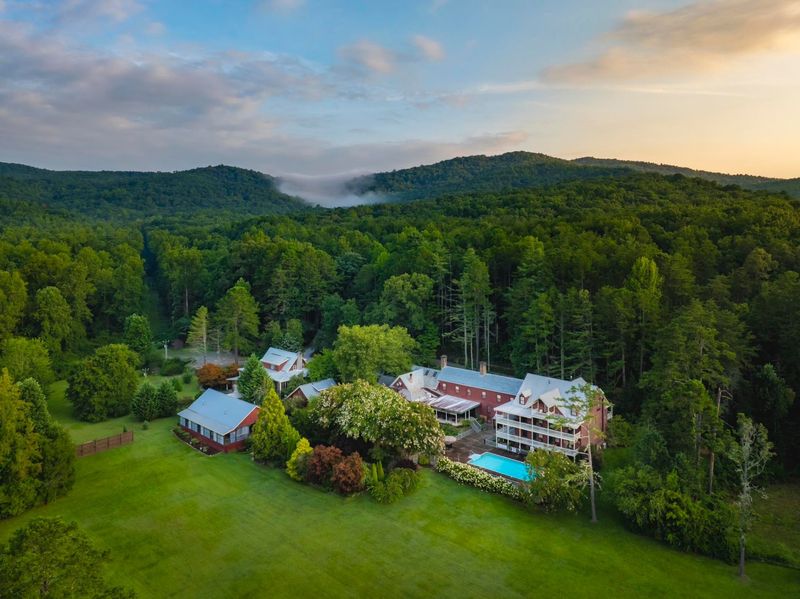
Mountain roads often lead to stories, and this North Georgia retreat began with a life tied to home and land.Glen-Ella Springs Inn, Clarkesville, Habersham County, started as a country residence and farm before becoming a beloved getaway spot.
High in the hills, the property later drew visitors seeking cooler air, spring water, and peaceful summer surroundings there nearby.
That shift from private rural life to inn life makes sense, since natural beauty was the region’s biggest attraction always.Guests today benefit from that heritage, with porches, gardens, and views that still feel connected to the original setting outside.
If you stay here, pack layers, because mountain evenings can turn cool even after warm afternoons in summer sometimes there.
The restaurant is popular too, which shows how former homes can grow into community gathering places over time for locals.
Nearby waterfalls and scenic drives make the inn a strong base for travelers who want history without city noise nearby.
Because its first life was private and rural, the atmosphere often feels more restful than heavily programmed resorts today nearby.
Among Georgia’s adaptive stays, this one proves humble beginnings can grow into something quietly memorable for many guests each year.
11. Hotel Warm Springs, Warm Springs, Meriwether County
Healing places often change with time, and one small town hotel stands close to Georgia’s most famous wellness story today.Hotel Warm Springs, Warm Springs, Meriwether County, occupies a building that once served local community needs beyond tourism there first.
Before its hotel chapter, the structure worked in commercial and service roles shaped by the town’s busy rehabilitation era nearby.
Warm Springs grew around healing waters and Roosevelt’s visits, so many buildings adapted as the town’s purpose evolved over time.Staying here is useful for understanding that history, especially if you also visit the Little White House nearby afterward too.
The current hotel keeps a simple, approachable feel, which suits a place better known for recovery than glitter and flash.
Travelers interested in New Deal history may find the town especially rewarding, since its streets still reflect that era clearly.
Bring walking shoes and extra time, because the best part of a stay here may be the surrounding stories outside.
Unlike grand city conversions, this transformation feels modest, showing how ordinary buildings can support a town’s identity for decades too.
For visitors curious about health tourism and local resilience, the hotel offers a smart, grounded base for exploring Warm Springs.
12. The York House Inn, Mountain City, Rabun County
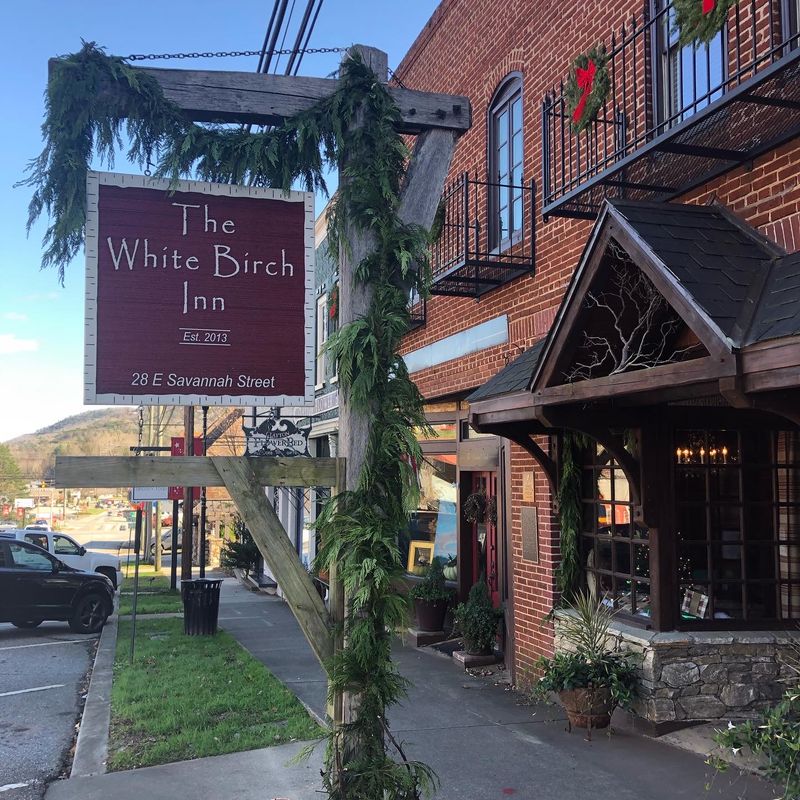
Country crossroads once depended on sturdy homes, and one Rabun County inn grew from that practical world into hospitality later.The York House Inn, Mountain City, Rabun County, began as a farmhouse and family residence before welcoming overnight guests there.
Built in the late nineteenth century, it later served travelers moving through the mountains, including boarders and summer visitors nearby.
That path from home to boarding place to inn shows how mountain communities used houses with real flexibility over time.Guests today often enjoy the porch and hearty meals, both of which connect naturally to the building’s domestic roots still.
Because it sits near scenic drives and hiking areas, the inn works well for travelers mixing history with outdoors fun.
Former homes usually create a warmer dining experience, and that feeling helps explain why returning guests remember this place.
Ask about family ownership and local traditions, since mountain inns often preserve community stories better than larger chains do today.
The surrounding landscape adds a bonus, making the transformation feel believable rather than forced or overly polished for guests today.
For anyone exploring northeast Georgia, this house turned inn offers history, comfort, and a strong sense of place for travelers.