Salt air, old bricks, and tall lighthouse towers make Georgia’s coast feel like a giant history book you can walk through.
From Tybee Island to Sapelo and from Civil War forts to grand ruins, these places show how keepers, soldiers, families, and ship crews shaped life along the Atlantic shore.
Visiting them is more than a fun day trip, because each stop helps you picture storms, trade, battles, and daily work from long ago in a real setting you can see, hear, and explore.
If you want travel ideas that mix ocean views with true stories, keep reading and pick a few favorites for your next coastal adventure.
Georgia’s historic landmarks are full of stairs to climb, trails to wander, museum rooms to study, and photo spots that make the past feel surprisingly close, even for first-time visitors or families with kids who think history is usually boring.
1. Fort Pulaski National Monument
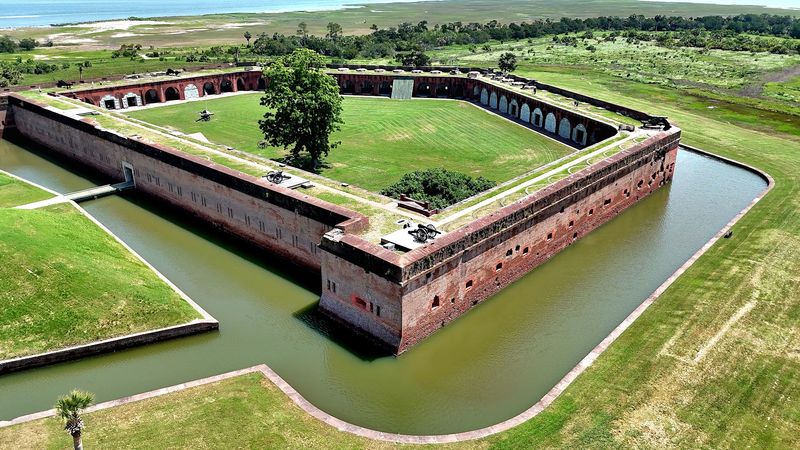
Huge brick walls, a moat, and rows of cannon spaces make Fort Pulaski feel like a movie set built for serious history lovers.
Located between Savannah and Tybee Island, the fort guarded a key water route during the Civil War.
Walking through its arched rooms quickly shows how much planning went into coastal defense.
Exhibits explain not only battles, but also engineering, daily soldier life, and the changing power of military technology.
One of the most interesting lessons here is how rifled cannon fire helped prove that older style brick forts were becoming vulnerable.
That idea sounds technical, yet the displays make it easy for younger visitors to understand.
Outside, trails and scenic spots add another layer to the experience, especially if you enjoy birds, marsh views, or a slower walk after touring the fort.
Bring bug spray in warm months and allow enough time for both the interior and the grounds.
Fort Pulaski works especially well for families who want a visit that mixes dramatic architecture, outdoor space, and clear stories about a turning point in American history.
2. St. Simons Island Lighthouse Museum
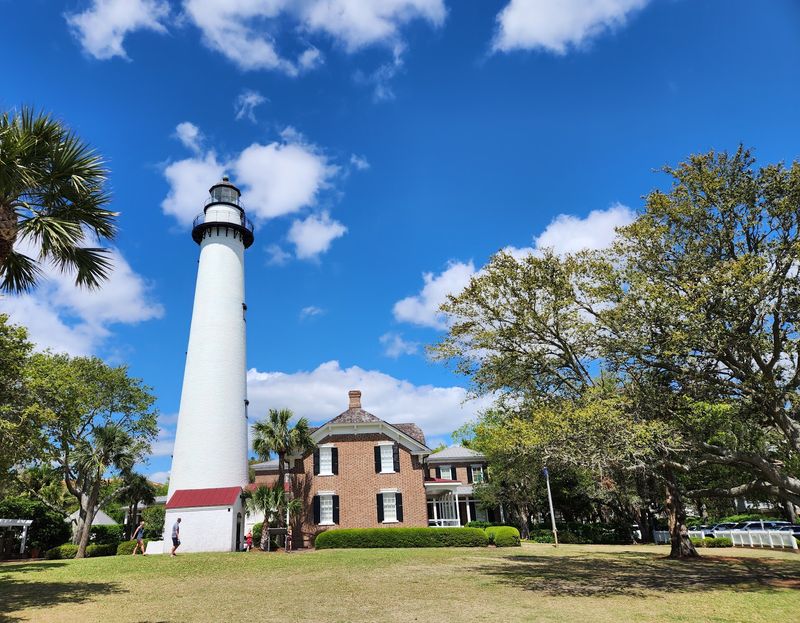
Right in the heart of St. Simons Island, this lighthouse feels polished, welcoming, and easy to add to a day of walking and shopping.
The white tower stands near the pier village, giving visitors a clear look at how navigation and community life connected here.
Its location makes history feel woven into everyday coastal life instead of tucked far away.
The museum inside the former keeper’s dwelling shares stories about ship traffic, lighthouse technology, and the people who kept the light working.
As you move through the rooms, you get a strong sense of how duty and routine shaped life on the island.
The climb is shorter than some others, so families often find it manageable and rewarding.
After your visit, stroll the waterfront or grab lunch nearby to turn the stop into a relaxed outing.
Bring a camera, because the grounds and tower look especially nice with blue sky behind them.
For anyone curious about local heritage without needing a long drive between sites, this lighthouse offers a smart, convenient, and memorable choice.
3. Fort King George Historic Site
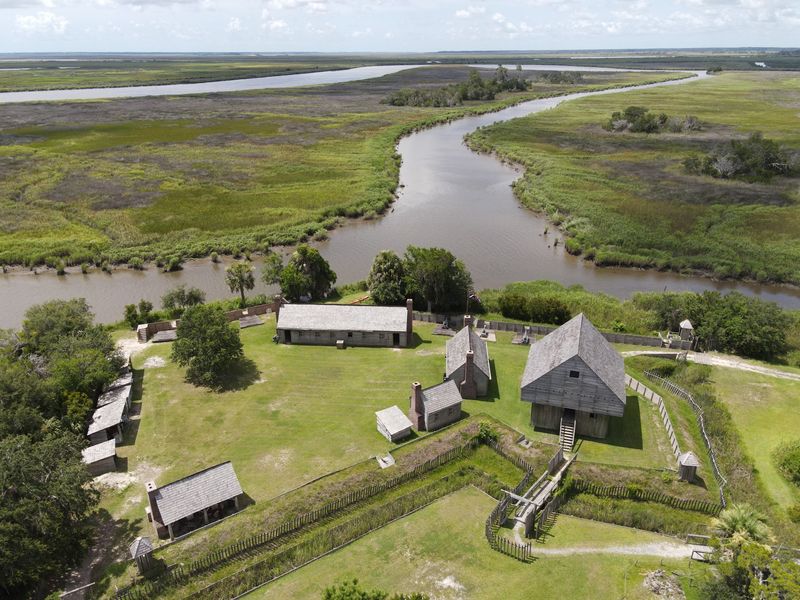
Wooden walls and a rough frontier setting give Fort King George a very different mood from Georgia’s brick Civil War forts.
Near Darien, this site recreates a British fort first built in the early 1700s along the Altamaha River.
That older time period helps visitors see how early coastal Georgia was shaped by trade, defense, and hard living conditions.
Inside the reconstructed fort, barracks, storehouses, and other buildings make the place easier to picture than a few ruins ever could.
Interpretive signs and exhibits explain the struggles soldiers faced, including illness, isolation, and the challenge of keeping order in a remote post.
The setting feels open and windswept, which adds to the sense of history.
Take time to walk the grounds slowly instead of rushing from building to building.
Small details, like wooden tools, lookout points, and the river landscape, help the story stick in your mind.
For visitors interested in Georgia before the United States existed, Fort King George offers a strong look at colonial ambition, daily survival, and the tough choices people made on a contested frontier.
4. Tybee Island Light Station and Museum
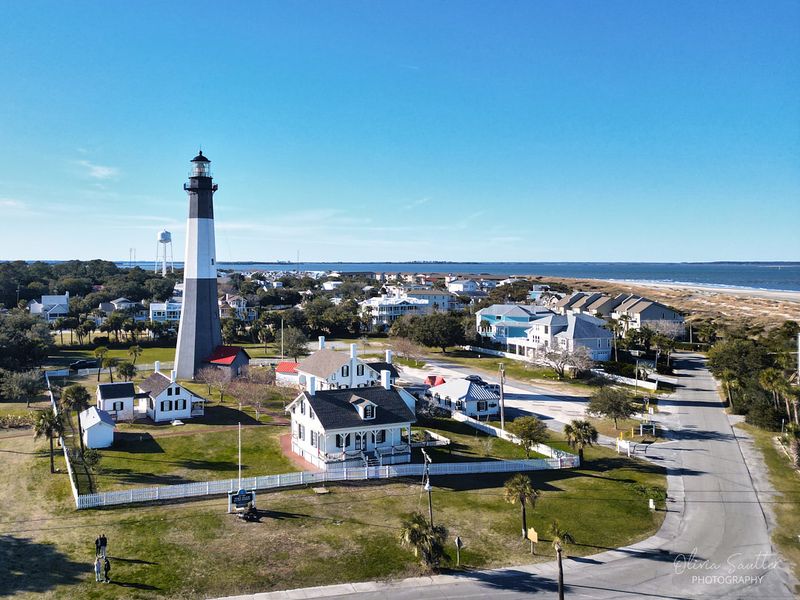
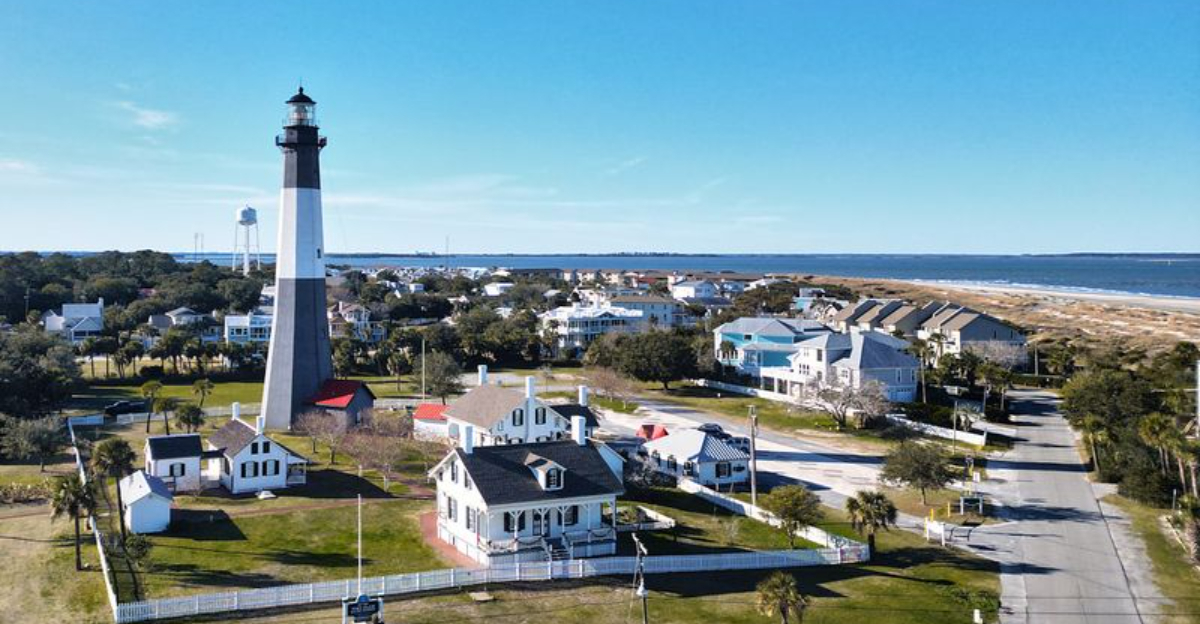
Before you even reach the beach, the Tybee Island Light rises above the trees like a giant marker from another time.
Located on Tybee Island near Savannah, this famous station is one of the oldest and tallest lighthouses in the United States.
Climbing the stairs rewards visitors with wide views of the ocean, marsh, and nearby neighborhoods.
Inside the museum area, old keeper cottages and exhibits help explain how lighthouse families lived and worked.
You can learn how keepers cleaned lenses, watched for ships, and handled dangerous weather along Georgia’s coast.
Kids often enjoy seeing the narrow spaces and imagining what daily life felt like before modern tools and electronics.
Wear comfortable shoes, bring water, and expect a real stair workout before reaching the top.
Morning visits can feel cooler and less crowded, which makes the climb easier and photos clearer.
For travelers who want history with a strong coastal view, Tybee offers a lively first stop that feels both educational and fun.
5. Sapelo Island Lighthouse
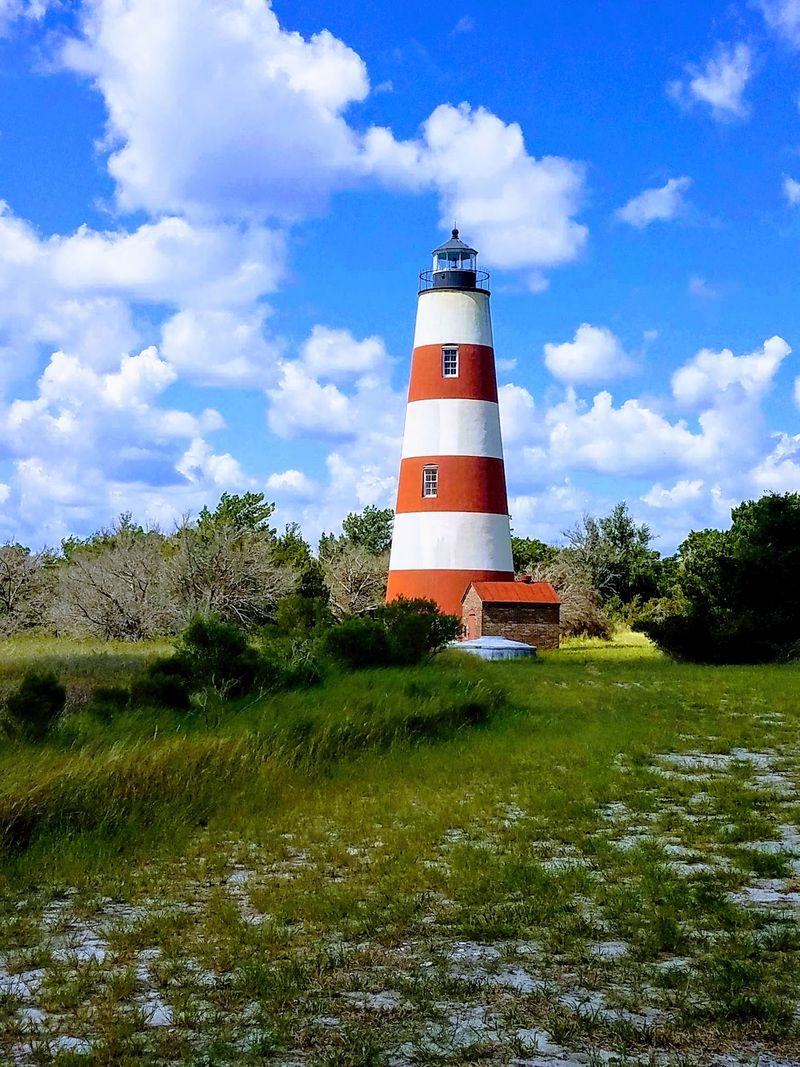
Getting to Sapelo Island already feels like part of the adventure, and that sense of distance makes the lighthouse even more memorable.
Set on remote Sapelo Island, this red brick beacon stands apart from Georgia’s better known white towers.
Its unusual look catches the eye right away and hints at the island’s distinct story.
Because access to Sapelo is limited, planning ahead matters here more than at many other sites.
Visitors usually arrive by ferry and should check tour schedules, transportation details, and island rules before making the trip.
That extra effort pays off with a quieter experience and a stronger feeling of stepping into a place shaped by nature, work, and endurance.
The lighthouse connects to larger stories about shipping, island communities, and the changing coastline over time.
Nearby landscapes also remind visitors that history on the Georgia coast includes marshes, forests, and roads that once linked isolated residents to the wider world.
If you enjoy uncommon places with a little mystery and a lot of character, Sapelo offers a rewarding visit unlike any standard beach stop.
6. Wormsloe State Historic Site
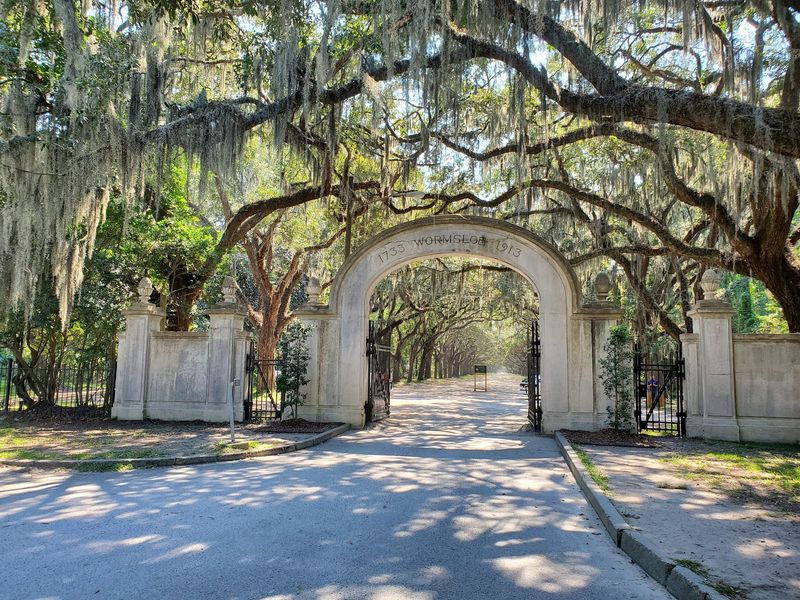
Few entrances in Georgia are as famous as the long avenue of live oaks at Wormsloe, where Spanish moss turns the road into a tunnel of history.
Just outside Savannah, this state historic site preserves part of the colonial estate of Noble Jones.
The drive in alone makes many visitors stop and stare.
Past the picture perfect entrance, trails, museum exhibits, and tabby ruins tell a deeper story about settlement along the coast.
You can learn how early colonists built homes, managed land, and adjusted to a very different environment than the one they had known before.
That mix of beauty and struggle gives Wormsloe more substance than a simple photo stop.
Wear shoes that can handle walking paths if you want to see more than the main road.
A little extra time lets you enjoy the interpretive areas and better understand why tabby construction mattered in coastal Georgia.
For travelers who like places that combine dramatic scenery with colonial history, Wormsloe offers both, and it leaves many visitors with some of their favorite images from the entire Savannah area.
7. Fort Frederica National Monument
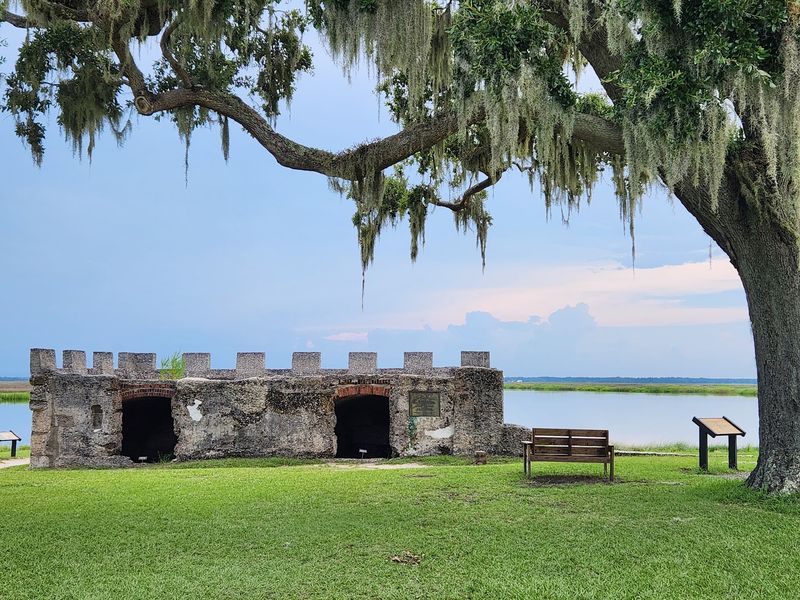
At first glance, Fort Frederica may seem quiet, but the calm grounds hide a major chapter in Georgia’s colonial story.
Located on St. Simons Island, this national monument preserves the remains of a British settlement founded by James Oglethorpe.
Its purpose was serious, helping defend the colony from Spanish Florida to the south.
Walking the site takes a little imagination, because many structures survive only as outlines, foundations, or archaeological traces.
That said, signs and exhibits do a good job showing where homes, streets, and defensive works once stood.
Instead of one dramatic building, you get a wider picture of how a whole community operated near the water.
Plan for a slower visit here, because Fort Frederica rewards careful looking more than quick sightseeing.
The riverside setting, open lawns, and preserved remains make it easy to think about how strategy, trade, and family life fit together in one fragile settlement.
Visitors who enjoy uncovering stories from the ground up will appreciate this stop, especially if they want a broader understanding of how early Georgia grew and defended itself.
8. Horton House Historic Site
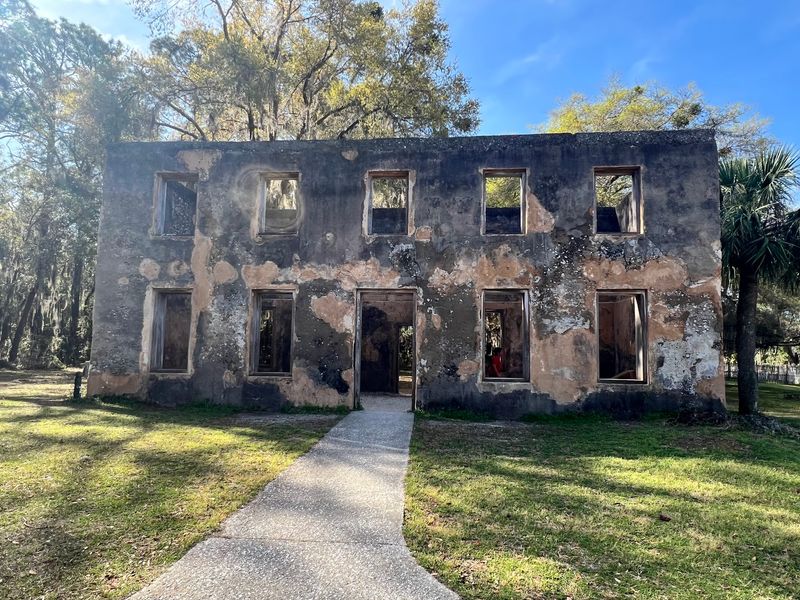
Weathered walls and a peaceful setting give Horton House a haunting beauty that feels softer than a battlefield and older than many grand estates.
Found on Jekyll Island, this tabby structure dates back to the colonial era and ranks among Georgia’s oldest surviving buildings.
Its age alone makes it worth a stop for history fans.
Unlike polished house museums filled with furniture, Horton House tells its story through texture, shape, and survival.
Visitors can study the shell based tabby construction and think about the people who lived, worked, and traveled through this coastal landscape centuries ago.
Nearby signs help explain why the building mattered and how unusual its construction was for the time.
The site is easy to pair with other Jekyll Island stops, so it works well on a day packed with biking, beach time, and sightseeing.
Come in cooler parts of the day if you want to linger and really look at the details.
Horton House appeals most to travelers who enjoy quiet places where imagination fills in the missing pieces and the past feels close without needing flashy displays.
9. Jekyll Island Historic District
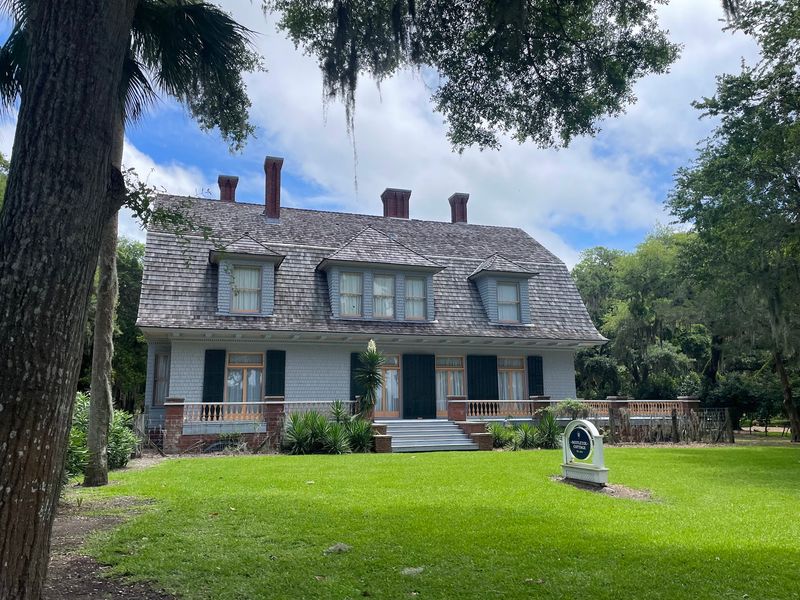
Grand cottages, shady paths, and stories of wealthy families give Jekyll Island Historic District a mood that feels almost theatrical.
Once a private winter retreat for some of America’s richest figures, this district preserves club buildings, homes, and landscaped grounds near the coast.
Walking here can feel like stepping into another social world entirely.
Tours help visitors understand how the island changed from an exclusive club into a public destination with protected historic spaces.
You learn about architecture, leisure, staff life, and the traditions that shaped the island during the Gilded Age.
That broader view keeps the district from feeling like a row of pretty old houses without context.
Biking or walking is one of the best ways to explore, because the area invites lingering rather than rushing.
Check tour schedules ahead of time if you want access to interiors or special exhibits.
For travelers who enjoy blending mansion history with coastal scenery, Jekyll’s district offers a richer visit than many expect, and it pairs beautifully with nearby beaches, trails, and other landmarks on the island.
10. Dungeness Ruins
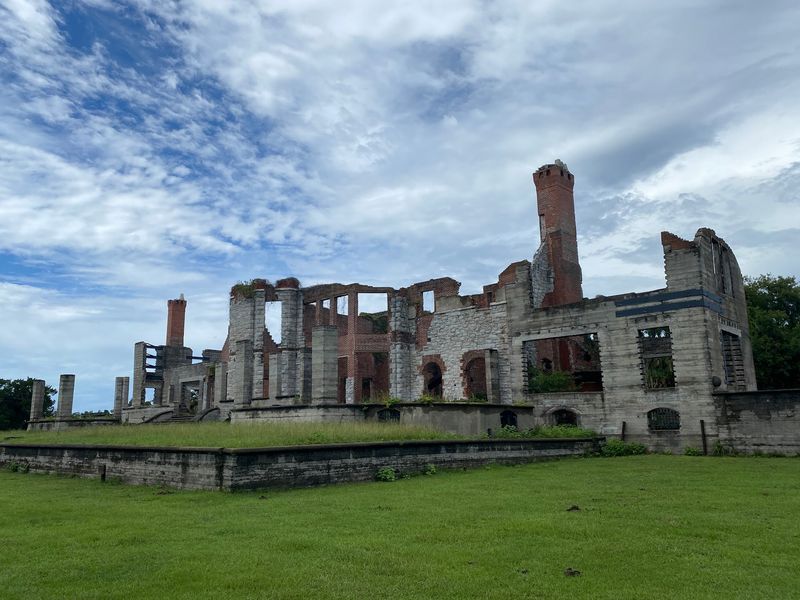
Broken walls, open windows, and trailing plants make the Dungeness Ruins look dramatic in a way few coastal landmarks can match.
Located on Cumberland Island, the ruins mark the remains of a grand mansion once tied to the Carnegie family.
Today, the site feels both elegant and wild, shaped by time, weather, and the island around it.
Reaching Cumberland Island takes planning, so many visitors treat Dungeness as part of a larger day of hiking and exploring.
Along the way, you may also see wild horses, beaches, and maritime forest, which adds to the sense of adventure.
The ruins themselves encourage quiet observation rather than long indoor touring, since the power comes from what is left standing.
Bring water, sun protection, and a willingness to walk, because the island experience is bigger than one single landmark.
Reading a little about the mansion before you go can make the visit even more meaningful.
For people drawn to places that mix beauty, decay, and coastal legend, Dungeness offers one of the most unforgettable historic scenes anywhere in Georgia.
11. Fort McAllister State Historic Park
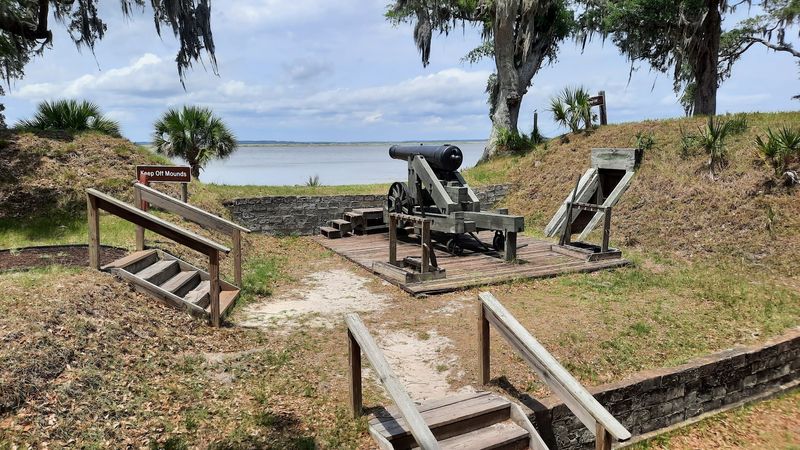
Earthworks may sound plain, yet Fort McAllister proves that dirt walls can tell an exciting story.
Located in Richmond Hill south of Savannah, this state historic park preserves a Confederate fort that defended the Ogeechee River during the Civil War.
Its design shows how earthen defenses could absorb heavy fire better than many older brick structures.
Walking the grounds, you can see cannon positions, barracks areas, and river views that explain why the location mattered.
The museum adds helpful context with artifacts and clear displays about soldiers, local events, and the fort’s role near the end of Sherman’s March to the Sea.
That combination makes the site easy to follow even if you are not a Civil War expert.
Nature lovers get a bonus here, because the park also offers trails, camping, and a scenic coastal setting.
Try to leave enough time for both the fort and the outdoor areas so the visit does not feel rushed.
Fort McAllister is a smart pick for travelers who want military history, marsh views, and a relaxed park atmosphere all in one place.