Long before many American colleges opened their doors to women, one small school on the Iowa prairie was already teaching them.
That choice was bold for its time, and it shaped a campus built on fairness, hard work, and open debate.
Today, the old brick halls, the wide central park, and even a railroad cutting through the grounds still tell that story.
This guide walks through ten parts of the campus and its history, with tips for anyone planning a visit to the town of Grinnell.
Along the way, it shows how one early decision about who deserves an education still echoes in the school today.
Where the Story Begins
Some places earn their reputation slowly, one class at a time. Grinnell College sits at 1115 8th Ave, Grinnell, IA 50112, in the heart of central Iowa in the United States.
The school is a private liberal arts college with a small student body. That small size is a big part of its charm, since classes tend to feel personal and professors get to know their students.
The college traces its roots to the 1840s, when it began as Iowa College in Davenport. It later moved to Grinnell, a town founded by abolitionists who cared deeply about equal rights.
That spirit of fairness helped shape the school’s early choice to teach women alongside men. Grinnell is often counted among the earlier colleges west of the Mississippi to do so.
Today, the town and campus feel closely linked. Shops, homes, and college buildings sit within easy walking distance of each other.
For a first visit, the official website at grinnell.edu lists tour times and campus maps, which makes planning simple and stress free.
Classrooms Open to Everyone
History books often skip the small colleges that made big moves. Grinnell is one of them.
In the 1800s, many schools kept women out of college classrooms entirely. Grinnell took a different path and began educating women as part of its mission, rooted in the reform-minded beliefs of its founders.
That early decision did more than add names to a roster. It sent a message that learning belongs to anyone willing to work for it.
The same idea shows up in other parts of the school’s past. The town and college were linked to the antislavery movement, and the community supported the Underground Railroad.
Students today still talk about a campus where people feel free to express themselves. Hard work and self-drive are valued here, and those who push themselves tend to thrive.
For visitors, this history adds weight to a simple campus stroll. The buildings are not just pretty structures.
They stand on ground where equal access to education was taken seriously early on, and that legacy still matters.
Brick Halls Worth a Second Look
Old buildings have a way of slowing people down. On this campus, that happens often.
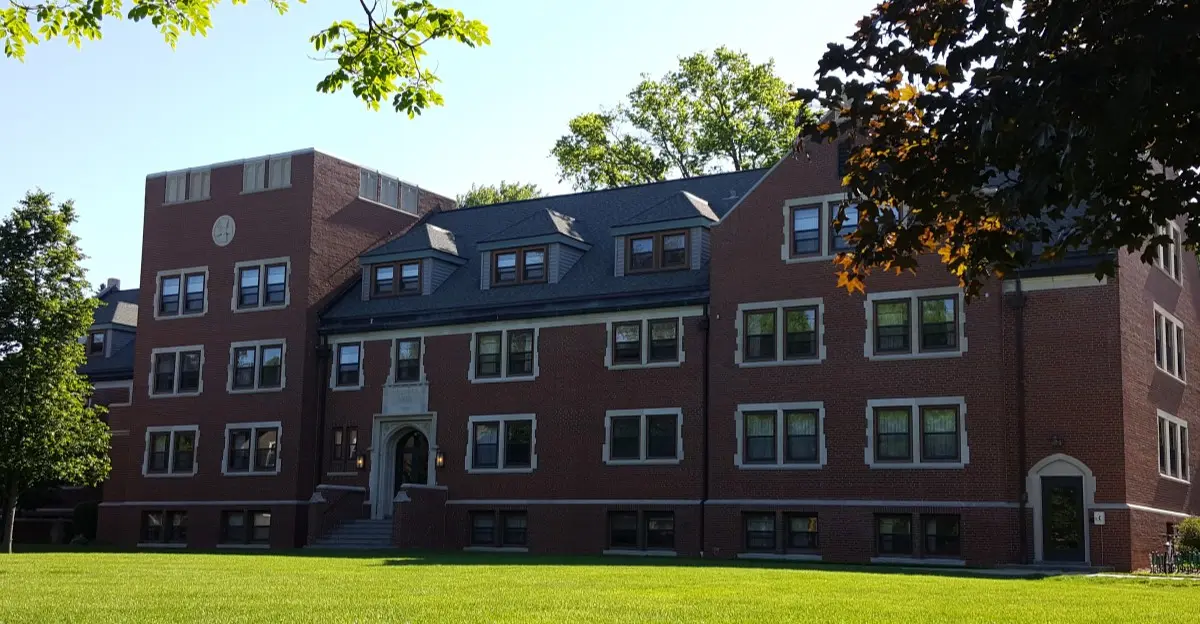
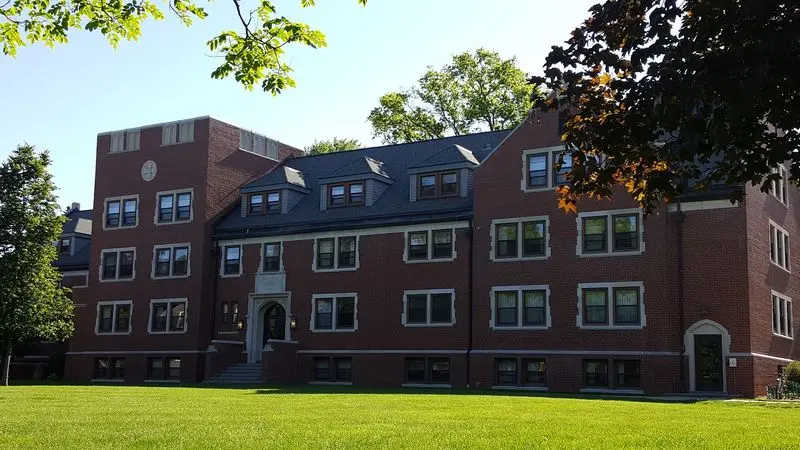
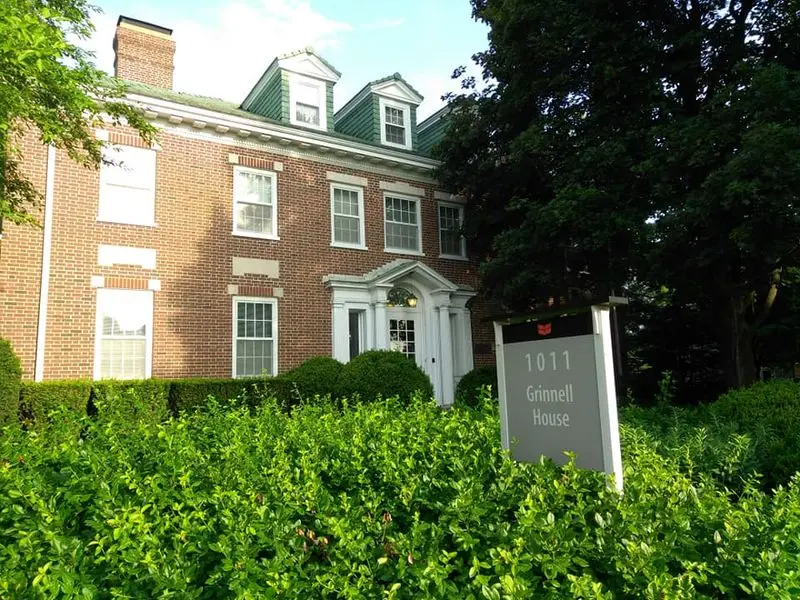
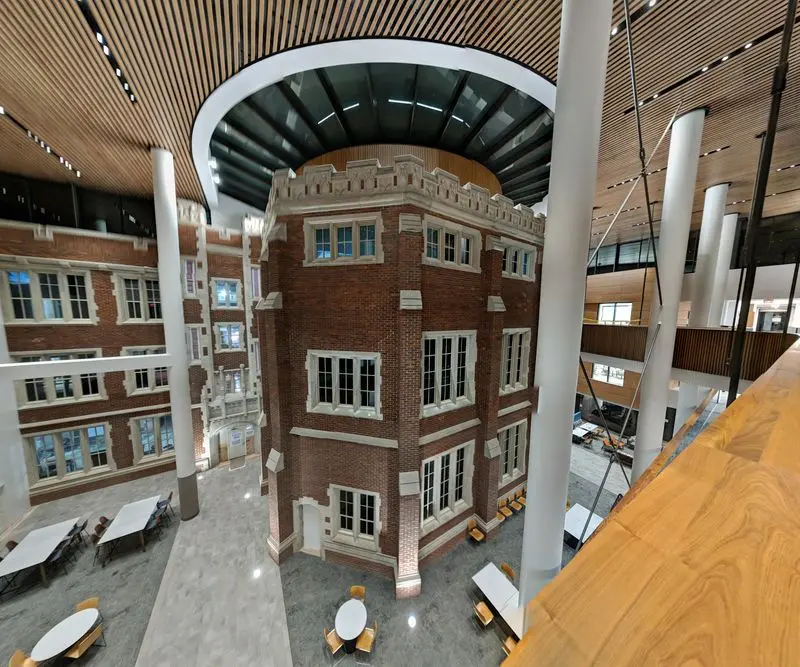
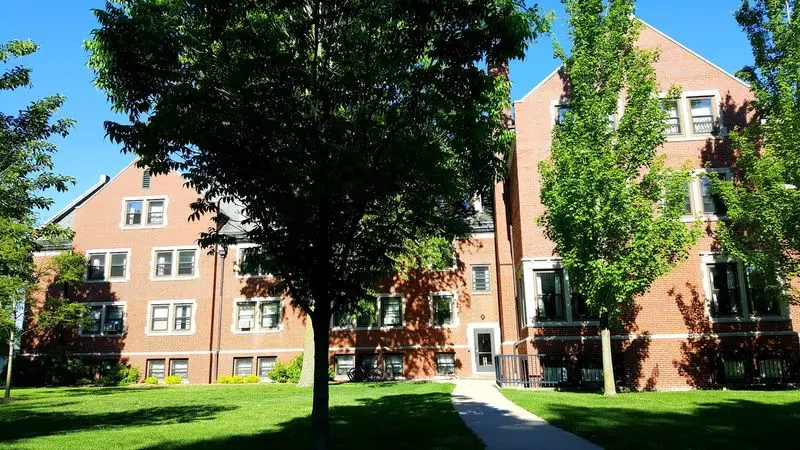
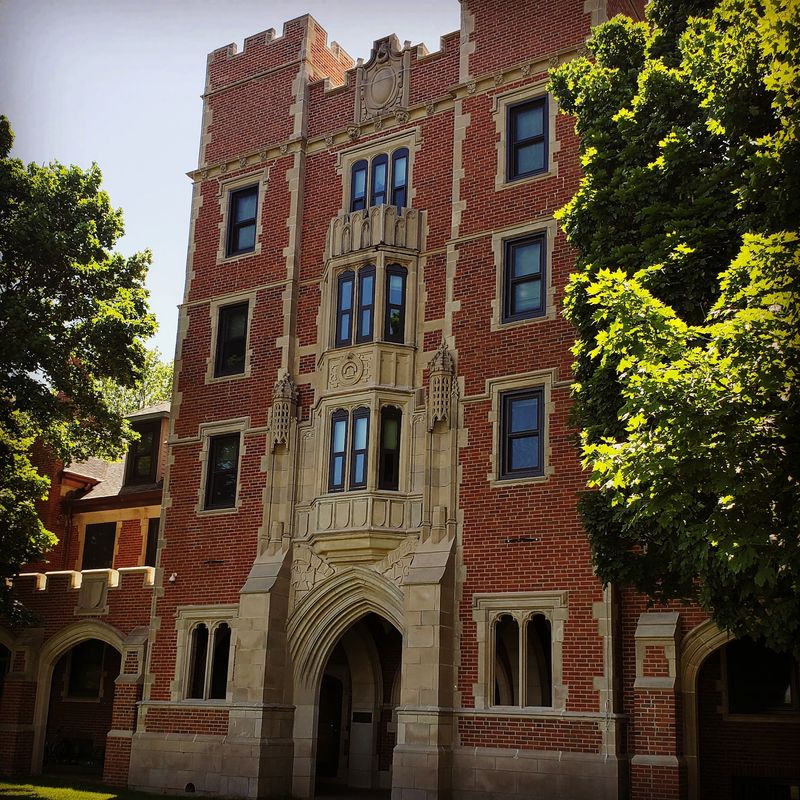
Grinnell has kept many of its older buildings in good shape, and the result is a campus with a classic, old-fashioned style. Brick halls, tall windows, and careful details give the grounds a timeless look.
Some people describe walking through the campus as being inside a jewelry box. That fits, since so many of the buildings look polished and well cared for.
Preservation here is more than a design choice. Keeping older halls in use links today’s students to the generations who studied there before, including the early women who helped prove that coeducation worked.
A good tip is to bring a phone or camera and take a slow loop. The architecture rewards patience, and small details like doorways and stonework are easy to miss on a rushed visit.
Architecture fans will find plenty to study, while casual guests will simply enjoy the scenery. Either way, the buildings quietly do their job of telling a long story.
A Park at the Center
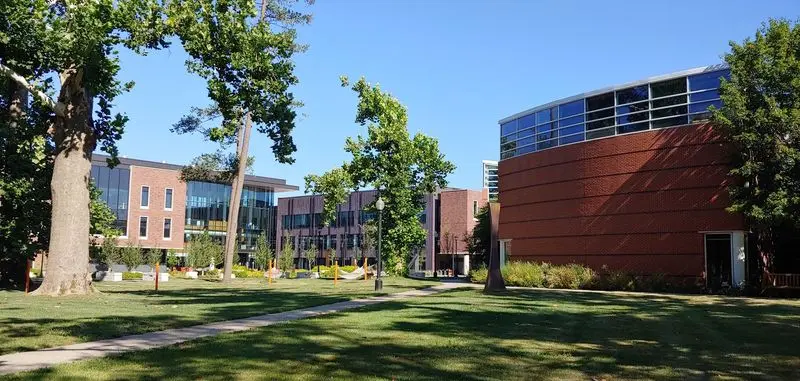
Right in the middle of campus, there is room to breathe. A wide, open park area sits at the center, giving students and guests a place to pause.
Green space like this matters at a small college. It works as a gathering spot, a study corner, and a shortcut between classes all at once.
Many visitors leave talking about how spacious this central area feels. In a place with a quiet atmosphere, the open lawn becomes a natural meeting point.
For travelers, it is a smart spot to start or end a self-guided tour. From there, the surrounding buildings are easy to spot and easy to reach on foot.
Spring and fall are popular times to visit, when campus is busy with students and classes are in session. Summer offers a calmer scene for those who prefer fewer people around.
Bring comfortable shoes and give yourself time. The park is not flashy, and that is the point.
Its simple layout invites people to slow down and take in campus life at an easy pace.
Yes, a Train Runs Through It
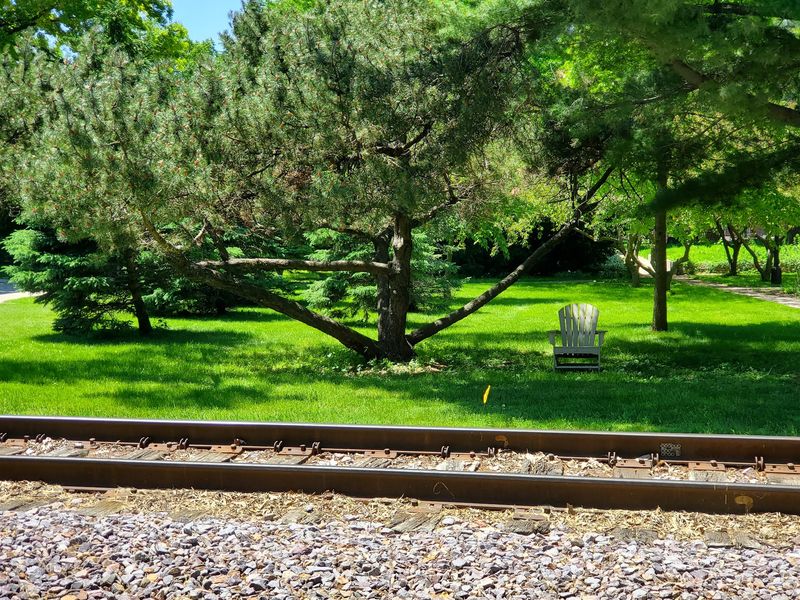
Not many colleges can say a railroad cuts right through the heart of campus. Grinnell can.
The tracks are a reminder of how closely the school and the town grew up together. Railroads helped towns across Iowa connect to the rest of the country, and Grinnell was no exception.
For first-time guests, the tracks are a fun surprise. They split parts of the grounds and add a dash of small-town character that bigger schools rarely have.
A quick safety tip: always use marked crossings and keep an eye out. Trains are part of daily life here, so it pays to stay alert.
Photographers often enjoy framing the brick buildings with the rail line in the shot. It makes for a picture that clearly says Iowa.
The railroad also fits the bigger story of the campus. Grinnell has always been tied to movement, ideas, and people coming and going.
Watching the tracks stretch past the halls, it is easy to see how this school stayed connected to the wider world.
The Rock With a Message
Campus tours love a good quirky stop, and the peace rock delivers. Guides often point it out as part of the school’s more eccentric history.
Painted rocks like this give students a way to share messages, celebrate events, or speak up on issues. That fits a school known for its commitment to social justice and open discussion.
The rock connects nicely to Grinnell’s long tradition of fairness. A college that opened classrooms to women early still values the idea that every voice deserves space.
Many alumni say the school taught them how people who disagree can still talk respectfully and learn from each other. Small campus traditions help keep that habit alive.
If you join a tour led by a current student or graduate, ask about the stories behind these landmarks. Guides usually enjoy sharing the odd and memorable details that do not show up on a map.
The rock may look simple at first glance. Yet it carries a big idea about expression, community, and a campus that never stopped speaking up.
Self-Gov and Student Voice
Ask a Grinnell graduate about campus life, and two words often pop up: self-gov. It is short for self-governance, a big part of the school’s culture.
The idea is simple. Students are trusted to manage much of their own community and to take responsibility for how they treat each other.
Student government has grown more diverse over time, reflecting the wider campus. That growth echoes the school’s early choice to welcome women when many others would not.
Students also help shape everyday life. Dining hall changes, for example, have included student ideas and feedback.
This approach suits people who are self-driven. Classes can be demanding, and students are expected to push themselves.
Many graduates credit the school with making them more well-rounded, critical thinkers and lifelong learners. Some say the lessons in care and kindness stay with them for decades.
For prospective students, sitting in on a class is a great way to see this culture firsthand. The energy in those rooms often says more than any brochure can.
Fields, Courts, and a Popular Pool
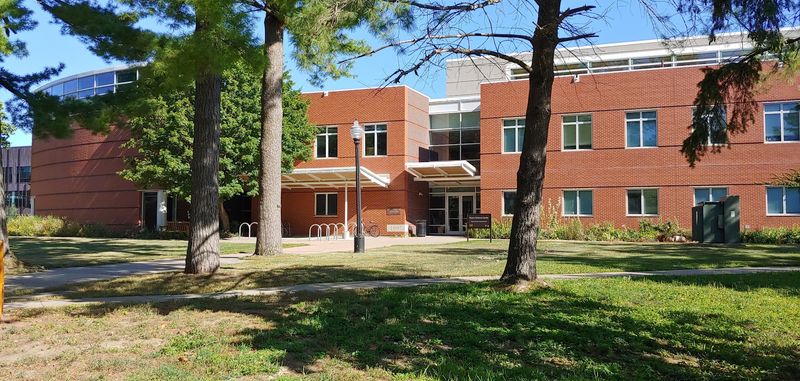
Brains get plenty of attention at Grinnell, but bodies get a workout too. The athletic facilities are modern and well kept.
The campus offers indoor and outdoor tracks, indoor and outdoor tennis courts, a baseball field, and a football field. That is a solid lineup for a small college.
The pool earns special praise and hosts swim meets that bring in families and teams from outside town. If you are visiting during a meet, expect a livelier crowd than usual.
Equal access to sports ties back to the school’s history as well. Colleges that welcomed women early helped open the door to wider participation in campus life, from classrooms to competition.
Visitors interested in athletics should check the college website for event schedules. Games and meets can be a fun way to see school spirit in action.
Many campus activities are free, which makes catching an event an easy, budget-friendly plan. Whether you cheer or just watch, it is a great look at Grinnell beyond the books.
Life in a Small Iowa Town
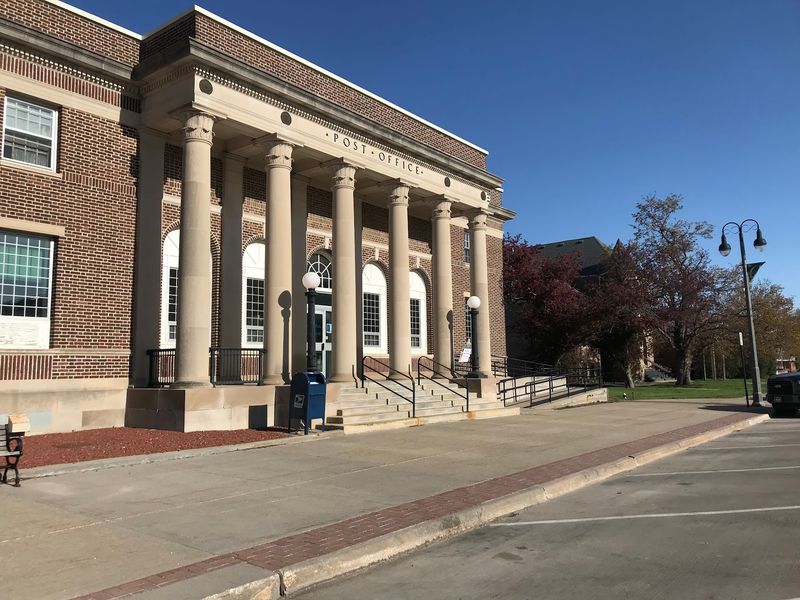
Big-city folks, take note. Grinnell is a small town, and it owns that fact proudly.
The community is known for being friendly and helpful. Locals and college staff often go out of their way to assist guests.
There is a catch for night owls. Only a few places stay open past midnight, so plan shopping and errands earlier in the evening.
Mornings start slowly too. The town tends to wake up around 8 a.m., which makes early hours ideal for a calm jog with almost no traffic.
Some students from large cities find the area quieter and more rural than they expected. Others love the chance to focus without big-city distractions.
A visit is a good way to test the fit. Spend time downtown, walk the neighborhoods, and see how the pace feels.
The town and the college grew up side by side, shaped by the same reform-minded founders. That shared history still gives the place a close, welcoming character worth experiencing in person.
Smart Tips Before You Apply
Planning a campus visit takes more than picking a date. A little prep goes a long way here.
Start by booking a tour through the college website. Tours led by current students or graduates often include fun stories and hidden spots.
Sit in on a class if possible. Many prospective students say this gave them the clearest sense of the academic pace.
Money questions deserve careful attention. Some families note that costs can rise each year, so ask the financial aid office how aid may change over four years.
Get clear answers on loans, grants, and yearly increases before committing. A written breakdown can prevent surprises later.
The college has welcomed first-generation students from far away, and many say they felt truly wanted. Academic rigor can be a challenge, though, so ask about tutoring and support.
Finally, take time to explore the town. Fit matters as much as rankings.
A school that opened its doors early to women still values thoughtful choices, and smart planning is the best way to honor that spirit.