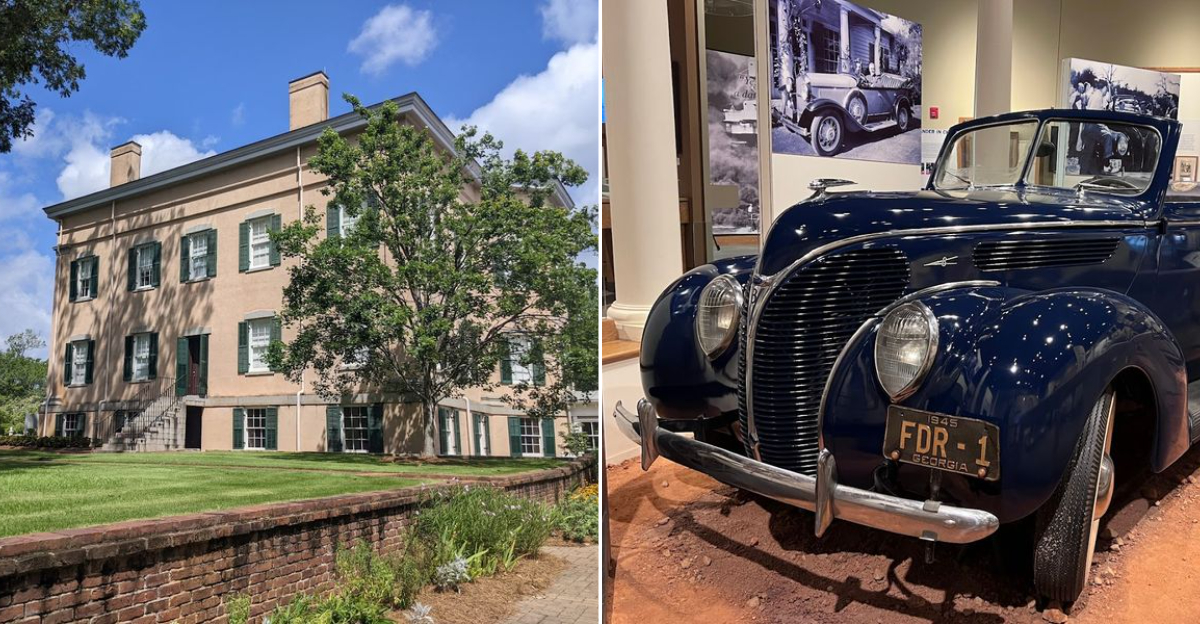
Beyond the curated monuments of its city squares, Georgia’s landscape is etched with the physical remnants of a much older, grit-filled reality.
These sites bypass the typical museum experience, offering direct contact with the prehistoric settlements and decaying colonial structures that the wilderness is slowly reclaiming.
There is no polished gift shop or guided tour here, only the raw evidence of people who built, fought, and lived in these quiet corners.
These eleven destinations reveal a side of the state that is far more complex and enduring than any glossy brochure suggests.
Exploring them is less about sightseeing and more about acknowledging the stubborn persistence of Georgia’s true history.
1. Wormsloe Historic Site, Savannah
With some roads you just know it is important to pay attention, and look around.
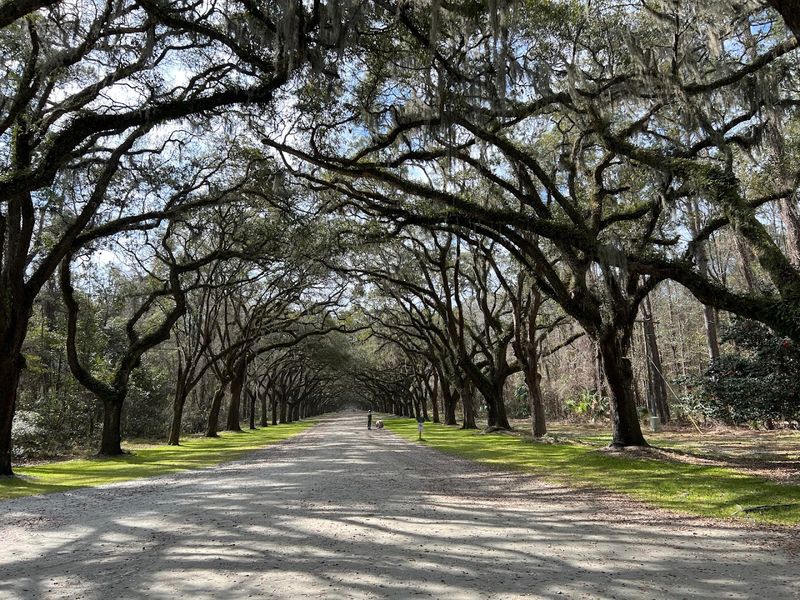
Wormsloe Historic Site, just outside Savannah on Isle of Hope Road, does exactly that with its oak-lined entrance and drifting curtains of Spanish moss.
I found that the beauty is only the opening act, because this estate also preserves the colonial story of Noble Jones, one of Georgia’s earliest settlers.
Behind the postcard view, the tabby ruins matter most.
They are the remains of a fortified house begun in the 1730s, and they show how coastal Georgia mixed defense, farming, and ambition in one demanding landscape.
If you visit, walk the interpretive trail instead of rushing straight to photos, because the panels explain daily life better than you might expect.
The silence at this location isn’t empty; it carries the heavy, unmistakable weight of the events that actually happened on this ground.
The quieter corners stayed with me longest.
Demonstrations and seasonal events often bring the colonial era into sharper focus, while the museum helps connect the ruins to the larger Savannah story. Go early for softer light, fewer crowds, and a more reflective walk.
2. Andersonville National Historic Site
Silence lands differently in places where suffering once filled the air.
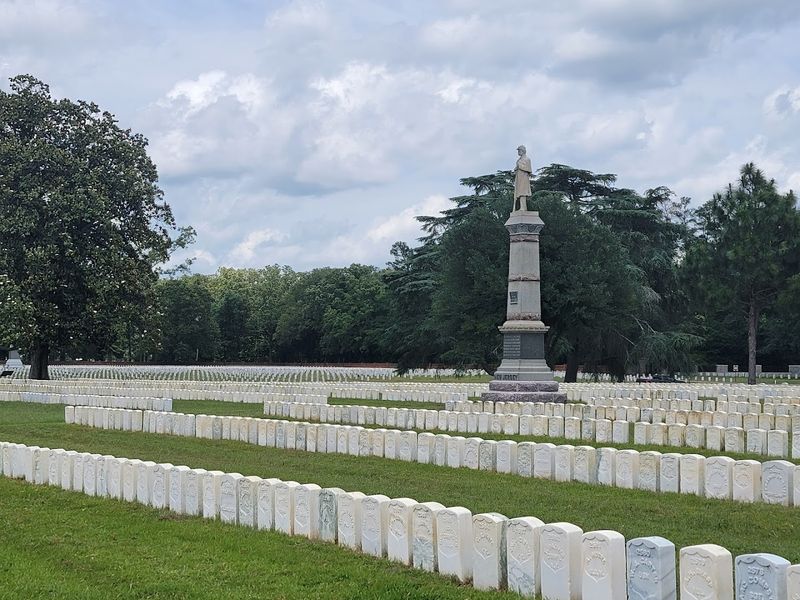
Andersonville National Historic Site in southwest Georgia, near the town of Andersonville, preserves the grounds of Camp Sumter, the notorious Civil War prison for Union soldiers.
Walking there, I felt how the vast open space makes the history harder, not easier, to absorb.
The site explains the prison overcrowding, disease, and inadequate shelter with care and clarity.
The National Prisoner of War Museum adds another layer by connecting Andersonville to the broader experience of captivity across American conflicts, which gives the visit unusual depth.
I would start at the museum first, because the exhibits make the landscape outside much more understandable.
Even small details hit with force. Markers, reconstructed sections, and the cemetery create a visit that is solemn without becoming distant, and the stories of individuals keep the scale human.
Discovering the secrets of this historic site provides a profound connection to the resilient spirit and complex history of the South.
3. Chief Vann House Historic Site, Chatsworth
History can seem polished from the outside.
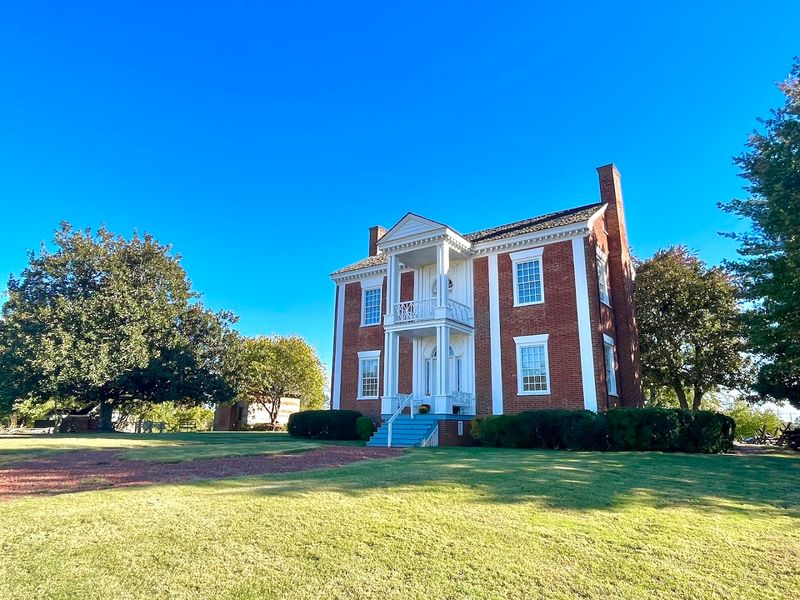
Chief Vann House Historic Site in Chatsworth reveals that truth through an elegant brick mansion built by wealthy Cherokee leader James Vann in the early 1800s.
When I first saw it, the refined Federal style felt surprising, which is exactly why the house tells such a layered story.
This was not a frontier cabin but a statement about status, trade, and cultural exchange in northwest Georgia.
The interiors, staircase, and decorative details show how the Vann family lived in a world shaped by prosperity and conflict, while the interpretation also addresses slavery and the pressures placed on Cherokee communities.
I appreciated that the site does not smooth away the harder parts.
Grounds and outbuildings add important context.
Guides often share details about James Vann’s complex reputation and the later removal era that reshaped everything connected to this home.
Visit with a tour if possible, ask about the restored wall paintings, and save time to explore nearby New Echota for a fuller Cherokee history arc.
4. Jarrell Plantation Historic Site, Juliette
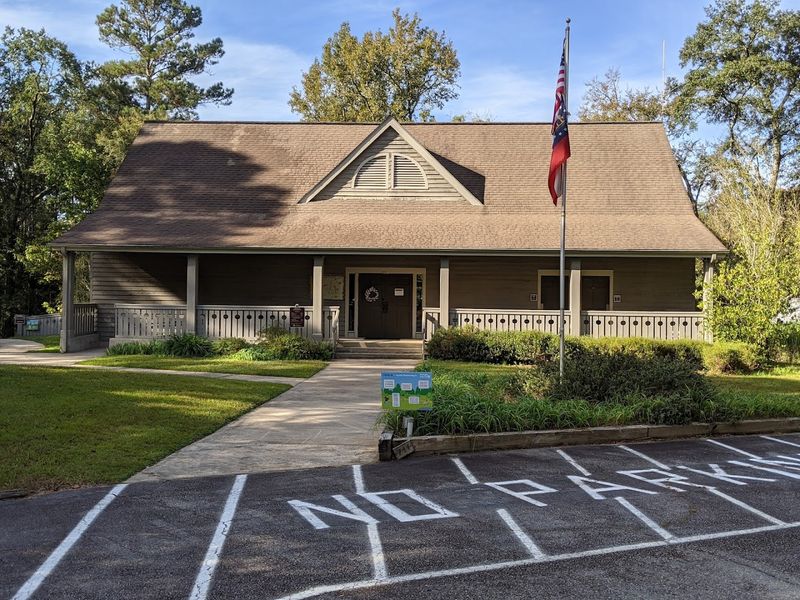
History gets more interesting when the machinery still seems ready to start.
Jarrell Plantation Historic Site near Juliette preserves a family farm and cotton-processing complex that grew after the Civil War, letting you see labor, industry, and rural survival in one place.
I liked that it feels grounded in everyday work rather than grand gestures.
The site includes the farmhouse, outbuildings, and especially the gin house and cane syrup equipment that explain how farming families adapted to changing markets in central Georgia.
Instead of presenting plantation life as a frozen tableau, the interpretation traces how the Jarrells built a working enterprise over decades.
That practical focus gives the whole visit more texture.
Creaking boards and weathered tools do plenty of storytelling on their own.
Demonstrations and ranger talks can make the production process easier to picture, so I would check the schedule before going.
Make sure to wear comfortable shoes, and do not skip the smaller details, because they reveal how demanding farm life really was.
5. Traveler’s Rest Historic Site, Toccoa
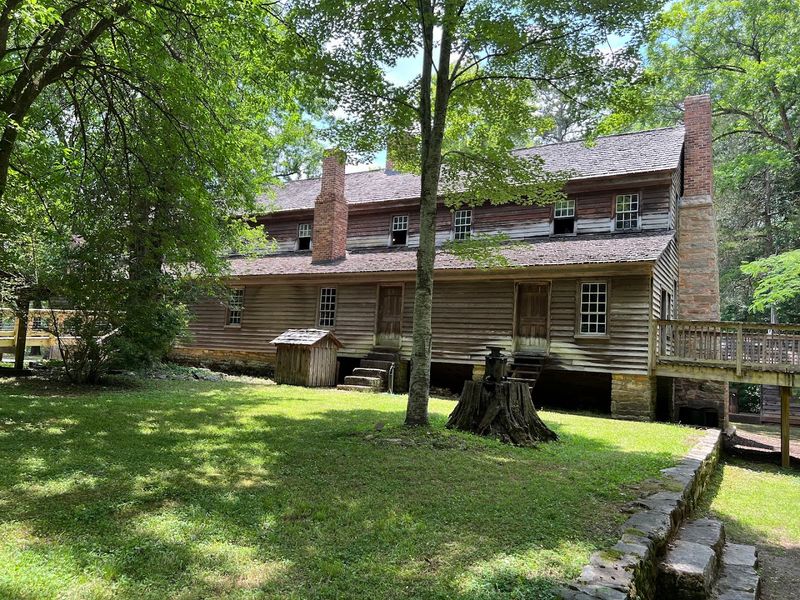
Old roads usually leave traces if you know where to look.
Traveler’s Rest Historic Site in Toccoa stands along a historic route through northeast Georgia and is one of the state’s oldest surviving inn properties.
I enjoy places like this because they reveal movement, commerce, and conversation instead of just architecture.
The house was built by Major Jesse Walton, and over time it served travelers heading through the region’s foothills.
Furnished rooms, period details, and the setting help explain how an early nineteenth-century stopover worked before rail lines and highways changed everything.
The story broadens beyond lodging too, touching on plantation life and the labor that supported this household.
Fresh mountain air gives the grounds a calm mood, but the history is busier than it first appears.
Guided interpretation often brings out the social world of the inn, from guests passing through to the family networks rooted there.
Pair the visit with a scenic drive, arrive with questions, and take time on the porch where the road story really clicks.
6. Hofwyl-Broadfield Plantation Historic Site, Brunswick
Marsh light has a way of making the past feel close.
Hofwyl-Broadfield Plantation Historic Site, north of Brunswick, sits beside wide coastal wetlands and preserves the home of a rice plantation family whose world depended on tides, labor, and careful timing.
I found the setting almost as revealing as the house itself.
The plantation was once part of a larger rice-growing operation along the Altamaha River delta, and the museum inside the house explains how that economy rose and fell.
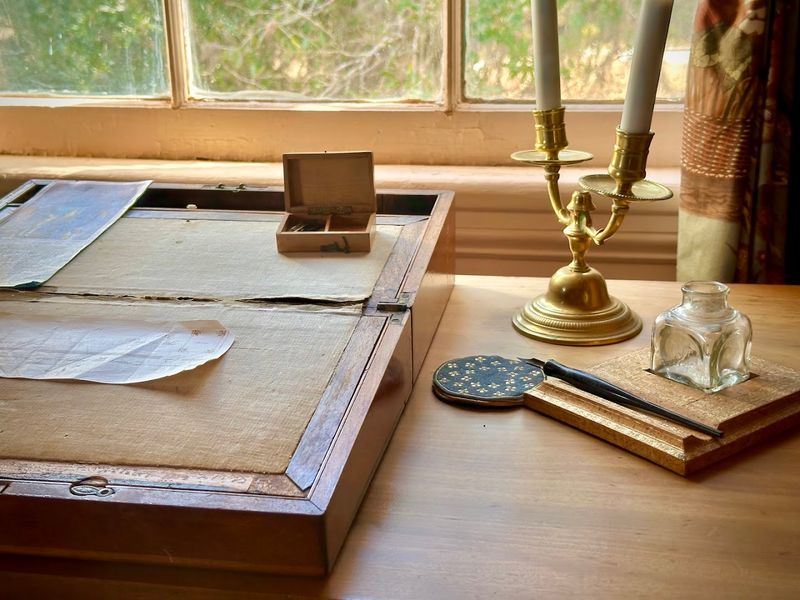
Furnishings from the last resident family make the rooms feel personal, while exhibits also point visitors toward the larger system of enslaved labor that made such wealth possible.
That balance gives the site needed honesty.
Outside, the view does quiet but serious work.
Standing near the marsh, you can better understand why this landscape shaped both opportunity and hardship in coastal Georgia.
I recommend bringing bug spray, allowing time for the museum film, and visiting late in the day when the light over the grasses turns the history reflective instead of merely scenic.
7. Pickett’s Mill Battlefield Historic Site, Dallas
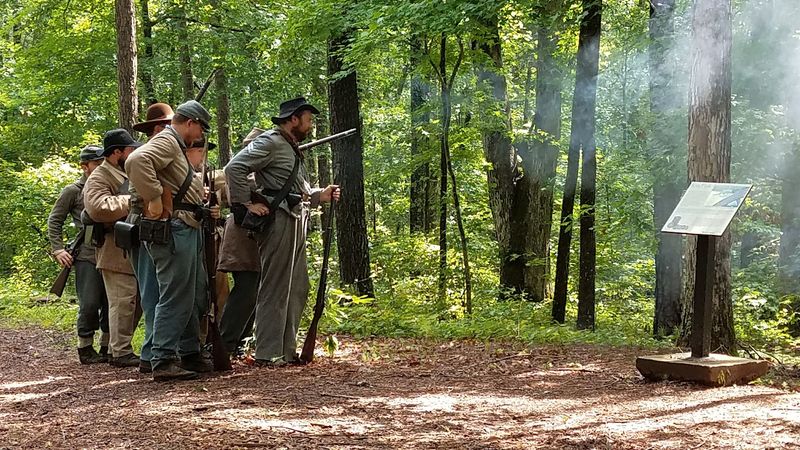
Battlefields can whisper when they are left mostly to the trees.
Pickett’s Mill Battlefield Historic Site near Dallas preserves one of the best intact Civil War battlefields in the nation, yet it feels surprisingly secluded once you step onto the wooded trails.
I was struck by how little the land needs to dramatize itself.
The battle took place in May 1864 during the Atlanta Campaign, when Union and Confederate forces clashed in brutal fighting across ravines and dense forest.
Because modern development has not erased the terrain, you can still read the landscape and understand why the combat unfolded so chaotically.
The visitor center helps, but the paths do the real teaching.
Uneven ground turns into a history lesson with every step.
Earthworks, markers, and preserved lines make it easier to grasp troop movement than many larger sites, especially if you walk slowly and keep a map handy.
Make sure to wear sturdy shoes, especially if it was raining, start at the exhibits, and save enough energy for a hike under the pines.
8. Roosevelt’s Little White House Historic Site, Warm Springs
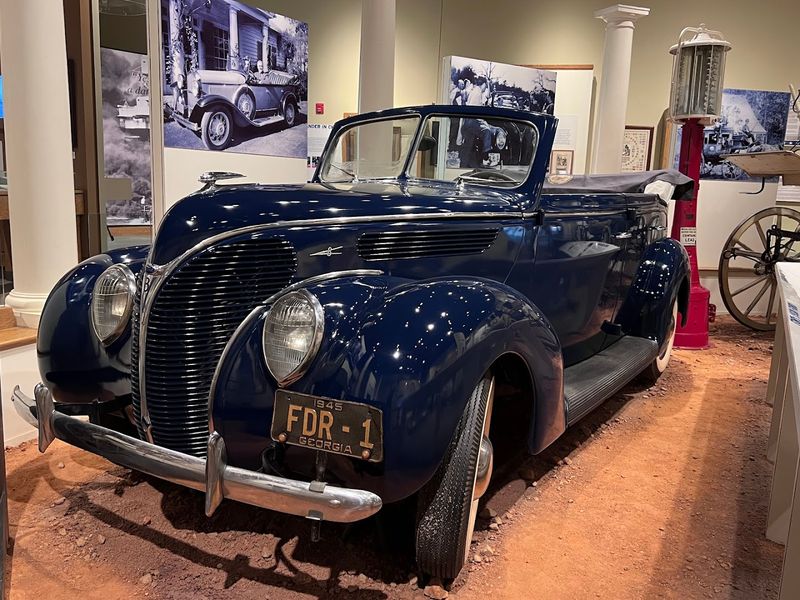
Some presidential history feels more human when it happens in a modest room.
Roosevelt’s Little White House Historic Site in Warm Springs preserves the retreat Franklin D. Roosevelt used while seeking treatment in the area’s therapeutic waters.
I like how the place narrows a giant public life into objects, routines, and one deeply personal landscape.
The house itself is simple, which makes its history more affecting.
Roosevelt came to Warm Springs because of polio, built connections with the community, and turned the area into an important center for treatment and rehabilitation.
Inside, exhibits and furnishings show both the comfort of a retreat and the weight of leadership during the Great Depression and World War II.
One room stops visitors almost immediately.
It was here in 1945 that Roosevelt died, and the unfinished portrait nearby quietly marks that final day better than any dramatic display could.
I recommend touring the museum as well as the house, leaving time for the grounds, and pairing your visit with nearby Warm Springs history for fuller context.
9. New Echota Historic Site, Calhoun
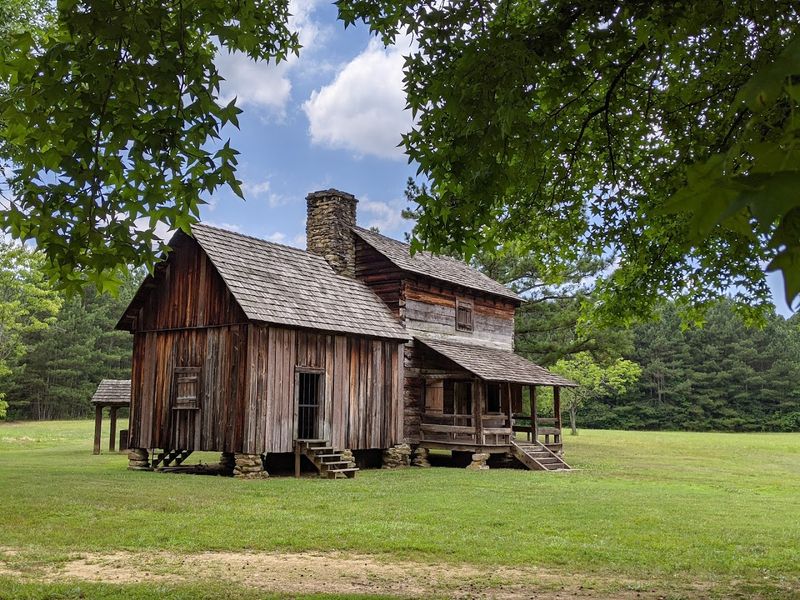
A capital city does not need stone towers to leave a mark.
New Echota Historic Site near Calhoun preserves the former capital of the Cherokee Nation, where government buildings, homes, and a print shop once anchored an ambitious political and cultural center. Visiting it, I felt the weight of ideas as much as events.
This was the place where the Cherokee Phoenix was printed, where constitutional government took shape, and where debates unfolded during one of the most pressured periods in Cherokee history.
Reconstructed buildings and exhibits explain both creativity and crisis, especially the path toward removal on the Trail of Tears.
The site rewards careful reading, because its biggest stories are often in documents and decisions.
Quiet paths connect places where history changed course.
I appreciated that the interpretation highlights Cherokee resilience and intellect rather than reducing the story to tragedy alone.
Start with the visitor center film, give yourself more time than expected, and look closely at the print shop, which makes the power of words feel unusually immediate.
10. Old Governor’s Mansion, Milledgeville
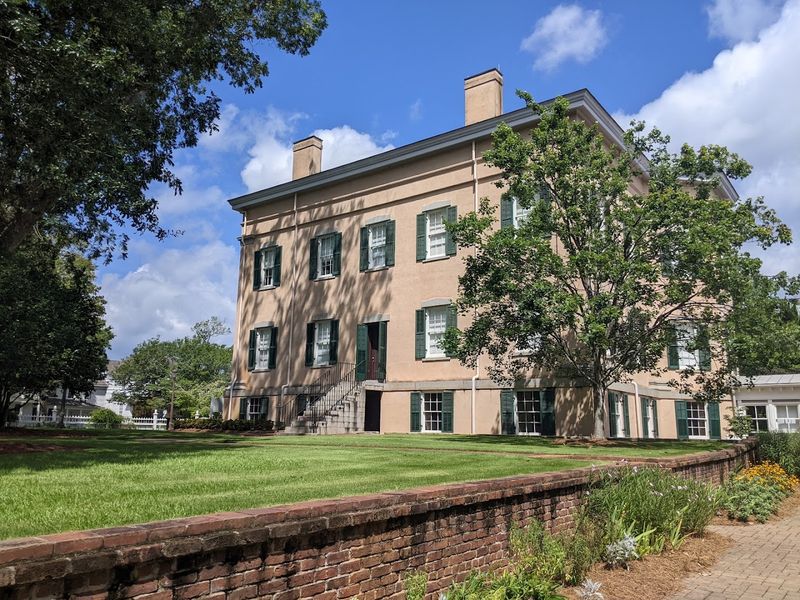
Politics always leaves fingerprints on the rooms where people wait, argue, and celebrate.
The Old Governor’s Mansion in Milledgeville brings that truth into focus through one of the finest examples of High Greek Revival architecture in the South.
When I toured it, the building felt formal at first, then unexpectedly intimate once the stories started unfolding.
Built in 1839 while Milledgeville served as Georgia’s capital, the mansion housed governors and witnessed major changes before, during, and after the Civil War.
The interiors reveal not just style but state power, domestic routines, and the labor structure that kept such a residence running.
Restoration work has also helped recover a more accurate sense of how the house looked and functioned.
Ceilings, stairways, and reception spaces make it easy to imagine political theater without much effort. Guided tours are especially worthwhile here, because the interpretation links the mansion to secession, occupation, and Georgia’s shifting identity.
I would combine it with a walk through Milledgeville historic district, where the capital-city past still lingers block by block.
11. Fort King George Historic Site, Darien
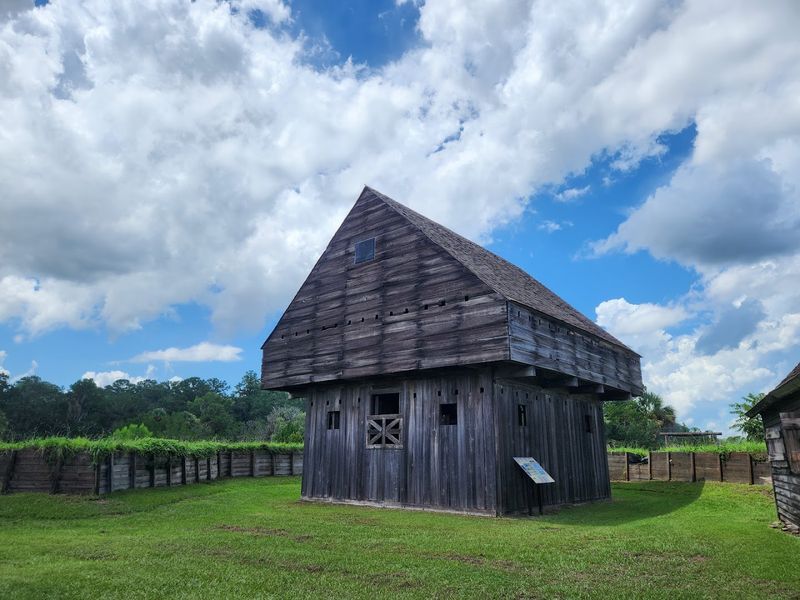
Frontier history often begins with mud, timber, and uneasy planning.
Fort King George Historic Site in Darien recreates a British outpost first established in 1721, making it the oldest English fort remaining on Georgia’s coast.
I enjoyed how the site turns an early colonial struggle into something concrete and walkable.
The reconstructed fort includes barracks, officers’ quarters, and defensive walls that help explain why soldiers found this assignment difficult.
Disease, isolation, supply problems, and imperial rivalry shaped daily life here long before Georgia became a formal colony.
Exhibits do a good job showing that military history was also environmental history, because survival depended on understanding the coastal landscape.
River views soften the scene, but the story itself stays rough-edged.
Living history programs and demonstrations can add energy to the visit, especially if you want more than labels and floor plans.
Arriving before midday heat is a must.
Spend time in the museum, and walk the grounds slowly, because the fort’s layout makes the hardships of this post easier to picture.