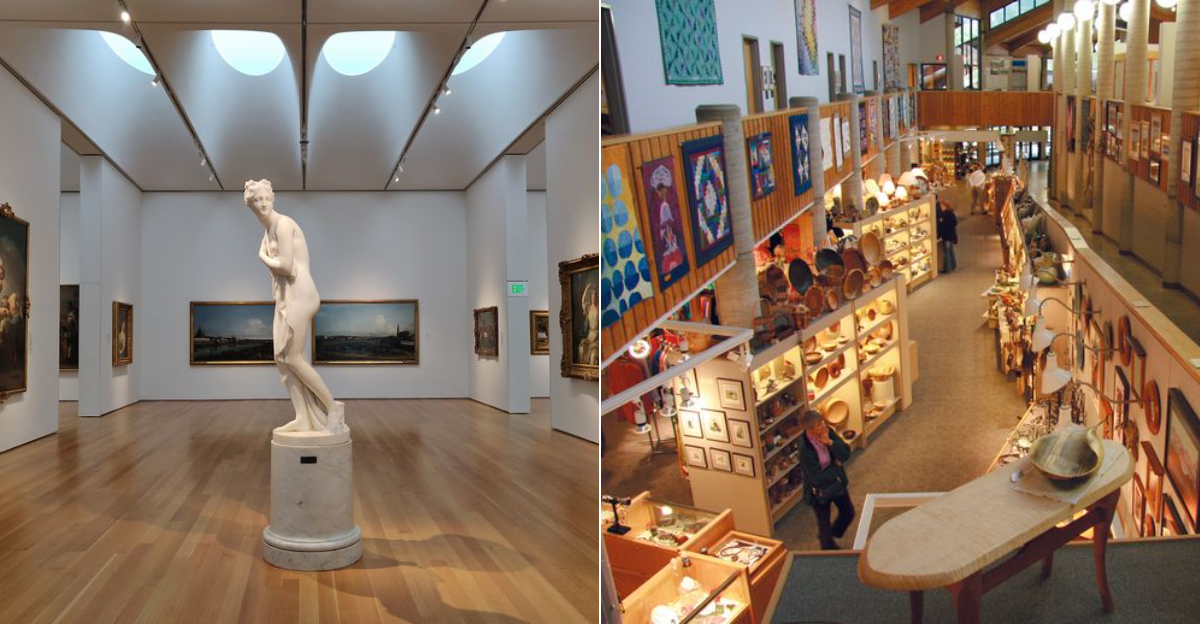
Beyond the well-known museums and coastal landmarks, North Carolina is home to a wealth of cultural gems that often fly under the radar.
These spots offer a deeper look into the state’s rich heritage, from its mountain craft traditions to its vibrant urban art scenes.
You might find a quiet gallery showcasing local pottery made the same way for centuries or a small theater tucked away in a historic downtown.
Each of these locations offers a more intimate connection to the people and stories that shape the Tar Heel State.
By taking the time to visit these underrated locations, you support the local artists and historians who keep these traditions alive.
You’ll leave with a much richer understanding of the culture that thrives in every corner of North Carolina.
1. Ackland Art Museum, Chapel Hill
College towns often hide their best surprises in plain sight.
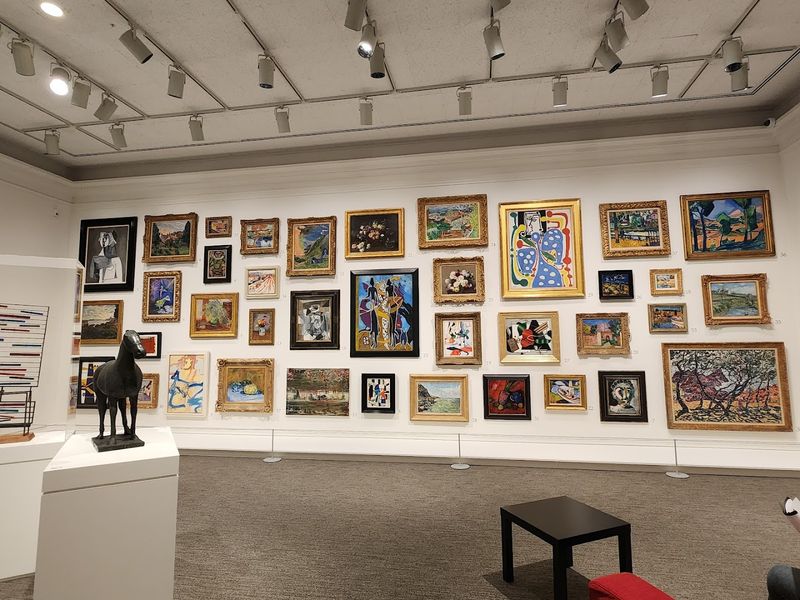
The Ackland Art Museum in Chapel Hill sits near the University of North Carolina campus and offers a calm, thoughtful break from Franklin Street energy.
I like how easily you can step from a busy sidewalk into rooms filled with European paintings, Asian works, photography, and modern pieces that reward a slower look.
Quiet confidence is this museum’s strongest trick.
Admission is free, which makes it easy to visit without overplanning, and the collection feels broader than many first-time visitors expect.
I have found that the rotating exhibitions keep things fresh, while the permanent galleries create a strong sense of continuity between older art and newer ideas.
A little strategy makes the visit even better.
Go in the late morning for a relaxed pace, then pair your stop with coffee or lunch nearby in downtown Chapel Hill.
If you enjoy details, ask about gallery talks or student connections, because the academic setting adds context without making the experience feel stiff.
2. Mint Museum Randolph, Charlotte
Sometimes the most rewarding museum visit begins with a quieter address.
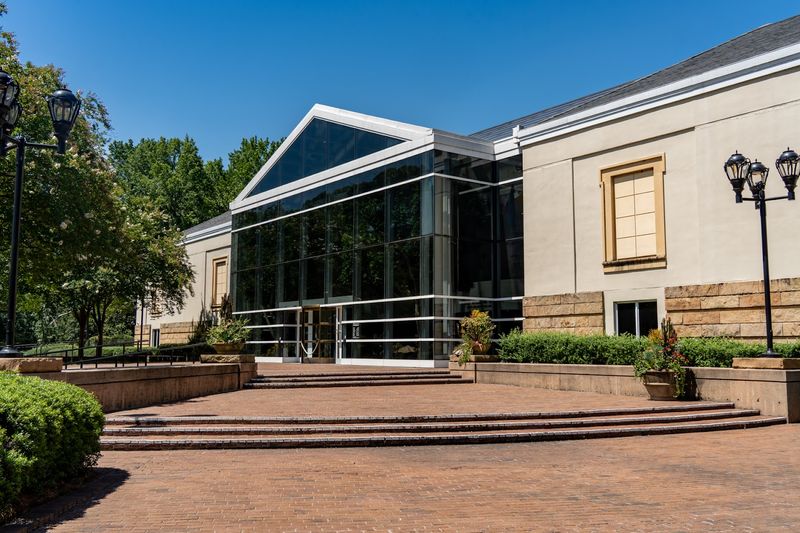
Mint Museum Randolph in Charlotte occupies the city’s original branch of the Mint and brings together American art, decorative arts, and design in a setting that feels intimate rather than rushed.
I appreciate how the historic building gives the collection extra texture before you even read the first label.
Grace shows up in the details here.
The galleries often feel personal, especially if you enjoy ceramics, fashion, and objects that reveal how taste changes over time.
Instead of trying to overwhelm you, the museum invites close looking, and that slower rhythm makes it easier to notice craftsmanship that might get lost in a larger institution.
A well-timed visit can turn into an easy cultural afternoon.
Arrive early to enjoy quieter rooms, then spend time in nearby Eastover or continue to other Charlotte museums if you want a longer art day.
I would also check the calendar before going, because special exhibitions and programs sometimes add a fresh angle to the permanent collection.
3. Reynolda House Museum of American Art, Winston-Salem
Few places make art and architecture feel this naturally connected.
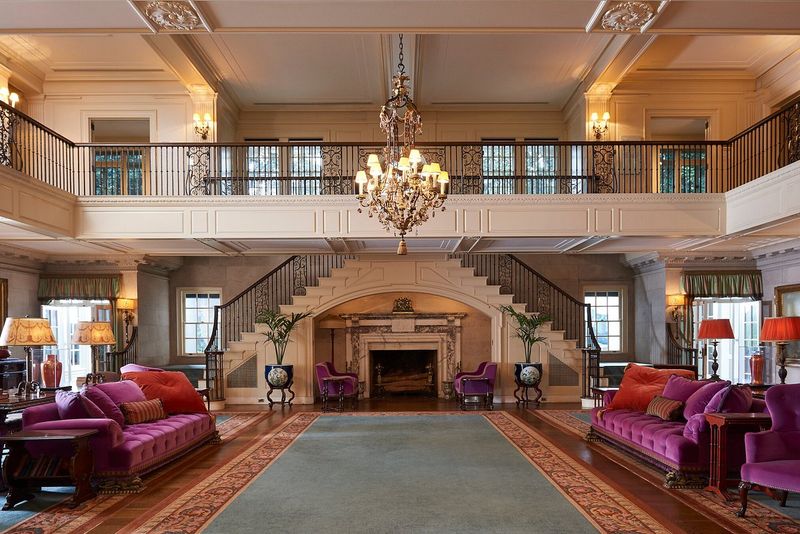
Reynolda House Museum of American Art in Winston-Salem was once the estate of Katharine and R.J. Reynolds, and today it blends a country house setting with a serious American art collection.
I like that the experience starts before the galleries, because the grounds, lake area, and restored interiors set the tone beautifully.
History lingers here without becoming heavy.
Inside, you can move from portraits and landscapes to works by major American artists while still sensing the domestic story of the house itself.
That balance keeps the museum approachable, especially for visitors who want context and atmosphere along with the paintings.
Planning ahead pays off at this stop.
Give yourself time to walk outside, not just through the galleries, since the broader Reynolda estate adds depth to the visit.
Pair this visit with Reynolda Village for coffee or a meal, and if you enjoy design details, take a close look at the period rooms because they quietly tell as much as the wall text.
4. Harvey B. Gantt Center for African-American Arts + Culture, Charlotte
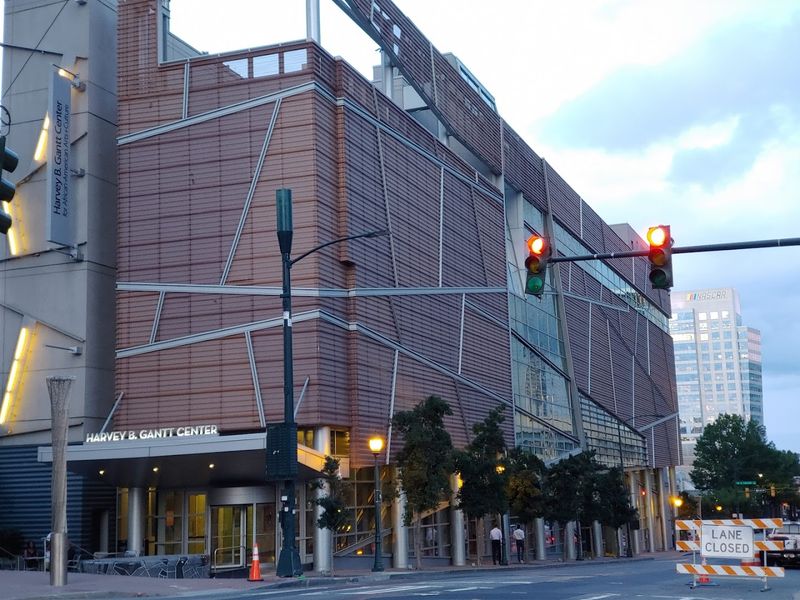
Some museums speak in a clear voice the moment you walk in.
The Harvey B. Gantt Center for African-American Arts + Culture in Uptown Charlotte focuses on African-American art, history, and community stories with a contemporary perspective that feels grounded and direct.
I value how the building itself feels open and modern, yet the exhibitions keep the human dimension front and center.
Fresh insight is the real draw here.
The center often highlights regional connections alongside broader cultural themes, so you leave with a stronger sense of Charlotte as well as the national story.
I have found the programming especially strong, from rotating exhibitions to talks and events that make the space feel active rather than static.
A little curiosity will serve you well during this visit.
Read the exhibition descriptions carefully and give yourself time for any multimedia components, because they often deepen the impact.
Since it sits in the heart of Uptown, it is easy to combine with a walk through nearby public spaces, and I would check event listings first if you want the most lively experience.
5. Cameron Art Museum, Willmington
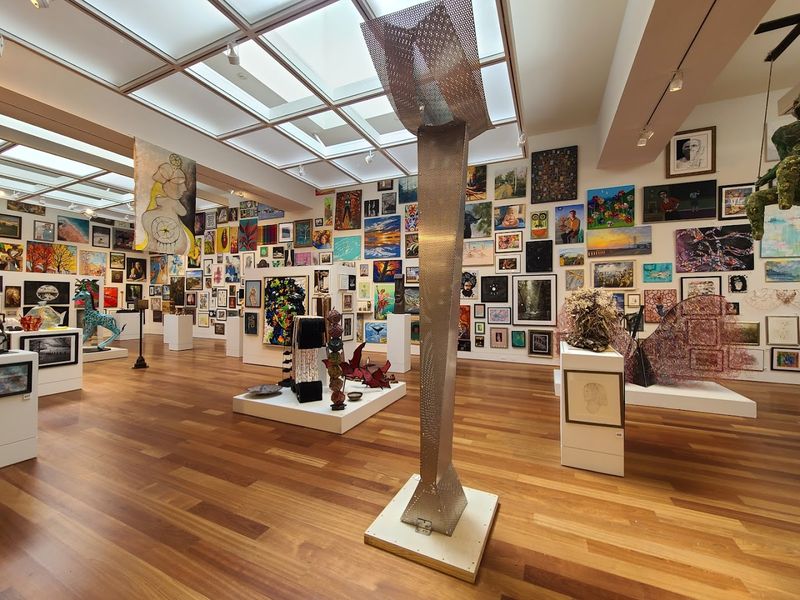
Coastal culture gets more interesting when it goes beyond beaches and boardwalks.
Cameron Art Museum in Wilmington offers contemporary art, regional history, and thoughtful programming in a setting that feels welcoming without being casual about the work.
I enjoy how the museum brings together visual art and stories tied to southeastern North Carolina, giving the visit a strong local pulse.
Surprises come in more than one form here.
One gallery might lean contemporary, while another connects to the area’s past, and that variety keeps the museum from feeling predictable.
The grounds and outdoor components can be just as memorable, especially if you appreciate a museum that encourages movement rather than a straight-line march.
Timing can shape the whole experience.
I would go with enough margin to browse slowly and, if possible, catch a public program, performance, or temporary exhibition that adds another layer.
Because Wilmington has plenty to pull your attention elsewhere, this museum is easy to overlook, but it rewards a focused stop, especially on a hot day when an indoor cultural reset sounds perfect.
6. North Carolina Museum of Art, Raleigh
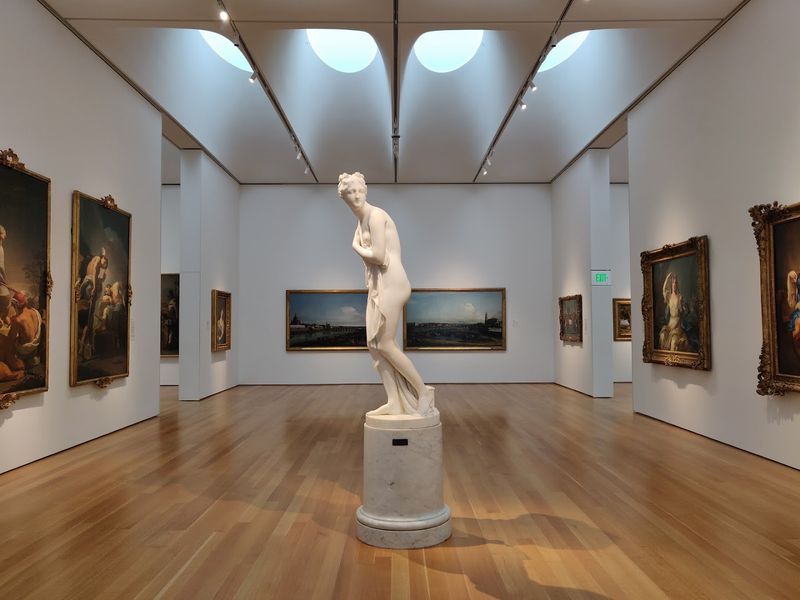
Big museums can still feel personal when they give you room to breathe.
The North Carolina Museum of Art in Raleigh pairs an impressive collection with a museum park that encourages walking, lingering, and seeing art in more than one setting.
I think that mix is what makes the place special, even though it sometimes gets overshadowed by more obvious city attractions.
Range is the quiet headline here.
You can move through ancient works, European painting, African art, and modern pieces, then head outside for trails and sculpture without ever feeling like the experience breaks apart.
Free access to the permanent collection is another plus, because it takes the pressure off and lets you explore at your own pace.
A little planning turns this into a full day rather than a quick stop.
Wear comfortable shoes if you want the park as well as the galleries, and check what special exhibitions are on view before you go.
I like visiting in cooler weather for the outdoor sections, but even in summer the museum works well if you alternate between indoor galleries and shaded paths.
7. Weatherspoon Art Museum, Greensboro
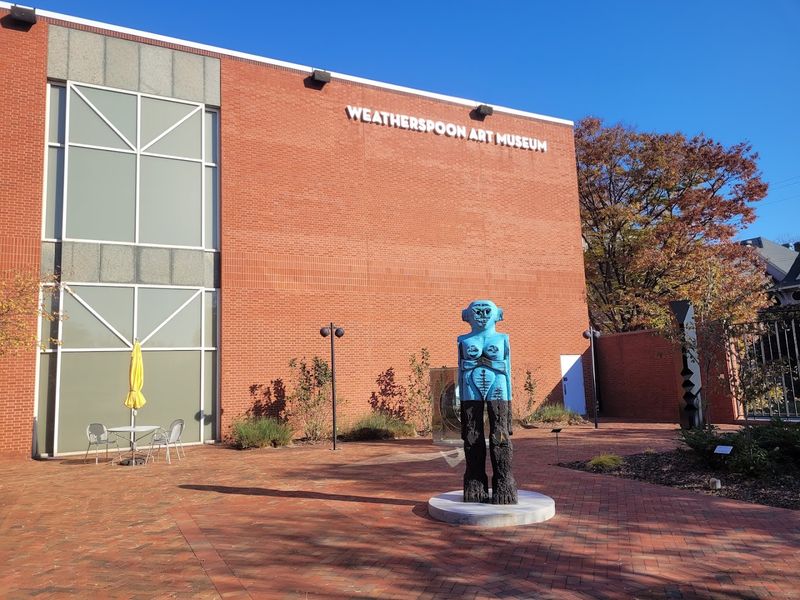
Modern art feels less intimidating when the setting invites curiosity first.
The Weatherspoon Art Museum in Greensboro, located at the University of North Carolina at Greensboro, has a strong reputation for modern and contemporary art yet remains approachable for casual visitors.
I like that the galleries encourage close attention without the pressure that sometimes follows more famous institutions.
Sharp ideas tend to show up in manageable doses here.
The museum’s collection includes significant twentieth-century and contemporary works, and the rotating exhibitions often spark fresh conversations about material, identity, and form.
Because the scale feels human, I find it easier to spend real time with a few pieces instead of drifting past everything.
The smartest move is to visit with an open schedule.
Give yourself enough time to read wall text, circle back to works that catch your eye, and see whether a public program is happening that day.
Greensboro has several worthwhile cultural stops, but this one often flies under the radar, and that is exactly why it can feel like such a satisfying, low-noise discovery.
8. Folk Art Center, Asheville
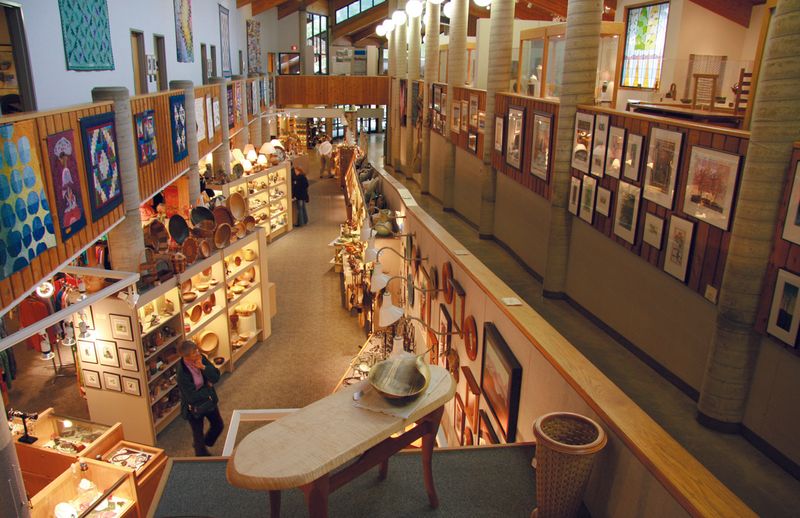
Handmade work has a way of slowing your pace in the best possible way.
The Folk Art Center near Asheville sits on the Blue Ridge Parkway and celebrates the craft traditions of the Southern Highlands through exhibitions, demonstrations, and a well-stocked shop.
I always find it refreshing because the focus stays on skill, heritage, and living makers rather than just polished presentation.
Texture takes the lead the minute you start looking closely.
Quilts, woodwork, pottery, baskets, and other regional crafts reveal how much ingenuity lives in everyday materials, and the displays do a good job connecting object to maker.
Watching a demonstration, when available, adds a practical dimension that helps the artistry feel immediate and grounded.
This stop works especially well if you build in extra time.
Parking is usually straightforward, the mountain setting adds to the mood, and the center makes an easy addition to any Parkway drive.
Make sure to browse the shop carefully too, because it features work by local artisans and gives you the rare chance to take home something genuinely tied to western North Carolina.
9. Tryon Palace, New Bern
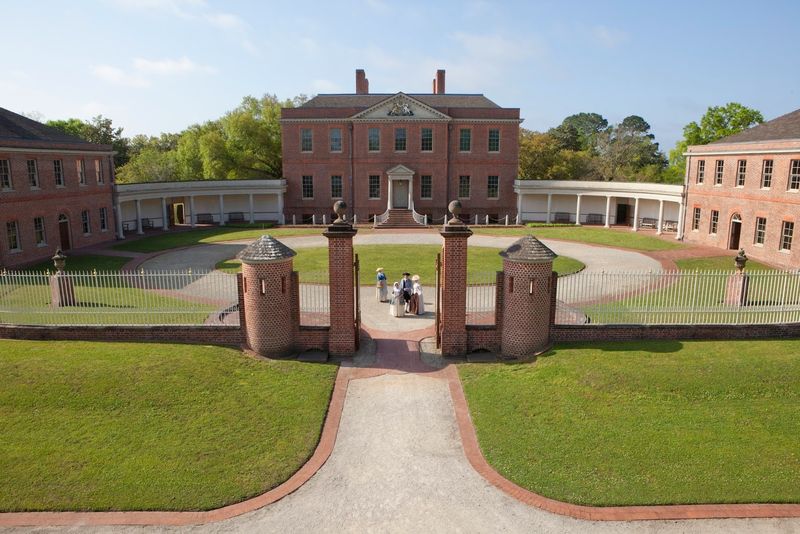
Colonial history lands differently when the setting still feels alive.
Tryon Palace in New Bern recreates the home of North Carolina’s first royal governor and anchors a broader historic site with period buildings, gardens, and interpretive exhibits.
I appreciate that the experience goes beyond a single mansion tour and instead gives you a fuller sense of how the town developed.
Details do much of the storytelling here.
The formal interiors are carefully presented, but the kitchens, working spaces, and surrounding structures often reveal the most about daily life, labor, and social hierarchy.
If you enjoy layered history, the site’s combination of architecture, landscape, and costumed interpretation makes it easier to connect separate facts into a clearer picture.
A practical approach makes the visit richer.
Wear comfortable shoes, leave time for the gardens, and check whether any living history demonstrations are scheduled because they add welcome texture.
New Bern itself is charming to explore afterward, so I like treating Tryon Palace as the centerpiece of a longer day that includes a walk through the historic downtown waterfront area.
10. Museum of the Cherokee Indian, Cherokee
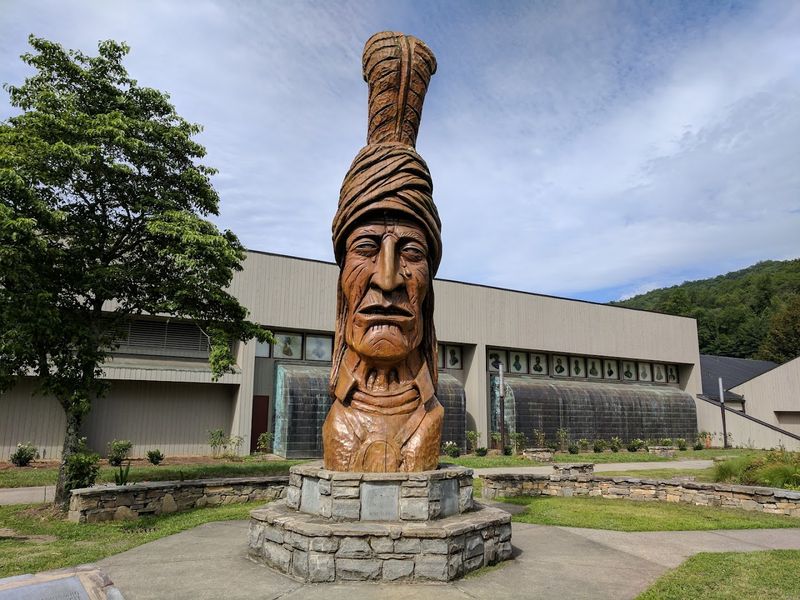
Some of the most important museums are the ones that correct what many visitors think they already know. The Museum of the Cherokee Indian in Cherokee presents Cherokee history, culture, and resilience with a voice that feels direct, specific, and rooted in community.
I think it is one of the most essential cultural stops in the state, especially for travelers exploring the mountains.
Clarity is one of its real strengths.
Exhibits trace long histories that begin far before European contact and continue into the present, which helps push past the flattened versions many people learned in school.
The storytelling is thoughtful and accessible, and I have found that the contemporary perspective gives the entire visit more honesty and weight.
This is not a place to rush through between scenic overlooks.
Set aside enough time to read carefully, and if possible, pair the museum with other cultural experiences in Cherokee for a fuller understanding.
Because the subject matter is significant, I would go in ready to listen more than skim, and that usually leads to a far more meaningful visit than expected.