South Carolina’s shoreline is packed with places where sea breezes, old brick walls, and dramatic stories all come together in one view.
Some forts sit right in Charleston Harbor, some hide near marshes and rivers, and others surprise visitors farther inland by showing how the state’s defense history stretched well beyond the beach.
Each site offers something special, like ferry rides, quiet trails, ruined walls, or rare views that make the past feel close enough to touch.
If you enjoy learning while looking at water, trees, wildlife, or wide skies, this guide will help you find ten memorable forts across South Carolina and plan smarter visits with better timing, useful tips, and a stronger sense of why these strongholds still matter today for families and solo travelers alike on any trip.
1. Fort Sumter National Monument – Charleston Harbor
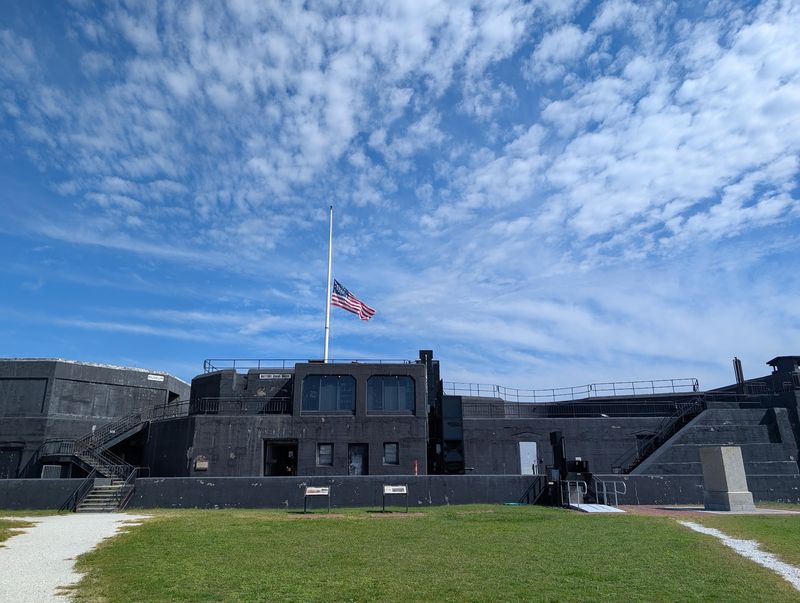
Nothing feels ordinary when a boat ride leads you toward Fort Sumter in the middle of Charleston Harbor today.
The brick fort is famous as the place where the Civil War began in 1861, giving every wall meaning.
Rangers share stories that help kids and adults picture soldiers, flags, cannons, and crowded harbor defenses from long ago.
Because tickets can sell out, booking early is smart, especially during spring break, summer weekends, and popular holiday trips.
From the ferry, you also get sweeping water views, seabirds overhead, and a fresh breeze that makes sightseeing easy.
Small museum displays explain battle damage, rebuilding efforts, and the fort’s role in protecting one of South Carolina’s harbors.
Comfortable shoes help on hot days since shaded spots are limited, and the sun reflecting off water feels stronger.
If you love photos, morning light often gives the fort and skyline a clean, bright look without harsh shadows.
Nearby Charleston adds restaurants, museums, and harbor walks, so Fort Sumter fits into a full day of coastal exploring.
For many visitors, the mix of water and turning point history makes this stop unforgettable long after leaving shore.
2. Fort Fremont Preserve – St. Helena Island
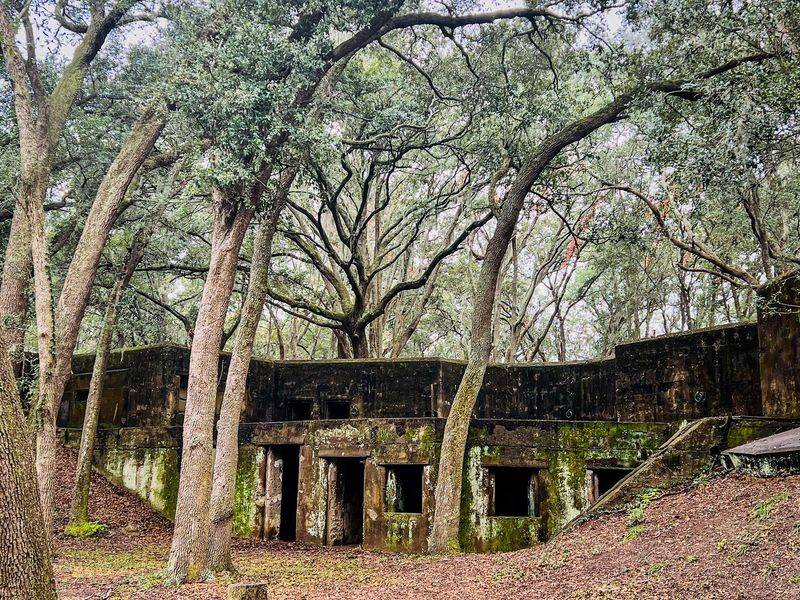
Hidden under live oaks and near marshy water, Fort Fremont Preserve on St. Helena Island feels quiet and mysterious.
Built during the Spanish American War era, it never saw combat, yet its concrete batteries still look sturdy today.
That unusual backstory makes the site interesting, because you can study military planning without picturing a famous battle there.
The preserve includes walking paths, picnic spots, and wide coastal scenery, so it works well for relaxed explorers too.
Kids often enjoy searching for old gun emplacements while adults appreciate the blend of engineering, trees, and salt air.
Because bugs can be active in warmer months, packing repellent will make your visit much more comfortable outdoors there.
Photographers should look for late afternoon light, when shadows deepen and the old fort surfaces gain extra texture beautifully.
Nearby Beaufort attractions mean you can pair Fort Fremont with seafood, Gullah history, and scenic island drives nearby easily.
Signs explain the fort’s purpose clearly, but bringing a little curiosity will help you notice small design choices outside.
For travelers who like uncrowded places, this preserve delivers coastal calm with a side of overlooked history today there.
3. Fort Lamar Heritage Preserve – James Island
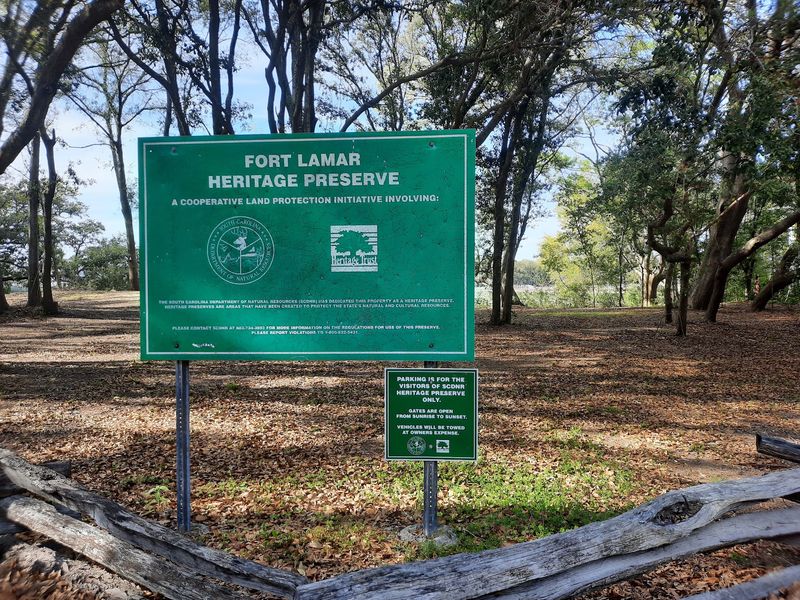
Bird calls and marsh views welcome visitors before Fort Lamar on James Island tells its fierce Civil War story.
Confederate forces built this earthwork to defend Charleston, and its low shape still shows smart use of terrain there.
Unlike towering brick forts, Fort Lamar feels closer to the ground, which helps you imagine hidden defenses better today.
The setting is peaceful now, yet the preserve connects to the 1862 Battle of Secessionville nearby fought hard there.
Walking trails and markers make the visit manageable, even if you are not a deep military history fan yet.
Bring sturdy shoes after rain, because soft ground and puddles can appear around the old earthworks pretty quickly there.
Many visitors pair the stop with the Secessionville battlefield marker, creating a fuller picture of James Island events nearby.
The fort’s grassy forms photograph best when sun angles low, revealing lines that midday light can flatten easily there.
Because the site feels less polished than a big museum, it rewards patient visitors who enjoy subtle details most.
Fort Lamar suits travelers who like quiet places where landscape, strategy, and local memory meet in one walk nicely.
4. Fort Moultrie – Sullivan’s Island
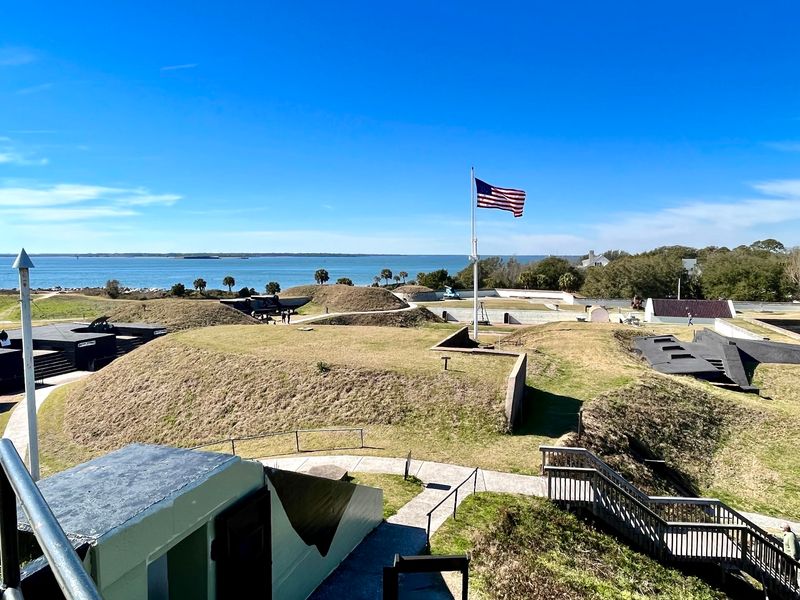
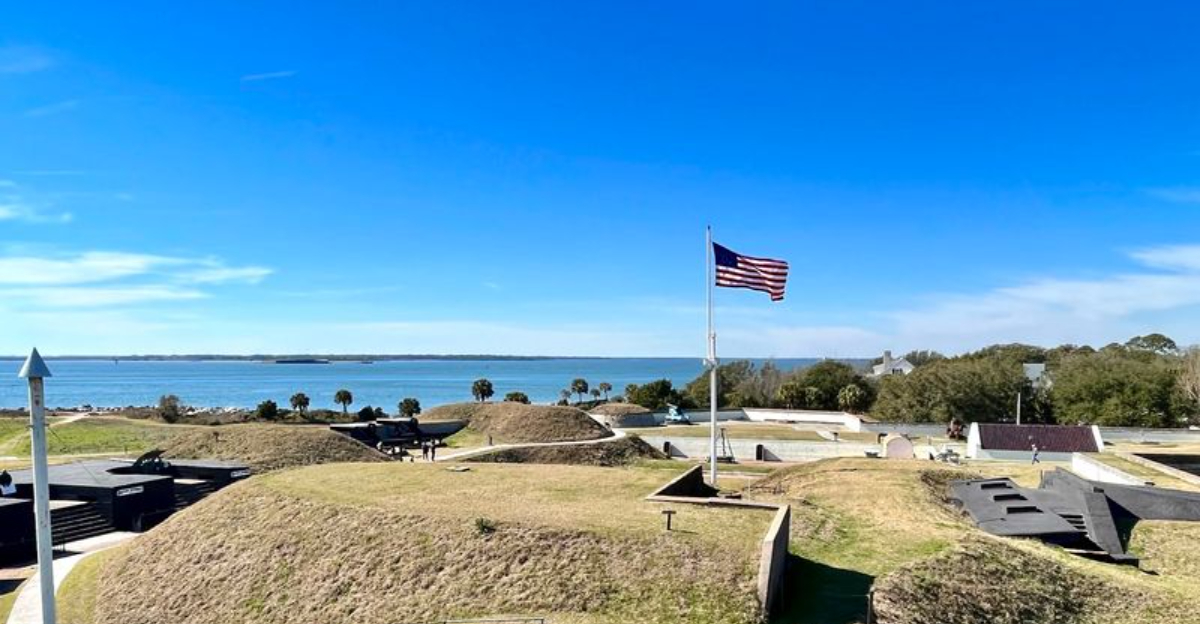
Palm trees, ocean air, and layers of old walls give Fort Moultrie on Sullivan’s Island a very different feel.
Few places show so time periods in one spot from the Revolution to World War Two coastal defense changes.
You can walk through bunkers, gun positions, and living spaces while learning how fort design changed as weapons improved.
A palmetto log fort here famously helped repel a British attack in 1776, shaping South Carolina pride forever afterward.
Interpretive signs are clear and friendly, making the site great for families who want facts without feeling overwhelmed quickly.
Since the grounds stretch across several eras, giving yourself extra time helps you notice details that casual visitors miss.
Beach lovers appreciate that the fort sits near sand and sea, so history and shoreline fun pair well here.
Bring water in warm months, because brick, metal, and open sky can make midday visits feel surprisingly intense outside.
Photography fans often enjoy framing cannons against blue water, old buildings, and the relaxed neighborhood character of Sullivan’s Island.
By the end, Fort Moultrie feels less like one fort and more like a timeline beside the Atlantic Ocean.
5. Fort Dorchester State Historic Site – Summerville
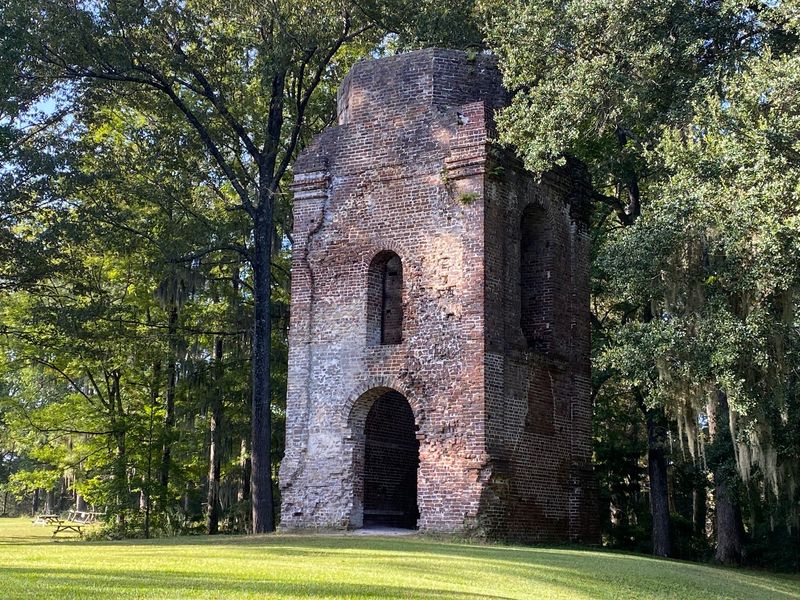
Brick ruins beside the Ashley River give Fort Dorchester in Summerville an older, almost storybook kind of mood today.
Unlike later coastal forts, this colonial site preserves remains of a fortified town, church tower, and defensive walls nearby.
That mix helps visitors picture daily life, not only soldiers preparing for danger along important inland waterways there too.
The area was once a busy trading settlement, and the surviving pieces hint at how much has disappeared since.
Tall grass, old bricks, and river views create a calm visit, especially for people who enjoy quiet reflection there.
Plan for a gentle walk, and bring bug spray during warm seasons because marshy areas can attract insects nearby.
History fans should look closely at the tabby and brickwork, which reveal building methods from another era still visible.
Because Fort Dorchester is not on the coast itself, it broadens your view of South Carolina defense history greatly.
Nearby Summerville offers food and small town charm, making the site easy to add to a day trip there.
For visitors who like ruins with atmosphere, Fort Dorchester delivers beauty, mystery, and a strong sense of time passing.
6. Fort Johnson – James Island
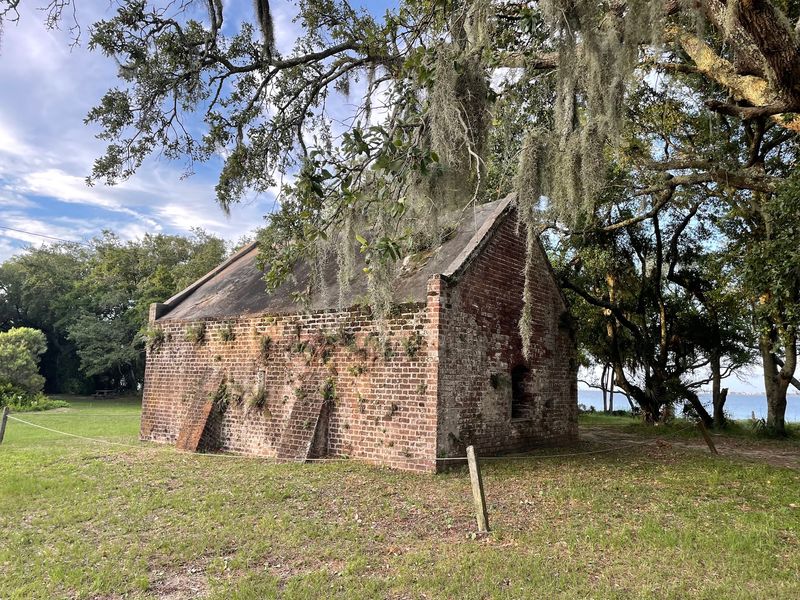
Across the water from downtown Charleston, Fort Johnson carries big history even though regular public access stays limited today.
The site on James Island is linked to the first Confederate shots fired at Fort Sumter in 1861 nearby.
Because it now supports The Citadel and marine research uses, visiting usually depends on special events or programs there.
That limited access can make the fort feel extra intriguing, like a chapter of history glimpsed through a doorway.
When open, visitors may see historic earthworks, monuments, and broad harbor scenery that explains the site’s strategic value clearly.
Checking schedules ahead of time is essential, since you cannot count on dropping by for a standard tour there.
Even from surrounding areas, the location helps you understand how Charleston’s waterways shaped defense plans for centuries over time.
Pairing Fort Johnson with Fort Sumter and Fort Moultrie creates a stronger picture of harbor connections for visitors today.
A camera with zoom can be helpful during events, especially if certain sections remain off limits to visitors there.
Fort Johnson best suits planners, history lovers, and curious locals willing to wait for the right opening day there.
7. Fort Prince George Historic Site – Pickens County
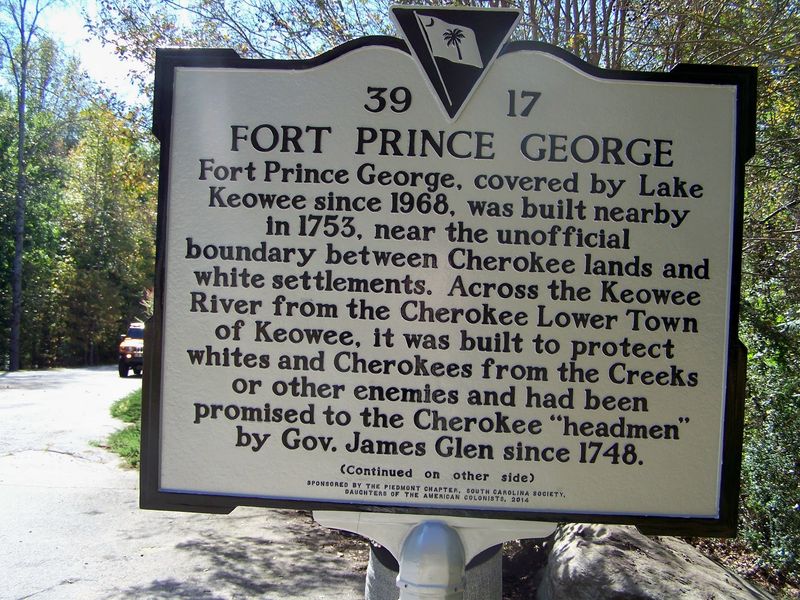
Far from the coast, Fort Prince George in Pickens County tells a frontier story many travelers do not expect.
The archaeological remains mark an important Cherokee and colonial crossroads in South Carolina’s upcountry past for many visitors today.
Because little stands above ground, imagination matters here more than grand walls or dramatic cannon platforms for most people.
Interpretive material helps explain trade, diplomacy, conflict, and daily life near the Keowee River area in that era well.
Visitors who enjoy hidden history often love this stop, since it rewards careful reading and thoughtful walking most days.
Comfortable shoes are a smart idea, especially if you plan to explore paths around the interpretive setting there fully.
The quiet landscape can feel powerful, reminding you that some major events happened in places that look ordinary today.
Pair the site with other upcountry attractions to understand how South Carolina history reaches beyond beaches and harbors too.
Photography here works best when you focus on signs, landscape textures, and the feeling of deep time around you.
Fort Prince George is a thoughtful stop, especially for readers, students, and anyone who likes layered stories from places.
8. Fort Motte Monument – Calhoun County
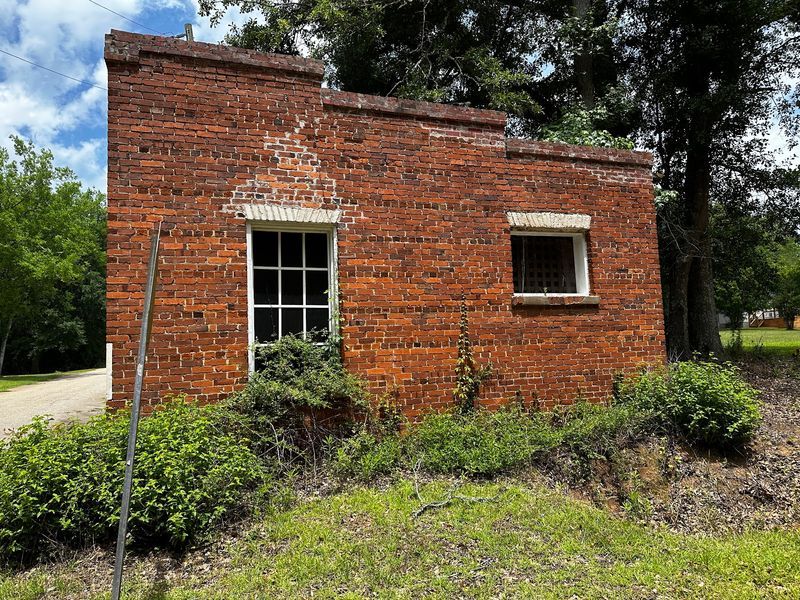
A surprising Revolutionary War tale lives at Fort Motte Monument in Calhoun County, far from crashing surf and harbors.
The site honors earthworks and a daring 1781 attack tied to Rebecca Motte and Patriot forces in that campaign.
Rather than huge surviving walls, you will find memorial features that invite reflection on sacrifice and strategy here today.
Because the remains are subtle, reading the markers carefully makes the visit much richer and easier to picture fully.
Many people pair this stop with broader Revolutionary War research, which helps the landscape come alive for their visit.
A calm walk around the monument gives you space to think about courage, fire, and fast decisions made there.
Since shade may be limited, hats and water can make warm weather visits far more comfortable for most people.
Photographs often work best when you frame memorial elements with sky, trees, and the open grounds around them there.
Calhoun County’s rural setting gives the monument a humble tone that fits its story of resolve very well today.
Fort Motte rewards visitors who enjoy quiet places where one brave episode still echoes across simple land for miles.
9. Battery White – Georgetown County
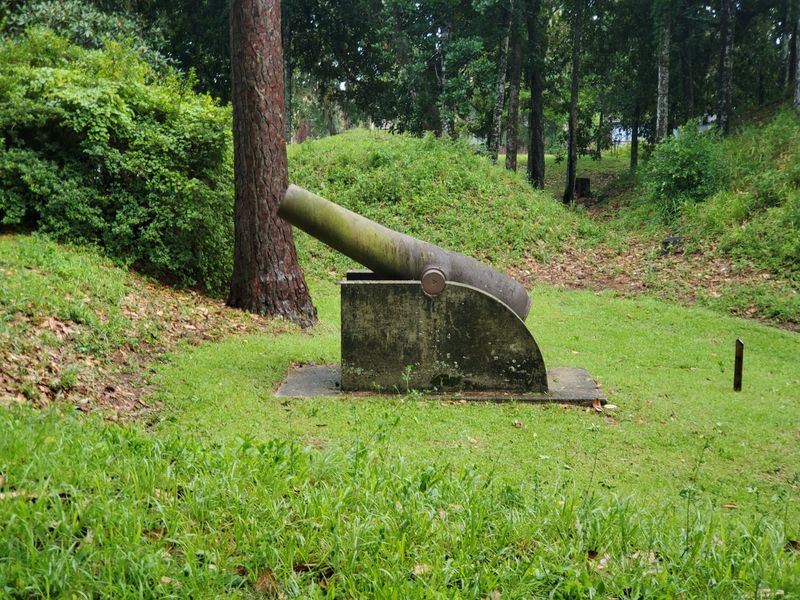
Seen from surrounding public areas, Battery White in Georgetown County feels like a guarded secret beside the water today.
This Civil War coastal fortification sits on private property, so planning and respect matter more than usual for visitors.
Although regular tours are uncommon, occasional heritage events and distant views still make it interesting for history fans nearby.
The battery once guarded Winyah Bay approaches, helping defend an important coastal route during dangerous wartime years there then.
Because access is limited, checking local preservation groups or event listings can save you a wasted drive later on.
Binoculars or a zoom lens are useful if you hope to study details from permitted viewing spots nearby carefully.
Georgetown’s waterfront and museum options pair well with Battery White, turning a tricky stop into a fuller outing easily.
Photographers should pay attention to light and distance, since weather can change how clearly the fort appears from shore.
The restricted setting actually adds drama, reminding visitors that preservation sometimes happens behind fences, not ticket booths for safety.
Battery White suits patient travelers who do not mind extra effort for a rarer glimpse of coastal history there.
10. Castle Pinckney – Charleston Harbor
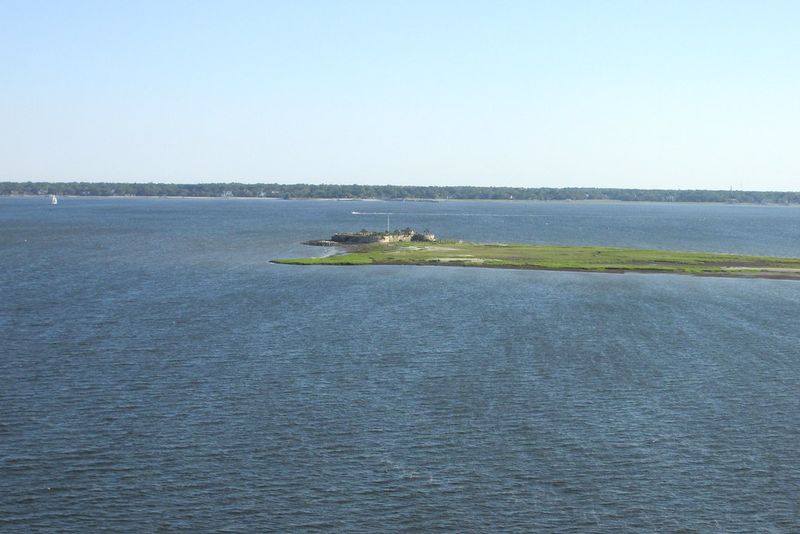
Floating in Charleston Harbor, Castle Pinckney looks almost like a storybook island fort when seen from a boat nearby.
Built in the early 1800s, it played roles before the Civil War and during later harbor defense changes too.
Unlike more accessible forts, this site is not regularly open for public tours, which adds mystery for many visitors.
Even so, seeing it from harbor cruises or waterfront viewpoints helps you imagine Charleston’s layered military past more clearly.
Its round shape and isolated position make it especially striking in photos, particularly against blue sky and water there.
A boat tour guide can often provide useful context, so listening closely turns a quick sighting into learning time.
Pair Castle Pinckney with Fort Sumter for a stronger sense of how Charleston Harbor defenses fit together historically there.
Since access is limited, do not expect interior exploration, but do bring binoculars for better views from afar nearby.
Sunset trips can be especially memorable, with warm light giving the fort a softer, almost painted look from water.
For travelers who enjoy scenic clues and hidden history, Castle Pinckney leaves a lasting impression without landing there ashore.