North Carolina doesn’t just preserve history—it hides it under your feet.
Every trail can feel like a doorway to another century. Boots crunch over ground where soldiers once stood, argued, and fell silent in the aftermath of decisions that changed everything.
From Revolutionary War fields to Civil War surrender sites, these parks don’t sit still in time. They pull you into moments that still echo through the trees, the soil, and the open air.
Each stop on this list offers more than a walk—it’s a chance to step straight into the past while the present fades behind you.
Guilford Courthouse National Military Park
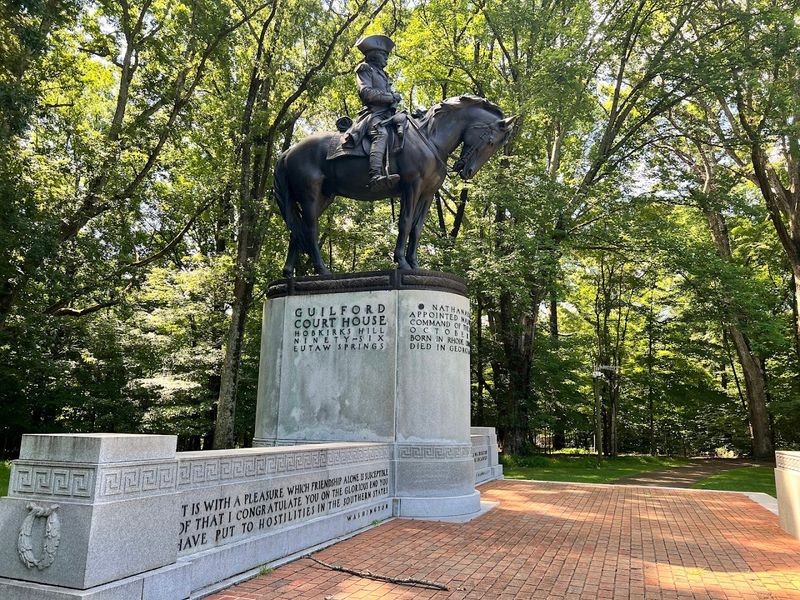
Cannons stand silent among the trees where a desperate battle changed the course of American independence. In March 1781, British General Cornwallis faced off against American forces in what became one of the Revolutionary War’s bloodiest encounters.
Though technically a British victory, Cornwallis lost roughly one-quarter of his army, forcing him to retreat toward Yorktown where his fate was sealed.
Winding forest trails connect over thirty monuments marking key battle positions. You can follow the same ground where soldiers fought, reading interpretive signs that bring the chaos to life.
The park’s dense woods create an immersive experience, making it easy to imagine the smoke and confusion of musket fire.
Visitors often spot deer grazing near historic markers, a peaceful contrast to the violence once witnessed here. Self-guided tours let you explore at your own pace, while ranger programs during peak seasons offer deeper insights.
The park provides an accessible way to understand how this costly battle weakened British resolve and pushed them toward ultimate defeat.
Alamance Battleground State Historic Site
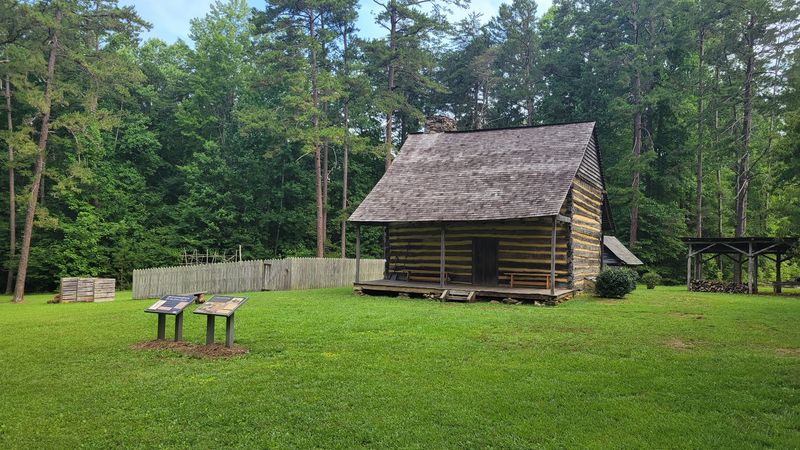
Before American independence became reality, North Carolina farmers stood against corruption right here. The Regulator Movement of 1771 saw ordinary colonists challenge wealthy officials who imposed unfair taxes and rigged courts.
When Governor Tryon marched 1,000 militia troops to this field, roughly 2,000 farmers armed with hunting rifles met them in defiance.
The two-hour battle ended in defeat for the Regulators, but their resistance planted seeds of revolution. Six Regulators were hanged afterward, yet their grievances echoed through colonial America.
Many historians view this clash as a prelude to the larger rebellion five years later.
Today’s trails wind through surprisingly peaceful farmland. Monuments mark where men fell defending their right to fair treatment.
A small museum shares personal stories through artifacts and letters, revealing the human cost of standing up to power.
The site feels intimate compared to larger battlefields. Spring wildflowers blanket fields once stained with blood.
School groups often visit to learn how everyday people sparked change through courage and sacrifice, making history feel personal rather than distant.
Bennett Place State Historic Site
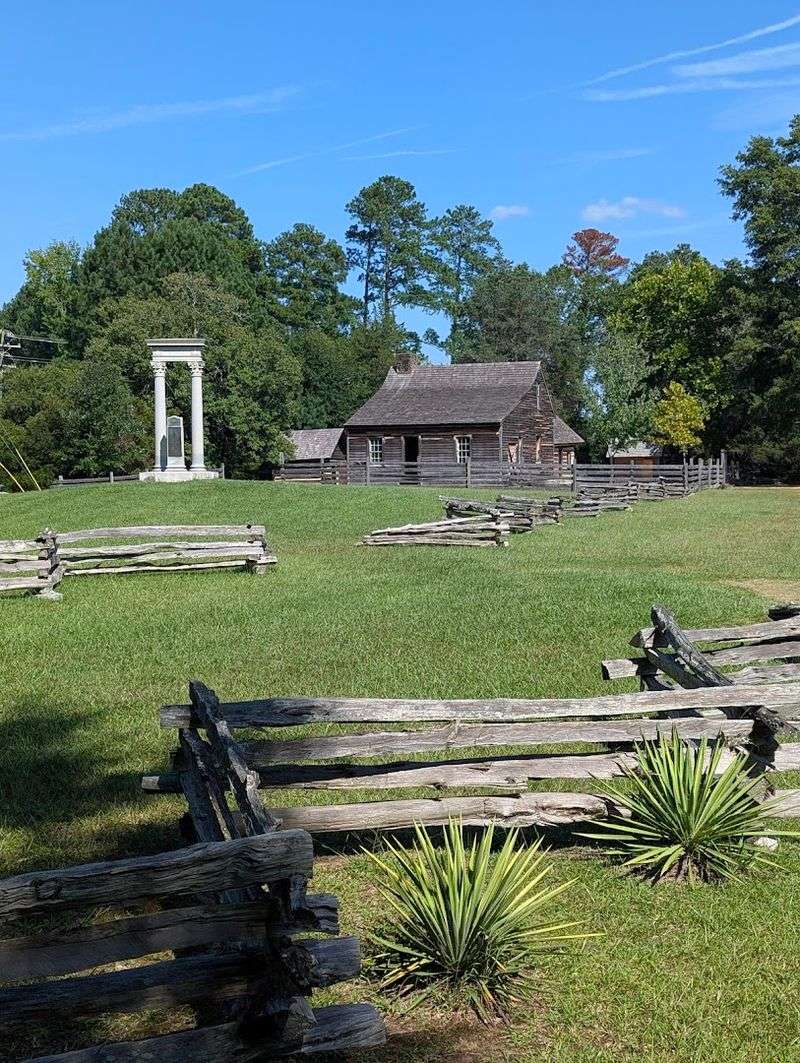
War’s end came quietly to a modest tobacco farm that would forever mark American reconciliation. On April 26, 1865, Confederate General Joseph Johnston met Union General William Sherman inside the Bennett family’s simple home.
What transpired changed everything: the largest troop surrender of the Civil War, affecting 89,000 Confederate soldiers across multiple states.
The farmhouse stands restored to its 1865 appearance. Rough-hewn logs and period furnishings transport visitors back to those tense negotiations.
Walking between the main house and kitchen building, you sense the weight of decisions made in such humble surroundings.
Interpreters in period dress sometimes reenact the surrender terms discussions. The contrast strikes visitors immediately—massive armies reduced to signatures on paper, years of bloodshed concluded over a farmhouse table.
Sherman’s initial generous terms were rejected by Washington, requiring a second meeting with harsher conditions.
The Bennett family unknowingly hosted history. Neither the farm’s owners nor the generals imagined this spot would symbolize healing.
Today’s peaceful grounds remind us that endings matter as much as beginnings in shaping our shared story.
Historic Halifax State Historic Site
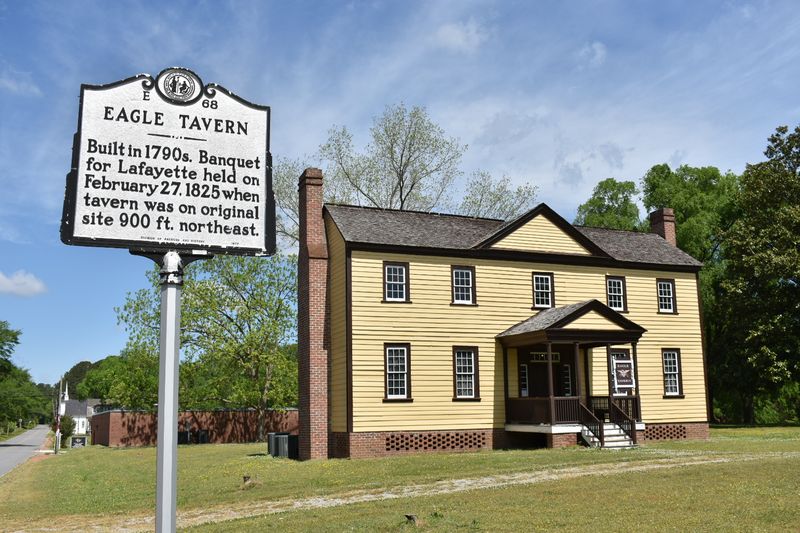
Revolutionary fervor ignited along these river streets long before Philadelphia’s famous declaration. In April 1776, Halifax’s delegates gathered and boldly passed the Halifax Resolves, authorizing North Carolina’s representatives to vote for complete independence from Britain.
This made North Carolina the first colony to officially endorse breaking from the crown, predating the Declaration of Independence by months.
Restored colonial buildings line streets where patriots plotted rebellion. You can step inside the 1760 Owens House or visit the 1808 Eagle Tavern, both preserved as they appeared when revolution brewed.
The Roanoke River flows nearby, once bustling with commerce that funded the independence movement.
Guided tours reveal fascinating details about daily colonial life. Costumed interpreters explain how ordinary merchants and farmers risked everything by challenging the world’s greatest empire.
Archaeological exhibits display artifacts unearthed from building foundations, connecting visitors to real people who lived through extraordinary times.
April’s anniversary celebrations recreate that momentous vote with reenactors and ceremonies. Walking these streets today, it’s remarkable how a small riverside town sparked a nation’s birth through courage and conviction.
Fort Macon State Park
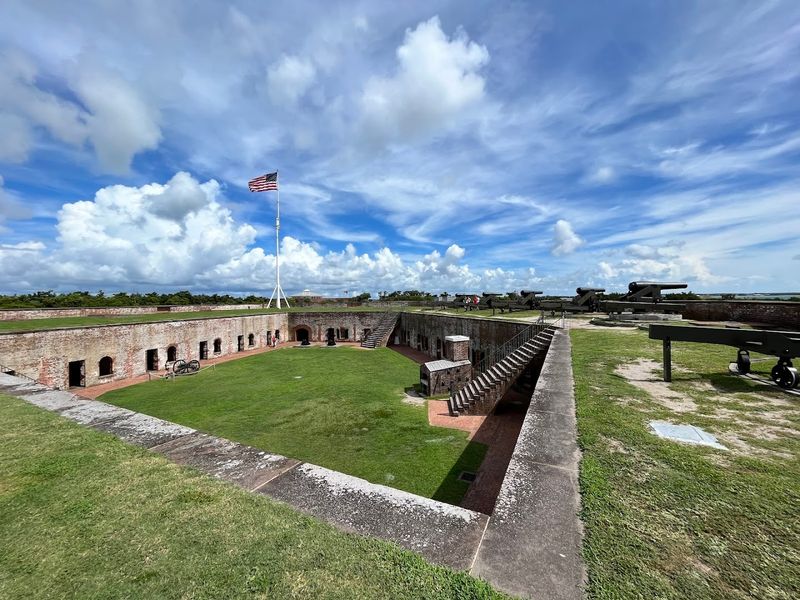
Massive brick walls rise from sandy shores, a fortress that witnessed war evolve across generations. Built in 1834 to guard Beaufort’s harbor, Fort Macon later fell to Union forces in 1862 after a fierce bombardment.
The fort’s five-sided design represents cutting-edge military architecture of its era, with thick walls meant to deflect cannonballs but ultimately vulnerable to rifled artillery’s accuracy.
Exploring the restored fort feels like entering a time capsule. Dark passageways lead to ammunition magazines, officer quarters, and gun rooms.
Climbing to the ramparts rewards visitors with stunning ocean views across the inlet. Interpretive signs explain how soldiers lived within these walls during sweltering Carolina summers.
Beyond the fort, sandy trails wind through maritime forest and marshland. Beach access offers swimming and fishing, blending history with recreation.
The contrast between peaceful waves and military purpose creates powerful reflection.
World War II brought the fort back to service as a coastal defense post. Visitors can trace this evolution through exhibits spanning 180 years of American military history, all while enjoying one of the state’s most beautiful coastal settings.
Fort Fisher State Historic Site
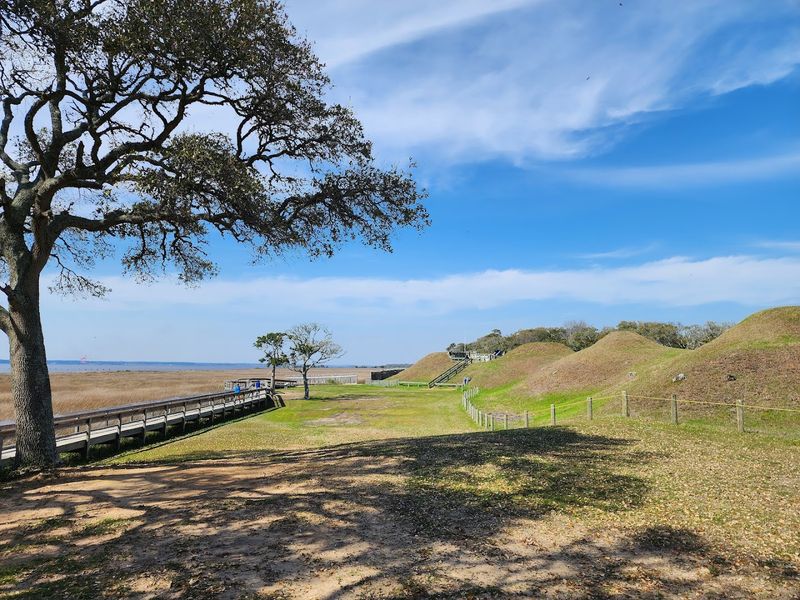
Sand and determination created the Confederacy’s most formidable coastal stronghold. Fort Fisher’s massive earthwork walls protected Wilmington, the South’s last major supply port, making it a critical target for Union forces.
In January 1865, the largest naval bombardment in history until World War I pounded these defenses—over 50,000 shells in three days—before the bloodiest hand-to-hand fighting of the entire war finally captured the position.
Remaining earthworks snake along windswept dunes, their scale still impressive despite 160 years of erosion. Walking trails trace the fort’s perimeter where 10,000 Union troops stormed positions defended by desperate Confederates.
Interpretive markers explain tactical decisions and personal heroism displayed during the brutal assault.
The visitor center houses artifacts recovered from the battlefield and nearby shipwrecks. Touch exhibits let you feel the weight of equipment soldiers carried through sand while under fire.
Museum displays chronicle the fort’s construction, siege, and ultimate fall that sealed the Confederacy’s fate.
Ocean breezes carry the same salt air that Confederate gunners breathed while scanning for Union warships. The beach remains beautiful, though history whispers from every dune about sacrifice and strategic importance.
Brunswick Town / Fort Anderson State Historic Site
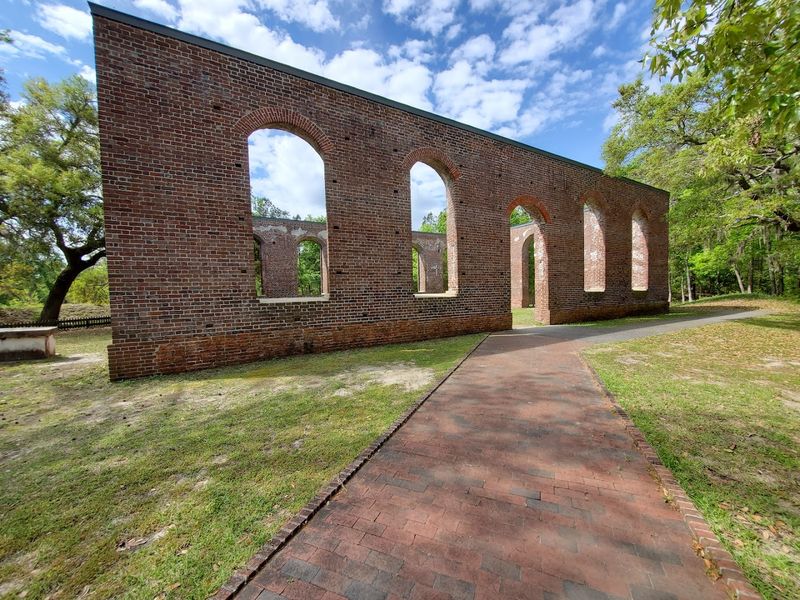
Two centuries of history layer upon each other where river meets rebellion. Colonial Brunswick Town thrived as a port from 1726 until British troops burned it during the Revolution.
A century later, Confederates built Fort Anderson atop the ruins, creating earthwork defenses that protected Wilmington’s river approaches until February 1865.
Wandering these grounds reveals fascinating contrasts. Church foundations from the 1750s stand near Civil War trenches dug in the 1860s.
Archaeological excavations continue uncovering colonial life details—pottery shards, building foundations, and trade goods proving Brunswick’s once-vital commercial role. Interpretive trails connect sites chronologically, helping visitors grasp the location’s evolving significance.
Fort Anderson’s earthworks remain remarkably preserved. You can walk the defensive lines where Confederate artillery crews watched for approaching Union gunboats.
When Wilmington fell, these fortifications became the last barrier before Sherman’s forces completed their Carolina campaign.
The Cape Fear River flows peacefully past, its waters once carrying merchant ships and warships alike. Nature has reclaimed much of the site, with Spanish moss draping trees that shade centuries-old stories.
Combining colonial archaeology with Civil War history creates a uniquely layered experience.
Jockey’s Ridge State Park
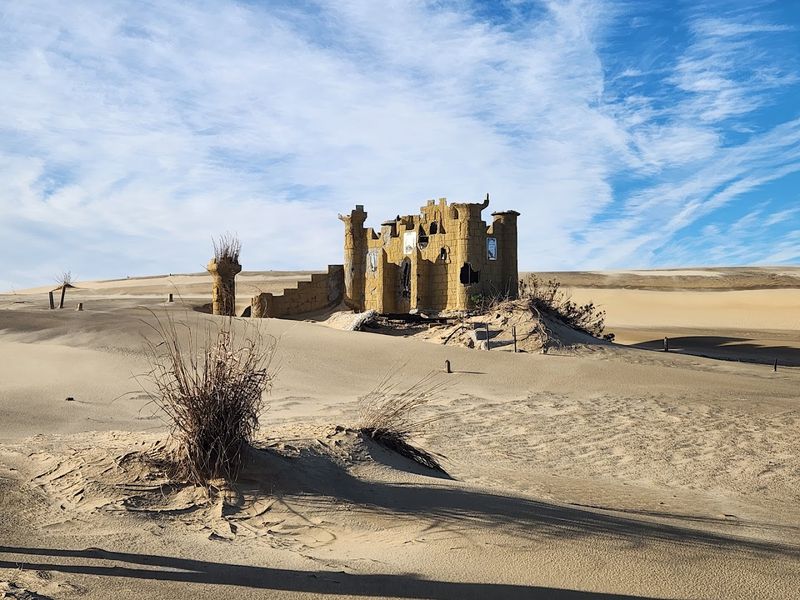
Sand mountains rise improbably from barrier islands, creating the East Coast’s tallest living dunes. Jockey’s Ridge reaches over 80 feet high, though the summit constantly shifts with wind and tide.
While famous for hang gliding, these dunes hold deeper stories about navigation challenges, shipwrecks, and Outer Banks settlement patterns spanning centuries.
Early mariners dreaded these shifting shoals nicknamed the Graveyard of the Atlantic. The dunes served as critical landmarks for sailors attempting to navigate treacherous waters.
Coastal communities developed unique lifeways, adapting to isolation and harsh conditions. The park’s museum explores how generations survived through fishing, salvaging shipwrecks, and maintaining lifesaving stations.
Hiking across the dunes recreates challenges faced by early inhabitants. Sand gives way beneath your feet, making each step require effort.
Panoramic views from the summit reveal the same seascape that greeted settlers centuries ago, though development now dots the horizon.
Sunset transforms the dunes into golden waves frozen in time. School programs teach students about coastal ecology and human adaptation.
The natural environment tells its own history—constant change, resilience, and beauty emerging from harsh conditions that tested everyone who called these islands home.
Carl Sandburg Home National Historic Site
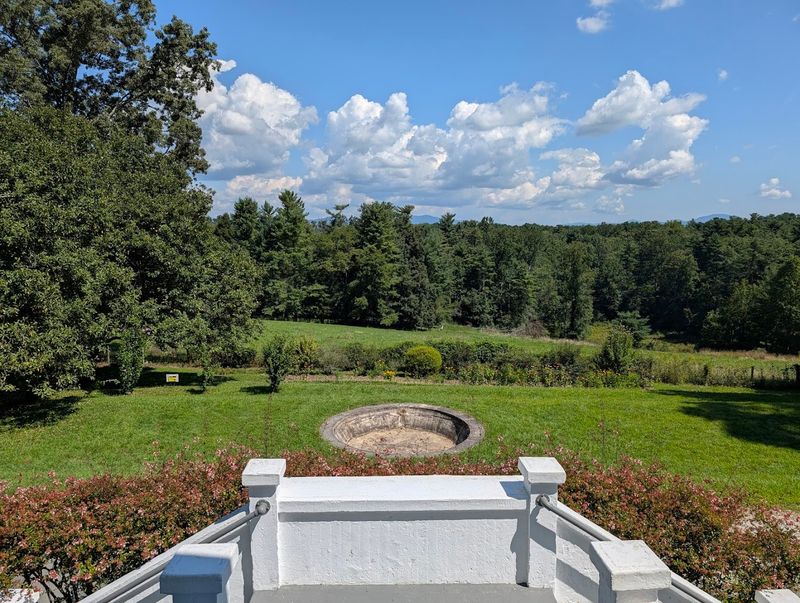
A poet found inspiration among goats and mountains in his final decades. Carl Sandburg, twice Pulitzer Prize winner, moved to this 264-acre farm in 1945, seeking peace after years of Chicago’s urban intensity.
Here he wrote, raised championship dairy goats with his wife Lilian, and welcomed visitors ranging from students to fellow artists until his death in 1967.
The farmhouse remains preserved exactly as the Sandburgs left it. Books overflow shelves where Sandburg researched his massive Lincoln biography.
His guitar rests nearby, reminding visitors he performed folk songs nationwide. Walking through rooms feels intimate, like visiting a thoughtful neighbor rather than touring a monument.
Five miles of trails wind through pastures and woods that inspired Sandburg’s later poetry. Descendants of Lilian’s prize-winning goat herd still graze the hillsides, maintaining the farm’s living history.
Trails range from easy walks to challenging climbs, all offering Blue Ridge foothill views.
Rangers host poetry readings on the front porch, continuing traditions Sandburg himself enjoyed. The site preserves not just literary achievement but also early twentieth-century rural farm life.
It’s a place where art and agriculture merged, proving creativity flourishes in unexpected settings.
Chimney Rock State Park
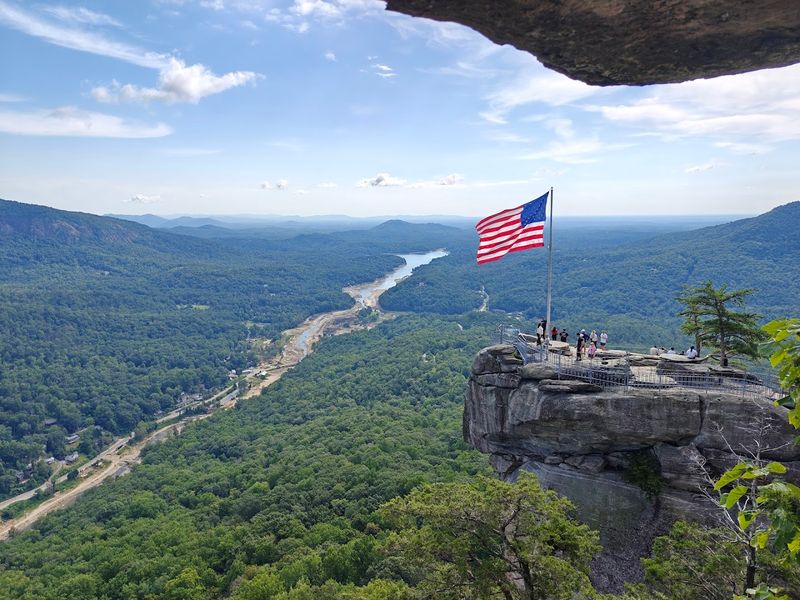
A 315-foot granite spire punches skyward, dominating Hickory Nut Gorge for millennia. Cherokee peoples considered this towering rock spiritually significant long before European settlers arrived.
Early 1800s settlers used trails around the formation, eventually developing tourism when railroads made the remote gorge accessible. The rock itself became an attraction by the 1880s, with stairs carved to the summit.
Today’s 499-step climb (or convenient elevator) leads to breathtaking 75-mile views across forested mountains. The journey up passes through rock tunnels and along cliff faces where early visitors scrambled without modern safety features.
Interpretive signs share geological formation details and settlement stories about Appalachian families who farmed these steep slopes.
Beyond the famous rock, trails explore diverse terrain. Hickory Nut Falls plunges 404 feet, one of the East’s tallest waterfalls.
Forest paths reveal evidence of early agriculture, old homesteads, and the rugged determination required for mountain life. Rock climbing routes attract modern adventurers to faces that challenged generations.
The gorge’s natural drama inspired countless visitors, including authors and artists. Combining geological wonder with regional history creates understanding of how landscape shapes human experience and culture across centuries.