Ohio hides stories in plain sight, and some of its most unforgettable places still do not get the attention they deserve. Beyond the famous stops, you will find giant earthworks, abolitionist homes, canal villages, and even a museum tied to the birth of dental education.
Each place on this list carries a surprising human story that feels bigger than its footprint on the map. If you like history with texture, mystery, and a few unexpected turns, these Ohio sites are worth a closer look.
Serpent Mound (Peebles)
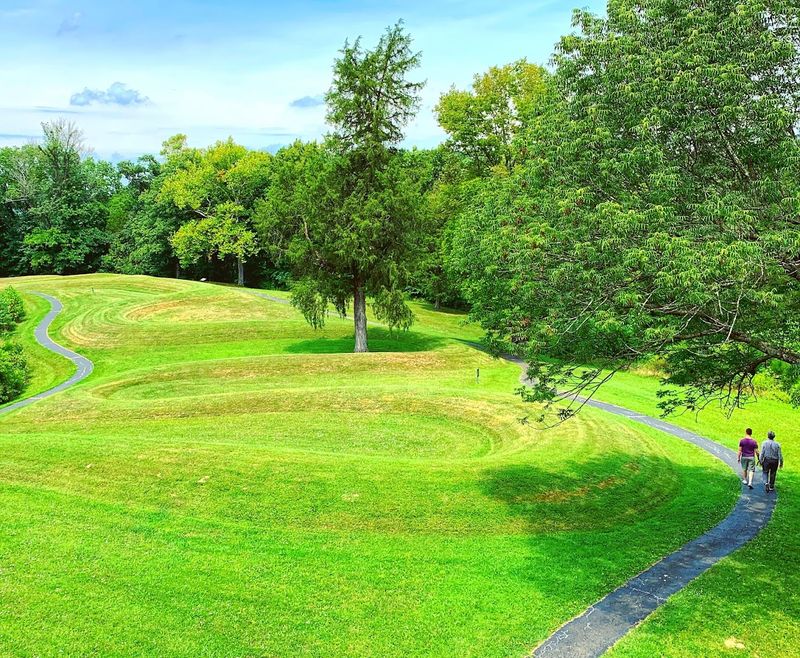
Standing above Serpent Mound, you do not just see an earthwork – you feel a question hanging in the air. This enormous effigy stretches more than 1,300 feet, making it the largest serpent mound in the world and one of Ohio’s most haunting landmarks.
Its curves seem almost alive when the light moves across the ridge.
Archaeologists often connect the site to the Adena culture around 300 BCE, with evidence suggesting later repair or rebuilding by Fort Ancient peoples around 1100 CE. That layered timeline adds to the mystery, because the mound was clearly important across generations.
Unlike many ancient mounds, the serpent itself contains no burials, which points toward ceremony rather than tomb building.
The astronomical alignments make the place even more captivating. The summer solstice sunset aligns with the head, while other points connect to equinoxes and winter solstice positions.
When you visit, it feels less like a relic and more like a conversation still unfolding.
Address: 3850 OH-73, Peebles, OH 45660
John Rankin House (Ripley)
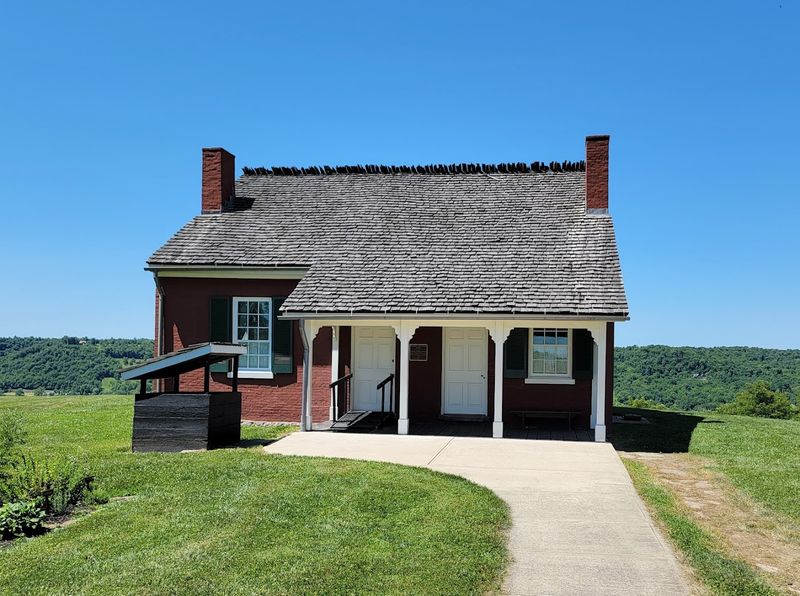
The John Rankin House tells one of the bravest stories in Ohio, and it starts with a hilltop view over the Ohio River. From this home in Ripley, John Rankin, his wife Jean, and their children watched for freedom seekers crossing from Kentucky.
The setting feels peaceful today, but its history is full of risk, urgency, and moral clarity.
Built in 1828, the house became a crucial Underground Railroad station. The Rankin family is credited with helping more than 2,000 people escape slavery between 1825 and 1865, and they reportedly never lost a passenger.
That kind of record makes the house feel less like a residence and more like a beacon.
There is also a literary thread here that deserves attention. Harriet Beecher Stowe visited and drew inspiration from the Rankins’ experiences while writing Uncle Tom’s Cabin.
When you stand on Liberty Hill, you can almost imagine the lamp in the window promising hope across the darkness.
Address: 6152 Rankin Hill Rd, Ripley, OH 45167
Historic Zoar Village (Zoar)
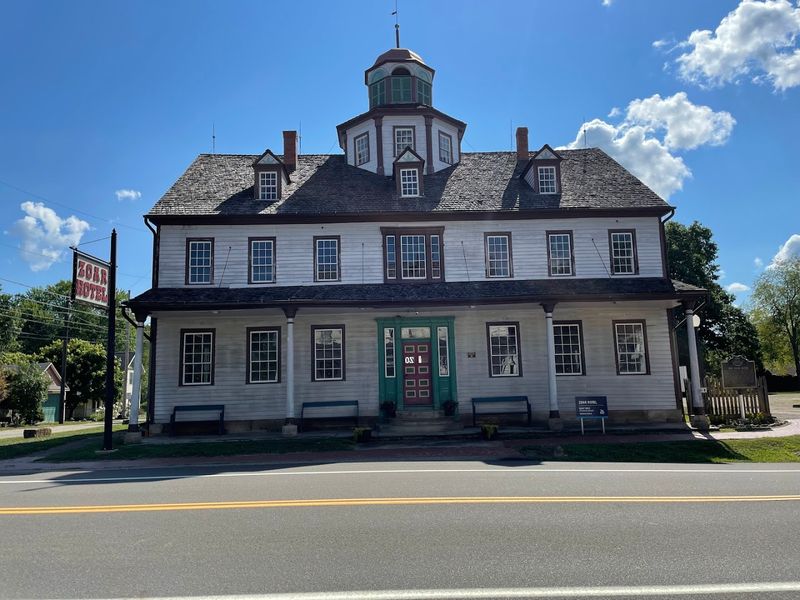
Historic Zoar Village is the kind of place that quietly overturns assumptions about early American communities. Founded in 1817 by German Separatists fleeing religious persecution, it became a communal settlement where work, food, shelter, and property were shared.
Walking through the village, you can sense both discipline and idealism in the preserved streetscape.
What makes Zoar especially compelling is how progressive it could be for its time. Men and women signed the founding document, and women had the right to vote and hold office within the community.
That detail alone deserves more attention, because it challenges the usual picture of rigid nineteenth century life.
The Zoarites also built prosperity in practical ways, including work on the Ohio and Erie Canal. Their communal society lasted more than eighty years before dissolving in 1898, which is remarkable for any utopian experiment.
Today, the brick buildings and gardens do more than preserve architecture – they preserve a bold social idea.
Address: 198 Main St, Zoar, OH 44697
Johnson’s Island Civil War Prison (Marblehead)
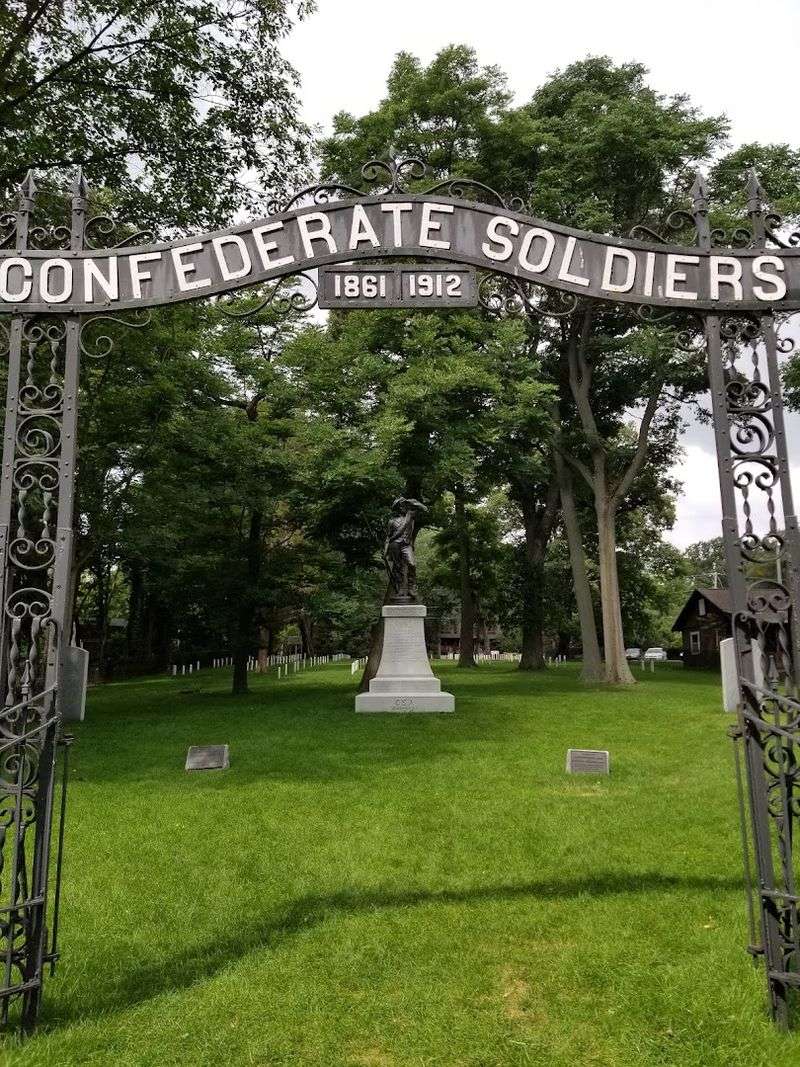
Johnson’s Island sounds almost peaceful until you learn what happened there. On this island in Sandusky Bay, the Union operated a prison camp for Confederate officers during the Civil War, holding more than 10,000 men over about forty months.
That scale alone makes it a major site, yet it rarely gets the same attention as better known battlefields.
The prison opened in 1862 and became known for its harsh winters, escape attempts, and uneasy routines. Prisoners tried everything from tunneling to daring crossings over frozen Lake Erie toward Canada.
Even so, the camp had one of the lowest mortality rates among Civil War prisons, with roughly 300 deaths, mostly from disease.
That complicated record is part of what makes the island worth deeper reflection. It was a place of confinement, but also of endurance, boredom, ingenuity, and loss.
The Confederate cemetery, where 206 prisoners are buried, gives the landscape a quiet gravity that stays with you after leaving.
Address: Danbury Township, Ohio
Spring Hill Historic Home (Massillon)
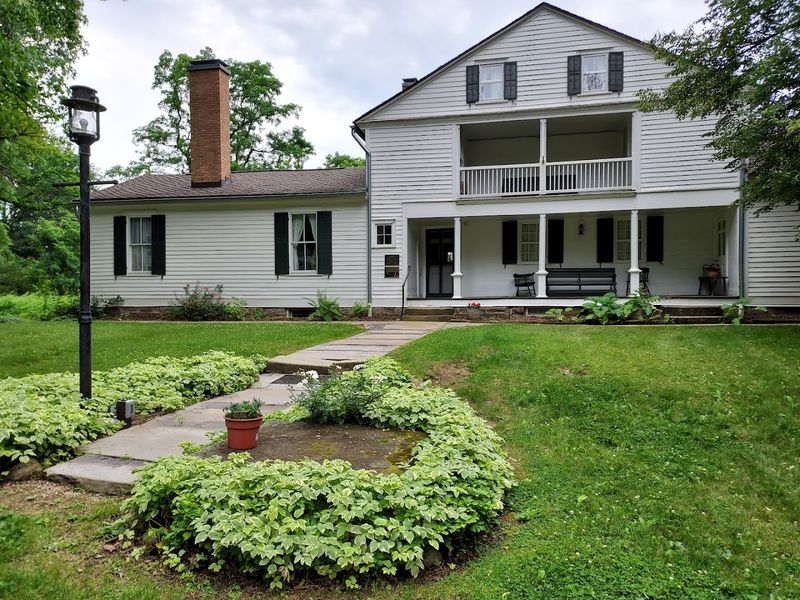
Spring Hill Historic Home looks serene, but its story has sharp edges beneath the calm. Settled in 1811 by Quakers Thomas and Charity Rotch, the property later became a documented stop on the Underground Railroad.
That combination of daily farm life and quiet resistance gives the house unusual emotional weight.
One of the most fascinating details is the hidden staircase linking the basement kitchen to second floor servants’ quarters. Freedom seekers used that route to move between hiding places, turning ordinary architecture into an instrument of survival.
You can picture the silence, the timing, and the trust required for each movement through the house.
There is also a striking moral choice embedded in the home’s domestic routines. The Rotch family kept bees and made honey because they refused to buy sugar tied to slave labor in the Caribbean.
That detail makes Spring Hill feel deeply human, showing how convictions shaped not just public action, but what people chose to sweeten their tea with.
Address: 1401 Springhill Ln NE, Massillon, OH 44646
Fort Ancient Earthworks (Oregonia)
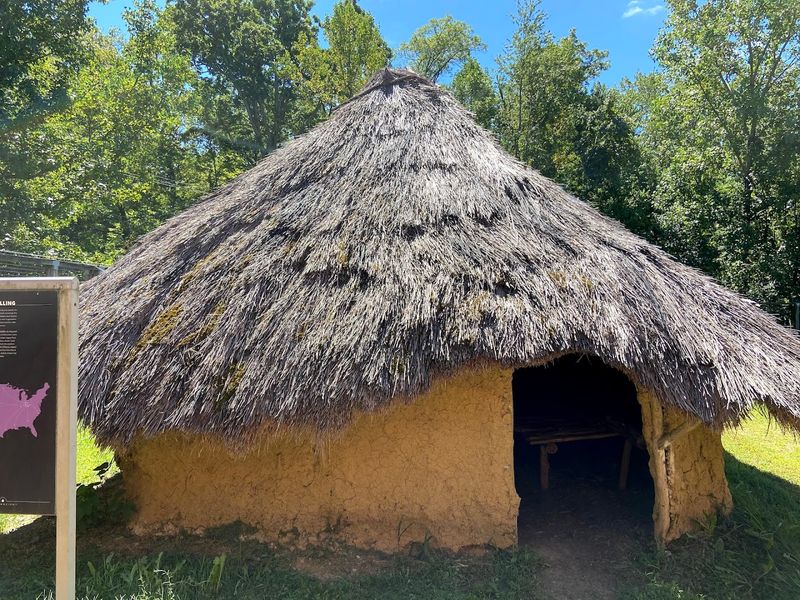
Fort Ancient Earthworks can change your sense of scale before you even understand what you are seeing. Spread across 126 acres with 3.5 miles of earthen walls, it is the largest and best preserved prehistoric hilltop enclosure in the United States.
The name suggests warfare, but the deeper story points somewhere far more intriguing.
Built by the Hopewell culture about 2,000 years ago, the site appears to have been a ceremonial gathering place rather than a military fort. Archaeologists believe parts of it may have functioned like a large calendar, with gateways and mounds aligned to solstices and even the 18.6 year lunar cycle.
That level of planning feels astonishing when you remember every basket of earth was carried by hand.
Its recent UNESCO World Heritage designation in 2023 finally gave the site wider recognition. Still, it deserves even more public imagination than it gets.
When you walk the walls, you are not just seeing engineering – you are stepping inside a landscape built for meaning.
Address: 6123 OH-350, Oregonia, OH 45054
Historic Roscoe Village (Coshocton)
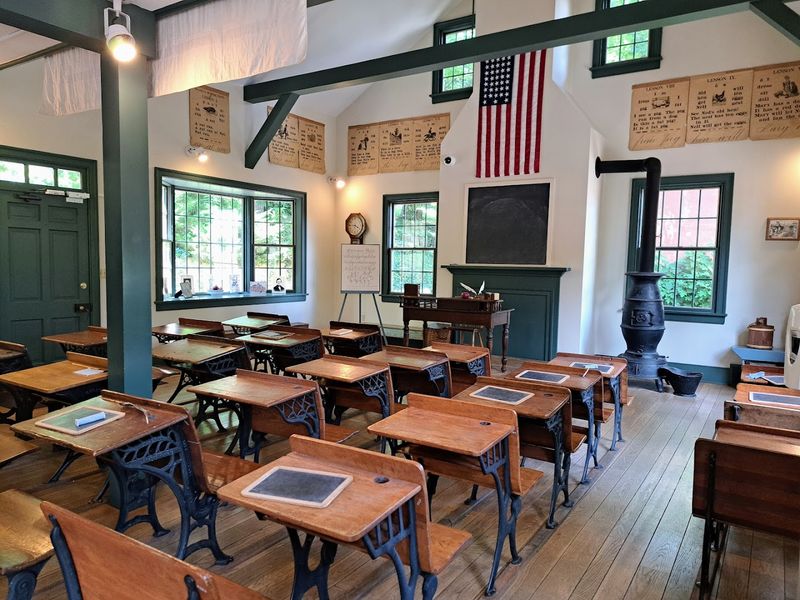
Historic Roscoe Village is easy to love for its charm, but the real story is about reinvention. Founded in 1816 and renamed in 1830 for English abolitionist William Roscoe, the village grew into a busy canal town tied to the Ohio and Erie Canal.
Its handsome buildings can make you forget how much labor and trade once rushed through these streets.
At its peak, Roscoe was the fourth largest wheat port on the canal. Blacksmiths, coopers, taverns, merchants, and boat crews all depended on the waterway, creating a place that was practical, noisy, and economically ambitious.
Then railroads changed everything, and the devastating flood of 1913 deepened the decline.
What makes Roscoe special now is that it did not simply vanish into memory. It was painstakingly restored as a living history village where gardens, workshops, and canal boat rides help the past feel tangible.
You are not just hearing about canal life here – you can almost feel the rhythm of it.
Address: 600 N Whitewoman St, Coshocton, OH 43812
The Dental Museum (Bainbridge)
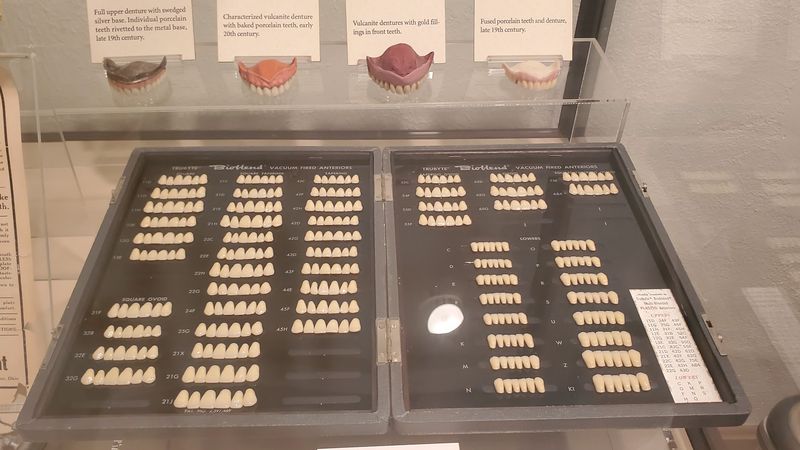
The Dental Museum in Bainbridge is one of those wonderfully specific places that sounds quirky until you realize how important it is. Housed in an 1815 brick residence, it marks the site where Dr. John Harris established the first dental school in the United States in 1828.
That alone should make it a far bigger curiosity on Ohio road trip lists.
Harris was a medical doctor who believed dentistry deserved serious instruction rather than casual apprenticeship. His teaching shaped the field, and his brother Chapin A.
Harris later helped found the Baltimore College of Dental Surgery, the nation’s first formal dental college. In other words, this quiet museum connects directly to the professionalization of dental care in America.
Inside, antique instruments can feel both fascinating and a little intimidating, which honestly adds to the experience. The house invites you to imagine an era when dentistry was still finding its standards, language, and confidence.
It is intimate, unexpected, and far more historically significant than its modest size suggests.
Address: 208 W Main St, Bainbridge, OH 45612
Hale Farm and Village (Bath)
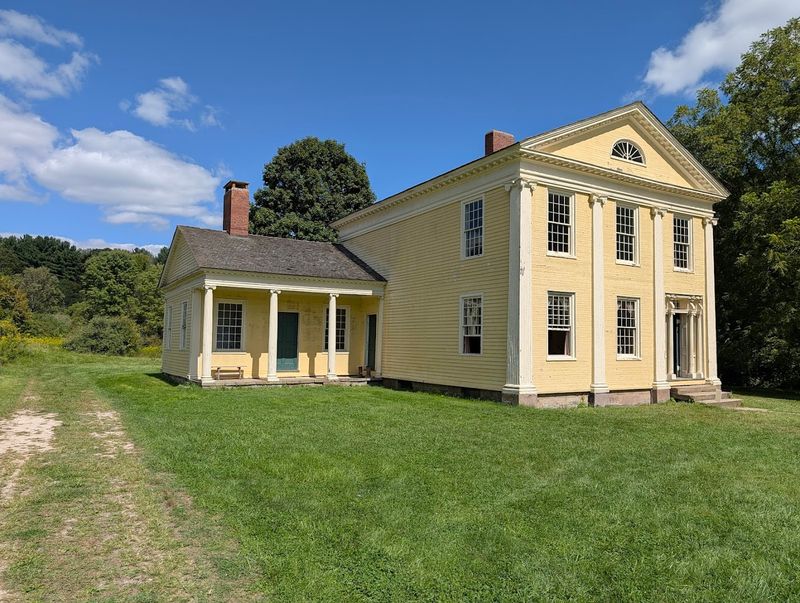
Hale Farm and Village offers a version of history you can almost smell, hear, and touch. Set within Cuyahoga Valley National Park, the site began with Jonathan Hale’s settlement in 1810 and grew into a preserved window onto Western Reserve life.
It feels less like a static museum and more like a village paused mid-conversation.
The original 1825 brick home anchors a broader collection of restored nineteenth century buildings, including a church, schoolhouse, law office, and craft shops. Costumed interpreters demonstrate blacksmithing, glassblowing, woodworking, and other trades that once shaped everyday survival and local identity.
Those demonstrations matter because they turn abstract history into the physical reality of heat, tools, repetition, and skill.
The place also exists because one family chose preservation over disappearance. In 1957, Clara Belle Ritchie donated the property with the condition that it be kept as a museum devoted to local history.
That act of memory gives Hale Farm a second story – not just how people once lived, but why preserving that life still matters.
Address: 2686 Oak Hill Rd, Akron, OH 44333
Buffington Island Battlefield Memorial Park (Portland)
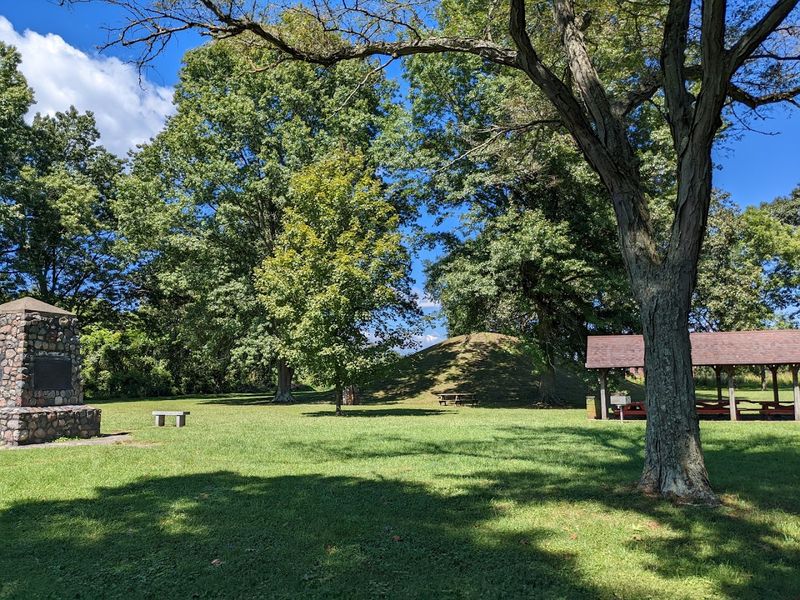
Buffington Island Battlefield Memorial Park marks the most significant Civil War battle fought on Ohio soil, yet many Ohioans barely know it exists. On July 19, 1863, Union forces confronted Confederate General John Hunt Morgan during his famous raid, and the clash helped bring that dramatic campaign to an end.
The park is small, but the story attached to it is anything but.
Roughly 3,000 Union troops, supported by artillery, infantry, cavalry, and naval forces, overwhelmed Morgan’s 1,800 cavalrymen in a battle lasting about three and a half hours. The defeat led to the capture of Morgan and much of his command, effectively breaking the momentum of the raid.
That outcome gave the site real strategic importance, not just regional symbolism.
It also carries remarkable personal connections. Future presidents William McKinley and Rutherford B.
Hayes were present, and Major Daniel McCook was mortally wounded here. Standing by the river, you get the strange feeling of how quickly a quiet landscape can become a hinge in national history.
Address: 56797 OH-124, Portland, OH 45770