Georgia has no shortage of famous attractions, but its most memorable places often come with stranger, richer stories tucked just beneath the surface. In these overlooked landmarks, you will find ruined mansions, self-owning trees, visionary art, and landscapes shaped by both wonder and human error.
Some are beautiful, some are eerie, and a few feel almost impossible to explain. If you want the kind of history that lingers after the trip is over, these spots are worth your curiosity.
Providence Canyon State Park
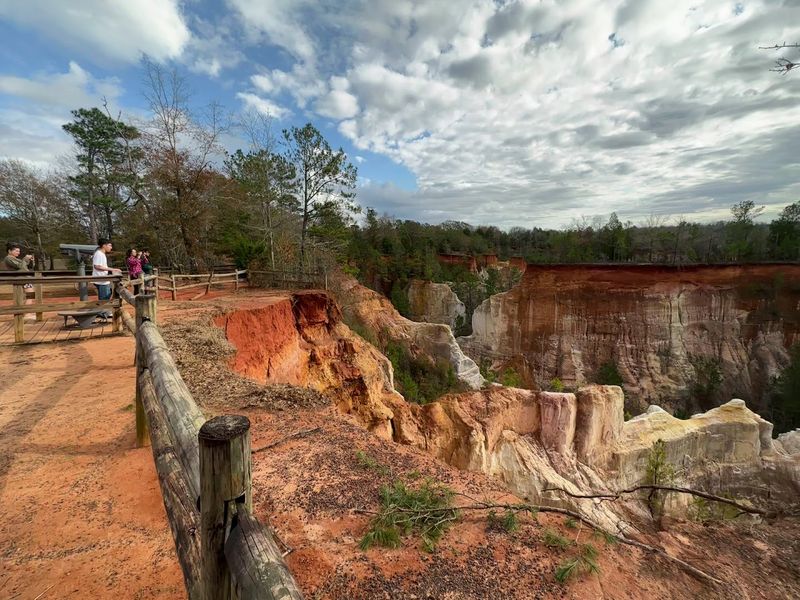
At first glance, Providence Canyon looks like a natural masterpiece that took millions of years to form. The real story is more uncomfortable, and that is exactly why it stays with you.
In the 1800s, poor farming practices stripped the land and unleashed catastrophic erosion that carved gullies as deep as 150 feet.
What began as environmental damage eventually revealed one of Georgia’s most astonishing landscapes. The canyon walls glow with streaks of orange, red, pink, yellow, and white, each color tied to minerals in the exposed soil.
I think that contrast gives the park its power because it is both gorgeous and cautionary at the same time.
The land itself also carries older histories, including Creek cessions before settlers arrived to cultivate cotton. Established as a state park in 1971, Providence Canyon now feels like a place where beauty, regret, and resilience exist side by side.
You do not just see history here, you walk through its consequences.
Address: 8930 Canyon Rd, Lumpkin, GA 31815
Pasaquan
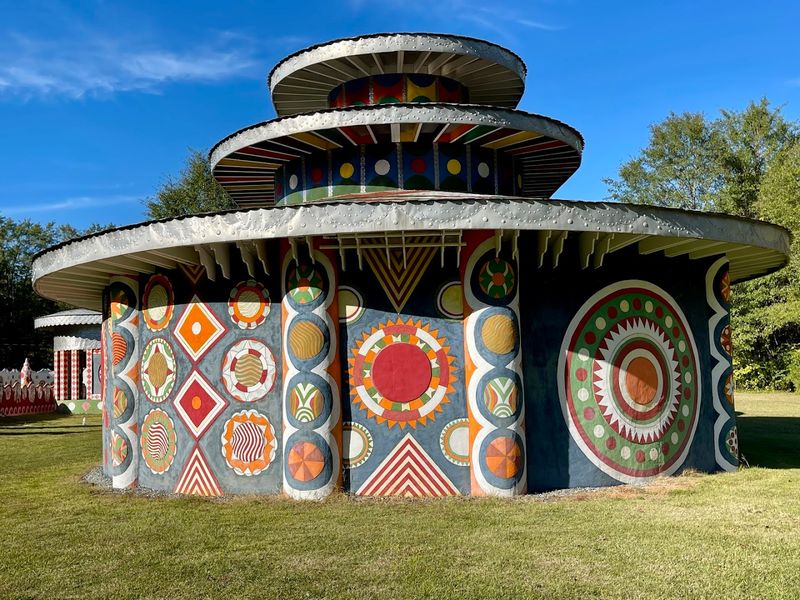
Pasaquan does not feel like a roadside attraction so much as stepping into someone’s private cosmology. Created by Eddie Owens Martin, later known as St. EOM, this seven acre art environment grew from visions he said transformed his life in the 1950s.
Painted walls, symbolic figures, and circular motifs turn the property into a world that seems to pulse with its own logic.
What makes it unforgettable is how personal the place remains even after restoration. You can sense Martin building not just art, but a spiritual refuge where color, ritual, and identity blended together.
Every surface seems to insist that imagination itself can be architecture.
Pasaquan now stands among America’s most significant visionary folk art sites, yet it still feels gloriously unconventional. I love that it refuses easy interpretation and invites you to linger with mystery instead.
In a state known for battlefields and grand houses, this landmark tells a wilder Georgia story, one painted straight from revelation and reinvention.
Address: 238 Eddie Martin Rd, Buena Vista, GA 31803
Cumberland Island National Seashore
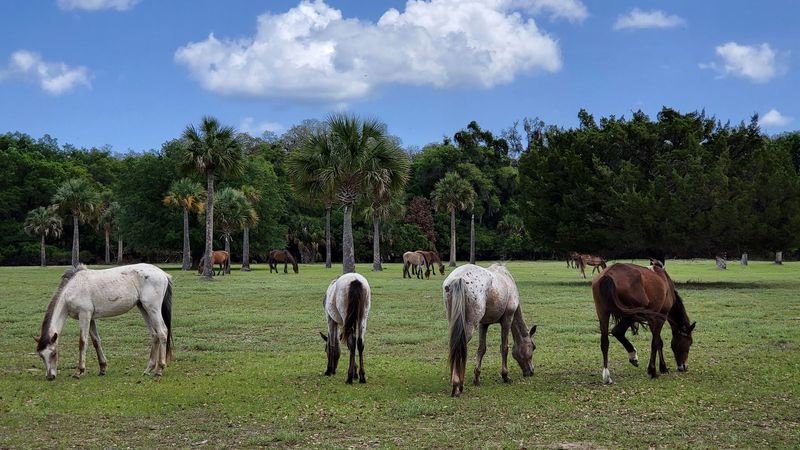
Cumberland Island gives you the kind of silence that makes every ruin feel louder. Most people come for the wild horses, windswept beaches, and maritime forests, but the island’s emotional center may be the remains of Dungeness.
Built by the Carnegie family during the Gilded Age, the mansion represented extraordinary wealth behind a veil of coastal seclusion.
After a fire in 1959, only the brick skeleton remained, and that loss changed the island’s atmosphere forever. Walking near the ruins, you can almost feel how quickly privilege can become ghost story.
The contrast between roaming horses, empty shoreline, and scorched grandeur gives Cumberland an eerie elegance that is hard to shake.
There are deeper layers here too, from Native presence to colonial conflict and elite retreat. That blend makes the island feel larger than any single era.
If you like places where nature steadily reclaims human ambition, Cumberland Island is one of Georgia’s most hauntingly beautiful lessons in impermanence and memory.
Address: Plum Orchard Dr, St Marys, GA 31558
The Tree That Owns Itself
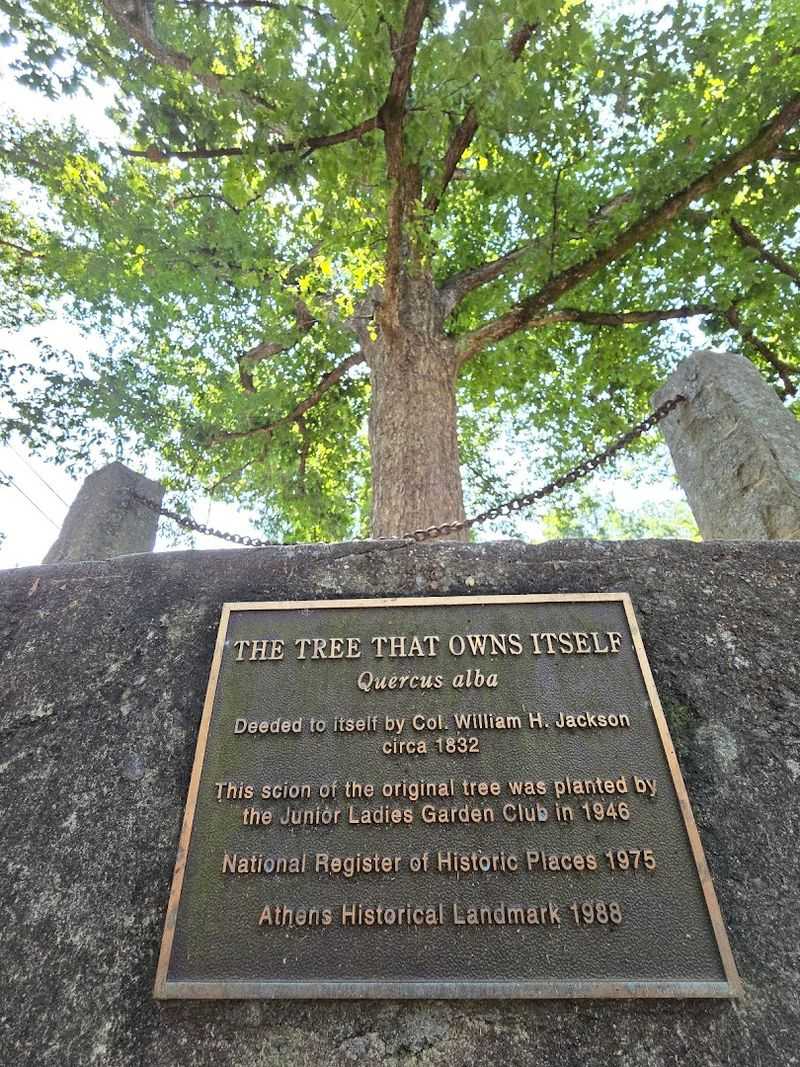
Few landmarks in Georgia are as charmingly odd as the Tree That Owns Itself in Athens. According to local tradition, a beloved white oak was granted legal ownership of itself and eight feet of surrounding land by a devoted landowner in the 1800s.
Whether the deed would actually hold up in court matters less than the fact that the story took root.
That is what makes this landmark so endearing. It turns affection for a tree into local folklore, blending legal myth, neighborhood pride, and a little Southern eccentricity.
Even the current tree, grown from an acorn of the original after it fell, carries that sense of inherited identity.
I like how this spot rewards a slower kind of travel because nothing flashy happens there. You simply stand before a tree and realize an entire community chose to protect a strange, tender legend.
In a world obsessed with bigger attractions, Athens kept faith with whimsy, and that feels like history worth noticing.
Address: 277 S Finley St, Athens, GA 30605
Jekyll Island Historic District
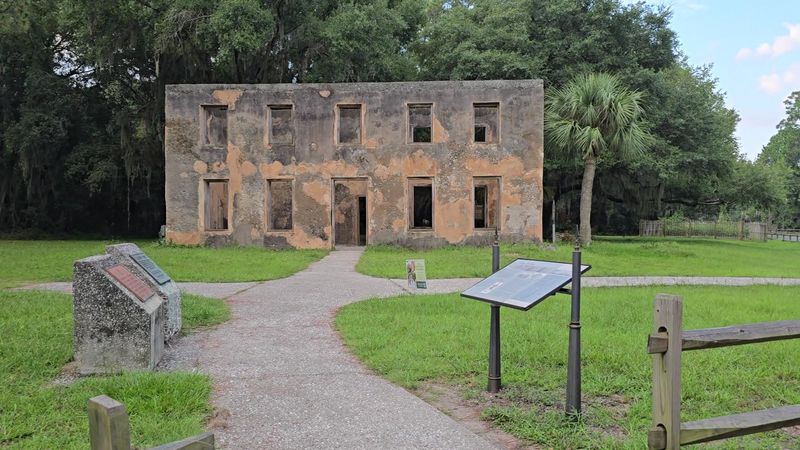
Jekyll Island Historic District looks peaceful now, but its story is rooted in astonishing exclusivity. In the late nineteenth and early twentieth centuries, this island retreat functioned as a private club for some of America’s wealthiest families, including the Rockefellers, Morgans, and Vanderbilts.
The cottages still standing there were less like vacation homes and more like statements of status dressed in coastal charm.
What I find fascinating is the contrast between the relaxed setting and the concentration of power once gathered on these grounds. Beneath the live oaks and sea breeze, industrial titans escaped northern winters while shaping the era’s economic future.
The district preserves that tension beautifully, pairing Southern scenery with Gilded Age privilege.
Walking through it today, you are not just admiring architecture, you are reading the social codes of old wealth. Porches, club buildings, and manicured surroundings reveal how luxury operated as ritual.
Jekyll Island offers a surprisingly intimate look at how America’s elite once performed leisure, privacy, and influence.
Address: Riverview Dr, Jekyll Island, GA 31527
Okefenokee Swamp
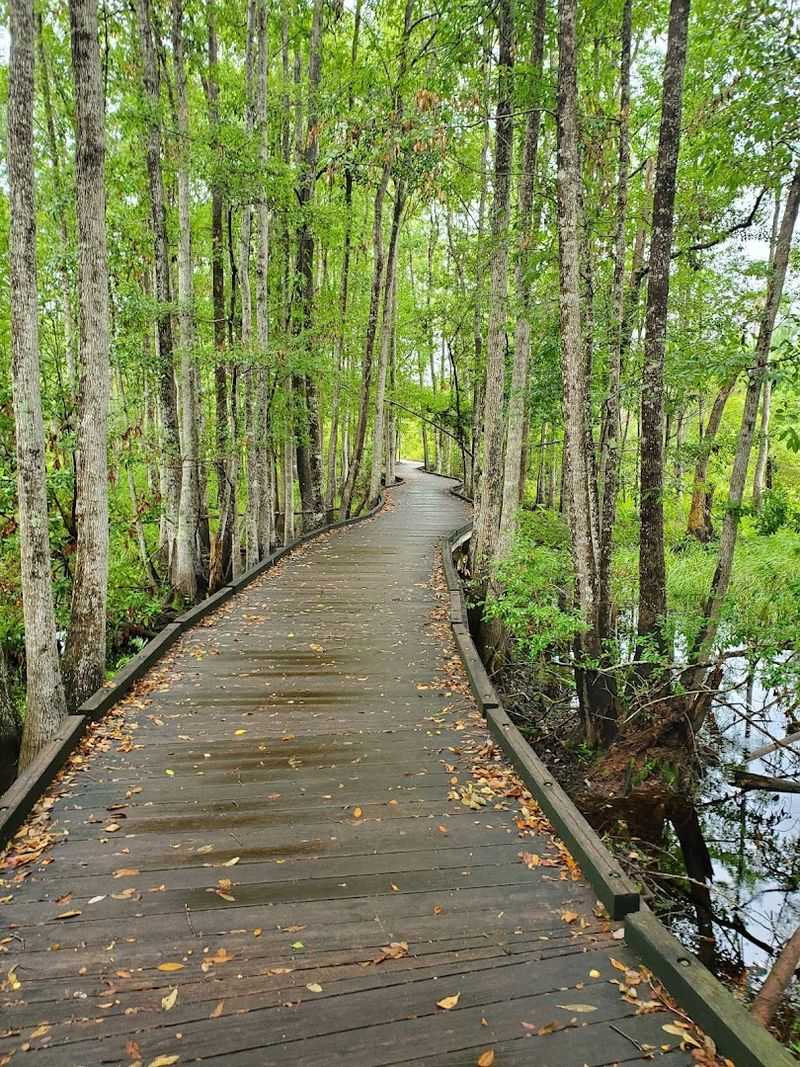
The Okefenokee Swamp feels ancient in a way that resists easy explanation. Long before it became a destination for paddlers and wildlife lovers, Native peoples traveled through and lived around this vast wetland, building deep relationships with its waterways and resources.
That history alone gives the swamp gravity, but local legend adds another layer entirely.
Stories have circulated for generations about strange lights, hidden settlements, and structures buried beneath water and peat. Whether those tales are folklore, memory, or misinterpretation, they fit the landscape perfectly.
The swamp invites imagination because it already feels like a place where boundaries blur between land and water, known and unknown.
What stays with you most is the scale of it. One of North America’s largest wetlands, the Okefenokee can seem both serene and impenetrable, beautiful and unsettling at once.
I think that duality is the heart of its power. You do not simply visit the swamp, you enter a living archive of ecology, survival, and mystery.
Address: 5700 Okefenokee Swamp Park Rd, Waycross, GA 31503
Jarrell Plantation State Historic Site
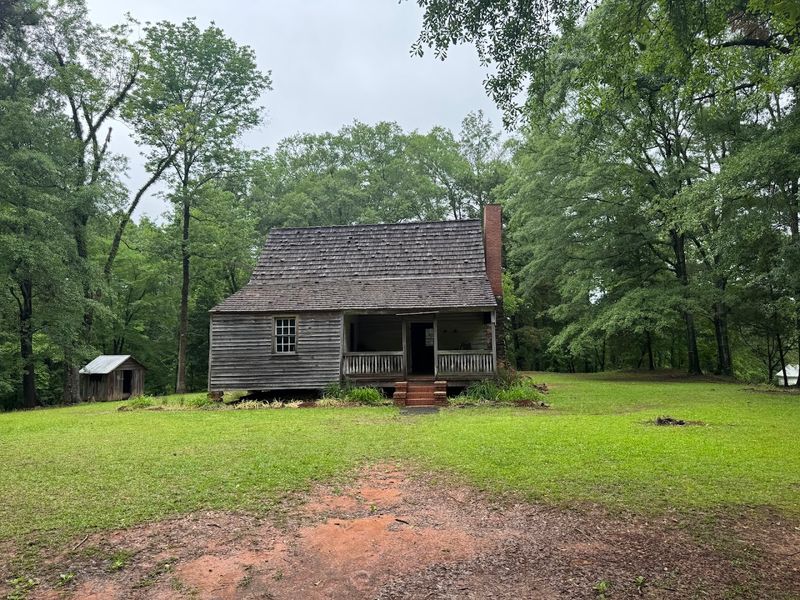
Jarrell Plantation is easy to overlook if you expect a grand estate with sweeping columns and manicured grounds. Instead, what you find is something rarer: a working landscape that preserved the rhythms of rural Georgia life after the Civil War.
Unlike many plantations damaged during Sherman’s March, this site endured and gradually evolved into a farm and small industrial operation.
That transformation gives the place unusual depth. You can still see the cotton gin, sawmill, syrup kettle, and family home, each structure revealing how agriculture, labor, and enterprise were intertwined.
Rather than freeze history at one dramatic moment, Jarrell Plantation shows how families adapted over decades.
I appreciate that honesty because it makes the site feel lived in rather than staged. It tells a story not only about survival, but also about work, changing technology, and everyday ambition in the late nineteenth and early twentieth centuries.
If you want Georgia history beyond battlefields and mansions, this landmark offers a grounded, complicated, and quietly compelling alternative.
Address: 711 Jarrell Plantation Rd, Juliette, GA 31046
Pin Point Heritage Museum
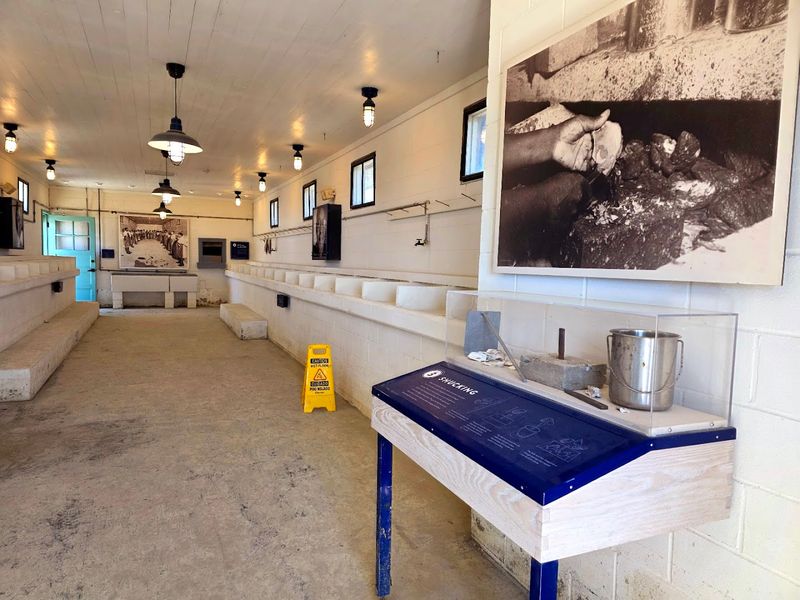
Pin Point Heritage Museum tells a coastal Georgia story that too many travelers miss. Set inside a restored oyster and crab cannery, the museum preserves the history of the Gullah-Geechee community of Pin Point, where West African traditions shaped language, foodways, labor, and family life.
The setting matters because the building itself is part of the story, not just a container for it.
Inside, oral histories, photographs, and artifacts connect you to generations who made a life from the marsh. Fishing, crabbing, oystering, and community ties were not background details here, they were the foundation of daily existence.
You can feel the resilience in how people adapted to the landscape without losing cultural identity.
What makes this museum so moving is its intimacy. Rather than offering history as something distant, it lets you hear voices and see routines that carried memory forward.
I think that directness is powerful. Pin Point reminds you that Georgia’s past is not only found in mansions and monuments, but in working waterfronts and inherited traditions.
Address: 9924 Pin Point Ave, Savannah, GA 31406
The Lapham-Patterson House
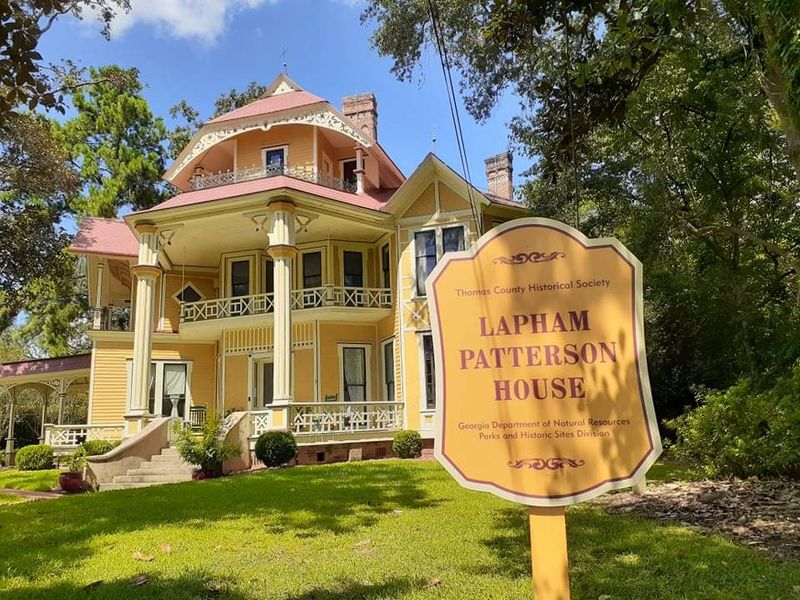
The Lapham-Patterson House looks like a Victorian mansion designed by someone who enjoyed breaking rules for fun. Built in 1885, it is packed with unusual choices: asymmetrical rooms, oddly placed doors, surprising circulation patterns, and details that seem deliberately designed to keep you guessing.
Instead of the usual stately predictability, the house feels playful, restless, and a little theatrical.
That eccentricity is exactly why it stands out. Wealthy homes from the period often projected order and formality, but this one suggests personality pushing against convention.
As you move through it, you get the sense that architecture here was used to entertain, confuse, and impress all at once.
I love landmarks that reveal character rather than just status, and this house does that brilliantly. It still reflects the prosperity of its era, yet it avoids becoming another generic symbol of Southern grandeur.
The Lapham-Patterson House invites you to consider how creativity can live inside luxury, turning domestic space into something closer to a puzzle than a palace.
Address: 626 N Dawson St, Thomasville, GA 31792
Tubman Museum
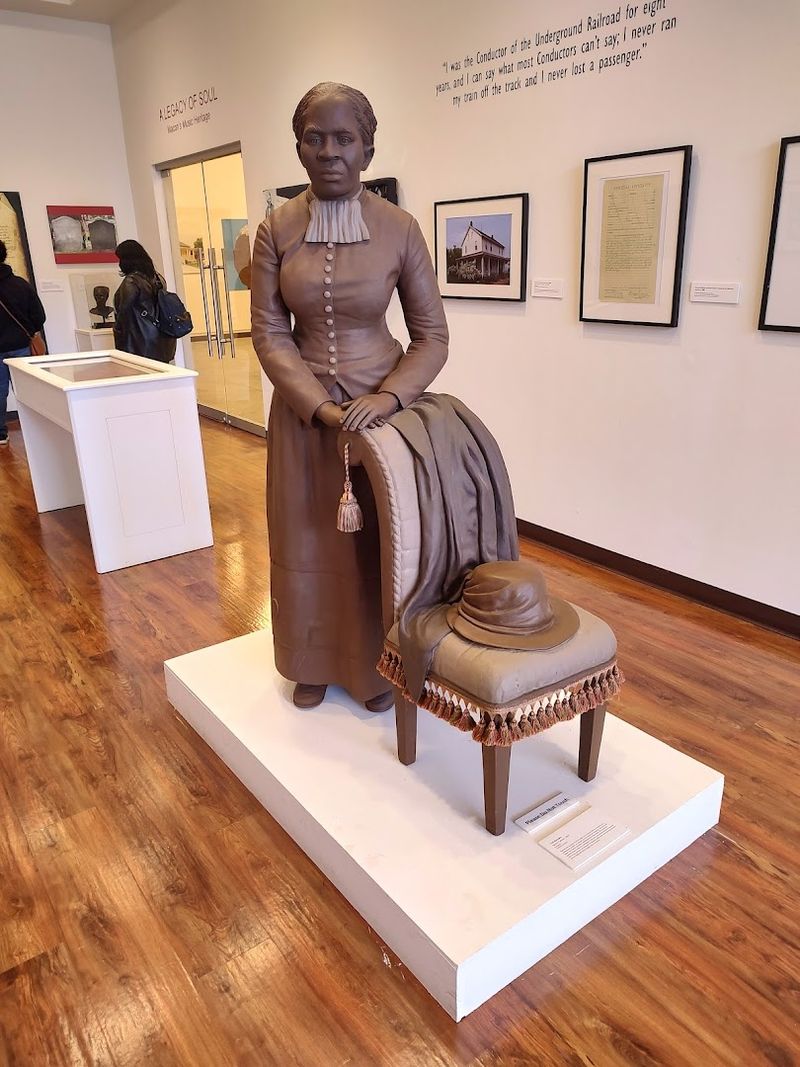
The Tubman Museum in Macon does more than honor a historic name, it opens a wide lens on African American life in Georgia and beyond. Named for Harriet Tubman, the museum is the largest institution in the Southeast devoted to African American art, history, and culture.
That scale matters, but what makes the museum memorable is how it connects local stories to national movements.
Exhibits often move across art, music, activism, and community memory without making those categories feel separate. You can trace regional experiences while also seeing the larger currents of struggle, creativity, and leadership that shaped the United States.
The result feels expansive without losing its human center.
I think the museum’s greatest strength is that it refuses to treat history as static. Through changing exhibitions and cultural programming, it keeps the conversation alive and relevant.
That makes a visit feel less like checking off a landmark and more like entering an ongoing story. In Georgia, few places offer such a dynamic blend of reflection, pride, and cultural depth.
Address: 310 Cherry St, Macon, GA 31201
Westview Cemetery
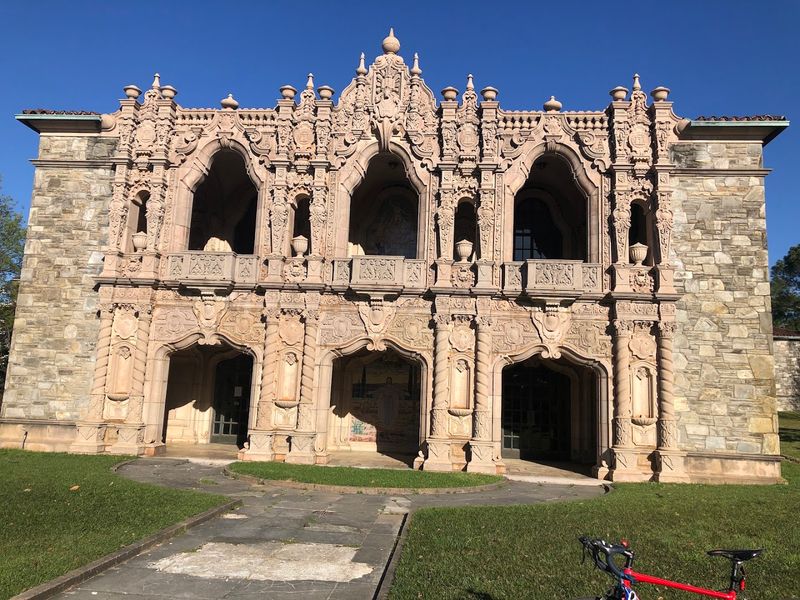
Westview Cemetery offers one of Atlanta’s most unexpectedly revealing walks through history. Established in 1884 and known as the largest cemetery in the Southeast, it holds elaborate monuments, a striking chapel, and the graves of many figures who shaped the city’s business, politics, and culture.
Yet for all that significance, the grounds feel remarkably calm rather than imposing.
That quiet is part of what makes Westview so compelling. As you move among mausoleums, statuary, and older sections of the cemetery, the city begins to read like a layered archive instead of a skyline.
Social class, memory, religion, and civic ambition are all written into stone if you know how to look.
I find cemeteries like this especially powerful because they strip history of its noise. There is no rush, only names, dates, symbols, and the architecture of remembrance.
Westview does not simply memorialize individuals, it maps Atlanta’s evolution through loss and legacy. If you appreciate places that invite reflection as much as sightseeing, this landmark is worth your time.
Address: 1680 Westview Dr SW, Atlanta, GA 30310