Pennsylvania preserves some of America’s most authentic historic downtowns, where century-old buildings still host daily life rather than serving as museums.
From gas-lit streets to Victorian storefronts, these towns keep their Main Streets active with local businesses, community gatherings, and traditions that connect past and present.
Walking through these districts feels different from typical tourist spots because residents actually shop, dine, and socialize in the same spaces their ancestors did generations ago.
These thirteen Pennsylvania towns prove that historic preservation and modern community life can thrive together beautifully.
Jim Thorpe
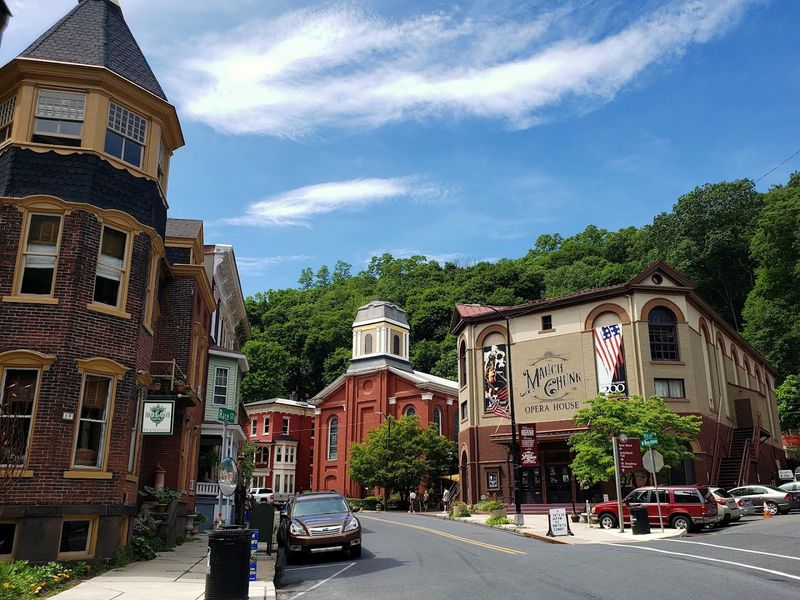
Steep streets wind through Victorian architecture that somehow escaped demolition, creating a downtown where history isn’t just preserved but actively lived. Broadway’s colorful storefronts house independent shops where locals browse alongside weekend visitors, while the Mauch Chunk Opera House still presents performances just as it did over a century ago.
Train excursions depart regularly, connecting residents and tourists to the region’s railroad heritage in ways that feel genuine rather than staged.
The compact layout makes everything walkable, from galleries showcasing regional artists to family-owned restaurants serving pierogies and craft beer. Unlike many historic districts that close up after tourists leave, Jim Thorpe maintains year-round activity through community events, outdoor recreation access, and businesses that actually serve local needs.
Old hotels continue operating as functioning lodgings, their original charm intact but updated for modern comfort.
What makes this place special is how seamlessly the Victorian past blends with present-day mountain town culture. People actually live above the shops, kids walk to school past century-old facades, and neighbors meet for coffee in buildings their great-grandparents might have frequented.
Lititz
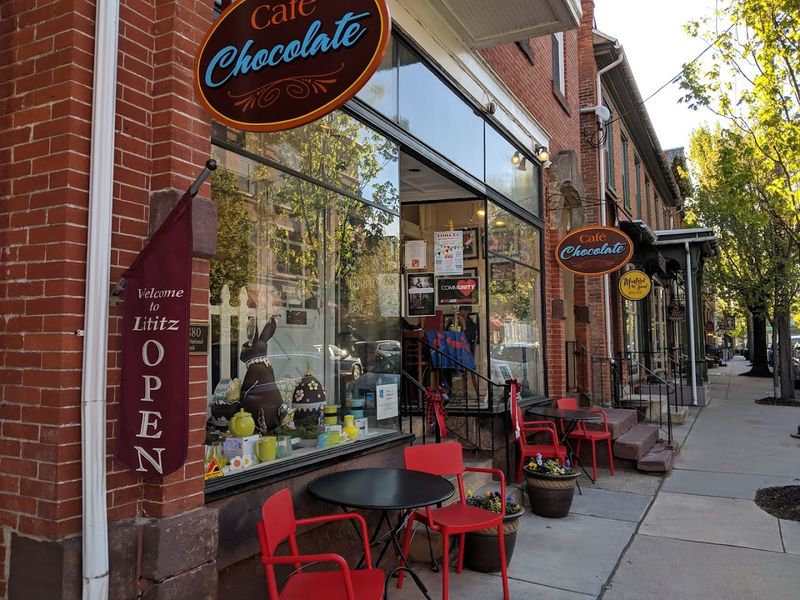
Founded by Moravian settlers in 1756, this Lancaster County gem never really stopped being a community center. The same brick sidewalks that generations walked still lead residents to the bakery for morning pastries, the bookstore for new releases, and cafés where neighbors catch up over coffee.
Colonial-era buildings weren’t converted into museums here—they simply kept serving as shops, homes, and gathering spaces without interruption.
Main Street feels genuinely lived-in because it actually is. Local boutiques sell everything from handmade soaps to kitchen supplies that residents actually need, not just tourist trinkets.
The Wilbur Chocolate Company has operated since 1884, supplying both nostalgic visitors and local chocolate lovers with the same recipes perfected over generations.
Seasonal events like the Fourth of July celebration draw the whole community together, continuing traditions that date back centuries. Yet Lititz never feels frozen in time—new businesses open regularly, respecting the architectural character while bringing fresh energy.
This balance between honoring Moravian roots and supporting contemporary small-town life makes walking Main Street feel like stepping into a community that knows exactly who it is.
Bedford
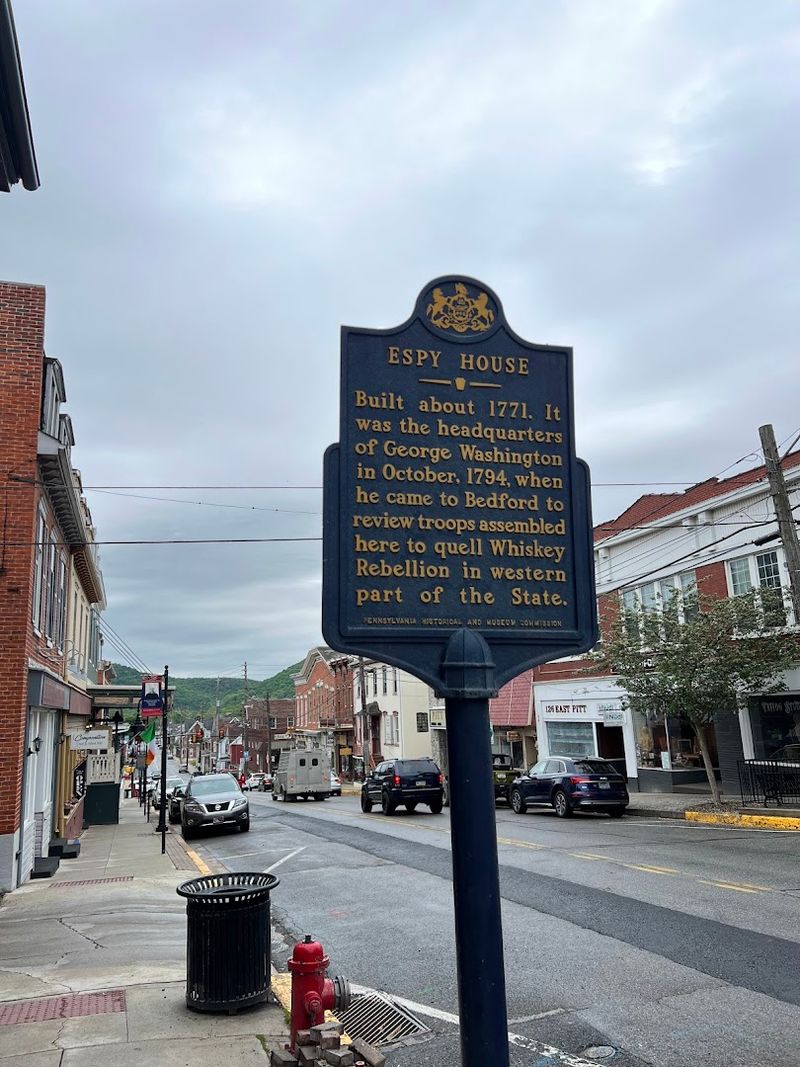
Established in 1766, Bedford served as a crucial frontier outpost and stagecoach stop, roles that shaped its enduring town square layout. That central gathering space remains just as important today, surrounded by buildings that have continuously housed businesses for over two centuries.
The architectural continuity is remarkable—brick facades and original proportions preserved even as storefronts adapted to changing commerce.
Antique stores naturally thrive here, occupying historic structures while selling artifacts from the same era as their buildings. Local inns still welcome travelers just as they did during westward expansion, though modern amenities now accompany the period charm.
Restaurants serve updated versions of traditional Pennsylvania fare in dining rooms where colonial-era travelers once rested between journeys.
Seasonal festivals activate the square throughout the year, from farmers markets to holiday celebrations that bring multiple generations together. Residents don’t just pass through downtown on their way elsewhere—they actually conduct daily business here, picking up prescriptions, meeting friends for lunch, and shopping at locally owned stores.
Bedford’s historic core never became a tourist attraction because it never stopped being genuinely necessary to everyday community life.
Wellsboro
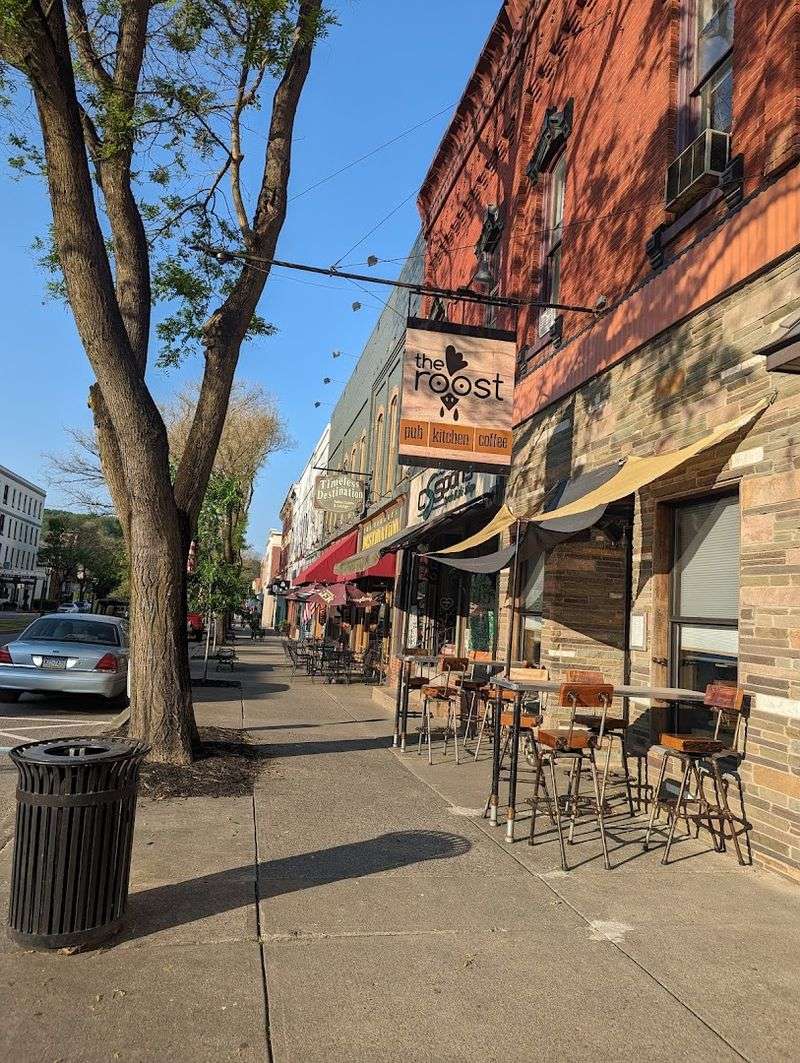
Gas lamps flicker to life each evening along Main Street, casting the same warm glow they’ve provided since the 1870s. This isn’t a tourist gimmick—Wellsboro genuinely maintains over sixty working gas lights as part of its continuous commitment to historic character.
The soft illumination makes evening strolls through downtown feel transported in time, especially during winter when snow blankets the traditional storefronts.
Local businesses occupy most of the historic buildings, from hardware stores that have served generations of families to cafés where regulars claim their favorite tables. The Arcadia Theatre still screens movies and hosts live performances, functioning as it has for decades as the town’s cultural center.
Seasonal festivals fill the streets with vendors, musicians, and neighbors reconnecting in spaces their parents and grandparents used for identical purposes.
Proximity to Pennsylvania Grand Canyon brings visitors, but Wellsboro resisted becoming merely a gateway town. Instead, it maintained authentic Main Street culture that exists whether tourists arrive or not.
Residents shop at independent boutiques, grab lunch at family-owned diners, and attend community events that keep downtown genuinely central to daily life rather than a weekend attraction.
Bellefonte
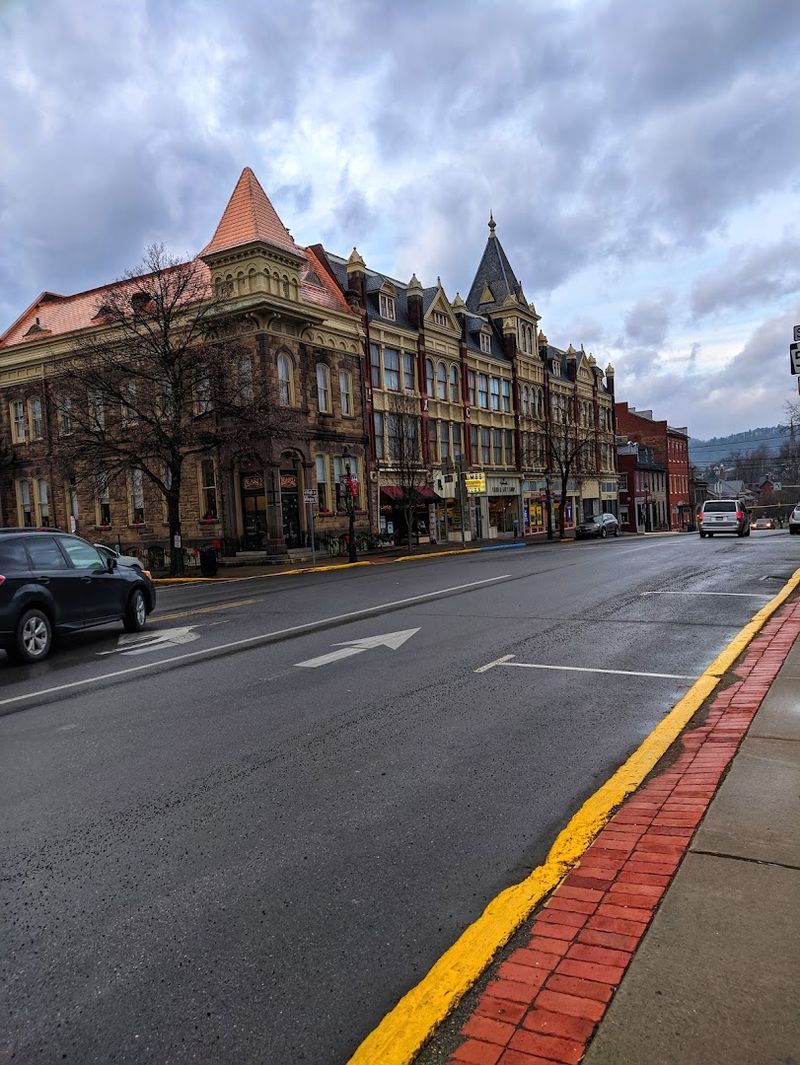
Victorian architecture dominates the streetscape with an elegance that somehow never feels stuffy or museum-like. Ornate cornices, detailed brickwork, and carefully preserved facades create visual continuity that reminds visitors this town once served as a wealthy county seat and industrial center.
What’s remarkable is how these grand buildings continue housing ordinary daily activities—grabbing coffee, buying groceries, meeting friends for dinner.
The downtown coffee shop buzzes with laptop workers, retirees catching up on local news, and students from nearby Penn State grabbing caffeine between classes. Local markets sell Pennsylvania-grown produce to residents who have shopped there for decades, maintaining commerce traditions that predate chain supermarkets.
Community events like First Friday art walks activate the historic streets monthly, connecting neighbors through creativity and culture.
Bellefonte never abandoned its downtown when suburban development arrived elsewhere. Residents maintained loyalty to Main Street businesses, ensuring continuous vitality that preserved both buildings and community bonds.
Walking these blocks reveals layered history—original hitching posts still embedded in curbs, vintage signs still readable on brick walls, but also fresh paint, modern businesses, and genuine neighborhood energy that proves historic districts can thrive without becoming attractions.
New Hope
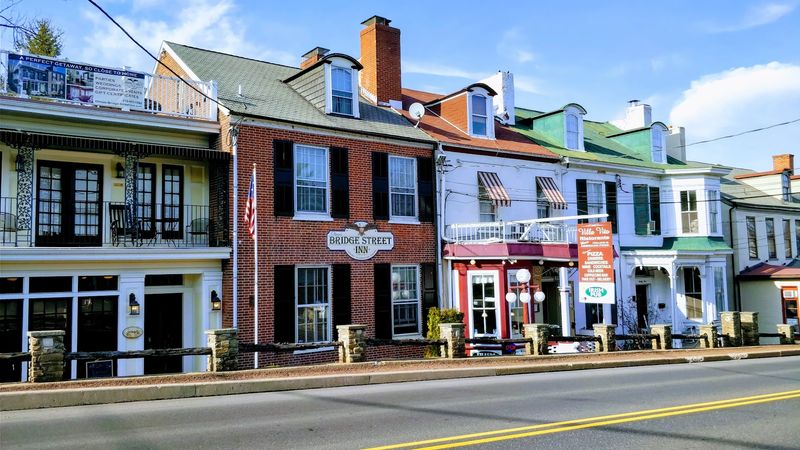
Creativity pulses through streets lined with buildings that remember when canal boats hauled cargo along the Delaware River. That transportation history left perfectly scaled structures that artists, theater groups, and craftspeople later claimed as studios, galleries, and performance spaces.
The artistic takeover happened organically decades ago, creating a cultural identity that now feels as historically significant as the original canal-era commerce.
Restored buildings house working galleries where regional artists actually create and sell their work, not just display it. The Bucks County Playhouse continues staging productions that draw theater lovers from across the region, maintaining a performance tradition that has shaped community identity for generations.
Cafés and restaurants occupy waterfront spaces, their outdoor seating creating social hubs where locals and visitors mingle naturally.
Unlike purely tourist-driven art towns, New Hope maintains year-round creative energy that serves local culture first. Residents attend gallery openings, support live theater, and frequent the same restaurants visiting art enthusiasts discover.
The historic architecture provides the framework, but continuous artistic activity keeps the town feeling vibrant rather than preserved. Buildings earn their keep through active use, not just pretty facades worth photographing.
Gettysburg
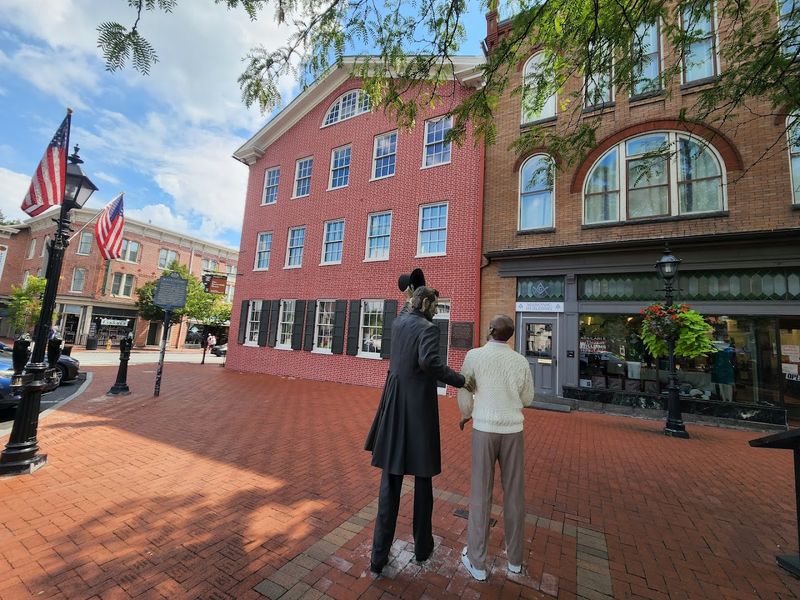
Yes, the battlefield draws millions seeking Civil War history, but locals navigate a completely different Gettysburg—one where downtown functions as a genuine college town and community center. Students from Gettysburg College grab coffee between classes at independent cafés, browse bookstores stocked with current bestsellers alongside battle histories, and meet friends at taverns that serve craft beer in buildings that witnessed 1863’s chaos.
This dual identity creates interesting layers rarely mentioned in tourism brochures.
Locally owned restaurants pack dining rooms with regulars who couldn’t care less about battlefield tours but appreciate good food served in historic settings. Specialty shops cater to actual local needs—hardware stores, pharmacies, clothing boutiques—occupying the same Victorian commercial buildings that tourists photograph.
The square hosts farmers markets and seasonal festivals that bring together permanent residents, students, and multi-generational families whose roots predate the famous battle.
Living here means negotiating July tourism surges while maintaining normal routines, a balancing act that most residents handle gracefully. Main Street thrives because it serves multiple purposes simultaneously—honoring profound history while supporting contemporary community life.
The past remains visibly present, but so does the future, embodied in students, young families, and new businesses keeping downtown genuinely vital.
Strasburg
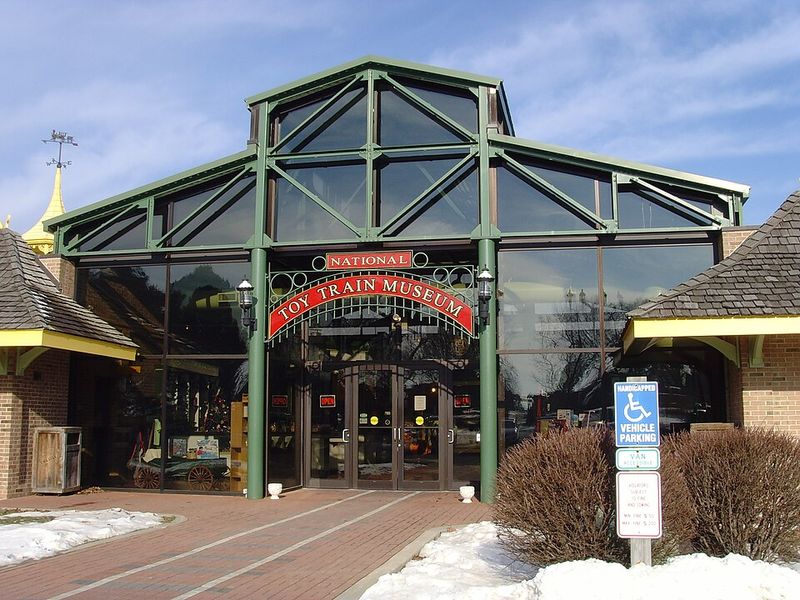
Time moves differently here, influenced by both Lancaster County’s Amish communities and the town’s deep railroad heritage. Main Street reflects this slower rhythm—family-owned diners serve breakfast to farmers and railroad enthusiasts alike, shops close by early evening, and the Strasburg Rail Road continues hauling passengers just as it has since 1832.
This isn’t manufactured nostalgia but rather continuity maintained through conscious community choices.
Historic buildings house businesses that genuinely serve local needs rather than tourist desires. The hardware store stocks farming supplies, restaurants serve hearty Pennsylvania Dutch favorites to regular customers, and the railroad museum attracts genuine train buffs, not just casual sightseers.
Amish buggies still tie up along Main Street while families shop, creating living connections to agricultural traditions that shaped the region’s character.
Railroad heritage runs deeper than the tourist trains suggest—generations of local families worked the rails, and that history remains embedded in community identity. Buildings preserve original architecture because residents value continuity, not because a preservation committee mandated it.
Walking Main Street reveals a town that never rushed to modernize, maintaining traditions and pace that feel increasingly rare across Pennsylvania’s increasingly suburbanized landscape.
Ligonier
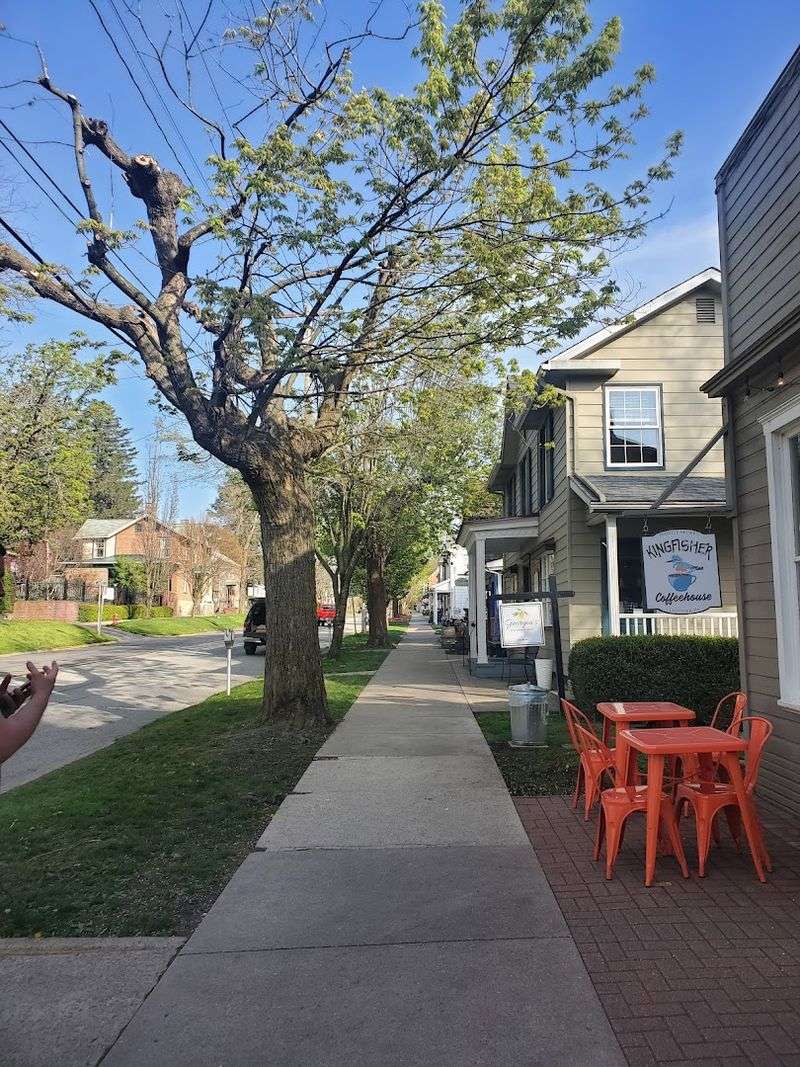
The diamond-shaped town square immediately signals that Ligonier developed according to intentional 18th-century planning rather than random growth. That central gathering space still functions exactly as designed—hosting seasonal festivals, farmers markets, and community celebrations that draw neighbors together throughout the year.
Surrounding streets radiate outward from the diamond, creating a walkable downtown where historic storefronts remain continuously occupied by functioning businesses.
Local cafés serve regulars who claim the same tables daily, discussing everything from high school sports to town council decisions. Specialty shops occupy beautifully maintained historic buildings, offering everything from handmade crafts to outdoor gear that serves the Laurel Highlands recreation community.
Fort Ligonier reconstruction stands nearby, but the downtown thrives independently of tourism, supported by residents who actually live, work, and socialize here year-round.
Highland Games and Ligonier Country Market transform the square seasonally, continuing traditions that span generations and create shared memories for families. Yet between big events, the downtown maintains steady activity—people grabbing lunch, running errands, meeting friends—that proves historic spaces can support ordinary routines.
The diamond layout encourages social interaction through compact, pedestrian-friendly design that makes chance encounters with neighbors nearly inevitable during any Main Street visit.
Milford
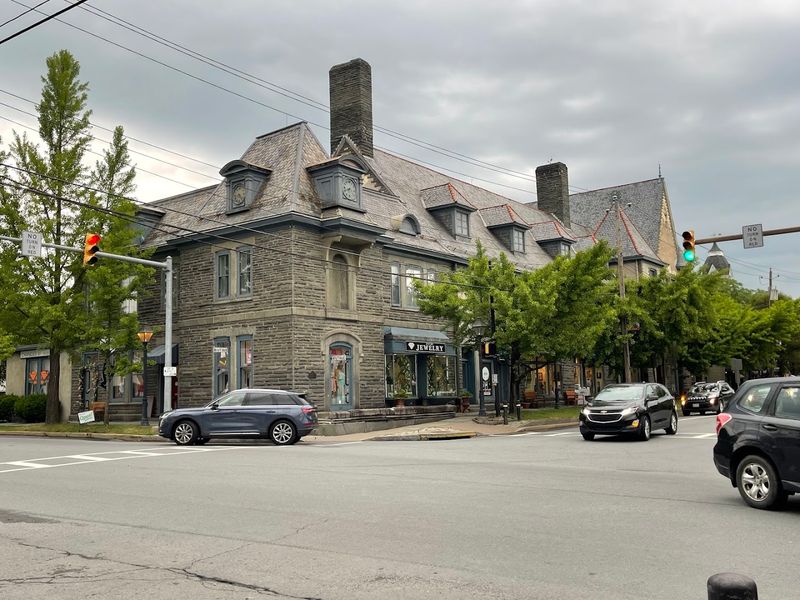
Mature trees arch over Main Street, creating a canopy that shades 19th-century buildings looking remarkably similar to period photographs. This visual continuity isn’t accidental—Milford residents actively preserved architectural character while allowing businesses to evolve with changing times.
The result feels historically intact without seeming frozen or artificial, a balance many preservation-minded towns struggle to achieve.
Restaurants occupy original structures, their period details visible in pressed tin ceilings, hardwood floors, and tall windows that flood dining rooms with natural light. Boutiques sell contemporary goods but respect the buildings housing them, maintaining storefronts that complement rather than clash with neighboring historic facades.
Galleries showcase regional artists in spaces that once served entirely different commercial purposes, demonstrating adaptive reuse that honors original architecture.
Community spaces activate throughout the week—library programs, gallery openings, seasonal concerts—keeping downtown relevant to residents beyond shopping and dining. Weekend visitors certainly arrive, drawn by scenic beauty and well-preserved character, but Milford maintains authentic small-town rhythms that continue regardless of tourist presence.
People actually live in apartments above Main Street shops, walk to work in the morning, and gather for evening events, creating continuous activity that historic preservation alone cannot generate.
Harmony
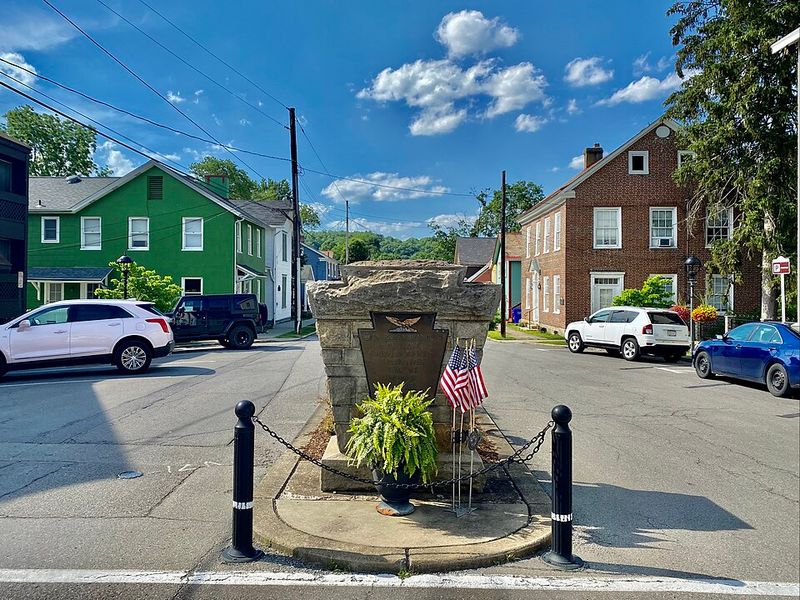
Religious idealism shaped this village when the Harmony Society established their communal settlement in 1804, and that distinctive heritage remains remarkably visible today. Original society buildings still stand along quiet streets, many functioning as museums that explain the fascinating utopian experiment that created the town’s unique architectural character.
Unlike typical historic districts formed through gradual commercial development, Harmony emerged from intentional planning by German Pietists seeking religious freedom and communal living.
The preserved village character feels cohesive because it actually was—built within a short period according to specific community principles rather than evolving randomly over centuries. Original homes, shops, and gathering spaces maintain their historical relationships to one another, creating spatial understanding of how communal societies functioned.
Museums occupy key structures, but other buildings house contemporary shops and gathering spaces that keep the village active beyond educational tourism.
Walking Harmony’s streets reveals layers of history—the Harmony Society’s brief presence, subsequent occupants who maintained the buildings, and current residents who value the exceptional heritage they’ve inherited. Seasonal events celebrate this unique past while creating new traditions.
The village never grew large enough to lose its original character, a preservation advantage that residents consciously maintain through careful stewardship of irreplaceable architecture.
Bristol
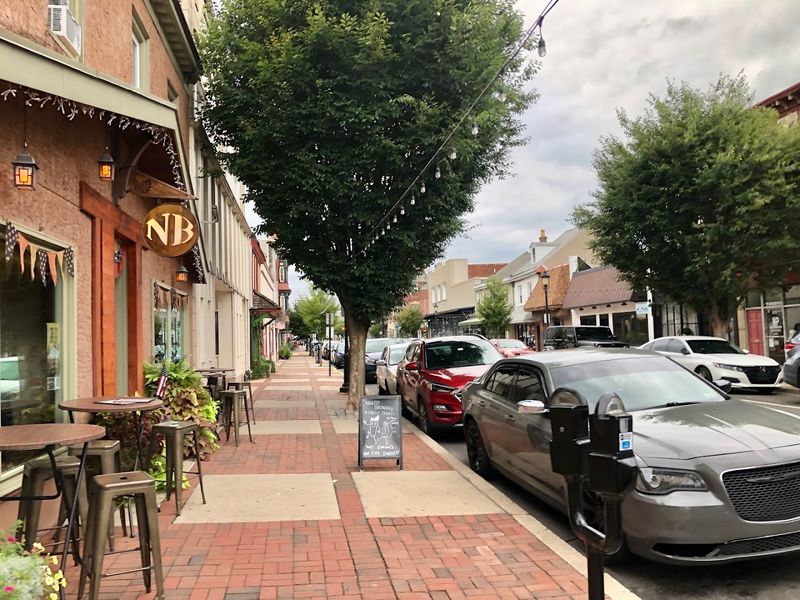
Claiming one of Pennsylvania’s oldest continuously inhabited downtowns carries weight when buildings genuinely date to the 1700s and never stopped serving commercial purposes. Main Street’s persistence through centuries of economic changes, transportation revolutions, and architectural trends represents remarkable community commitment to place.
The Delaware River waterfront location that made Bristol prosperous initially still shapes its identity, though canal boats and steamships gave way to recreational boating and riverfront dining.
Commercial buildings reveal their ages through architectural details—flemish bond brickwork, segmental arches, unusually thick walls—but operate as functioning businesses rather than museums. Neighborhood restaurants serve regulars whose families have eaten there for generations, maintaining recipes and traditions that feel authentically local.
Riverfront businesses capitalize on scenic water views while occupying structures that warehoused entirely different cargo two centuries earlier.
Community events activate historic spaces throughout the year, from riverside festivals to heritage celebrations that connect current residents with the town’s deep roots. Long-standing businesses operate alongside newer ventures, creating commercial diversity that prevents downtown from feeling like a historical theme park.
The continuous habitation Bristol proudly claims isn’t just about buildings remaining standing—it’s about unbroken chains of people living, working, and gathering in the same spaces across centuries.
Columbia
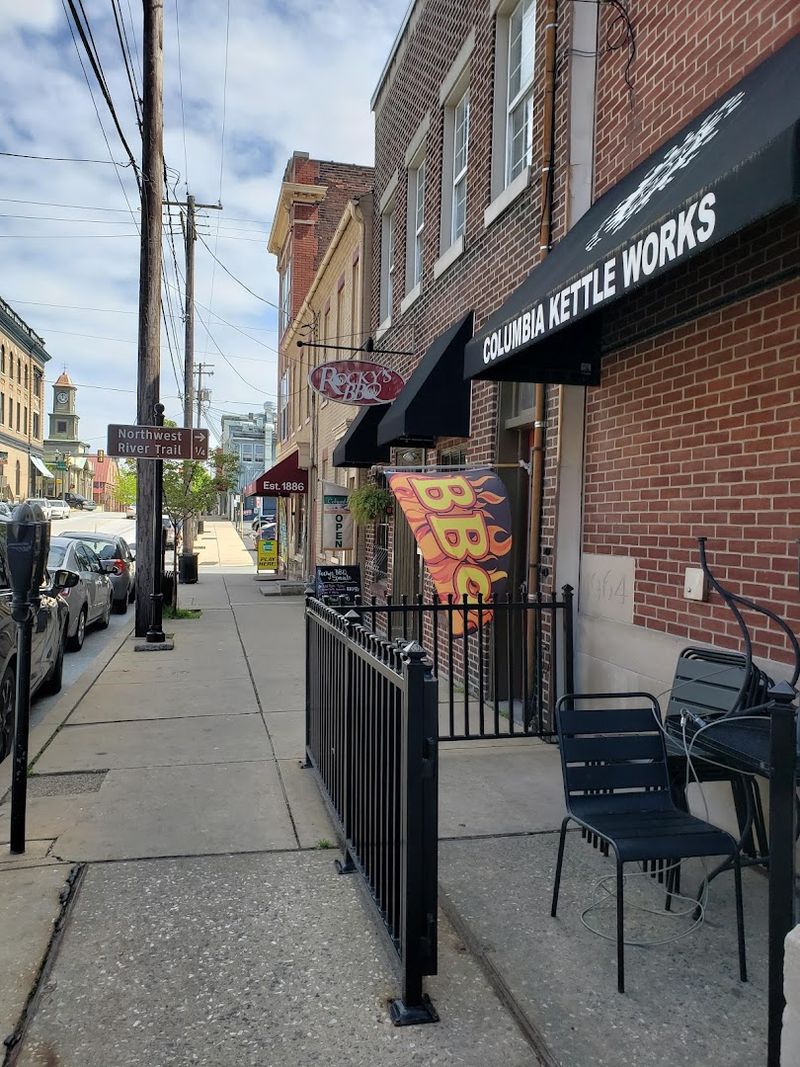
Brick buildings march along Main Street in orderly rows, their industrial-era solidity reflecting Columbia’s history as a significant manufacturing and transportation center. The architectural consistency comes from rapid development during the town’s 19th-century peak, when the Pennsylvania Canal and later railroads made this Susquehanna River location strategically important.
Those boom-time structures survived subsequent economic downturns, creating preservation opportunities that recent revitalization efforts have wisely embraced.
Antique shops naturally gravitate to these historic spaces, their merchandise often matching the buildings’ eras in interesting ways. Cafés occupy former commercial spaces, exposed brick walls and original wood floors adding character that new construction can’t replicate.
Breweries have claimed old warehouses and factories, the industrial bones perfect for modern craft beer culture while honoring the buildings’ working-class heritage.
Revitalization hasn’t erased Columbia’s industrial past or working-class character—instead, it’s building on those authentic foundations. Community events celebrate both history and renewal, connecting longtime residents with newcomers attracted by downtown’s emerging energy.
Main Street finally regained vitality after decades of decline, proving historic architecture alone isn’t enough—you need vision, investment, and community commitment to transform preservation into genuine neighborhood renaissance that benefits actual residents.