One small mountain town in Washington has 26 historic cemeteries grouped together on a hillside, each reflecting a different part of its mining heritage.
Each one was set aside for a different immigrant group, lodge, or family who came to mine coal. I find that detail impossible to forget.
That’s the kind of story waiting in the state’s oldest communities.
One harbor village grew around a sawmill that ran for about 142 years. Another became the first incorporated town in Washington Territory, back in 1854.
Fall makes these places even better. Maple leaves turn gold along old main streets, and the sea air gets crisp.
Even after October’s harvest festivals have ended, quieter waterfronts, historic storefronts, and colorful autumn scenery give these communities plenty of appeal.
I love that you can tour a century of history in one afternoon, then grab soup by a window. Pack a jacket, because the wind off the water can be brisk.
Each community offers a different glimpse into Washington’s past, making even a short November road trip feel like a journey through history.
Coupeville
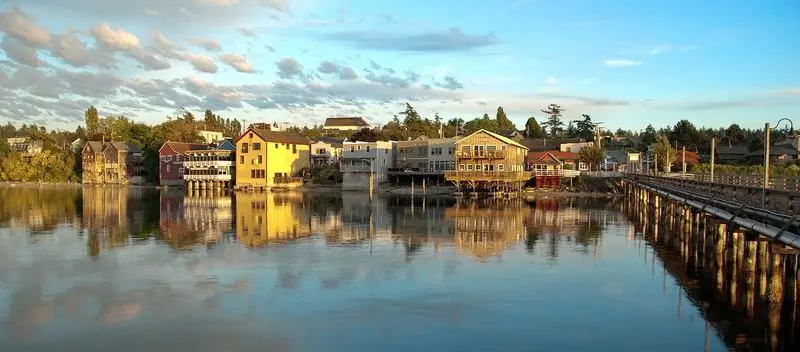
Few towns can say they sit inside a national historical reserve, but Coupeville pulls it off. Ebey’s Landing National Historical Reserve, created in 1978, wraps around the town on Whidbey Island.
The town takes its name from Captain Thomas Coupe, a sea captain who settled here in the 1850s. That makes it one of the oldest towns in Washington, and the old storefronts still show it.
Start at the Coupeville Wharf, which stretches out over Penn Cove. The red wharf building dates to 1905, and it makes a great photo against gray autumn skies.
Look for the whale skeleton display inside, too.
Next, stroll Front Street and peek into the Island County Historical Museum. It shares stories of Native peoples, pioneers, and sea captains who shaped the island.
Fall is a fine time for a walk on the trails at Ebey’s Landing. Farm fields, bluffs, and water views stretch out in every direction you turn.
Hungry? Penn Cove is famous for its mussels, so watch for them on local menus.
Bring a sweater, because that bluff breeze means business.
Port Gamble
Ever seen a Maine village dropped onto a Puget Sound shoreline? Port Gamble looks a lot like one, and there’s a reason.
Port Gamble grew around a sawmill established by William Talbot and Andrew Pope in 1853. The mill remained in operation for 142 years, closing in 1995 and leaving behind one of Washington’s best-preserved historic company towns.
Today the whole town is a National Historic Landmark district. You can wander past tidy Victorian houses, white picket fences, and big shade trees.
In fall, those trees light up the streets with gold and red.
Don’t skip St. Paul’s Episcopal Church, built in 1870. Its tall white steeple is probably the most photographed spot in town.
The Port Gamble Historic Museum tells the story of the mill and the families who worked it. Exhibits show what company town life looked like day to day.
After that, take a short walk toward the water for views of Hood Canal. It’s a quiet, easy spot to slow down and soak up some old-time charm.
Steilacoom
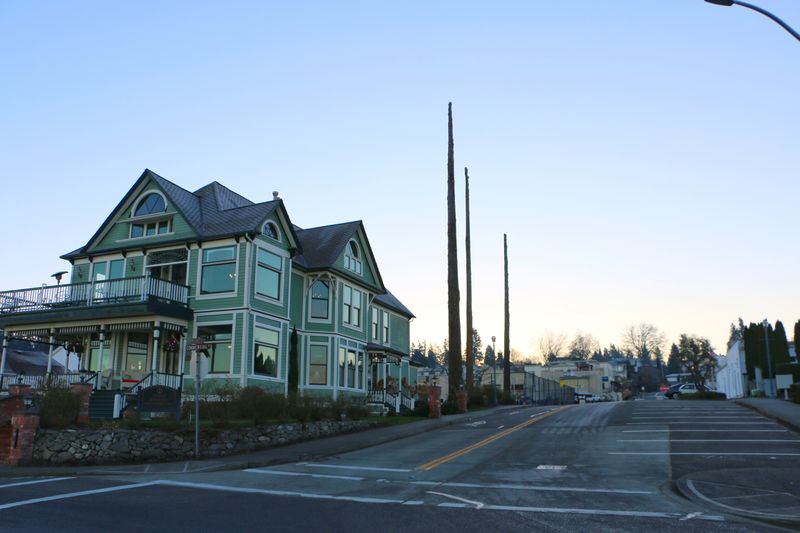
Bragging rights don’t come much older than this. Steilacoom became the first incorporated town in Washington Territory in 1854.
Sea captain Lafayette Balch helped start the town, and his name still pops up in local history. Today, a large part of Steilacoom is listed as a historic district on the National Register of Historic Places.
Many old homes still stand on the hillside above the water.
Steilacoom’s annual Apple Squeeze brings the town together each October for fresh cider, traditional apple presses, and local festivities. Although the 2026 celebration took place on October 4, the town’s historic streets and waterfront views remain appealing well into November.
Between sips, visit the Steilacoom Historical Museum to learn about the town’s early days. Exhibits cover pioneer life and the town’s role in the territory.
The views here are a bonus. From the waterfront, you can look across Puget Sound toward Anderson Island and McNeil Island.
Want a mini adventure? A ferry from Steilacoom runs to Anderson Island.
It’s a short ride, and the water looks gorgeous under crisp fall skies.
La Conner
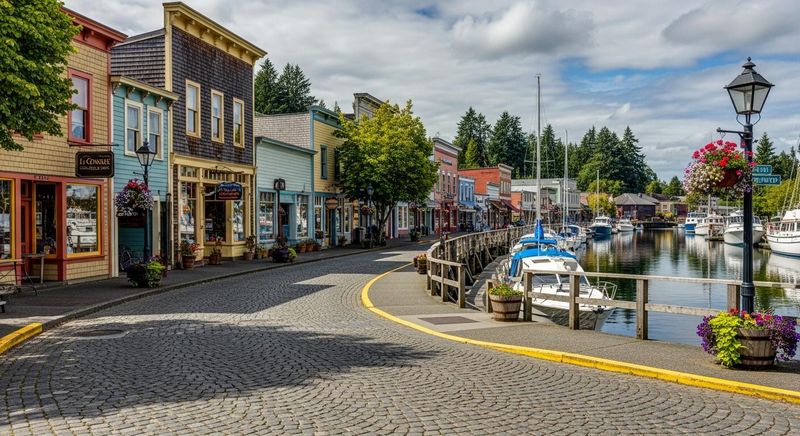
A bright orange bridge is the first clue that La Conner likes a little color. The Rainbow Bridge arches over the Swinomish Channel, and it pops against fall skies.
La Conner is one of the oldest towns in Skagit County. It grew as a trading post in the 1800s, and many old wooden buildings still line First Street along the water.
Art lovers, this stop is for you. The Museum of Northwest Art sits right in town and features artists from the Pacific Northwest.
It’s a great way to warm up on a chilly afternoon.
History fans should head up the hill to the Skagit County Historical Museum. It covers farming, fishing, and daily life in the valley, plus great views from the top.
By November, the Skagit Valley takes on a quieter charm as the harvest season winds down. The surrounding farmland, changing trees, and misty views create a peaceful backdrop for a scenic drive beyond La Conner’s historic waterfront.
Finish with a slow walk on the waterfront boardwalk. Watching boats glide down the channel is a pretty great way to end the day.
Roslyn
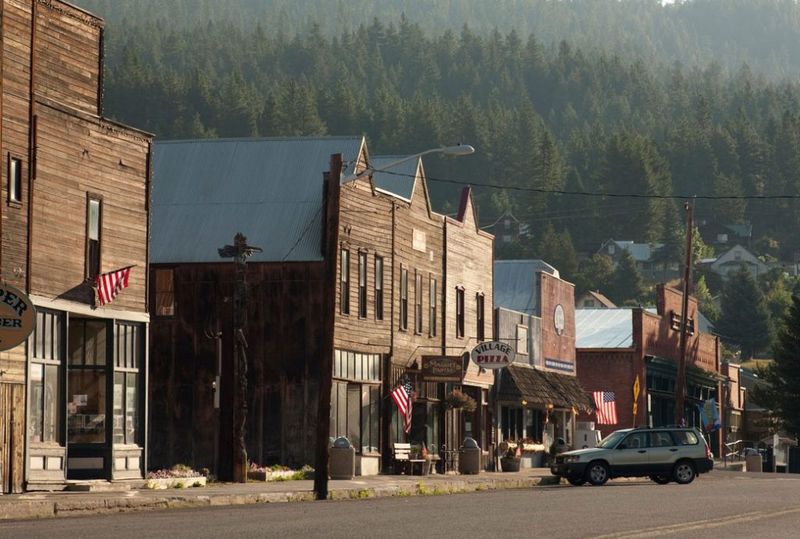
TV fans might feel a jolt of recognition here. Roslyn stood in for the fictional Alaska town of Cicely in the 1990s show Northern Exposure.
Long before cameras arrived, coal built this place. The Northern Pacific Railway opened mines here in the 1880s, and workers came from many countries to find jobs.
You can see that history on a hill just outside downtown. The Roslyn Cemetery holds about two dozen separate sections, set aside for different ethnic groups, lodges, and families.
Walking the grounds feels like reading a giant history book.
Back in town, the old brick and wood buildings make a great backdrop for photos. Many date to the town’s mining boom.
The historic Roslyn Cemetery consists of 26 individual cemeteries associated with different ethnic communities and fraternal organizations, reflecting the diverse backgrounds of the town’s early mining families.
Fall in the Cascade foothills brings cool air and golden trees along the nearby roads. Nearby Cle Elum Lake is a short drive away for extra scenery.
Grab a coffee, zip up your coat, and enjoy a mountain town with real character.
Port Townsend
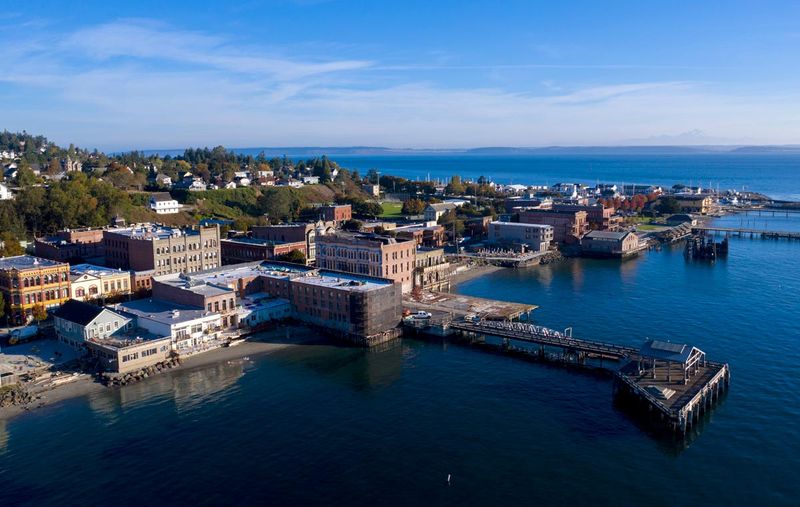
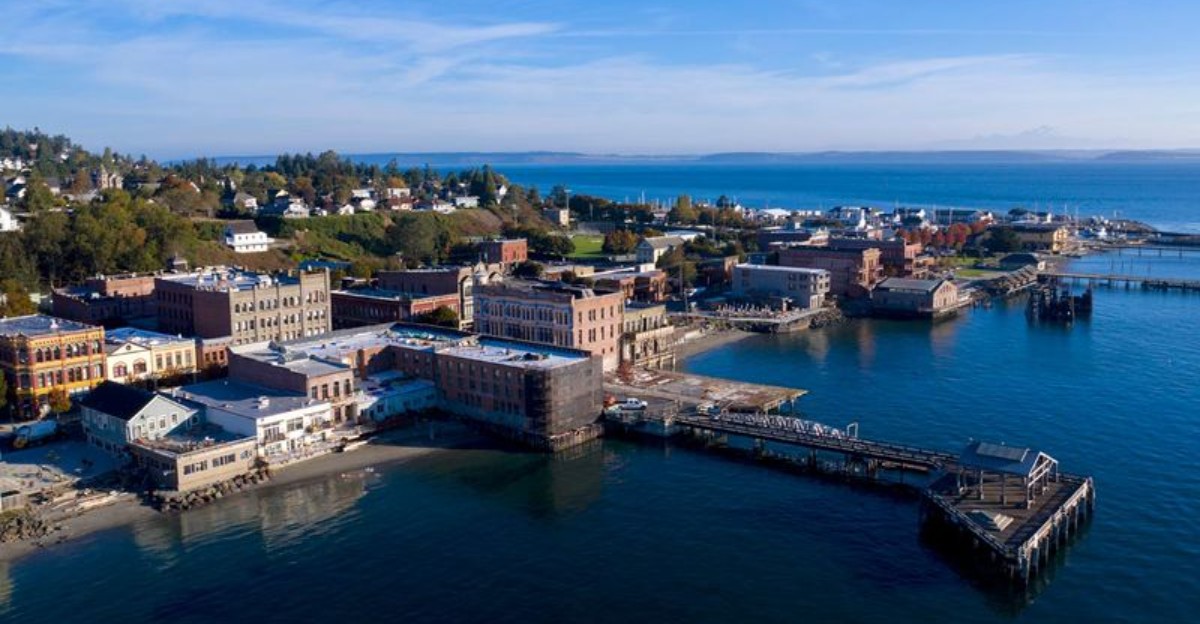
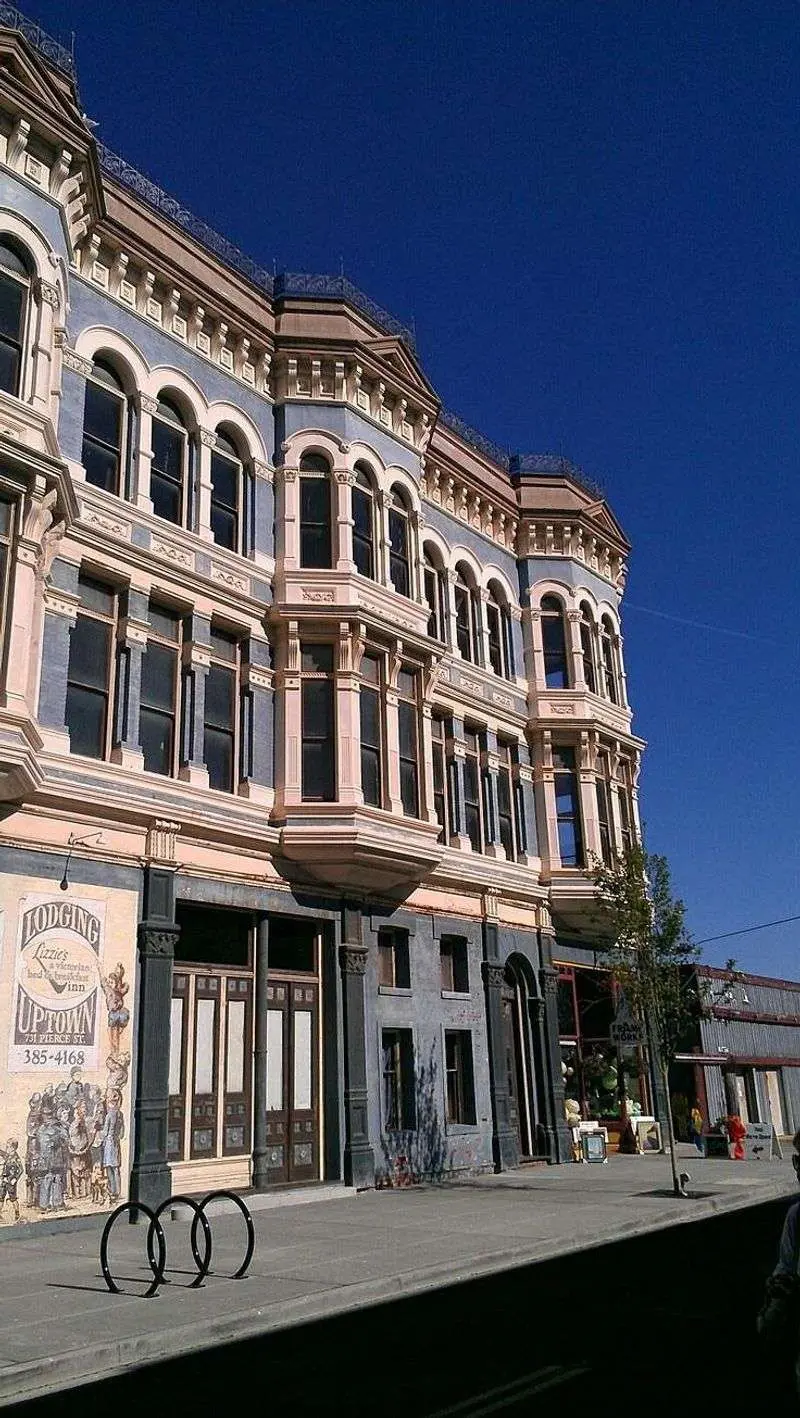
Victorian buildings this grand weren’t supposed to end up in a small seaport. Port Townsend expected to become a major city in the late 1800s, and folks built big to match the dream.
That boom faded, but the buildings stayed. Today, the town’s historic district is a National Historic Landmark, and it’s one of the best Victorian seaports in the country.
Downtown, Water Street is lined with brick and stone buildings full of shops and cafes. Up the bluff, you’ll find fancy Victorian homes with towers, porches, and fun trim.
Got some energy to burn? Head to Fort Worden Historical State Park.
The old army fort has bunkers, trails, and beaches you can explore on a crisp fall day.
Bird lovers and beach walkers will like Point Wilson Lighthouse, right next to the park. On clear days, you may spot mountains across the water.
The Jefferson Museum of Art and History shares stories of the town’s past. It sits in the old city hall building downtown.
Fall brings fewer crowds, making wandering easier.
Waterville
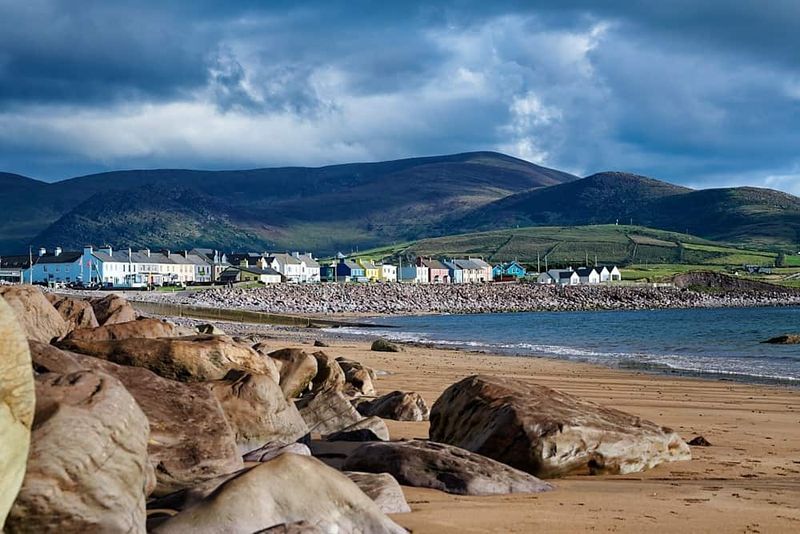
Here’s a fun one for trivia night. Waterville is known as the highest incorporated town in Washington, sitting at about 2,600 feet.
The town sits on a wide plateau in Douglas County, surrounded by wheat fields. In fall, those fields turn golden and stretch out under big open skies.
It’s a whole different side of the state.
Waterville’s downtown is listed on the National Register of Historic Places. Many brick buildings date back to the early 1900s, when the town served the farms around it.
One landmark stands out on the main street. The Waterville Historic Hotel was built in 1903, and its old style makes for a great photo.
Next, stop by the Douglas County Historical Museum. It has pioneer tools, farm gear, and a large rock and mineral collection.
Getting here is part of the fun, too. The drive up from the Columbia River offers wide views of canyons and hills.
Toss a snack in the car, cue up a good playlist, and enjoy one of Washington’s quietest scenic escapes.