Some kids collect baseball cards. Others collect library stamps, and a small city in central Connecticut has been helping them do that for generations.
Bristol is best known for clocks, a famous sports network, and a big amusement park, yet one of its proudest stories sits on a quiet downtown street. It is the story of a town deciding that children deserved a library space built around them, not squeezed into a corner of a grown-up building.
That idea was bold in its day, and it still shapes how families use books here. This article walks through the history, the setting, the programs, the helpful people, and the practical tips that make this spot worth a stop.
Keep reading to learn where it is, why it matters, and how to plan the best possible visit.
A Downtown Address With a Big Story
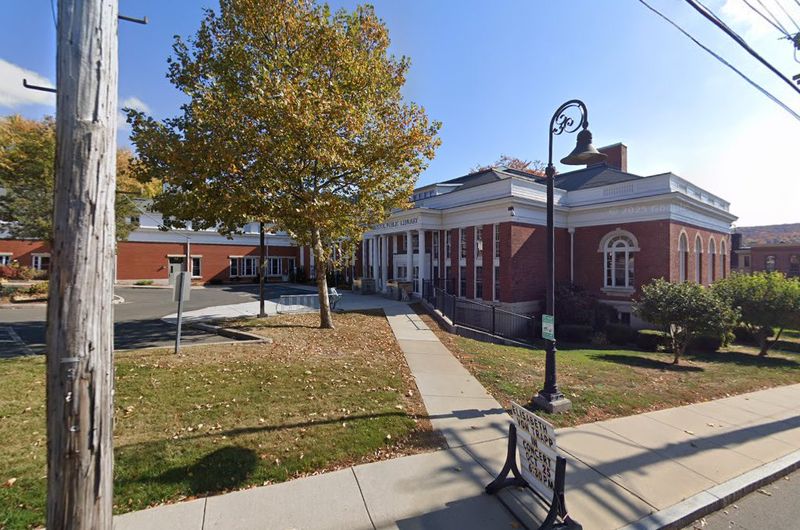
Every great library story needs a starting point, and this one begins on a short downtown street. The Bristol Children’s Library sits at 5 High St, Bristol, CT 06010, in the heart of Bristol, Connecticut.
It shares its address with the Bristol Public Library, so the children’s space works as part of the larger city library system. That setup means families can handle grown-up errands and kid adventures in one trip.
Bristol is a city in Hartford County, in the central part of the state. It is easy to reach from nearby towns like Plainville, Southington, and Farmington.
The building is close to other downtown spots, which makes it a handy stop during a day of errands. Parents often plan a quick book run between school pickup and dinner.
A simple tip helps here. Check the library website before heading over, since events and room setups can change from week to week.
Once the address is saved in a phone, the real fun can begin, and it starts with a look back in time.
Why Kids Got Their Own Space
Back in the late 1800s, many public libraries were not friendly places for children. Some had age rules that kept younger readers out, and others expected total silence from everyone.
Towns across the country slowly started to rethink that idea. Librarians began arguing that children needed books picked for their own reading level, plus staff who understood them.
Bristol is known for being part of that early push. The city has long celebrated its library tradition of giving young readers a place that belongs to them.
That choice sounds normal today. Back then, it was a fresh and even surprising move.
The key lesson still works for modern families. Children read more when the shelves, chairs, and helpers are set up with them in mind.
For parents, this history is a fun talking point on the drive over. Kids often enjoy hearing that their library was part of a bigger change in how America treated young readers.
History is great, but the shelves themselves deserve a closer look next.
Shelves Packed for Every Age
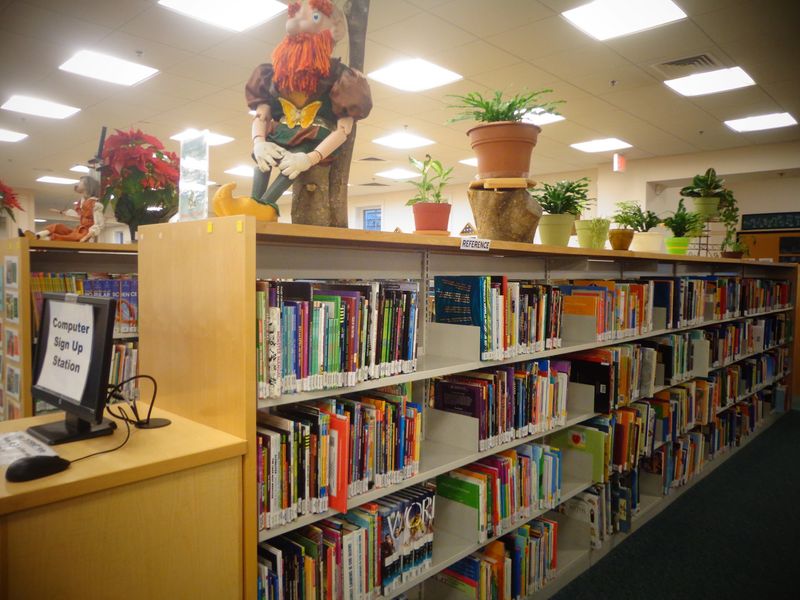
Here is a fun challenge for young readers. Try leaving with just one book.
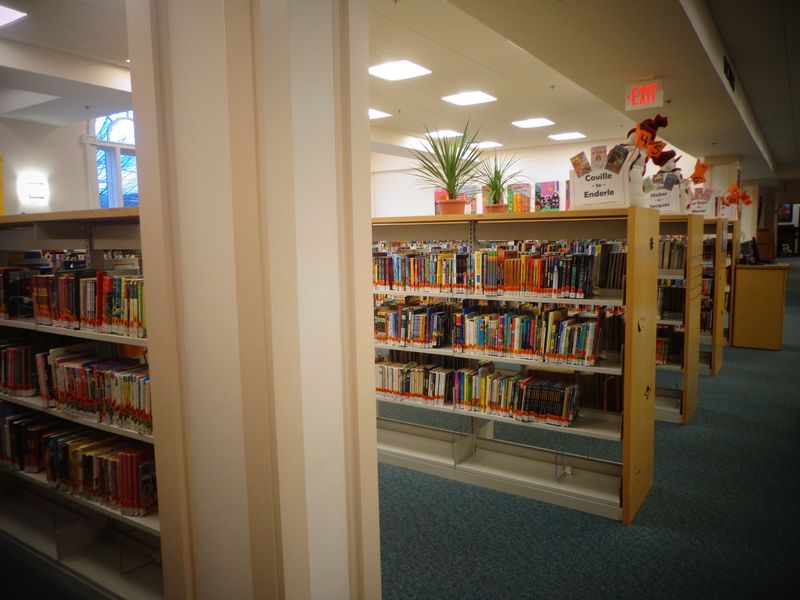
The selection is one of the things people praise most about this library. Shelves cover board books for babies, picture books for preschoolers, and chapter books for kids ready to read on their own.
Older kids can find series that keep them hooked for months. Nonfiction sections help with school reports about animals, space, sports, and history.
A smart plan is to let children pick some books on their own. Parents can then add a few titles that stretch reading skills a little.
Library cards also unlock the larger collection shared through the city system. If a title is checked out, staff can often help place a hold so it arrives later.
Keep a running list of favorite authors on a phone. That makes the next visit quicker and helps when a kid says there is nothing good left to read.
Of course, great books are only half the reason families keep coming back.
The Helpers Behind the Desk
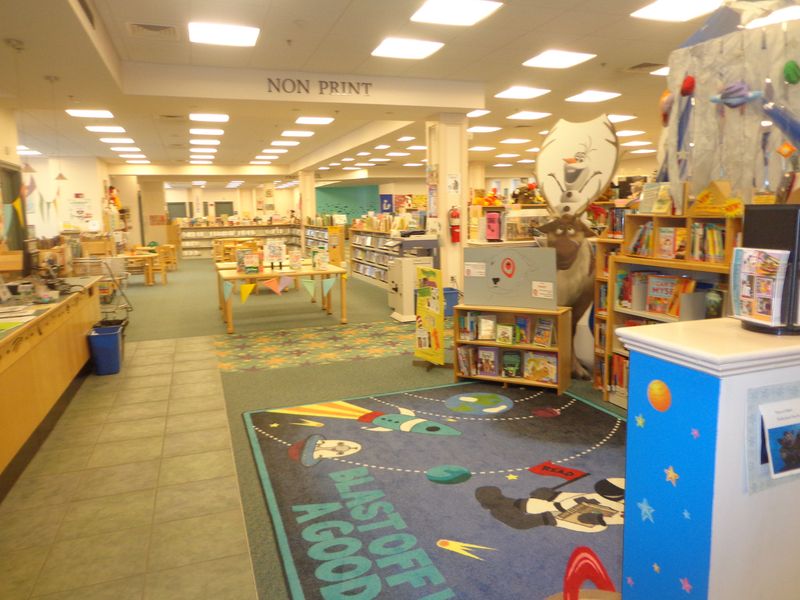
Ask any parent what makes a library great, and the answer is often the people. The children’s department in Bristol gets a lot of credit for staff who go out of their way to help.
Children’s librarians do much more than check out books. They suggest titles, help with school projects, and point families toward programs that fit a child’s age.
Shy kids can benefit the most. A short chat with a librarian can turn a nervous reader into someone who asks for book ideas every week.
A good tip is to bring a specific question. Saying a child loves dinosaurs and funny stories gives staff a clear place to start.
Teachers and homeschool families can also ask about resources for lessons. Librarians often know about tools that are not obvious from the shelves alone.
Friendly help keeps families feeling welcome long after the first visit. That welcome is easier to enjoy when the space itself feels calm and cared for, which leads to the next point.
Clean, Calm, and Kid Ready
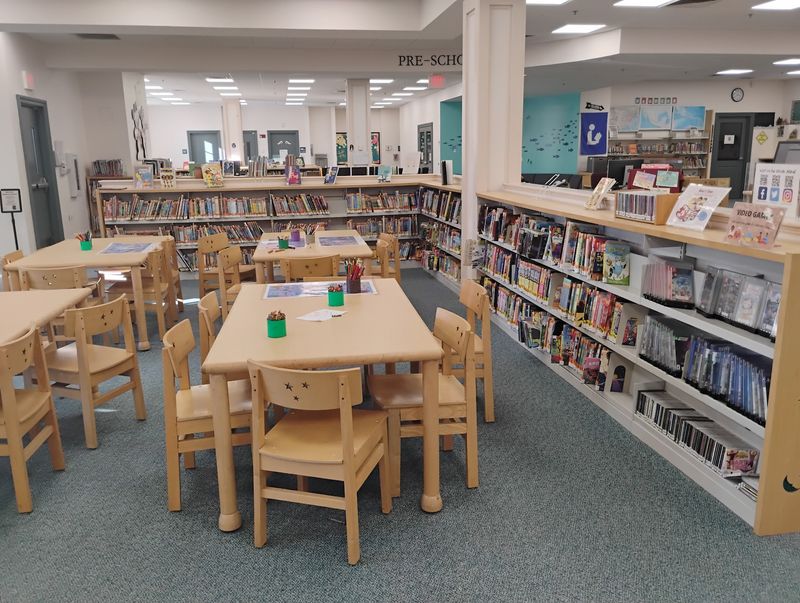
Some public spaces feel busy and messy. This one has a reputation for the opposite.
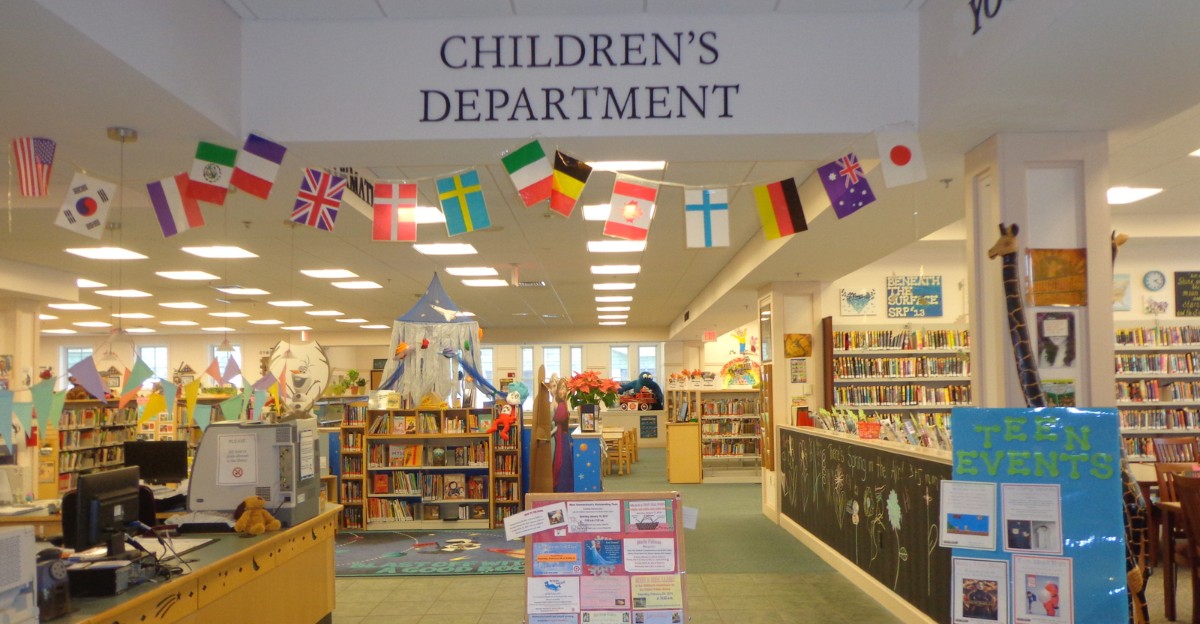
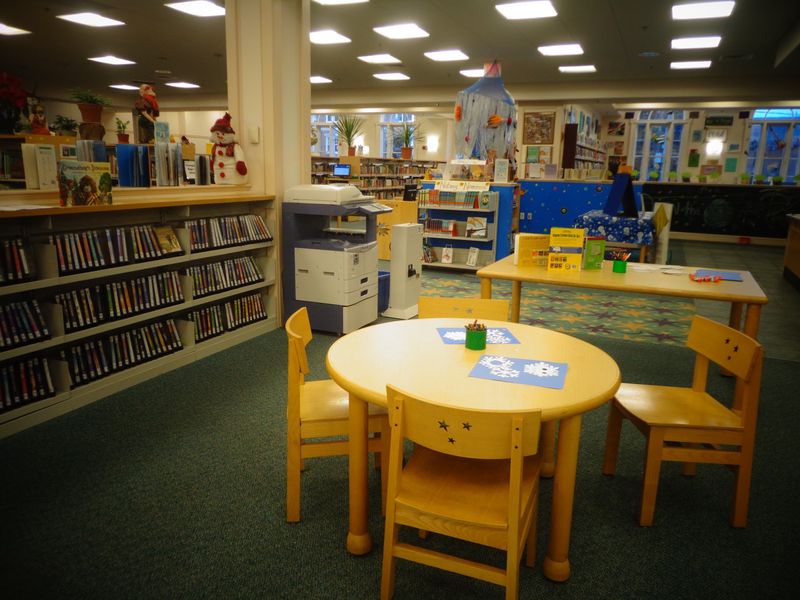
The library is often described as clean, quiet, and peaceful. For families with little ones, that matters a lot.
A calm room helps kids settle down with a book instead of bouncing between shelves. It also gives parents a break from screens and noise at home.
Quiet does not mean strict, though. Children’s areas are built for kids, so a little chatter during story picking is normal.
Here are a few easy habits that keep the space nice for everyone:
Put books on carts if unsure where they go. Keep snacks for outside, and use indoor voices near study tables.
Teaching these habits early helps kids feel proud of their library. Many children start acting like hosts after a few trips.
A peaceful room is lovely on its own, yet the calendar of events adds a whole new layer of fun.
More Than Books on the Menu
Homework emergencies happen to every family. A printer at home runs out of ink at the worst moment, usually the night before a project is due.
That is where the library steps in. Printing here is known for being fast and simple, even for jobs of around 40 pages.
Public computers, internet access, and study space make the building useful for older kids too. Middle schoolers can research reports or finish typing assignments in a calm setting.
Parents benefit as well. Job forms, school papers, and community information are all easier to handle with library tools nearby.
A helpful tip is to save files on an email account or cloud drive before arriving. That way, printing takes only a minute.
Ask staff about any printing fees, since rules can change. Bringing a little change or a payment card avoids surprises.
Practical help like this explains why the library is called a real resource for the whole town, and timing a trip well makes it even better.
Timing the Perfect Trip
Nothing spoils a book run like a locked door. Good news: the schedule here is friendly for both school days and weekends.
Monday through Thursday, hours run from 9:30 AM to 8 PM. Those evening hours are great for after-school and after-work trips.
Friday and Saturday hours are 8:30 AM to 5 PM. Saturday mornings work well for families who want an early start before sports or errands.
Sunday is a day off for the library. Plan weekend visits for Saturday instead.
Holiday schedules may differ, and special closures can pop up. The library website is the safest spot to confirm hours.
Here is a timing tip worth trying. Weekday afternoons can get busy with students, so younger kids may enjoy mornings or early evenings more.
In the past, there were times when visits required an appointment. Checking ahead keeps any surprises off the agenda.
With the clock sorted out, the next step is making the most of the town around the library.
A Library in a Clock Town
Bristol earned fame long ago as a clock-making center. Today, the city keeps that pride alive through museums and local history.
A library trip can easily become part of a full day in town. The American Clock and Watch Museum is in Bristol, and it pairs nicely with a history-loving kid.
Lake Compounce, one of the oldest amusement parks in the country, is also in the area. Families sometimes plan summer outings that mix a book stop with park fun.
Linking these places together helps kids see that history is all around them. A clock museum and a long-running children’s library both show how much the town values its past.
Try this idea for a local adventure. Check out a book about clocks or inventions, then visit the museum to match pages with real objects.
That turns reading into a mini field trip. Kids remember facts better when they connect books to places.
Still, the library itself remains the steady heart of the plan, as the final section shows.
Why It Still Matters Today
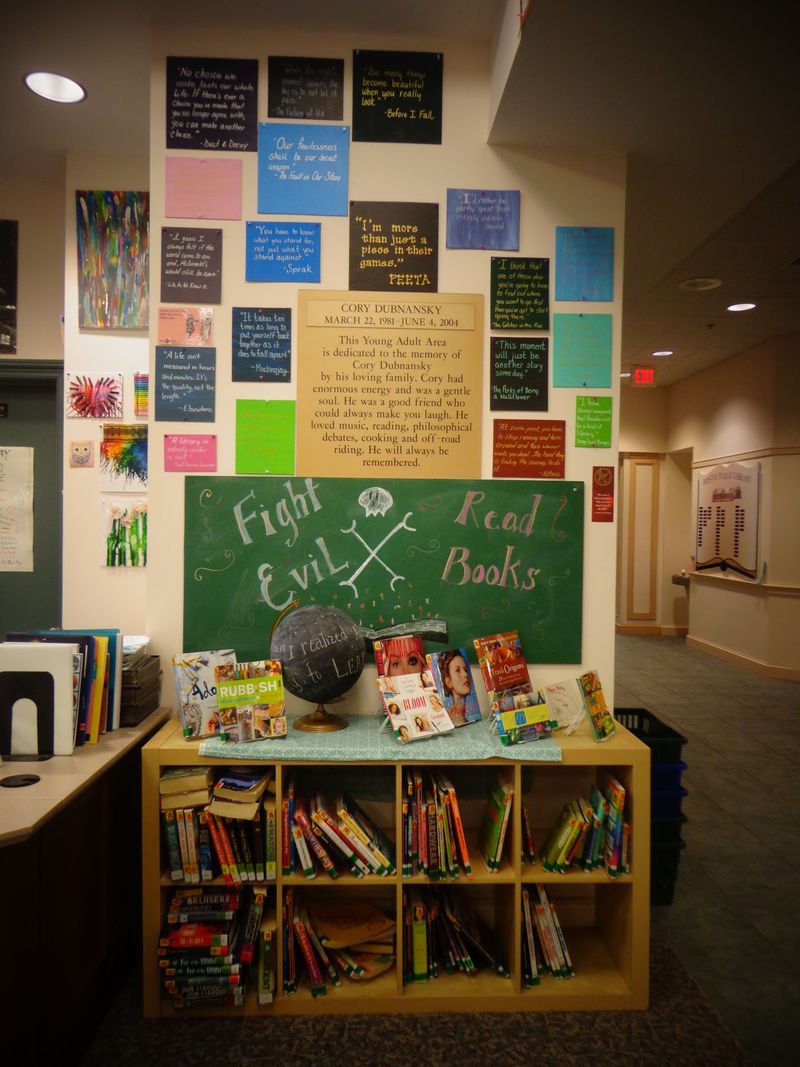
A library card might be the best free thing a kid can own. In Bristol, that card connects children to a tradition that put young readers first.
Families keep praising this library for its selection, its calm setting, and its helpful children’s staff. Those strengths are exactly what early supporters of kids’ libraries hoped for.
Getting started is simple. Bring proof of address when signing up for a card, and ask staff what a child needs to join.
Set a weekly library day to build the habit. Even a 20 minute visit can lead to a lifetime of reading.
Kids who grow up with a library often return as teens and adults. Some bring their own children years later.
The story of Bristol shows that one town choosing to value kids can echo for generations. A quiet downtown building on High Street proves that big ideas can live in small places, and the next chapter is waiting for whoever opens the door.