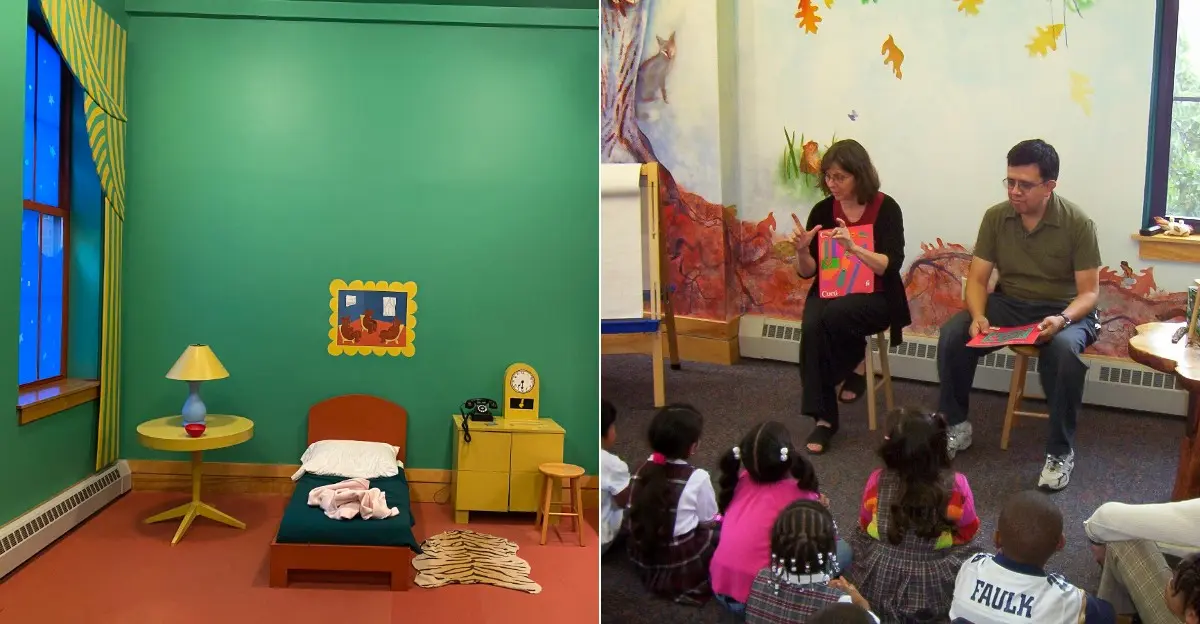
Some of the best family outings in Connecticut hide in plain sight, tucked behind an ordinary front door on a quiet downtown street. In New Haven, one modest building holds a secret that local parents love to share and tourists often miss completely.
Inside, there are trains, mirrors, bugs, and even rocket ships, all waiting for small hands to explore. Every room has its own theme, and each one is built around a different way that kids learn and think.
One room is based on a bedtime book that millions of families know by heart. Another is full of instruments that invite little musicians to make some noise.
The place is small, calm, and refreshingly simple. Keep reading to learn what makes it so special, when to go, and the smart tips that help families plan a visit kids will talk about for weeks.
A Hidden Door on Wall Street
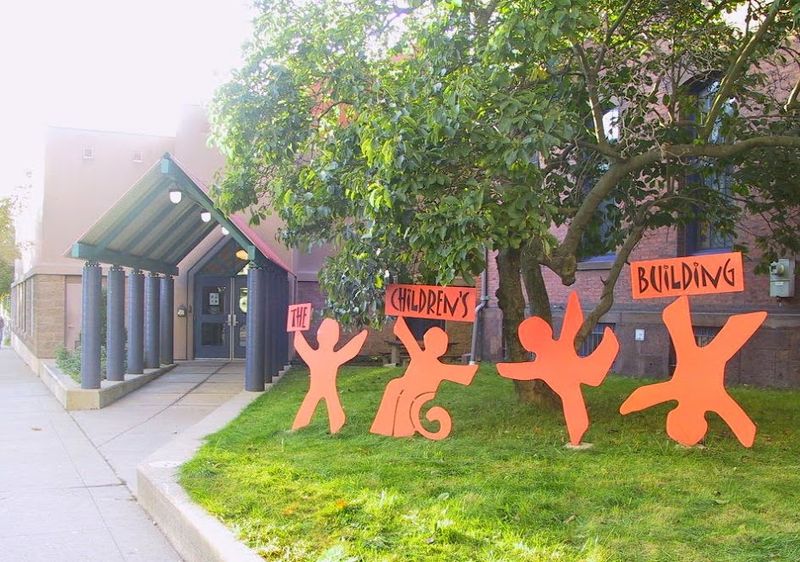
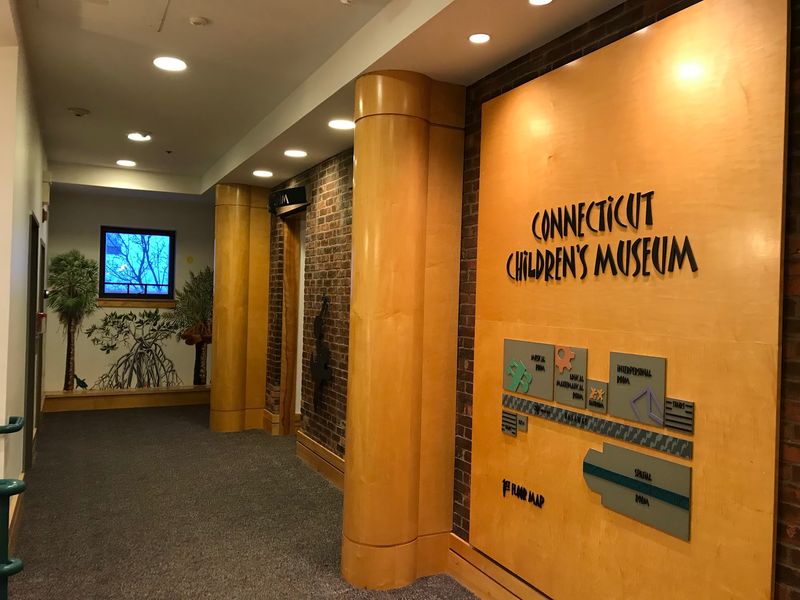
Plenty of people stroll past this cozy building without realizing what waits inside. The Connecticut Children’s Museum sits at 22 Wall Street, New Haven, CT 06511, right in the downtown area of this famous Connecticut city.
The outside looks cute and welcoming, but it does not shout for attention. That quiet style is part of the charm.
Inside, the museum offers hands-on exhibits that teach kids about math, music, language, nature, and city life. Trains, mirrors, bugs, and rocket ships all appear along the way.
Many families who live nearby call it a hidden treasure. It is a place where young kids can play freely without huge crowds or loud screens.
Because it is tucked into a busy college town, it makes an easy stop during a day of exploring New Haven. Families can pair a museum visit with a walk around downtown.
The best surprises often come in small packages, and this one proves the point beautifully.
Rooms Built Around How Kids Think
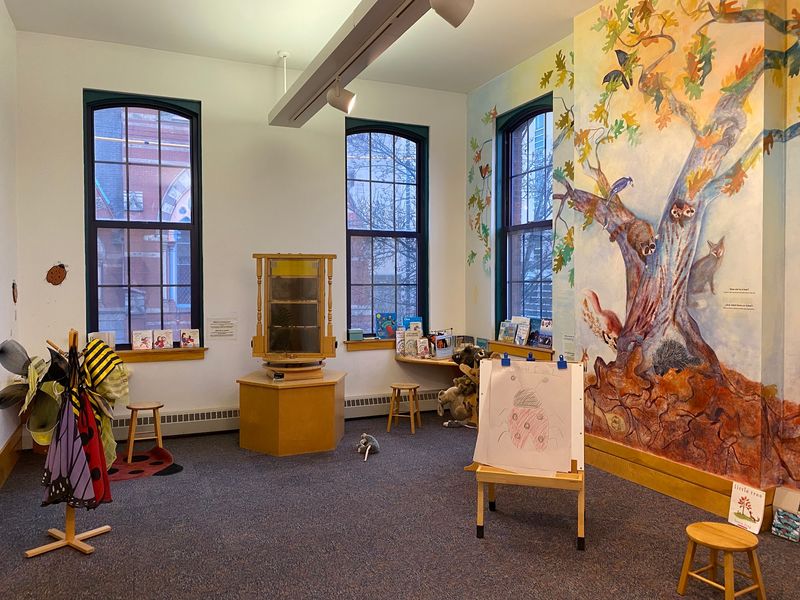
Here is a fun fact that makes this museum stand out. Each room is designed around a different type of intelligence, a way of learning that every child uses in their own mix.
Some kids learn best with numbers. Others learn through music, words, movement, or nature.
The museum gives each of these learning styles its own space. That means a child who loves counting gets a room made just for that, while a child who loves songs finds a different room to enjoy.
Parents often appreciate this thoughtful setup. It helps them notice what their kids naturally gravitate toward.
A curious toddler might spend ten minutes in one room and two seconds in another. That is perfectly fine, and it can actually tell grown-ups a lot.
Watching where a child lingers is one of the quiet bonuses of a visit. Smart play, it turns out, comes in many different shapes.
Every room offers a new clue about the little explorer in your life.
The Goodnight Moon Room
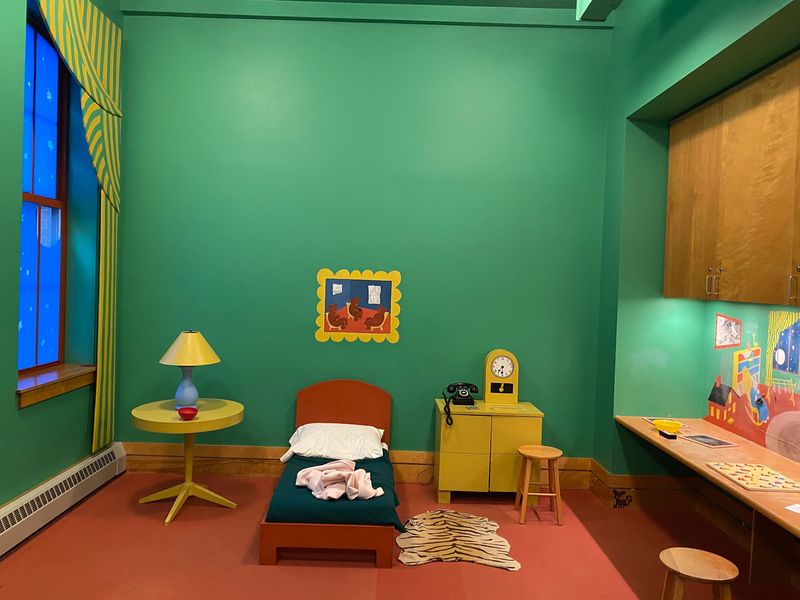
Few bedtime stories are as beloved as Goodnight Moon. At this museum, kids can actually step into a room inspired by the classic picture book.
For families who have read the story dozens of times, this room is often the highlight of the whole trip. Little ones get to see a real version of the space they know from the pages.
It turns a familiar book into something kids can explore with their own hands and feet. Many young children light up when they recognize details from their favorite story.
Here is a helpful tip. Read the book together a few days before visiting.
That way, your child will be ready to spot familiar items and connect the room to the story. It makes the moment feel even more magical.
Grown-ups tend to enjoy this room too, since it brings back memories of their own bedtime routines. Some rooms entertain, but this one feels like a hug from a storybook.
Where Little Musicians Make Noise
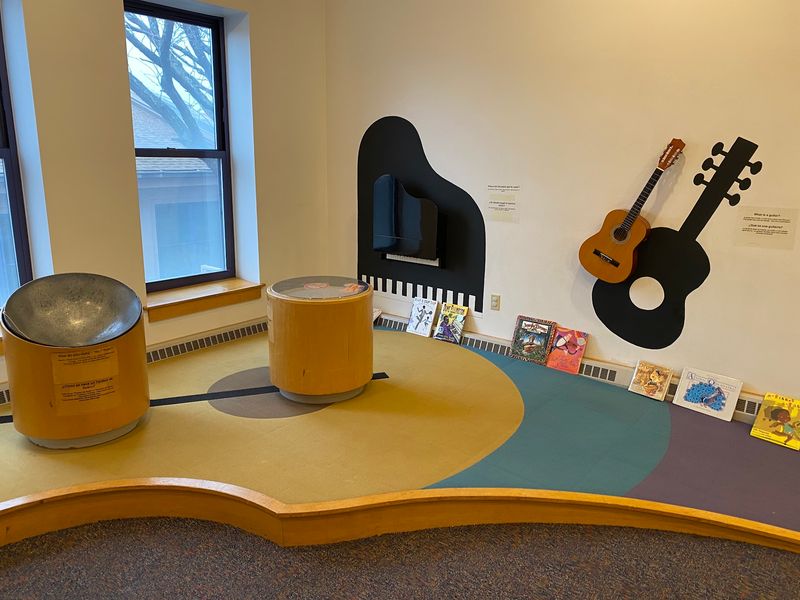
Got a kid who taps on every table? The music room may become their new favorite spot.
This space celebrates sound and rhythm with instruments children can try for themselves. It is one of the most popular rooms for both toddlers and older kids.
Music helps young children practice patterns, listening, and timing. Those skills connect to reading and math in surprising ways.
Kids here do not need lessons or sheet music. They just need curiosity and a willingness to experiment.
Some equipment may show its age, so a few instruments might not work perfectly. That is part of the old-school charm of a smaller museum.
Parents can join in, too. A simple game of copying each other’s beats can keep a child busy and laughing for a long time.
Do not worry about making things sound polished. In this room, a little bit of happy noise is exactly the point, and nobody is grading the performance.
Numbers That Feel Like Games
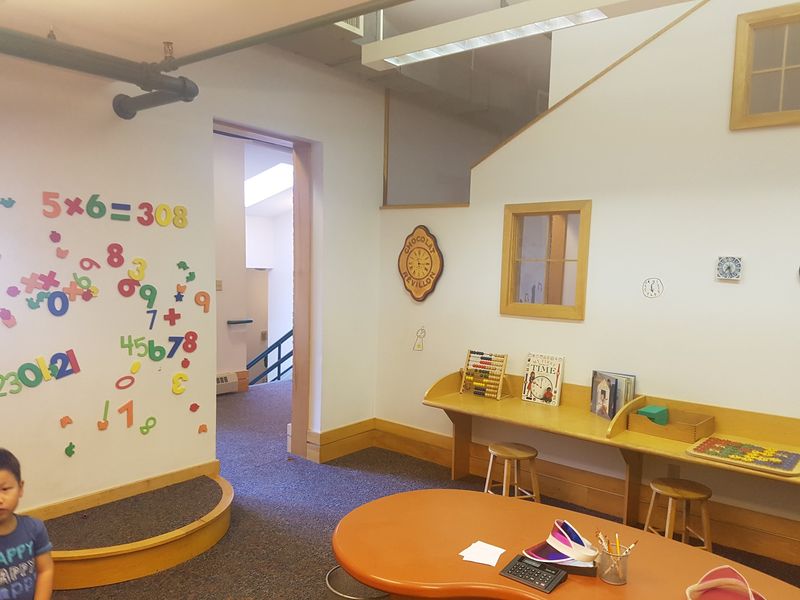
Math does not usually top a kid’s list of fun things. The mathematics room here quietly changes that idea.
Instead of worksheets, children find hands-on activities that let them count, sort, build, and compare. Learning happens while they play, often without them noticing.
Older kids, around eight years old, have especially enjoyed this room. It gives them a chance to solve little challenges at their own pace.
Younger children can still join in by stacking, matching, and lining things up. Those simple actions build early number sense.
Parents can make it even better by asking easy questions. How many pieces are there?
Which one is bigger?
Small conversations like these turn play into real learning. They also help kids feel proud when they figure something out.
Families who think math is boring may leave with a new opinion. Sometimes the best lessons are the ones that never feel like lessons at all, and this room proves it well.
Trains, Mirrors, and Rocket Ships
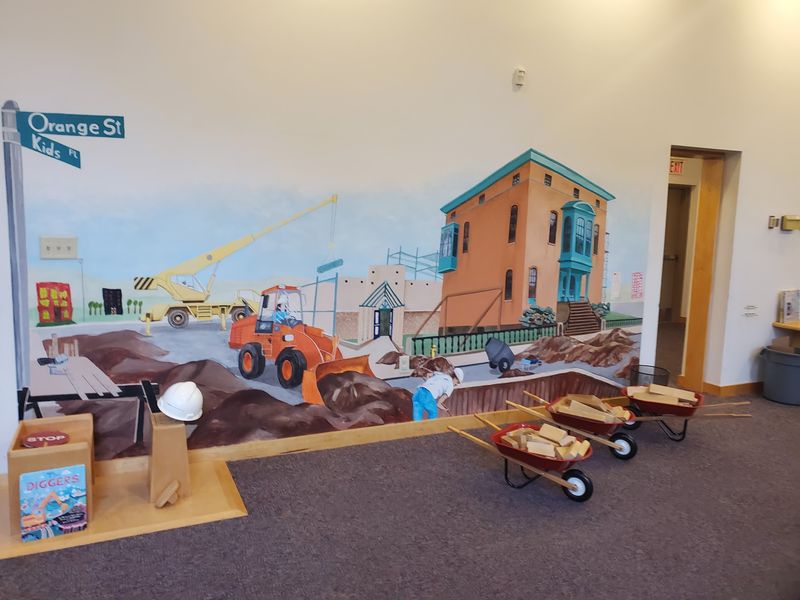
Some kids want to drive a train. Others want to blast off into space.
This museum covers both dreams, with trains and rocket ships among its playful features. City life and transportation themes help children understand how the world around them moves.
Mirrors also appear in the exhibits. They give kids a chance to study faces, make silly expressions, and learn about themselves.
Self-awareness is an important skill for young children. Looking in a mirror and naming feelings can be a simple first step.
The museum has two floors, and each floor holds several themed rooms. That layout makes it easy to move from one adventure to the next.
Let kids lead the way here. Some will race straight to the rocket, while others will wave at their reflection for a while.
Either way, the variety keeps short attention spans busy. A child might arrive as a train conductor and leave as an astronaut, all in one afternoon.
Costumes and Word Play
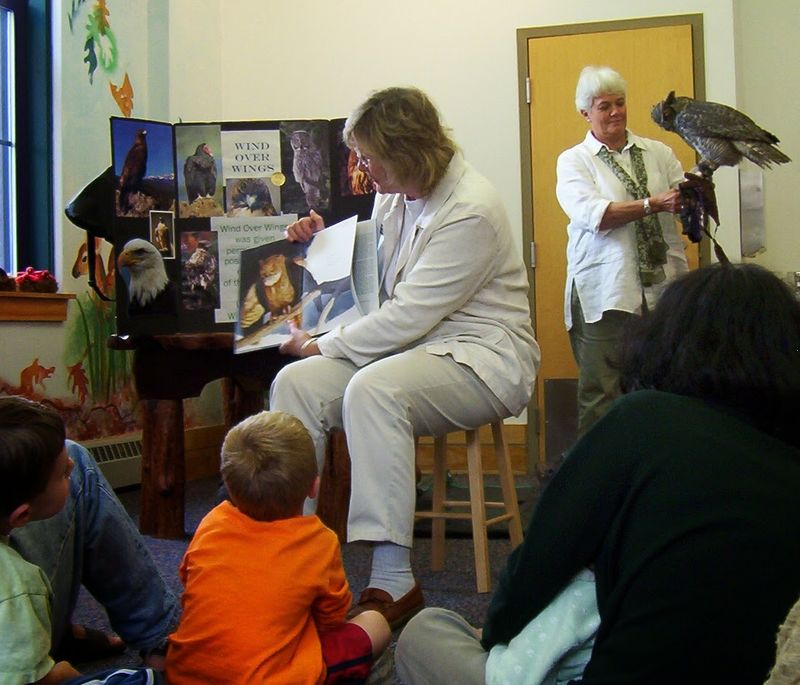
Dress-up time is serious business for many kids. The museum includes a space where children can try on costumes and play pretend.
Pretend play helps kids practice language, solve problems, and understand other people. It might look like simple fun, but there is a lot of learning hiding inside.
Language is one of the main themes of the museum. Reading and storytelling show up in several spaces.
Some rooms are great for quiet exploring, reading, or just hanging out. That mix is helpful for kids who need a calm break between active rooms.
A smart move for parents is to let kids create a story with their costume. Ask who they are pretending to be and what happens next.
Those small questions build creativity and vocabulary at the same time. They also make the visit feel more personal.
A pirate, a chef, or a superhero might walk out of that room. Expect at least one new character at the dinner table.
Saturday Afternoon Bonus Fun
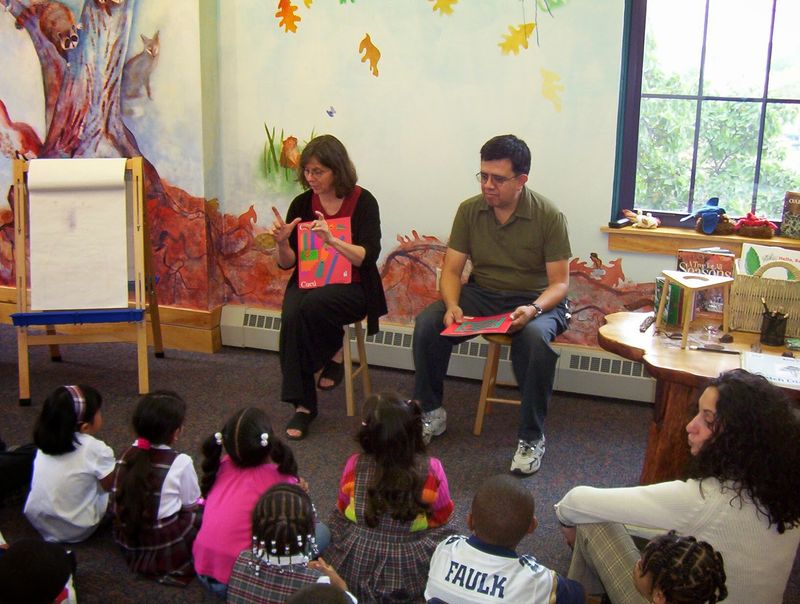
Timing a visit just right can unlock an extra treat. The museum has offered free entertainment on Saturdays at 2 PM.
These programs have included storytelling, arts and crafts, and live music. In the past, a guitarist even put on a show for a group of kids.
Special events like these give children a chance to enjoy shared experiences. They also add something new for families who have visited before.
Since programs can change, it is wise to check ahead. The museum shares updates online, and its Instagram page has been a helpful source for current details.
Arriving a bit early is a good plan. That gives kids time to explore a few rooms before the program begins.
After the event, families can head back to any favorite rooms. It turns a regular play day into a fuller afternoon.
A little planning goes a long way. Catch the right Saturday, and the museum offers a show on top of the play.
Smart Tips Before You Go
Hours here are limited, so planning matters more than at most museums. The schedule has been Thursday from 1 to 5 PM, plus Friday and Saturday from 10 AM to 3 PM, with closures the rest of the week.
Hours have changed over time, so check the website or Instagram before heading out. That one step can save a lot of toddler tears at a locked door.
Admission has been about $10 per person for anyone over one year old. Bringing some cash or confirming payment options ahead of time is a good idea.
Street parking is available outside the building. Meters have run around $1.50 per hour, with a two-hour limit.
The museum works best for kids under about seven. Older siblings may finish faster, but the math room can hold their attention.
Crowds are usually light, making it a calm choice for a rainy day. Plan an hour or two, and this little New Haven treasure will likely earn a return trip.