The old Midwest isn’t gone—it’s just hiding in plain sight across Iowa.
Beyond the highways and growing cities, you’ll still find towns where grain elevators rise above the skyline, neighbors stop to chat on Main Street, and the rhythm of life follows the seasons. These are the places where farm fields stretch to the horizon and local traditions remain part of everyday life.
Step into one of these communities and you’ll discover courthouse squares, family-owned shops, and the kind of genuine hospitality that never goes out of style. The pace is slower, the smiles are easier, and the connection to the land runs deep.
If you’ve been longing for a taste of the heartland as it once was, these Iowa towns deliver. From Dutch settlements and historic villages to quiet farming communities surrounded by open countryside, each one keeps a piece of old-fashioned Midwest charm alive and well.
Decorah
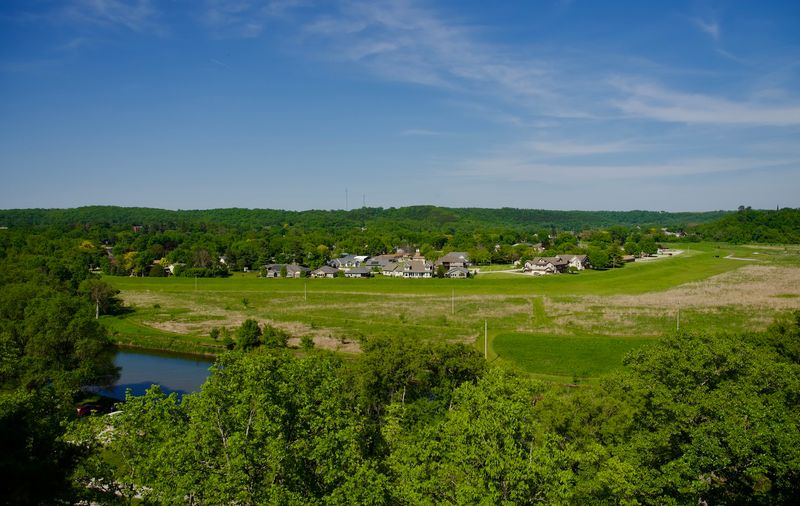
Up in the northeast corner where Iowa gets hilly, Decorah sits like a postcard from another time. Norwegian flags flutter along Water Street, and the whole downtown feels like someone hit pause in 1950.
You won’t find chain stores dominating here.
Trout fishermen wade through clear streams that cut through limestone bluffs. The Upper Iowa River winds past town, offering canoe trips through scenery that looks untouched by modern sprawl.
Local farms supply restaurants with fresh produce, keeping agriculture visible in daily life.
Walk the historic business district and you’ll find family-owned shops that have served generations. Vesterheim Norwegian-American Museum preserves immigrant farming heritage through exhibits and festivals.
The college campus adds youthful energy without erasing small-town character.
Beyond city limits, rolling farmland stretches across the Driftless Area’s unique topography. Dairy barns dot hillsides where corn and hay grow in summer.
Even with tourists discovering its charm, Decorah maintains authentic connections to both Norwegian roots and agricultural traditions that built the Midwest.
Pella
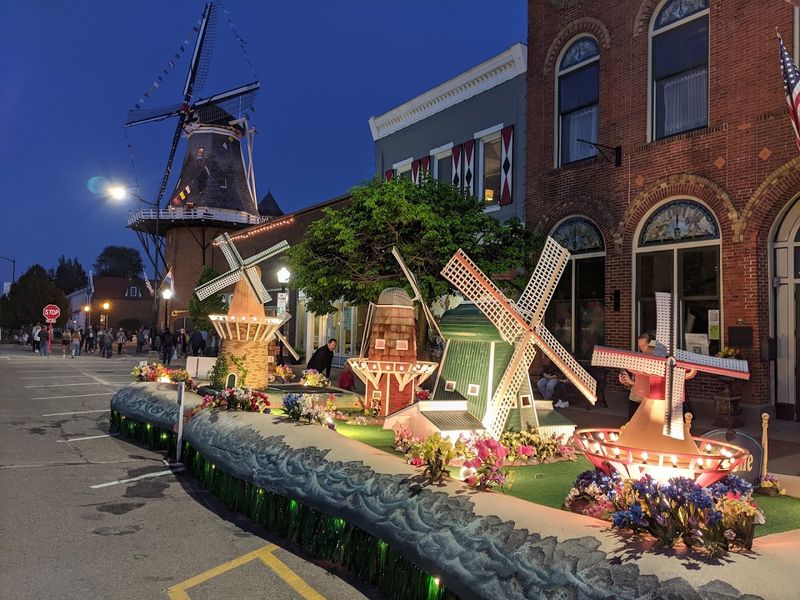
Pella looks like someone airlifted a Dutch village and dropped it in the middle of Iowa cornfields. Authentic windmills rise above manicured gardens where thousands of tulips bloom each spring.
Canals reflect gabled roofs that wouldn’t look out of place in Amsterdam.
Founded by Dutch immigrants in 1847, the town never abandoned its agricultural roots. Farms encircle Pella, providing the grain and livestock that built its economy.
Even today, farming families participate in Tulip Time festivals wearing traditional costumes their ancestors brought from Europe.
Central Park features a working grain mill and detailed Dutch storefronts. Local bakeries sell authentic pastries using recipes passed down through farming families.
The yearly celebration draws visitors, but locals know the real charm lives year-round.
Step outside the tourist center and you’re immediately surrounded by productive farmland. Neat fields extend to the horizon, maintained by families who’ve worked this soil for generations.
Pella proves you can honor heritage while staying deeply connected to the land that sustains small-town life.
Amana Colonies
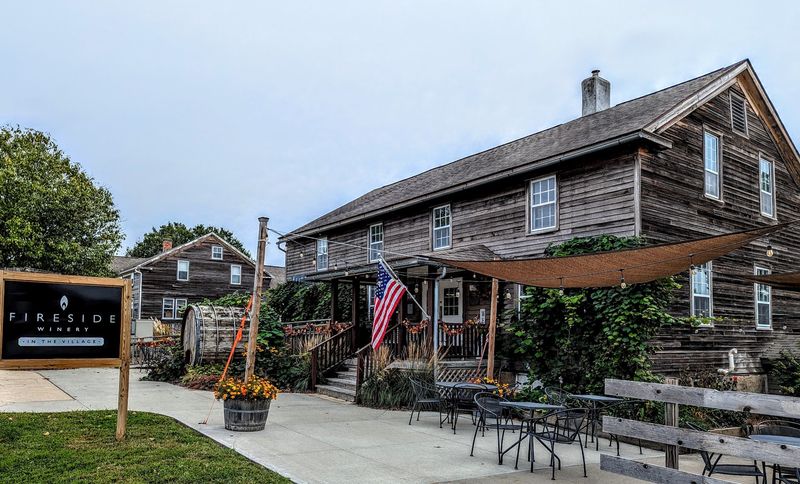
Seven villages clustered together form something rare in modern America—a living museum of communal farming. German immigrants established these colonies in the 1850s, sharing land, labor, and harvest in a system that lasted nearly a century.
Buildings from that era still stand along quiet streets.
Communal kitchens have become restaurants serving family-style meals. Smokehouses cure meat using methods perfected over generations.
Craftspeople weave baskets and build furniture the way their great-grandparents did, using local materials from surrounding farms.
Fields stretch between villages, still productive though privately owned now. You can watch wool being processed from sheep raised nearby, then purchase woolen goods made on-site.
The connection between agriculture and daily life remains tangible here.
Historic gardens grow heirloom vegetables that sustained colonists through Iowa winters. Museums display farming tools that broke prairie sod and harvested communal crops.
Walking these villages, you experience rural self-sufficiency that shaped Midwest character.
The colonies preserve not just buildings but an entire agricultural way of life that modern society has mostly forgotten.
McGregor
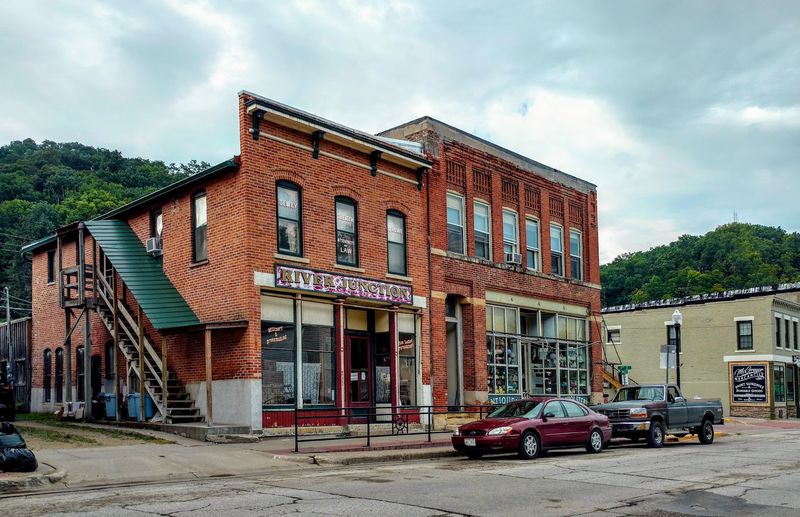
Perched where Iowa meets the Mississippi, McGregor clings to steep bluffs like it has for over 160 years. River barges still glide past downtown, though traffic has slowed considerably since steamboat days.
Historic storefronts climb Main Street, many housing the same businesses that served rivermen and farmers decades ago.
Before highways, this was a crucial river port where farm goods shipped out and supplies came in. That working-class heritage shows in sturdy brick buildings and straightforward architecture.
No fancy renovation has sanitized McGregor’s authentic character.
Bluff views offer panoramas across the Mississippi to Wisconsin bluffs beyond. Eagles nest along the river in winter, drawing nature lovers to quiet observation points.
Local cafes serve hearty meals to fishermen and hunters who still use the river much as previous generations did.
Beyond the bluffs, farmland rolls toward inland Iowa. The town never boomed like some river cities, which paradoxically preserved its 19th-century feel.
McGregor represents honest Midwest roots—unpretentious, hardworking, and deeply connected to the land and water that shaped it.
Winterset
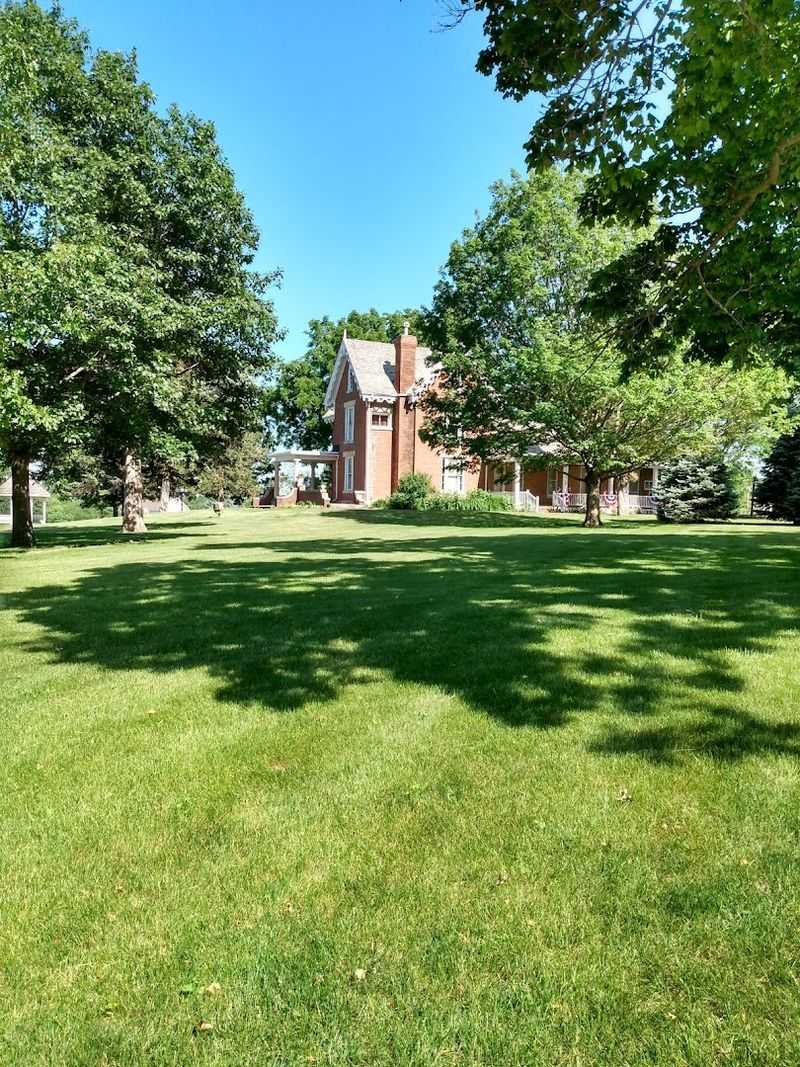
Six covered bridges span creeks around Winterset, each one a testament to slower times when horses pulled wagons over wooden planks. Rolling farmland provides the backdrop for these photogenic structures that put this town on tourist maps.
But agriculture remains the real story here.
Madison County farms produce corn, soybeans, and cattle on land that’s been cultivated since settlers arrived. The courthouse square maintains small-town Iowa character with locally-owned shops and restaurants.
John Wayne’s birthplace museum reminds visitors that even Hollywood legends came from farm country roots.
Drive any direction from town and you’re immediately surrounded by working farms. Barns weather to silver-gray against green fields.
Farm equipment rumbles along county roads during planting and harvest seasons. The rhythm of agricultural life still sets Winterset’s pace.
Local festivals celebrate both Hollywood history and farming heritage. Farmers bring produce to community markets in summer.
Friday night lights draw crowds to high school football where farm kids compete.
Winterset embodies classic Iowa—where covered bridges attract cameras but agriculture provides the authentic foundation of daily life.
Dubuque
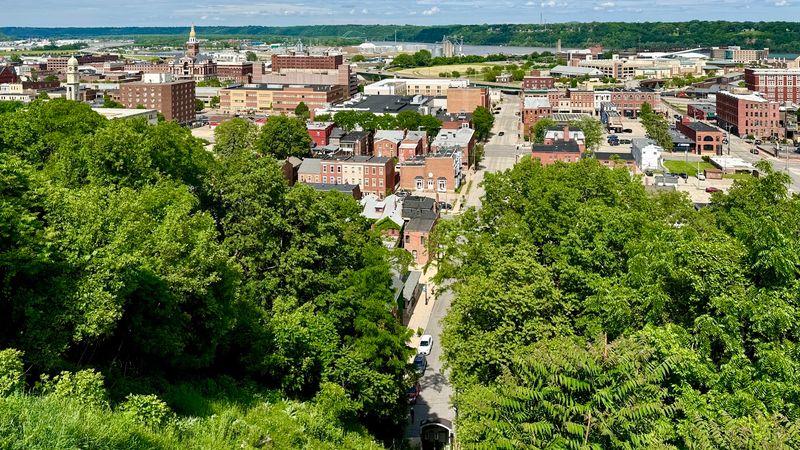
Iowa’s oldest city rises dramatically from the Mississippi on bluffs so steep that streets seem stacked atop each other. Dubuque’s brick buildings and church spires create a skyline that looks transplanted from an earlier century.
While the city has grown, historic districts preserve frontier character beautifully.
German and Irish immigrants who settled here established farms on the flatter lands beyond the bluffs. Those agricultural areas still produce crops and livestock, maintaining connections to Dubuque’s founding.
Cable Car Square and the downtown waterfront showcase restored 1800s architecture where river trade once boomed.
The National Mississippi River Museum explores the waterway’s role in Midwest farming and commerce. Stone churches built by farming families still hold services after 150 years.
Neighborhoods climbing the bluffs retain names and character from immigrant farming communities.
Beyond city limits, farmland extends across rolling countryside. Dubuque proves you can be Iowa’s third-largest city while preserving historic charm and agricultural ties.
Sunday drives lead quickly from urban streets to open farm country, showing how tightly woven city and agriculture remain in this corner of the Midwest.
Fairfield
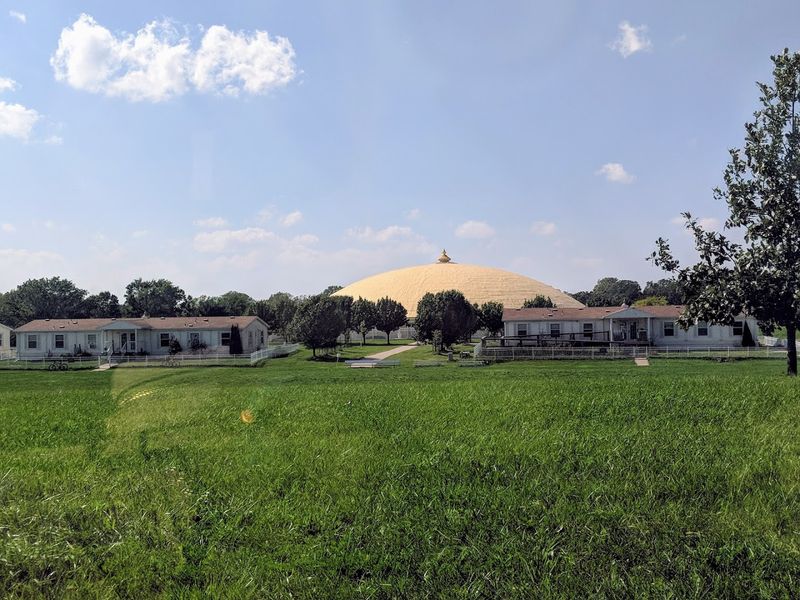
Something unusual happened in Fairfield. While cornfields stretch endlessly around town, organic markets and meditation centers coexist with farm supply stores.
This creates a fascinating blend where traditional agriculture meets progressive thinking.
Maharishi University brought an alternative community to this farm town, but agriculture never left. You’ll see combines harvesting soybeans while yoga classes meet downtown.
Farmers sell organic produce at markets alongside conventional grain operations. The mix works better than you’d expect.
Historic courthouse architecture anchors the town square where coffee shops serve both college students and farming families. The landscape remains quintessentially Iowa—flat, fertile, and productive.
Drive five minutes in any direction and you’re surrounded by cropland that looks unchanged for decades.
What makes Fairfield interesting is how it preserves farm country identity while adding unexpected elements. Local restaurants use ingredients from surrounding farms.
Art galleries showcase rural landscapes. The agricultural economy still drives the region even as new ideas take root.
Fairfield proves small Iowa towns can evolve without abandoning the farmland heritage that built them in the first place.
Mount Vernon
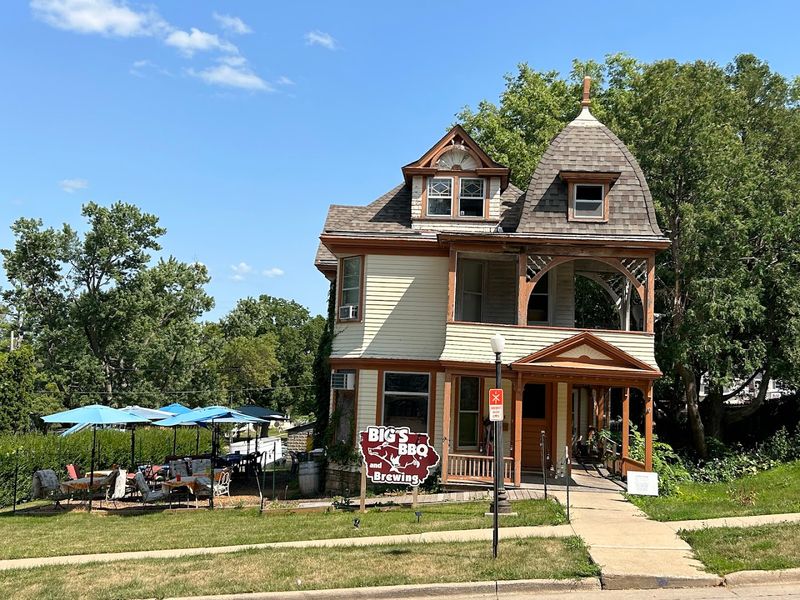
Cornell College sits at one end of town, farmland starts at the other—Mount Vernon captures small-town Iowa in a few compact blocks. The courthouse square layout follows the classic Midwest pattern that once defined hundreds of communities.
Many have changed beyond recognition, but Mount Vernon held firm.
Students walk tree-lined streets past homes that have sheltered generations of farming families. Local businesses serve both college and agricultural communities without catering exclusively to either.
This balance maintains authenticity that purely tourist-focused towns lose.
Prairie remnants and farm fields begin where sidewalks end. You can attend a lecture on campus, then drive two minutes to watch sunset over cornfields.
That proximity to working agriculture keeps Mount Vernon grounded in Midwest reality.
Main Street businesses have operated for decades, some over a century. The library, post office, and feed store anchor daily life.
Friday nights bring football crowds to cheer local kids, many from farming families.
Mount Vernon doesn’t pretend to be quaint—it simply remains what it’s always been: a genuine Iowa town where education and agriculture coexist naturally, surrounded by the productive land that sustains rural life.
Grinnell
Step off Grinnell College campus and you’re instantly in farm country. That abrupt transition defines this town—intellectual life surrounded completely by agriculture.
Historic college buildings give way to grain elevators and implement dealers within blocks.
Founded as a prairie college town in 1854, Grinnell never separated from its agricultural roots. Students study in Gothic buildings while farmers harvest crops visible from classroom windows.
Local cafes serve both professors and farming families at adjacent tables. The mix feels authentic rather than awkward.
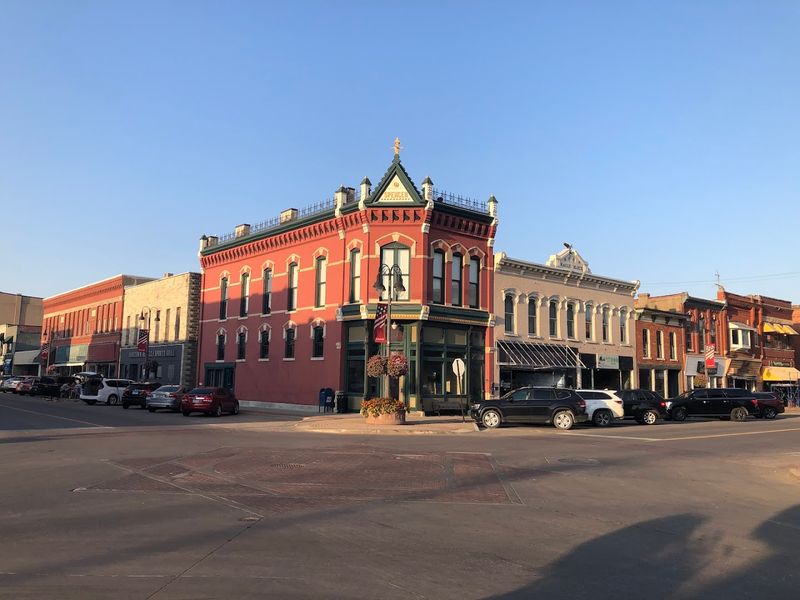
Downtown maintains its 19th-century character with locally-owned shops and restaurants. The old Carnegie library still stands.
Main Street businesses cater to diverse customers—farm supplies share blocks with bookstores. This variety keeps the town economically balanced and culturally interesting.
Beyond city limits, rich Iowa soil produces impressive yields. Farms stretch to every horizon, worked by families who’ve known this land for generations.
Some send their children to Grinnell College, creating connections between education and agriculture. The town proves these worlds can coexist beautifully.
Grinnell honors both intellectual pursuit and the farming heritage that built Iowa, remaining genuinely Midwestern in character.
Elk Horn
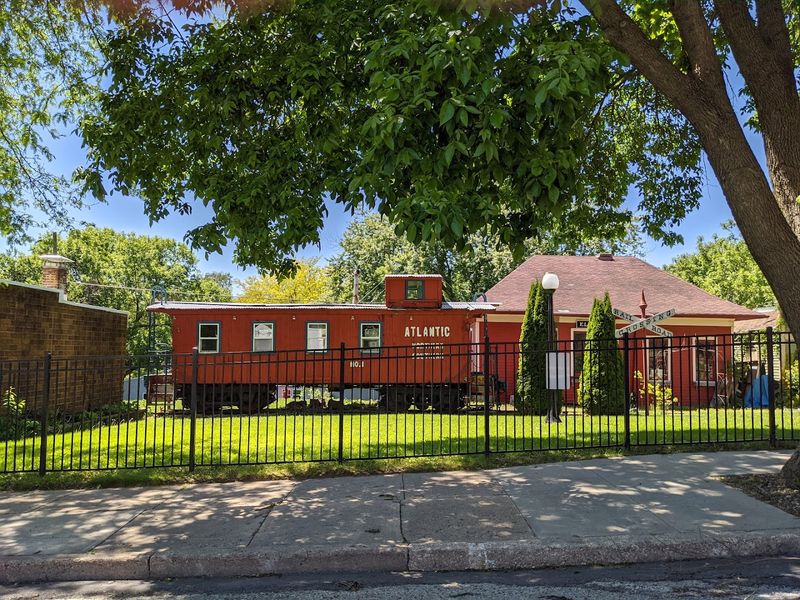
Blink while driving through western Iowa and you’ll miss Elk Horn. This tiny Danish settlement contains barely 600 souls, but it packs more authentic heritage into a few blocks than towns ten times its size.
A working Danish windmill towers over Main Street, grinding grain just as it did in Denmark before being relocated here.
Farm fields press right against the village edges. This isn’t suburban sprawl pretending to be rural—it’s genuine farm country with a Danish accent.
Local families maintain traditions brought by immigrant farmers who settled here seeking affordable prairie land. Their descendants still work the surrounding farms.
The Danish Immigrant Museum preserves stories of families who broke sod and built communities. Ethnic festivals celebrate both heritage and agriculture, with Danish pastries made from local grain and butter.
You won’t find tourism overwhelming authenticity here.
Rolling farmland surrounds Elk Horn with some of Iowa’s prettiest countryside. Green fields alternate with woodland patches.
Family farms operate much as they have for over a century. Elk Horn stays small, stays Danish, and stays genuinely connected to the agricultural landscape that defines it.
That’s increasingly rare and worth preserving.
Orange City
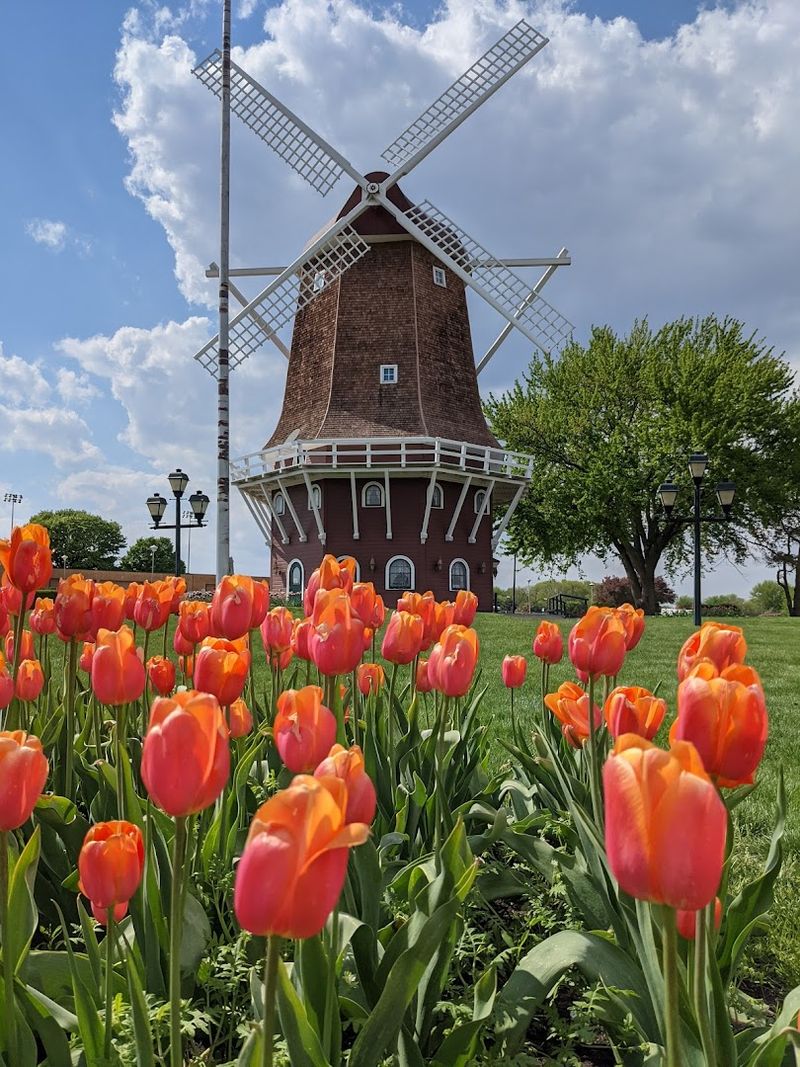
Orange City, Iowa, is one of those small Midwest towns where time seems to move at a steadier, more familiar pace. Built on strong Dutch heritage, the town is known for its clean streets, brick-lined downtown, and carefully preserved traditions that still shape everyday life.
Surrounded by wide stretches of fertile farmland in northwest Iowa, Orange City feels deeply connected to agriculture, with cornfields and farm operations forming the landscape just beyond town limits.
What makes Orange City stand out is how consistently it holds onto its identity. Windmills, tulip-themed festivals, and historic architecture reflect its European roots, but the town itself remains grounded in classic Iowa small-town living.
Local shops, family-owned businesses, and a central courthouse square create a sense of community that hasn’t been lost to modernization.
Even as it grows slowly, Orange City maintains the kind of quiet charm people often associate with the “old Midwest”—friendly, orderly, and closely tied to the land around it. It’s a place where heritage and farming culture blend naturally, offering a snapshot of Iowa life that still feels authentic and rooted in tradition.
Waverly
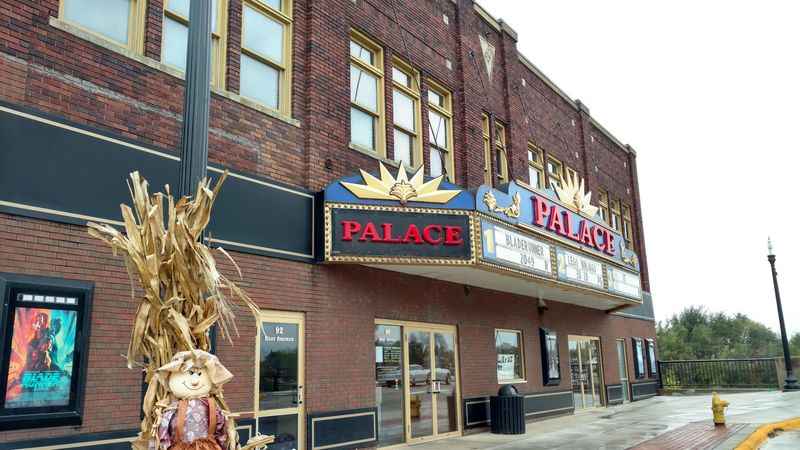
Waverly captures the kind of Midwest charm that many travelers think has become increasingly rare. Located along the banks of the Cedar River in northeastern Iowa, this welcoming town combines a historic downtown, tree-lined neighborhoods, and a strong sense of community that has endured for generations.
While home to a respected college, Waverly never loses sight of its small-town roots, maintaining the friendly atmosphere and slower pace that define much of rural Iowa.
Agriculture remains an important part of the area’s identity, with farms and open countryside surrounding the town. Local events, farmers markets, and community gatherings help preserve the close-knit spirit that has long been a hallmark of Midwest living.
Residents take pride in supporting local businesses, many of which have served the community for years.
Downtown Waverly offers a pleasant mix of historic buildings, independent shops, and locally owned restaurants, creating a walkable center that encourages visitors to slow down and explore. Combined with its scenic river setting and strong community traditions, Waverly embodies the enduring appeal of the Midwest—a place where neighbors still know one another, local heritage matters, and everyday life feels connected to both the land and the people who call it home.